In my previous blog post I explained you about different possibilities to take a cool dip in some Andalusian rivers, located near Malaga in southern Spain. Now, I would like to tell you about another wonderful place that runs through the lands of Andalusia, surrounded by the wild nature of unique beauty, which one day you should undoubtedly explore. It is the Durcal River, a truly beautiful natural area, brimming with extraordinary flora and fauna that together with the wonderful mountain landscape and historical monuments, invites you to enjoy it. Besides, the true is that getting into the crystal clear water on a hot summer day is something desirable. So, let’s try it.
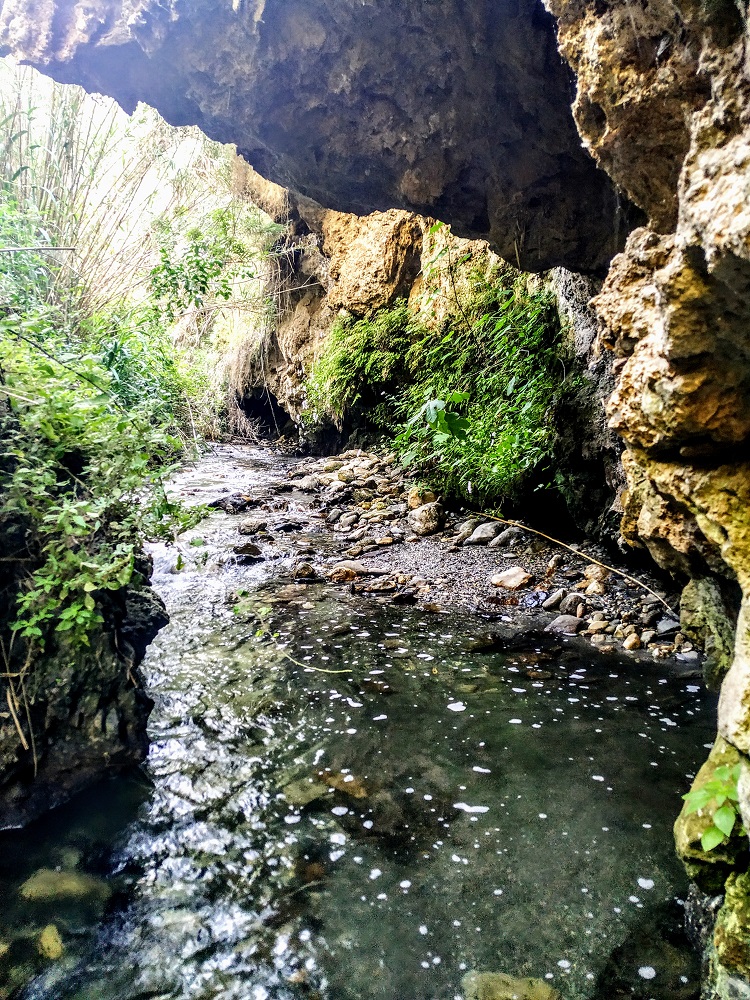
THE NICO MOLINA PATH ALONG THE DURCAL RIVER
The Durcal River, also known by the name of the Izbor River, is located in Sierra Nevada, in the province of Granada, and it begins at 2,800 meters above sea level. I would like to remind you that Sierra Nevada is the mountain range, which is a part of Beatic System, and in this natural area of sublime beauty you can find a ski resort, located further south within the European continent. There are up to five different routes for a day hiking and for a dip in the refreshing water of the river. Most of them cross many emblematic places, such as historical bridges, among them stands out the Roman Bridge, ancient mills or the Arab watchtowers, built during the Muslim era in the Iberian Peninsula, developed between 711 and 1492. I am not sure if you are aware of the fact that Muslims arrived in these lands on April 28, 711, led by the Berber Commander Tariq, and they quickly occupied the capital of Visigoth Kingdom, the city of Toledo, ending the two hundred years of Visigothic presence in the Peninsula.
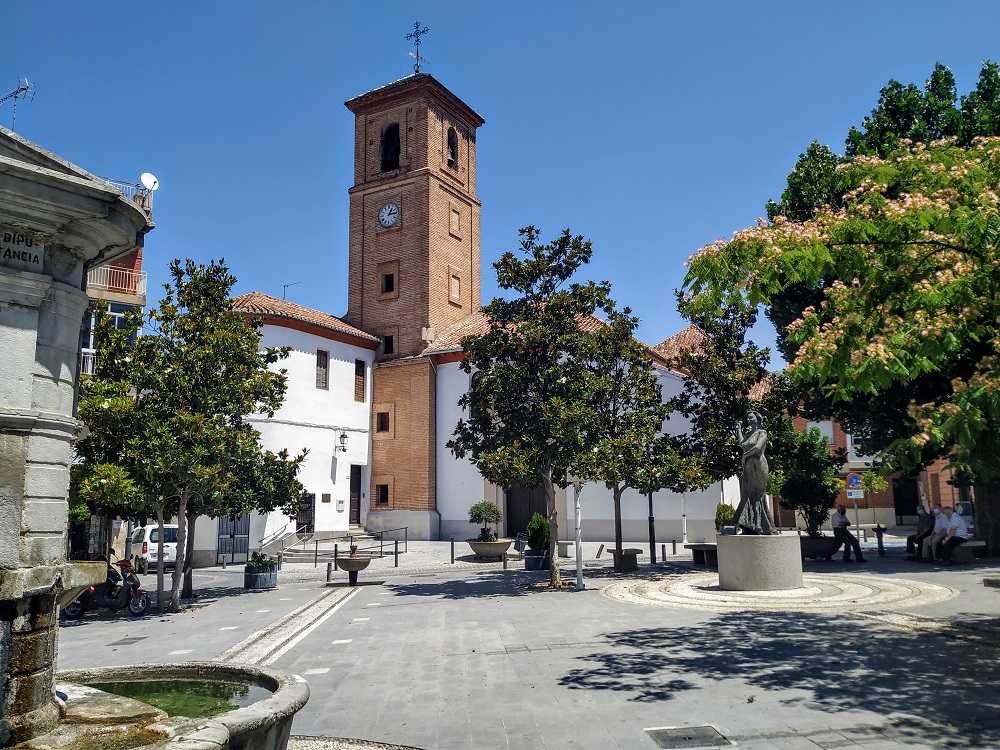
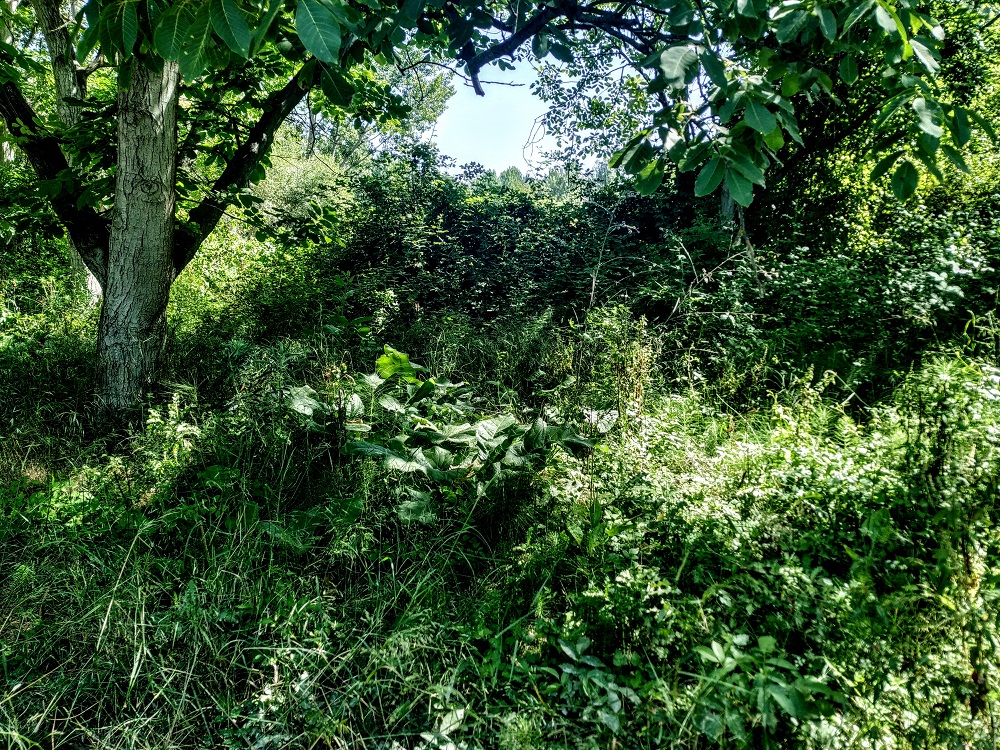
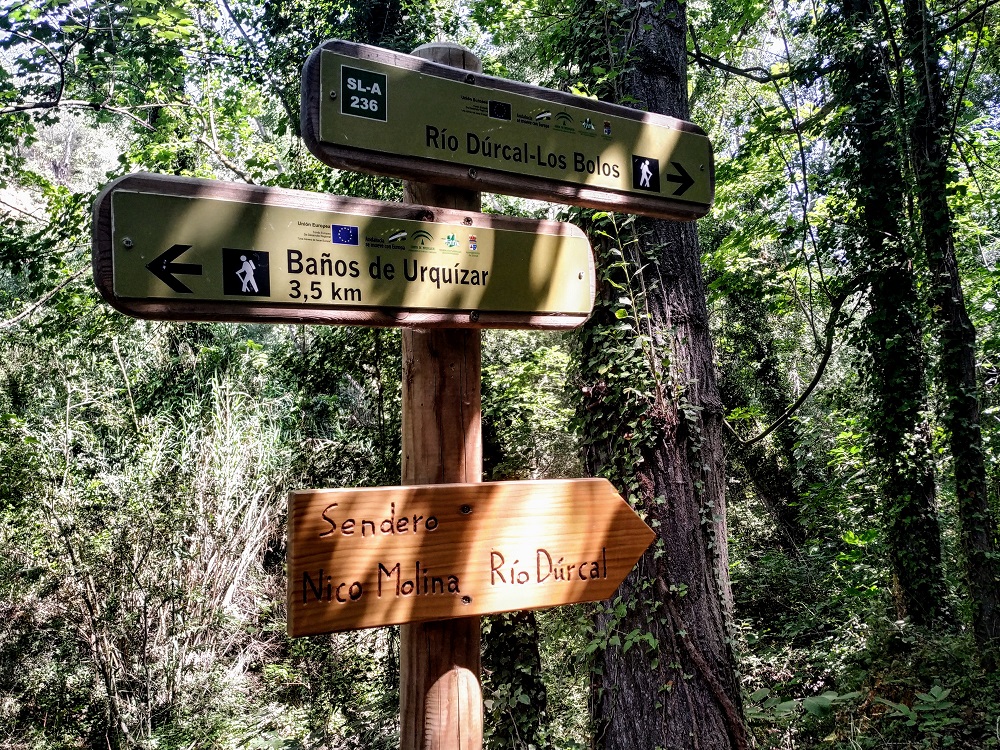
I personally recommend you to take the Nico Molina path in order to visit this place. The given name refers to the young Andalusian athlete who usually practices along the Durcal River. The best thing about this route is its circular feature, which gives you the possibility to start and to end the journey in the same place, that is, in the central square of the town, where you can also appreciate some historical monuments, such as the one dedicated to Rocío Durcal, the famous Spanish singer. The best of all is the fact that when you finish, you can have few cold beers, Alhambra 1925 is my favorite. The directions of the track are easy to follow, but as always if you prefer to be connected, I recommend using the App Wikiloc, this way, surley you will not get lost.
THE MUST HAVE PLACES TO VISIT ON YOUR WAY
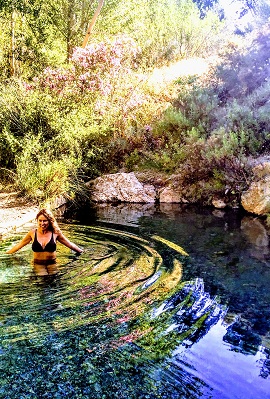
Natural pools: there are small and large natural pools, also known by the name of Urquizar Baths. The baths were used for the first time in 9th century and during the 15th century the hydraulic works were done and they still are functioning. The water there is usually around 25ºC, and it is rich in minerals that offer many benefits for the skin. Large baths can be reached on foot via steep slope, but not too difficult to descend. It is worth to visit them, especially early in the morning, because you will enjoy this amazing place completely alone. Wonderful! The small baths are accessible by car, the road is wider. Next to them it is located a fountain, where you can fill up your bottle with the natural mineral water.
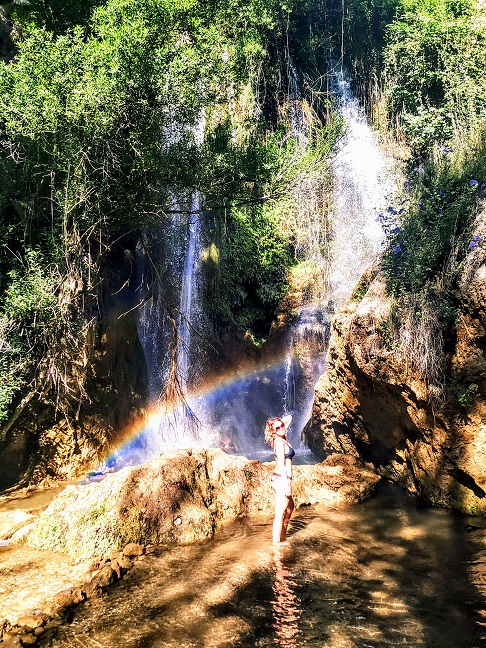
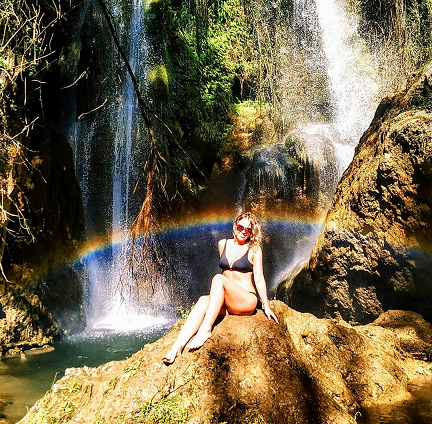
The Alcazar waterfall is located next to the small natural pools. It is necessary to enter inside the river, so you will get your shoes wet. However, the views are incredible and I advise you to do it. It is not a difficult path, even if you are coming with children, they will be able to cross the river eaisly. When I arrived, a kind of rainbow had been created in front of the waterfall, such a wonderful natural spectacle. I believe that the photography lovers have a great possibility here to show off their qualities. This place is really impressive. It is also an excellent site to take another dip or to have a picnic meantime you have fun watching the waterfall.
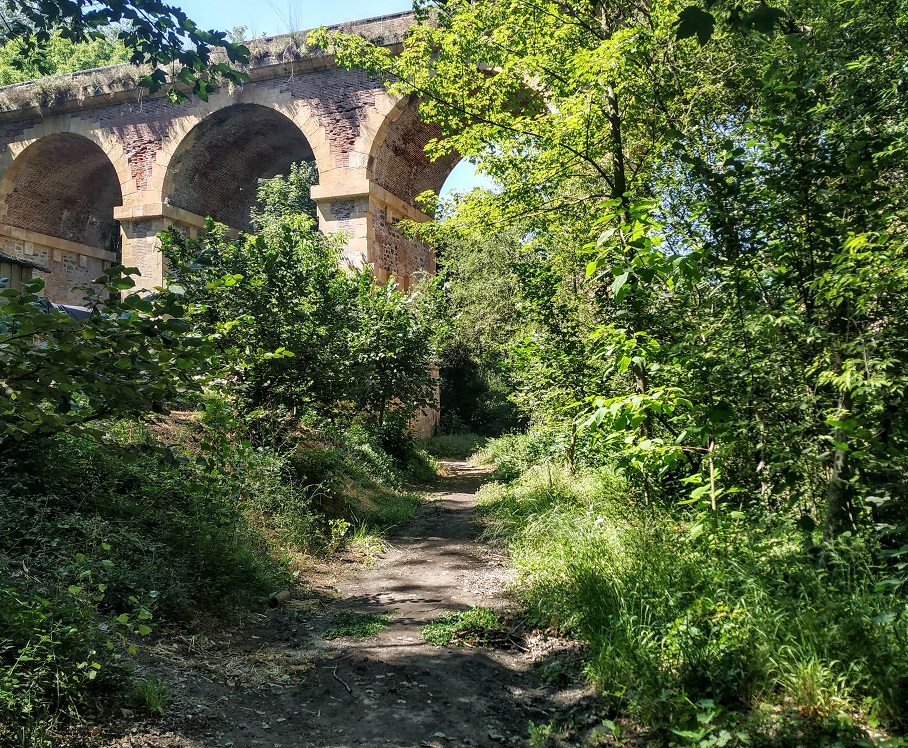
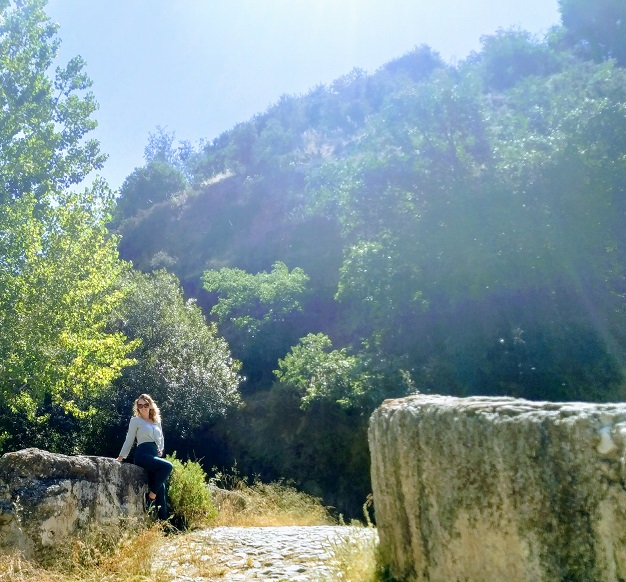
The historical bridges, among which stands out, of course, a small bridge from Roman times. The Iberian Peninsula, being the conncetion between the African and the European continents, attracted numerous cultures of which still remain vestiges that evoke the past epochs. The Roman Bridge had been used as a part of the Alpujarras royal road until 19th century. In the present, its importance lies in its historical character. There is also along the road a fanstastic bridge, made in the 1920s by a disciple of Eiffel, yes, the same creator of the famous Parisian tower. The bridge is populary called “the Tin Bridge” and it corresponds to the characteristics of the Iron Architecture, originated at the end of the 19th century, whose main element was iron, which had been used mainly during the second Industrial Revolution. Did you know that at the beginning this material was not considered noble? In fact, its use was banned in the construction of Anglican churches for a long time.
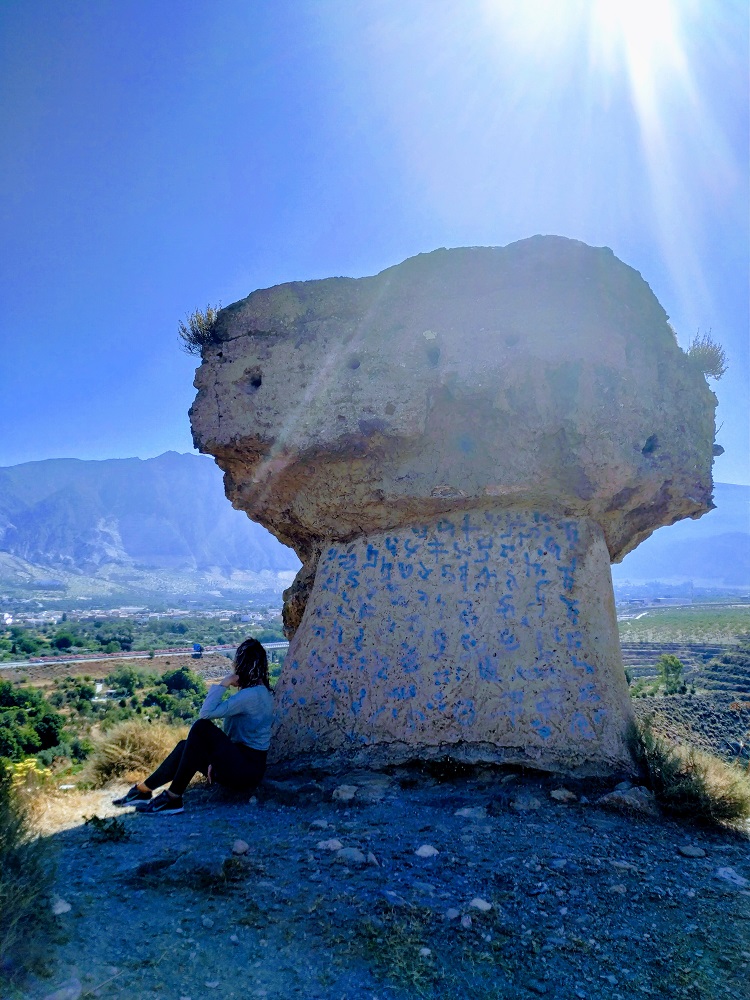
You can find the Moorish Rock, on the top of the hill climbing from the small pools, the Baths of Urquizar. It is called in Spanish “Peñón de los Moros” and it offers you spectacular views of the entire valley. It is a bit steep to climb to this place, but surely you are fit and you will be able to achieve the peak. By the way, it is the perfect opportunity to work out your legs and glutes. 🙂 The fortification was created in the 13th century and in the entire valley there are up to 19 different towers. Its main intention was to keep an eye on the path that connected the Mediterranean coast with the Alpujarras region. Currently there is a rock, wich seems more like a mushroom, it does not take much imagination to appreciate the similarity.
TIPS:
- Bring the water, it is quite hot, especially in summer. Although near the natural pools there is a fountain with clear mineral water that you can drink.
- Use comfortable shoes which, keep in mind, will get wet.
- Wear a swimsuit, the water is warm.
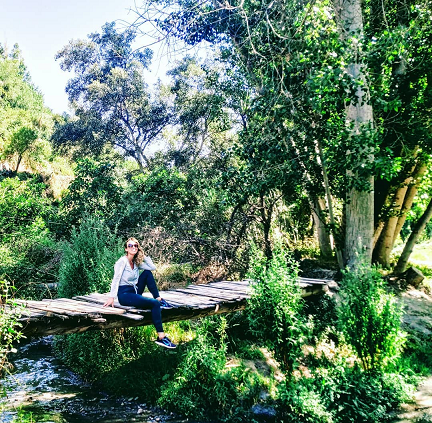
- You can do a picnic by the pools or along the pathby the river, which is equipped with benches and tables.
 all about eve`s journeys