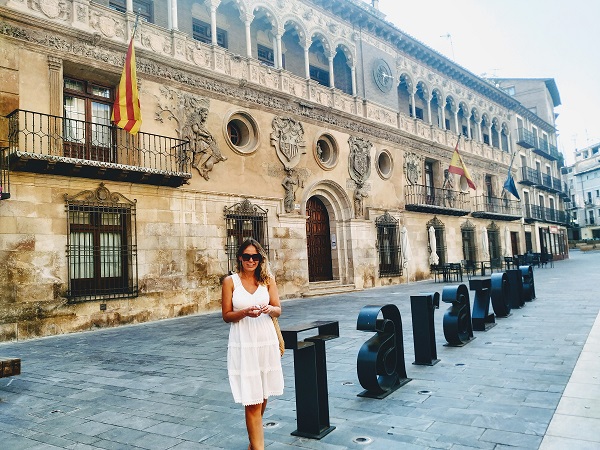
Spain is a country of varied landscapes and traditions that make it an idyllic place to explore and acquire historical knowledge. In this article I would like to tell you the story about two towns, located in the northeast Spain, which have had some importance during the Middle Ages. These are Tudela & Tarazona, both places are very close to each other, and they are full of monuments from bygone times and unusual landscapes, such as the Bardenas Reales or the Pozo de los Aines. Let’s explore together!
TUDELA
HISTORY OF THE CITY
Tudela is a town of great historical interest, located about 95km from Pamplona in the Community of Navarra. Its name comes from the Latin of a Roman goddess Tutela who was linked to the Roman Empire province of Hispania. Although human settlements date back to the Lower Paleolithic, later highlighting a great Celtiberian people in the Iron Age. During the Middle Ages the city passed through Muslim hands, remember that the Iberian Peninsula was conquered by Tarik and the Berbers from the year 711, thus beginning to form part, first, of the Umayyad Caliphate with the capital in Damascus, and then becoming independent, first, as Emirate of Córdoba ruled by Abd al-Rahman I in 756. Although from 1119 it was conquered by King Alfonso I the Battler and began to form part of the Christian Kingdom of Aragon. It should be noted that for almost 400 years in the city three monotheistic religions coexisted peacefully: Islam, Christianity and Judaism, in this way a great and rich cultural development took place that today is reflected in the beauty of its monuments and traditions.
WHAT TO VISIT IN TUDELA
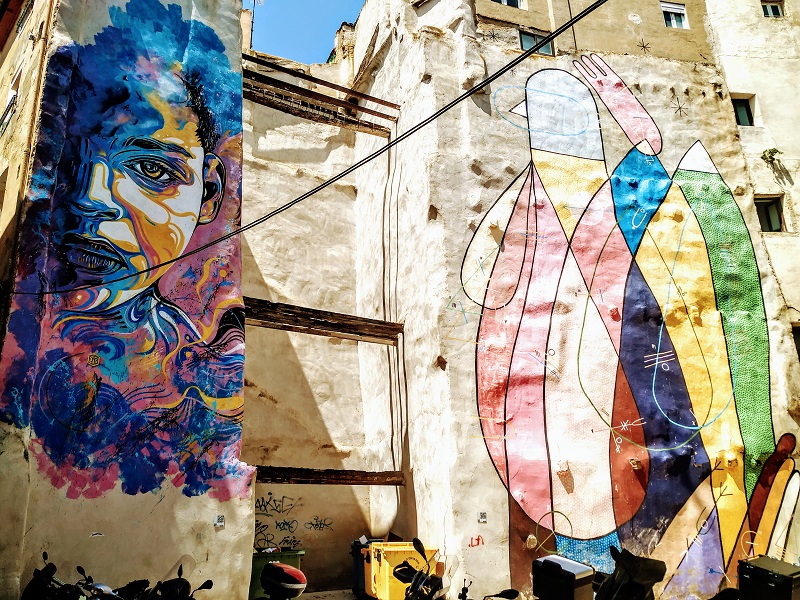
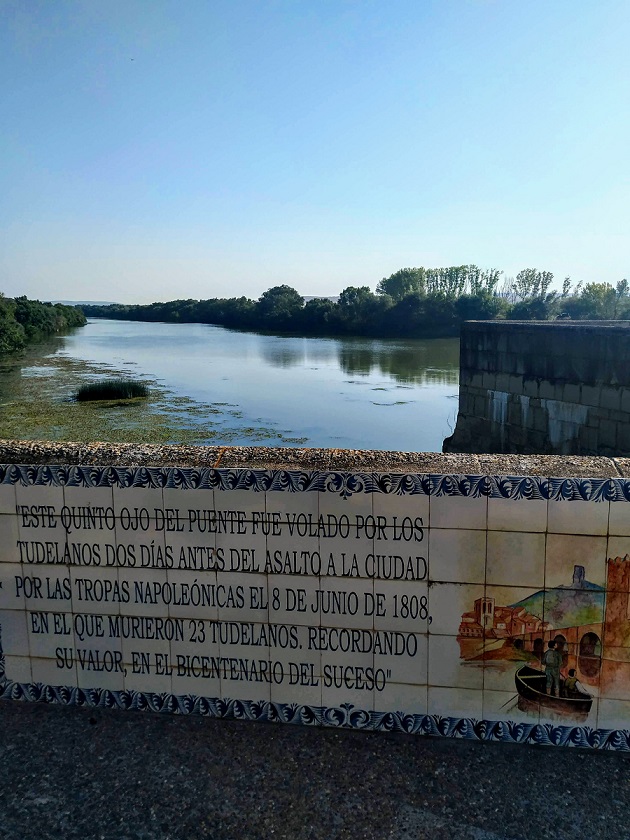
Although it is the second largest city in Navarra, you can explore it perfectly in a day or two if you want to know its beautiful monuments in greater detail. One of the routes to enter the city leads through the Roman Bridge that crosses the Ebro River, witness to the bloody battles of the Spanish Civil War, and that leads directly to the Old Town. I recommend you go through the Church of Santa Magdalena that exhibits Romanesque architecture and that was built on an old Mozarabic church (that is, built by the Christians who lived in the lands of the Muslims). I loved its beautiful doorway with the flared arch and the archivolts in which the reliefs follow the line of the arch unlike the Gothic doorways.
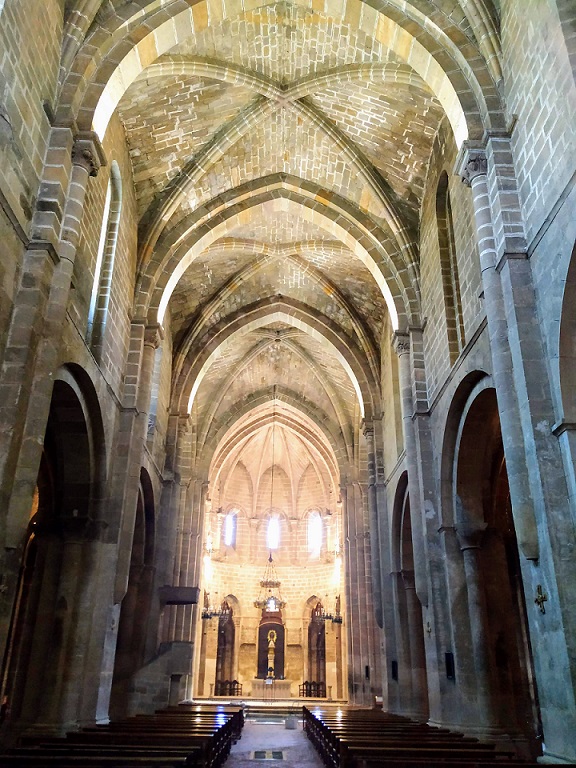
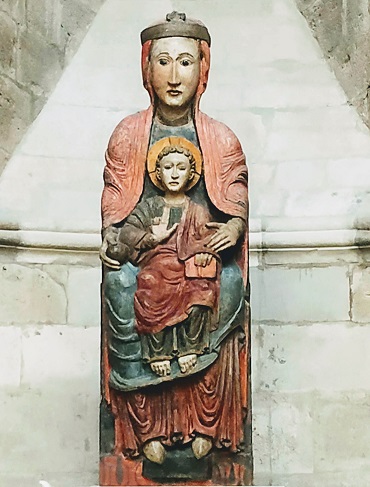
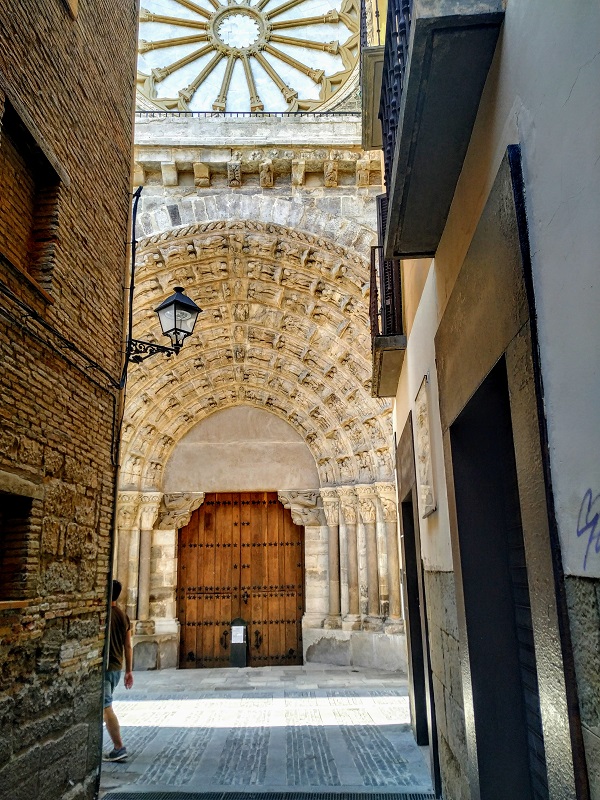
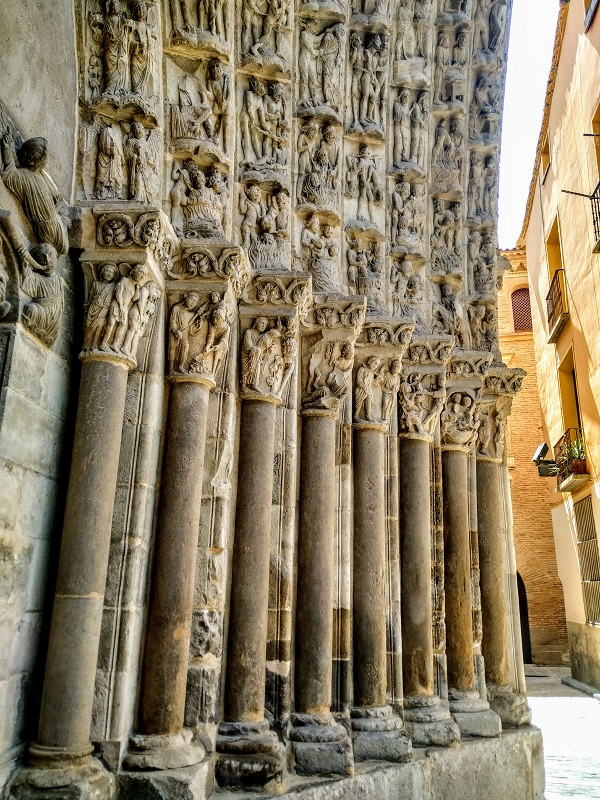
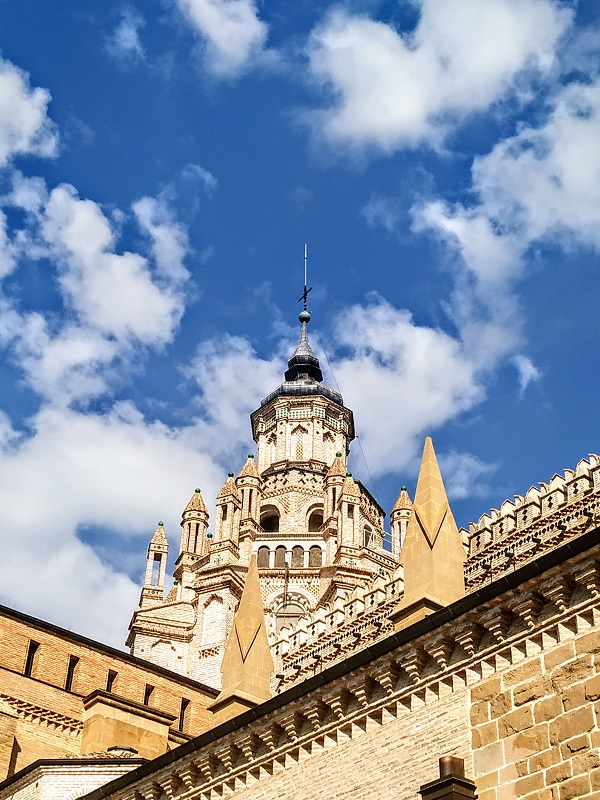
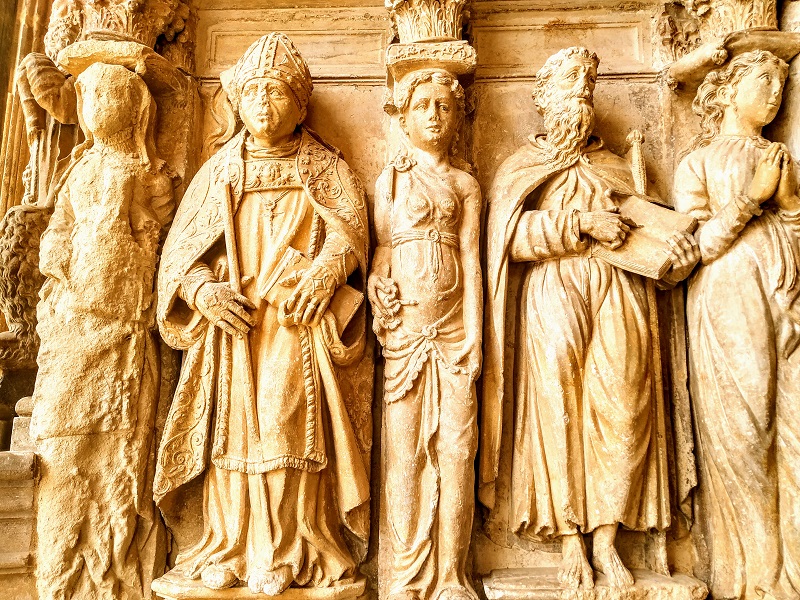
On the other hand, the Cathedral of Tudela, built at the end of the Romanesque, represents more the characteristics of Gothic Art, among them the slenderness of the architectural construction and the reduction of the narrative intention stand out, the monument being populated more with motifs of plant decoration. Other places that you should not miss are the Justice Door with the scenes of majestic paradise and terrible hell that served to indoctrinate the faithful in medieval times, the Fueros Square from the seventeenth century, the favorite meeting place of locals, which highlights due to the uniformity of its facades is a typical Plaza Mayor (Main Square). And if you want to explore more and do a bit of hiking, I advise you to go up to the ruins of the Santa Bárbara Castile, former residence of the Navarrese monarchs.
SURROUNDINGS OF TUDELA: BARDENAS REALES
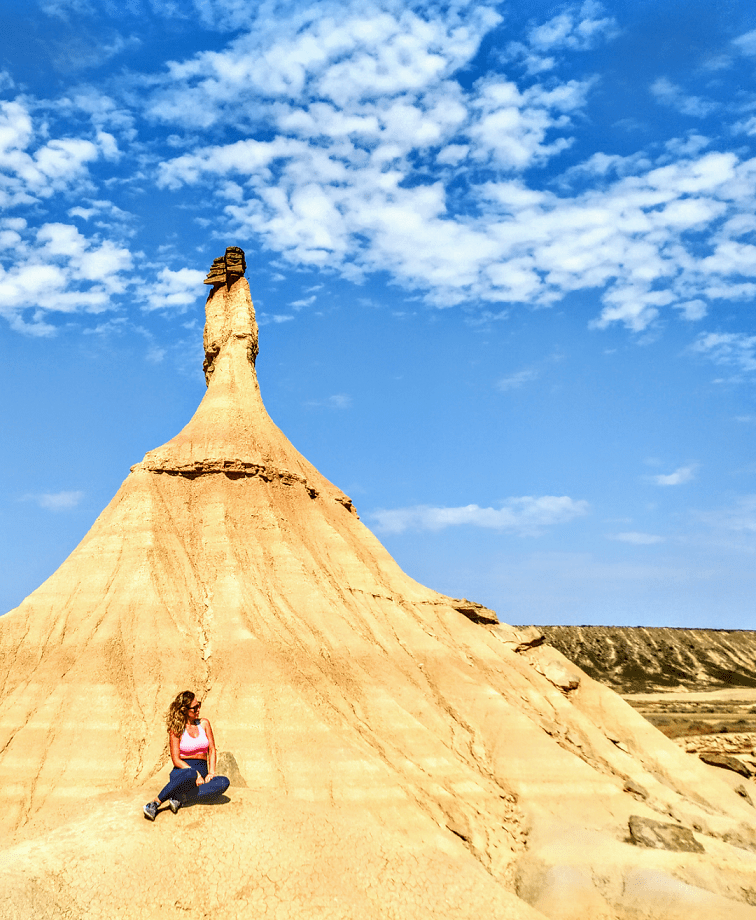
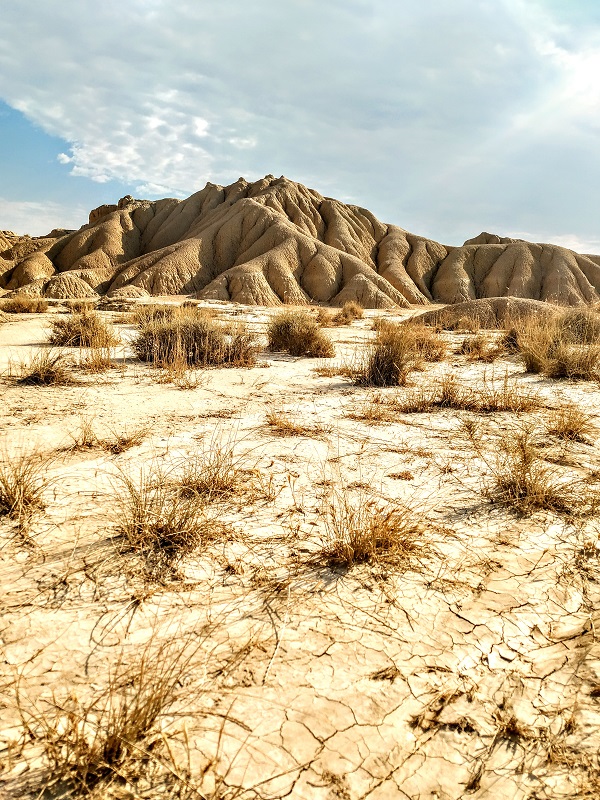
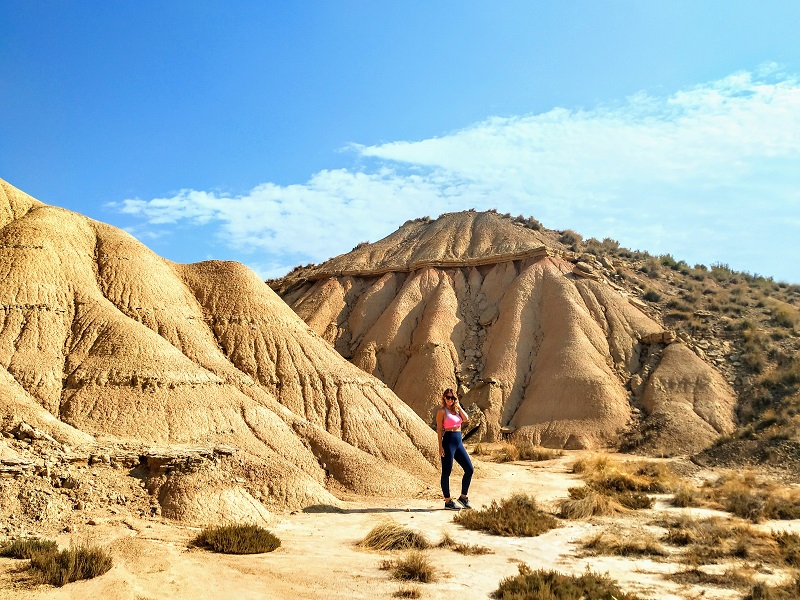
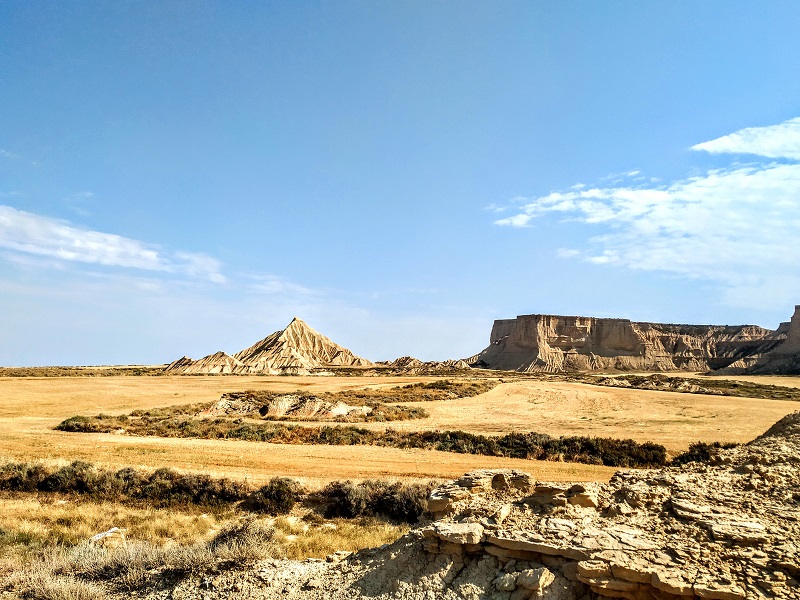
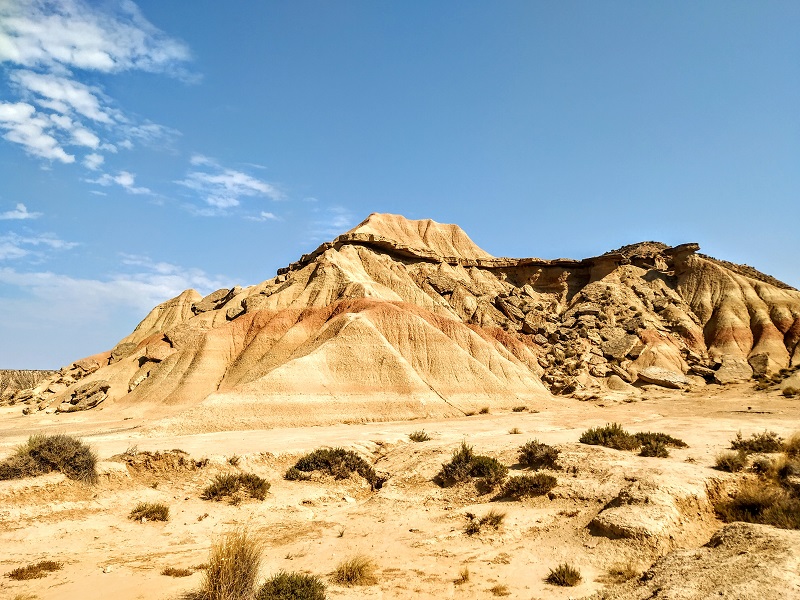
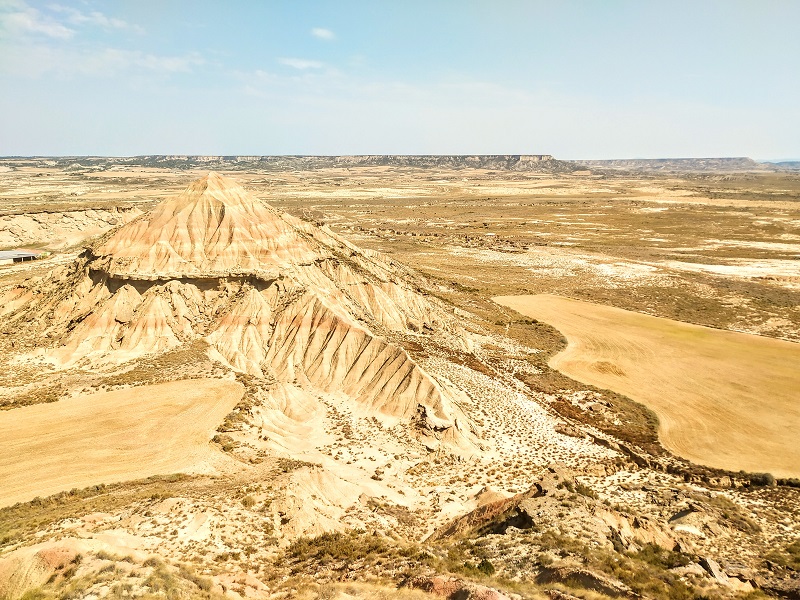
Bardenas Reales, made up of clays and sandstones, is a desert located near Tudela. Created by the thermal contrasts of very hot summers and cold winters, strong winds and little rainfall, which almost make it impossible to develop flora and the few plants that survive this severe climate are steppe in character. It is a spectacular place that you can visit on foot, by bike or by car, depending on your preferences, the time you have and your physical condition. When you arrive at the Visitor Center you are givena map with the possible routes of the park. You should not miss the following places:
- Casildetierra rock formation
- Las Cortinas reservoir
- Blanquizales de Pisquerra
- Los Tres Hermanos (Three Brothers rock formations)
- Corral de Zapata
- San Juan de Obispo viewpoint
- Bandoleros
TARAZONA
HISTORY
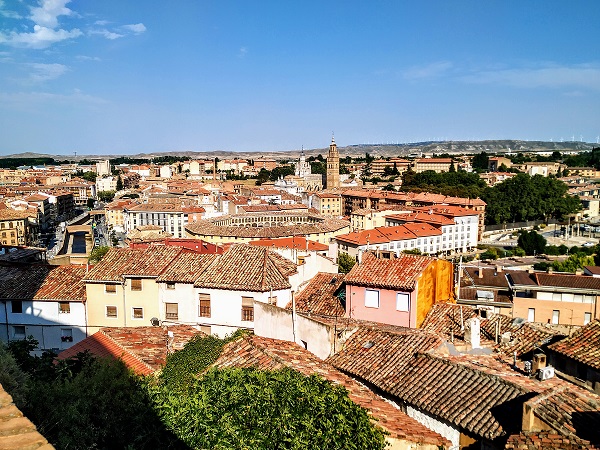
Tarazona is located a few kilometers from Tudela, in the Aragonese Community. Due to its strategic position during medieval times it became an important spot of commercial, political, religious and military encounters. Its name comes from the Basque language, whose the origin of is unknown, and it refers to the “abundance of sources”. According to a mythological legend as represented on its shield, the city was created by Tubalcain, a descendant of the biblical Cain and rebuilt by the Greek hero, Hercules. Although the oldest remains of the city date back to the 1st century BC. Later, the city was part of the Visigoth Kingdom, at that time the Church of Santa Magdalena was the place of the main cult and since then the Saint Magdalena became the patron of Tarazona. During medieval times it became a strategic place, witnessing the wedding of Alfonso VIII of Castile and Eleanor of England or the meeting of three Christian monarchs of the Iberian Peninsula: Fernando II of León, Alfonso VIII of Castile and Alfonso II of Aragon. With respect to more recent history, one of the seven “fathers” of Spanish Constitution from 1978, Gabriel Cisneros, was born there. And this rich and abundant history can now be appreciated through its beautiful heritage.
WHAT TO VISIT IN TARAZONA
The Cathedral of Tarazona, located in the heart of the city, is a magnificent example of Gothic Art from the 12th century, although it was later reformed in the 16th century, endowing itself with characteristics of Renaissance Art. It even has Mudejar elements, which makes it few Christian churches endowed with this artistic style. Mudejar refers to the Muslims who lived in the Christian territory. On the other side of the river, you have the possibility of going up to the Old Town and getting lost in the narrow streets of Muslim medina that still have some old Mudejar style buildings. Islamic influences on urban planning are clearly noticeable, as the streets become labyrinthine and it is possible to get lost easily. In this way are also the alleys in the old Jewish quarter, where there are located the Hanging Houses in which the nobile families used to live. To end your visit, I advise you to take a walk along the Queiles River and stop for a drink in a local Cafe.
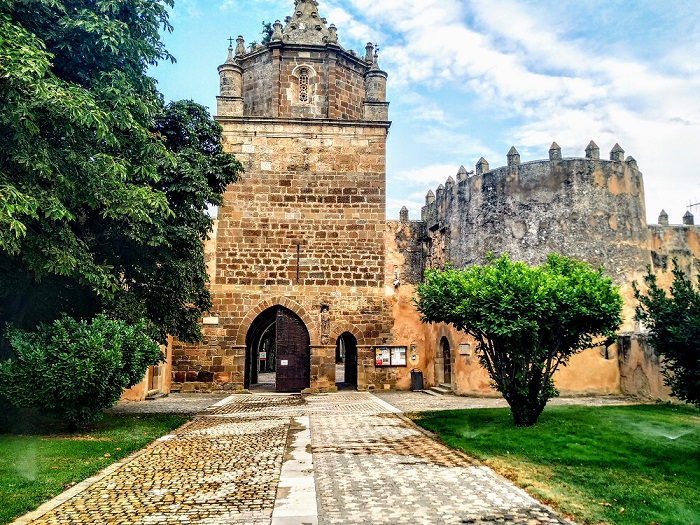
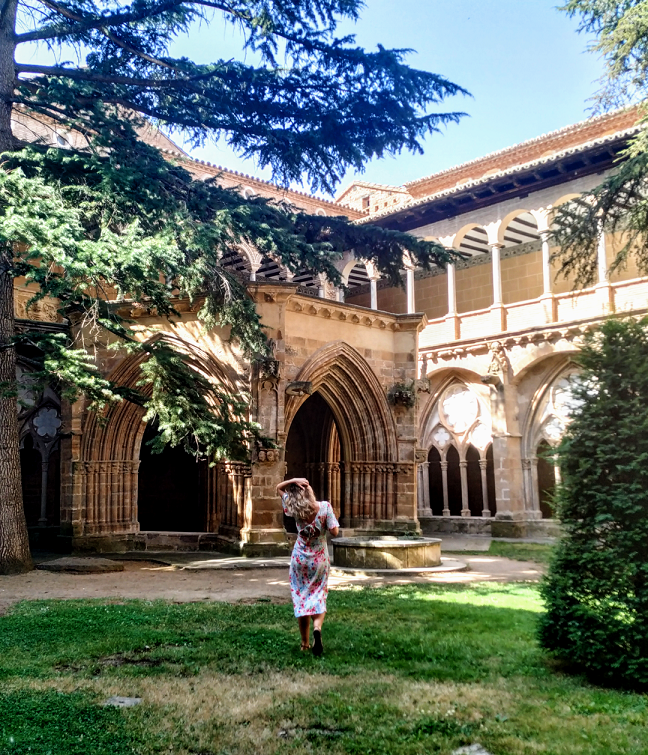
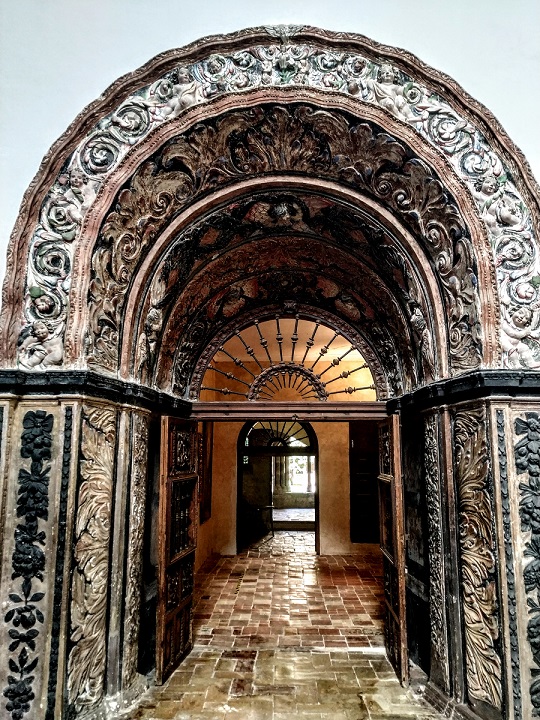
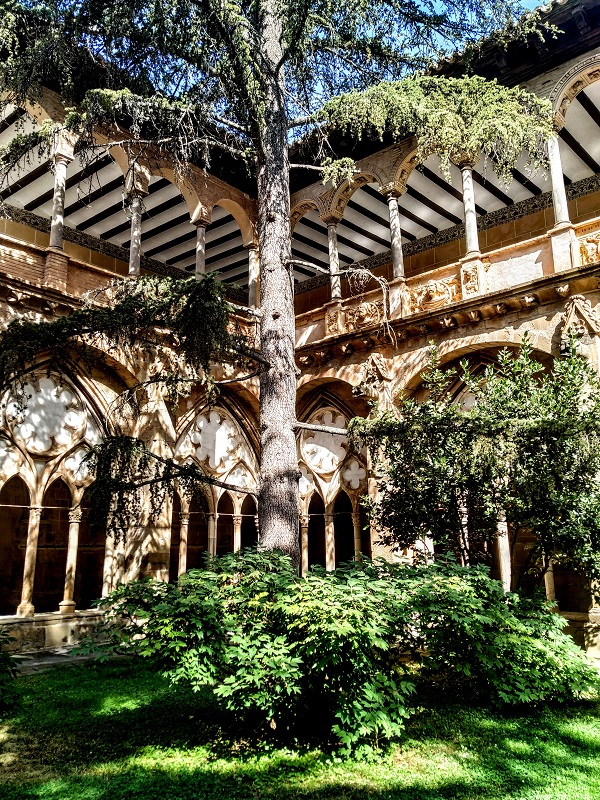
Another recommended place to visit near Tarazona is the Veruela Monastery of Cistercian style. The well-known Spanish poet, Gustavo Adolfo Bécquer, passed through this romantic place, and wrote there his work Rhymes and Legends about the fascinating mysteries related to the monastery itself and other historical monuments of the Aragonese lands. A legend says that Don Pedro de Atares, Lord of Borja was surprised in this place by a strong storm, so he implored the Virgin for her protection who did so, and to celebrate his salvation he ordered the construction of the monastery.
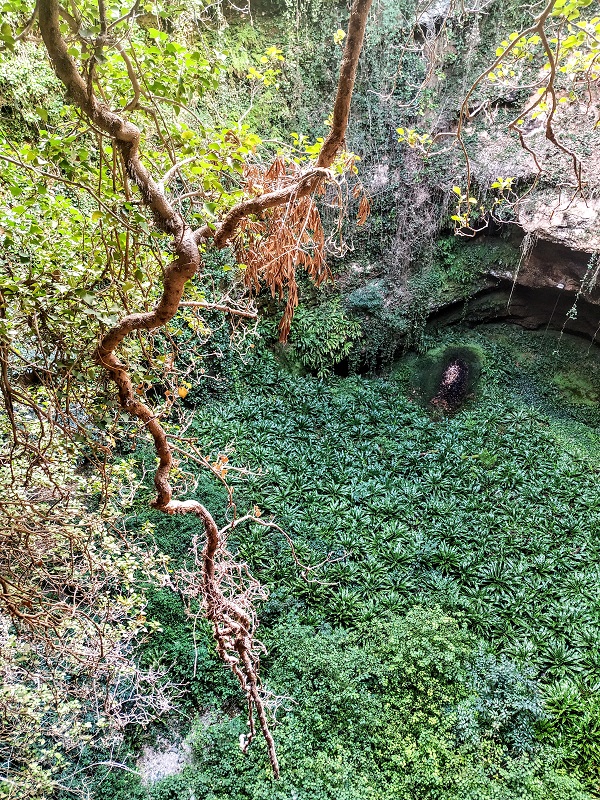
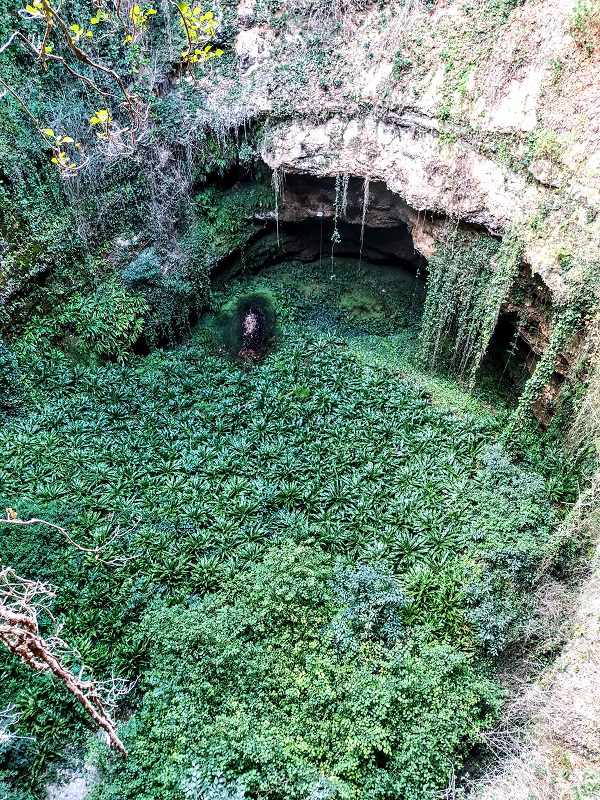
On the other hand, not far from the city there is a fascinating place. A little bit difficult to find, since it is situated below the ground: Pozo de los Aines near the town Grisel. It’s a sinkhole, that is, a subsidence of limestone and gypsum strata that took place more than 500 years ago. The Well is accessed by a staircase that literally takes you into the earth, full of abundant flora and high humidity. Even during a hot summer day you can feel the cold emanating from the bottom. Although to go down to the bottom it is necessary to carry specialized equipment and permission from the City Council. So be careful with the mobile that if it falls, it stays.
TIPS:
- It is advisable to do a walking route in Bardenas Relaes in order to see the most emblematic places of this Natural Park. Although if you decide to visit the entire park, it is better to travel by car and with the windows closed, since a lot of desert dust can enter.
- Pozo de Aines is a spectacular place that you should not miss. It can be difficult for people with Acrophobia, and of course you have to be careful with personal items, if they fall, it is possible that they will remain there for the eternity.
 all about eve`s journeys