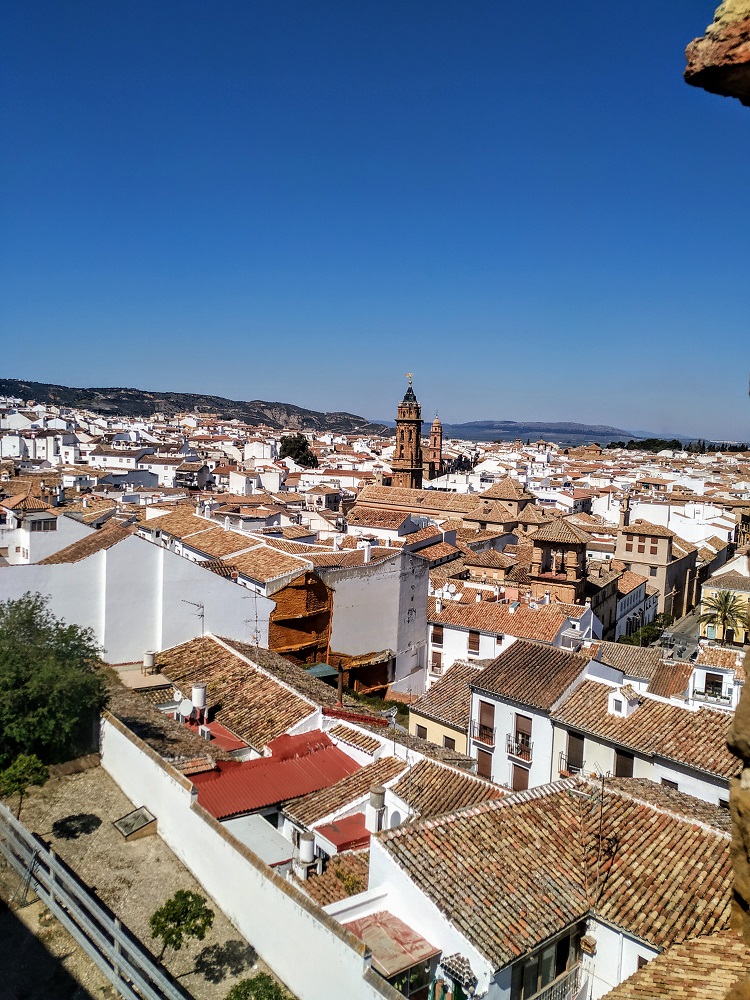
Antequera is an urban gem with extensive archaeological and architectural heritage, located north from Malaga, a touristic Mediterranean city. It is an ancient city, inhabited for more than 6000 years, whose name during Roman Empire was known as Anticaria and in medieval times, during Muslim rule, as Antiquaria. In addition to its great artistic heritage, the city is surrounded by the incredible mountains that are part of the Beatic System, and among which the El Torcal natural area stands out, always frequented by both tourists and local people for its extraordinary rock limestone formations. Of course, you should not miss visiting this city if you come to visit the south of Spain.
HISTORY OF ANTEQUERA LINKED TO ITS CULTURAL HERITAGE
PREHISTORY
Already during prehistoric times Antequera was populated by the first human settlements, probably from the Argar culture, characterized by creating fortified settlements in areas of difficult access, of which we still have today:
– Dolmens of Menga and Viera: these are monuments that are formed from a large monumental stone, resting on other large vertical stones.
– Tholos El Romeral: which stands out for its fabulous dome and its double orientation towards the El Torcal mountain range and other lots at noon of winter with an astronomical relationship.
ANCIENT HISTORY & MIDDLE AGE
There are not many architectural constructions left from the Ancient Age, although it is worth noting some Carthaginian tombs that archaeologists place in the neighboring mountains. There are also historical sources that affirm that an important battle between the Roman and Carthaginian army took place in the Antequera hills, led by General Asdrúbal, brother of Amílcar Barca, the father of the most famous strategist in history, Aníbal Barca, who he crossed the Pyrenees and the Alps with 80,000 men and 37 elephants, and terrorized the safety of great Rome.
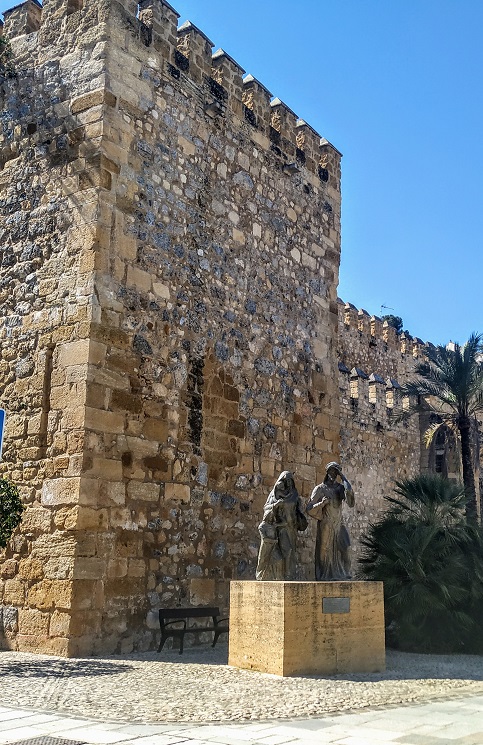
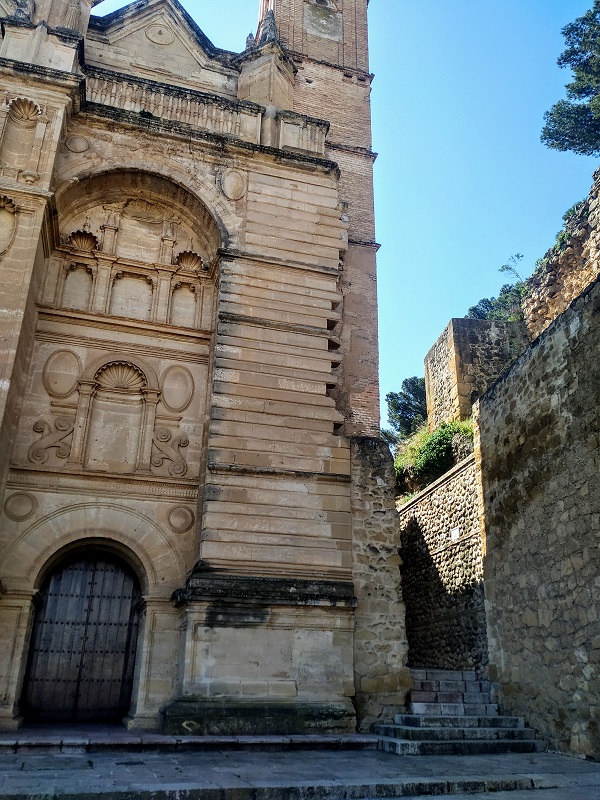
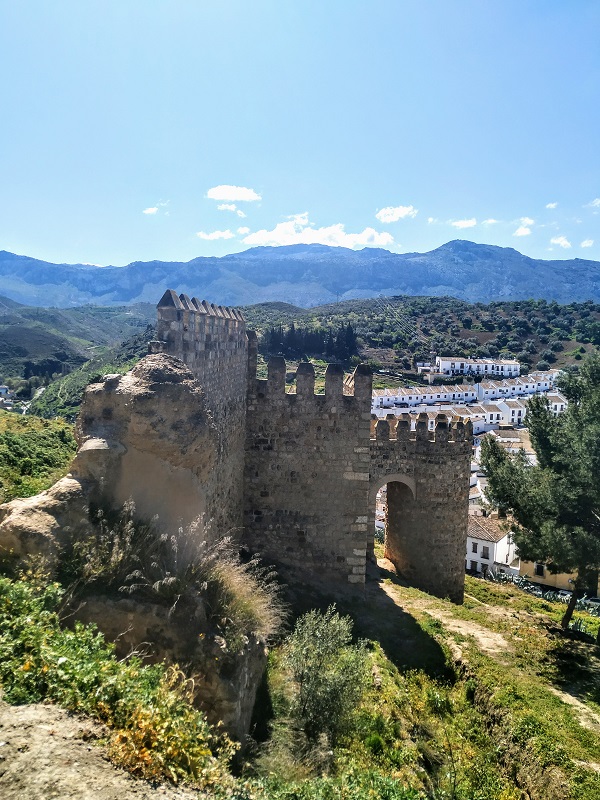
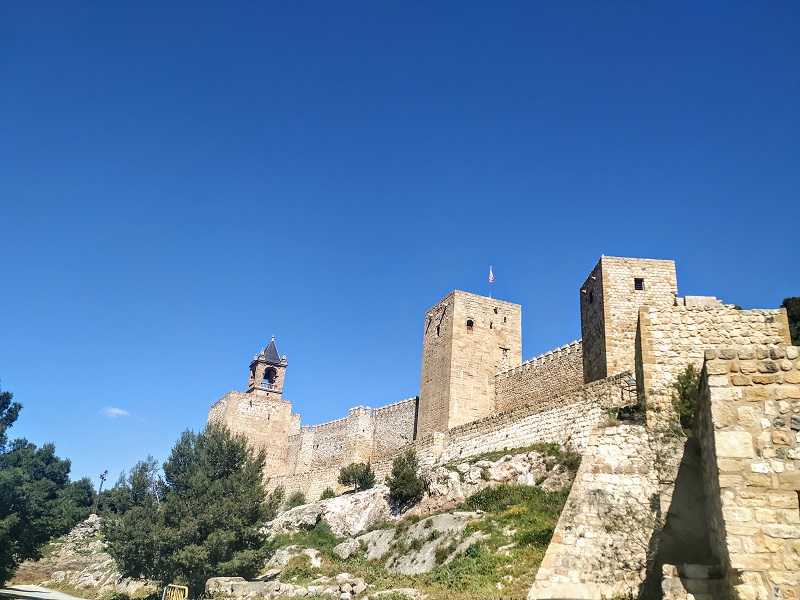
On the other hand, during the Middle Ages the city was under the domination of the Muslims since the conquest carried out by Tarik who in 711 arrived in the Iberian Peninsula with 7000 Berbers, men from North Africa. And although at the beginning Tarik had the objective of avenging the death of the previous Visigoth king and giving the children of the deceased the throne usurped by the Visigoth king Don Rodrigo, after the victory in the battle of the Guadalete River, the conquest of the Peninsula by the Muslims who already stayed in these lands until the end of the Middle Ages, 1492, and in the city itself until 1410. From the Muslim period it is worth highlighting:
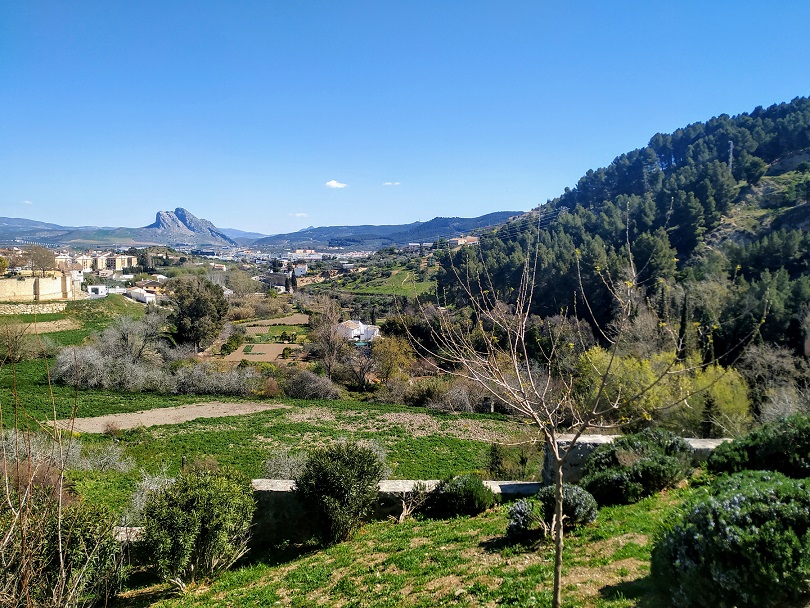
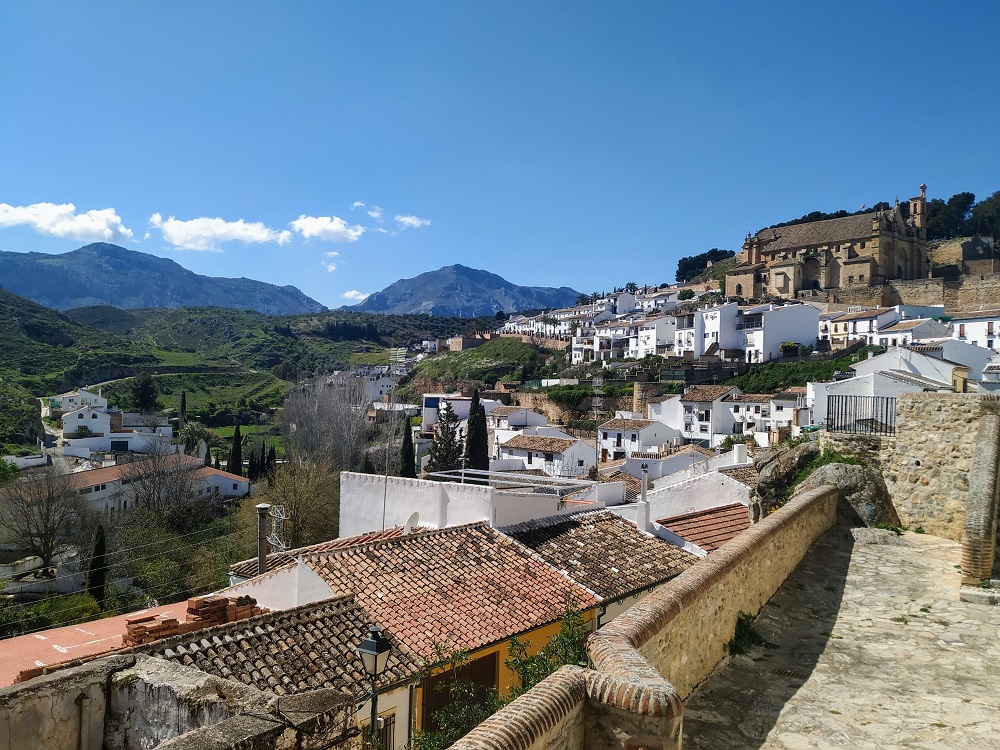
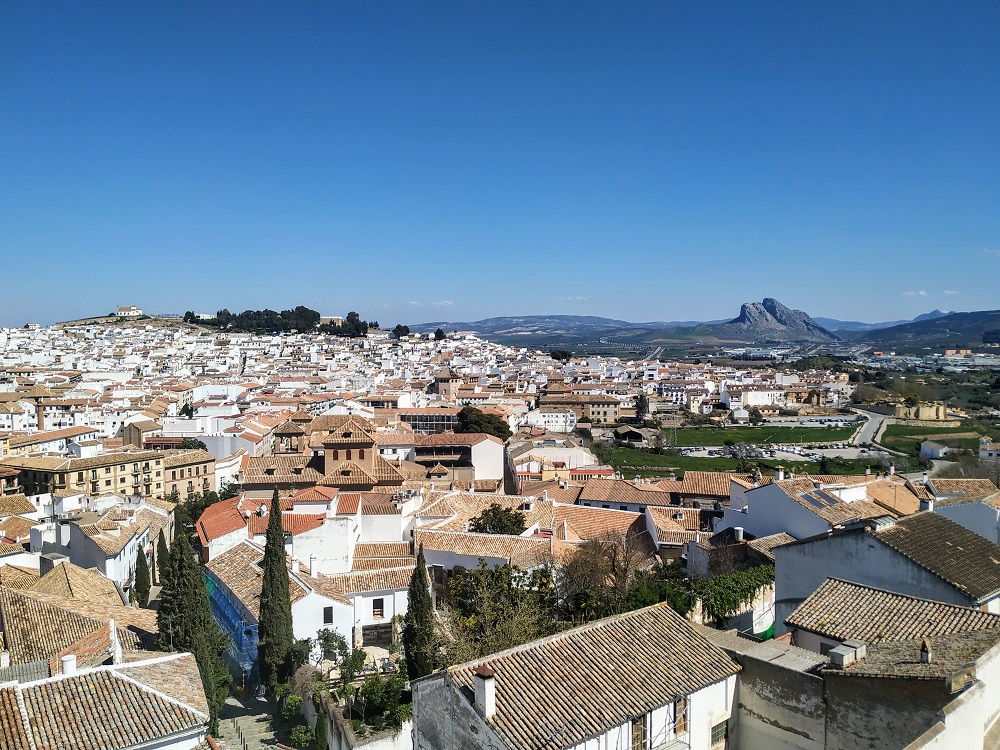
– Alcazaba: a fortress located at the top of the city, whose great walls surrounded an old Islamic medina and where the quadrangular Watch Tower stood out. From this wonderful place it is possible to contemplate the beautiful views of the city and the surrounding mountains, since next to Alcazaba are the Alemanillas Viewpoint and the Niña Viewpoint. The entrance to the monument has a cost of € 6 and next to the Alcazaba it is possible to visit the Collegiate Church of Santa María la Mayor, which represents late Gothic and Renaissance elements. In fact, it is the first Renaissance monument in southern Spain.
MODERN PERIOD
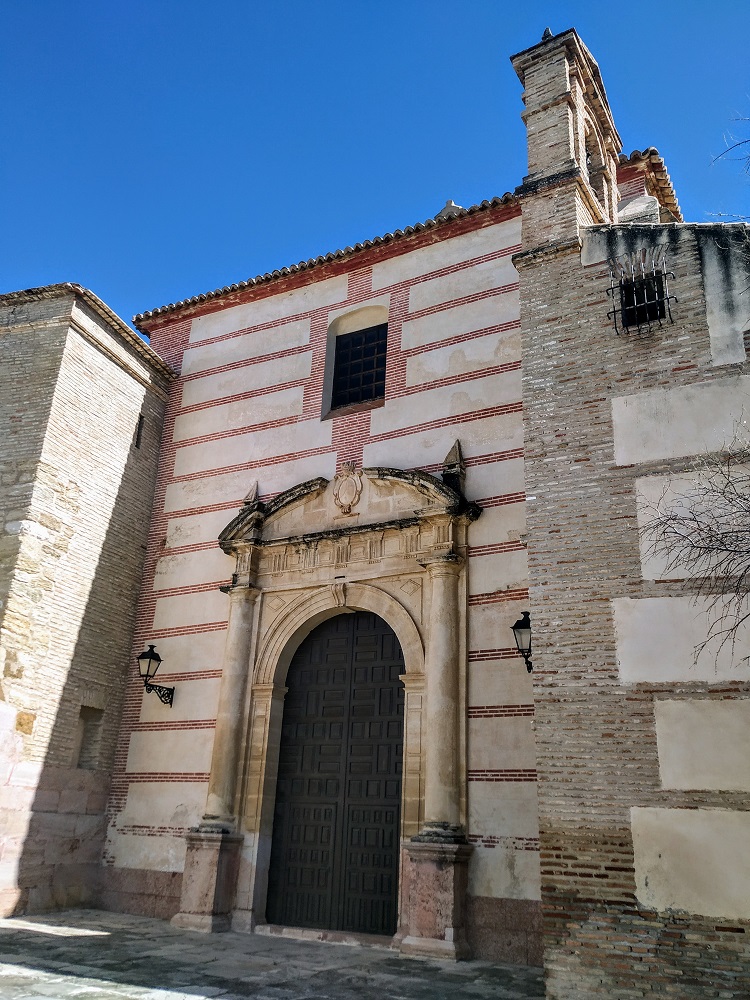
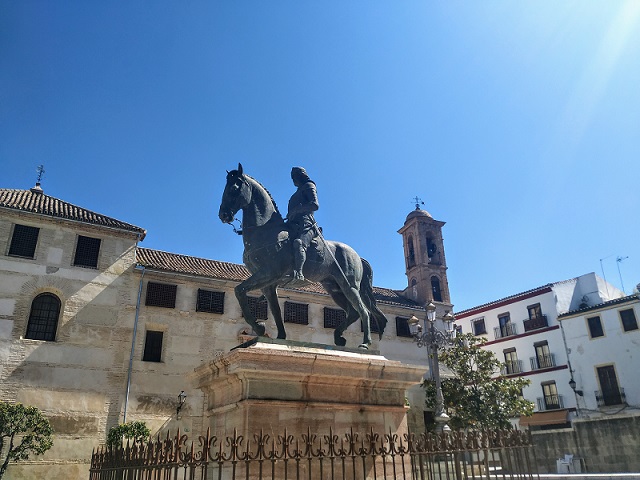
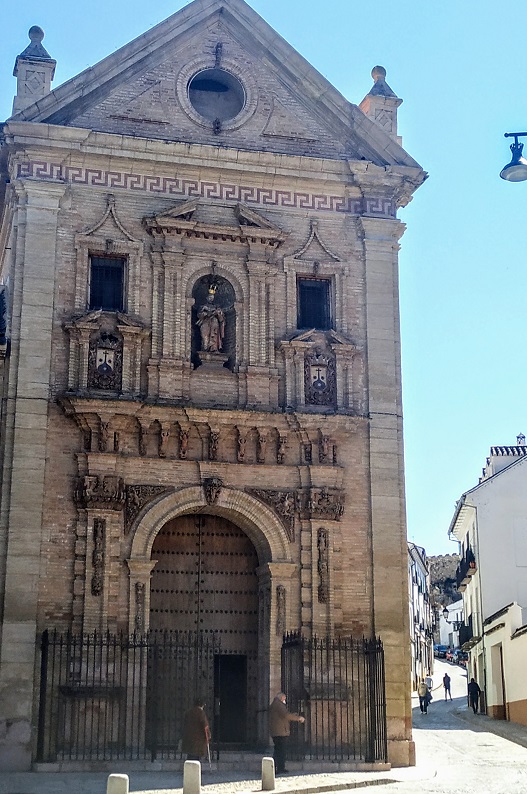
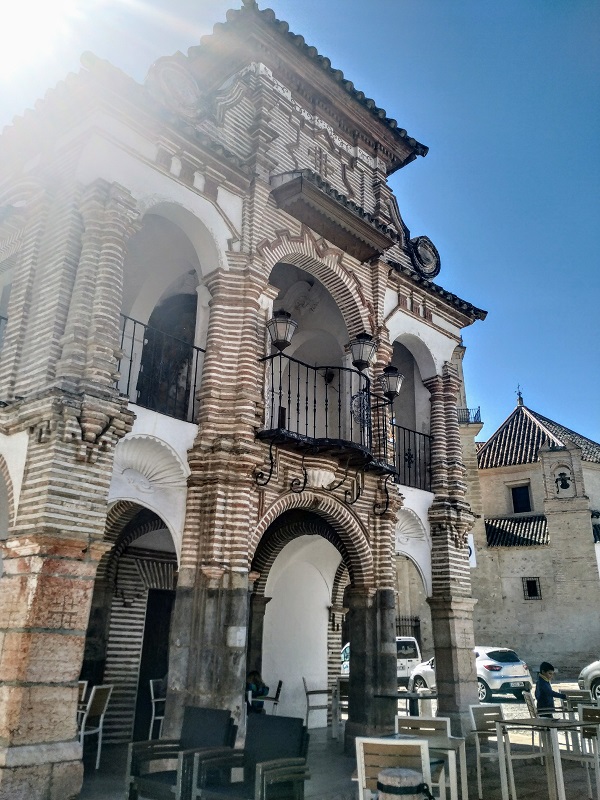
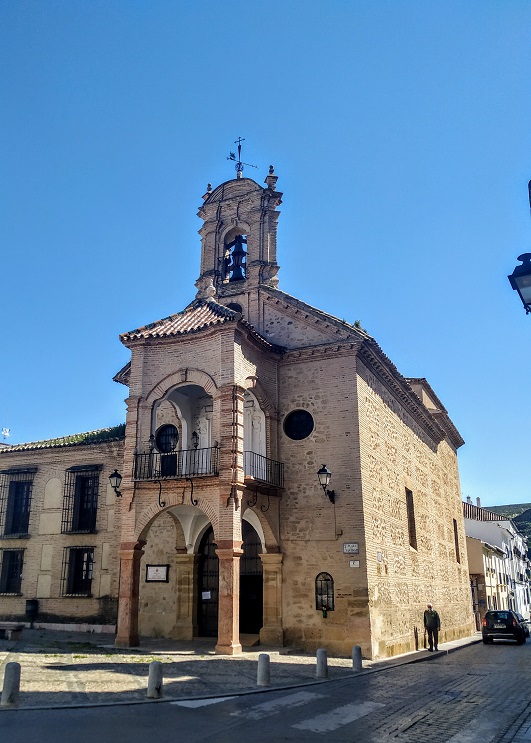
After the conquest of the Kingdom of Castile, which took place in 1410, the city began major transformations, expanding its limits, trade, and population, which attracted the interest of the numerous religious congregations that built numerous churches, which enriched the heritage of the city. Some of them are:
– Belén Convent: from the 17th century with a Latin cross plan, it stands out today for the delicious pastry products made by the nuns of the convent. Something like that one cannot miss.
– Chapel of the Virgen de Socorro: with Baroque-Mudejar style. The term Mudejar refers to the Muslims who stayed in the Christian territories after the conquest and to the art that used Islamic characteristics in Christian buildings.
– Santiago Church and Carmen Church: built with Renaissance influences (mannerist). The first of them was at first a hermitage, that is, a small church, located on the outskirts of the city. On the other hand, Carmen Church is a National Monument as it represents great cultural and artistic value.
HIKING IN ANTEQUERA
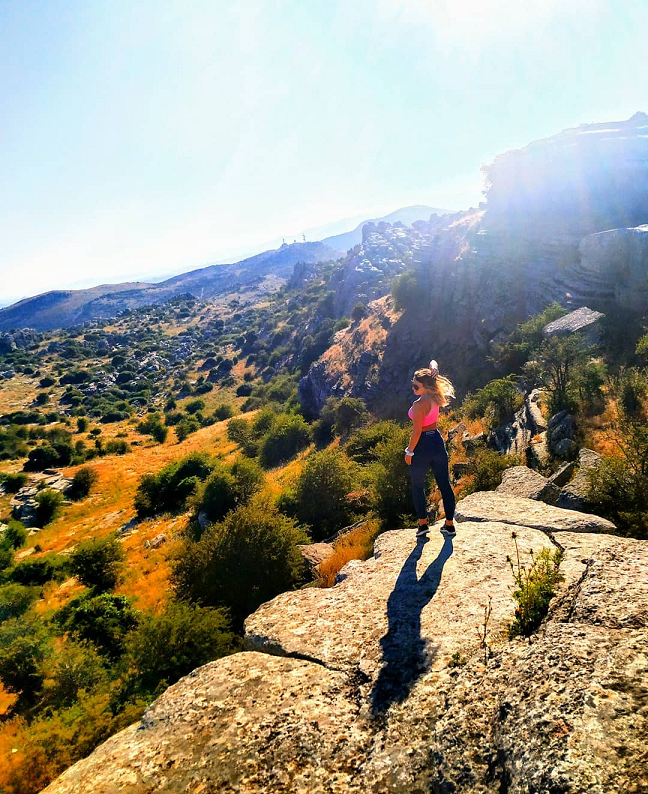
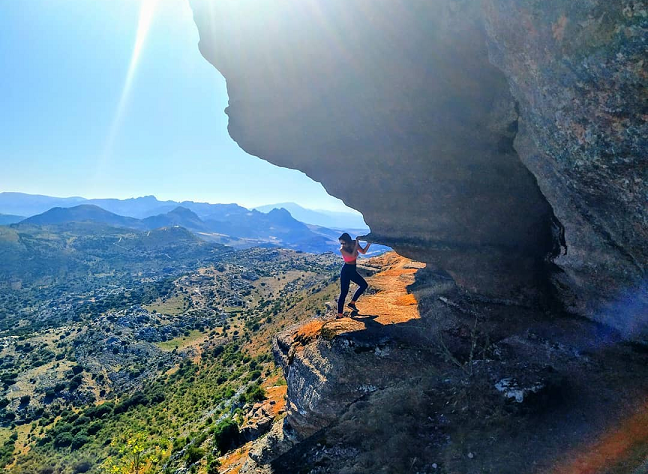
Hiking around the city is a great option to spend the day surrounded by nature. Of course the most famous place that attracts the attention of many is:
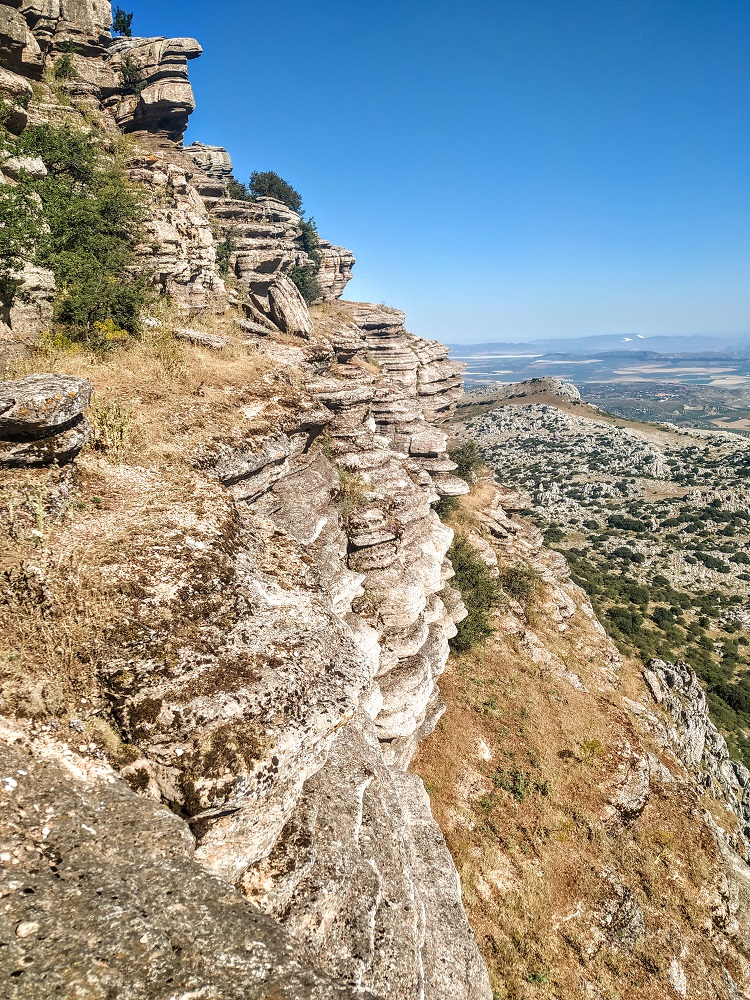
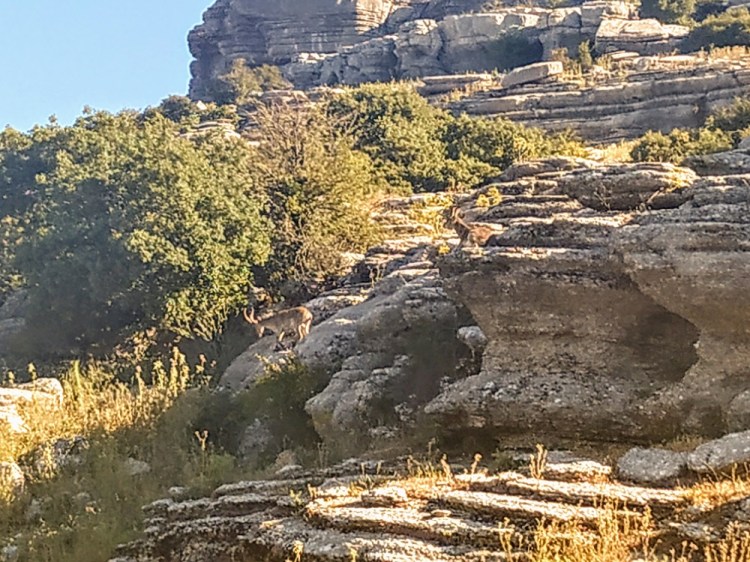
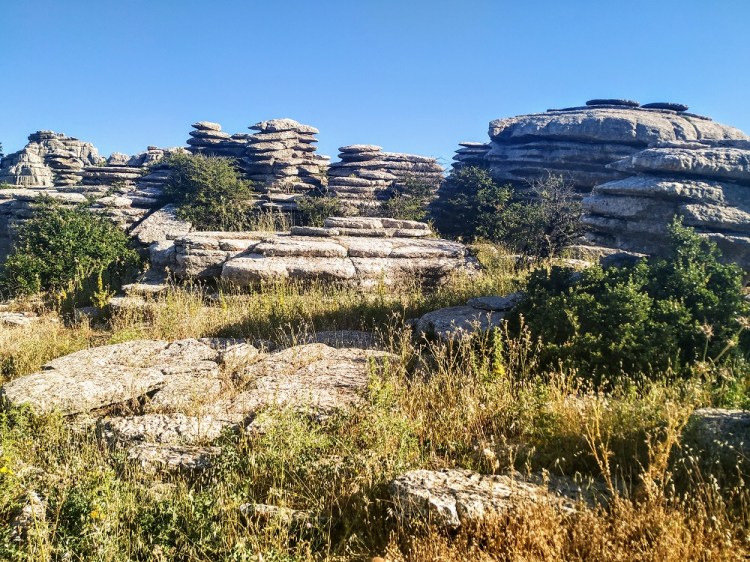
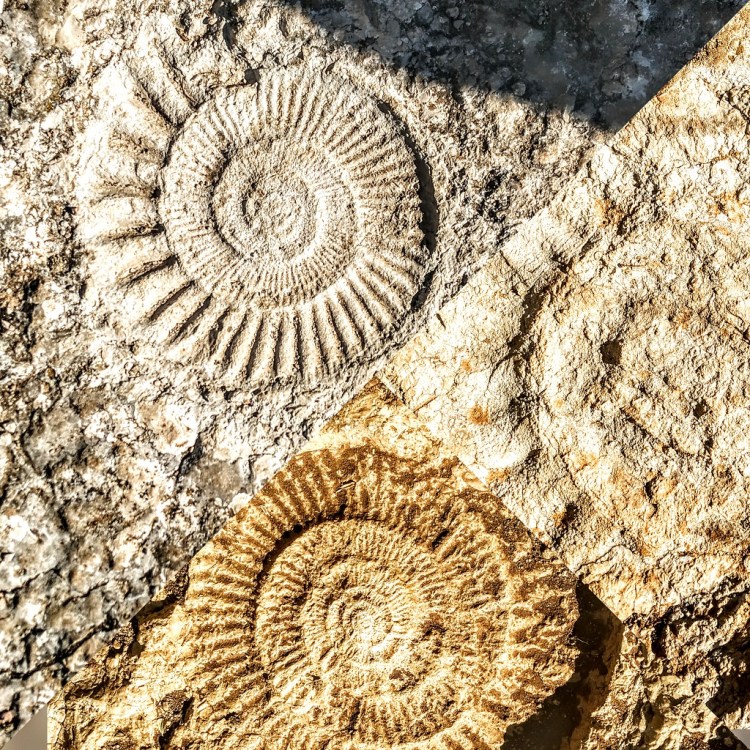
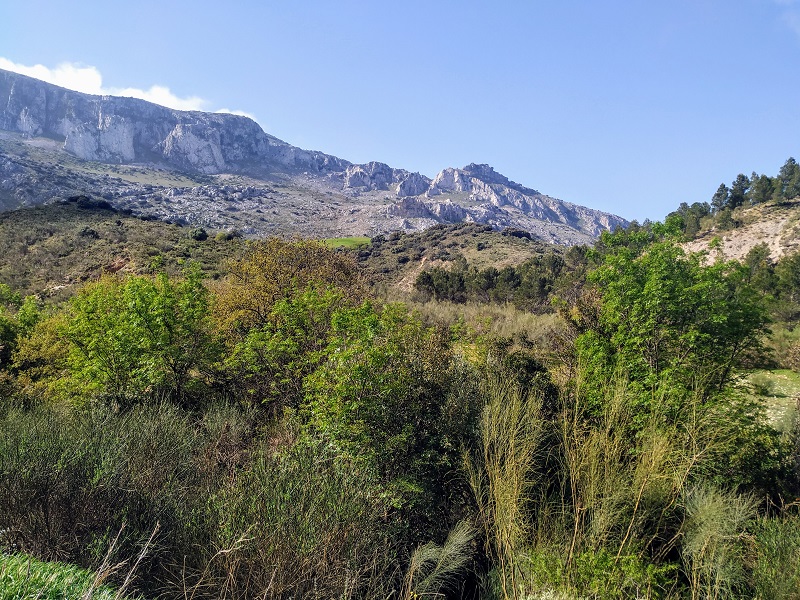
– Torcal of Antequera: a natural karst area with exuberant forms due to the erosion of rain and wind. It is the first Andalusian Protected Natural Area of National Interest, whose origins date back to the Mesozoic Era. However, I leave you more information about this wonderful place in this link to the article about El Torcal.
Another great places to hike are:
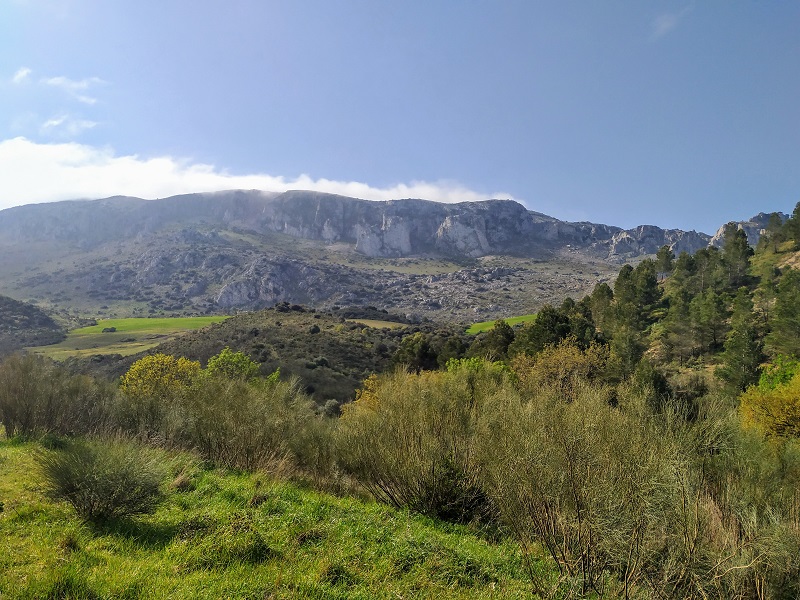
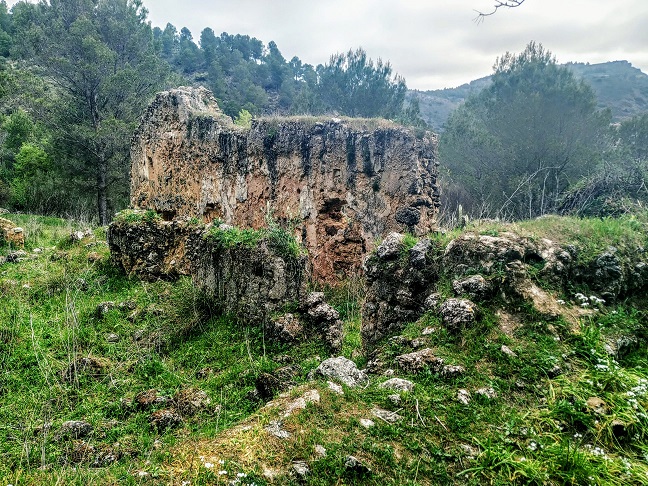
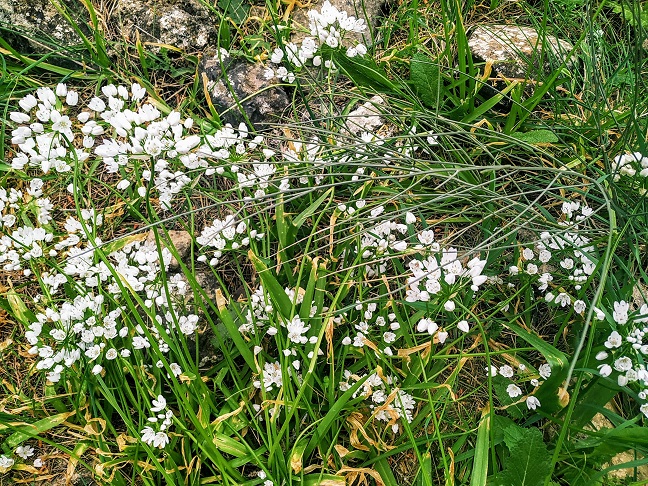
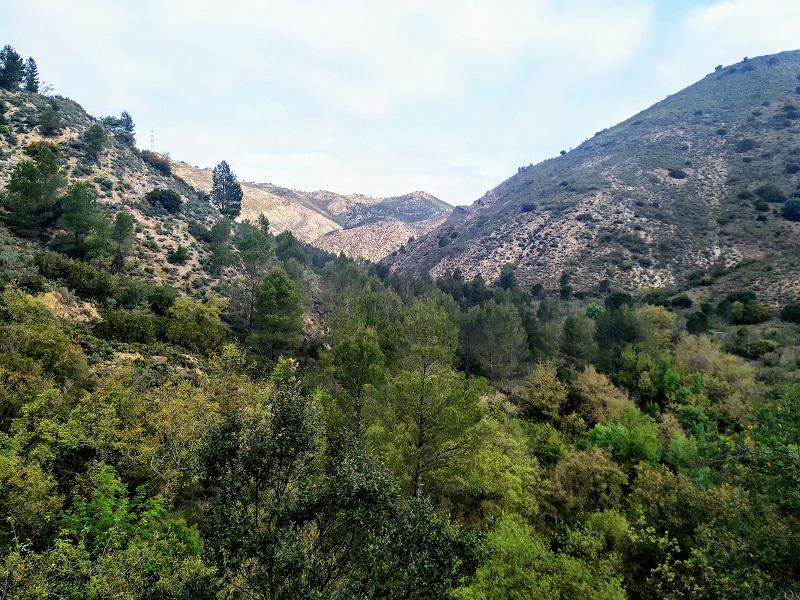
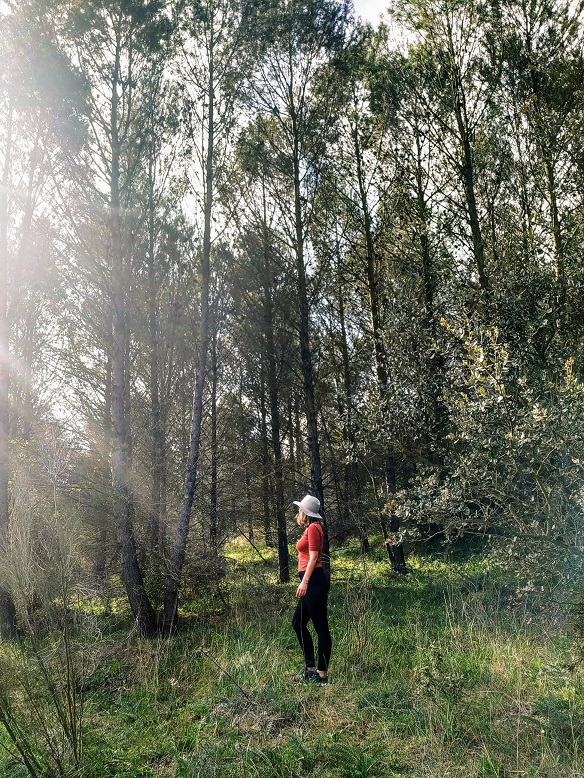
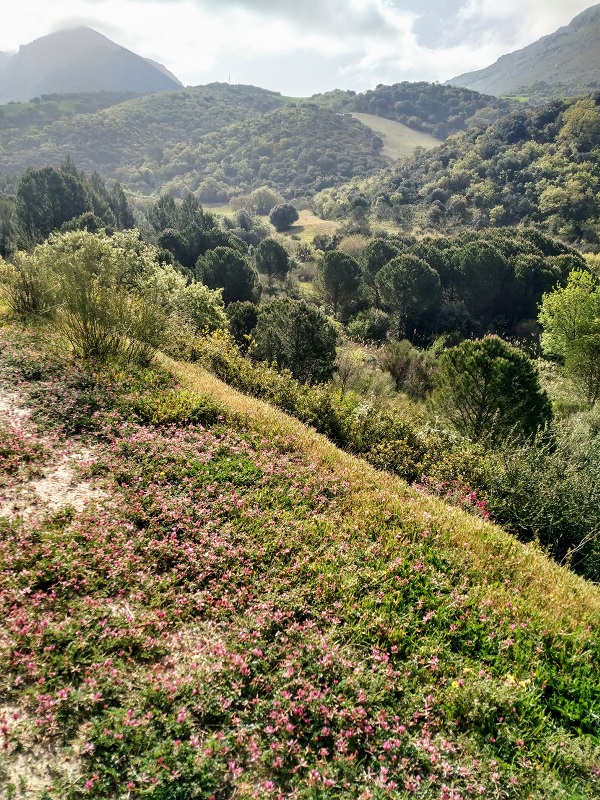
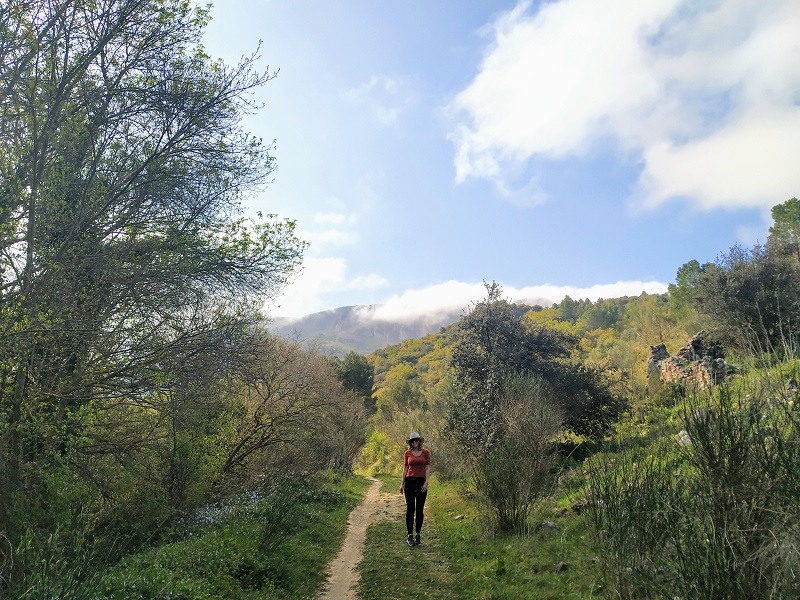
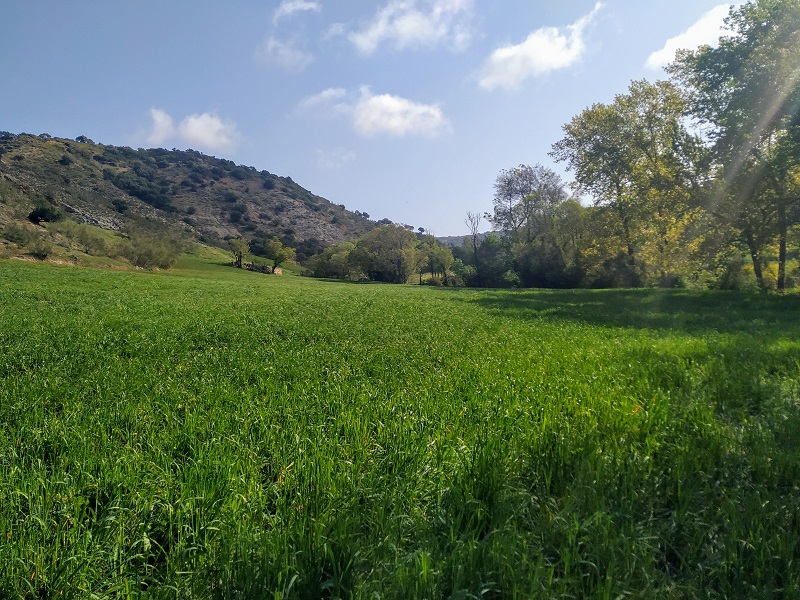
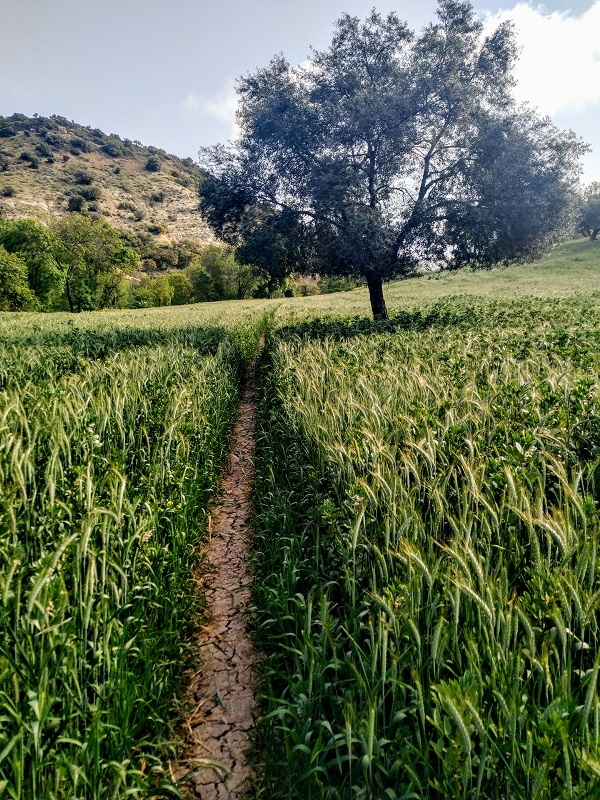
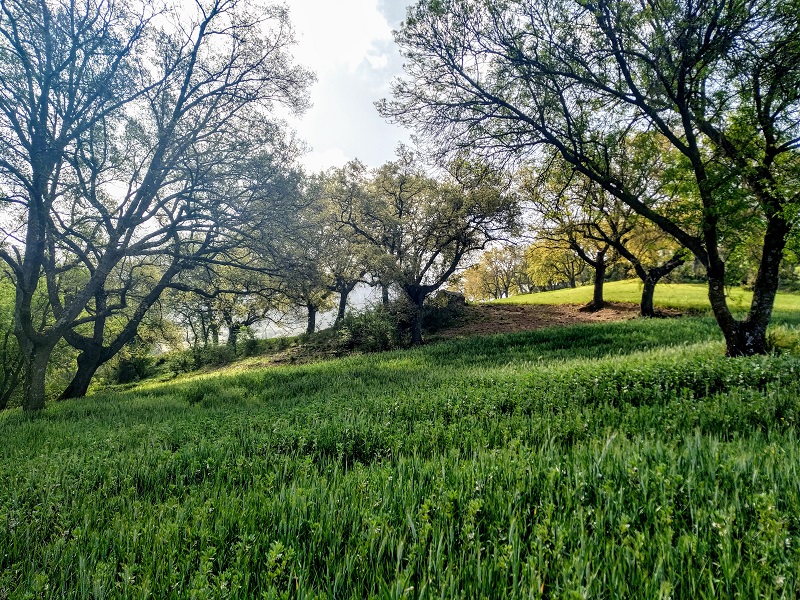
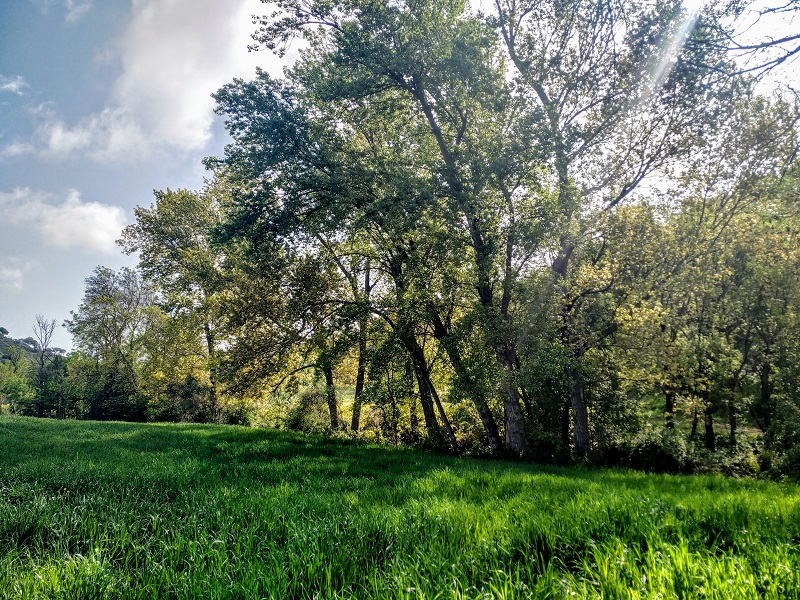
– Romeral and Arroyo de la Plata: I did this route recently in spring, the landscape is spectacular. At this time of year, nature in Andalusia dresses in green and the results are incredible. I found the route in Wikiloc, it is accessed by an old road, although the route is not far from the city itself and there are country roads, such as the Gran Senda de Málaga, which can be reached on foot from the city itself.
– La Peña de los Enamorados (“The lover’s rock”): it is impossible not to look at this rock that bears the resemblance to a human face, hence a nickname of “the Indian”, since it seems that it is a person who has been asleep for centuries. The legend says that during the Middle Ages a Muslim princess fell in love with a Christian knight who was in prison. She helped him escape and they together fled climbing the Rock until they reached the peak, when they had no more escape they threw themselves into the void, hugging together for the rest of eternity. Such a romantic story!
TIPS:
- I recommend you to visit the city for a weekend in order to see the city and to hike around.
- The best time of course is spring because of the intensity of the green with which this season is dressed, although I also recommend you to visit in autumn. The summer season is very hot and it can be more difficult to do outdoor activities during the day.
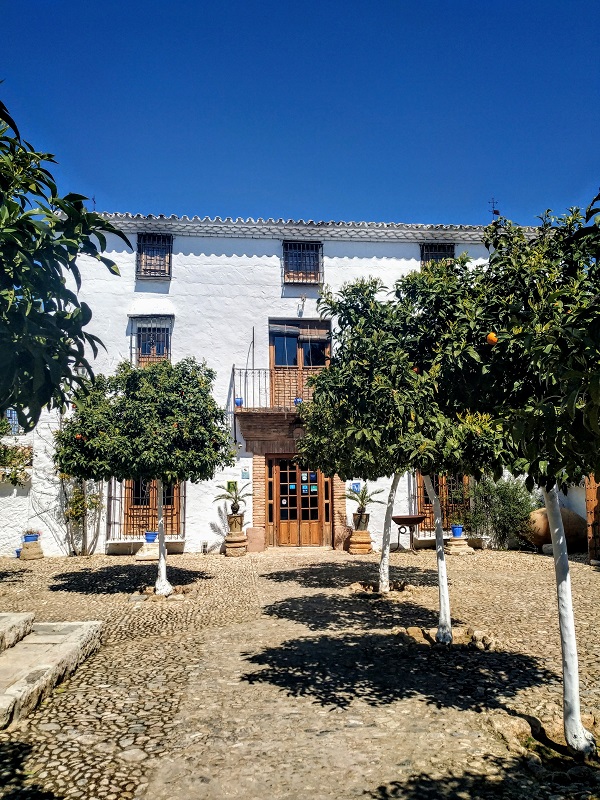
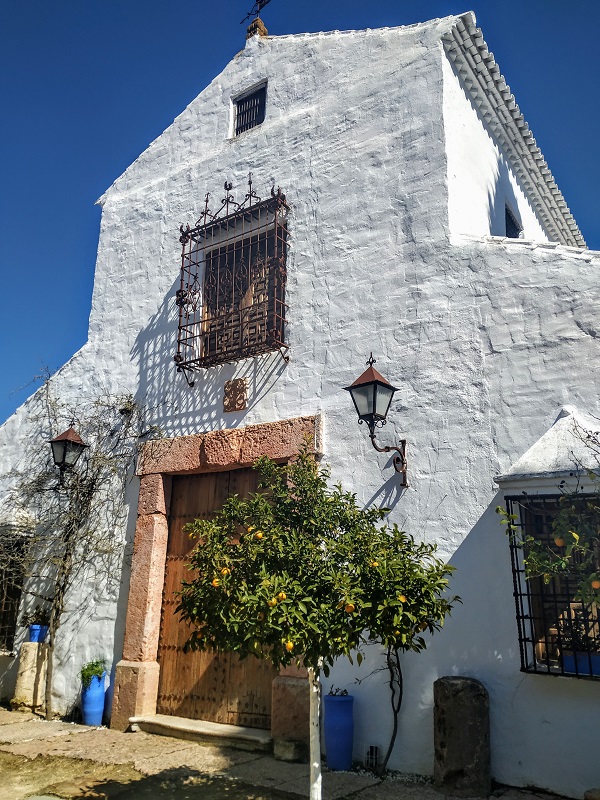
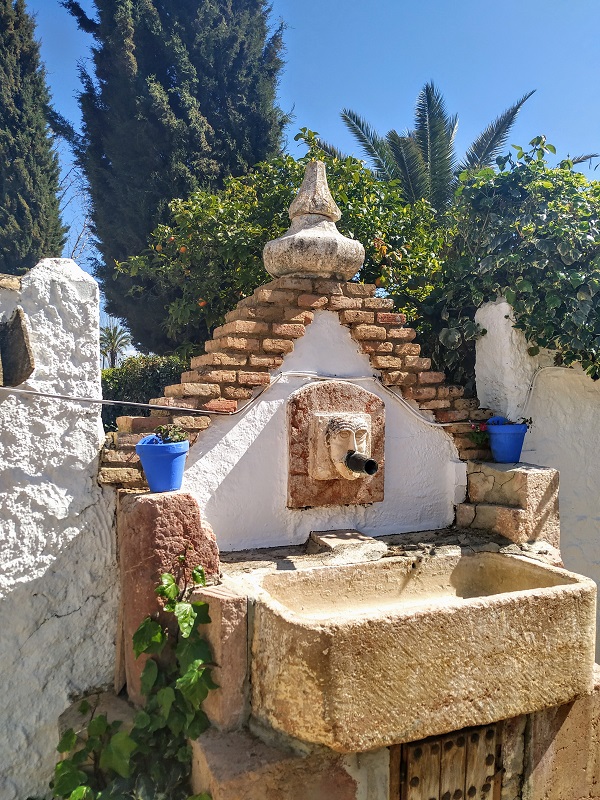
- Try the food at the Caserío San Benito restaurant. It is located on the outskirts of the city, 15 minutes by car on the highway to Cordoba. Its menu offers a great variety of delicious Andalusian food, in addition the place is really beautiful, since it is an old farmhouse from the 18th century, restored. I love its admirable Patio de los Naranjos (a garden with orange trees). By the way, the spoon dishes are really exquisite.
 all about eve`s journeys