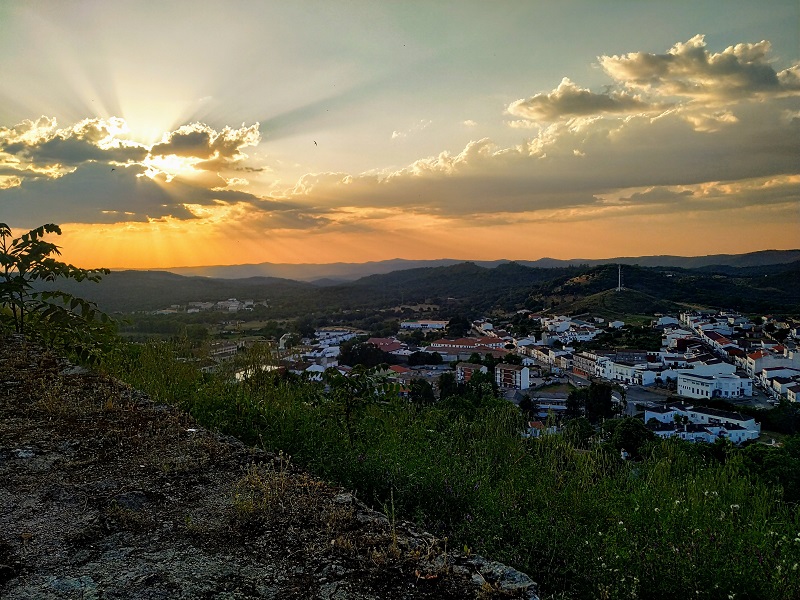
In south Spain, in the north part of the province of Huelva, known for its paradisiacal beaches of the Atlantic Ocean, there is a place called Sierra de Aracena. It’s a green area full of lush forests of cork oaks, gall oaks and holm oaks, in addition to the magnificent villages in where it is still possible to visit the medieval churches, mosques and castles. It’s a speechless place for both a family and a romantic getaway. Do you want to join me?
THE ROUTE THROUGH THE VILLAGES WITH MEDIEVAL ESSENCE
What I really like about Spain, in addition to its wonderful nature so different between north and south, is the large amount of historical and cultural heritage that is preserved in most cases in excellent condition and that it is possible to find no only in the main peninsular cities, but also in the many small towns surrounded by almost magical charm.
The main town that you should not miss on your visit to the Sierra de Aracena is of course the place that gives the name to this mountain range, that is, the town of Aracena. You will be impressed after visiting the Gruta de Las Maravillas, a cave located inside the mountain where a defensive castle was built in medieval times. The cave was discovered by some miners and it is currently possible to make tourist visits in it, decorated with infinite formations that were sculpted by water in the limestone rock. Inside there are various areas and rooms, in which it is possible to contemplate the magnificent underground lakes and I assure you that the views are truly impressive. The guided tour lasts about 45 minutes and is really easy. After visiting the interior of the mountain, I advise you to go up through its traditional white streets to the castle and contemplate the beautiful views of the town and the surroundings from above. Next to the castle there is the Priory Church of Nuestra Señora del Mayor Dolor that represents the characteristics of Gothic and Mudejar art, built by the Muslims for the Christians, unique art that is only located on the Iberian Peninsula.
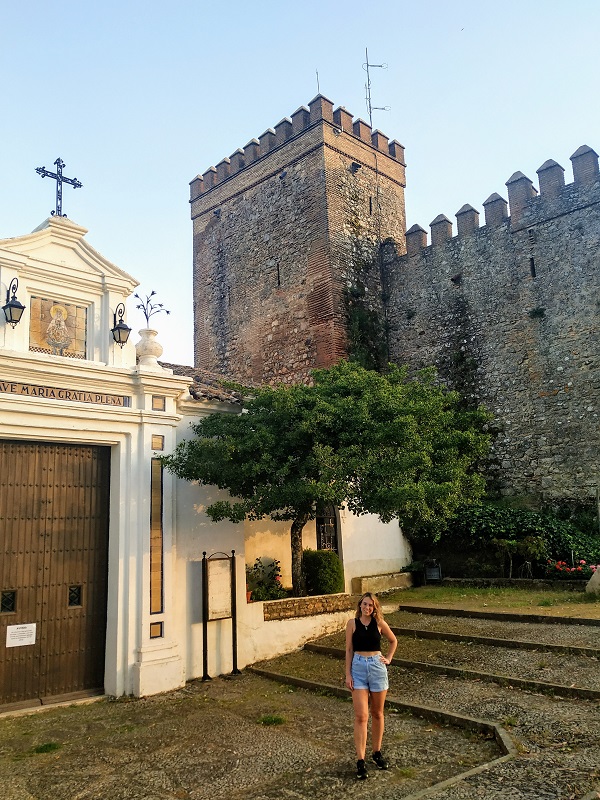
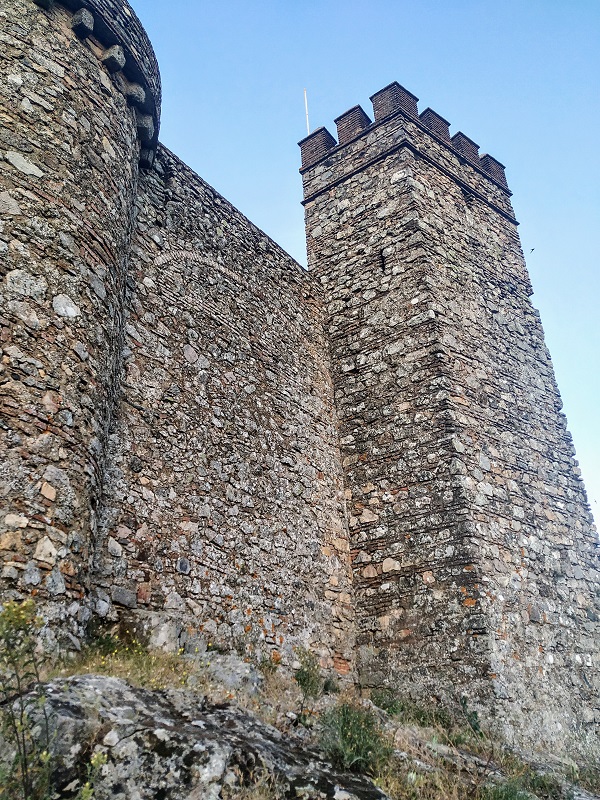

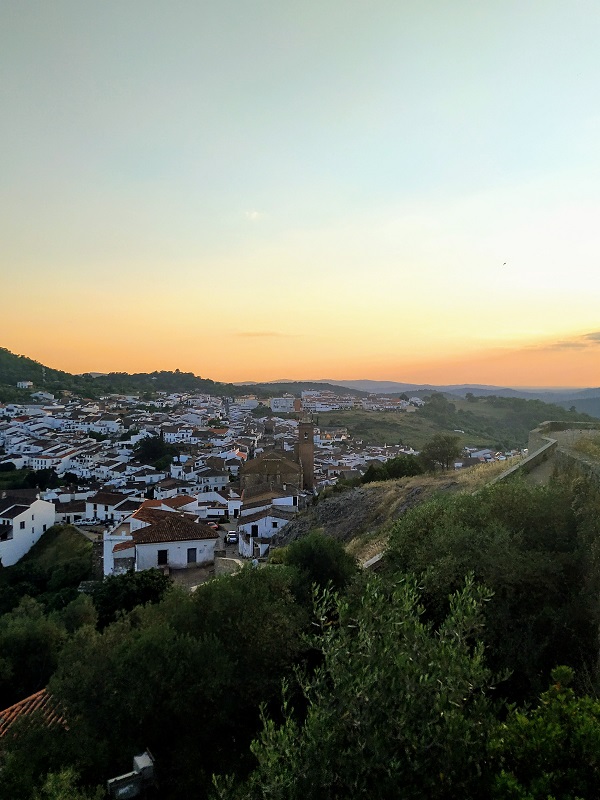
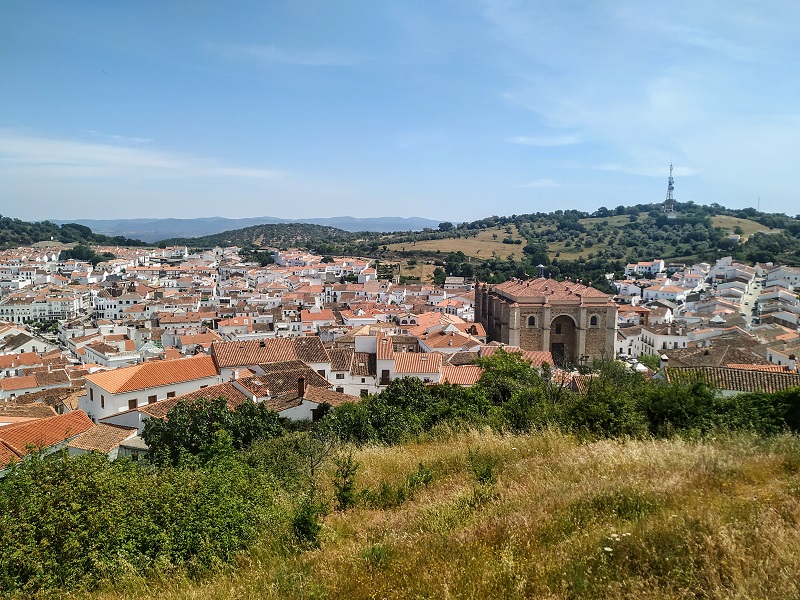
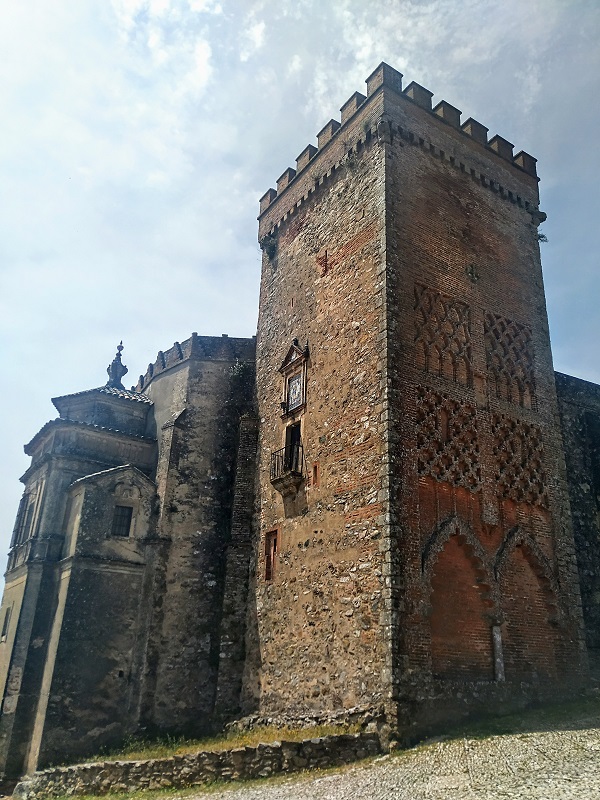
Another magnificent town that you should visit if you come to the Sierra de Aracena is Cortegana. At the top of the mountain of this town there is a spectacular medieval castle, whose construction is attributed to the Castilian monarch Sancho IV, who gave the order to build different defensive fortifications in this area as it was the border between the Christian and Muslim world. And also the border between the Kingdom of Castile, today part of Spain, and the Kingdom of Portugal. In the face of enemy attacks, the nearby Seville was warned with smoke signals to help in defense. Its walls are so thick that they even reach four meters, which allows keeping the rooms away from the cold, and, above all, the heat that devastates these lands every summer. The interior of the Iberian Peninsula has a dry Mediterranean climate with high temperatures in the summer period, often above 40ºC. I think it is no longer necessary to repeat it, but just in case, the views from above, especially at sunset, are incredible. You can see the town, the green fields of pasture and the typical forests of the area.
Meanwhile in Almonaster la Real you will have the possibility of visiting a medieval mosque, reminiscent of the times when the Iberian Peninsula was part of the Muslim kingdoms created after its conquest of the Visigothic Kingdom, which took place in the year 711 after the victory in the battle of the Guadalete River. It is not surprising at all that Spain is full of so great cultural heritage, if the Phoenicians, Greeks, Carthaginians, Romans, Visigoths, Celts, Muslims have passed through these lands … The mosque was built in the 9th century during the Emirate of Cordoba (756 -929), on the remains of a Visigoth basilica. I am not sure if you are aware that it was a common practice in many religions: to build the temples where the new gods were worshiped on the temples belonging to the old gods. In the Almonaster mosque we find a typical courtyard, called shan, in which the source of purification is located. Muslims must purify themselves before proceeding to the prayer that takes place inside, in a rectangular room, called haram. The columns and capitals that separate the naves in the interior are Roman from the 1st century, likewise, there are Visigoth decorative elements from the 6th century, while the arches are made of red brick. An archaic and rustic character predominates, especially in the area of mihrab, the sacred niche facing Mecca.
HIKING IN SIERRA DE ARACENA
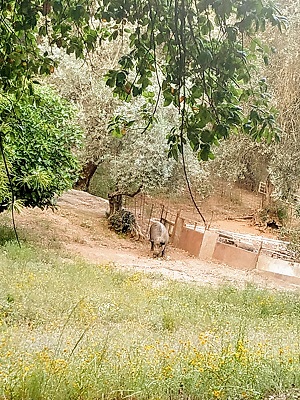
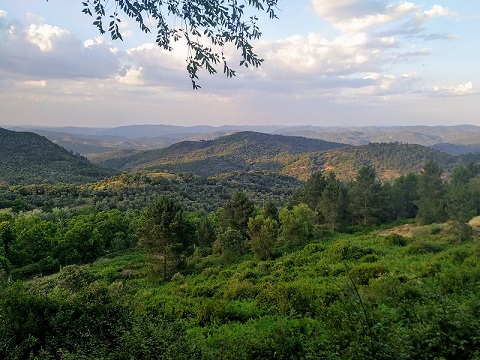
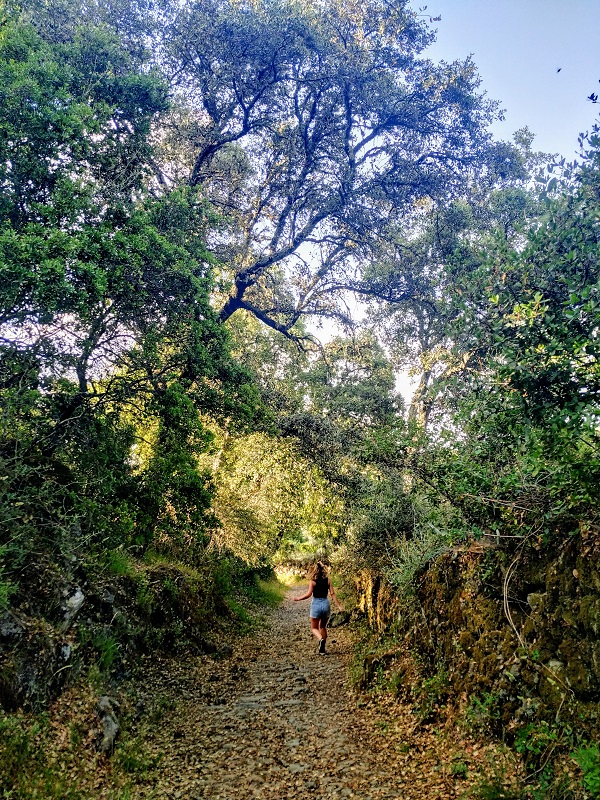
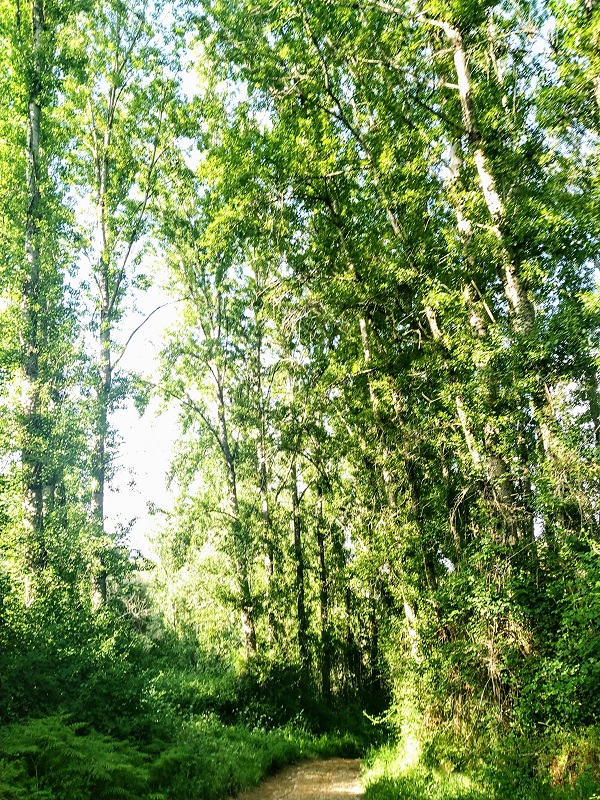
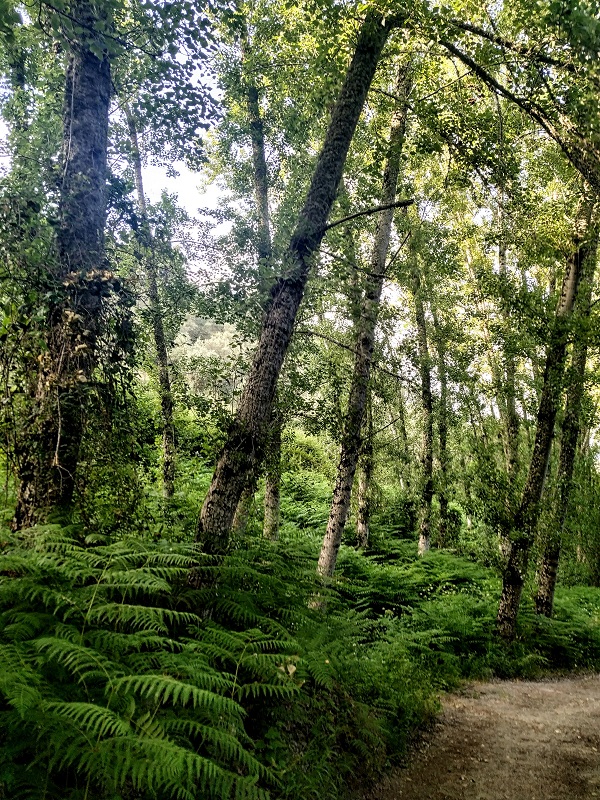
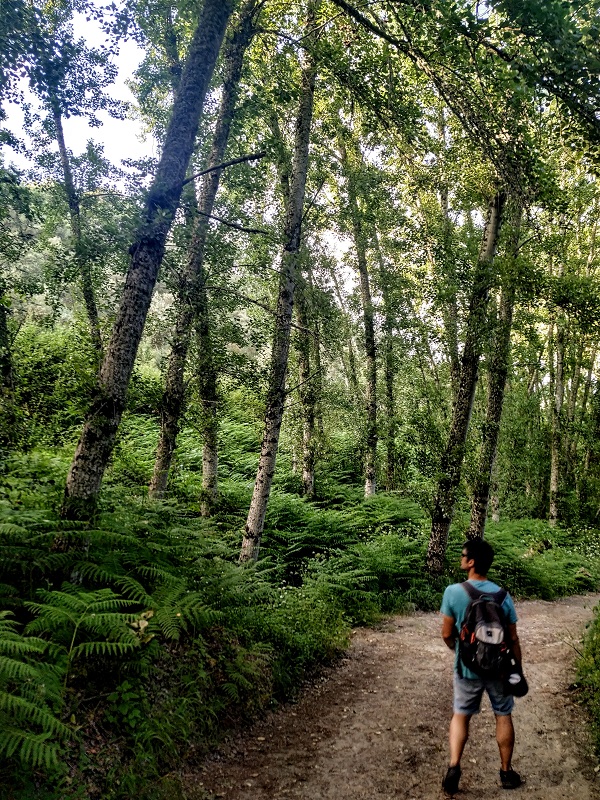
The Sierra de Aracena is known for being the dehesa area, a vast area dedicated in Spain to the cultivation of cattle, and in this case specifically, it is dedicated to the breeding of the Iberian pig, famous for its delicious Iberian ham. Iberian ham is so good in flavor due to the fact that pigs eat acorns from cork oaks, holm oaks and gall oaks. These trees form splendid forests in which you can go hiking and disconnect surrounded by lush green nature that invites you on hot summer afternoons due to its freshness. I loved the route along the Path of the Mills in Cortegana, which runs alongside a stream. By the way, cork oaks are trees with red bark that predominate in the western part of the Peninsula and grow on silicon soils. Cork is obtained from its bark and for several years in Spain the fashion industry has stood out, creating accessories (bags, purses, boxes) of cork. Really cute and ecological objects. Holm oaks, on the other hand, appear in almost all peninsular areas and their elongated leaves are perfectly adapted to high temperatures. The gall oaks, similar to holm oaks, also offer acorns to Iberian pigs and their wood is perfect to be used in construction due to its high density.
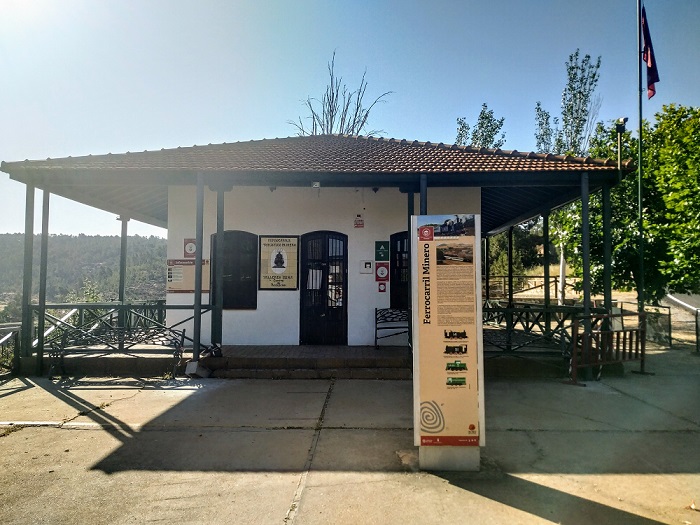
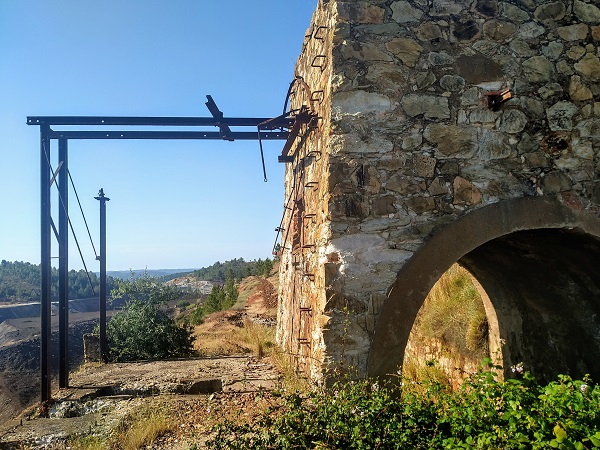
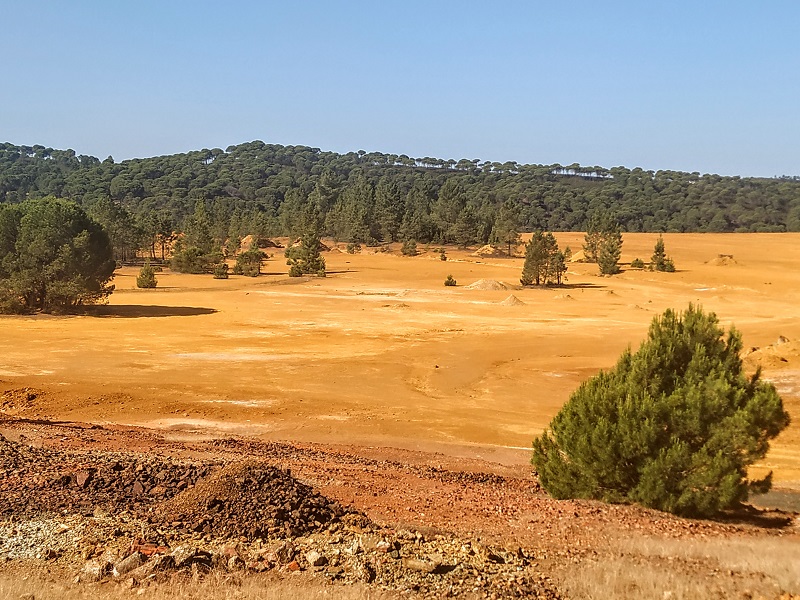
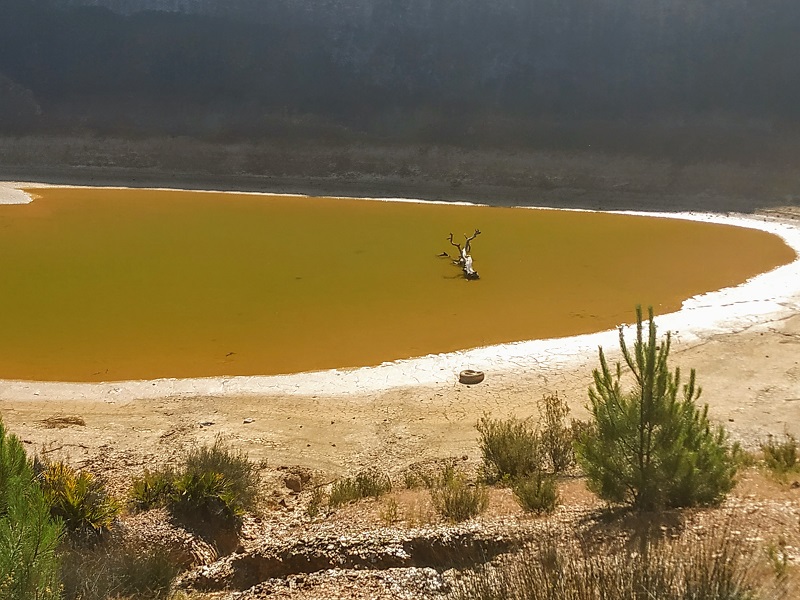
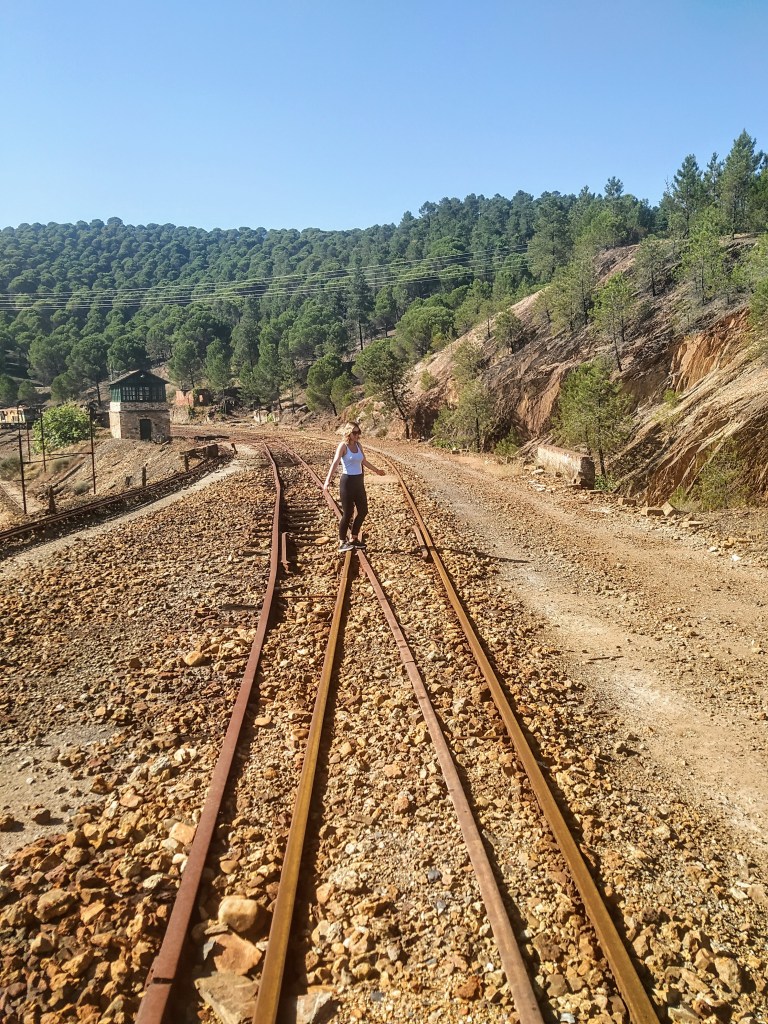
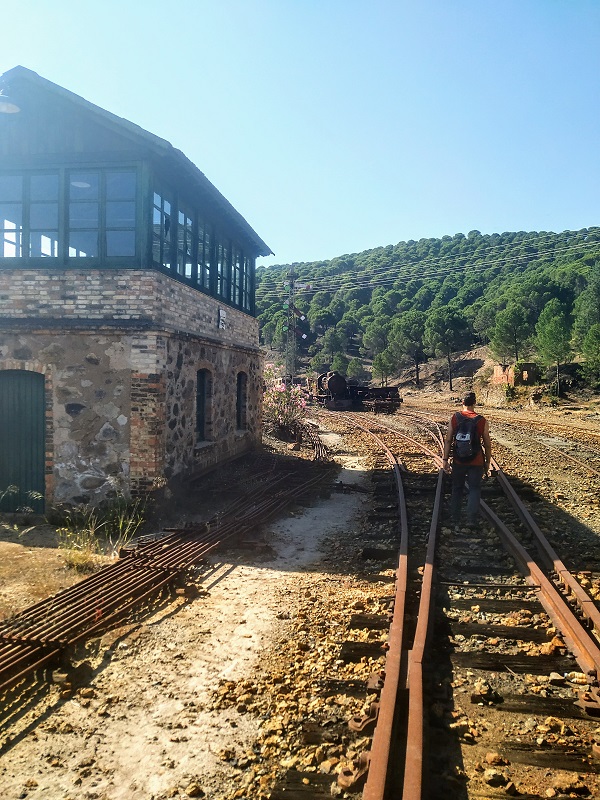
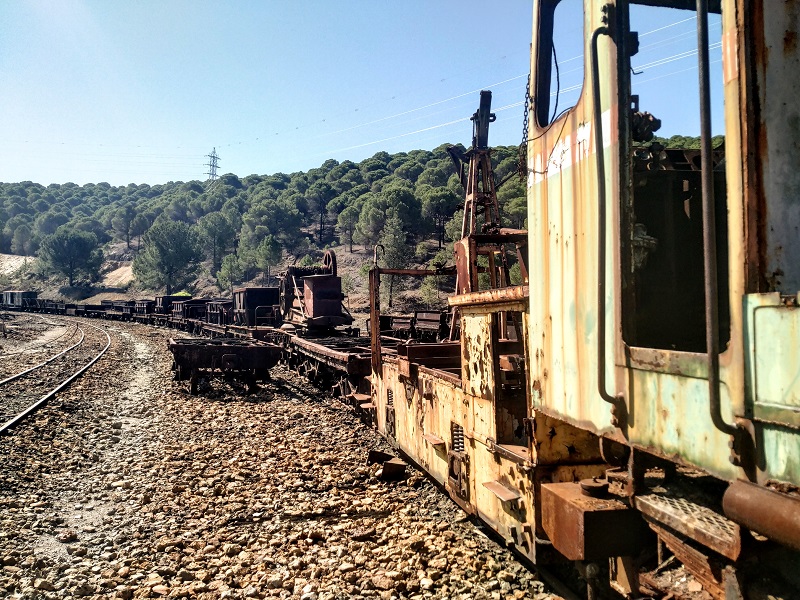
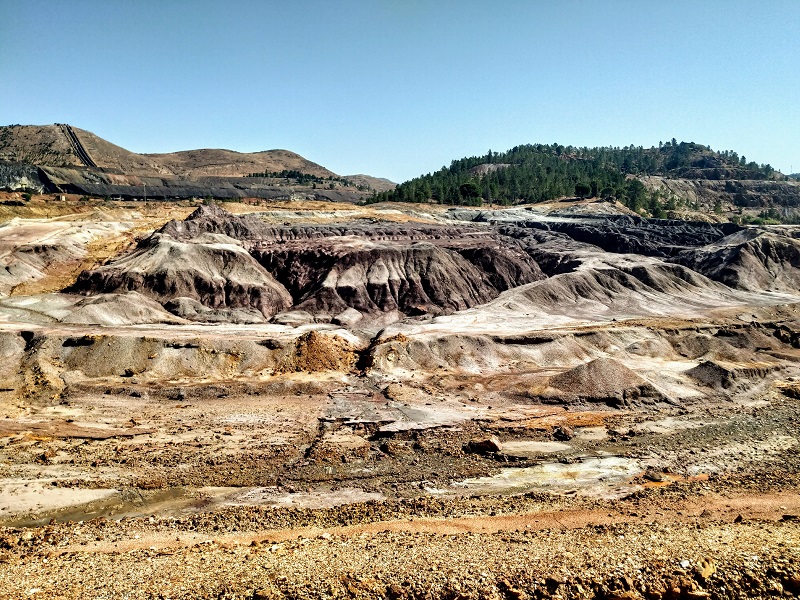
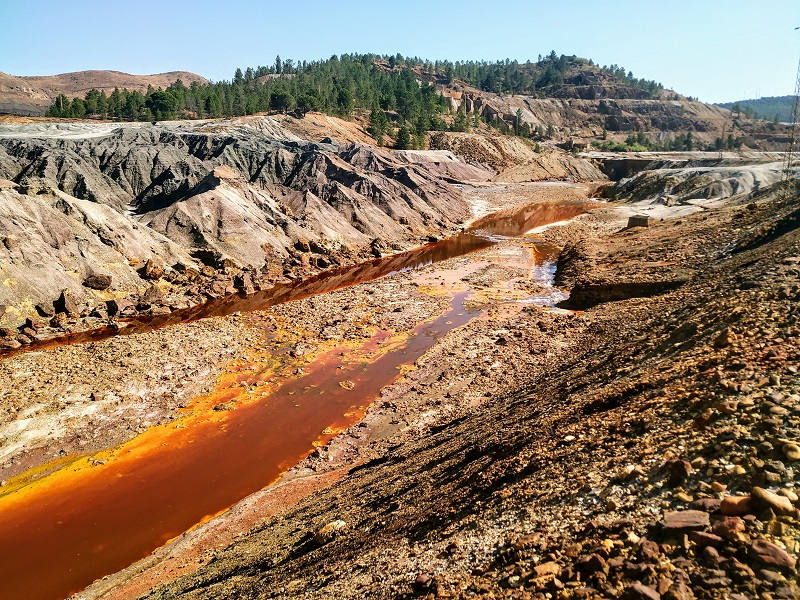
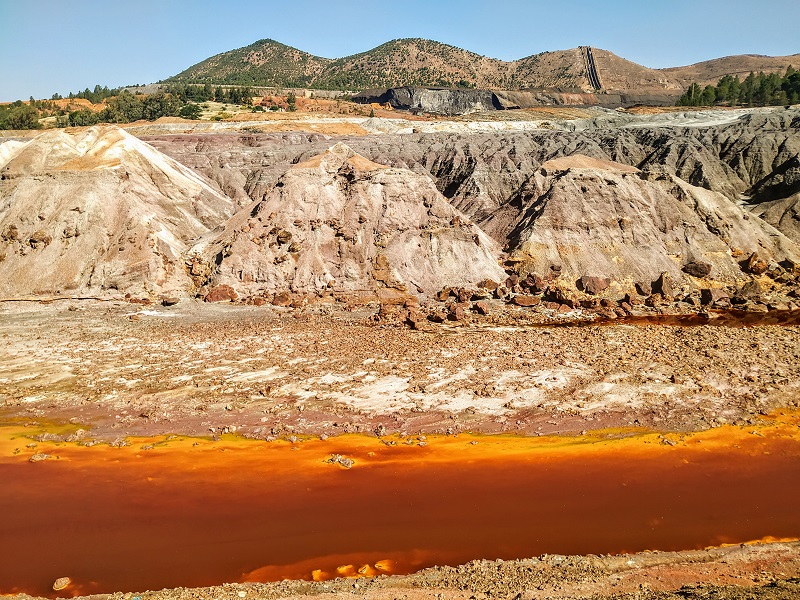
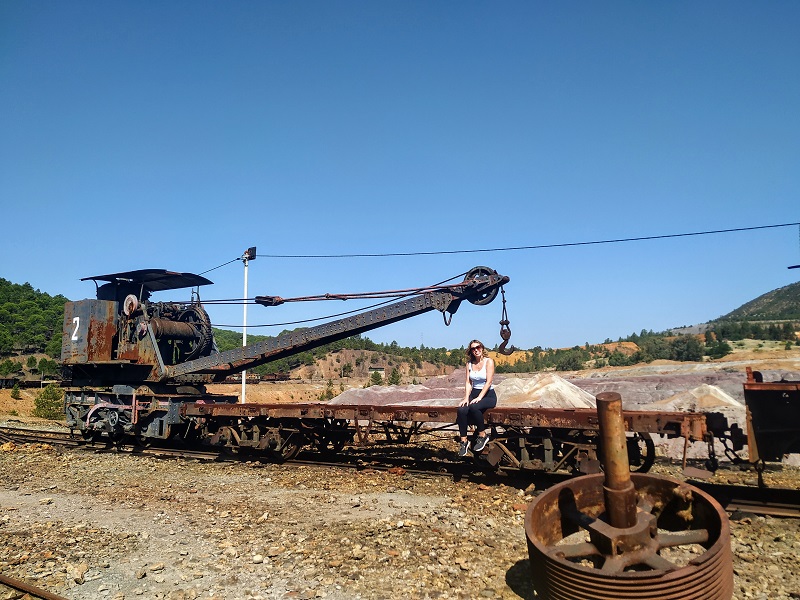
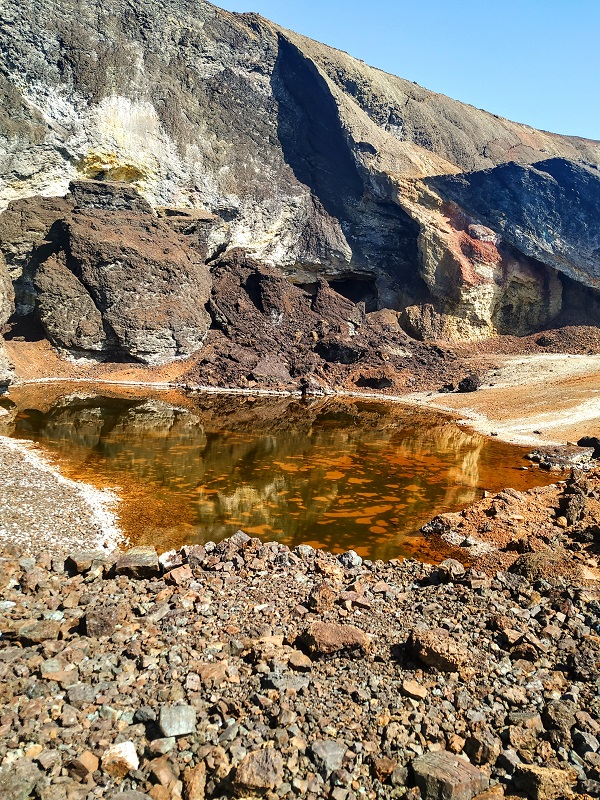
On the way to the south of the Peninsula, you should stop to visit the Riotinto Mines that were formerly exploited by a British company and are currently intended for a tourist tour in which it is possible to contemplate the parts of the old abandoned mines between which runs a bright reddish river. Its color is due to the presence of different minerals in the area, including copper. By the way, the nearby town, where the English miners used to live, is the cradle of Spanish football. In the absence of other distractions in this country area, foreign miners founded the first soccer club in 1878, Rio Tinto Foot-Ball Club. Who would say that!?!
TIPS:
- In Aracena buy a combined ticket to visit the Gruta de las Maravillas, the castle and the Ham Museum, which is quite curious.
- The Riotinto Mines are 45 minutes by car from Aracena. It is a good option to visit them on the way to the wonderful beaches of southern Spain.
- If you like meat, don’t miss trying the Iberian ham from the area, it’s really tasty.
 all about eve`s journeys
Que calor pasamos en el Rio Tinto XD
LikeLike