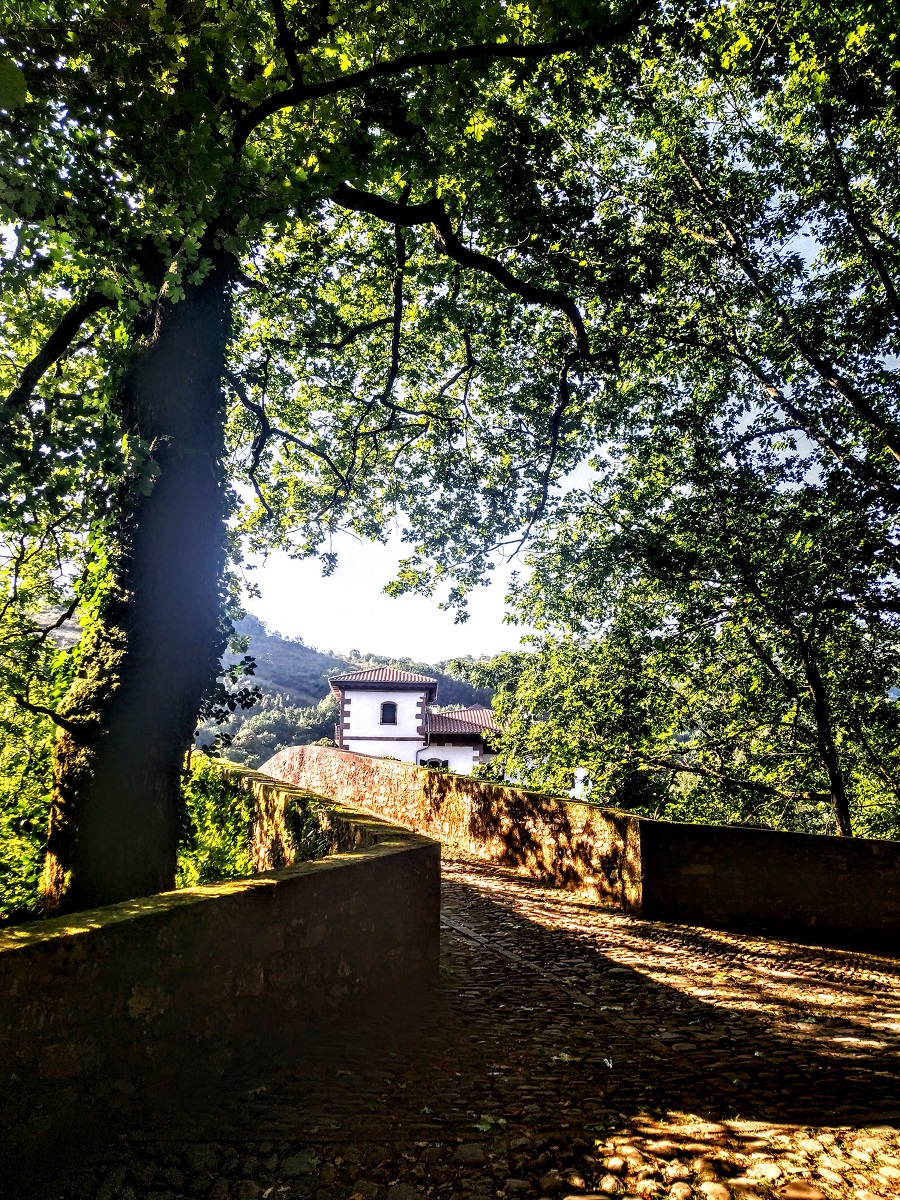
Navarra is the Spanish autonomous community, located to the northeast on the Iberian Peninsula, whose name originates from the term naba, which in old Basque meant “flat land surrounded by mountains”. It is a green region of incredible beauty, unusual landscapes and cultural heritage of great historical and artistic value that you should not miss if you come to visit Spain.
FIRST STOP: THE CAPITAL CITY_PAMPLONA
The capital of Navarra is located in the city of Pamplona, called in Basque Iruña, which is believed to have been founded in 74 by the Roman general Pompey. It has been the capital of the medieval Kingdom of Navarra, which together with other Christian kingdoms of the Iberian Peninsula resisted the Muslim conquest of the peninsular territories, carried out by Tarik and the Berbers from the year 711. The Kingdom of Navarra had great growth during the time of the monarch Sancho Garcés III el Mayor.
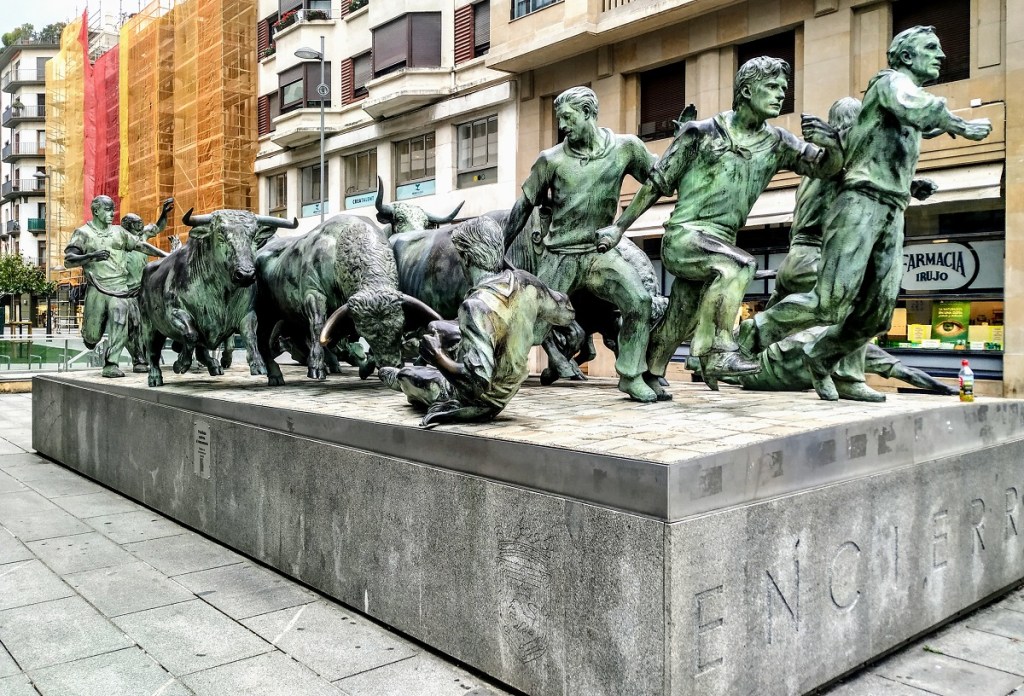
Pamplona has a great historical and cultural heritage, among which the Sanfermines festival stands out, held between July 6 and July 15 each year. Its origin dates back to medieval times and is related to trade fairs and religious festivals. Nowadays it has become very famous due to the celebration of the running of the bulls, called in Spanish encierros, which consist of taking the six bulls to the Plaza de Toros through the streets of the city with the crowd that runs in front of the bulls, dressed in white with the red scarf on the neck.
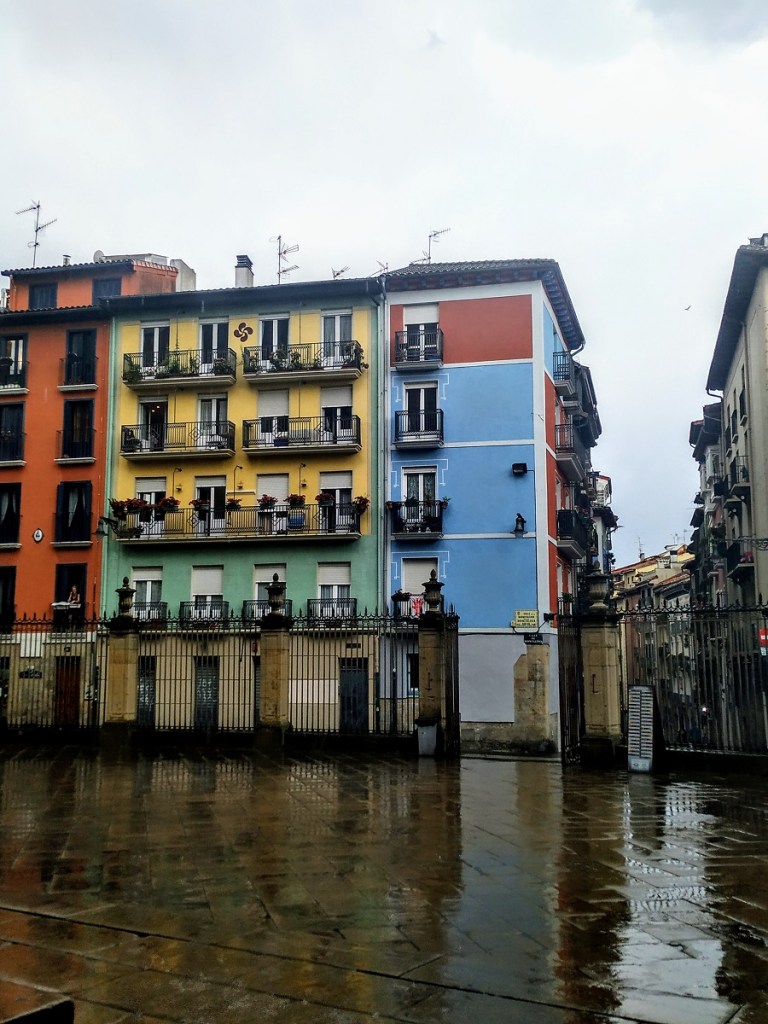
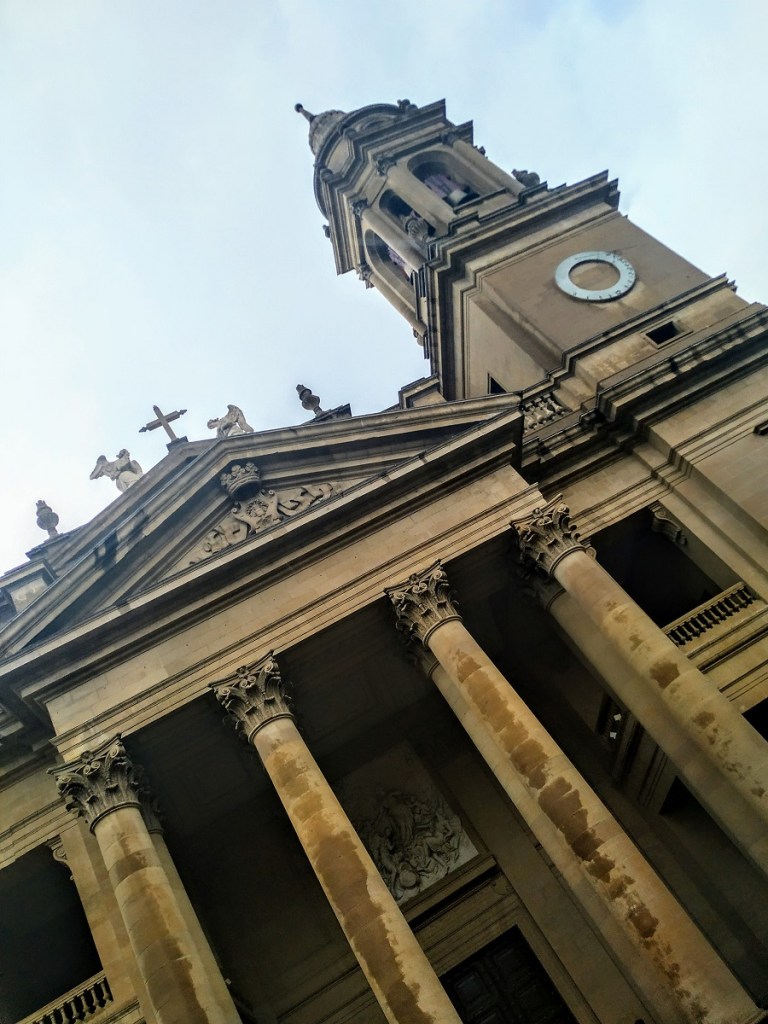
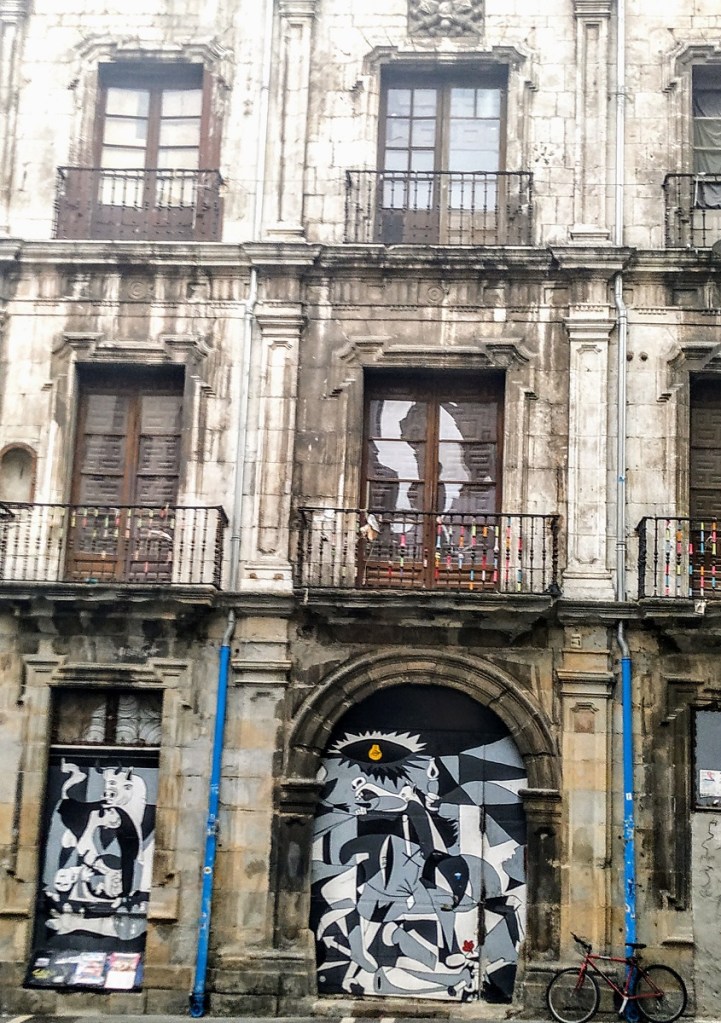
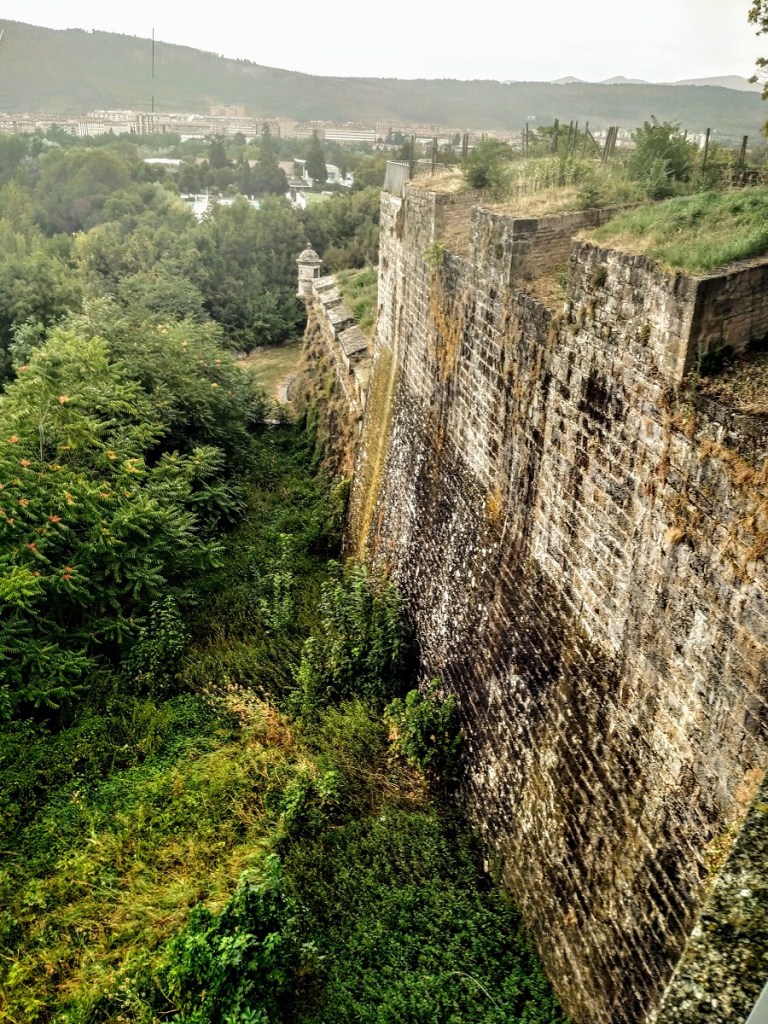
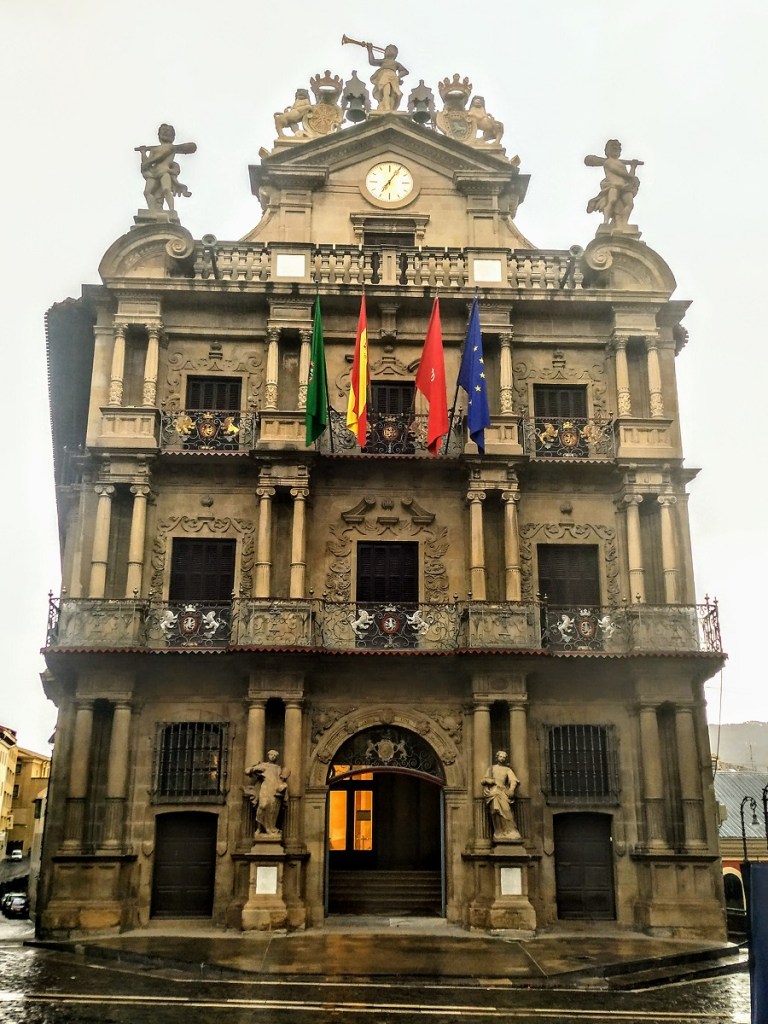
I recommend you take a walk through the central streets of Pamplona, surrounded by the impressive walls, full of bastions and forts, 5km long with wonderful views over the city and ending in the Citadel, in a pentagonal shape. Among the architectural structures, the Cathedral of Pamplona stands out, Gothic on the inside and neoclassical on the main façade, as well as the City Hall, located in the Consistorial Square, with a beautiful Baroque façade. To rest, I recommend the Café Iruña, frequently visited by Ernest Hemnigway, who in his novel The Sun also rises (translated into Spanish as Fiesta) had written: “And at noon on July 7, the party broke out. There is no other way to say it”, thus promoting the Sanfermines.
SECOND STOP: BAZTAN VALLEY
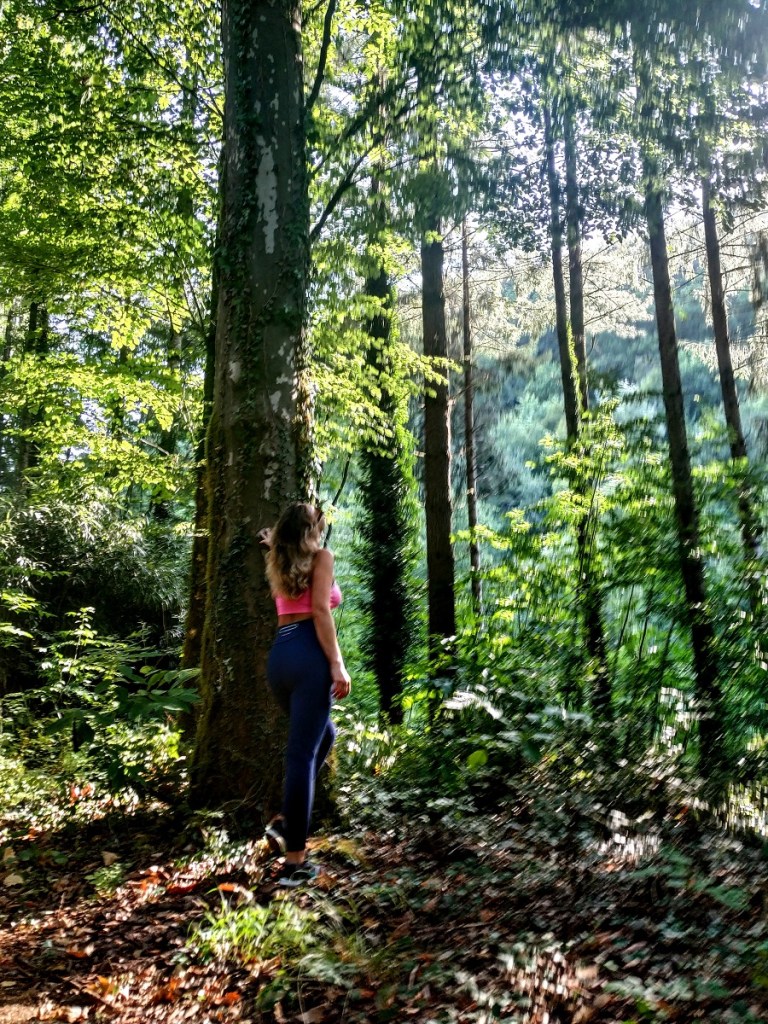
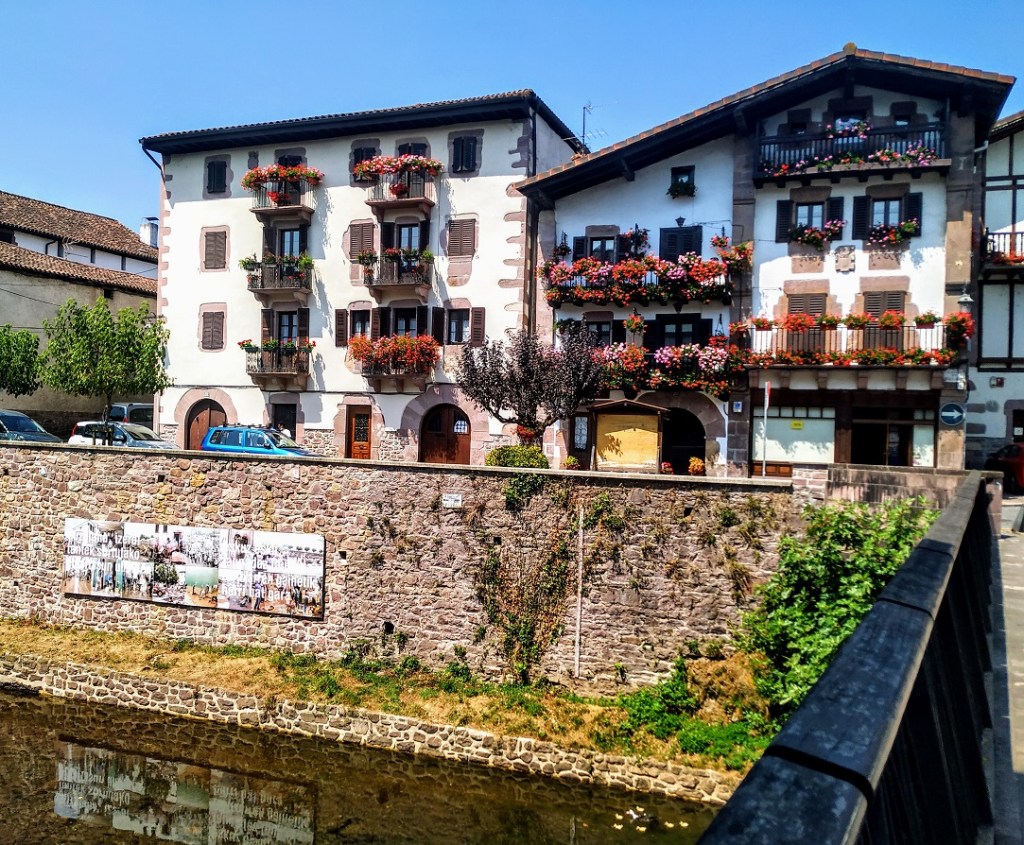
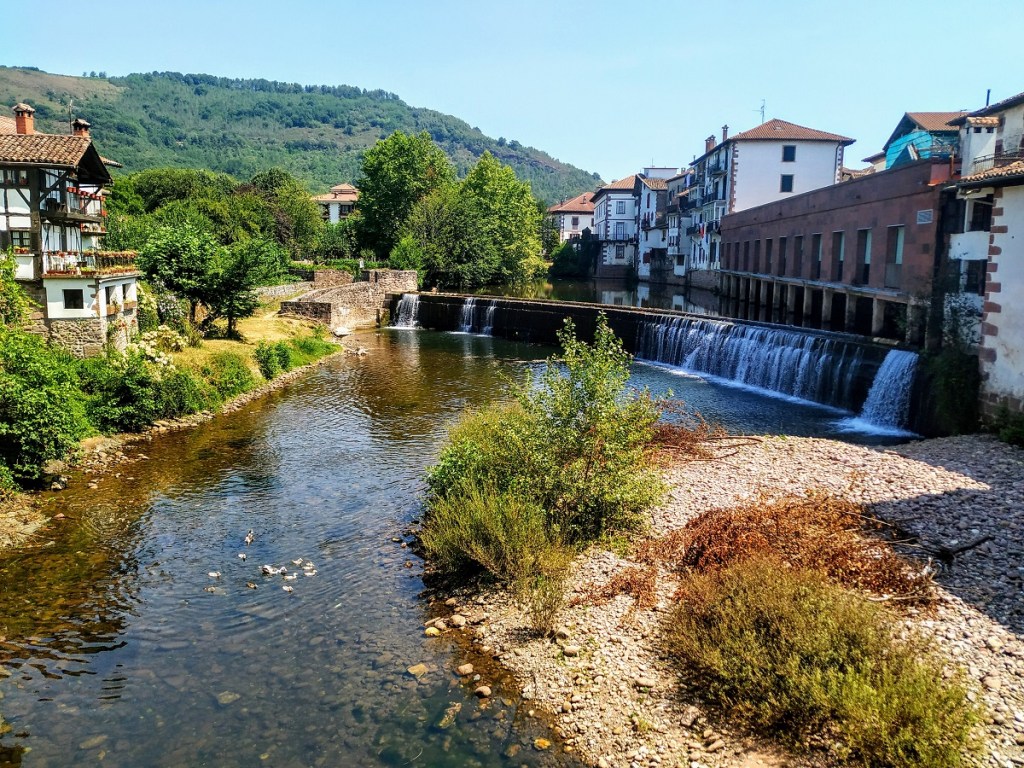
The Baztan Valley, an area rich in cultural and natural heritage, has become well known for the Baztan Trilogy, written by the author Dolores Redondo, a mystery novel about murders and traditional rituals that I recommend you read. I really wanted to visit the valley, especially because I love seeing in person the places known through books. A hobby of mine, it’s as if I’m prolonging the adventures of my favorite books…
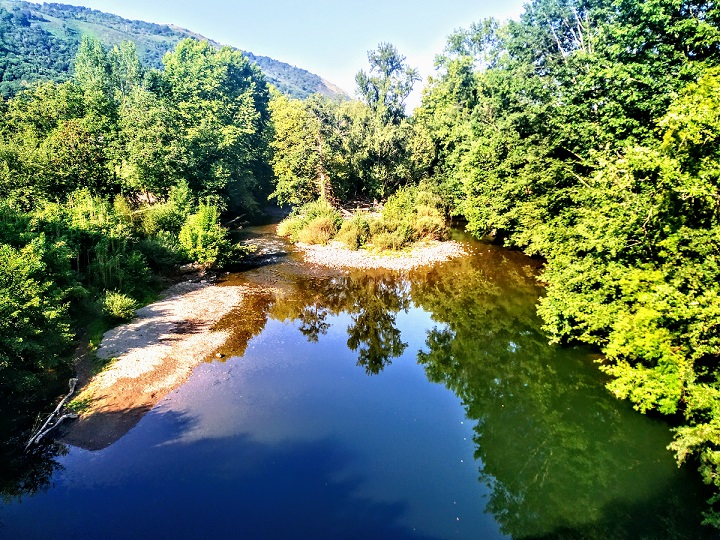
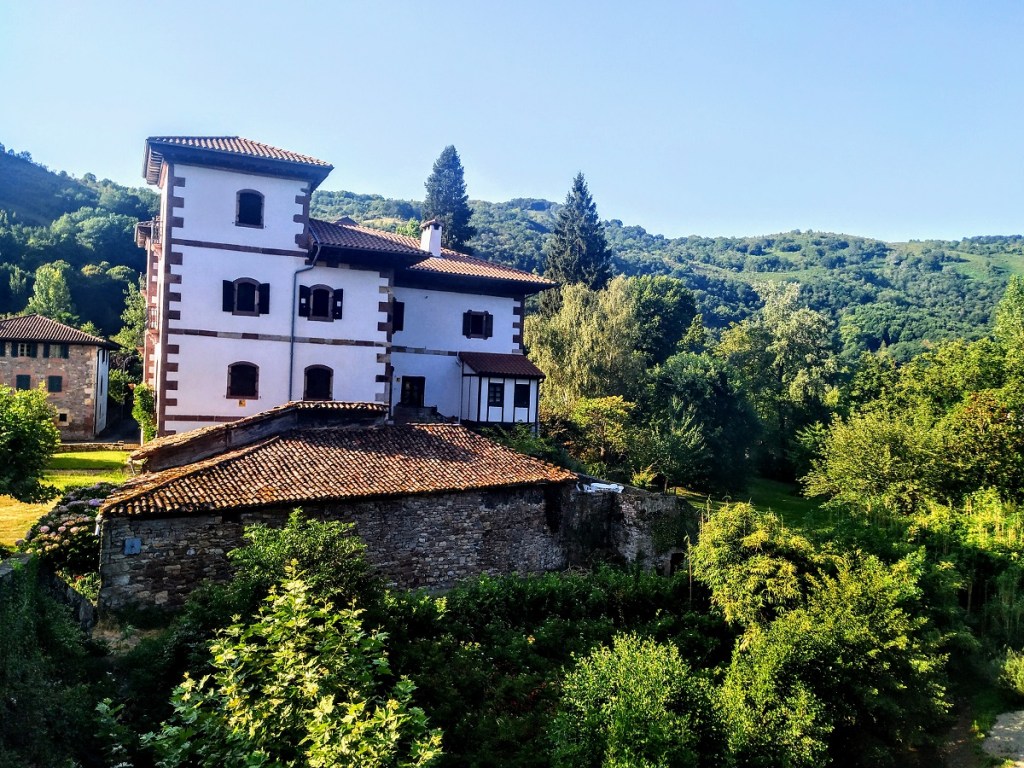
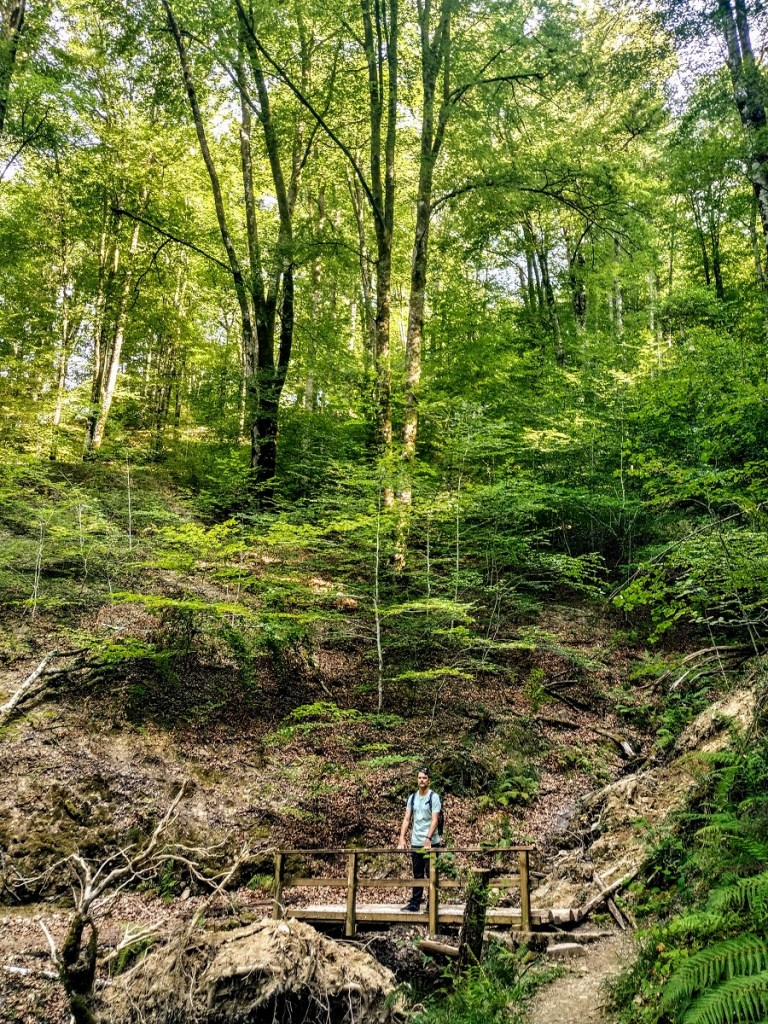
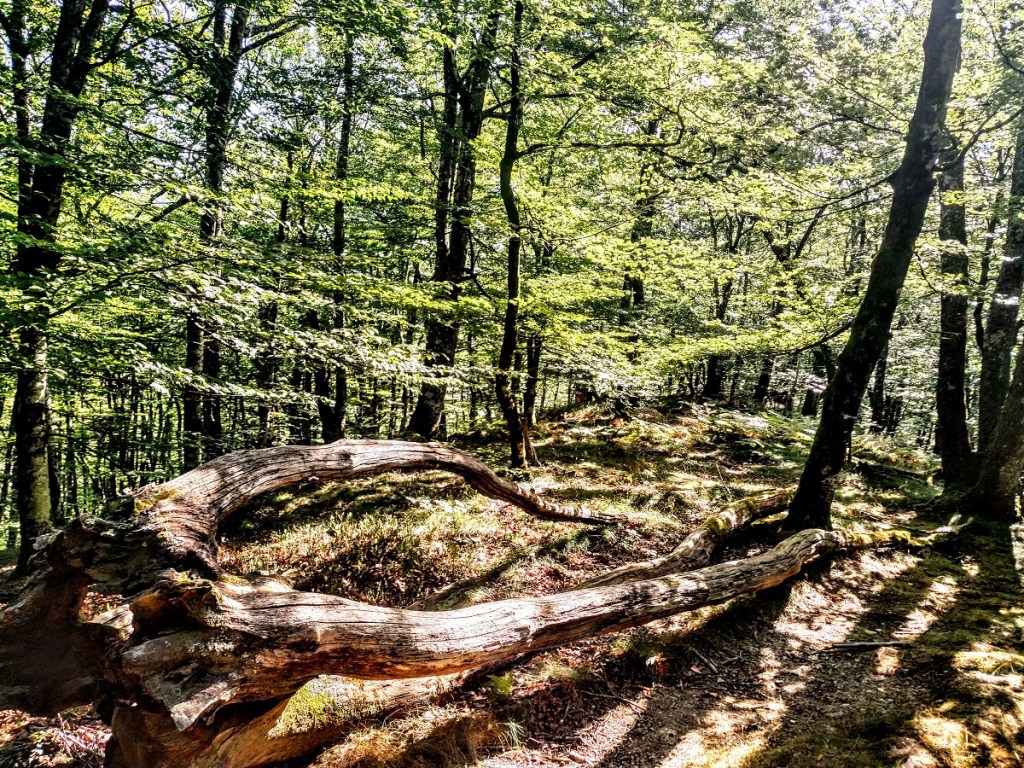
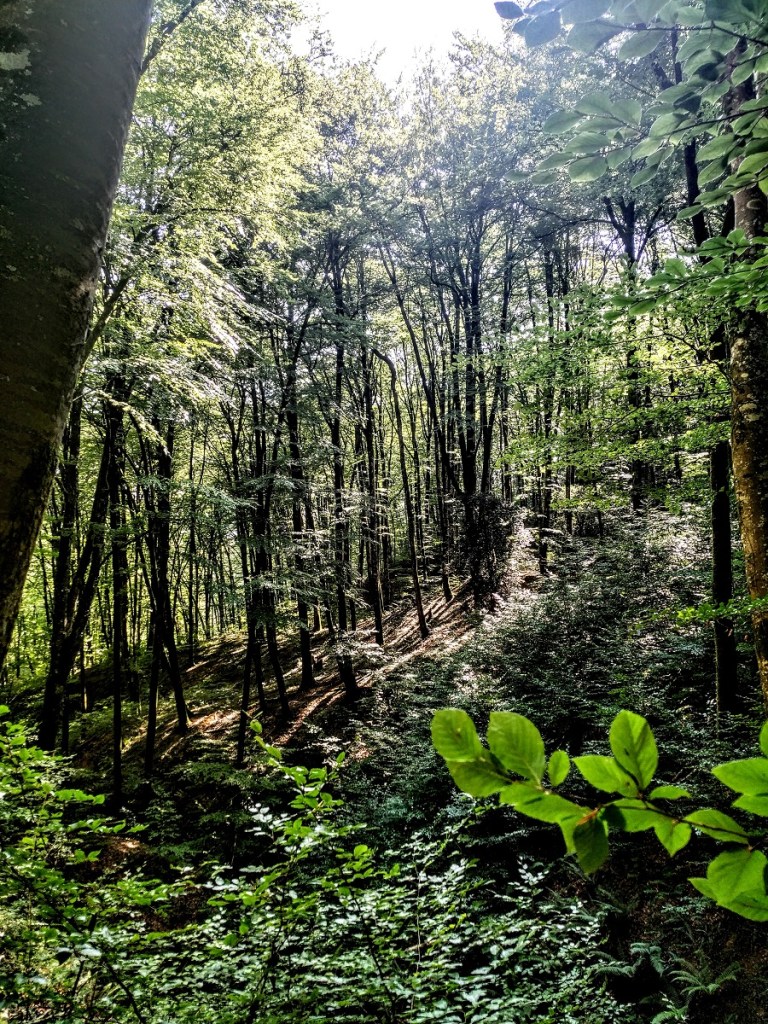
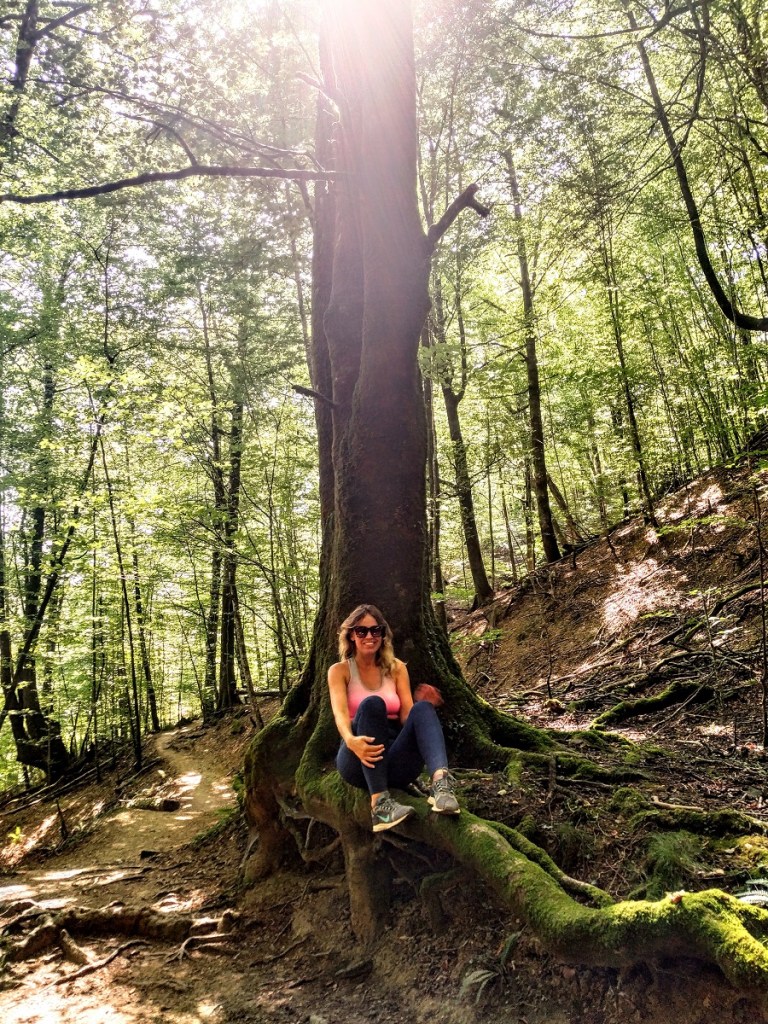
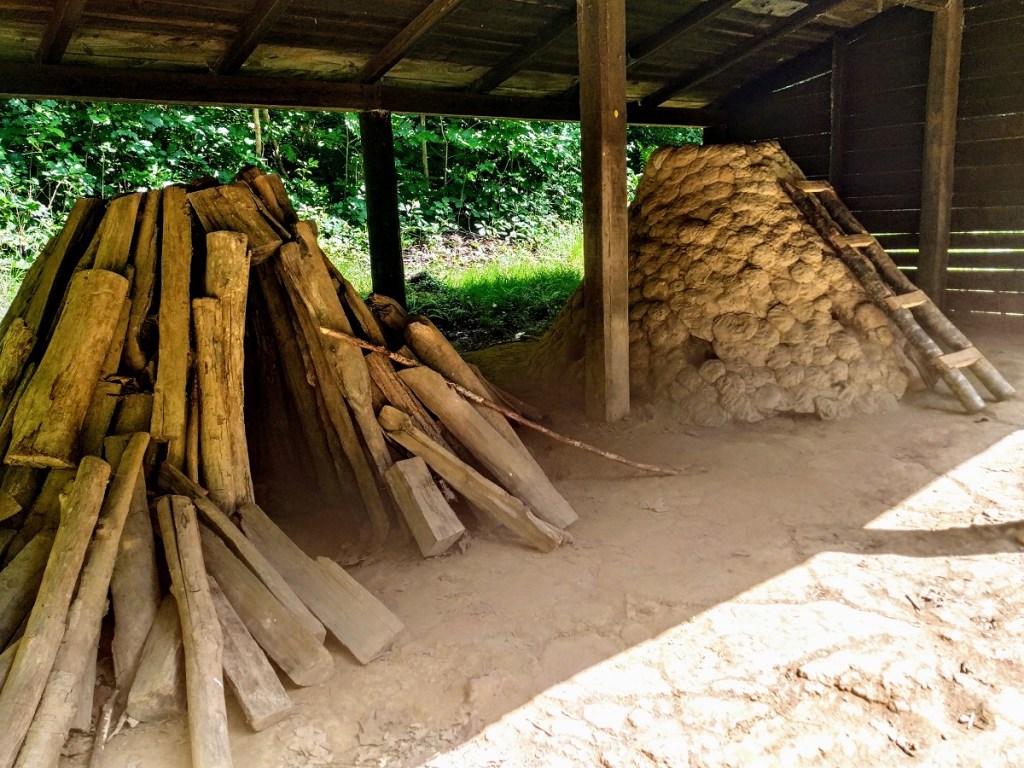
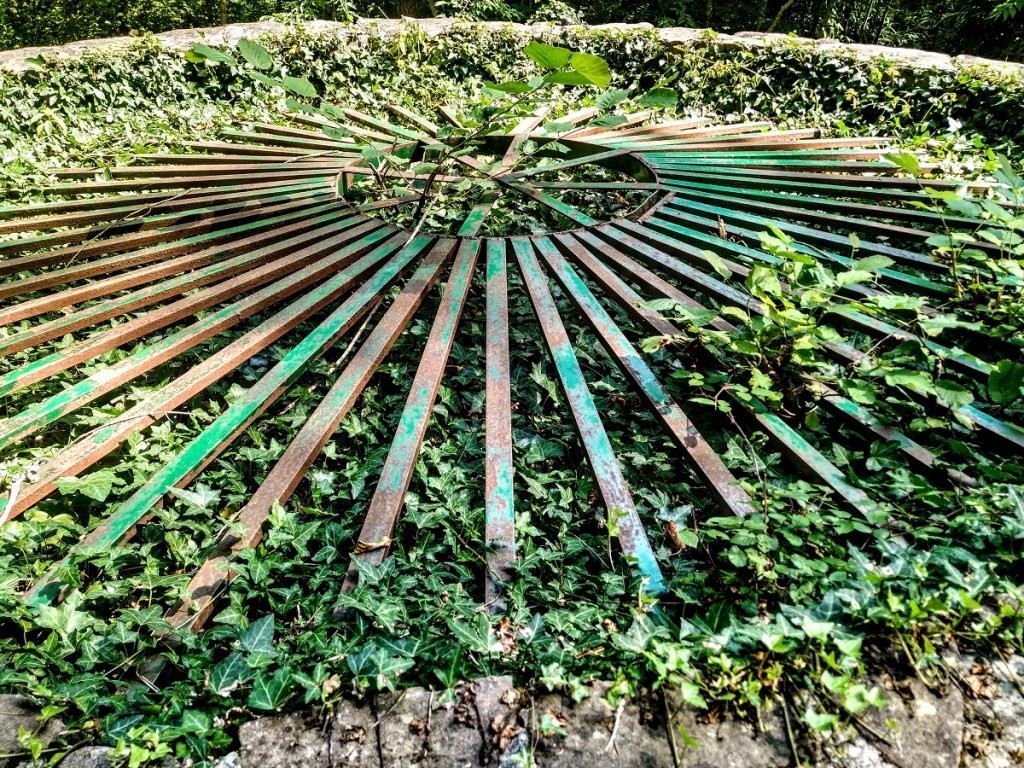
The valley offers numerous hiking trails, including the Zugarramurdi, Sara or Urdax Caves, the Xorroxin, Oinaska or Infernuko errota Waterfalls and the magnificent forests, full of witch stories. The Zugarramurdi area is famous for an episode of witchcraft in which in 1610 a young woman had dreamed that she could fly and that with her the different people of the town participated in a Coven, which ended with the intervention of the Inquisition that imprisoned up to 53 people who died in prisons. There were also 11 people sentenced to the stake for heresy. Nowadays in Zugarramurdi it is possible to visit the Museum of the Witches that recalls these darkest times of humanity.
THIRD STOP: FOZ DE LUMBIER
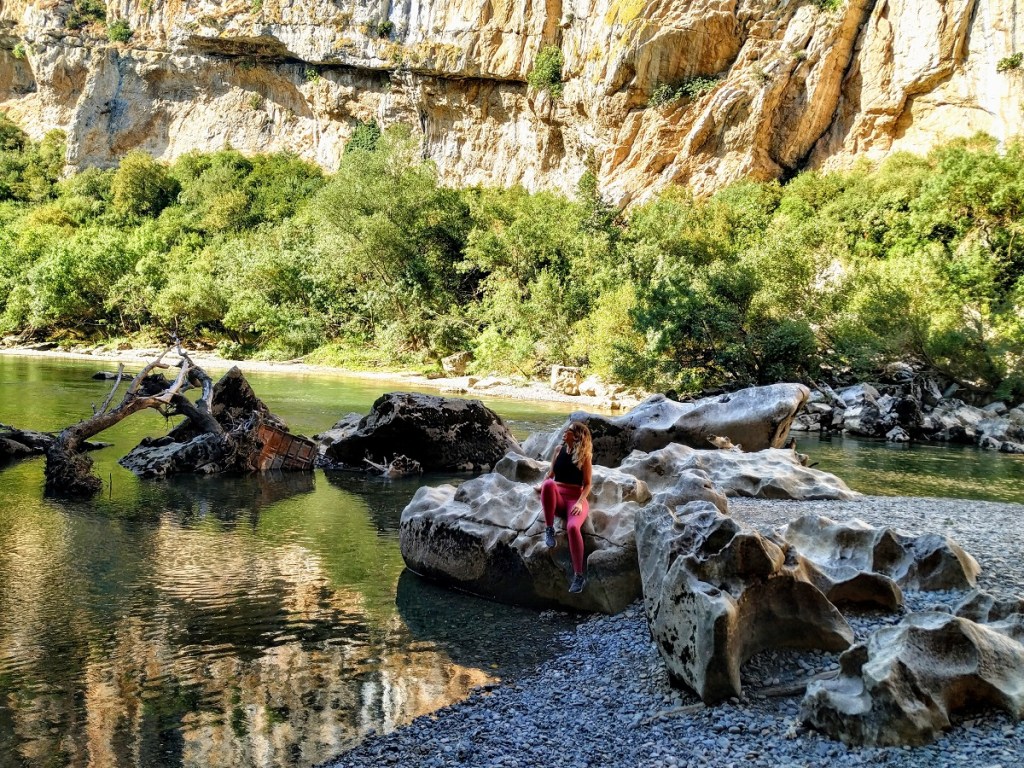
On the way to Jaca, the Aragonese city and the former capital of the Kingdom of Aragon, and 43km from Pamplona, there is a wonderful rock formation, called Foz de Lumbier. It is a great option to take a short hiking route and cool off in the crystal clear waters of the magnificent Irati River. It is impossible not to be surprised by the wonderful views offered by this narrow gorge, the habitat of numerous birds of prey.
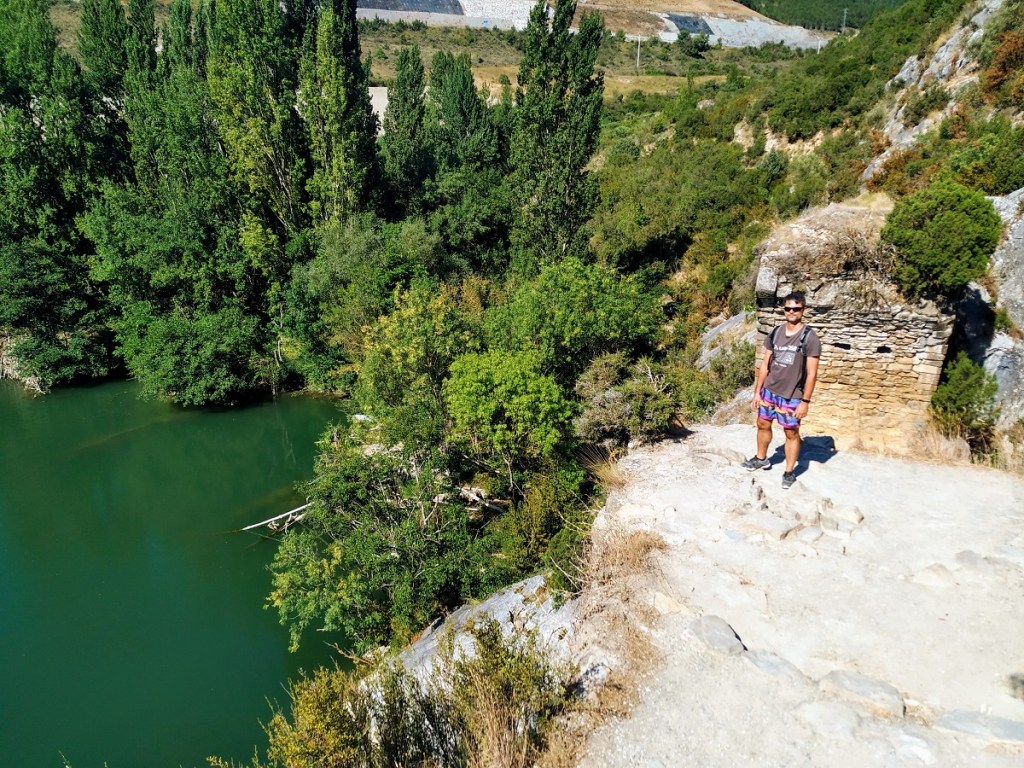
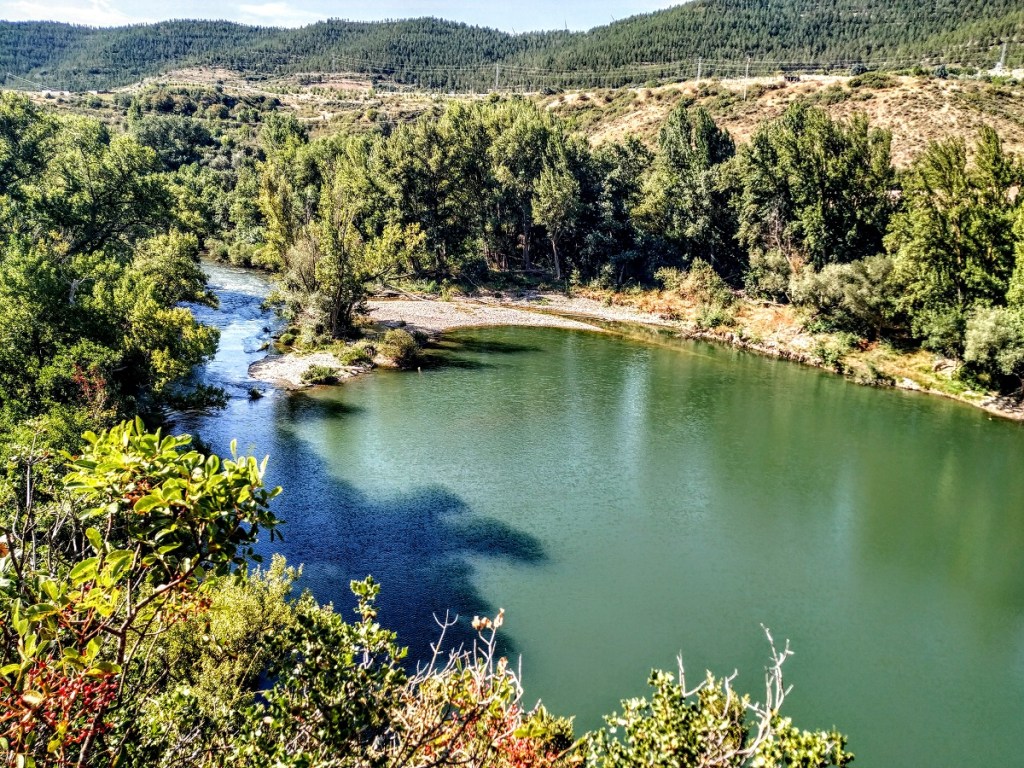
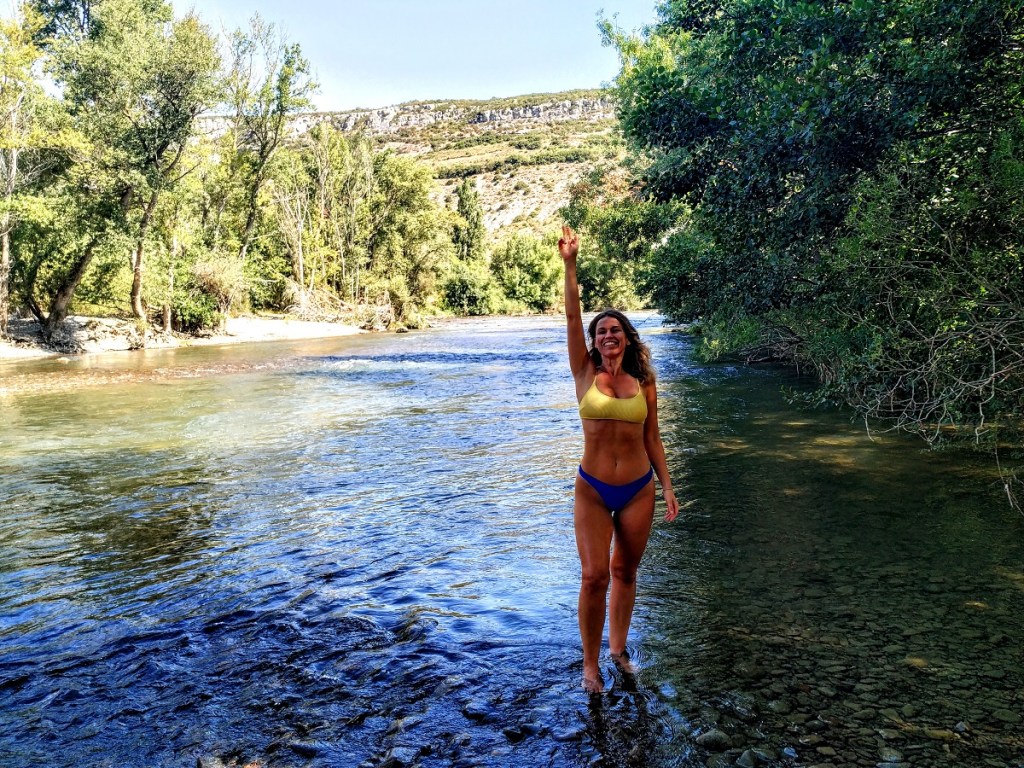
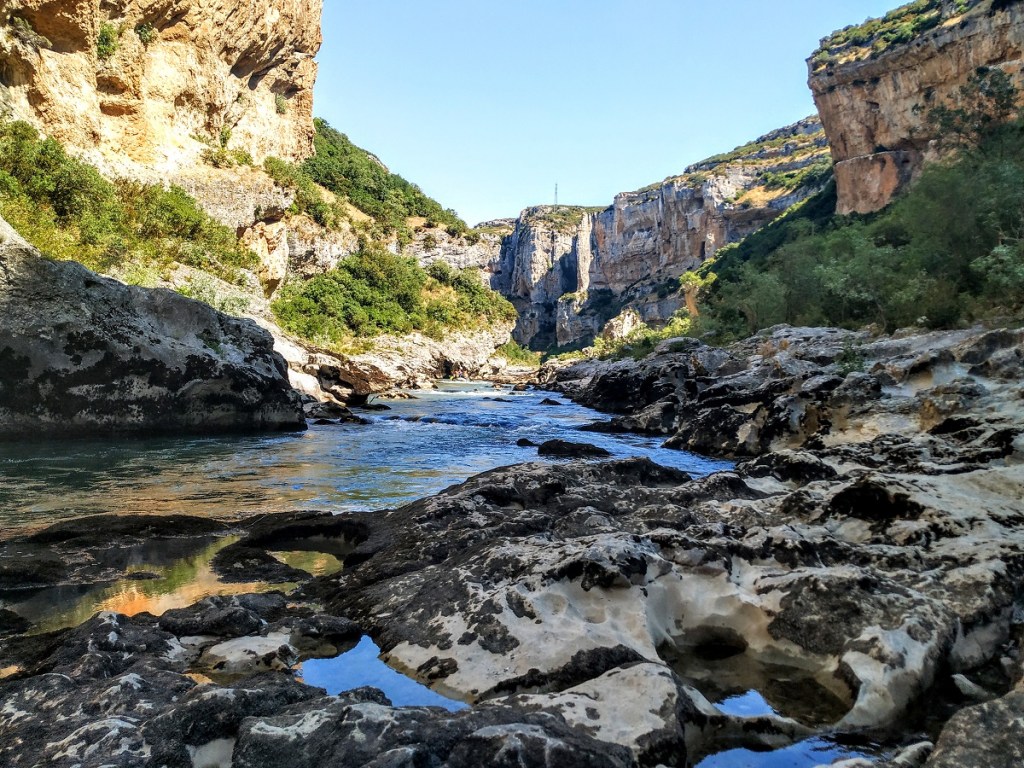
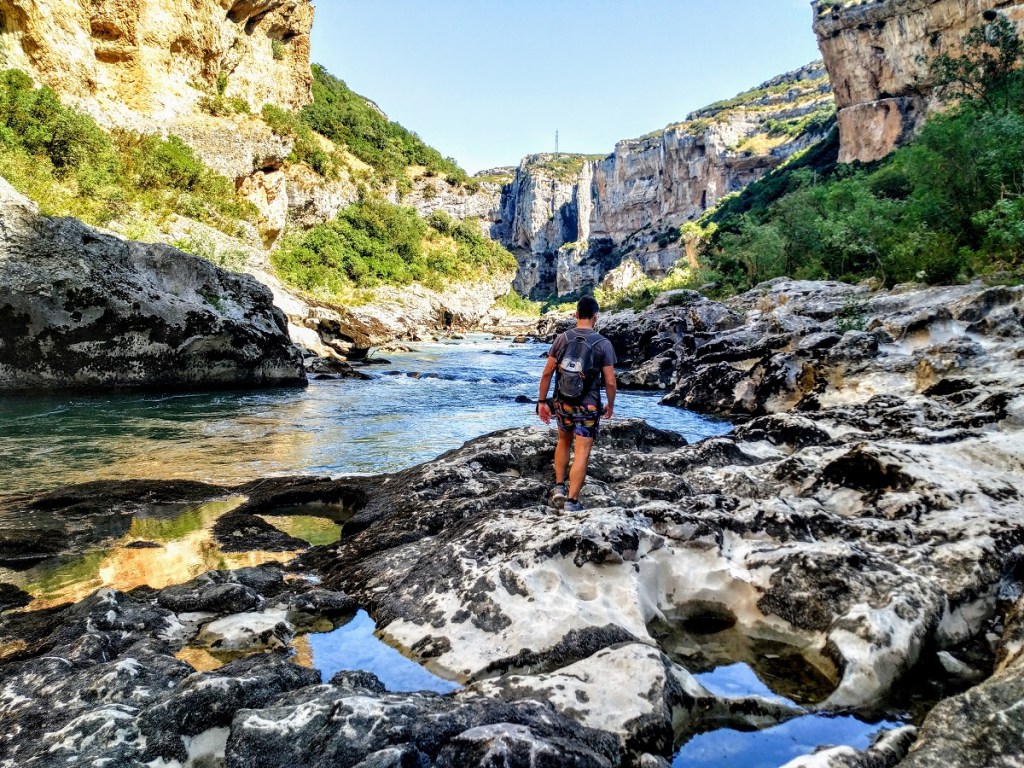
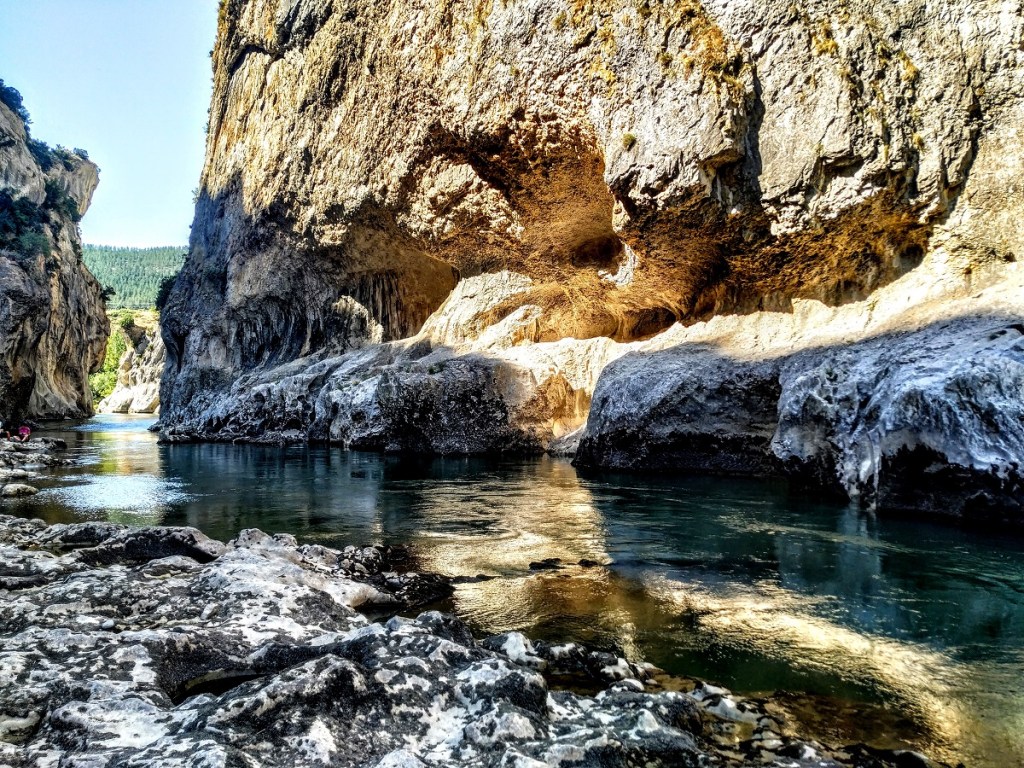
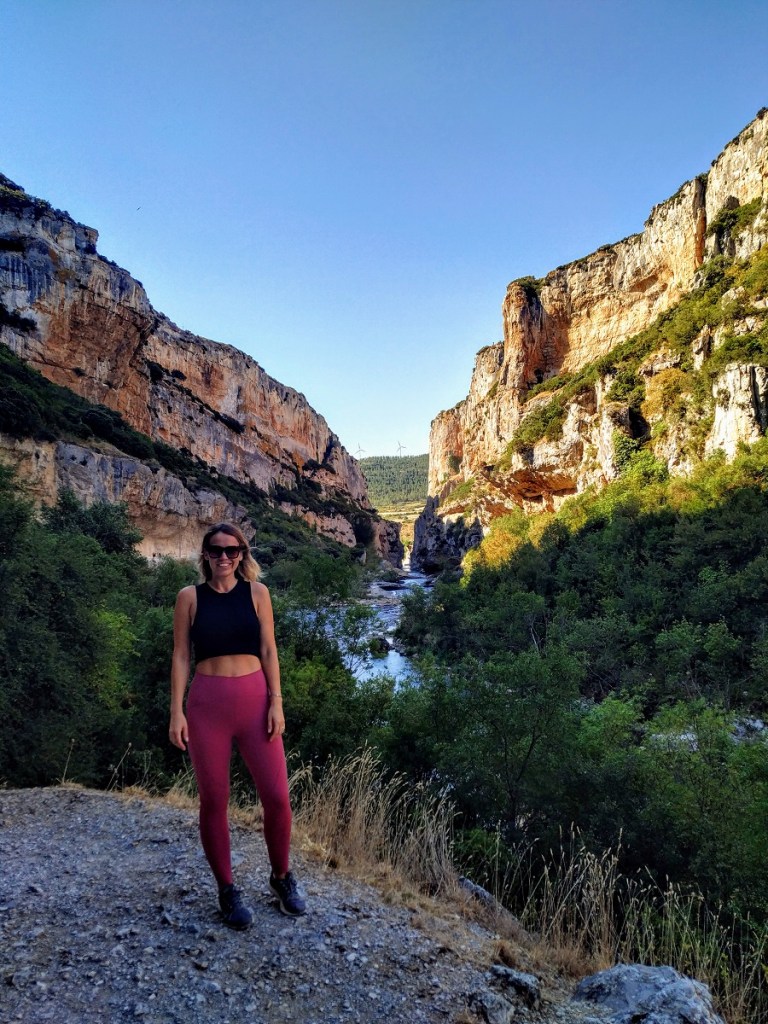
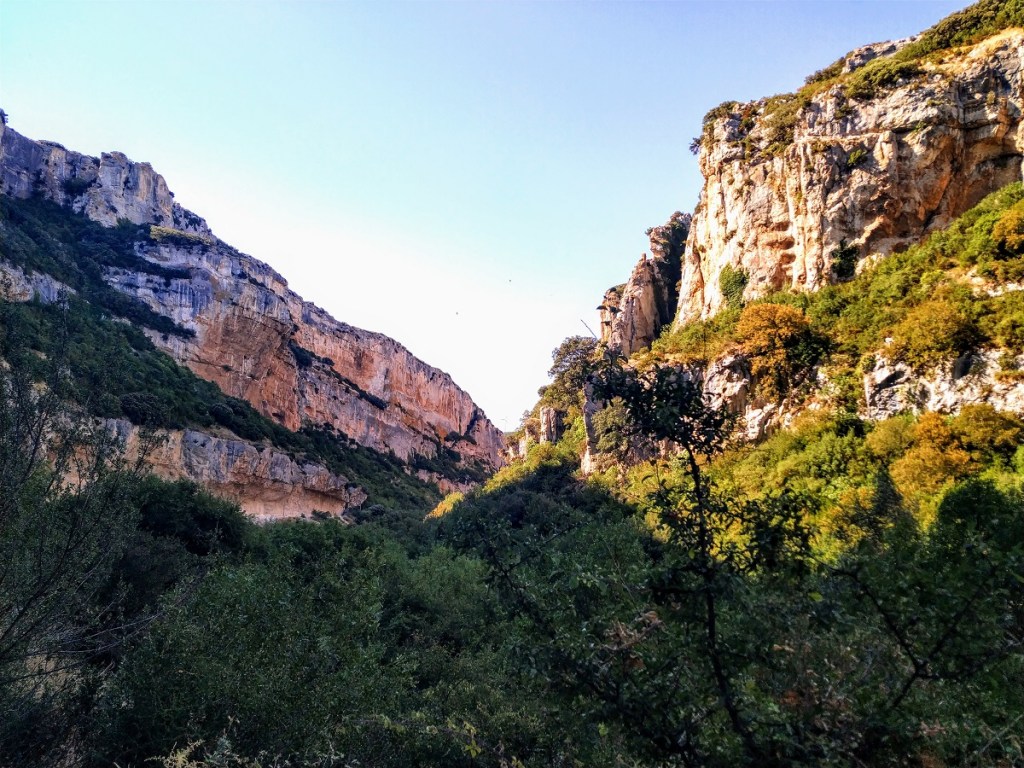
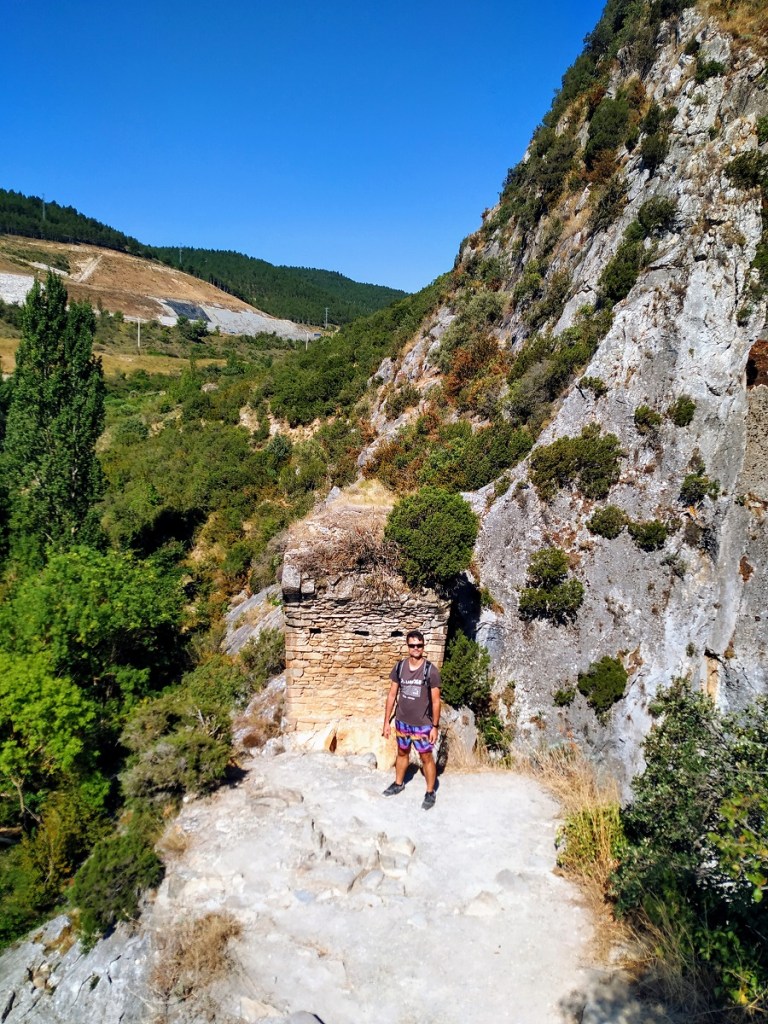
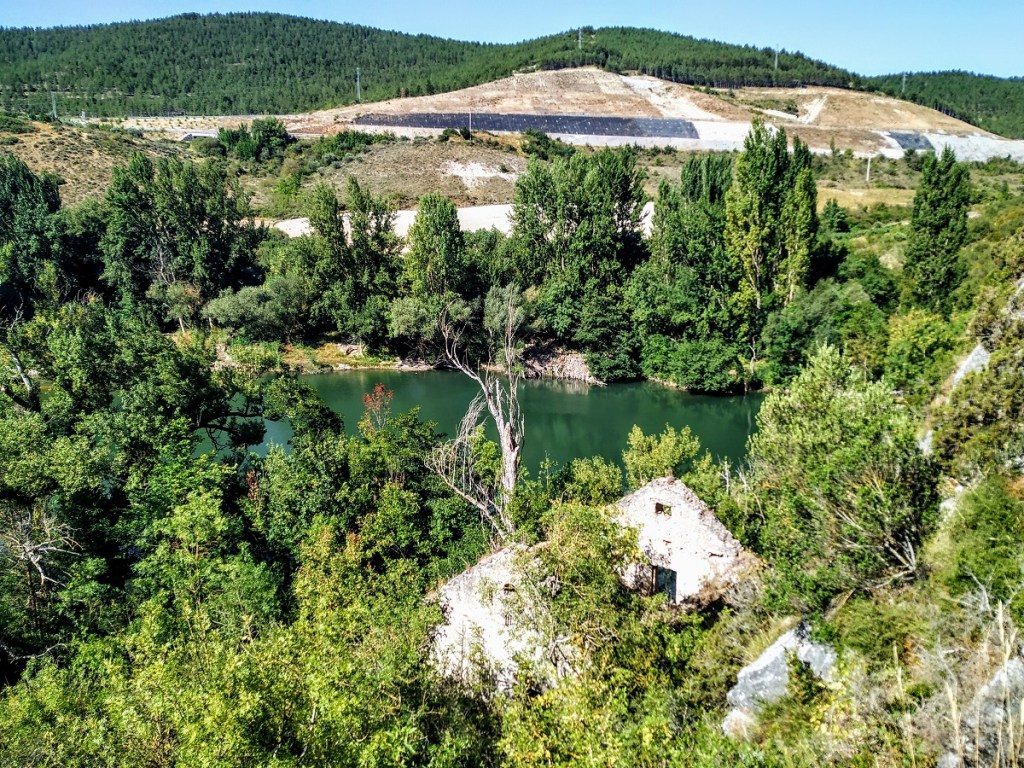
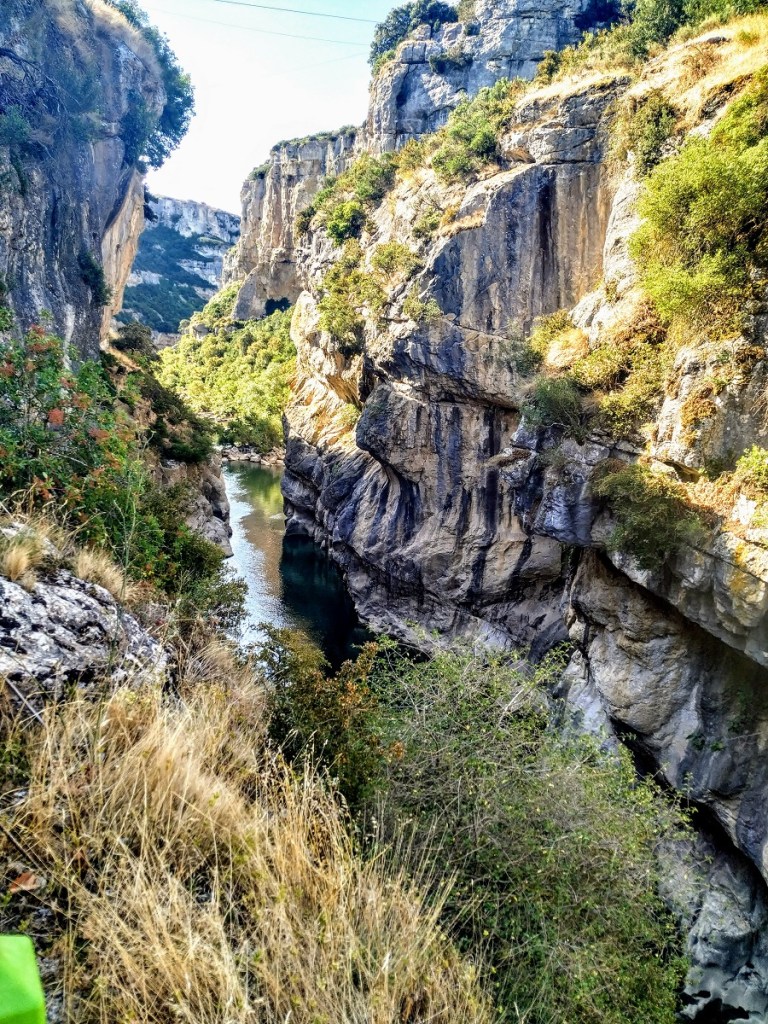
The route is suitable for children, since it is only 3.5 km long and begins in a parking area set up for visitors, which is for a fee, about € 2.50. The Devil’s Bridge stands out, the final destination, a 16th century construction that is currently in ruins, but offers wonderful views. Eye! To those who have vertigo.
FOURTH STOP: CASTLE OF JAVIER
Not far from Foz de Lumbier, there is Castle of Javier, home of the Jesuit Francisco Javier, who was sanctified in 1622 by Pope Gregory XV together with Saint Teresa of Jesus and the founder of the Jesuits Ignacio de Loyola. He stood out for his missions carried out in China and Japan. The Castle originated in the 10th century and it is a place of pilgrimage, especially in the festivities of Javieradas.
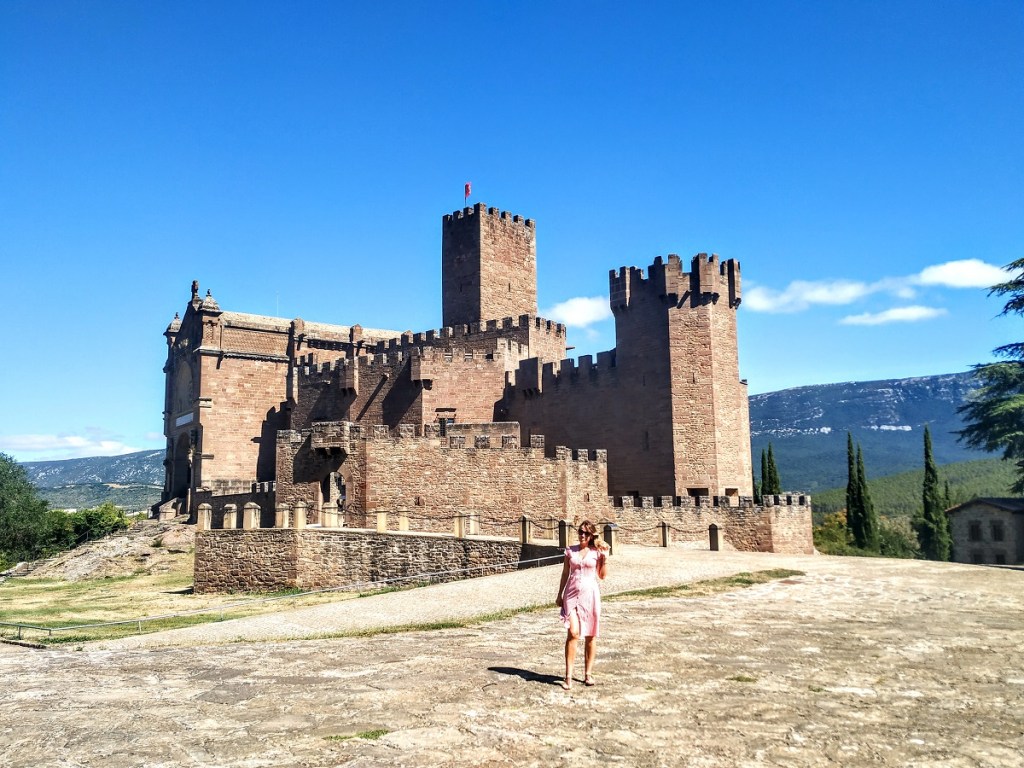
Likewise, it is possible to make a tourist visit to its most prominent areas: the Tower of Santo Cristo and the Tower of Tribute, called the Tower of San Miguel, which is the oldest part from the fortification. Inside there is posible to see the wall paintings that represent the medieval artistic-literary theme: The Dance of Death, which consisted of transmitting the idea of the universality of death among rich and poor people and that was represented by the allegorical personification of Death, a human skeleton that danced happily.
TIPS:
- Although this part of Spain is located in the northeast, keep in mind that the weather in summer can get quite hot, so always be prepared for high temperatures.
- It is an ideal area to combine cultural tourism with hiking.
- Keep in mind that during Sanfermines the city of Pamplona fills up with visitors, so if you plan to come on these dates it is better to book in advance. And if you want to avoid the crowds, you should certainly avoid coming at parties.
 all about eve`s journeys