I know that Greece draws a lot of attention for its wonderful maritime landscapes. However, behind the famous beaches there is also a rich historical and artistic heritage that you should explore when you arrive in this wonderful country, where the culture of the Western World originates. Previously, I had already told you about the Acropolis in Athens, without a doubt, an obligatory visit if you come to know this country, but now I would like to introduce you to my four favorite spots that hide a great story behind their unusual beauty.
DELPHI ORACLE
The Oracle at Delphi was dedicated to the god of light Apollo. It was one of the most important in Ancient Greece, although not the only one, since oracles were an essential part of the Hellenic religion. It was the place where the Greeks asked personal questions about their future and obtained divine answers through a priestess, Pythoness, who sat on a kind of tripod and inhaled the smoke of hallucinogenic plants that allowed her to interpret the will of the gods.
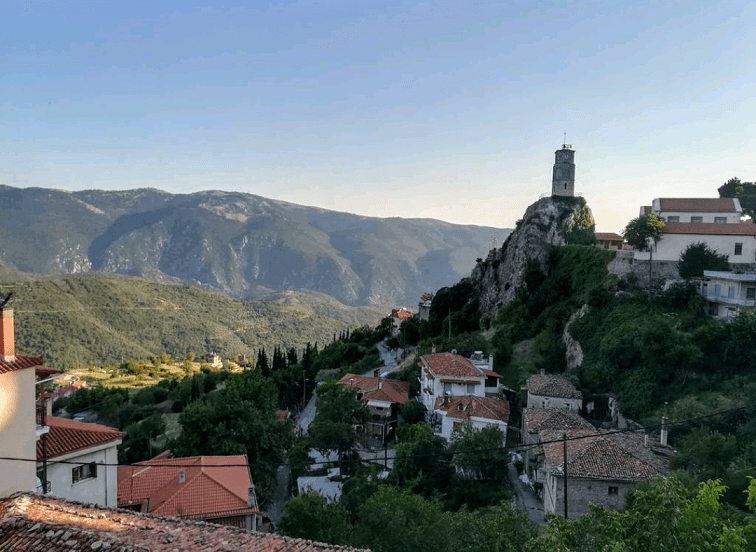
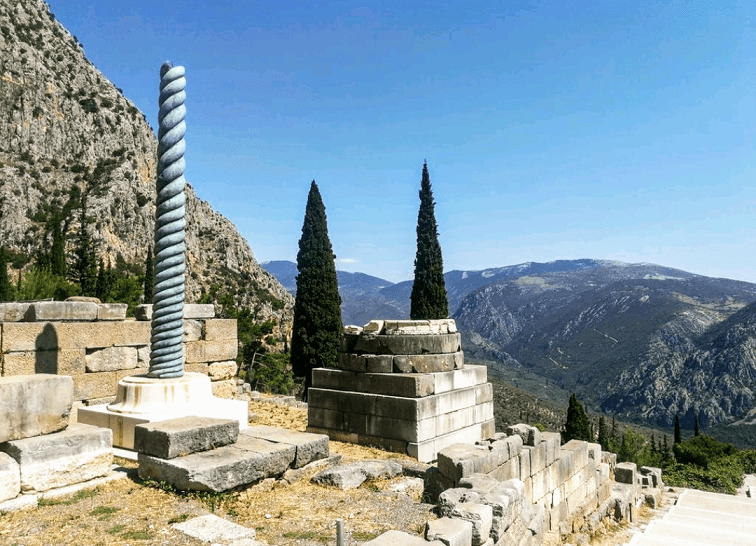
The most comfortable way to get to Delphi is by driving on the road from Athens, it is about 2.5 hours away. In the city there is a wide range of accommodation and also in the small artisan shops you can find unique souvenirs.
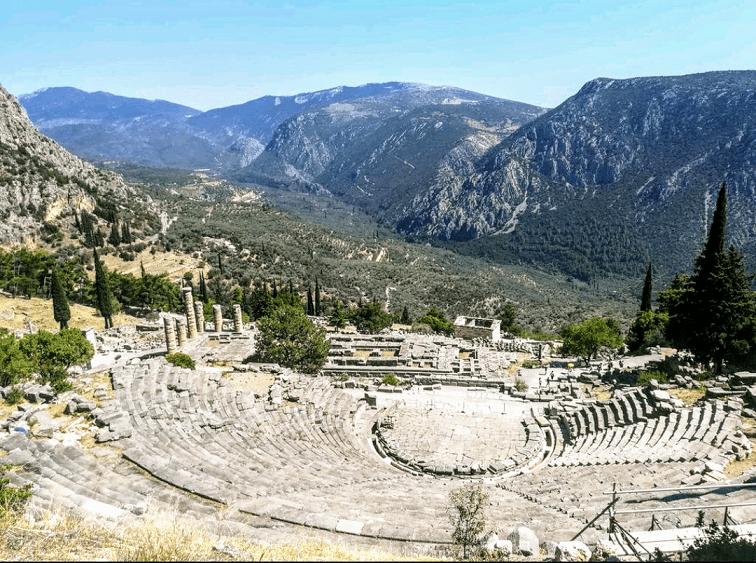
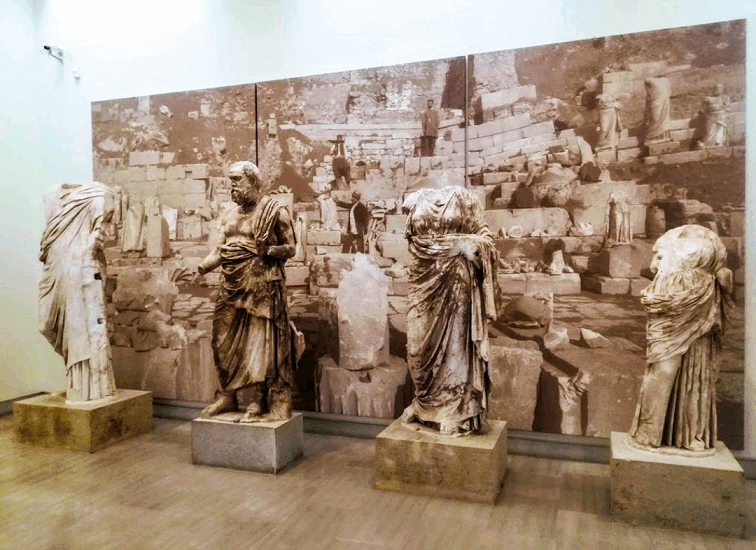
I recommend you visit the archaeological zone, the old part of the city. There you will be able to contemplate the Temple of Apollo from the 4th century BC, Doric and Peripheral (that is, surrounded by columns), the Stadium where the Pythic Games were held and the Theater in which the plays of tragedy and comedy were performed. These are literary genres invented by the Greeks whose objective was to produce catharsis, the purification of the soul through crying and laughter. Also nearby is the Archaeological Museum with very outstanding pieces of art.
A LITTLE BIT MORE ABOUT ANCIENT GREEKS
The ancient Greeks were tribes from Asia that settled in the area that we now know as Greece and in the area of Asia Minor. They spoke the same language and believed in the same gods that inhabited Mount Olympus, presided over by Zeus. However, they never created a single state and rather formed city-states, called polis. The most prominent polis were Sparta and Athens, in the latter it originated in the 5th century BC, Democracy. Also, due to the characteristics of the land they occupied, many mountains and numerous islands, they traveled easily by sea and soon began the colonization of the Mediterranean area with the aim of establishing commercial relations with other peoples. In this way they expanded their culture and art to southern Europe, parts of Asia and North Africa.
THE MONASTERIES OF METEORA
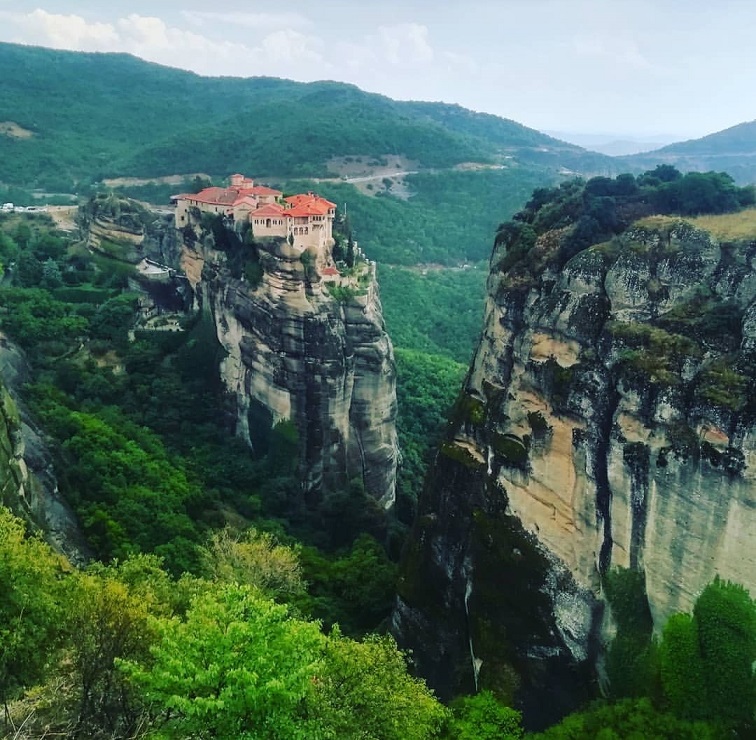
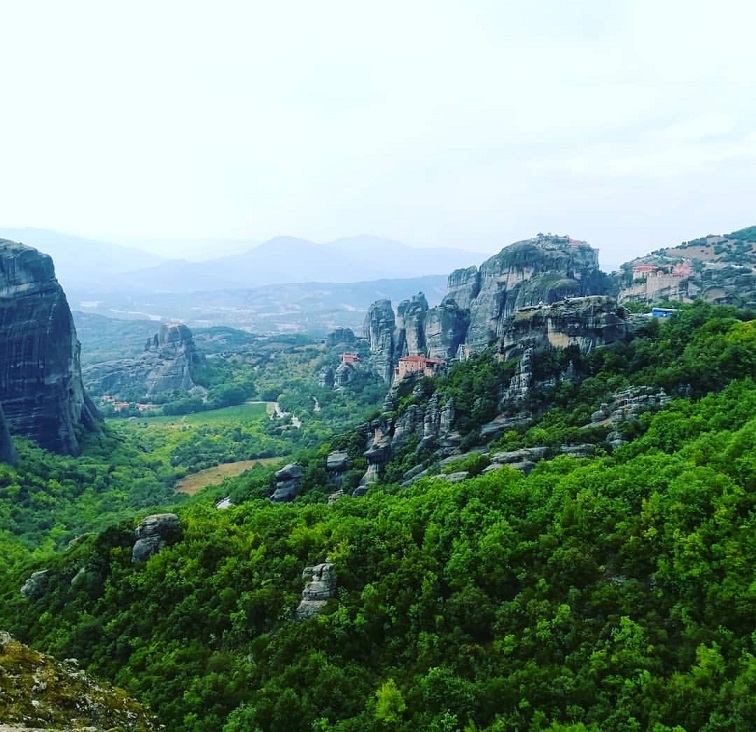
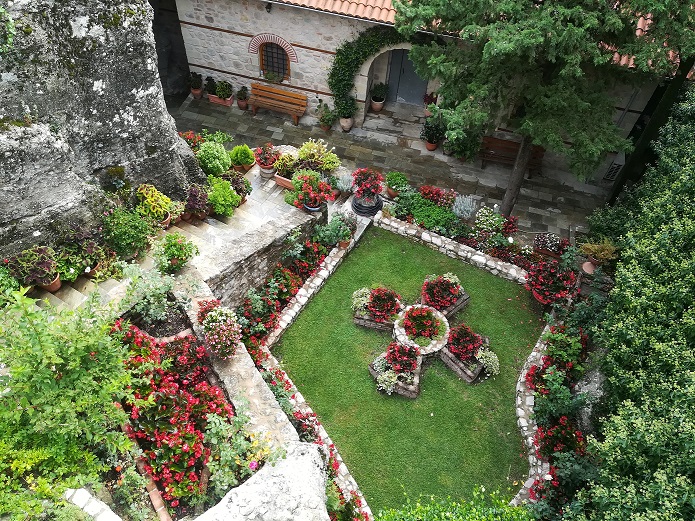
The translation of the Meteora Monasteries could be something like the monasteries suspended from the sky. And how much reason is hidden in this translation. The ancient Orthodox Christian monasteries are built on the unique rock formations, which according to the legends have a divine origin, and that it is necessary to climb many long and steep stairs to be able to visit them.
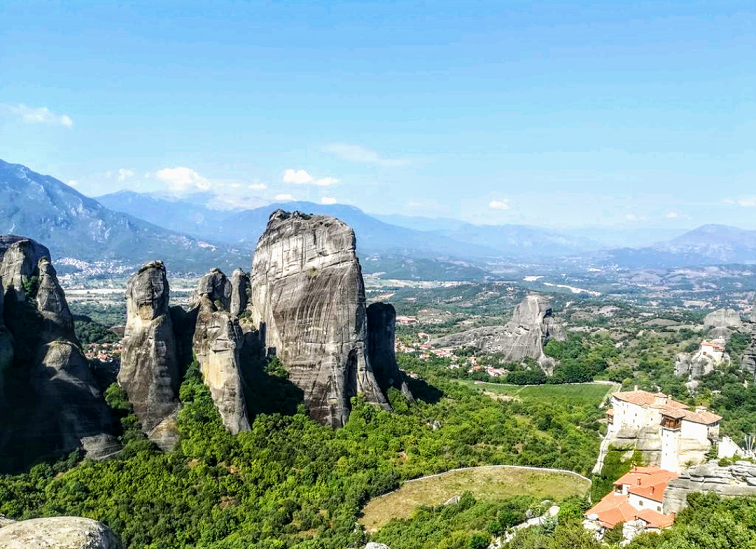
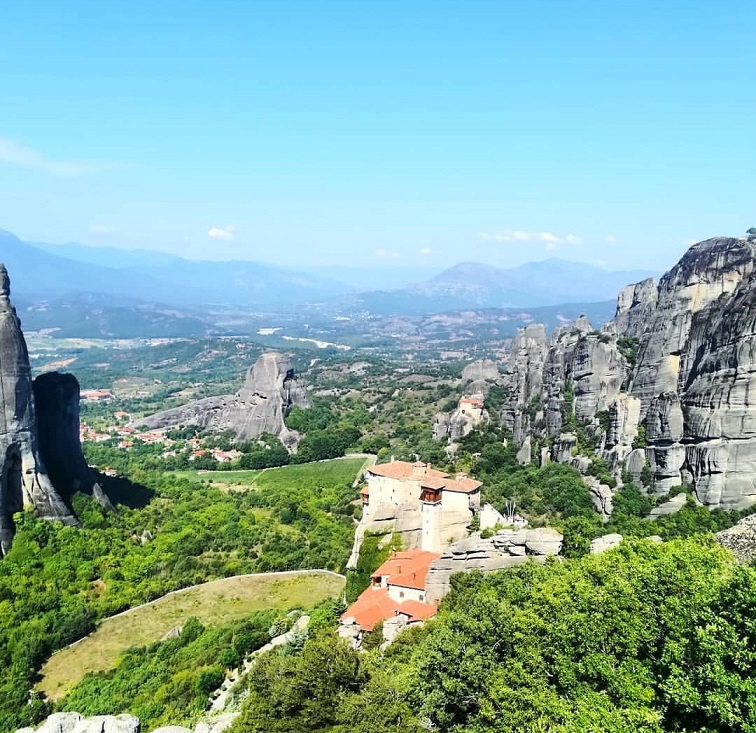
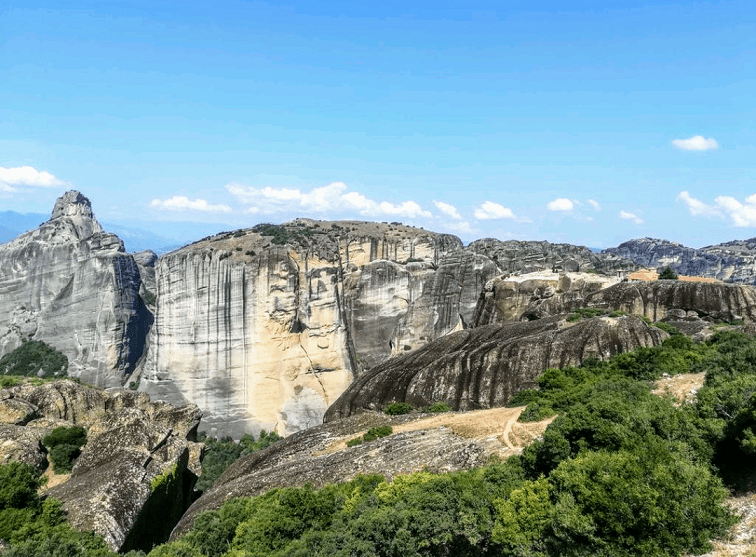
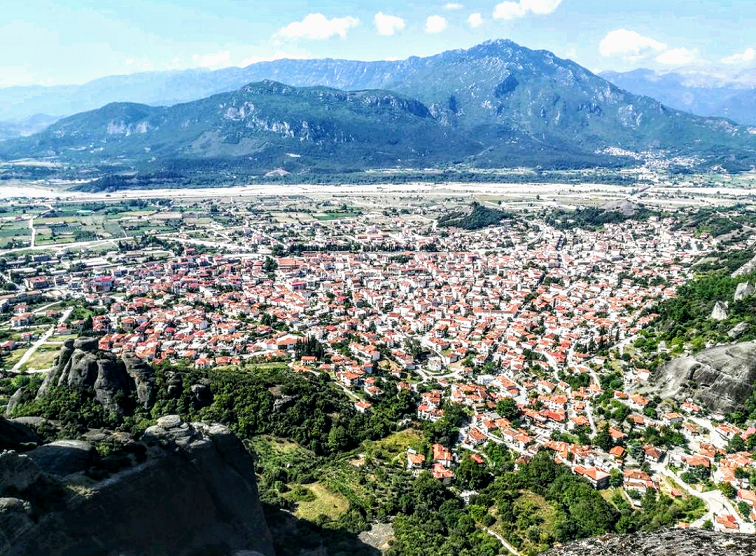
The Meteora area is located in the north of Greece, in the plain of Thessaly, a border area and hence the reason for building the monasteries on top of the rocks in order to protect themselves from enemy invasions, mainly the Ottoman Turks, that in 1453 conquered the Byzantine Empire, the old Eastern Roman Empire.
dav 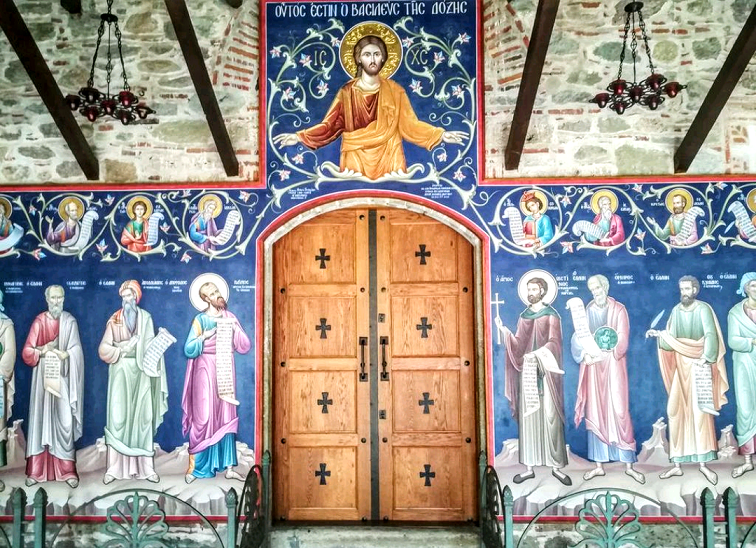
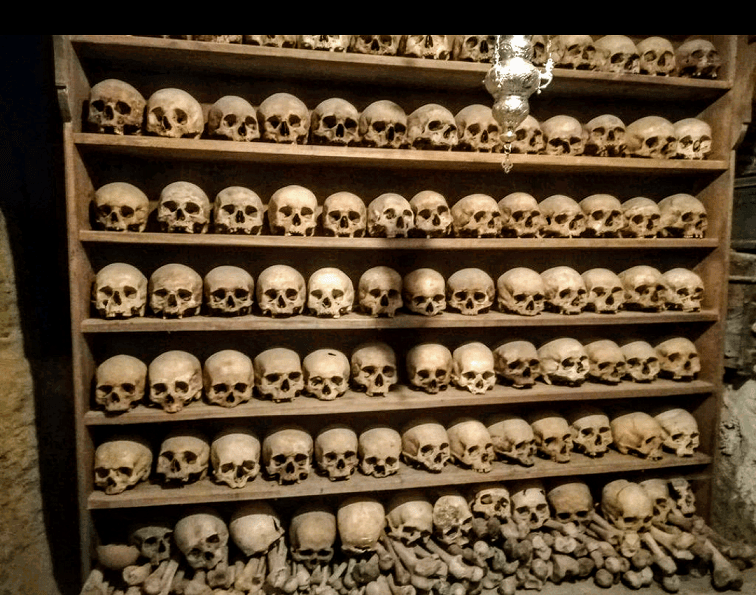
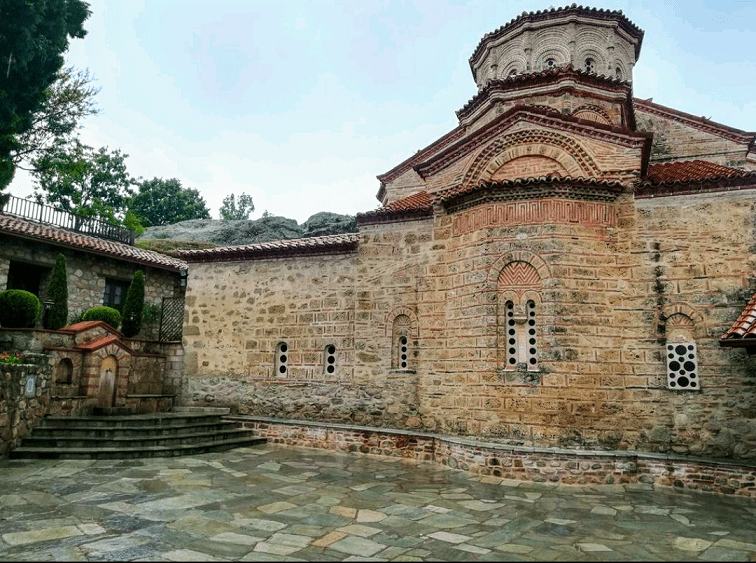
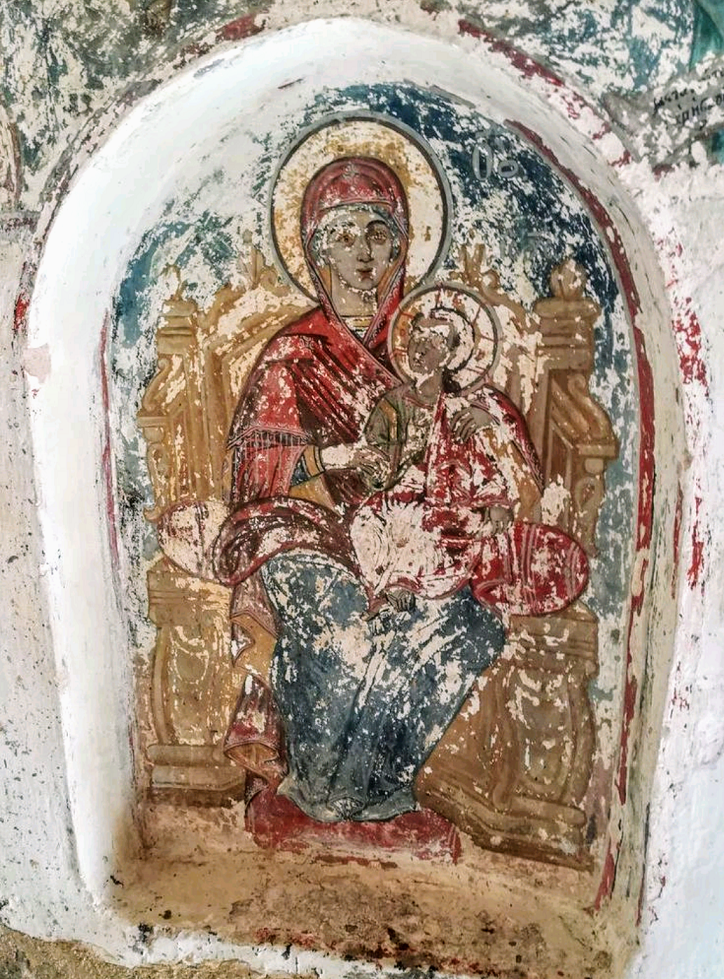
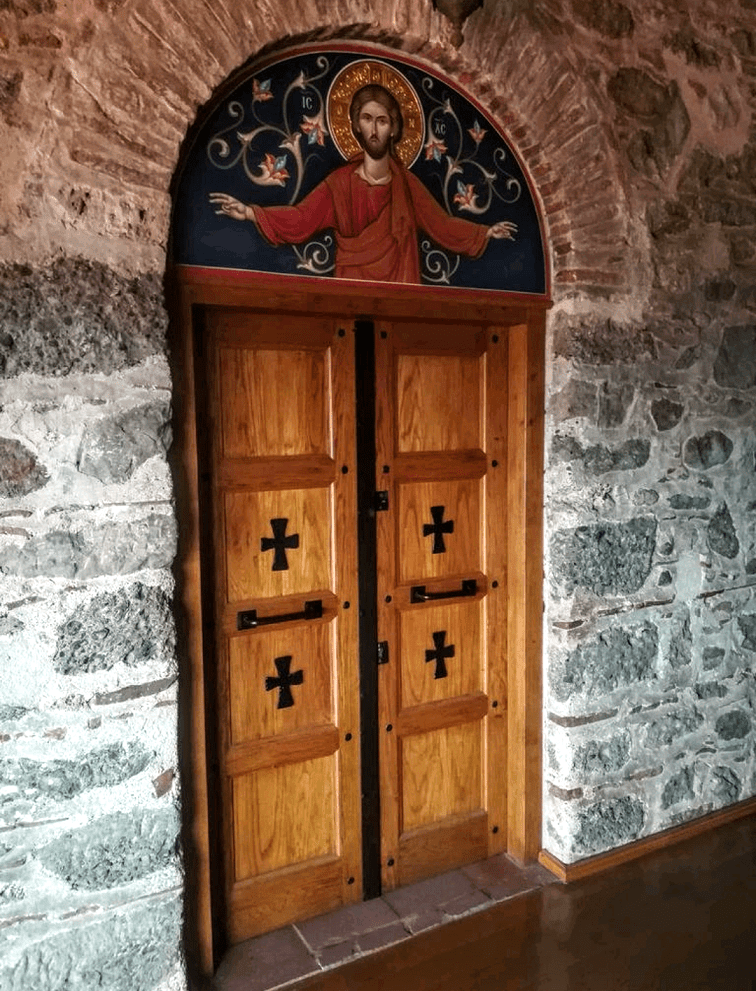
The area was inhabited since the 9th century by ascetic monks who, through their isolation from worldly pleasures, sought to purify the spirit. At first they lived in caves, but from the fourteenth century the first monasteries began to be built. During World War II many of these religious buildings were damaged by the Nazi attacks, however, today they are rebuilt and it is possible to visit six of them:
- The Monastery of St. Nicholas
- The Monastery of St. Stephen
- The Monastery of Holy Trinity
- The Monastery of Great Meteoran
- The Monastery of Roussanou
- The Monastery of Varlaam
KNOSSOS PALACE
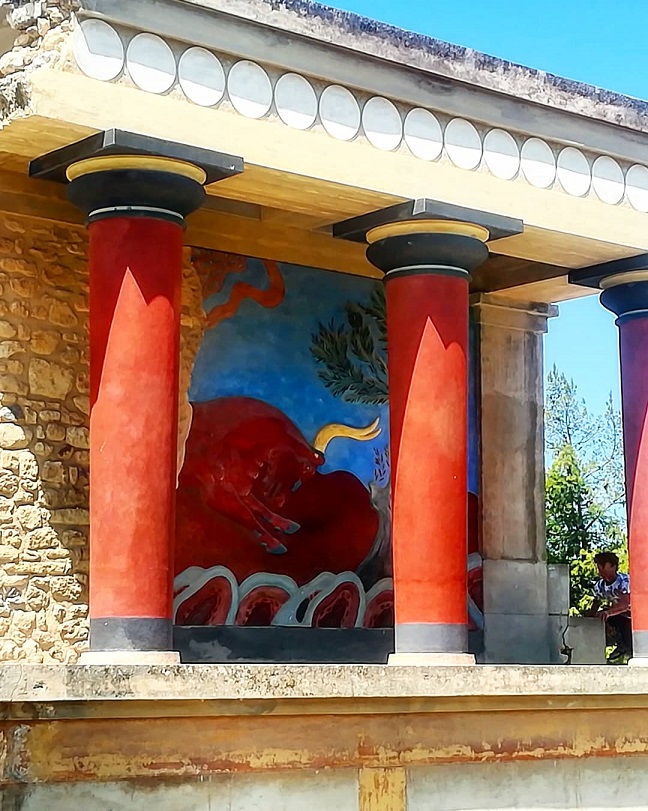
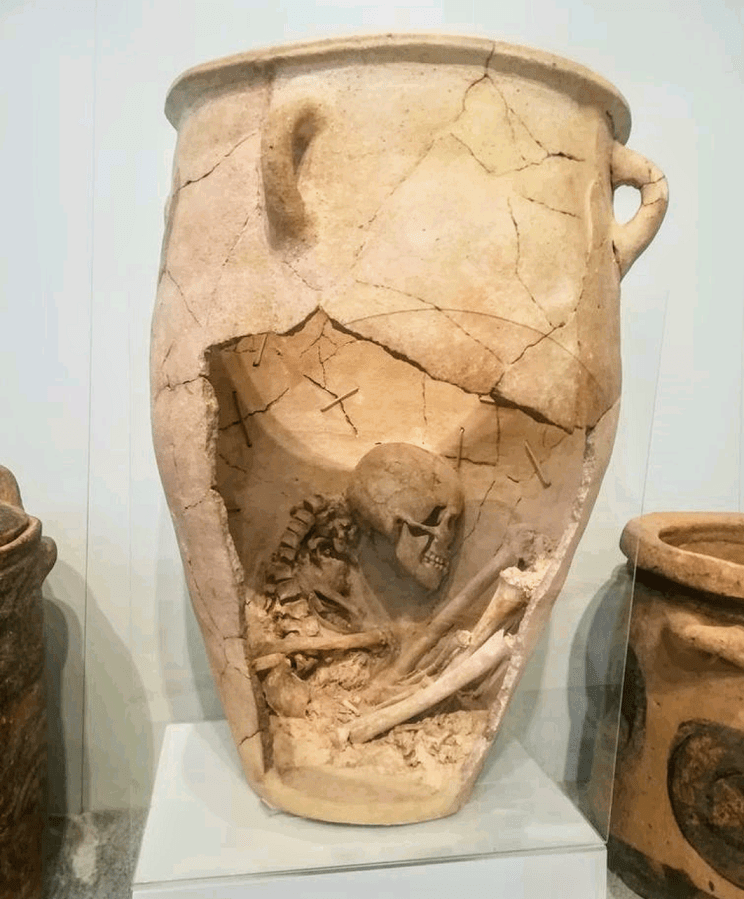
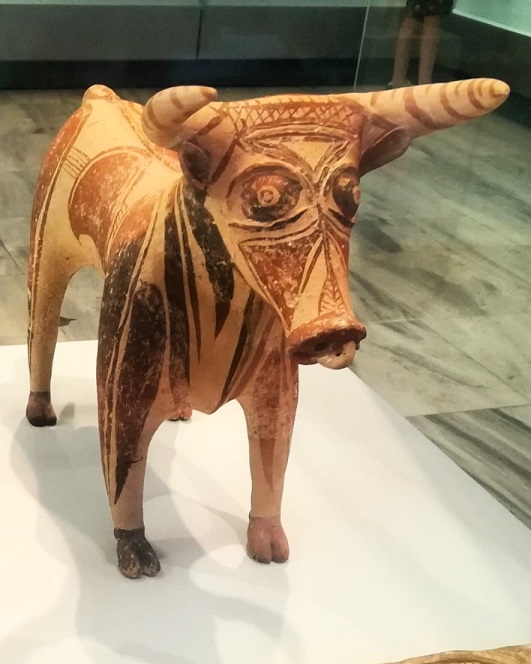
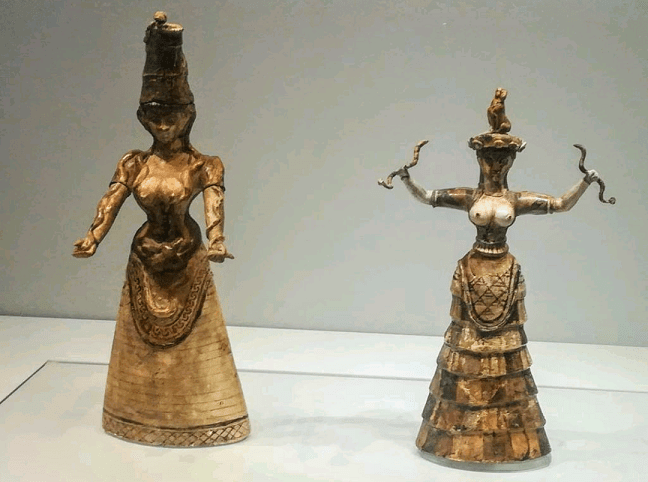
The Minoan civilization, prior to the Hellenistic culture, took place in the Copper and Bronze Ages on the island of Crete. By the way, Crete is the largest island in Greece, as well as being the fifth largest in the Mediterranean Sea. The Palace of Knossos was built around 2000 BC, and it became both the royal residence and the religious headquarters. Due to its complex structure, with numerous corridors and halls, it is attributed the mythological legend of the Minotaur Labyrinth. A monster with a human body and a bovine head that inhabited the labyrinth, built by Daedalus, and fed on virgins. He was assassinated by the Greek hero and king of Athens, Theseus, who had the help of Ariadne, the daughter of King Minos, to get out of the labyrinth alive.


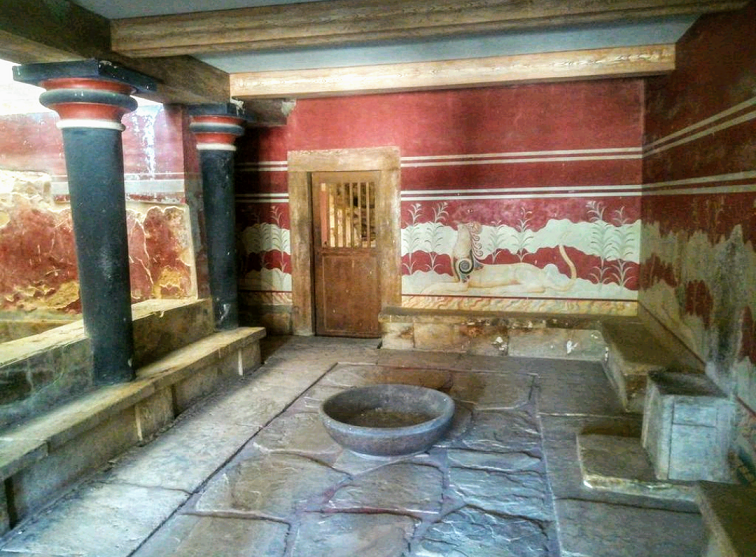

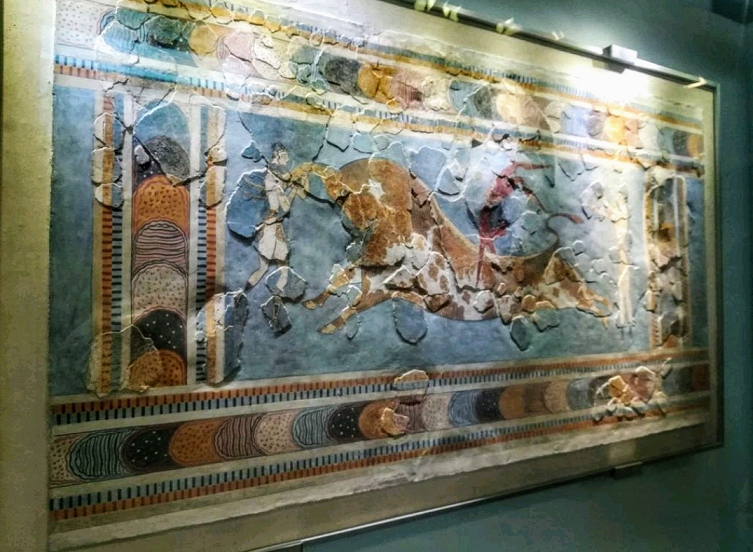
The Palace of Knossos had about 1500 rooms, and today it is still possible to contemplate the Throne Room, decorated with frescoes, among which you can see figures of two symmetrical Griffins, while in the Queen’s Room the frescoes depicting dolphins. On the other hand, numerous ceramic objects have been discovered in the Palace, as well as tablets with Linear B writing, based on syllabic signs and ideograms. The Minoan language, of pre-Indo-European origin, has not yet been deciphered. On the other hand, the game board of Knossos, was found here by the archaeologist Arthur Evans, but the rules of this game have not yet been discovered.
PALACE OF THE GRAND MASTER OF KNIGHTS IN RHODES
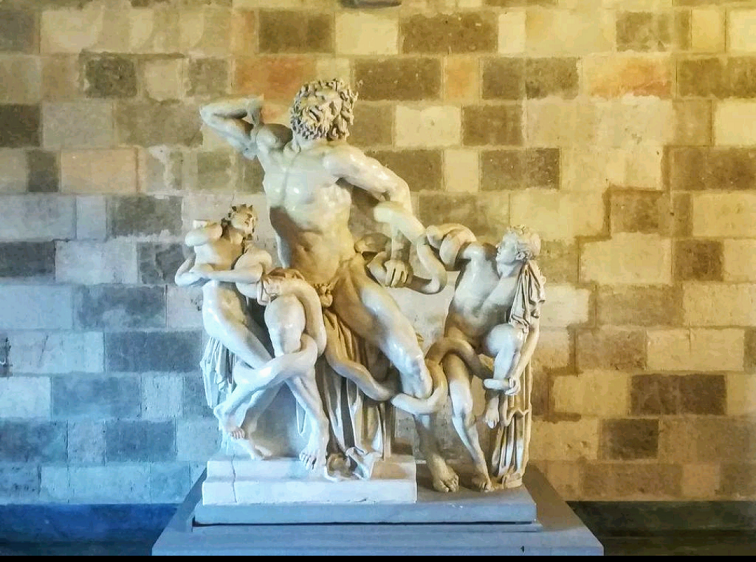
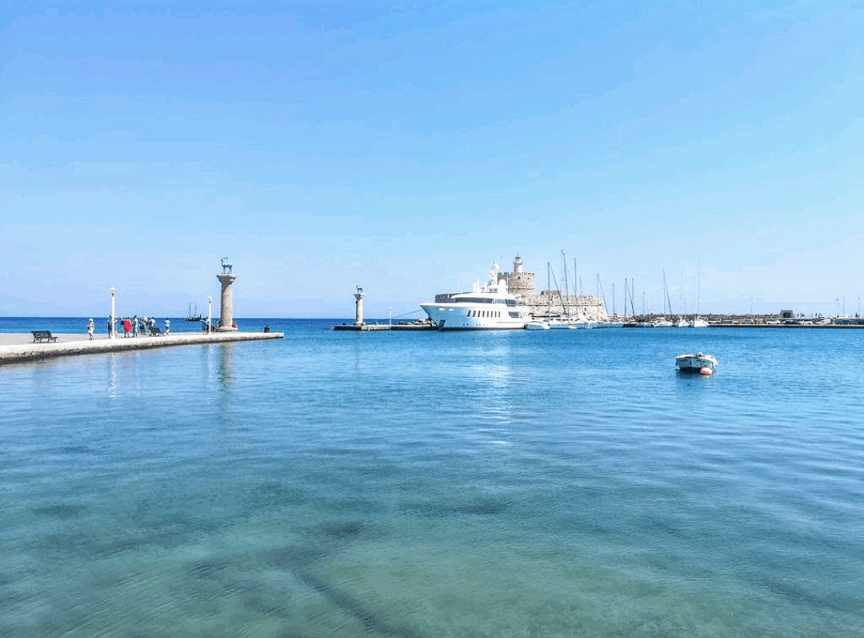
The Palace was rebuilt by the Knights of Rhodes, known as The Order of Malta, in the 14th century. The Order of Malta was founded in Jerusalem in the 11th century during the time of the Crusades. From the year 1310 the members of the Order established their headquarters on the island of Rhodes, where they rebuilt the magnificent Palace, a fortification that had endured various sieges, although it finally fell into the hands of Suleiman the Magnificent in 1522.
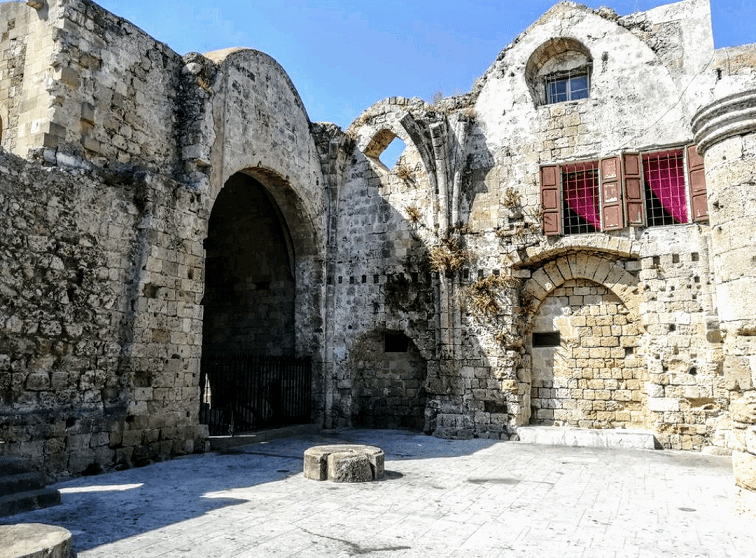
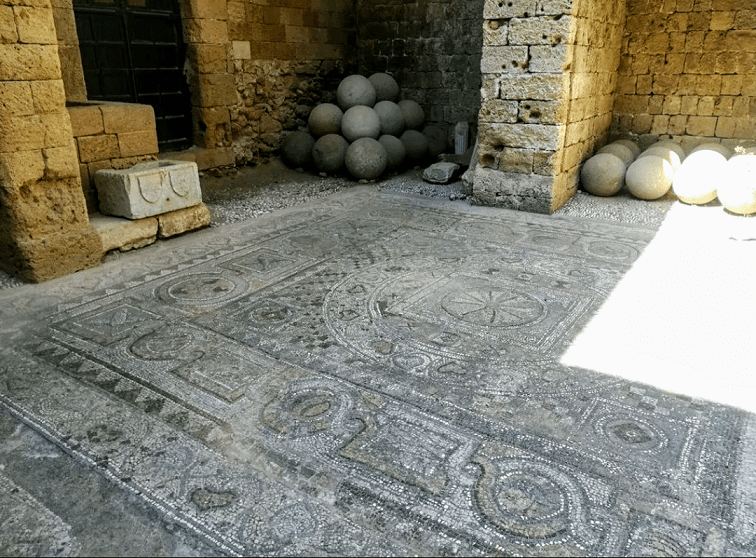
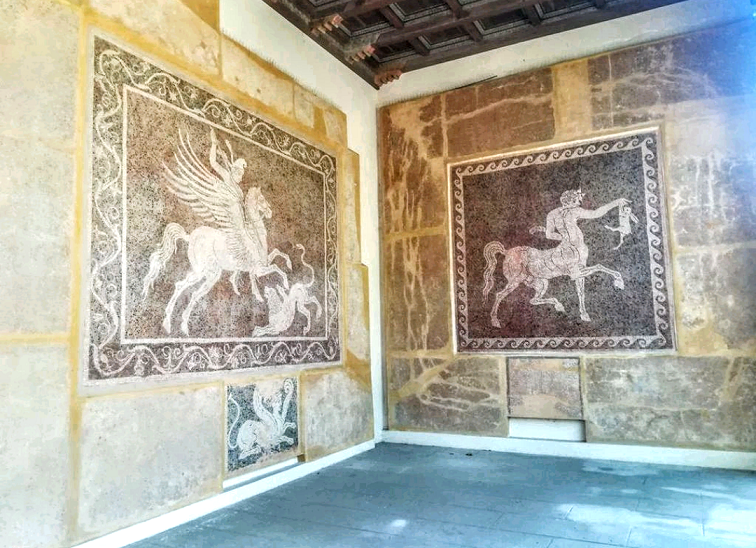
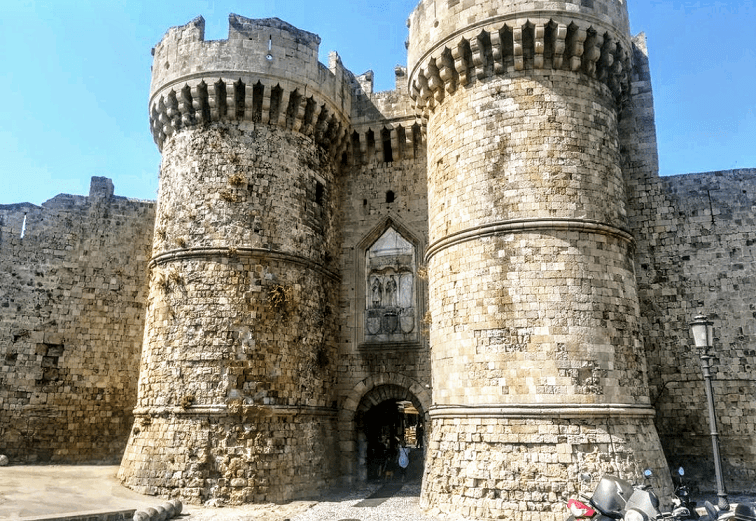
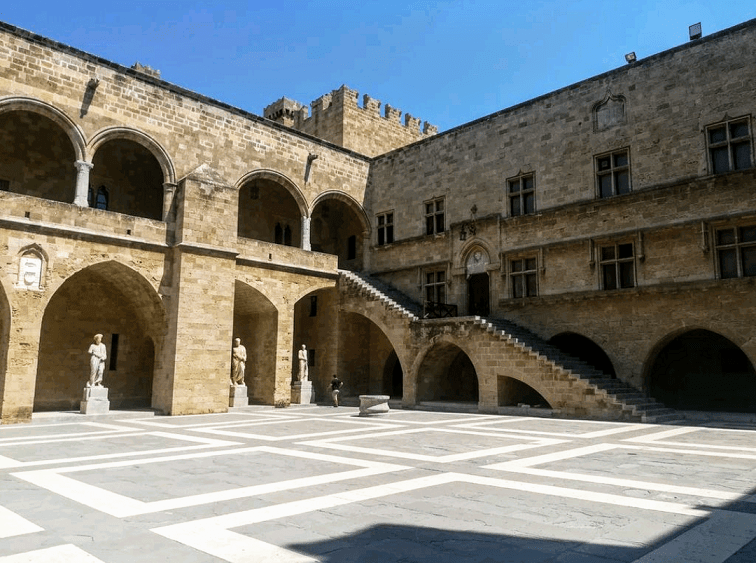
According to recent studies, the Palace was built on the ruins of the Temple of the God Helios, already in the 7th century and became the Byzantine citadel. It is believed that it was there that the Colossus of Rhodes was located, created in 280 BC by the sculptor Chares de Lindos, being one of the Seven Wonders of the Ancient World.
THE SHORT STORY ABOUT THE BIZANTINE EMPIRE
I’m not sure if you know, but the Byzantine Empire, of which Rhodes was a part, was the old Eastern Roman Empire, created in 395 by the Emperor Theodosius. The Western Roman Empire fell after the invasion of the Ostrogoths, led by Odacer in 446, but the Byzantine Empire survived during the Middle Ages and was conquered by the Ottoman Turks in 1553, who took the Byzantine capital, Constantinople, founded by the Emperor Constantine in 330.
TIPS:
dav 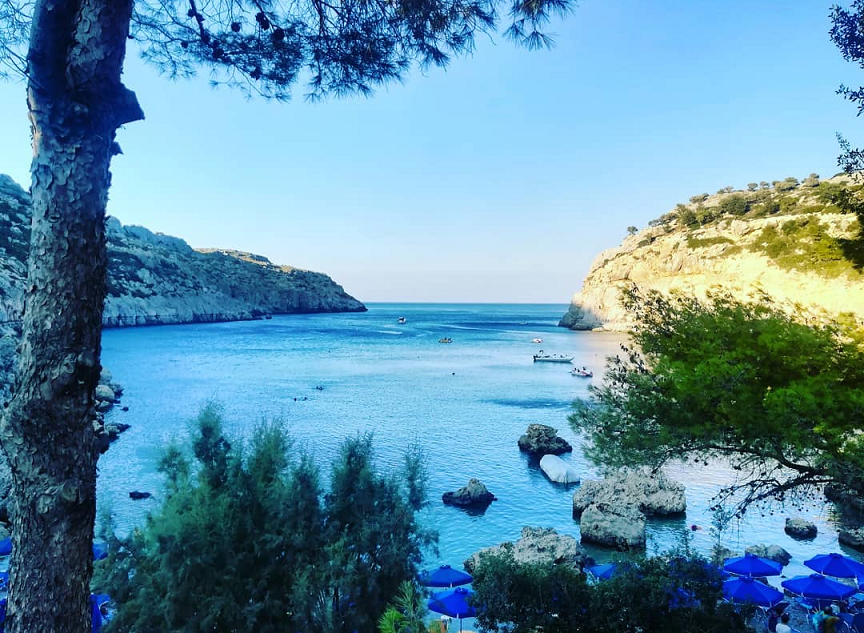
btr
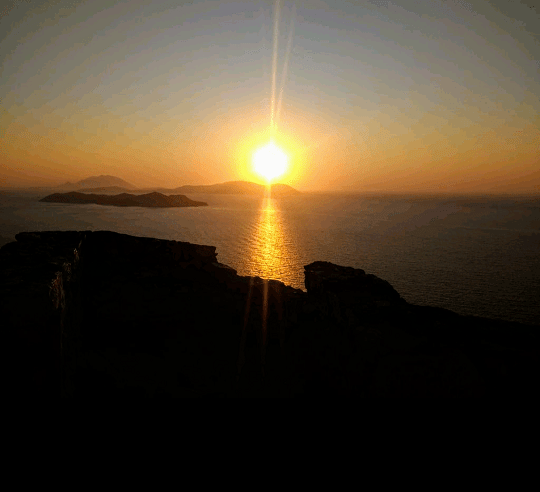
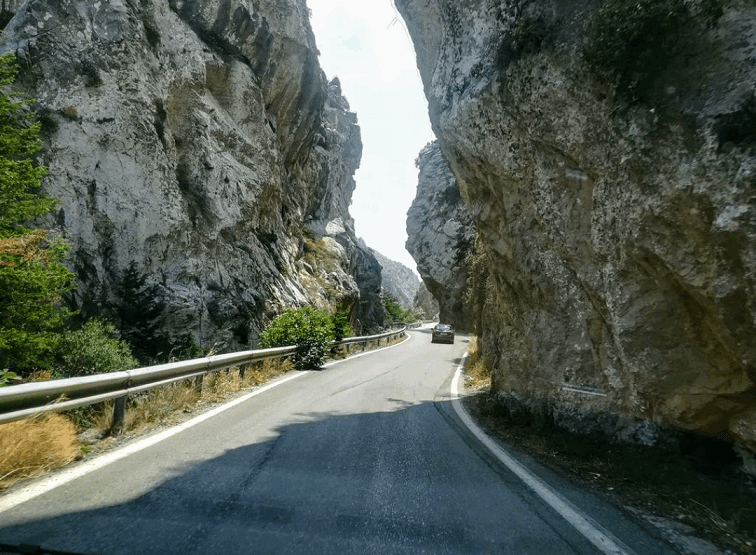
- I believe that it’s a great idea to rent your own vehicle to visit mainland Greece and also the islands.
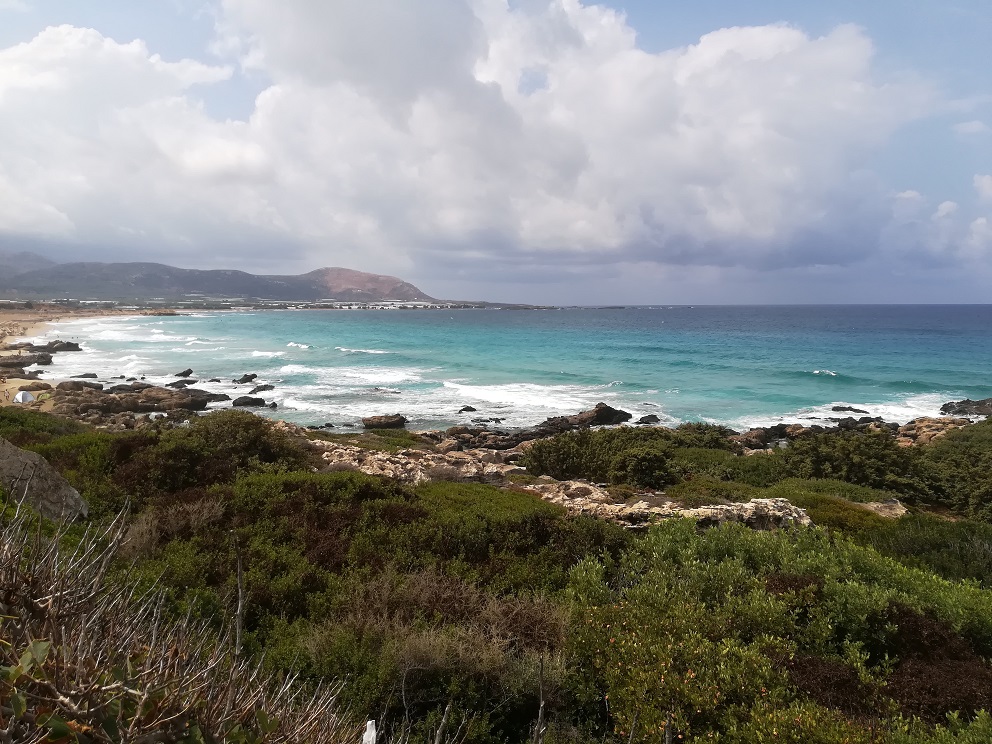
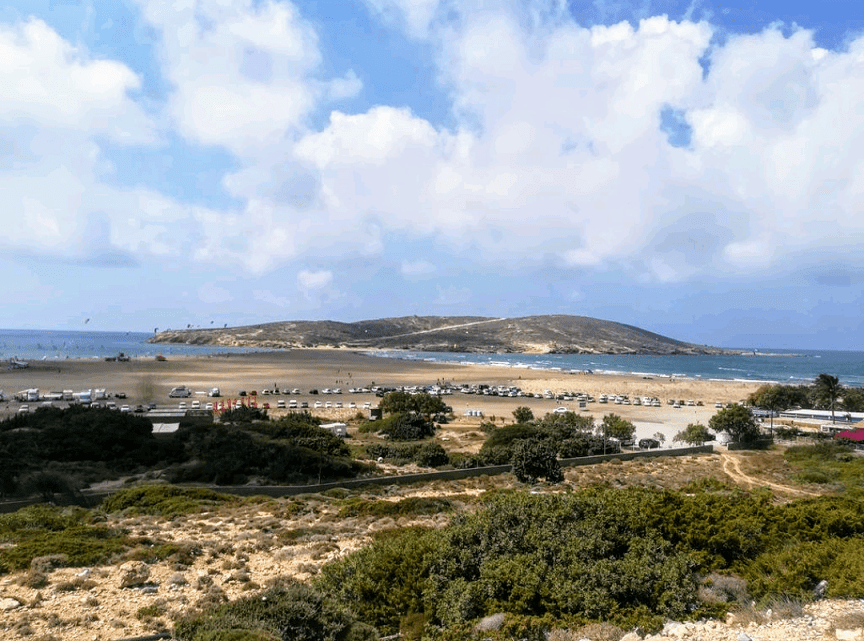
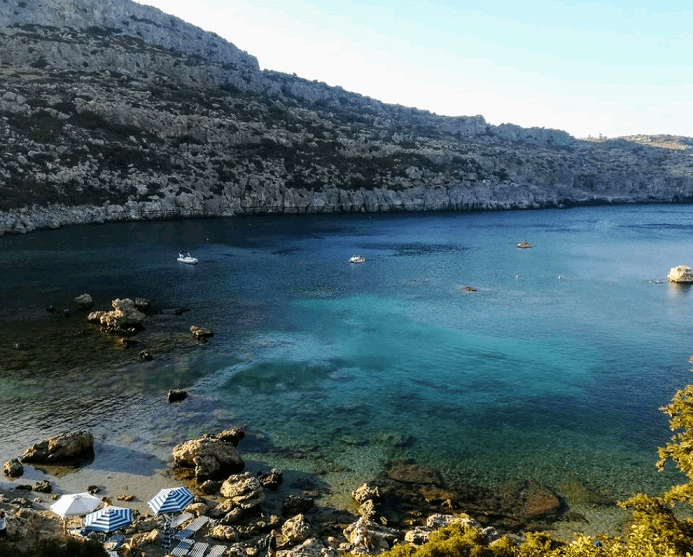
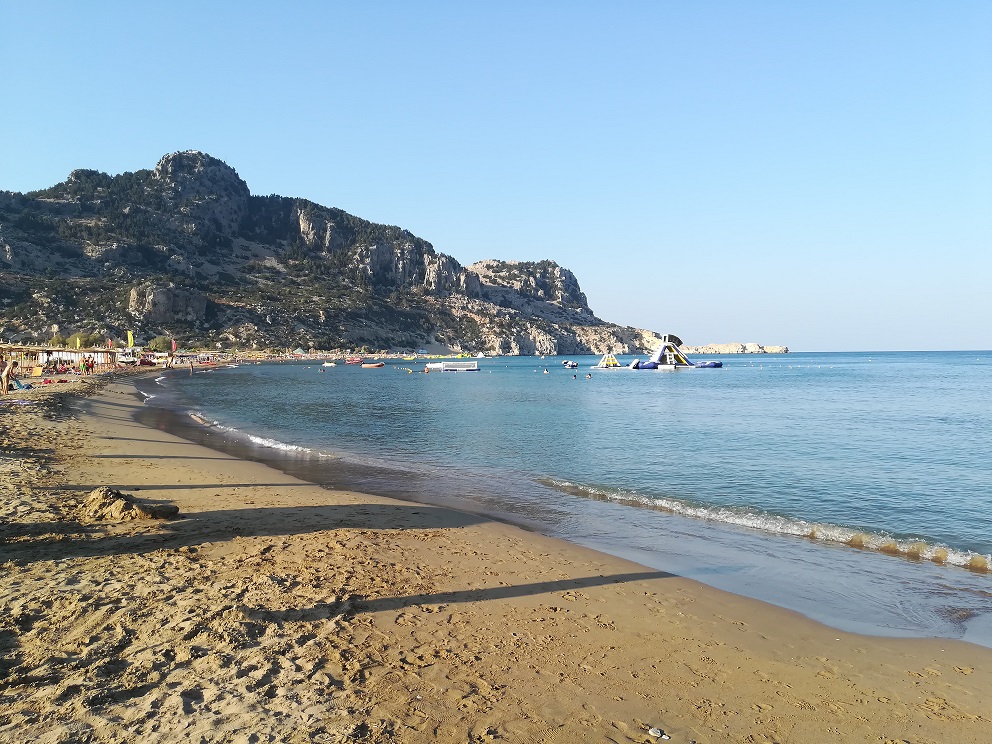
- In addition to Greek art, enjoy the wonderful Greek beaches. In Rhodes I have loved Anthony Quinn Beach and in Crete Elafonisi Beach, with the pink sand!
- Crete is huge, perhaps it’s a better idea is to rent several accommodations along the island to visit it with more time.
- I love Greek food. It is very tasty, you can see the mixture of the various cultural influences that have passed through this area. Enjoy good wine and typical dishes in Greece.
 all about eve`s journeys