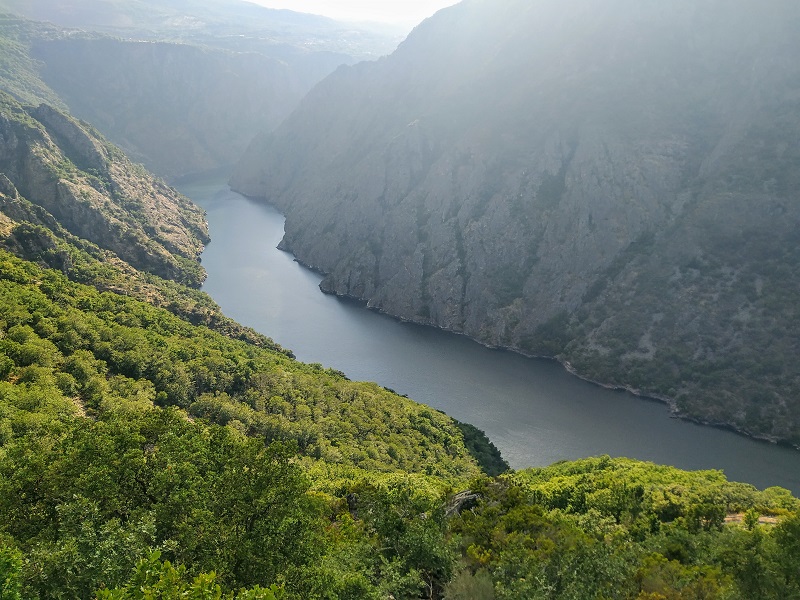
Ribiera Sacra, located in in northeastern Spain, full of beautiful landscapes is a Galician secret still little explored place by tourists that leaves visitors speechless with its incredible views of rivers that flow between magnificent mountains.
A sacred place, undoubtedly, as its name suggests, revered since Celtic rule, for whom the oak forests, predominant in the area, became a place of worship. The Druids used oak to perform their rituals, just as the main deity of the Celts, Esus, was associated with this magical tree.

It is certainly a spectacular place to get closer to nature and to explore the architectural gems of the past hidden in the depths of the forests.
ARTISTIC & CULTURAL HERITAGE
The name of this Galician area, Ribiera Sacra, has been used since medieval times due to the great Christian artistic-cultural heritage existing in the area. Although as I have explained previously it was a place of worship before Christian domination.
Here are some monasteries that I liked the most on my route through the Ribera Sacra:
The San Estevo Monastery whose origin dates back to the 10th century. Although its great growth took place from the 12th century when it became the most prominent place of worship in the area. In it you have the opportunity to appreciate the church and the cloister of the Bishops of the Romanesque style, as well as two more cloisters of the Renaissance style. By the way, nowadays it has become a luxury hotel and it is possible to spend the night in it, as long as you have enough money.
Legend says that the monastery kept several relics for which it gained fame among the pilgrims heading to Santiago de Compostela. It consisted of nine rings with healing powers, gifted by the bishops. However, the rings disappeared until 2020, when four of them were found along with the mortal remains of some bishops.

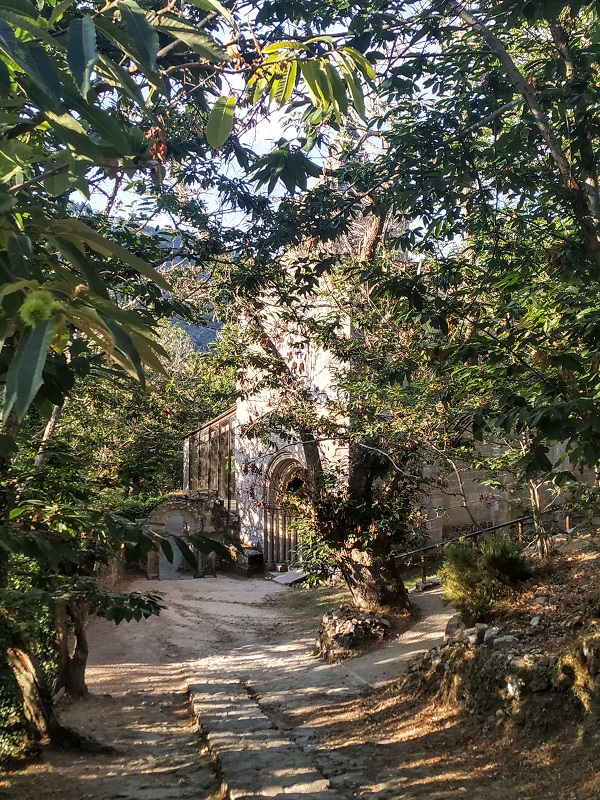
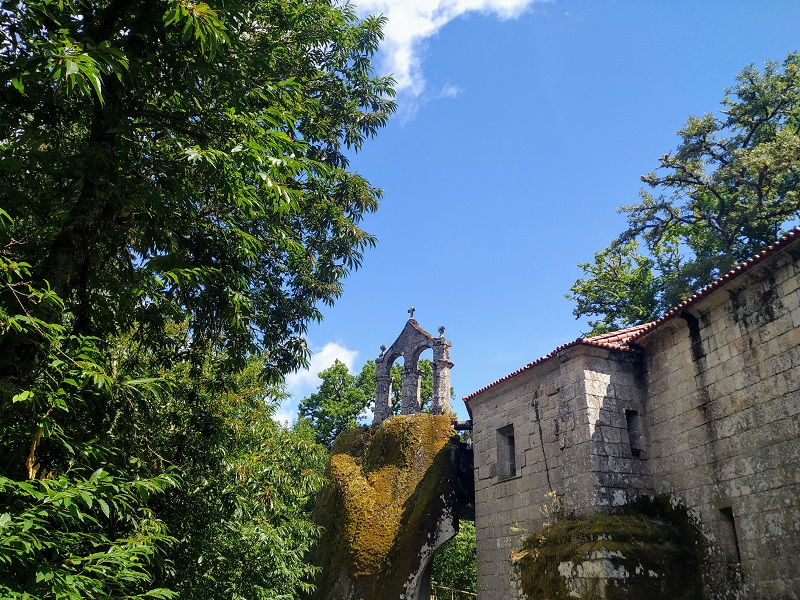
The Monastery of Santa Cristina is located at the top of the canyon of the Sil river, surrounded by the magical oak forests. It is a beautiful place, especially at sunset, during the golden hour. It was built in the 10th century and presents the characteristics of the Galician rural Romanesque style. It stands out for its great sculptural importance, which can be appreciated, among others, in the historiated capitals of the cloister.
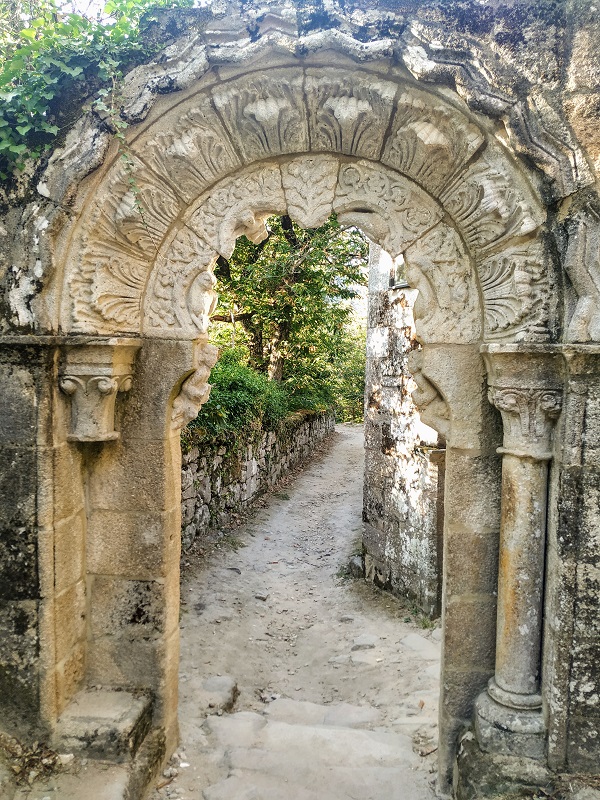
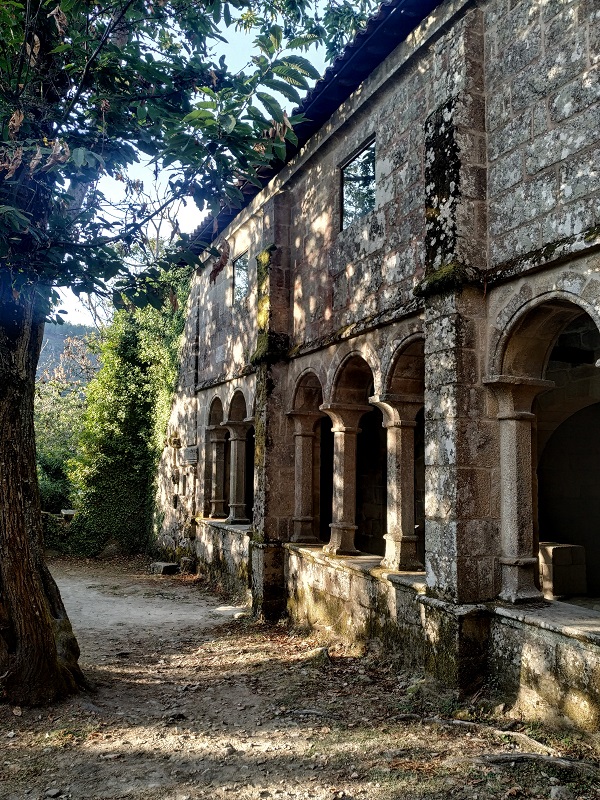
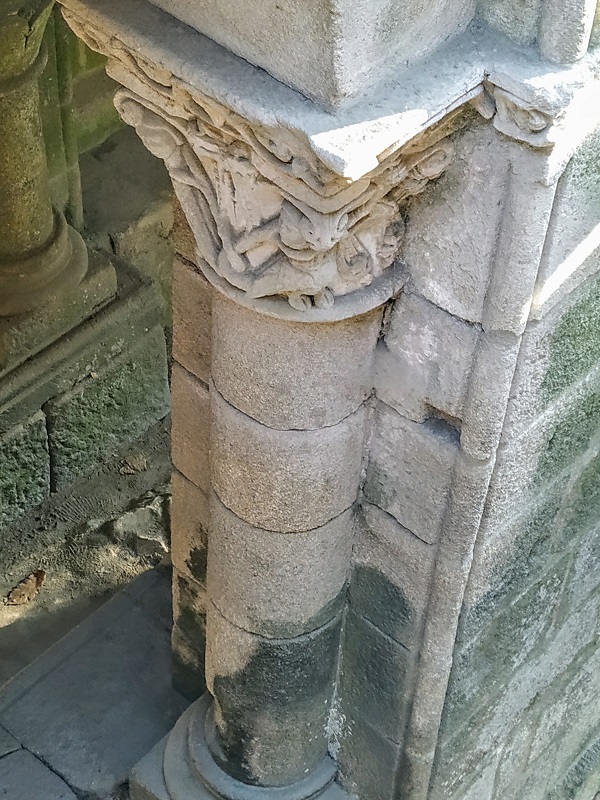
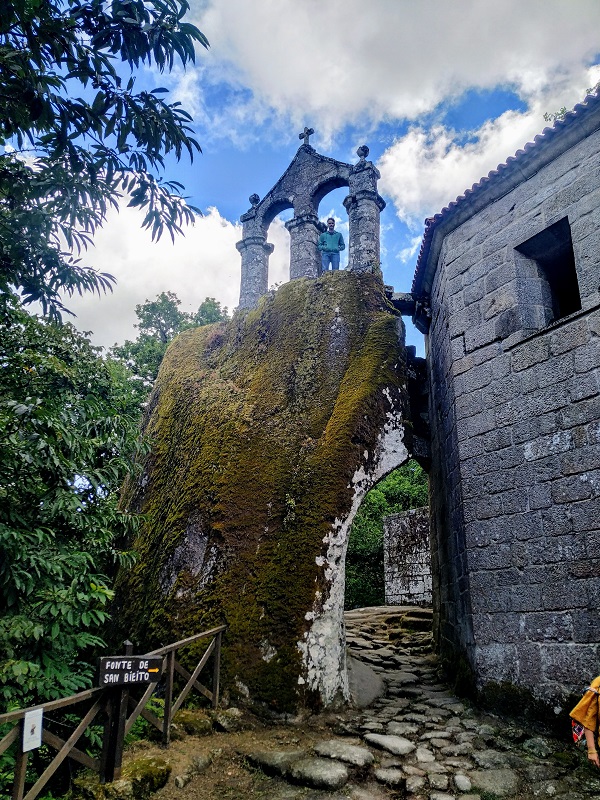
The Monastery of San Pedro de Rocas is the only one for various reasons. It is dug under a rock in the mountain and it is one of the oldest places of worship of Christianity in the area and on the Iberian Peninsula, dating back to the 6th century. It has great archaeological value and represents an almost primitive style, later renewed with Gothic influences. Its origin dates back to 573, when seven pious men took refuge in this area to dedicate themselves to a life of hermits and to prayer.

ENJOY THE EXUBERANT NATURE IN THE RIBERA SACRA
THE ROUTE OF THE VIEWPOINTS
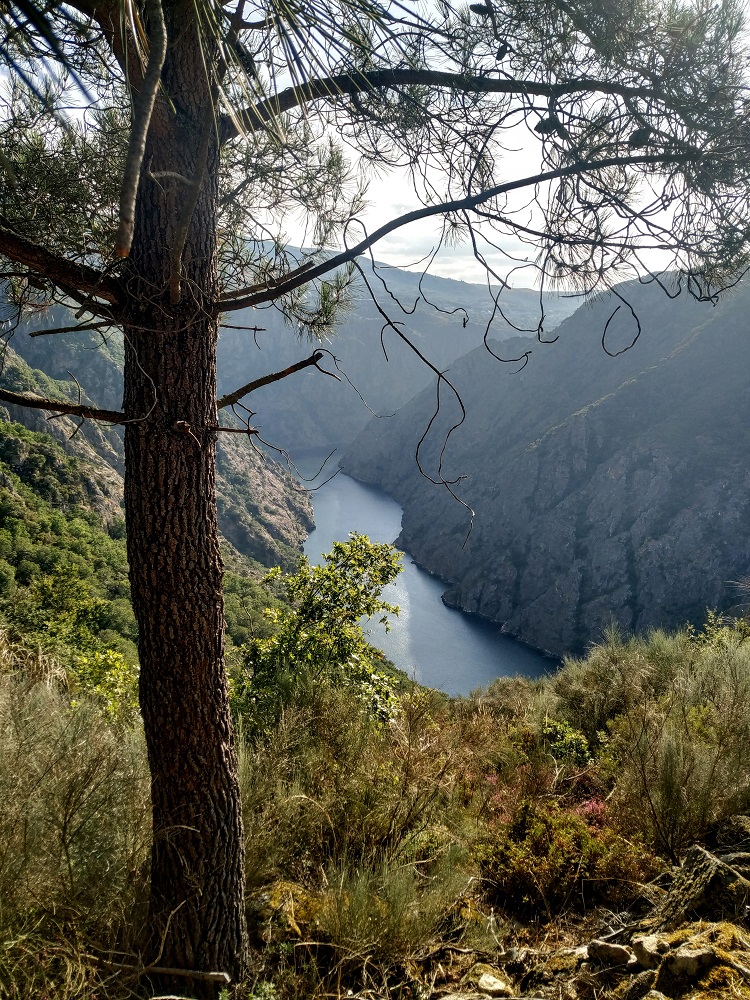
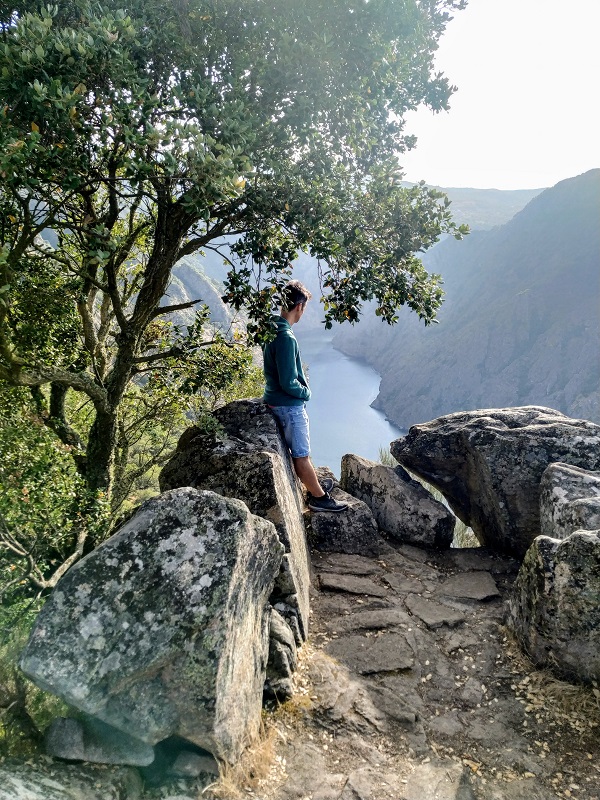
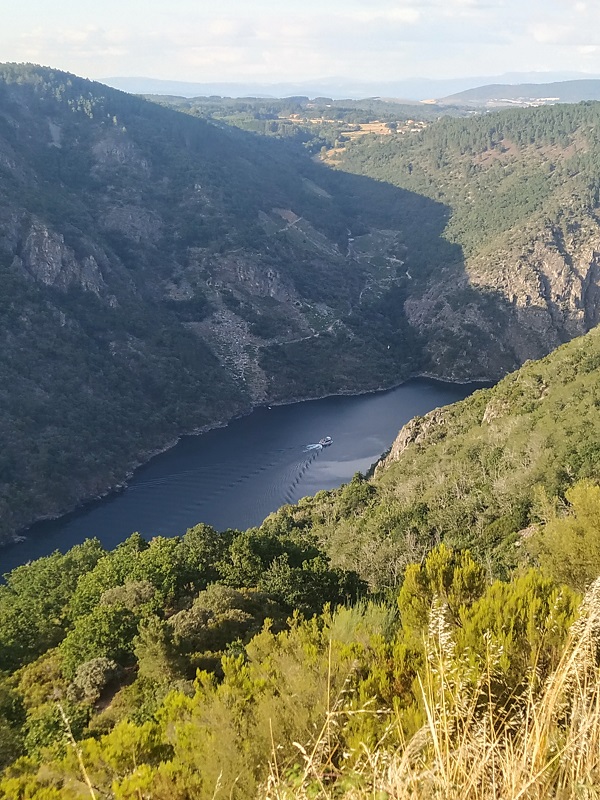
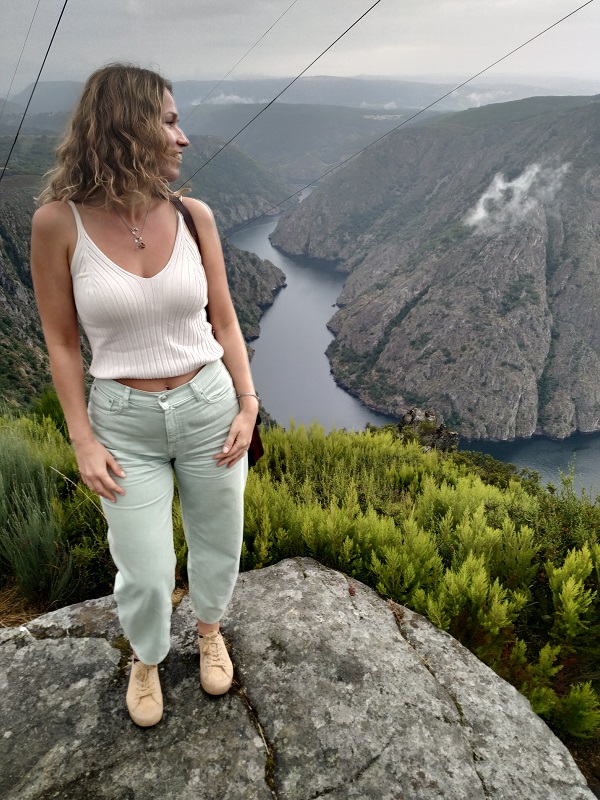
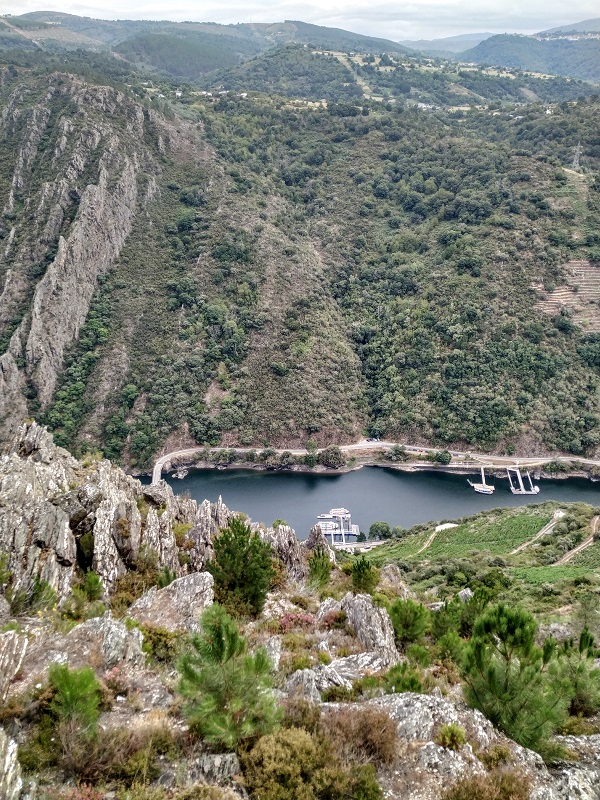
One of the most comfortable ways to explore the Ribiera Sacra is by driving a car through its magnificent viewpoints, generally located near the car parks along the road. I guess this is good news for those who like to walk the least. The views from the top are really fabulous. Although it is necessary to bear in mind that to access some of the viewpoints there are also comfortable and short trails, therefore, I recommend wearing sneakers for this visit.
Here are the most outstanding viewpoints in order from the mouth of the River Sil in the River Miño. By the way, it is possible to visit the viewpoints in just one day, although if you want to enjoy this magnificent place with tranquility, I consider that it is better to divide your trip between two days, especially if you add a visit to some medieval monasteries.
- Viewpoint Penedos do Castro
- Viewpoint Home
- Viewpoint Vilouxe
- Viewpoint Cabezoas
- Viewpoint Balcones de Madrid
- Viewpoint Pena do Castelo
- Viewpoint Soto Chao
- Viewpoint de Chabrega


HIKING AROUND RIBIERA SACRA
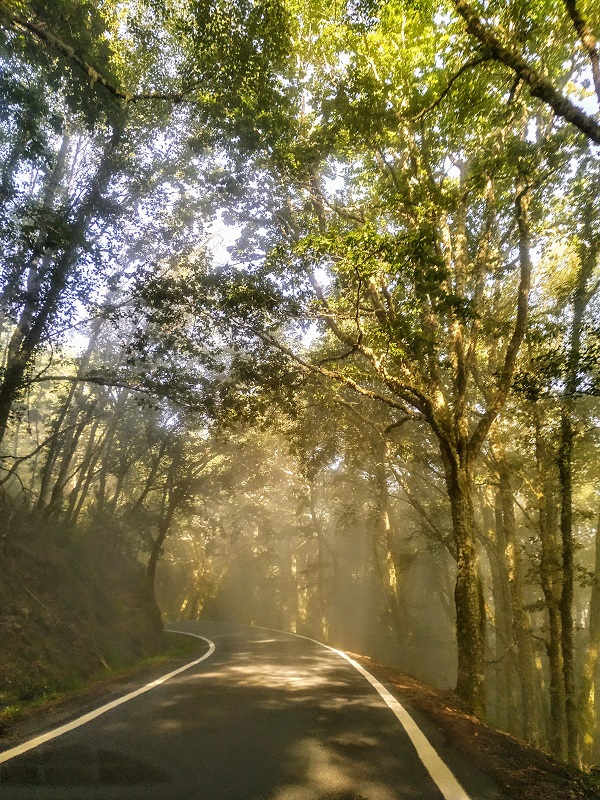
Personally, I believe that the best way to explore the Ribiera Sacra is through some walks surrounded by the sacred oak forests. You will surely be surprised since the Galician forests in this area are also populated with trees more typical of the Mediterranean climate, such as eucalyptus or holm oaks. This is due to the fact that this area is very close to the Mediterranean biosphere. Some highly recommended hiking routes are:
The Camino Real de San Pedro de Rocas, which runs next to the oldest monastery in the Peninsula, so in this way you have the opportunity to visit this architectural gem. It is an easy and circular route of around 10km.
Viewpoints of Ribera Sacra and the Monastery of Santa Cristina track that begins in the town of Parada de Sil and is also circular, although somewhat longer, around 15km. During the route it is possible to visit the Viewpoint Balcones de Madrid, as well as the Monastery and an old Celtic fort, located next to the village campsite.
Footbridges of the Mao River. It is a fairly short and easy route with beautiful views. Highly recommended for families with children. The route can end at the end of the walkways with a picnic by the river. Be careful there are stairs!


SAILING THE SIL RIVER
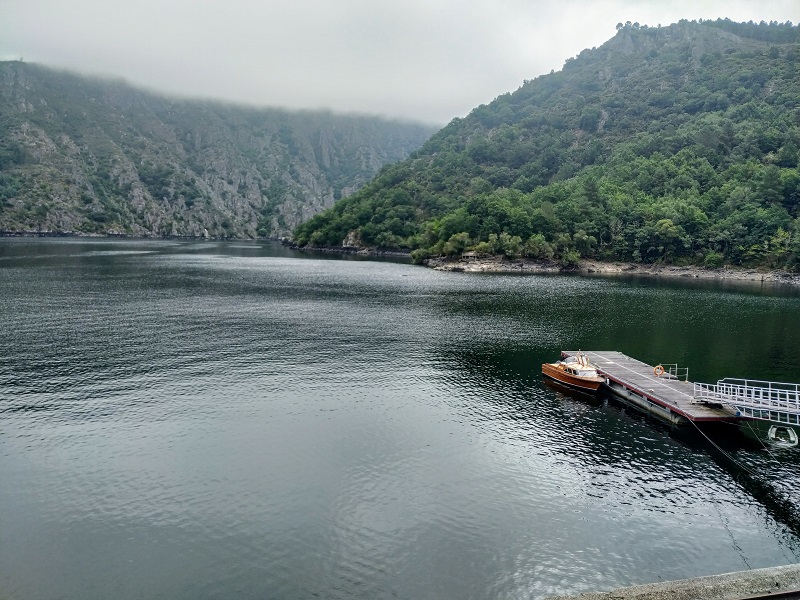
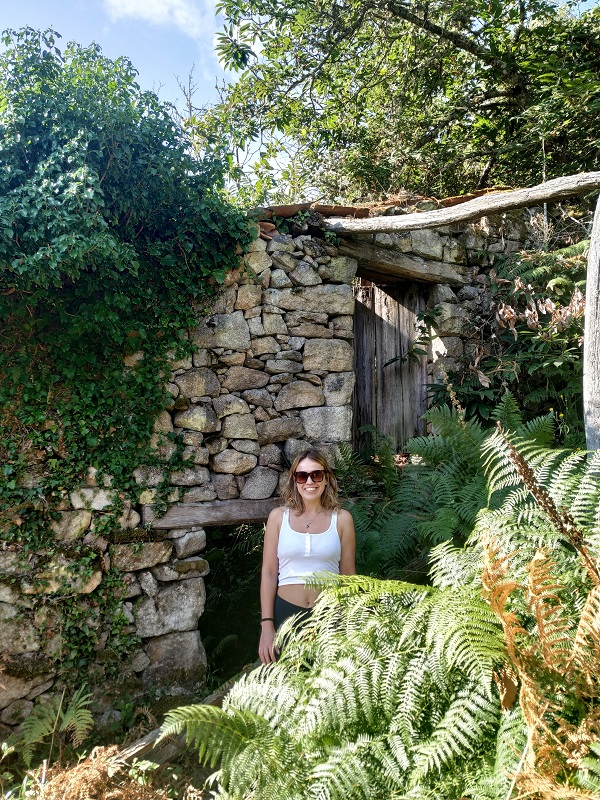
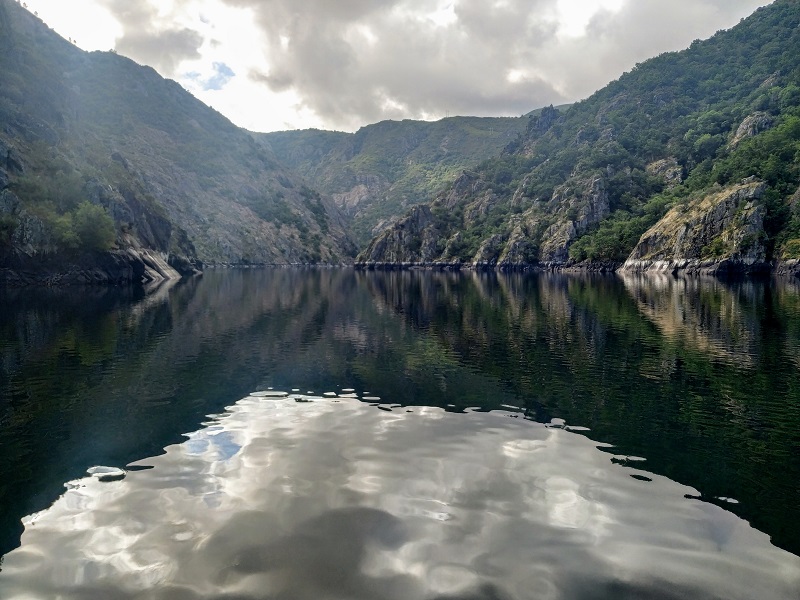
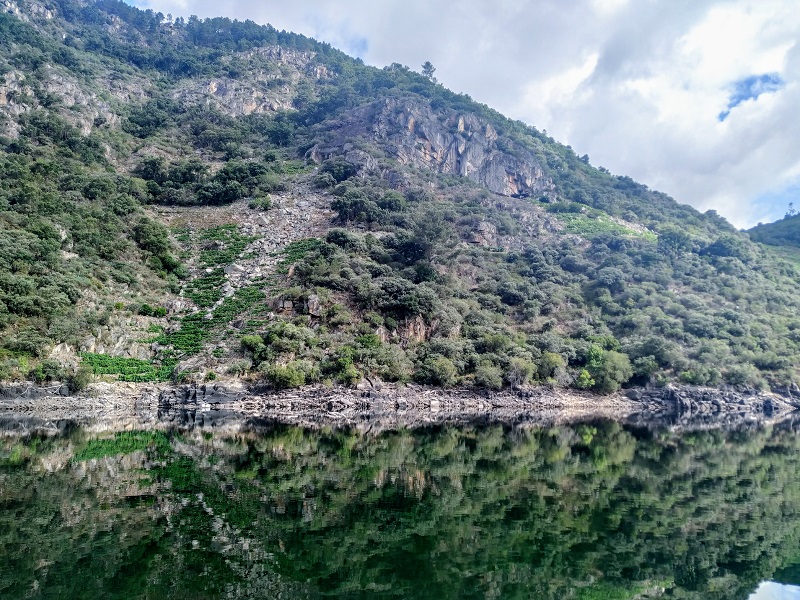
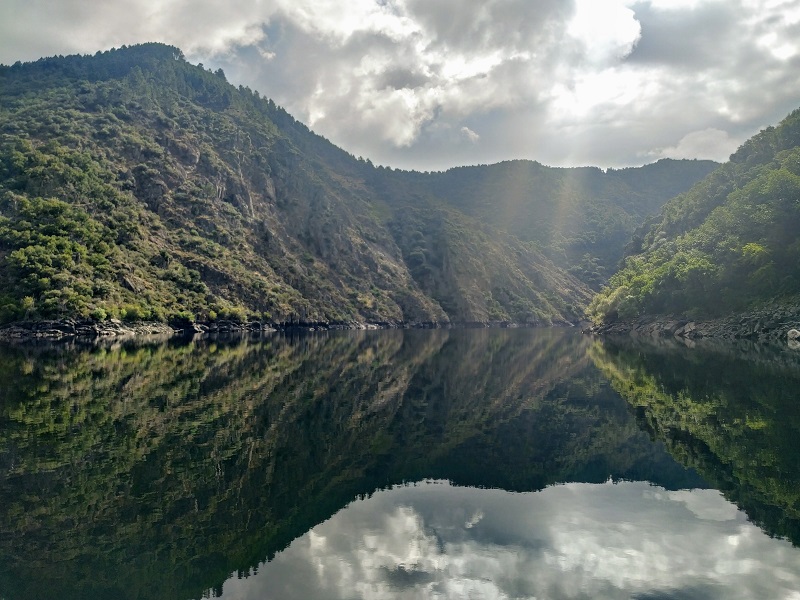
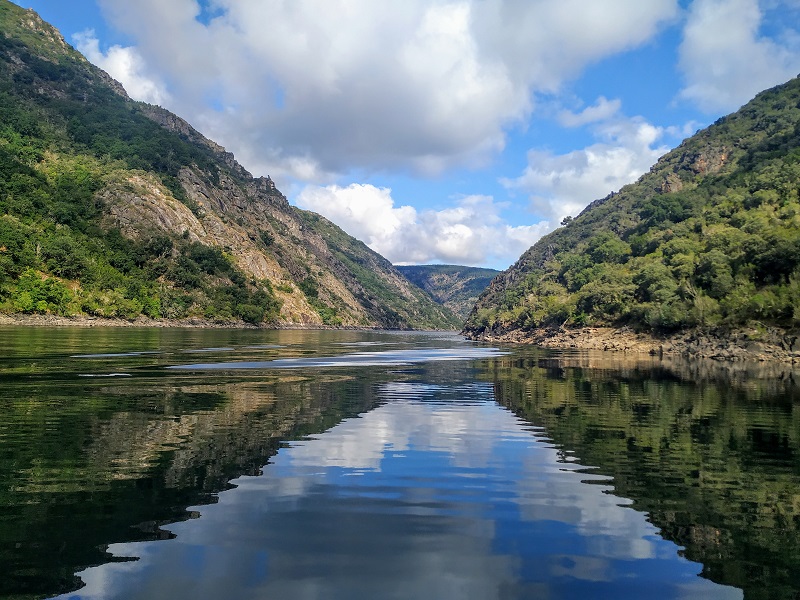
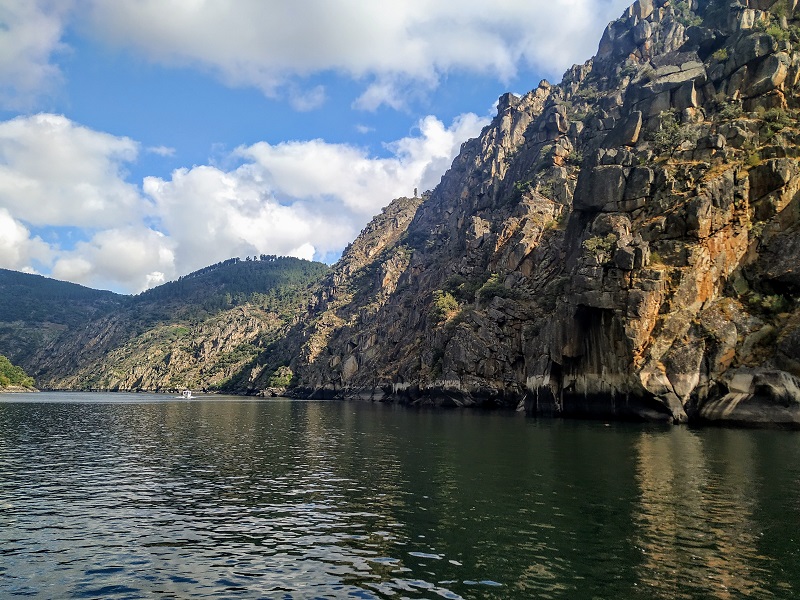
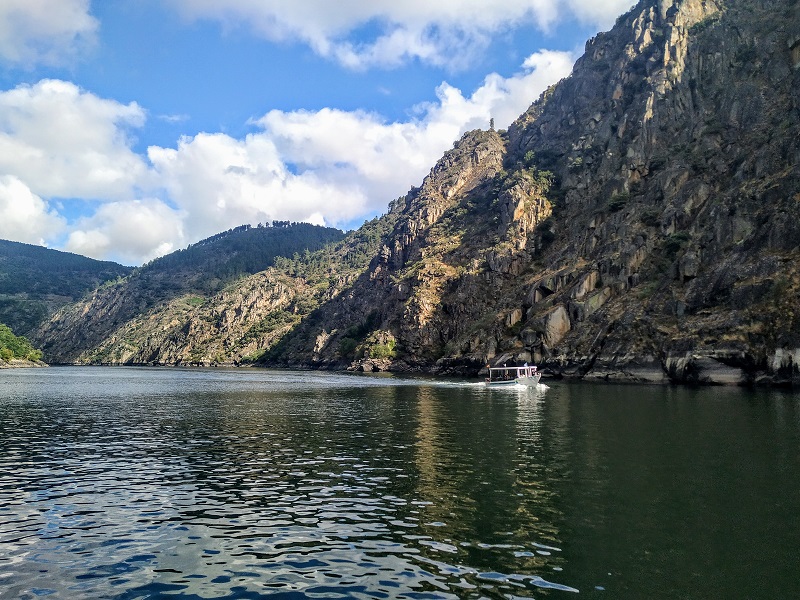
An extraordinary way to contemplate the beautiful Sil River Canyon is by taking a river route with the boat. There are up to four main piers from which you can depart: San Estevo, Abeleda, Ponte do Sil Diputación de Lugo and Os Chancís. Previously, I had read that the tickets for a trip of 1.30h cost around € 20, however, the price I paid in high season was only € 12. So it was a good surprise for me. What an exciting journey! It is truly majestic to be able to watch this beautiful landscape, but from below. You must not miss it!





HONORING THE GOD OF WINE: DIONISES
On the banks of the Sil River winemaking stands out with a designation of origin. The best Galician wines come from there and they are generously used in the rich gastronomy of the area. Two kinds of grapes predominate: the dark-colored mencía and godello green grapes, which are native to Galicia. Both produce white wines with great aromatic potential.
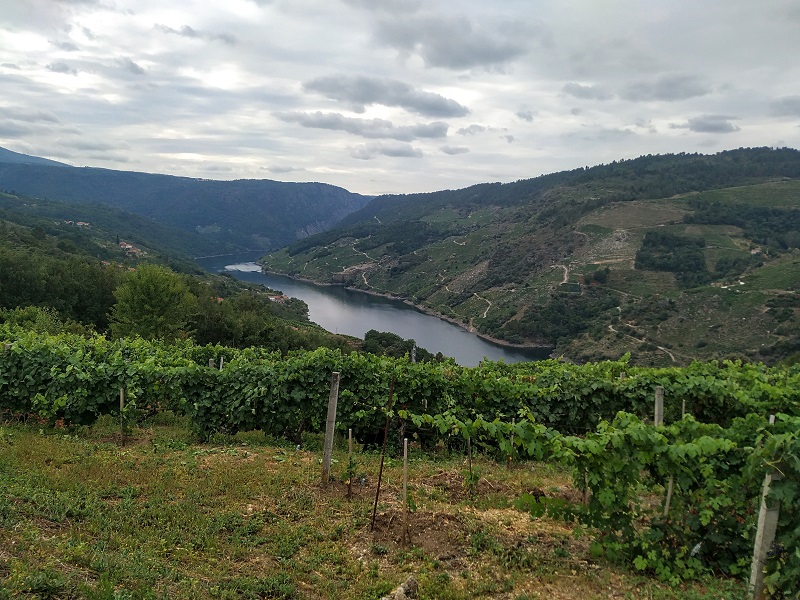
For the cultivation of the vine, the slopes of the Sil Canyon are distributed in stone steps, called socalcos, and some of them recall the time of Roman Empire. By the way, heroic crops are also carried out there, since the arrival in some areas of vineyards is difficult to access and only enough grapes are harvested for a very limited production of bottles per year. You can imagine the price of a bottle.
TIPS:
- Use the comfortable shoes for visiting the viewpoints.
- Stay some nights in Ribiera Sacra, there are plenty of things to do.
- It is possible to make wine tasting in some wineries in the area.
- Bring your raincoat just in case.
 all about eve`s journeys