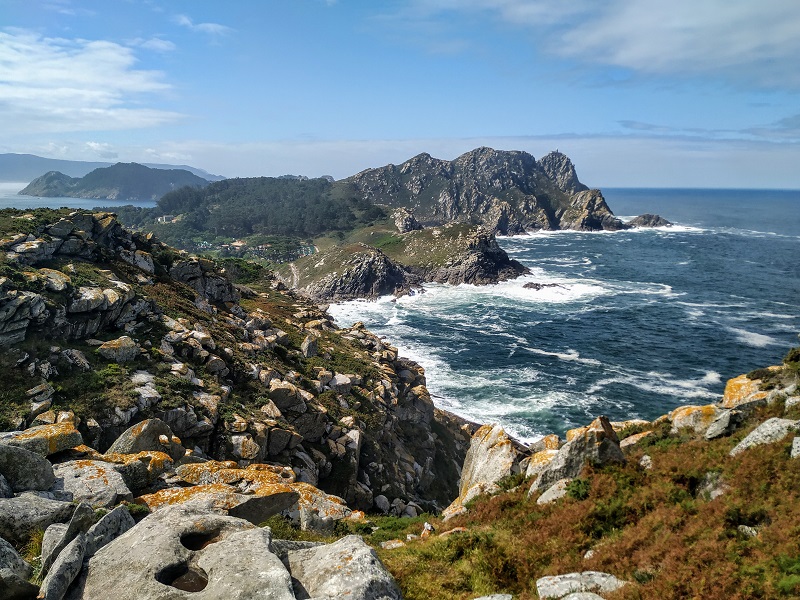
I used to imagine that the idyllic islands could only be found somewhere far away, located near the equator. However, with the passage of time I have realized that the marvelous natural landscapes, pure and hardly exploited, it is also possible to find in other parts of world.
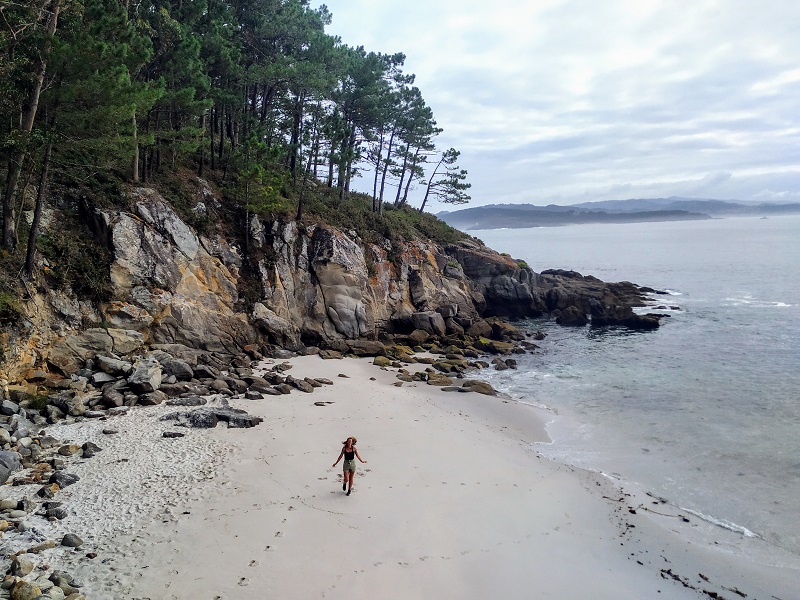
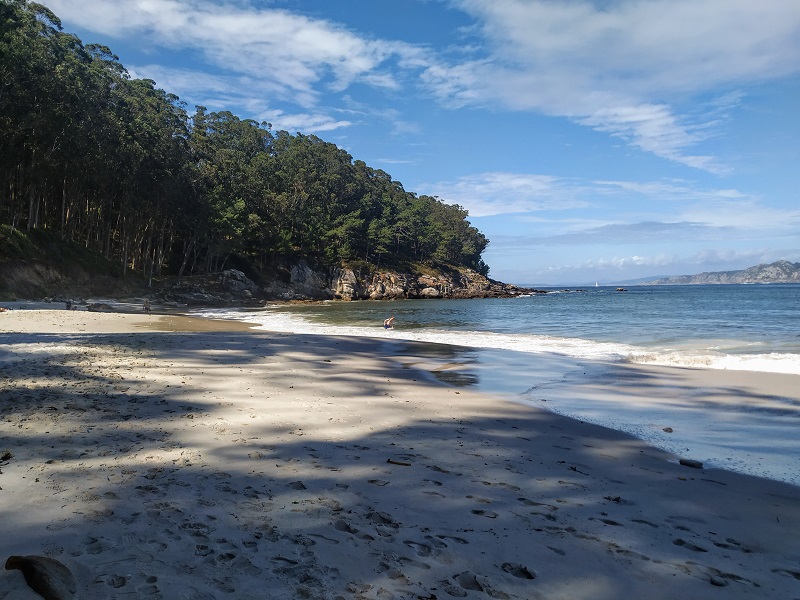
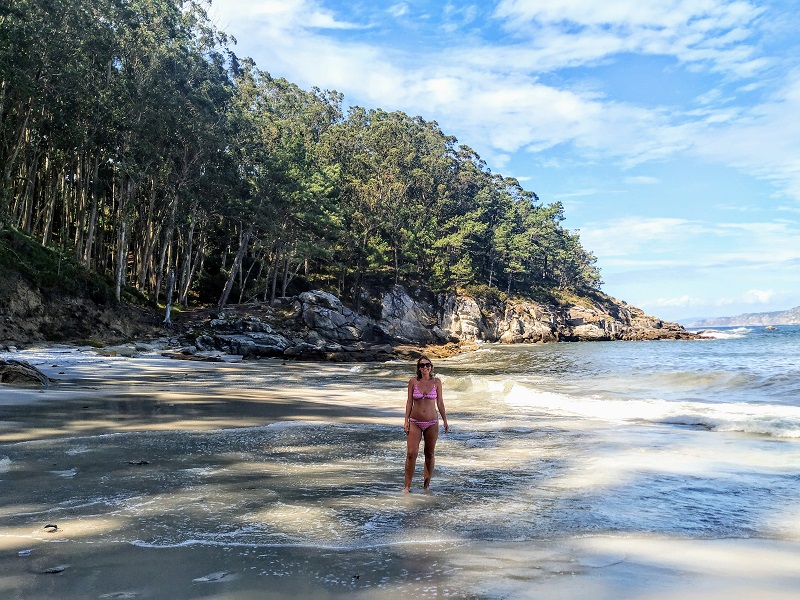
The Cíes Islands, without a doubt, are a paradise and they have been a very pleasant discovery for me. It is a place that moves for its impressive beauty of white sand beaches surrounded by lush forest.
LOCATION & HOW TO GET THERE
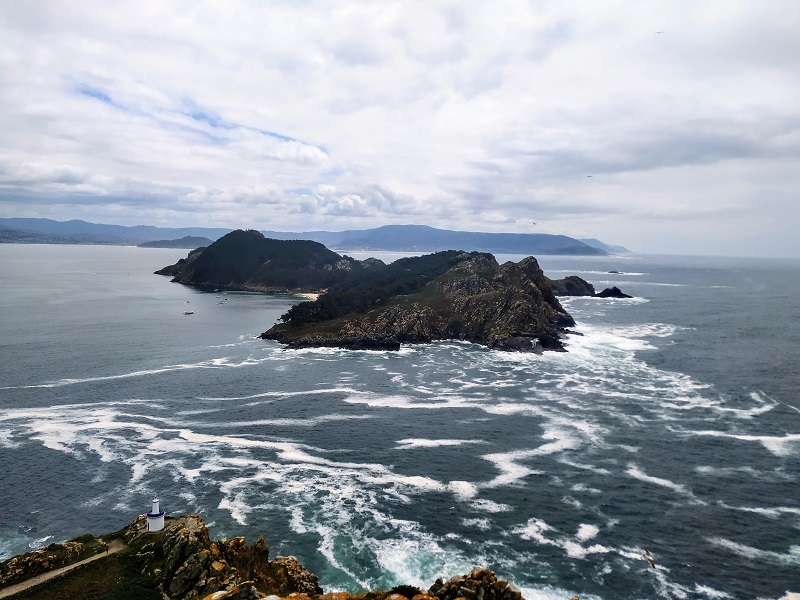
The Cíes Islands are located northeast of the Iberian Peninsula and they belongs to Spain. They are part of the Galician community, which by the way is beautiful, and here is the link for you to discover the Ribera Sacra, another dream place that you should visit if you come to explore this part of Spain. They are divided between three islands. The north island, also known as the Monteagudo Island, the middle island, that is, the Lighthouse Island (“la Isla del Faro”), and the south island, the San Martin Island.
It is not difficult to get to the islands. In the different towns and cities of Galicia, located near the Rías Bajas of Vigo, you can buy the ticket for the ferry that will take and bring you back. What you should not forget to do is ask for official permission to visit the islands, since the number of visitors is restricted in order to preserve the fauna and flora of the place.
EXPLORING THE ISLANDS
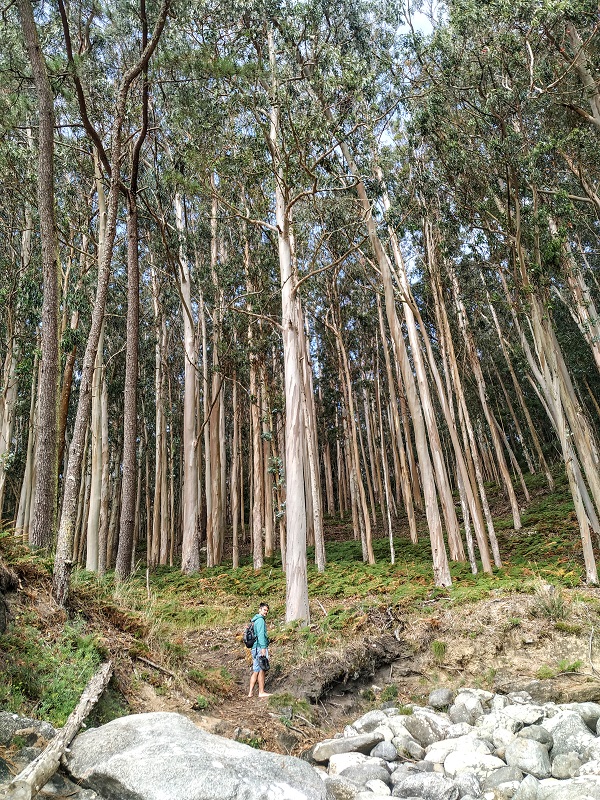
A great way to get to know the islands is by going through the different hiking trails that lead to distinct areas. The islands are not big, but I think that when I walked around the north and middle island I could easily cover about 20km, so I recommend wearing comfortable shoes instead of flip-flops. By the way, to get to the south island is another story.
The port is located on the north island, linked to the middle island by a bridge. Communication between the two is easy, although for a few hours a day the bridge is closed due to the high tide that makes the passage impossible. Shortly after leaving the port the path divides to the right and to the left.
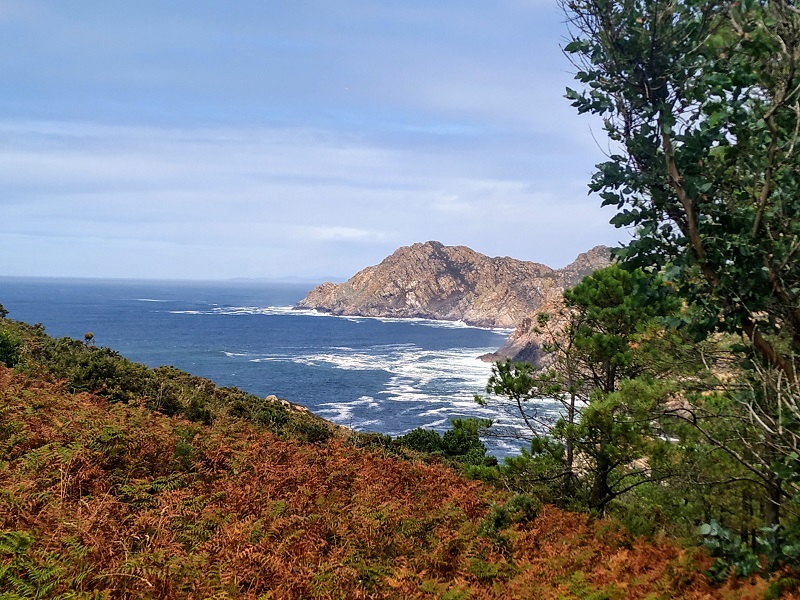
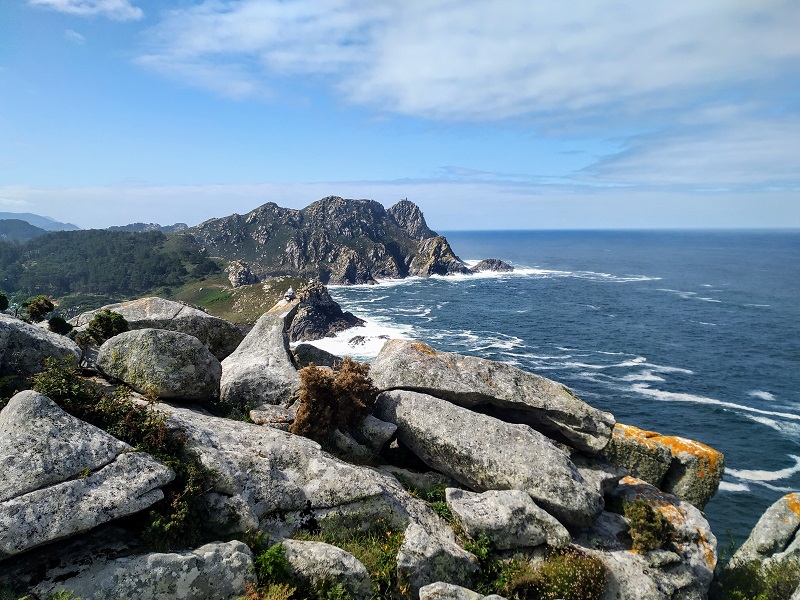
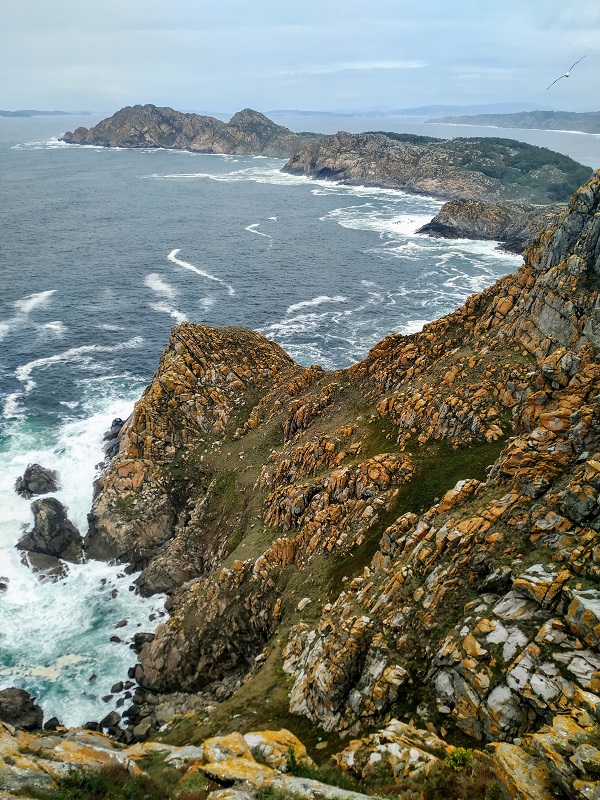
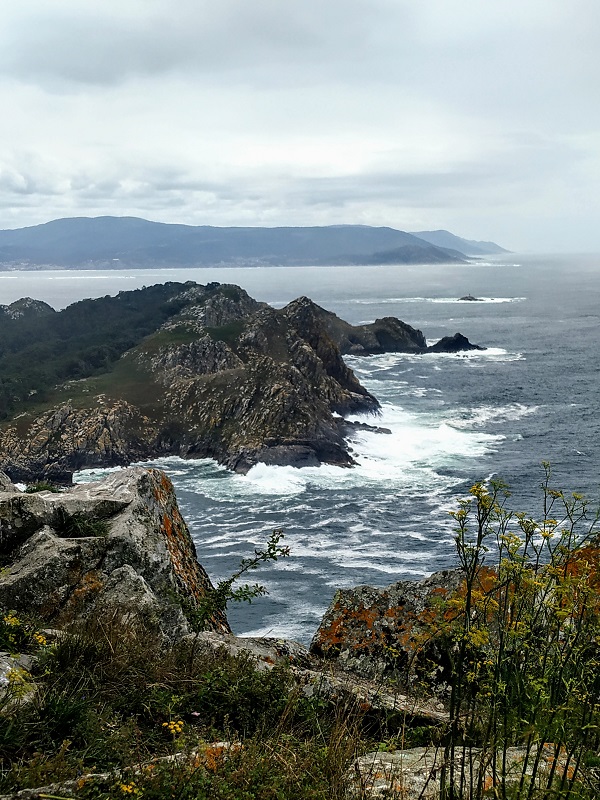
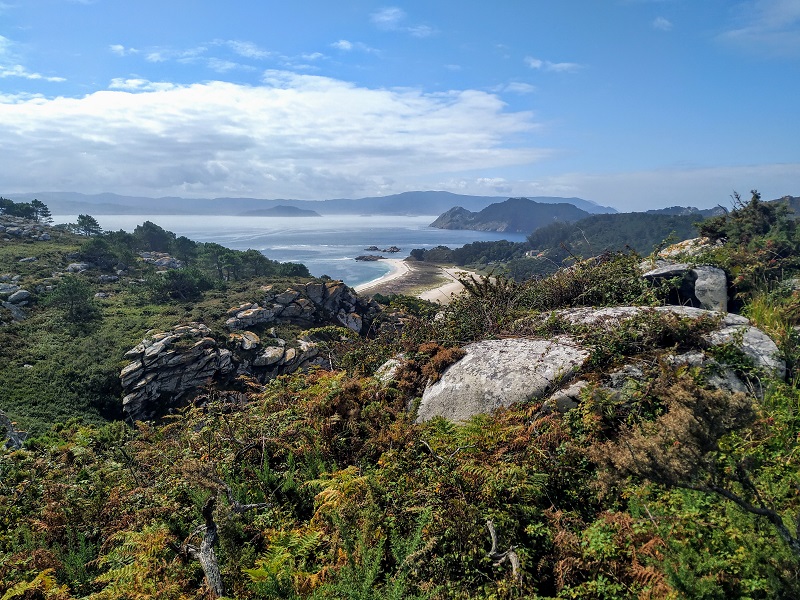
The path to the right leads to the trails of the north island, through which there is the opportunity to climb to the “Alto do Príncipe” from where it is possible to contemplate the wonderful natural setting that seems to be taken directly from the book on Robinson Crusoe. In this area you can also get to see the Monte Agudo Lighthouse and enjoy Figueiras Beach. I found it really beautiful being surrounded by the Atlantic forest with influences of Mediterranean flora and with the white sand. It is remarkable that its wild character is still well preserved.
The path that runs through the middle island leads to two lighthouses, the Porta Lighthouse and the Cíes Lighthouse. On this island there is also the Rodas Beach, next to a small lagoon.
On both islands it is possible to see numerous seagulls, the main inhabitants of the islands. They will try to steal food from you, so watch out for them. Although I also recommend you not to get too close to their nests, out of respect for the animals and because they could hit you. Don’t you want to go through the same experience that the protagonist of the film by American filmmaker Alfred Hitchcock had? It is really fascinating to contemplate the seagulls in their habitat so closely. I had the opportunity to witness a fight and how two of them sang. Have you ever seen how seagulls sing? They raise their heads and throw it back, making a kind of guttural cry at the same time. The scene seemed very funny to me.
TIPS:
- It is possible to spend the night on the islands, you can reserve a campsite, located near the Rodas Beach on the middle island. However, remember that you must ask for official permission to spend several days on the islands.
- There are also some restaurants, one of them next to the port, although it fills up easily. On the middle island there are other smaller and more intimate ones.
- Likewise, a good idea is to have a picnic either on the beach or on a table near the paths.
- I recommend wearing comfortable shoes for walks and a sweatshirt in case it gets cold. It usually refreshes first thing in the morning and at dusk in summer. A raincoat may be necessary. In Galicia it rains a lot due to the fronts that come from the Atlantic Ocean.
 all about eve`s journeys