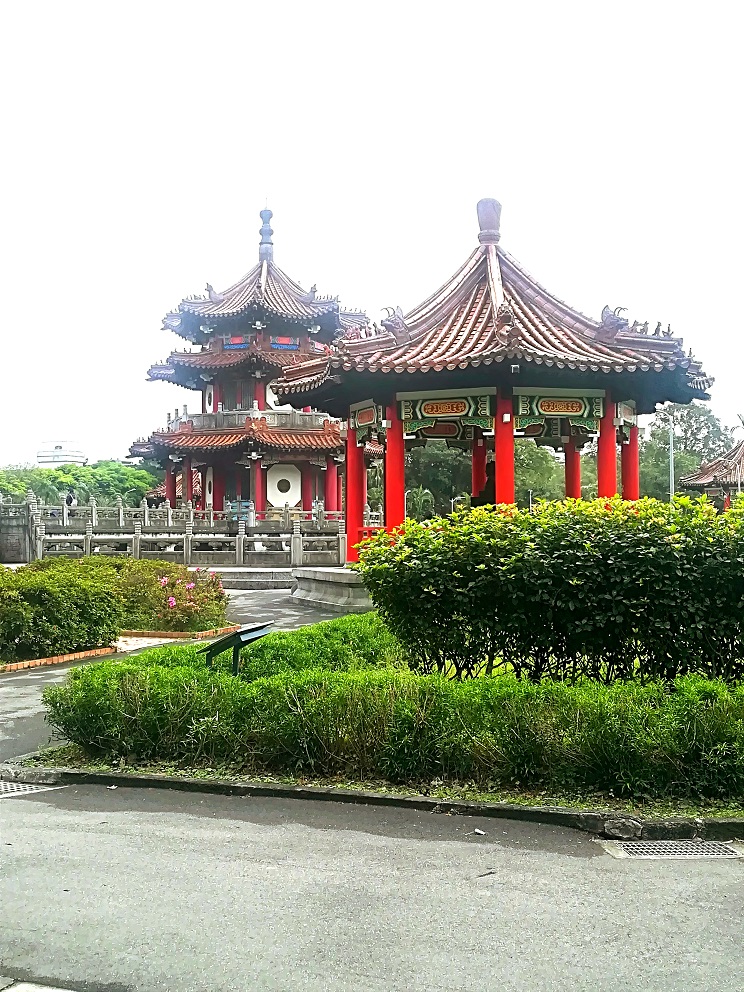
Taiwan, located in Southeast Asia, was historically known as the Island of Formosa. It is a sovereign country, even though its sovereignty is limited and is not recognized internationally. This unique condition is due to the fact that after World War II, in 1949, the government of the ROC took refuge in Taiwan, due to the overwhelming victory of the Communist Party. Later, since 1950, its power was limited only to the administration of the island.
On the other hand, unlike other countries in the area, it is a developed country, with important political and civil liberties, and good development of the educational and health system. Also despite its small size, only 36,193 km², Taiwan offers visitors many attractions that you should not miss if you come to visit. Among others, high mountains, cultural wealth, delicious food and night markets stand out…
TAIPEI
Taipei, which has enjoyed the status of the Taiwanese capital since 1949, is located in the north of the island and well connected with other areas of the country. Its origins date back to the Ketagalan tribe, while the first Europeans to colonize the area were the Portuguese, followed by the Spanish.
Between 1895 and 1945 the island was occupied by Japan, which imposed the political system based on the “Japaneseization” of the Taiwanese inhabitants. Even today it is possible to observe that Taipei is a Chinese city, but very Japanese. Good manners, cleanliness and order are the clear example of this.
WHAT TO VISIT IN TAIPEI
NIGHT MARKETS
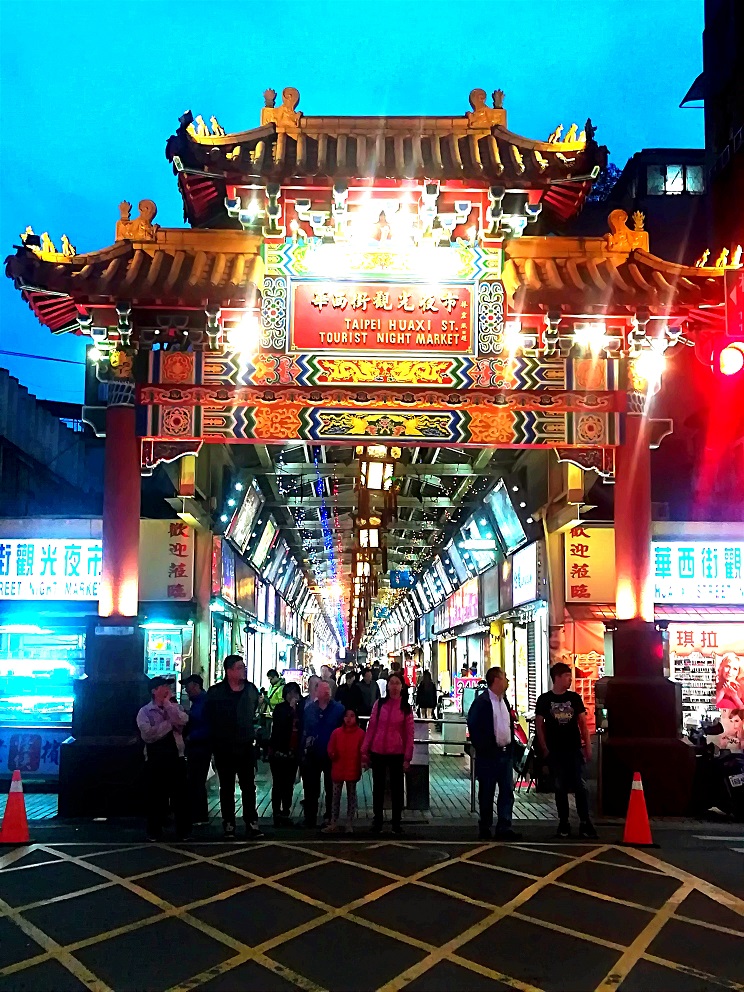
One of the best known attractions in Southeast Asia are the night markets where you can buy real “bargains” and take typical dishes of traditional food.
I recommend you to visit Longsham Market, which is accessible from 6:00 p.m. to 10:00 p.m. To get there you need to take the blue metro line. However, the best known and largest market in Taipei is the Shilin Market which offers delicious typical fast food dishes. it is highly recommended to visit this market. To get there, take the red subway line and get out at the Jiantan station by exit number 1.
Finally, next to the Longsham temple is the Huaxi Street Night Market that has become one of the most recognized, since there are several restaurants where you have the opportunity to taste snake meat. If you like to try different things, you should not miss it.
TEMPLES
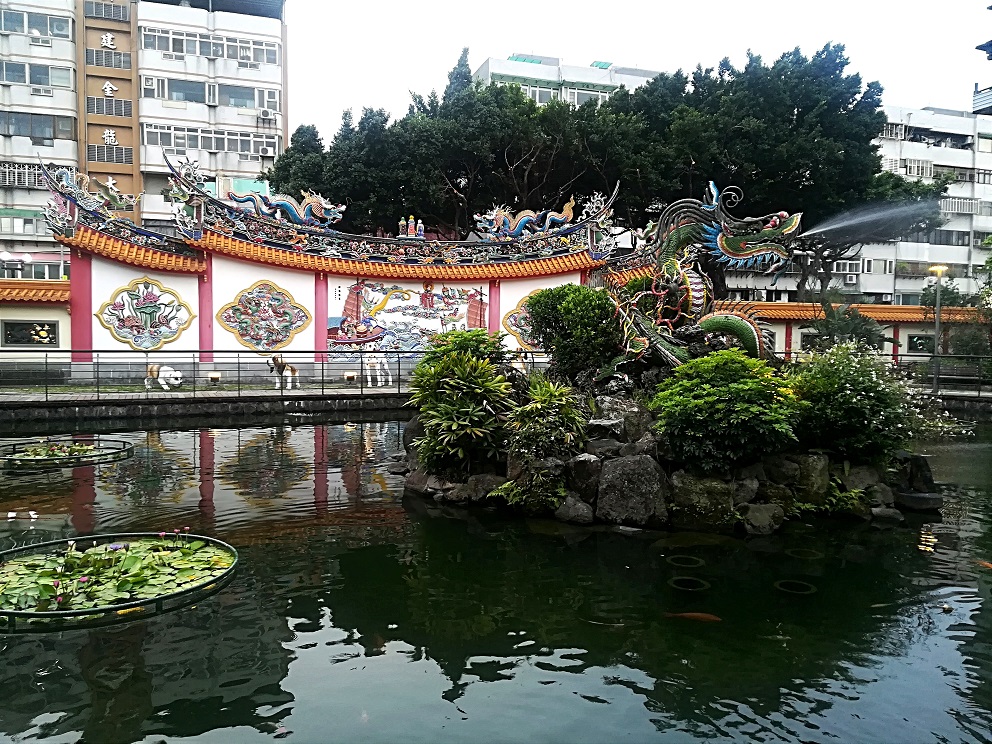
The Longshan Temple, built between 1738 and 1740, was destroyed numerous times due to atmospheric conditions (earthquakes, fires and typhoons) and the bombings during World War II. However, it was also faithfully rebuilt and today is an emblematic temple of classical Taiwanese architecture, worshiping Buddhist, Taoist and other traditional deities, such as Matsu, the goddess of the sea who protects fishermen.
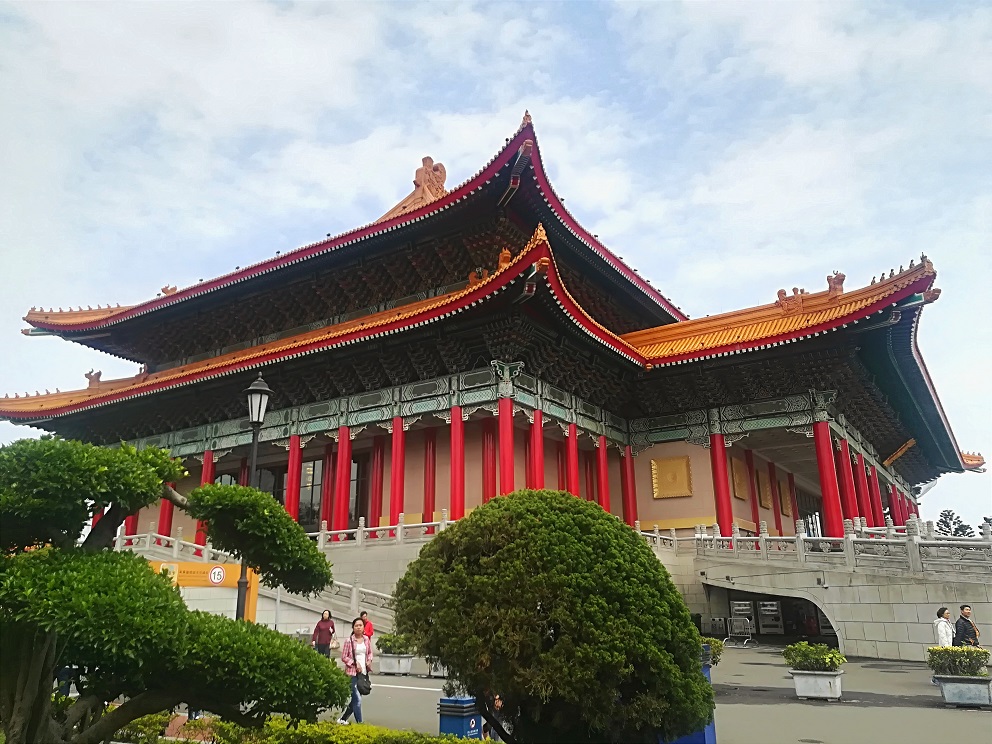
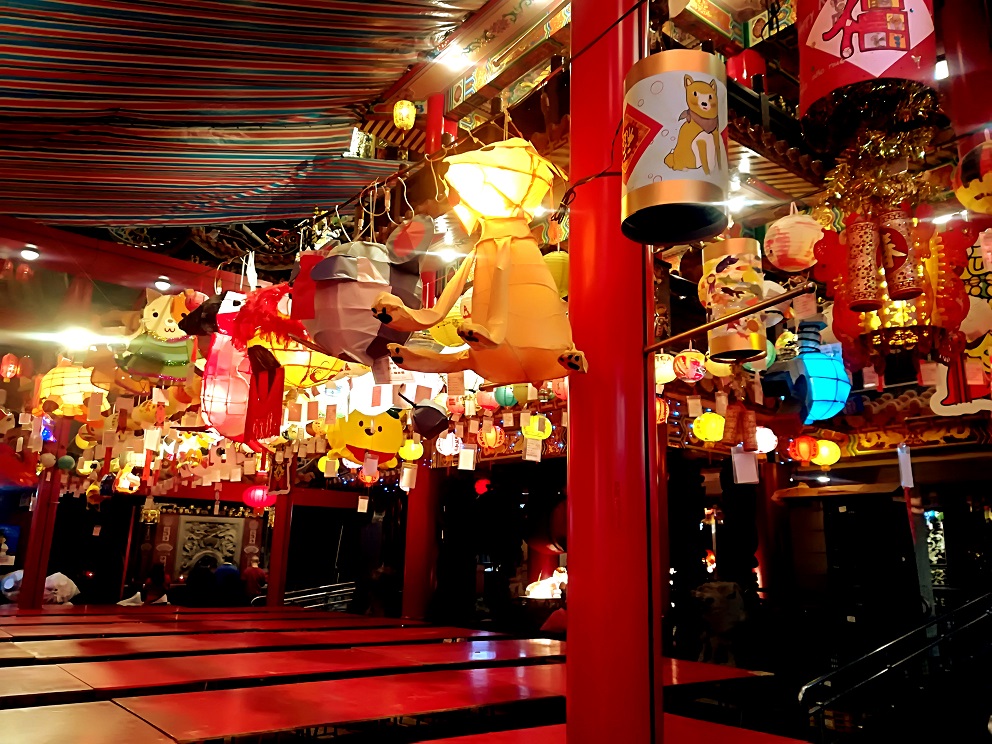
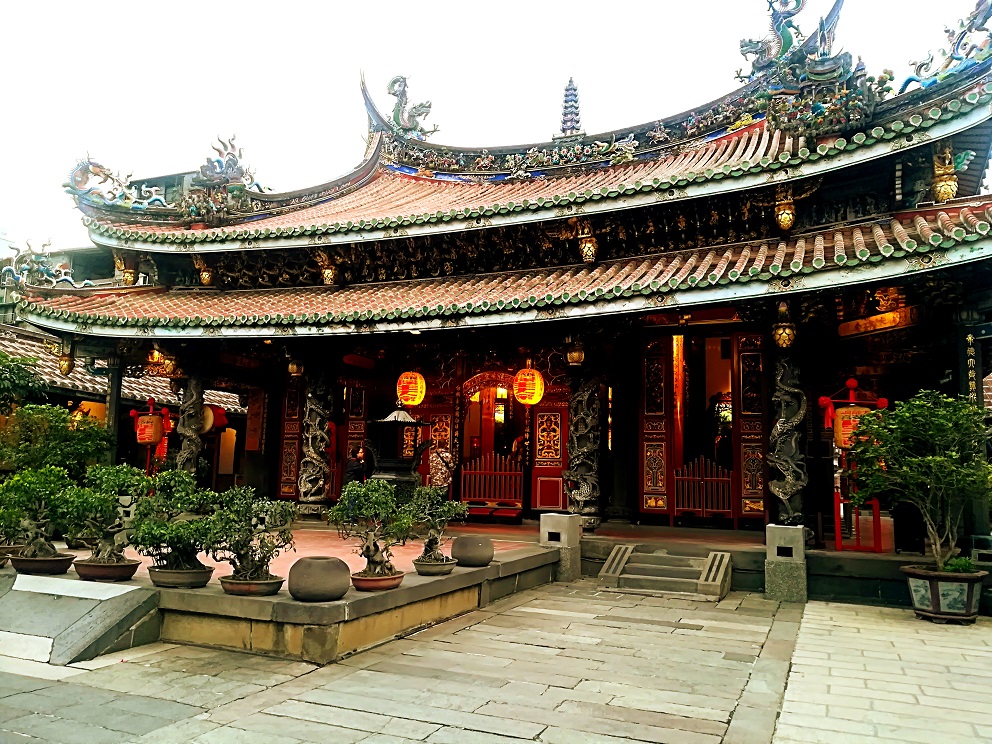
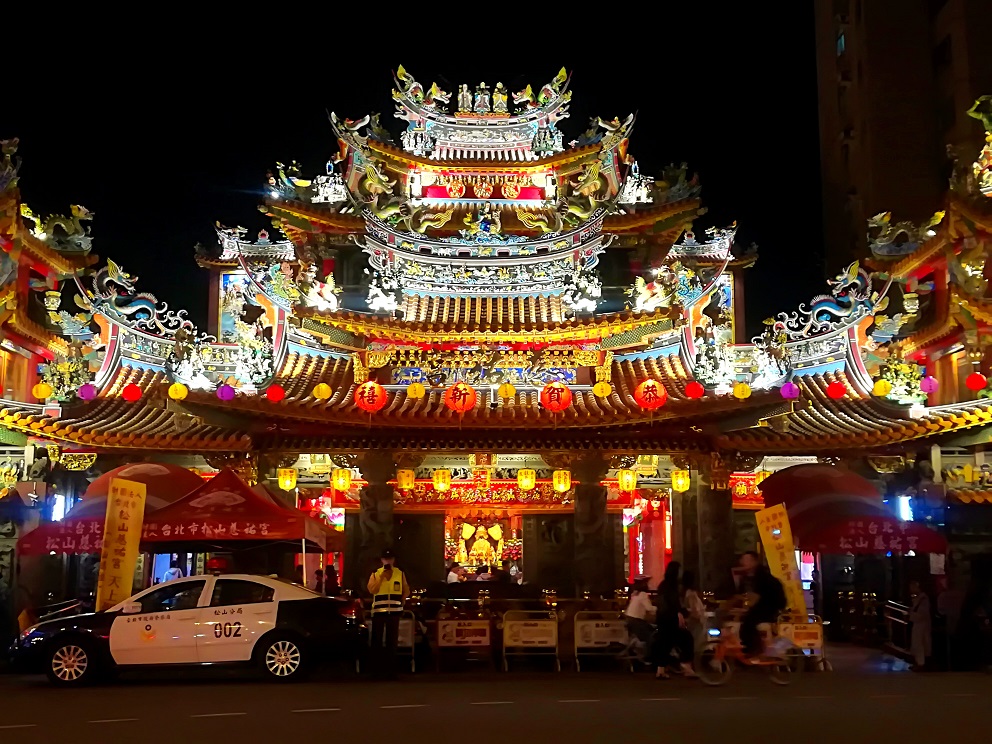
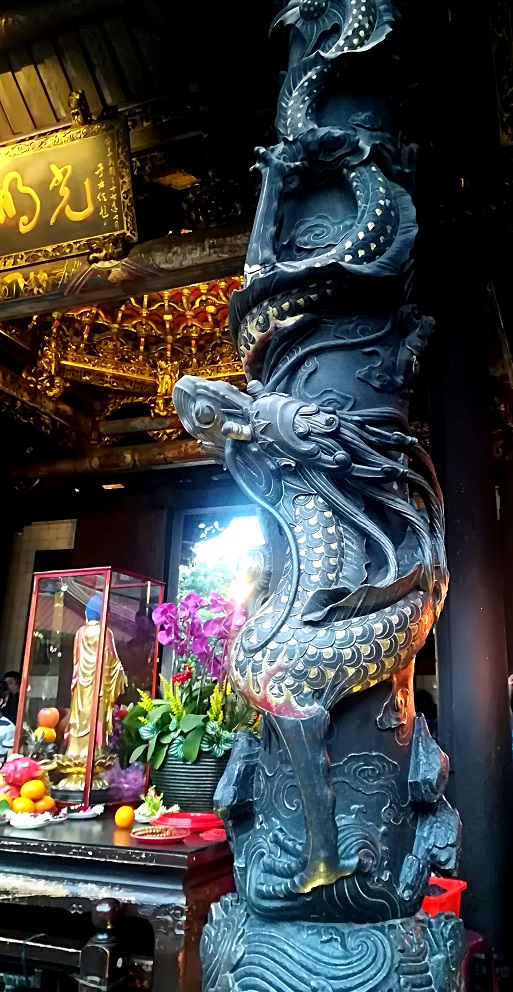
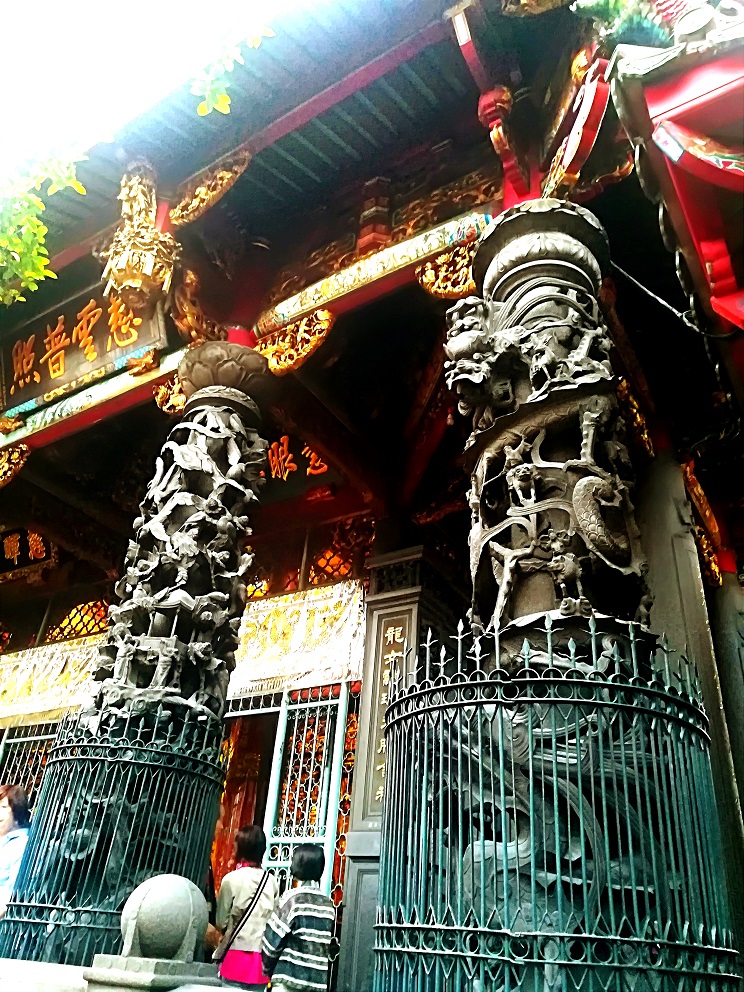
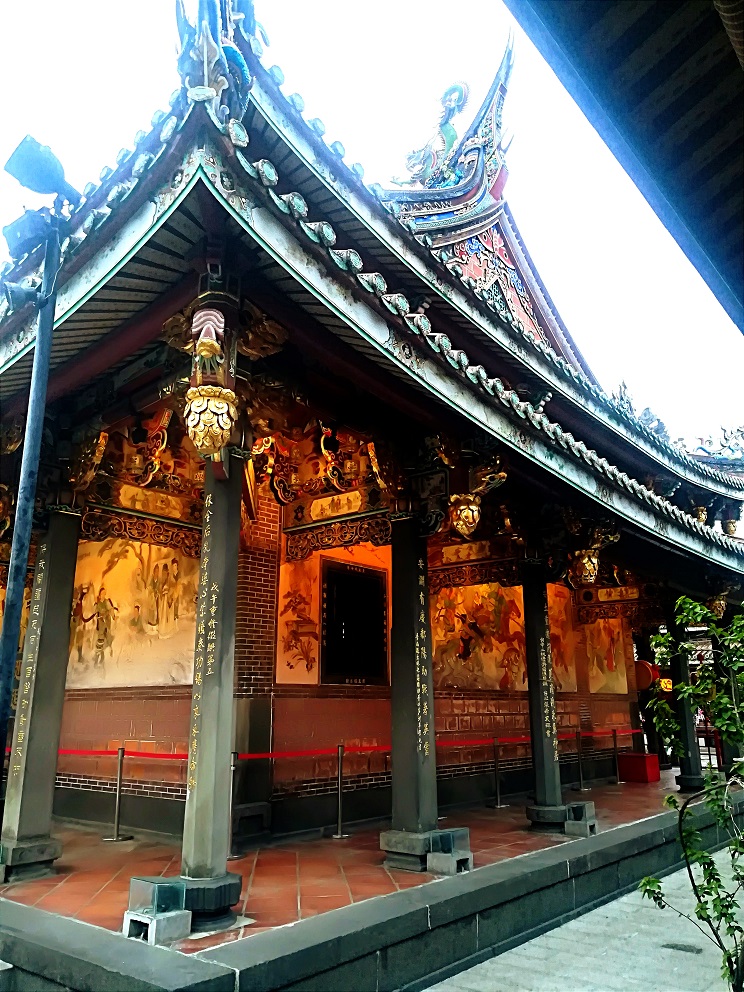
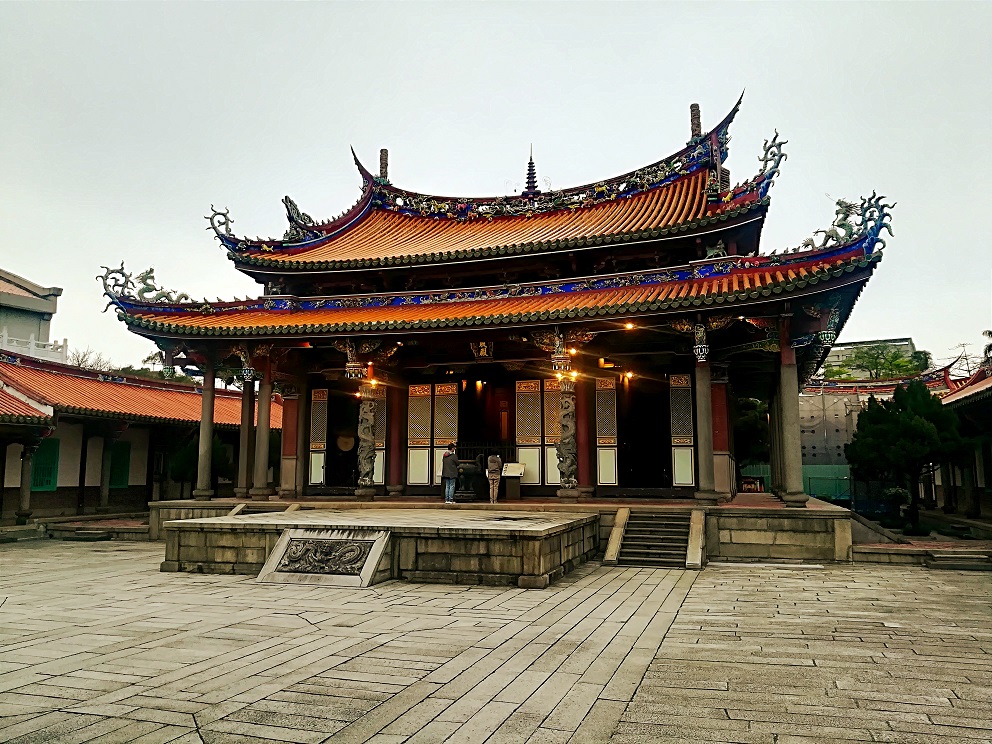
The Confucius Temple, built in 1857, is inspired by the temple in the Chinese city of Qufu. During the first years of the Japanese occupation, a large part of the temple was demolished and today visitors can see the reconstruction, carried out in 1925. It is a temple with simple decoration and great elegance that invites to meditation. There is a golden relief in the building that represents the phrase of this great thinker: “education without discrimination.”
MAIN MONUMENTS
The National Taiwan Museum offers visitors the chance to view numerous works of Chinese art, making it one of the largest museums in the world.
Among the most outstanding works there are ceramic works, such as those of the Song Dynasty (10th – 13th centuries) and the Ming Dynasty (14th – 12th centuries), metal creations in bronze and jade sculptures. There is a jade sculpture called: Jadeite Cabbage, which represents a lettuce with several flies perched on it. A rather curious work. Likewise, there are numerous pictorial works and old documents related to the history of the country.
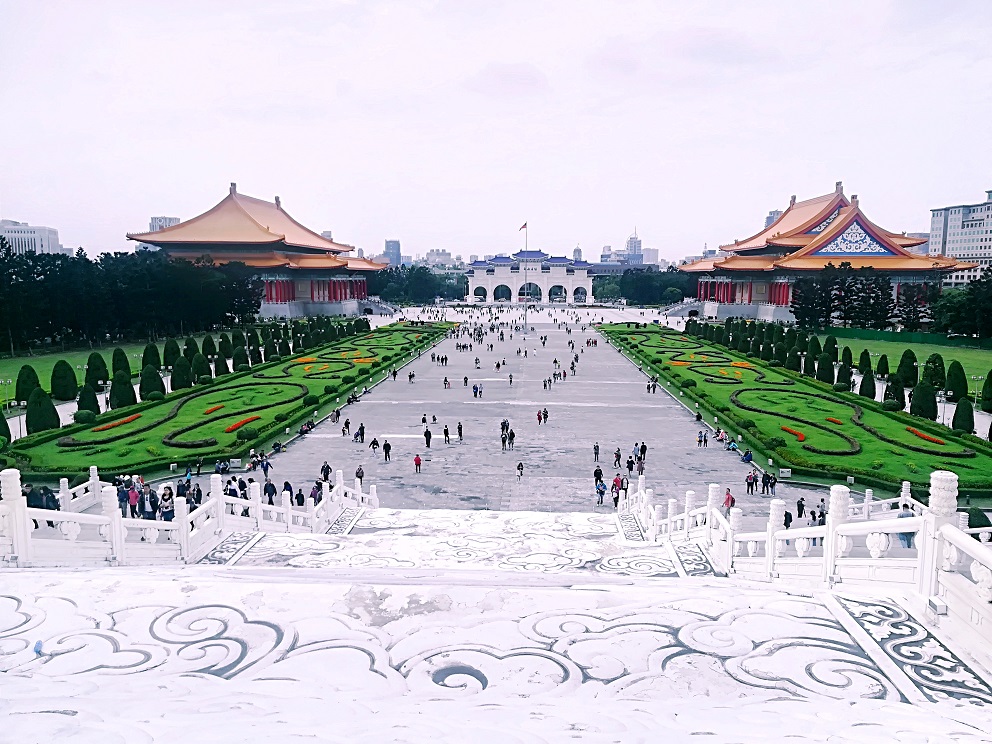
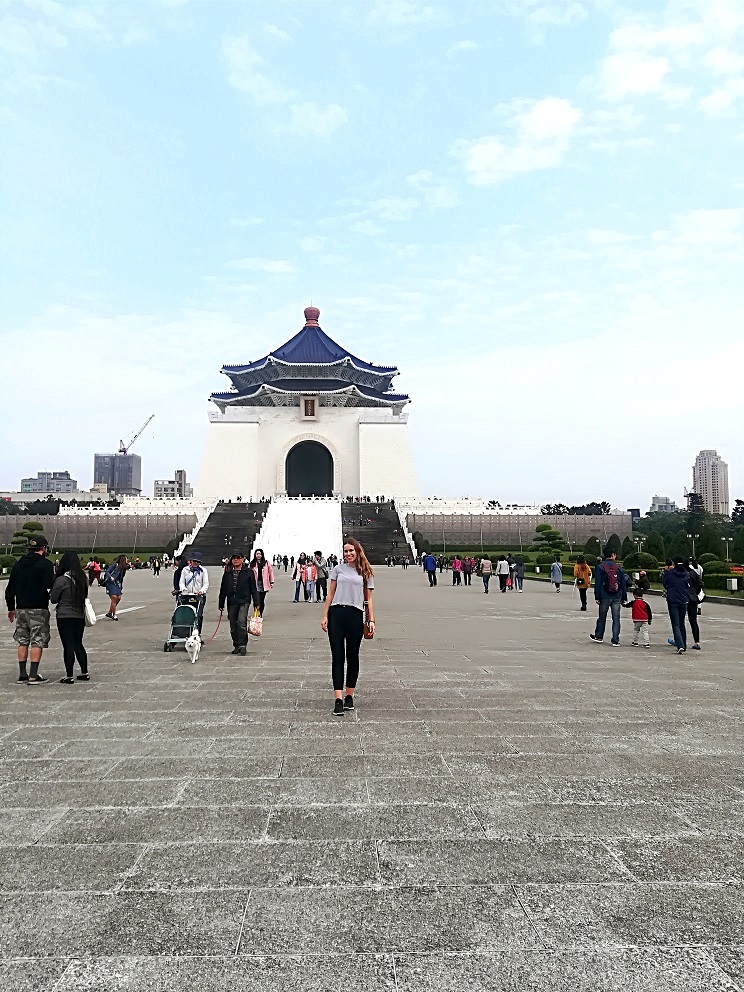
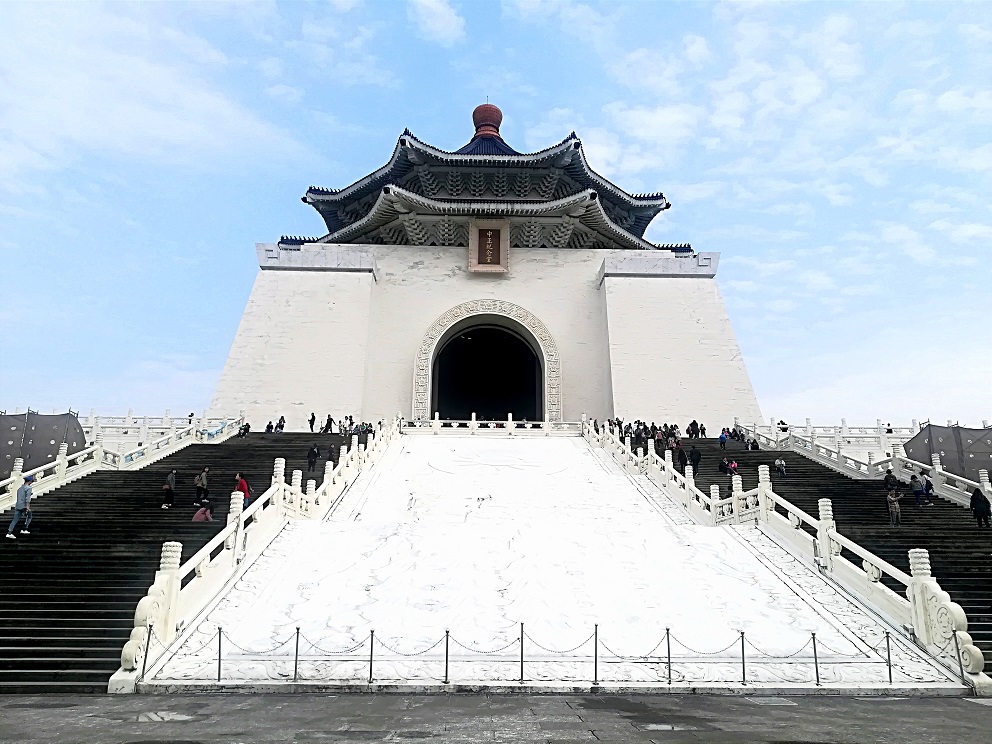
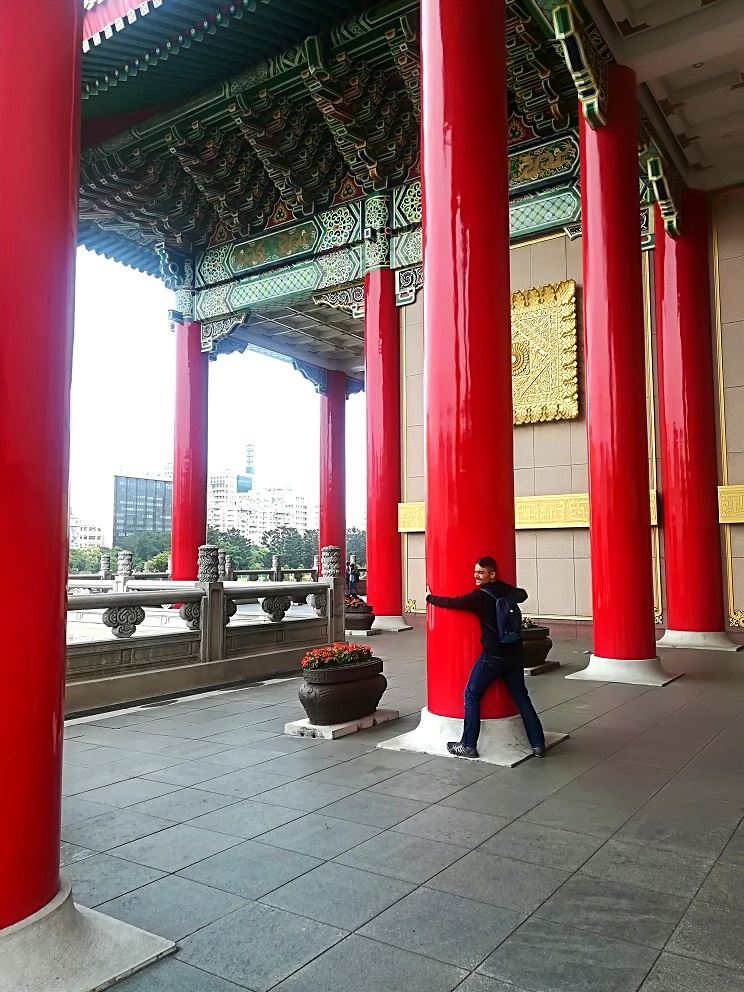
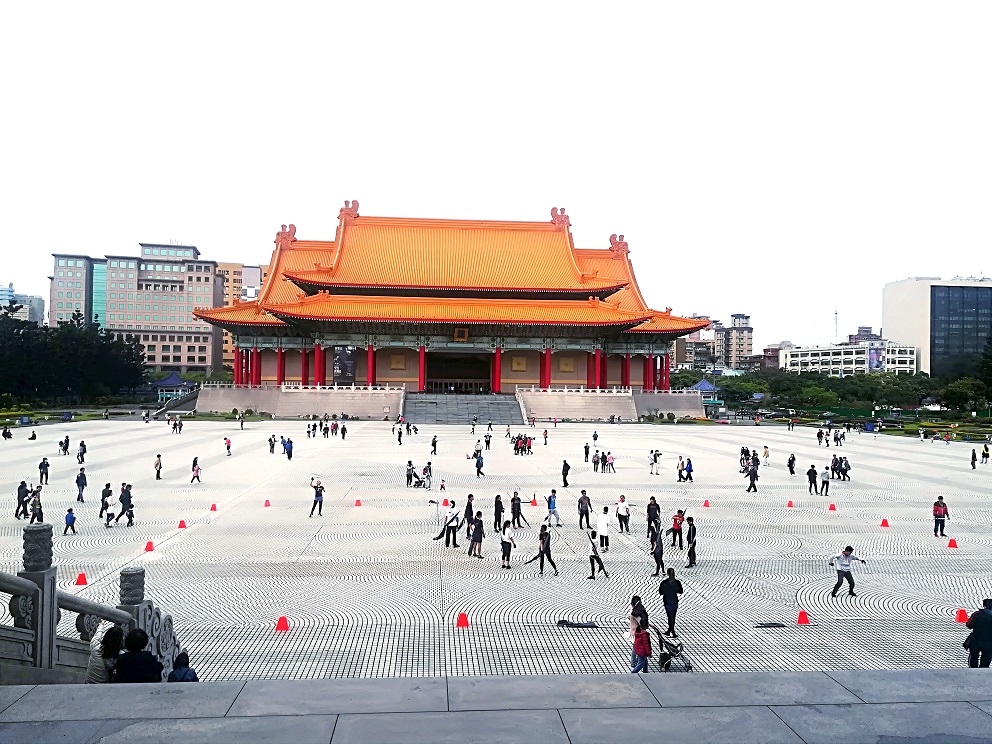
Chiang Khai-Sek Memorial Hall, is dedicated to a great Taiwanese leader, who became the country’s first president in 1949 after the separation with China, the position he held until his death in 1975. The Memorial stands on a great square on the eastern side of the Gate of Great Centrality and Perfect Honesty.
The main building is dominated by white and blue tiles, which together with the red color are assimilated to the Chinese flag. The octagonal shape of the building resembles the number 8 which symbolizes the Asian continent, abundance and good fortune. While the 89 main entrance steps represent the age at which Chiang Khai-Sek died. Also, behind the large bronze statue of the first Taiwanese president there are inscriptions with Chinese letters for Ethics, Democracy and Science. On the side walls stand out the phrases: “the purpose of life is to improve the life of humanity in general” and “the meaning of life is to create and sustain the next lives in the universe” that correspond to the democratic character of Taiwan.
WHAT ELSE?
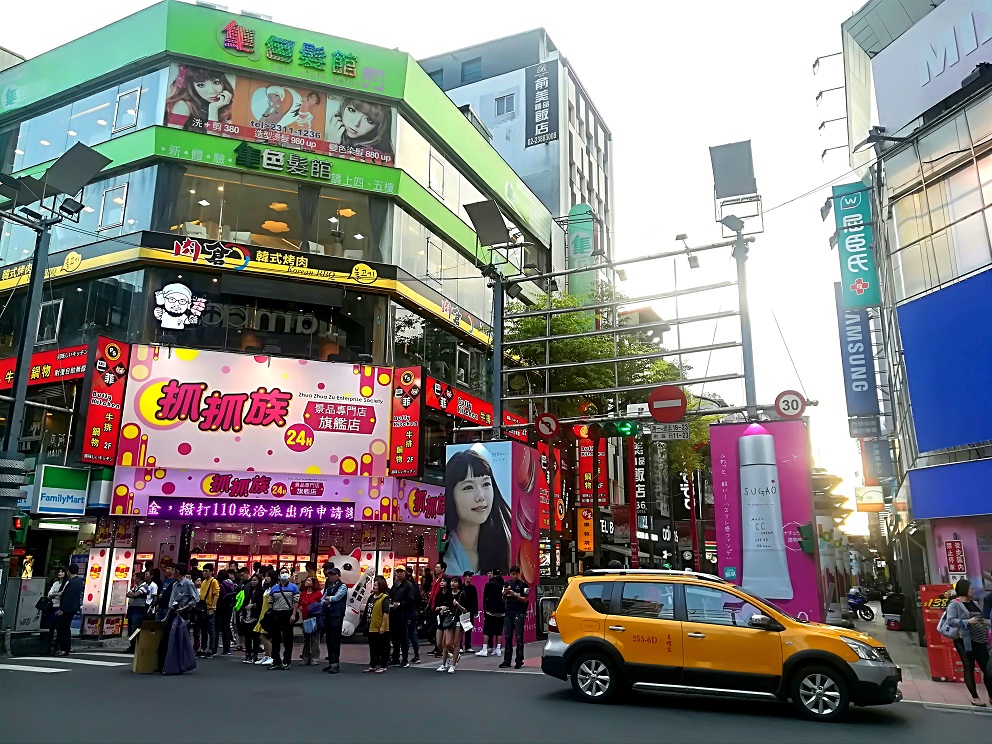
Xiamen is the central street of numerous businesses and shops that stands out for its great colors and lights. Since it is the favorite place of the inhabitants to walk, there are always many people on this street. It is common to see young people performing street dances and shows that entertain visitors.
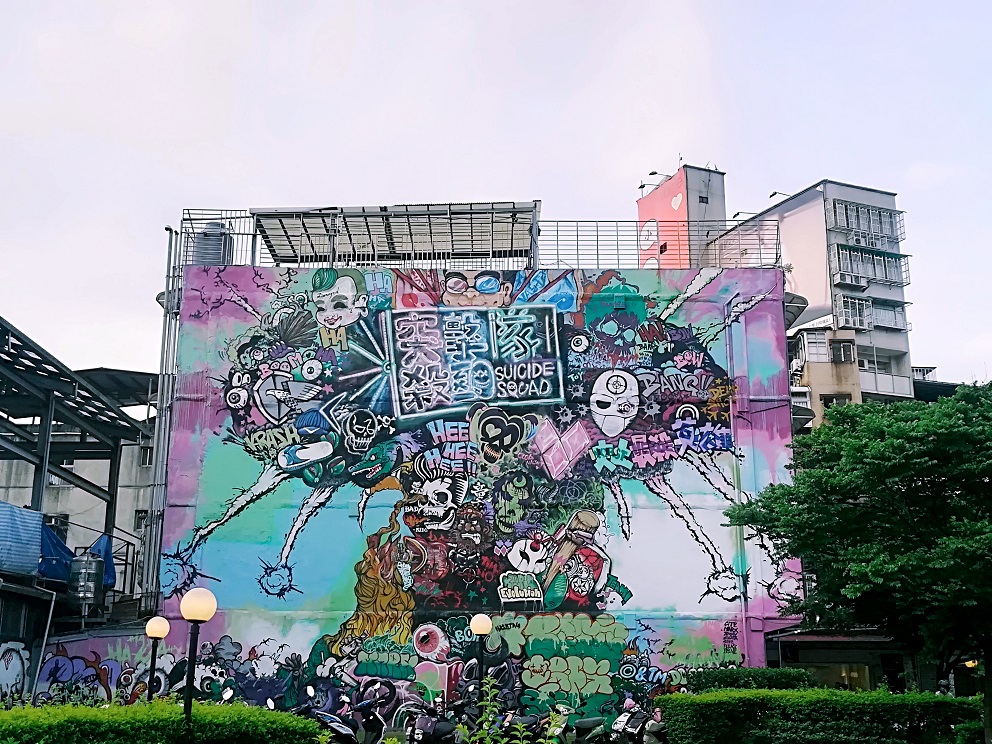
Elehant Mountain is the perfect place to contemplate the sunset. It is not very difficult to climb this mountain from which you have the possibility to contemplate the city in which the Taipei 101 Tower predominates on the horizon due to its exuberant grandeur. To get there you need to take the red line of the subway in the direction of Xiangshan, and at the last stop you should go by exit number 2.
TIPS:
- Although modern restaurants attract a lot of attention, do not forget typical establishments that serve delicious traditional food and that are closer to the culture of the country. Dumplings are my favorite food.
- From Taipei you can organize numerous excursions on your own to get to know the country. Soon I will leave you a link with the new article about what to see in north part of the island.
 all about eve`s journeys