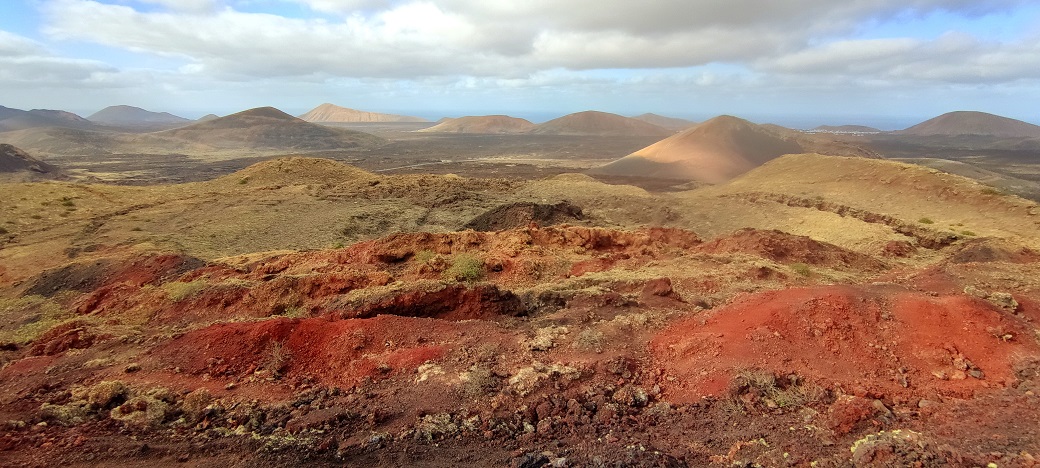
Once upon a time in Lanzarote there was a wedding. However, while the family and friends celebrated this happy marriage, the largest volcano on the island erupted and one of the giant rocks expelled from inside crushed the unfortunate bride. The guests ran for cover, but the young groom grabbed a forge and tried to save his beloved. Sure enough, he was able to remove the rock, however, the bride lay dead under it. There was no more shelter for him, which would allow him to protect himself from the great feeling of desolation that ran through his body. Desperate he ran and ran through the hills and at nightfall the inhabitants of the island spotted the young man in the moonlight, lifting the forge with his arms. “Poor devil”, they said sadly.
With this legend I would like to invite you to get to know the wonderful Canary Island, Lanzarote, known as “the island of volcanoes“, which is the easternmost and northernmost island of the Canary Islands. Its name has a diffuse origin, since some people affirm that it comes from the great Genoese navigator Lanceloto Malocello, the first European who visited the island in the 14th century. Others believe that it comes from the expression “broken lance“, when the French navigator Jean Bethencourtsince had broken his spear while landing. Meanwhile others follow the theory of the philologist Sebastián Sosa, who considers that the place name comes from the term “cerote“, the juice of the tabaiba, a very common plant on the island.
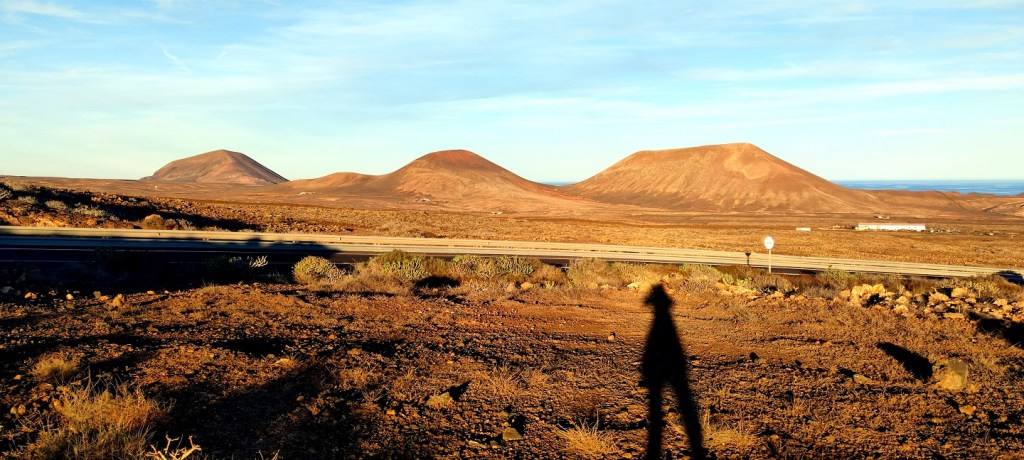
Whatever its origin, the island offers numerous possibilities for nature lovers, whether you like active tourism or more relaxed tourism on its beautiful beaches. Let’s get to know Lanzarote! And also have a look here for my trip in Tenerife.
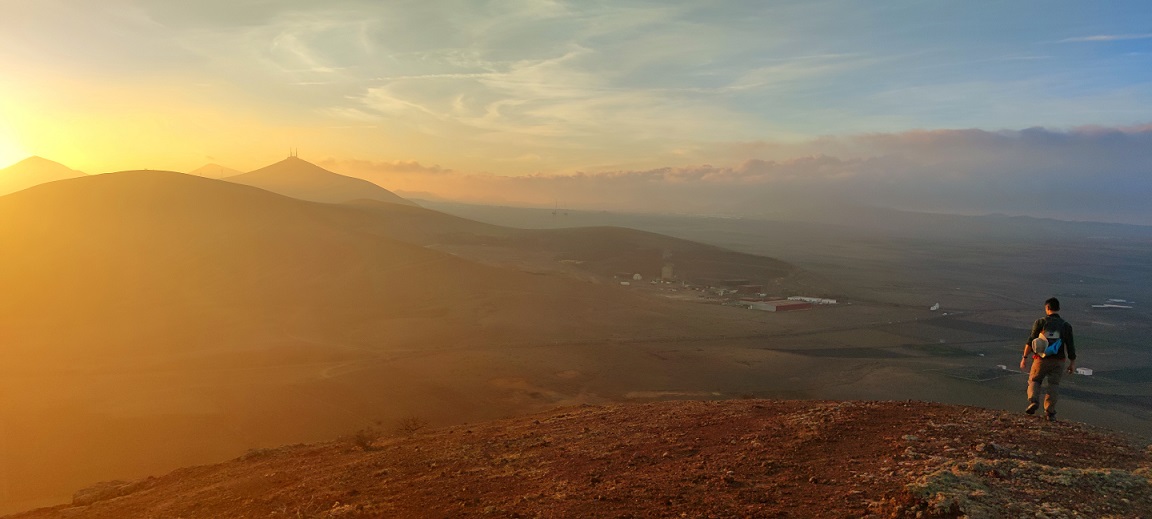
LANZAROTE: THE UNION BETWEEN ART AND NATURE
The highlight of the island is the combination of art and nature, thus easily adjusting to the tastes of its many visitors. Here I explain the most fascinating places that you can explore on the island.
TIMANFAYA NATIONAL PARK
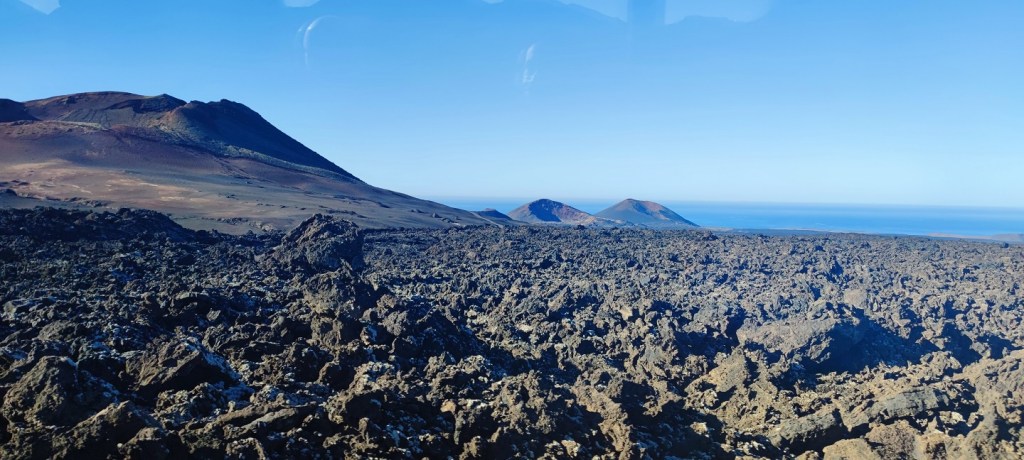
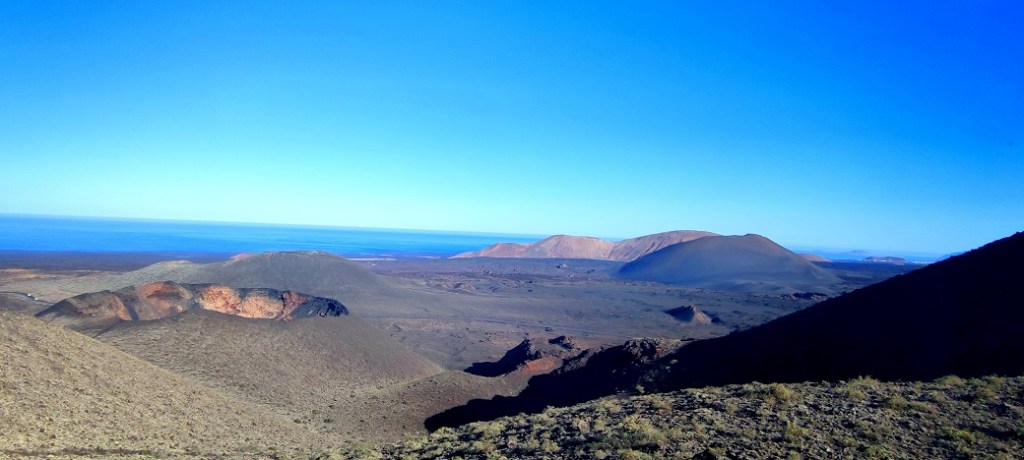
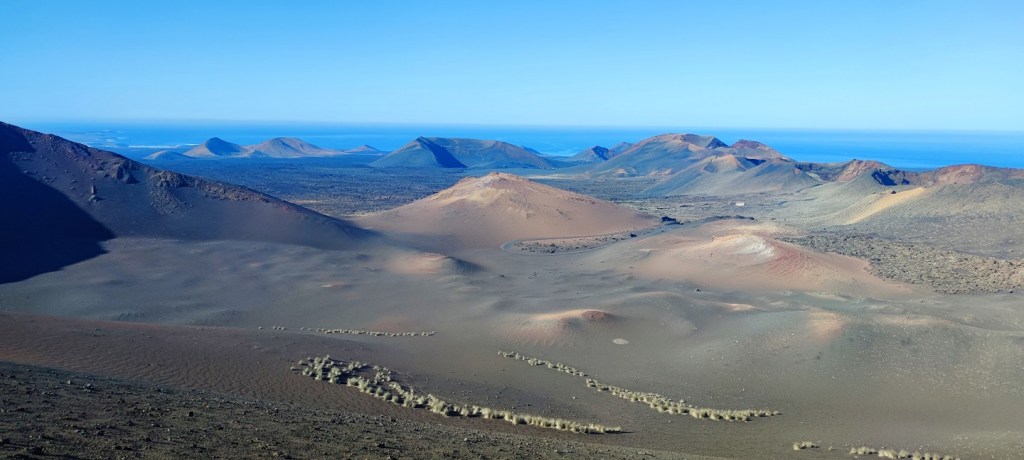
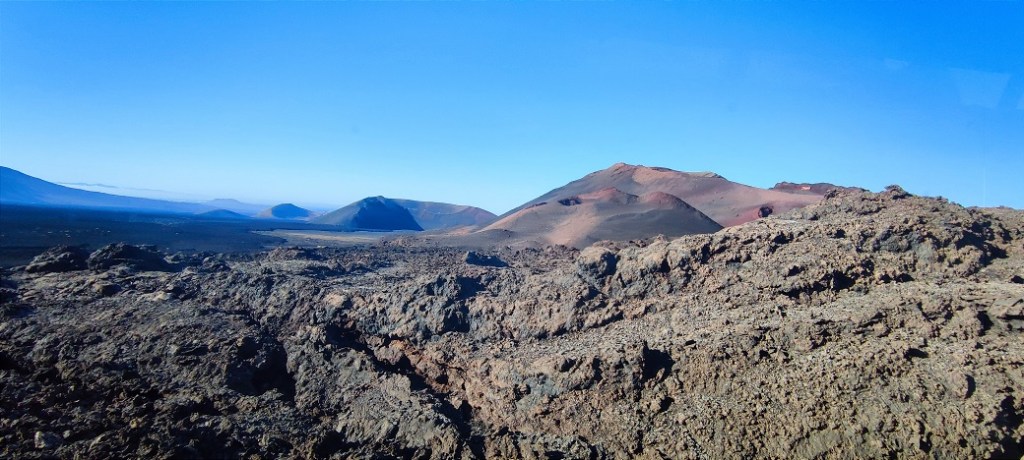
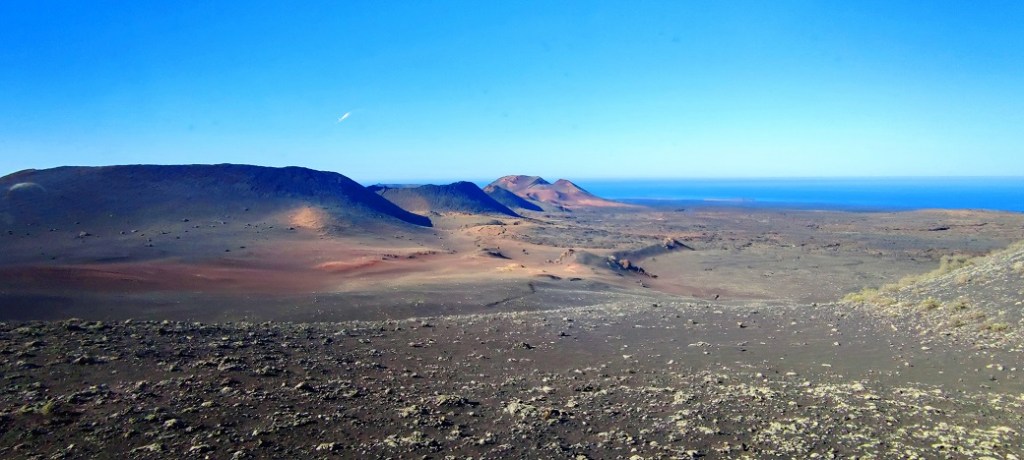
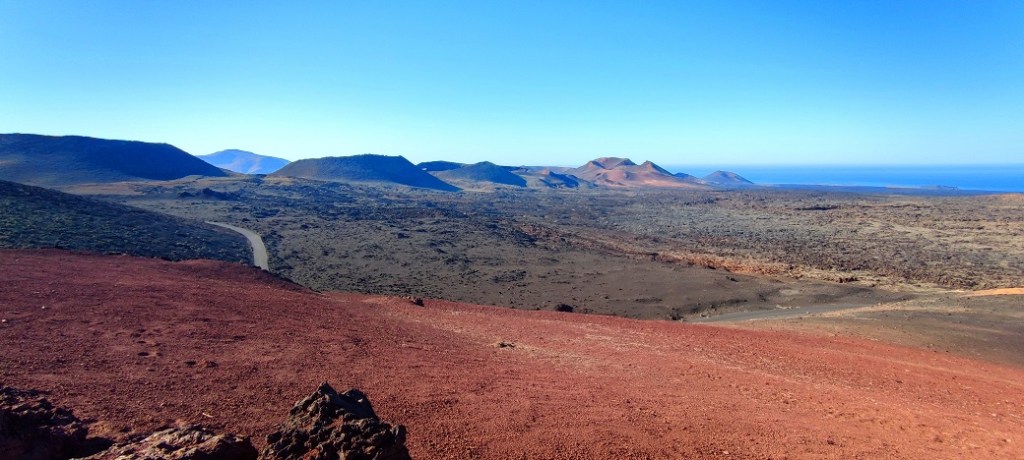
The island is populated with volcanoes that are undoubtedly fascinating, but if you want to be really impressed, do not miss a visit to the Timanfaya National Park, whose unique landscape seems really taken from the Moon. There are not enough words to describe its imaginable beauty, you must see it with your own eyes.
This volcanic landscape was originated after the eruptions that took place in the 18th century and affected a large part of the island. It is a landscape of lava and craters in which ocher colors of great intensity predominate: reddish and yellow. The absence of plants and the silhouette of the volcanoes give it a great beauty.
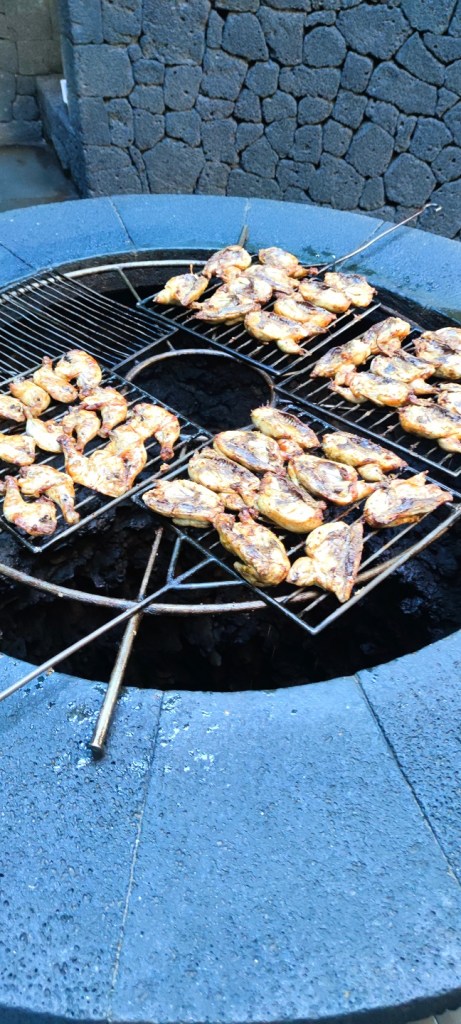
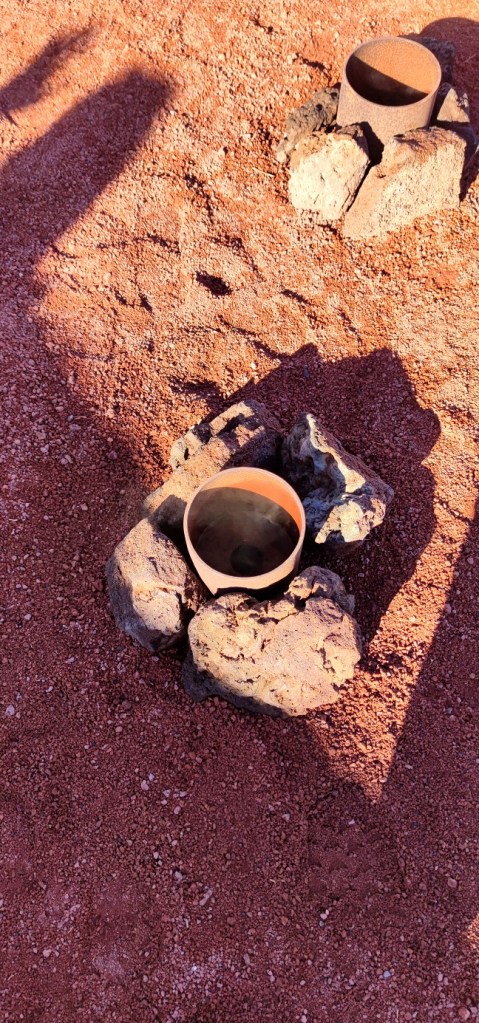
To visit the Montañas de Fuego, it is necessary to go to the entry point located shortly after the Mancha Blanca Visitor Center, from 9:00 a.m. to 3:45 p.m. It is better to go very early to avoid long lines, I also recommend you buying a tourist voucher that allows entry to various places on the island, since its price is lower. The visit is done on a bus, this is the only possible way to do it, and the price of the bus is included in the ticket. Next to the bus stop there is a souvenir shop and a restaurant, where you have the chance to eat the volcanic grilled chicken.
On the other hand, if you are interested in hiking in the area, it is necessary to book your tickets in advance as it is only allowed with a specialized guide. There are two unique routes: the 2km Tremesana Route and the Litoral Route. You must come well prepared, with closed shoes, water and sunscreen.
VISITING THE WEST COAST
A good idea to see the west coast of the island is touring it either in a rental car or on a bike, since the distances are not that long and the island has many possibilities to get around by bike. It just depends on your fitness.
THE GREEN LAGOON
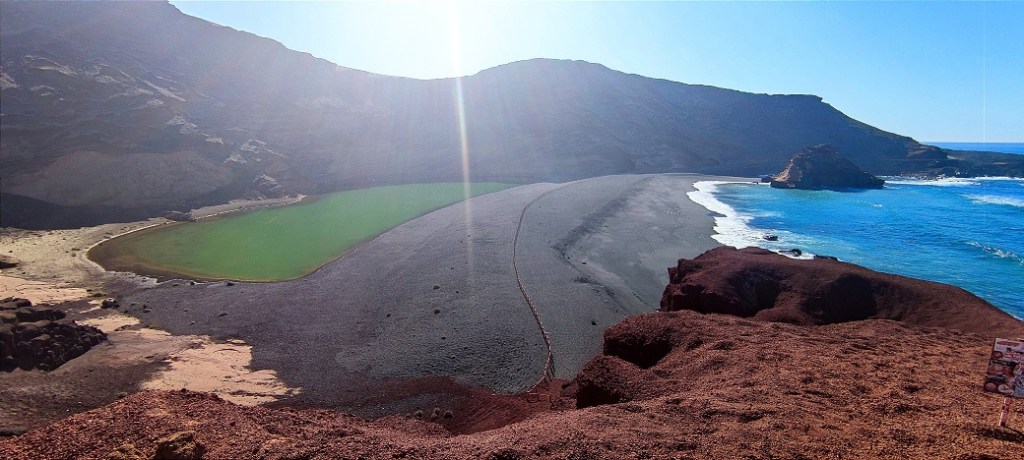
In the fishing village El Golfo, in the municipality of Yaiza, there is the Charco de los Ciclos or Charco Verde (Green Lagoon). El Charco is located in the old crater of the volcano, barely visible today and its water comes from the Atlantic Ocean. Its characteristic color is due to the mixture of sulfur with the sea water and the presence of an algae that produces chlorophyll. It is possible to observe El Charco from a viewpoint in El Golfo, and of course, it is a wonderful explosion of colors, from the emerald green color of the lagoon, the intense blue of the ocean and the sky, the reddish stone of the land and the blackish volcanic sand of the beach.
LOS HERVIDEROS
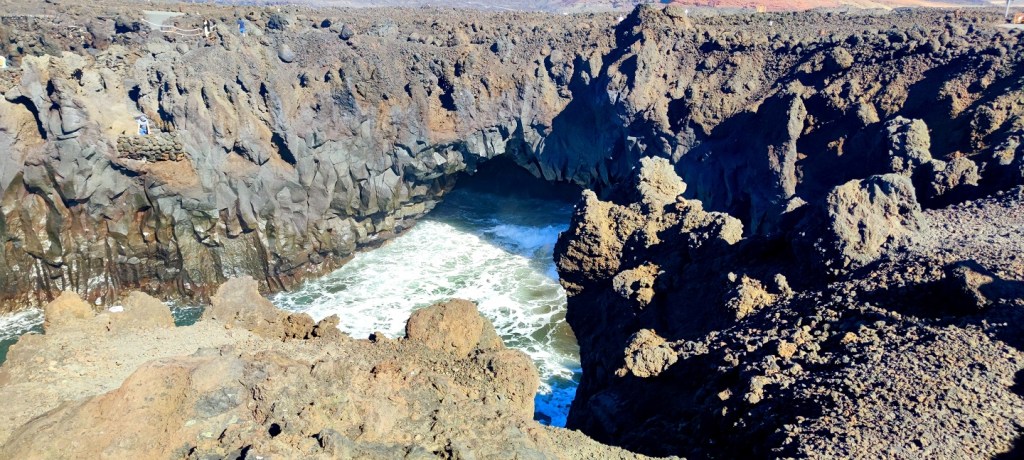
On the road to the south there is a mandatory stop at Los Hervideros. When the ocean hits hard and its waters crash against the rocks, they produce the sensation that the water is boiling, hence the name in Spanish. To visit it is free and they are only 2km from the Charco Verde, however, you have to take a detour as the road is closed due to a landslide.
Janubio Salt Flats
On the west coast of the island, burned by the sun and whipped by strong waves and trade winds, are the Janubio Salt Flats, where every spring and autumn sea salt is harvested, characterized by a typical flavor due to near volcanoes.
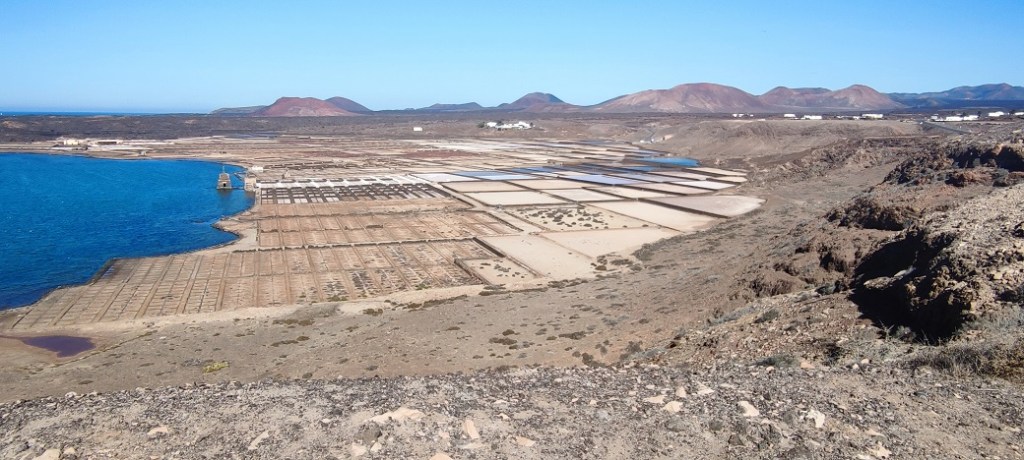
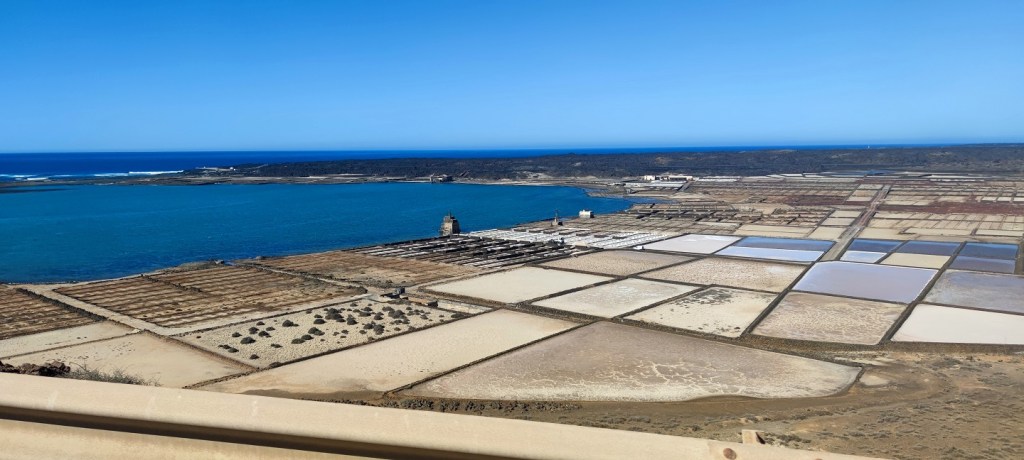
To take a guided tour you have the possibility of booking the excursion on their website, which costs €12 per person. However, you can simply approach the place and contemplate the salt flats from a viewpoint. The views are impressive.
THE NATURAL SWIMMING POOLS OF LOS CHARCONES
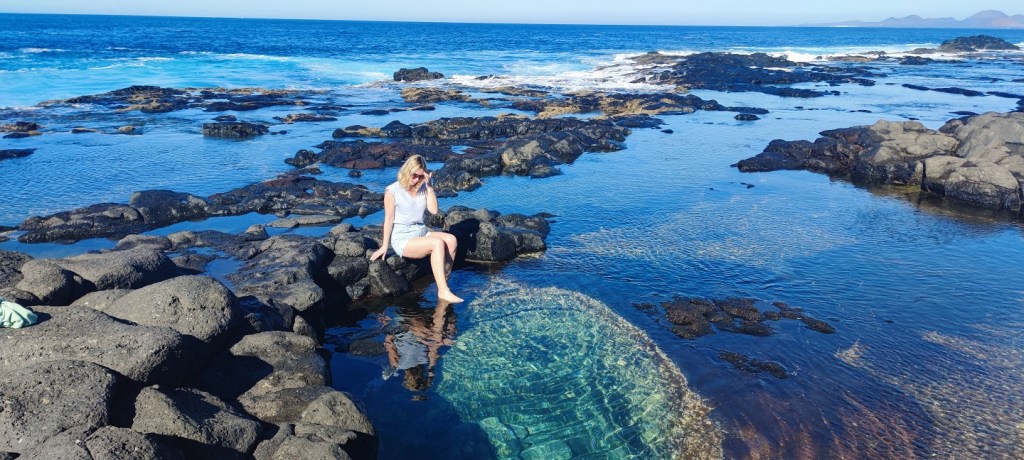
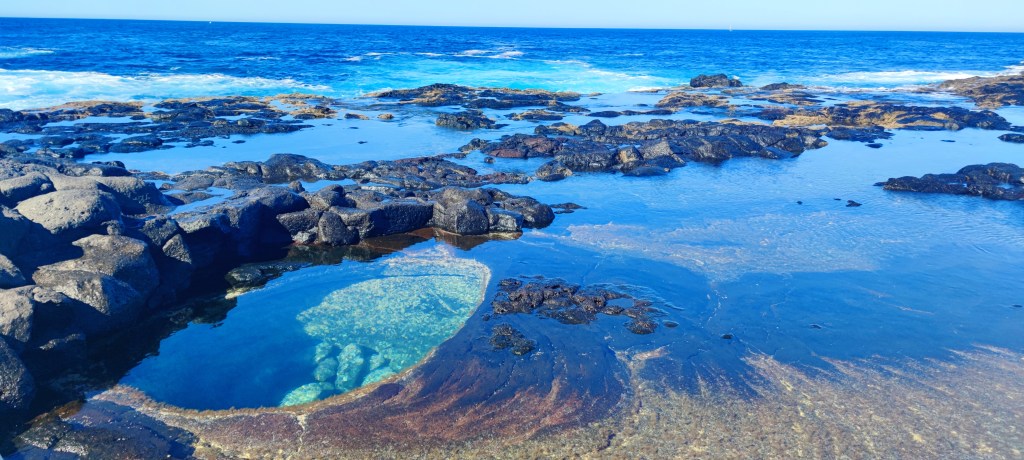
To cool off a bit, nothing better than a swim in the natural pools of Los Charcones. They have capricious shapes, created by the passage of lava, and their depths are very different. Likewise, sea water is frequently renewed. It is a little known place and there are usually no crowds, perhaps one of the reasons is the fact that you have to walk around 2km from the car to get to the pools. The most spectacular area is located next to the abandoned hotel from the 1970s, a real insult to nature. But the pools are extend from the Faro de Pechiguera 2km towards the Janubio area.
HIKING ON THE BEACHES FROM THE AREA PLAYA BLANCA
One of the areas that I recommend you visit are the beaches located near the town of Playa Blanca. These include: Mujeres Beach, Papagayo Beach, Caleta del Congrio Beach, and the farthest, Fuentecita Beach.
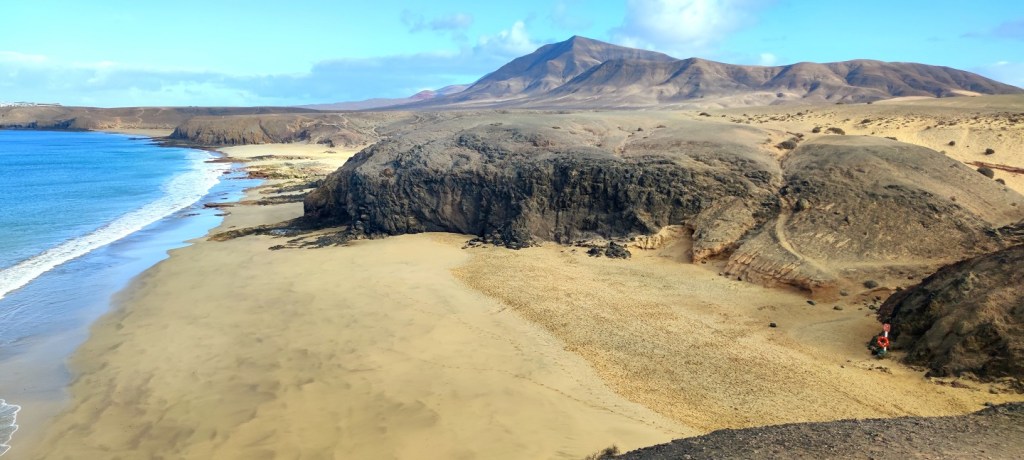
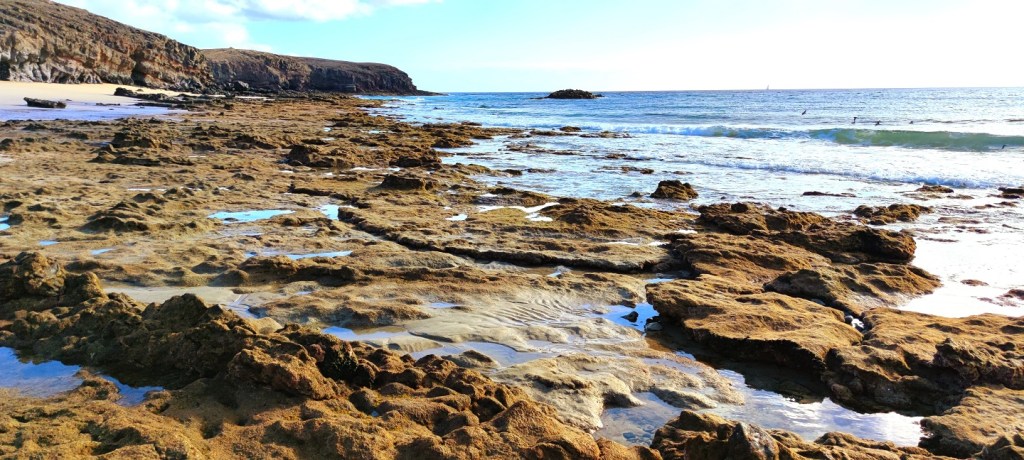
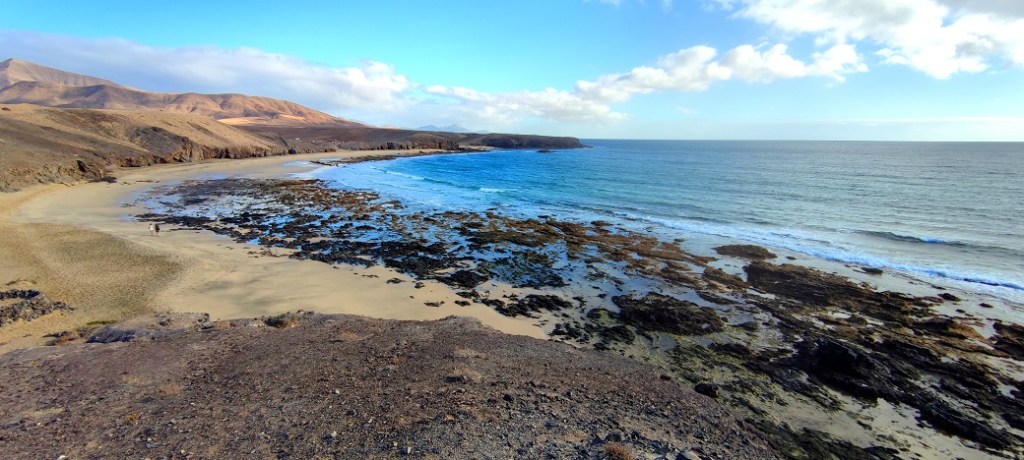
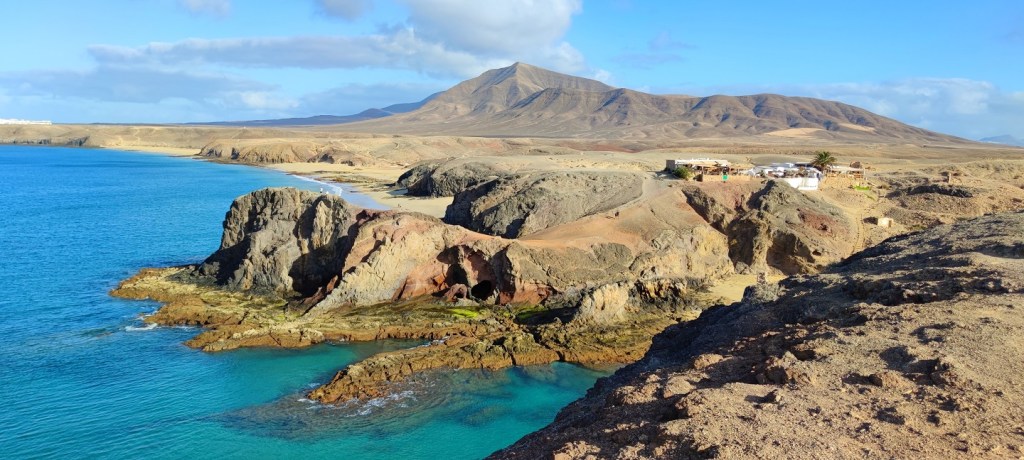
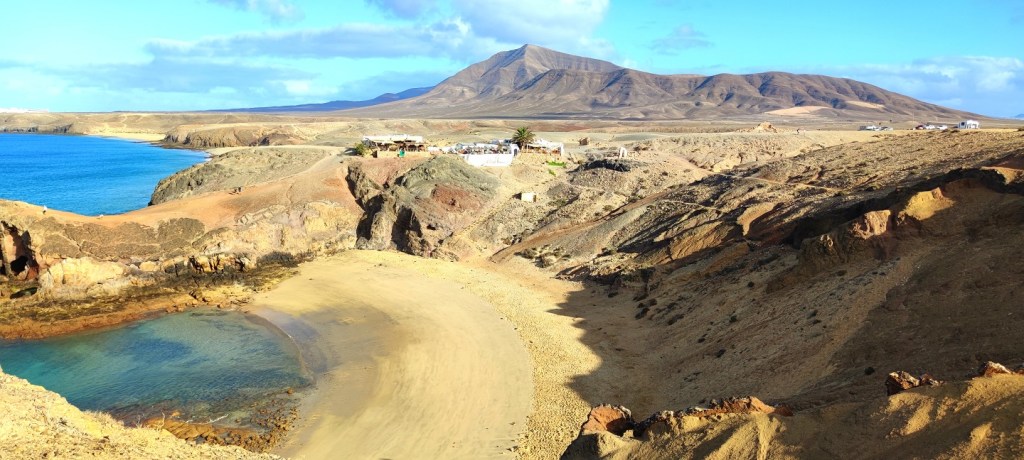
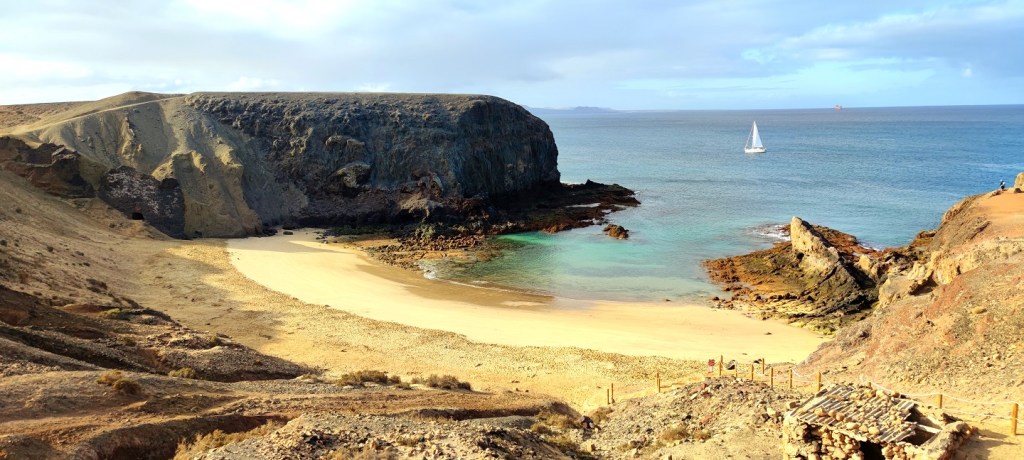
To enter this area you can do it on foot, if you are staying in the town of Playa Blanca, or by bike or car. If you come by car, you will have to pay a small entrance tax, since it is a protected area and you can park next to Papagayo Beach in a large car park. The best way to visit the area is to combine a hiking route that runs through all of them, there are examples of routes in Wikiloc, with a picnic on one of the white sand beaches, which are really beautiful.
LA GERIA
Located in the center of the island, it is an agricultural area of great singularity, characterized by the use of the volcanic landscape for the grape planting. The cultivation of the white grape predominates, called Malvasía, of Mediterranean origin. You can see the vineyards from the same road that runs through the island, or if you want to enjoy a good wine and a bit of history, I recommend you pay a visit to one of the wineries in the area.
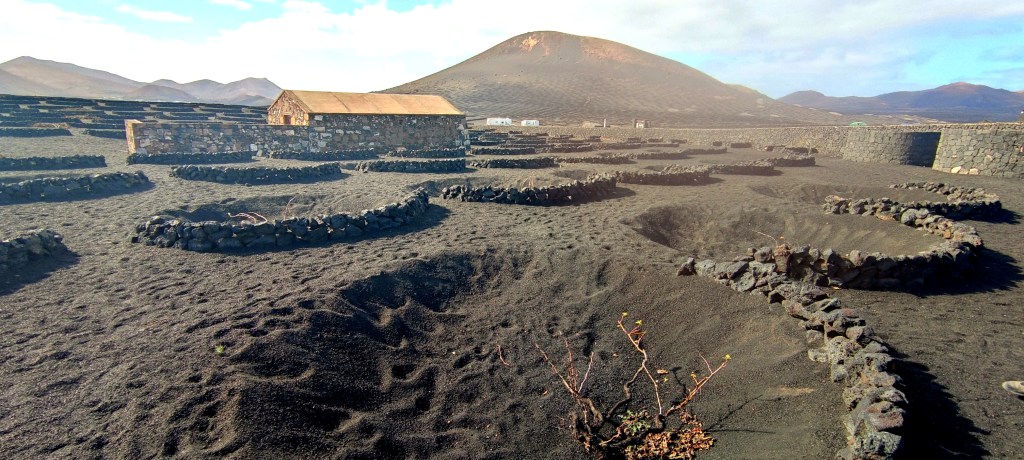
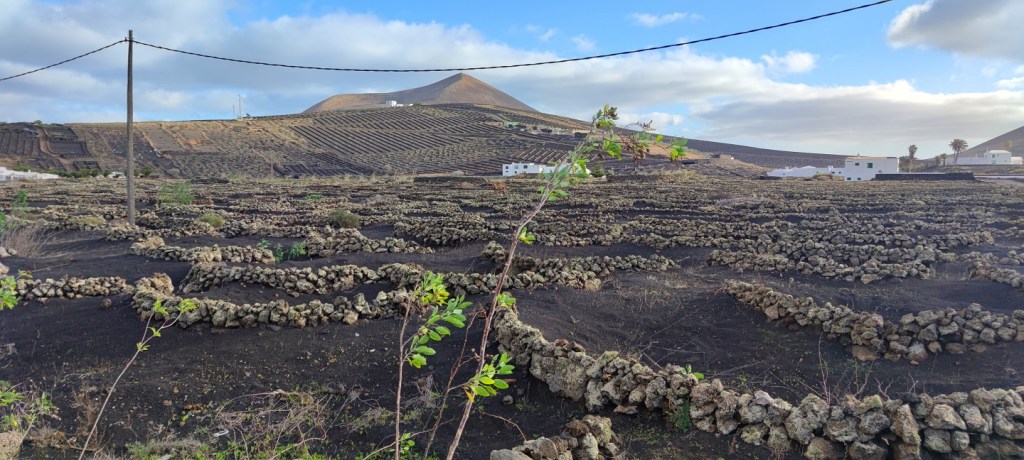
Why is it so curious? The vineyards are planted in the cones, which in turn are formed in lapilli, pyroclastic elements, expelled during the eruption of volcanoes. The entire structure is surrounded by a volcanic stone wall that protects the crops from the trade winds.
THE RIVER VIEWPOINT & THE GUINATE VIEWPOINT
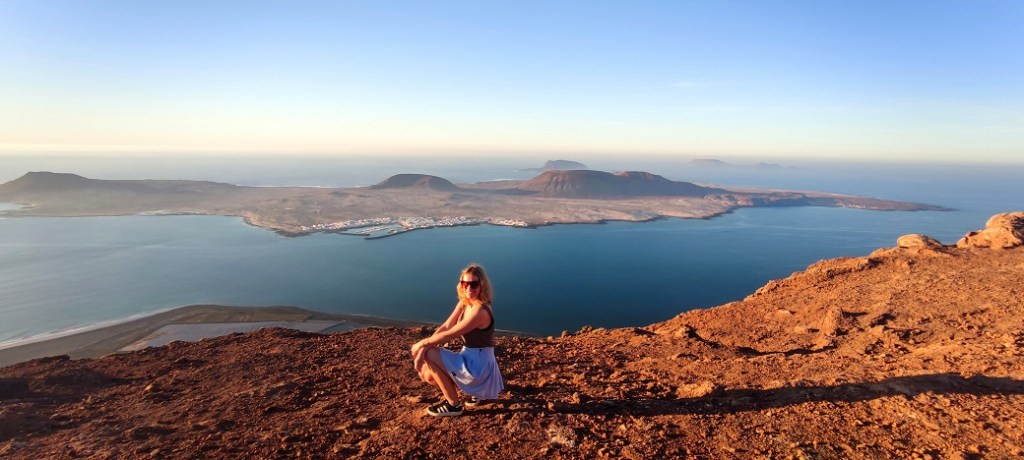
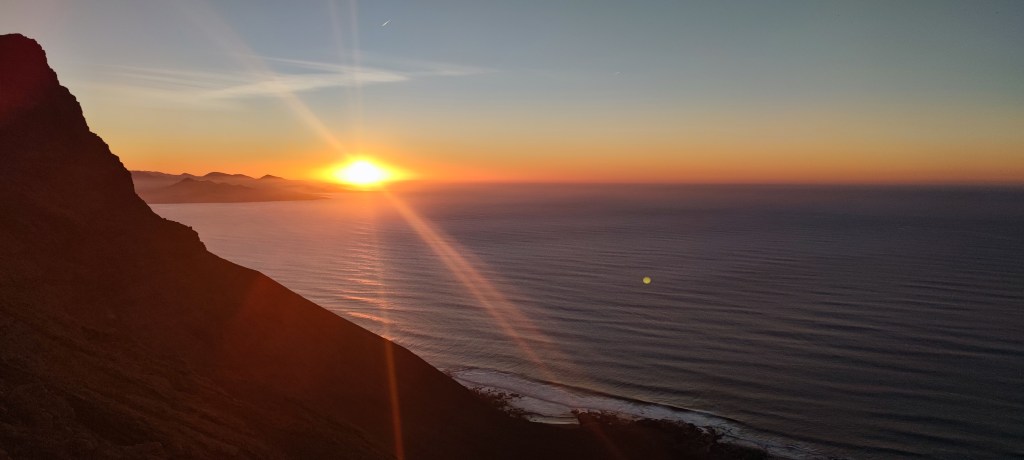
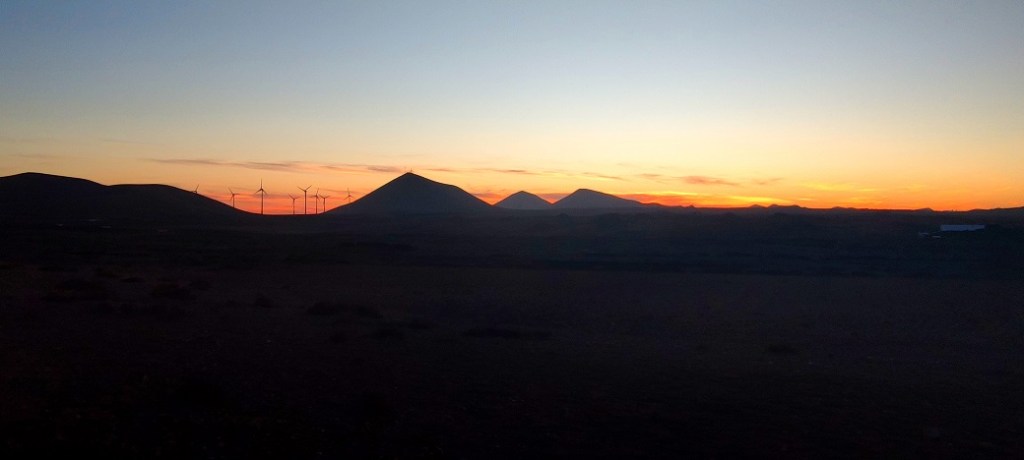
I think the best time to enjoy the incredible views from Mirador del Río (River Viewpoint)or Mirador de Guinate (Guinate Viewpoint) is during the golden hour of sunset. Just look at my photos, they will be the best proof to convince you that the views are really fascinating. Both viewpoints are located in the northwest of the island and easily accessible from the road. The Mirador del Río has a paid entrance, although it is not necessary to enter to contemplate the landscape and La Graciosa Island so close to Lanzarote. Of course, be careful, since the ground around the viewpoint is somewhat slippery and it is better to wear good shoes to avoid falling on your ass, as it has happened to me.
VISIT JAMEOS DEL AGUA, GREEN CAVE & CACTUS GARDEN
As I told you, Nature is linked to Art in Lanzarote, and the visit you can make to Jameos del Agua, Jardín de Cactus (Cactus Garden) or Cueva Verde (Green Cave) demonstrates this. They are really spectacular places. To enter them you have to buy a ticket, but I advise you to buy a voucher, since the price is somewhat cheaper this way.
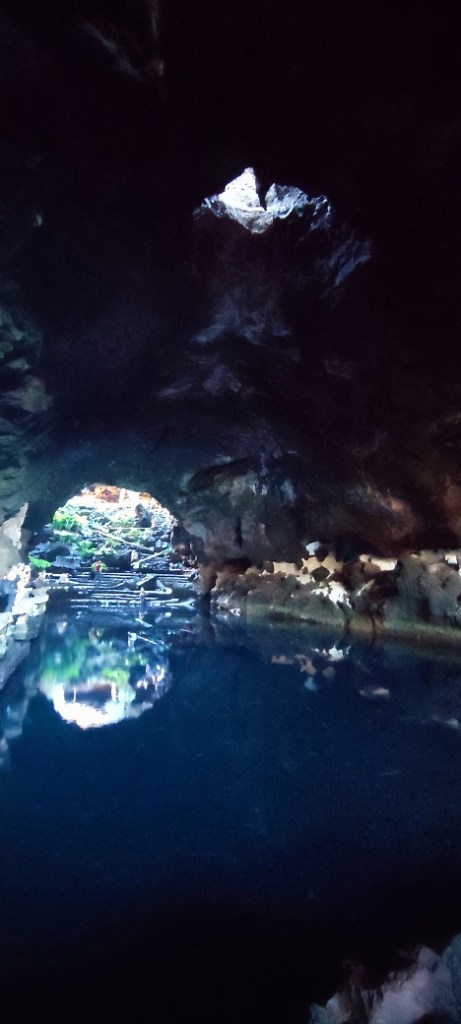
In the Jameos del Agua, the Spanish artist from Lanzarote, César Manrique, knew how to embrace Nature and Art, by transforming the collapse of the roof of a volcanic tube, produced by the lava of the Corona Volcano, into a unique place. He combined the blackish volcanic stone, basalt, with the green of the ferns and cacti, the icy white and the intense blue of water, thus creating a truly impressive place. A curiosity, the indoor pool is populated by white crabs, endemic to the island, Munidopsis Polimorpha. Visits are made from 10:00 a.m. to 5:00 p.m., and admission costs €10.
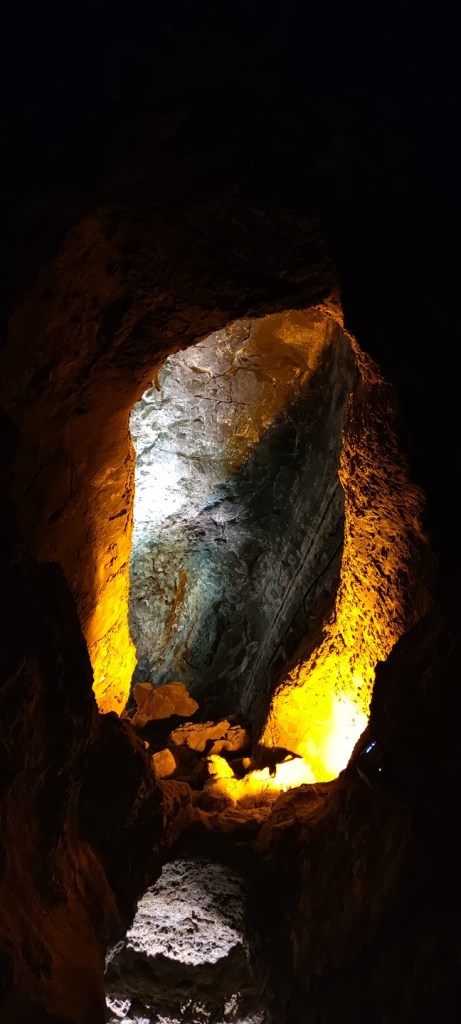
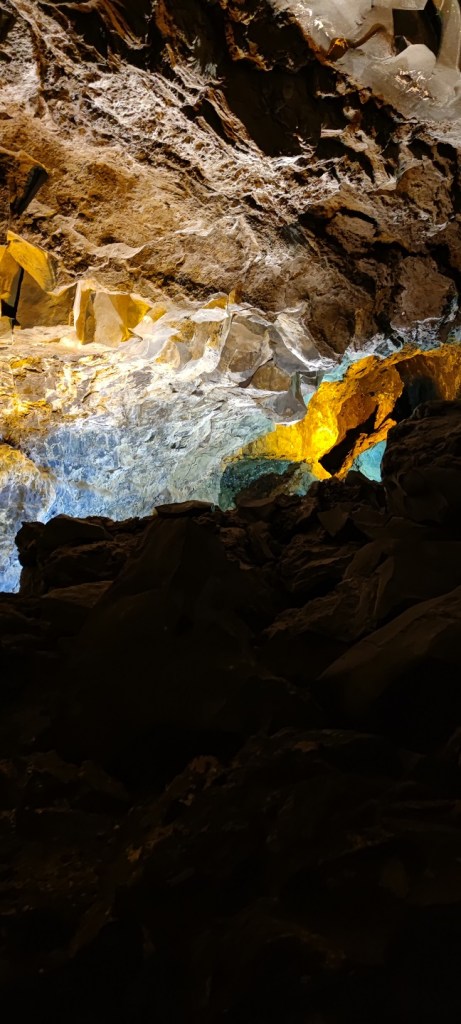
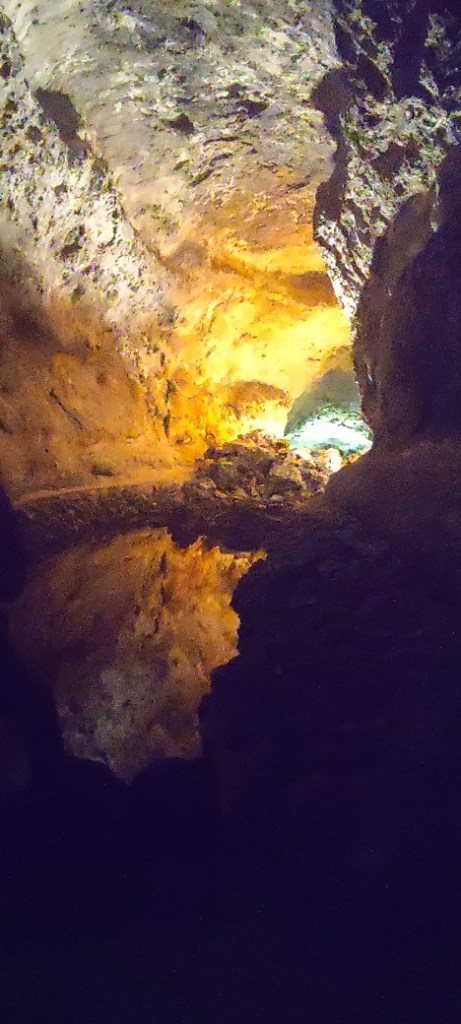
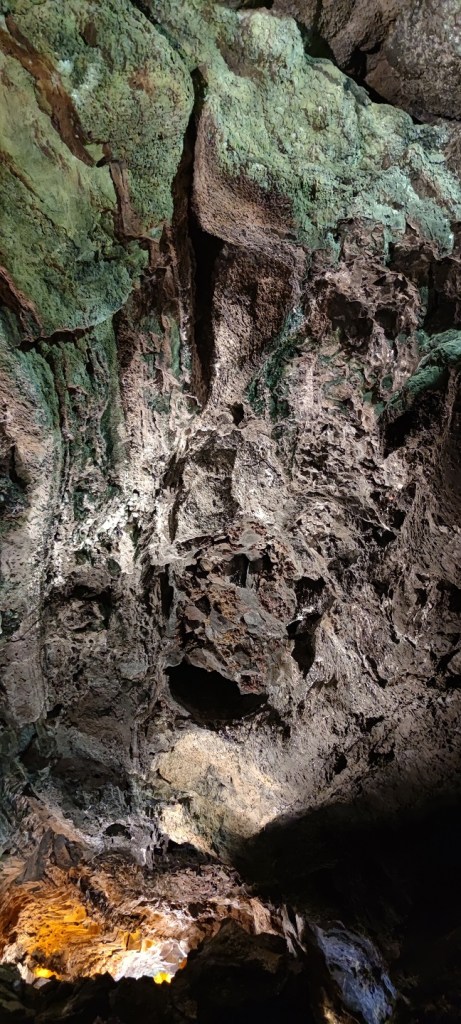
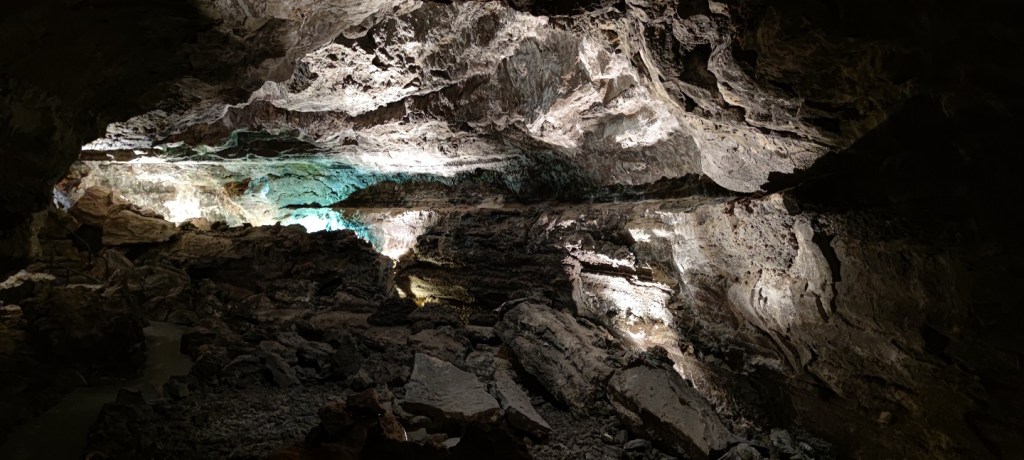
The Green Cave is a place with a lot of history and legends, formed naturally inside the volcanic tube of lava from the Corona Volcano. In the 16th and 17th century it was used as a hideout for North African pirate invasions. Since the 1960s, the artists Jesús Soto and César Manrique have made possible tourist visits to this grotto, in which ocher, grey, black and reddish tones predominate. Its grotesque landscapes and fanciful forms surprise visitors. The Cave consists of a 1km guided tour, and the timetable is from 10:00 a.m. to 5:00 p.m., the price of admission is €10.
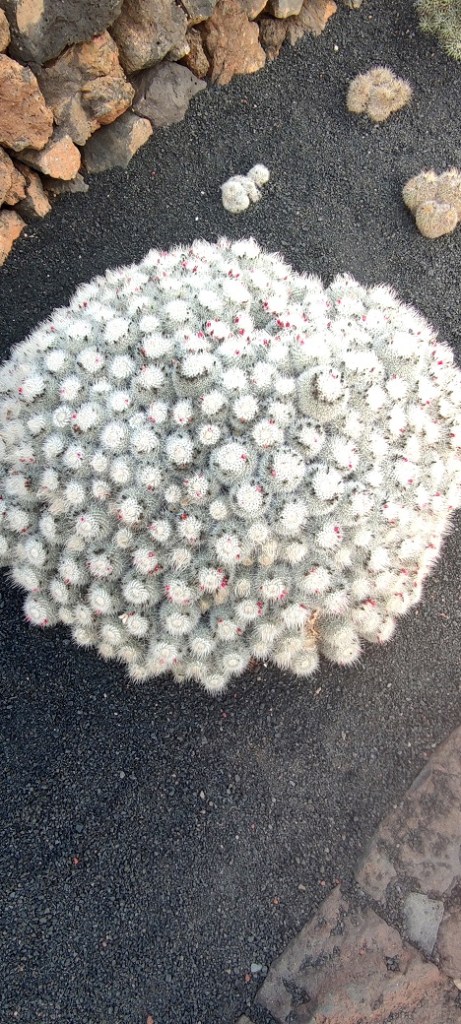
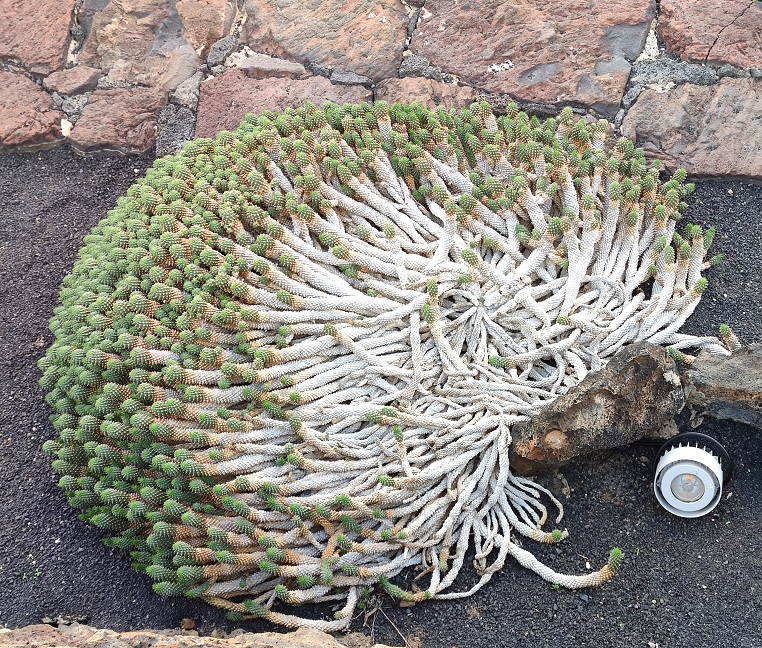
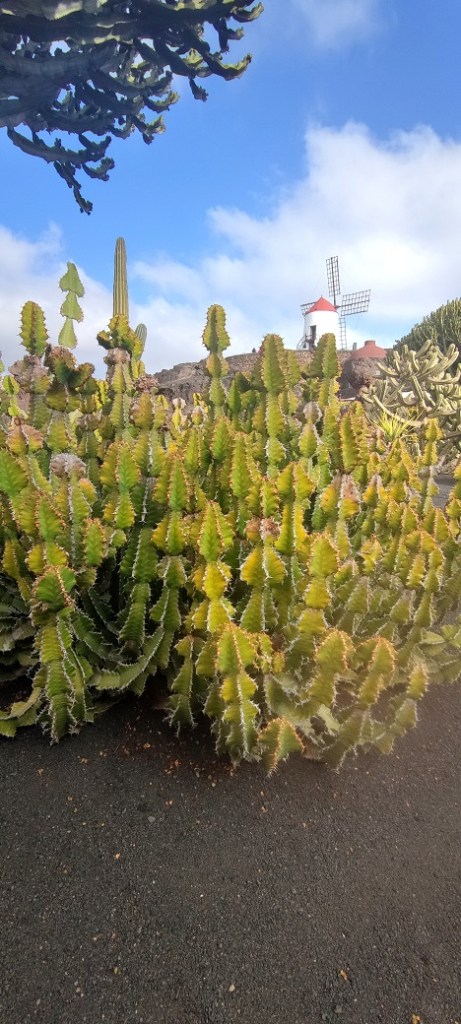
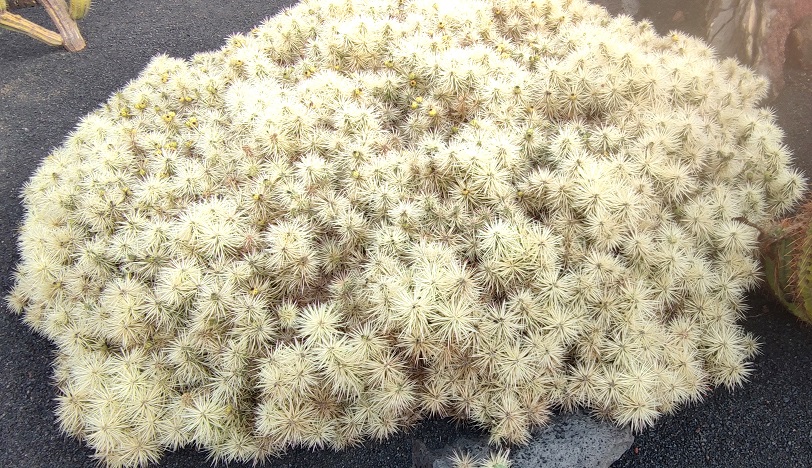
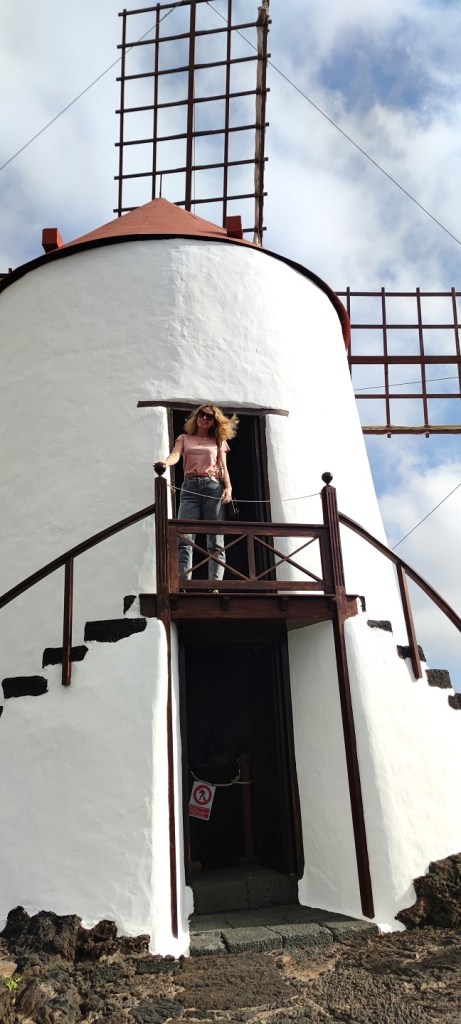
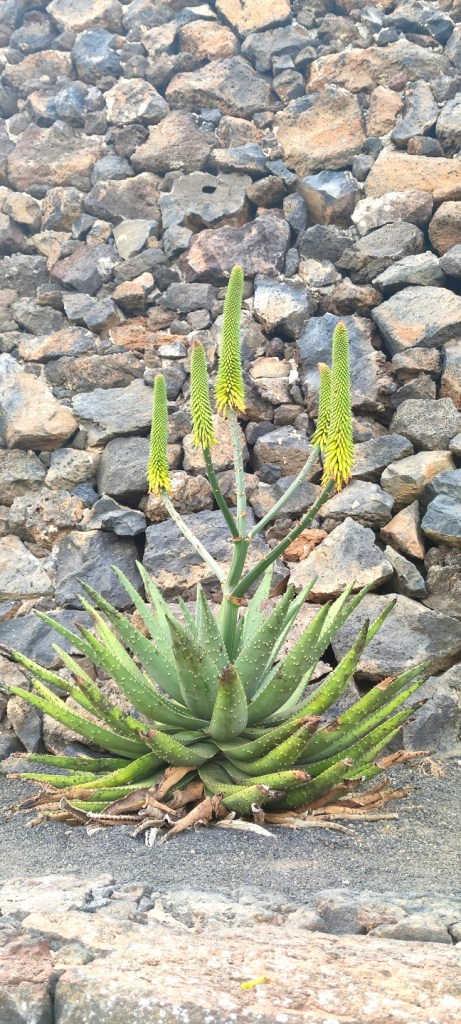
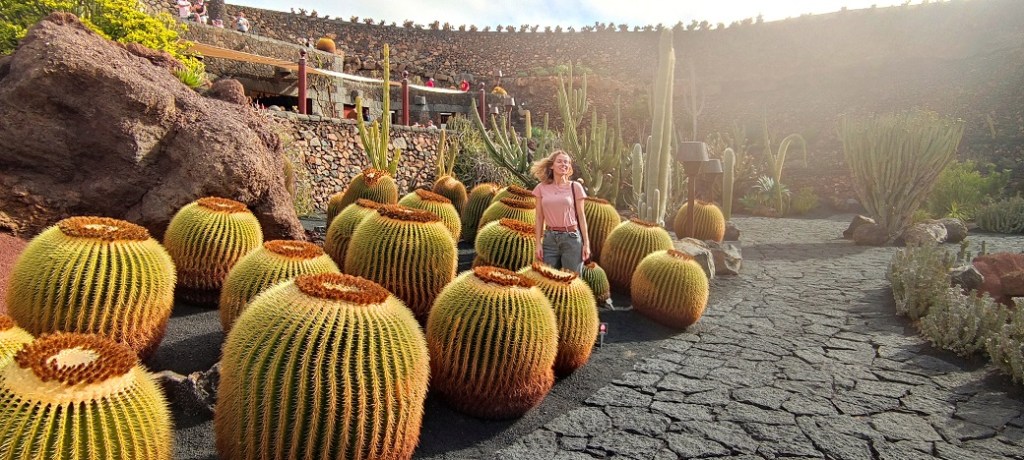
The Cactus Garden, located in Guatiza, is a magnificent architectural intervention by César Manrique integrated into the island’s landscape. The place is surrounded by an agricultural zone of cochineal cultivation, in it is possible to find up to 450 species of 13 families of cacti from all over the world. The explosion of shapes and colors, together with the song of the birds, make it a unique experience.
WHAT ELSE?
FAMARA BEACH
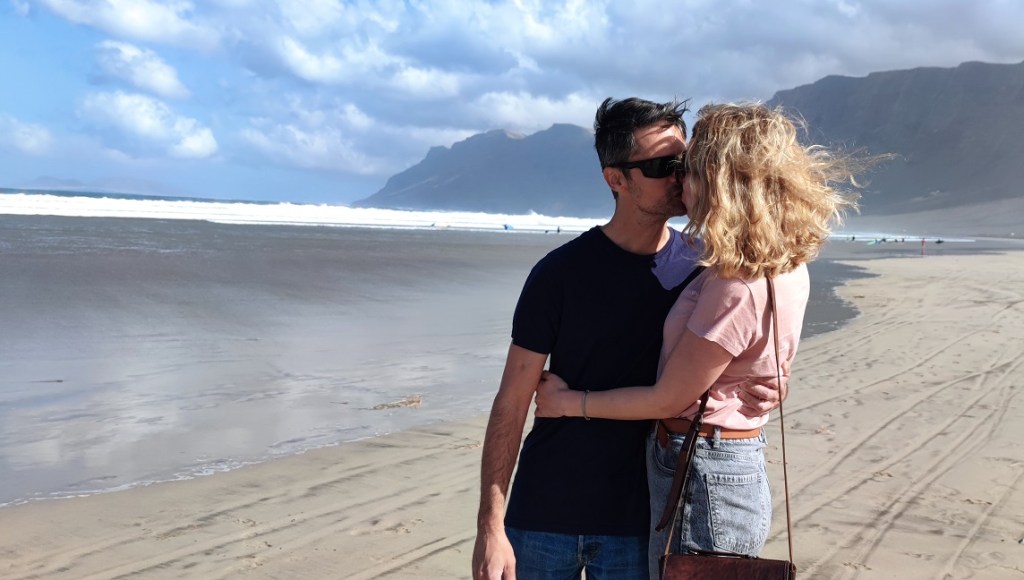
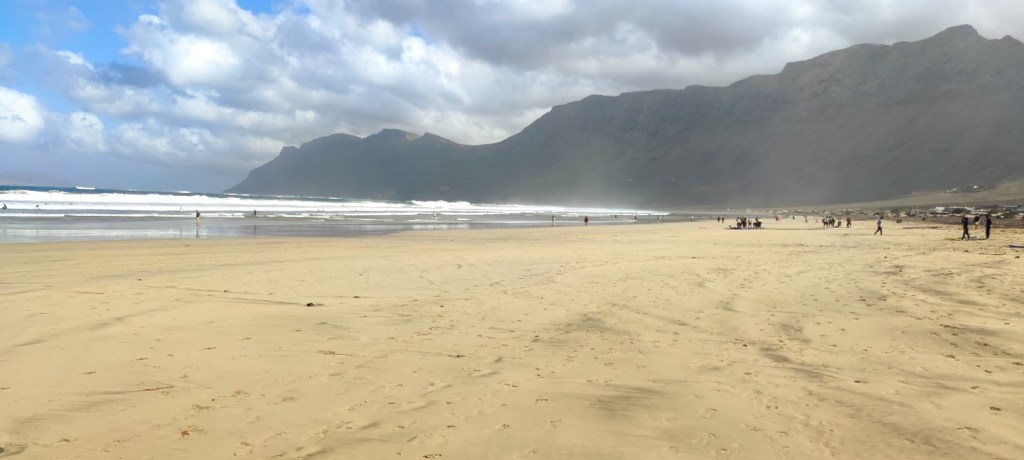
The Famara Beach it’s a very long beach located in the north of the island and it is a paradise for lovers of surfing and kitesurfing. It is sheltered by the highest mountains on the island, Peñas del Cache, 670m high. It has a special charm to take a walk in the early hours of the morning or at sunset, being able to contemplate the island of La Graciosa that is located in front of it.
TEGUISE: A HISTORICAL VILLAGE
Teguise is an inland town of Lanzarote, formerly the nucleus of the Maja Culture, the African aborigines. Due to its location, somewhat far from the coast, it was save during the frequent raids by Berber pirates. The Guanapay Mountain served as a watchtower for centuries, even so the town was looted by Barbary pirates on several occasions.
If you come to town I recommend you to try the Italian family restaurant Disfruto y Pizza to have a lunch there, and the Panaderia Jonnie Bakes, where you can try the delicious homemade sweets, made by the owner of the café.
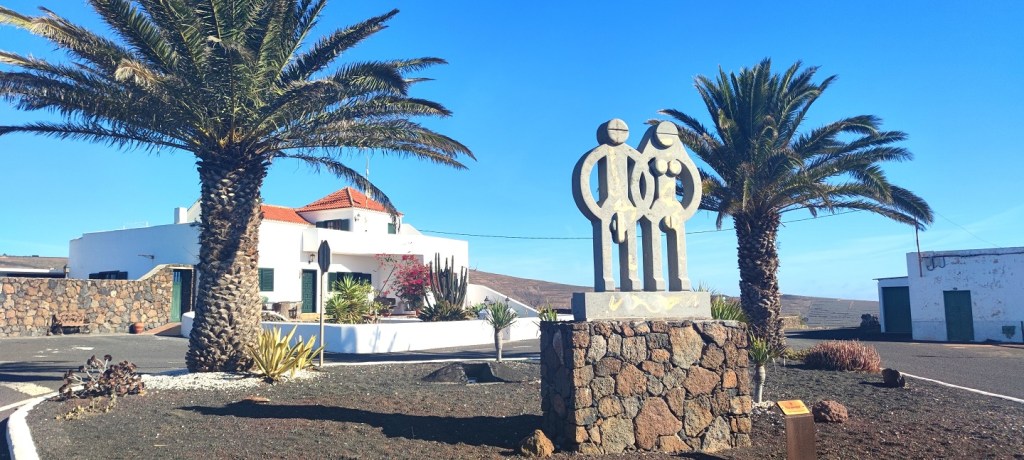
HIKING IN STRATIFIED CITY
Next to the LZ-404 road there is Stratified City, a place that seems to be taken from a surreal fairy tale, an eroded rock formation that sparks the imagination of visitors. The wind and the rain gave the rocks unique shapes among which I invite you to lose yourself to enjoy the island. A good option is to do a bit of hiking in the area.
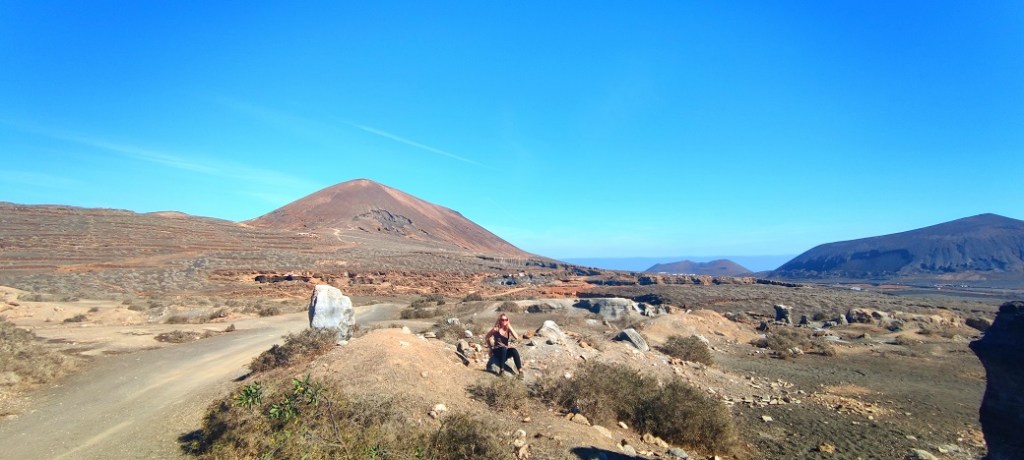
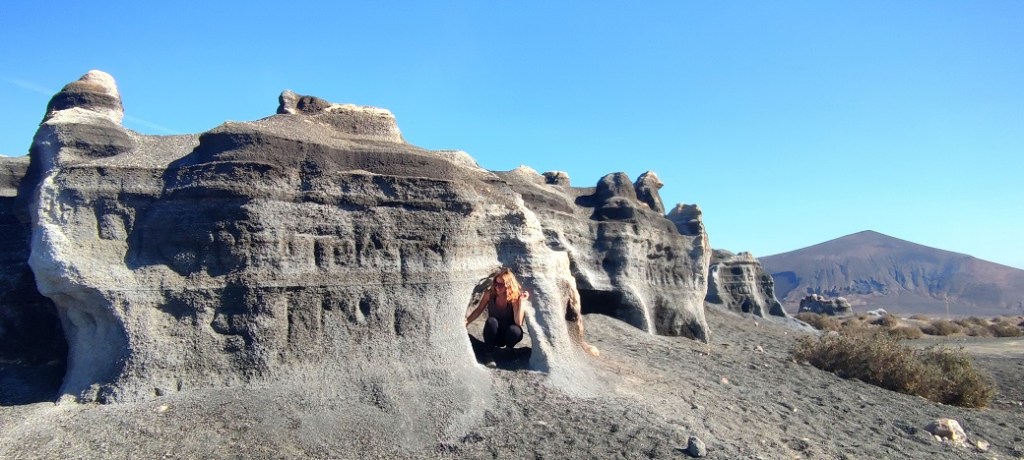
HIKING AROUND THE COLORADO VOLCANO
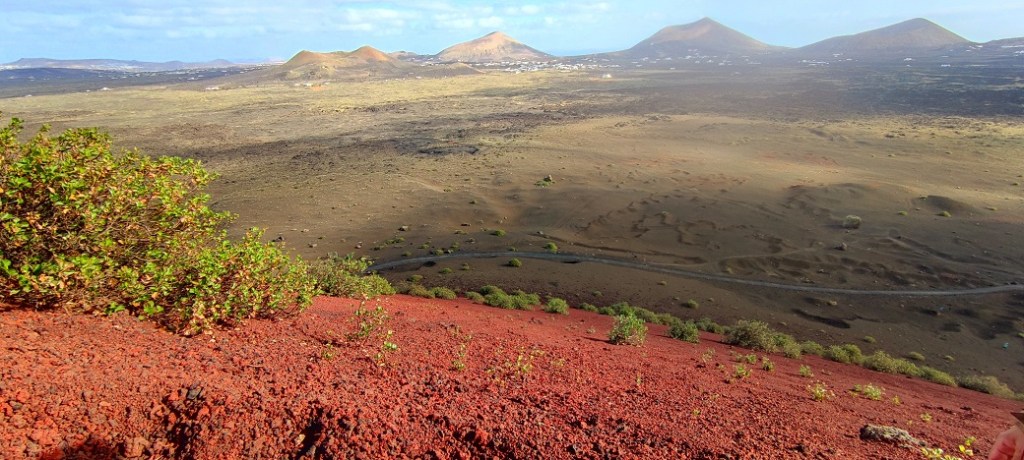
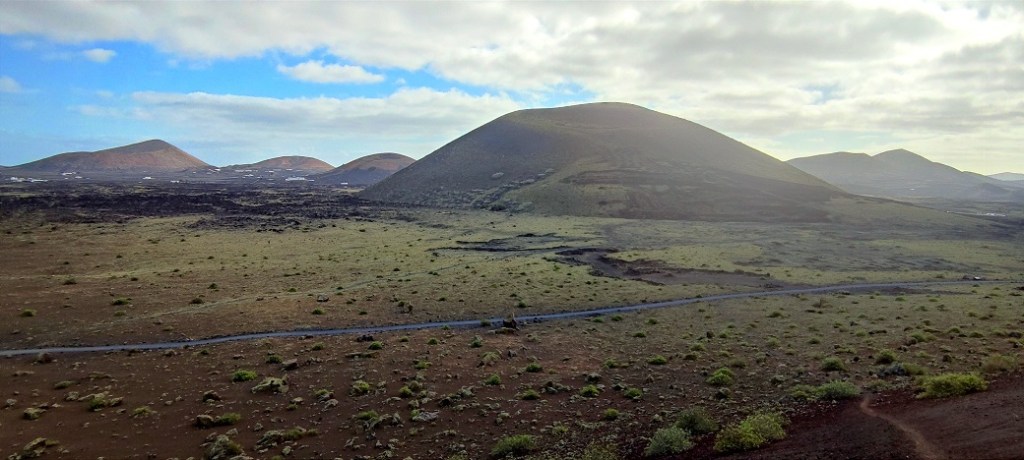
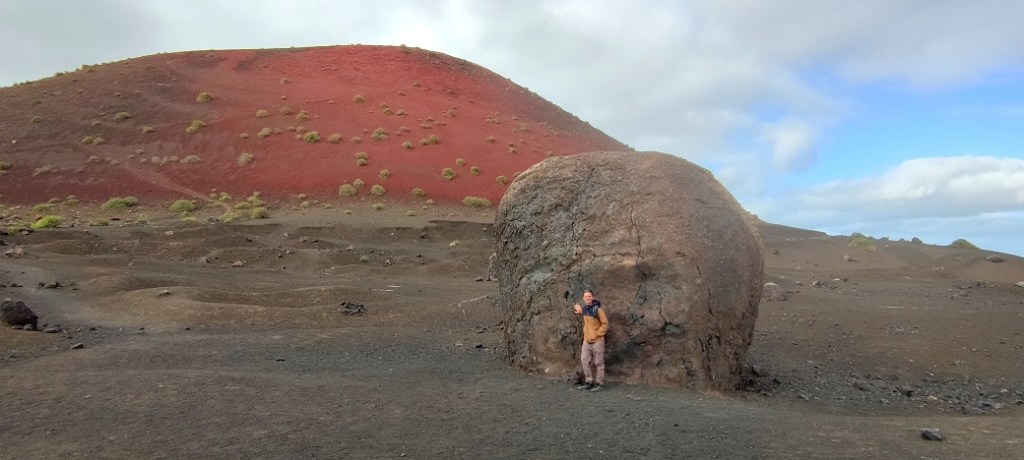
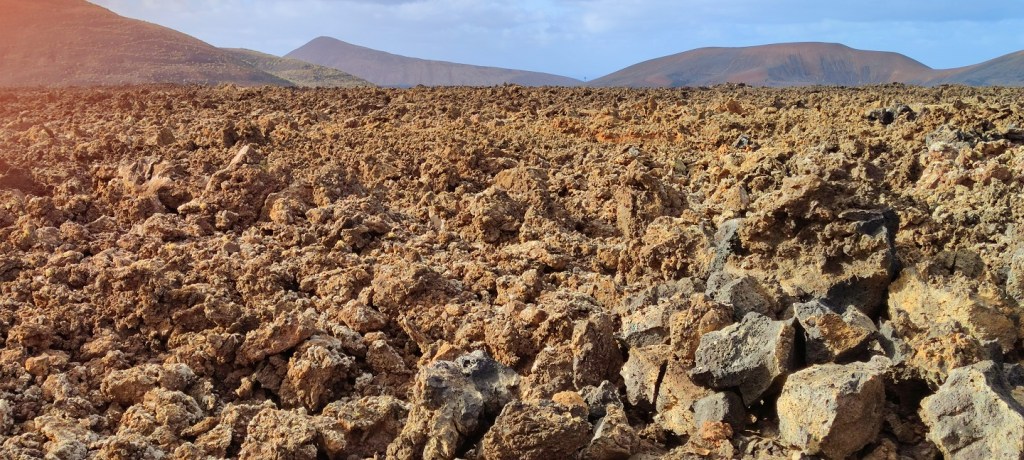
The name of the Colorado Volcano is due to its intense reddish color. To access it, it is necessary to travel along the LZ-56 road and leave the car parked in a designated area. The ascent to the volcano is not very long, but extreme precautions must be taken as it is somewhat inclined and with numerous loose stones. If you are not sure about going up the volcano, you can also take a walk around it and enjoy the scenery as well. Along the path, some volcanic bombs stand out, that is, rocks expelled from inside the volcano.
TIPS:
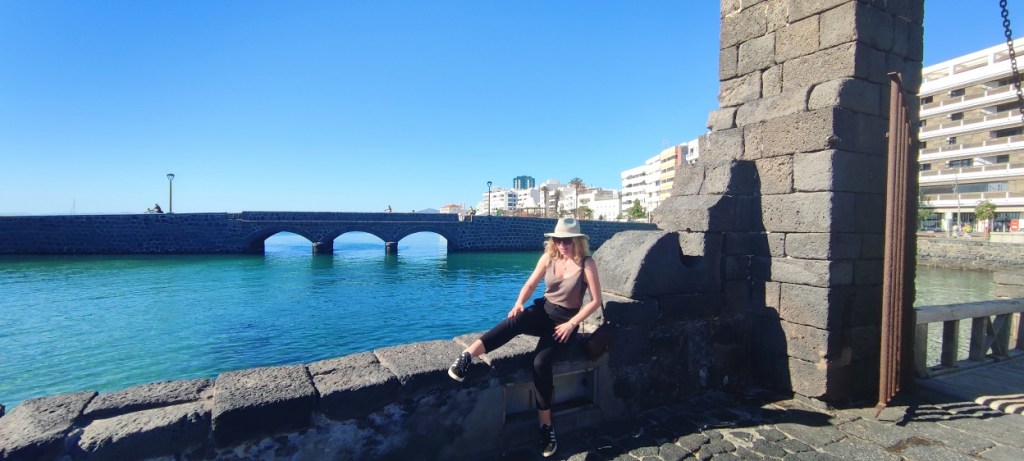
- To go hiking in the numerous volcanoes on the island, I advise you to wear good shoes, since the ground is slippery and quite steep, as well as good sun protection due to the high amount of sunshine. At such low latitudes, the sun’s rays fall perpendicularly.
- A good idea to save money on tickets is to buy a voucher for several tourist visits, in one of the places where you plan to start your visitation or directly through the Internet.
- Get around the island by bike, although if that’s not your thing, it’s better to rent a car. There is also quite regular bus service throughout the island. The main bus station is in Arrecife.
- Travel by ferry to La Graciosa or Fuerteventura islands. If the waves of the sea are moderate, I recommend you to take some pils for your stomach, you easily get dizzy during the trip. La Graciosa is a very small island that can be visited in a single day, while for Fuerteventura I recommend at least two days to visit the highlights of the island.
 all about eve`s journeys