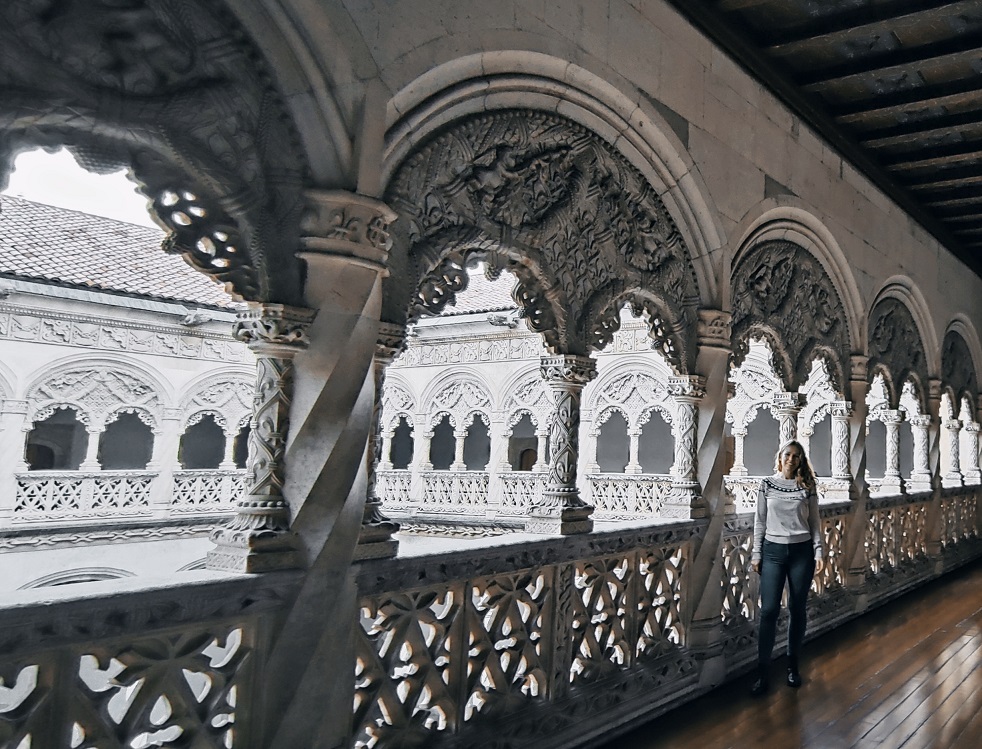
Valladolid, located in the northeast of the Iberian Peninsula, formerly the capital of Spain, is a city that will make history and art lovers fall in love with its wide range of cultural activities. In this historic city took place the wedding of the Catholic Monarchs and here Christopher Columbus spent his last years. If you plan to visit the city, in this article I describe the places you should not miss during your visit.
HIGHLIGHTS OF VALLADLOID
PLAZA MAYOR
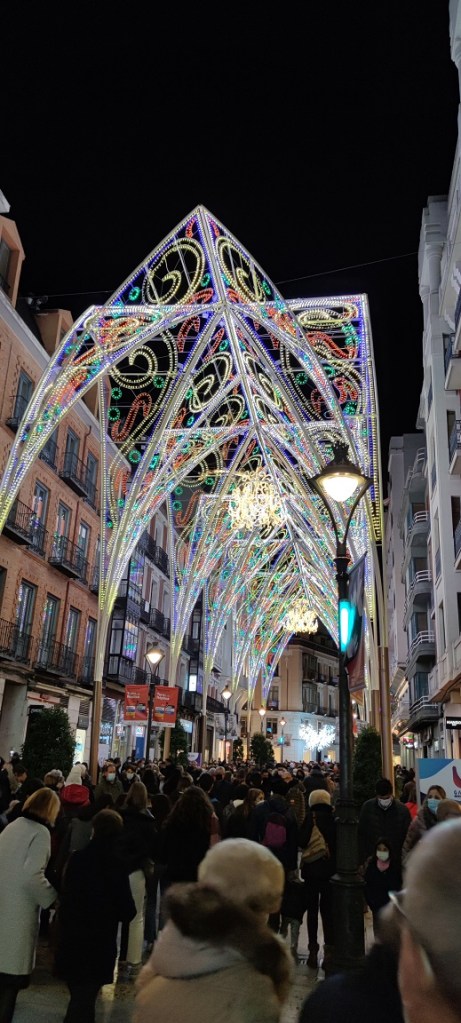
Plaza Mayor in Valladolid is one of the largest squares in Spain. It is known by its name from the year 1561, when the city was destroyed by a fire, after which, the Spanish monarch Felipe II ordered the construction of the square, the first in Spain with a regular shape. Plaza Mayor was built on a previous Market Square, around which the workshops of the guilds were located in medieval times. It has great historical interest, since, among others, the fearsome autos de fe, celebrated by the Inquisition, were held here. In Plaza Mayor you can also appreciate the beautiful façade of the City Hall, built in the 19th century. And if you come during Christmas, you will have the opportunity to enjoy the craft and food stalls, as part of the Christmas Market.
THE CATHEDRAL
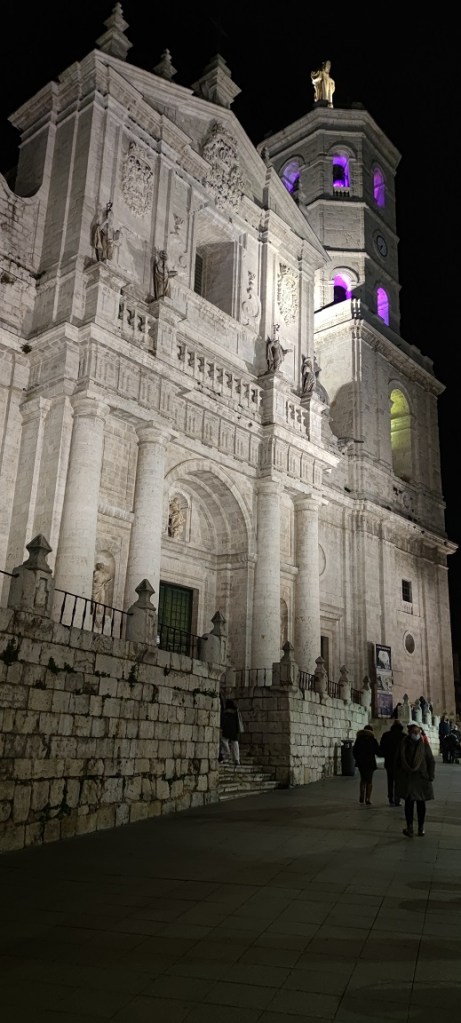
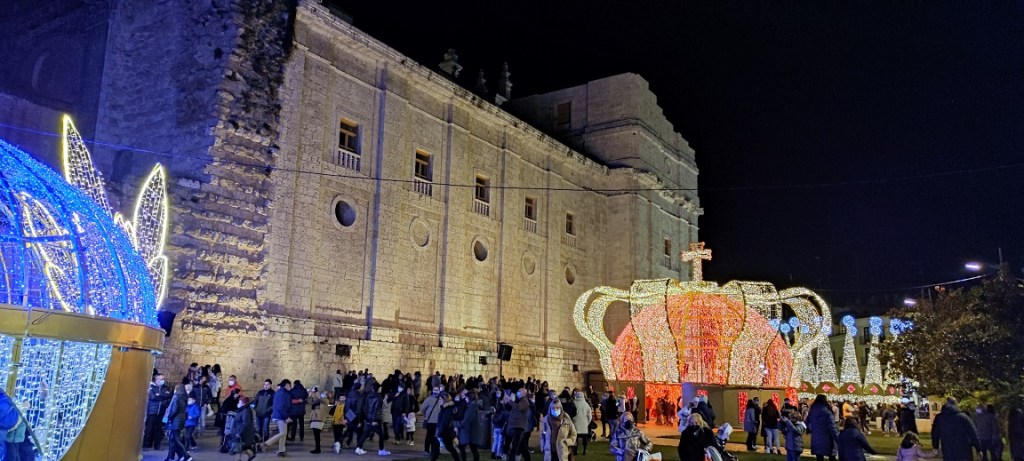
The Cathedral of Our Lady of the Assumption is in Herrerian style with baroque elements. It is called the Unfinished, “la Inconclusa”, as it was never finished due to economic problems. Inside the Cathedral you can find the grave of Count Ansúrez, the founder of Valladolid. I recommend you to visit the Tower of the Cathedral of about 60 meters high, from which you will have the possibility to contemplate the beautiful Valladolid. Likewise, the Cathedral houses the Diocesan and Cathedral Museum, where the remains of the old cathedral are found.
On the other hand, near the Cathedral there is the Santa María de la Antigua Church, from the 11th century, which stands out for its great elegance. Remains of the ancient Roman baths from the 1st-3rd century have been found under this church, confirming the presence of the Romans in the city.
SAINT PAUL CHURCH
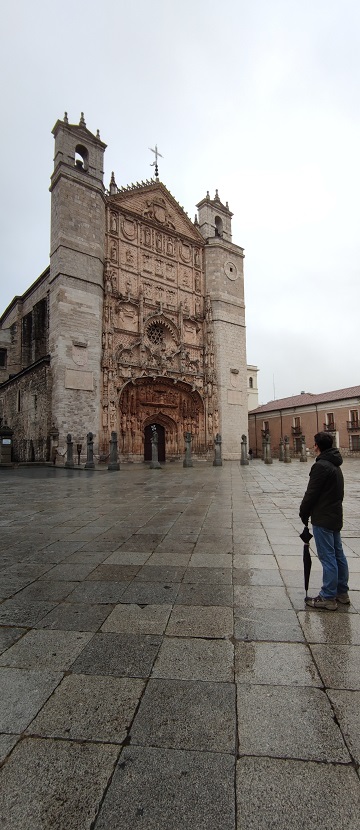
The San Pablo Church is one of the most representative monuments of the city. It is located in the small square that bears the same name, and in which the Pimental Palace and the Royal Palace are also located. Its construction began in 1260 thanks to the initiative of Violante de Aragón, the wife of the monarch Alfonso X el Sabio and belongs to the Dominican order. It was even visited by Napoleon himself. The most striking thing about this church, reduced in size, is its wonderful façade, which impresses visitors due to its great beauty. The creator of the façade was Simón de Colonia, who finished it in the year 1500 and represents the Elizabethan Gothic style.
NATIONAL SCULPTURE MUSEUM
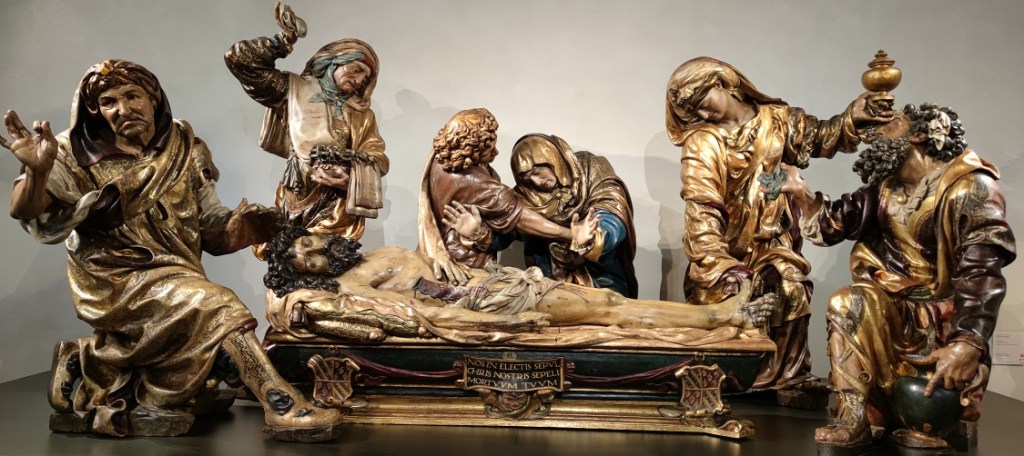
In the vicinity of the San Pablo Square there is the National Museum of Sculpture, a highly recommended visit for lovers of History of Art. The Museum was founded in the 19th century in relation to the confiscations of the Spanish politician Mendizábal and it represents a rich cultural and religious heritage that includes sculptural works between the 13th and 18th centuries. In it, you can find works of the sculptors as Gregorio Fernández, Andrés de Nájera, Pedro de Mena and Juan de Juni. Personally, my favorite work is the Magdalena Penitente by Pedro de Mena, from the Baroque era. I love the simplicity with which the Saint is represented, which gives the work great beauty. By the way, in the Museum there is another similar sculpture, Santa María Egipcia, which is often confused with Magdalena Penitente. I leave here the images of two of them, so you can see the similarities.
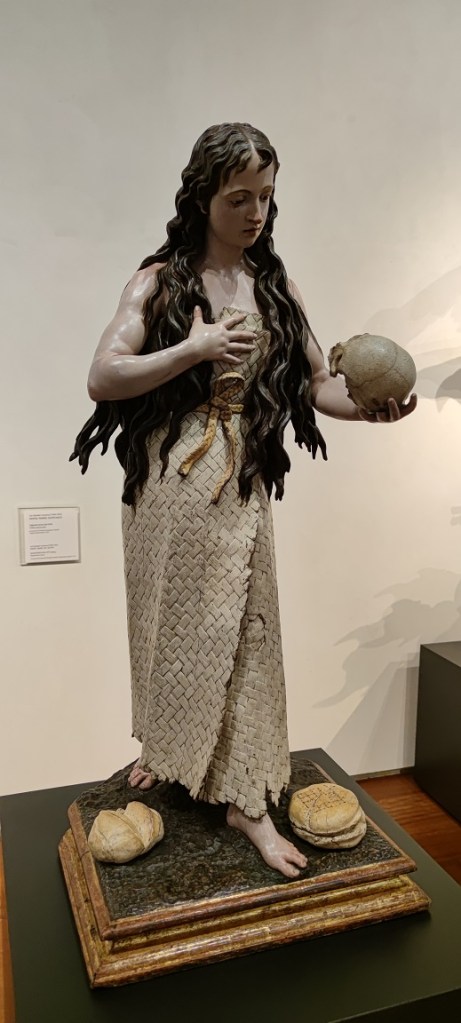
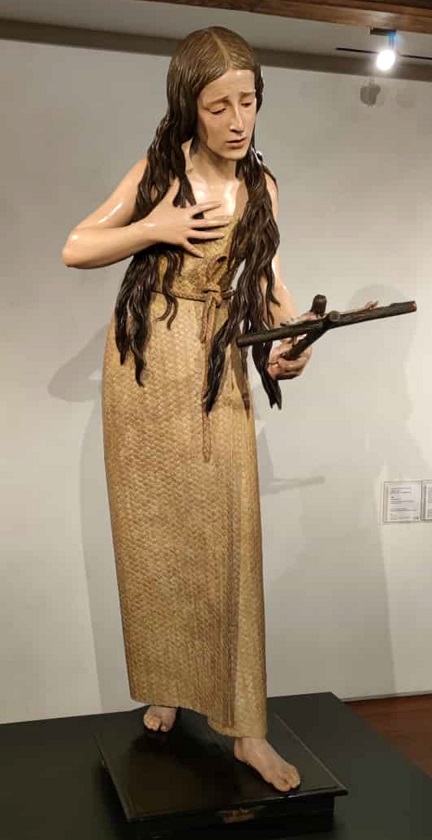
The Museum’s hours are from 10:00 to 14:00 and from 16:00 to 19:30, from Tuesday to Sunday and the price is €3, although on Saturday afternoon and Sunday morning admission is free.
ORIENTAL MUSEUM
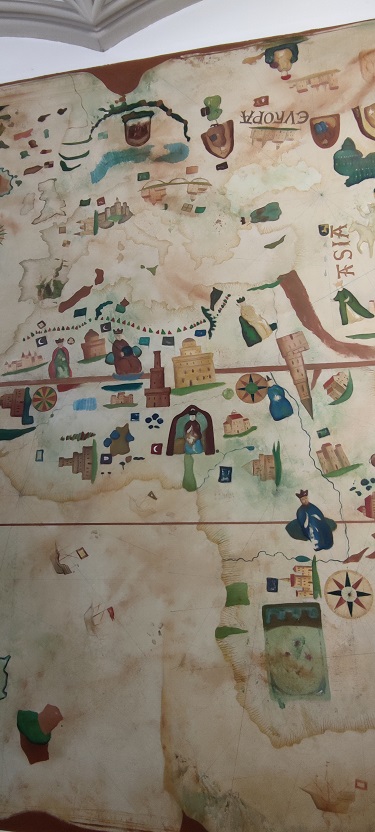
The Oriental Museum of Valladolid houses the most important collection of oriental art in Spain. The Museum was founded in the 16th century from the objects brought to Spain by sailors, adventurers and Catholic missionaries who returned home after their long journey through the East, including the Philippines, the country that owes its name to the Spanish king Philip II. At first the missionaries followed the course of the Manila Galleon or the Acapulco Galleon, but in 1869 the new route to these distant lands began to pass through the Suez Canal, which increased the possibilities of getting to know better the countries of the Far East and the arrival of artistic works from that area increased.
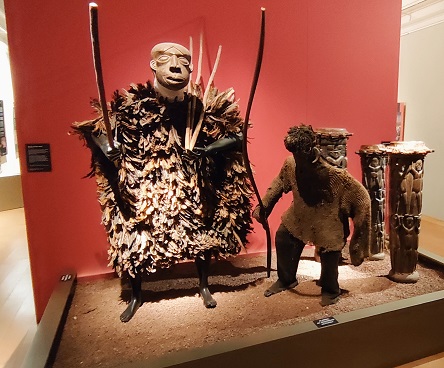
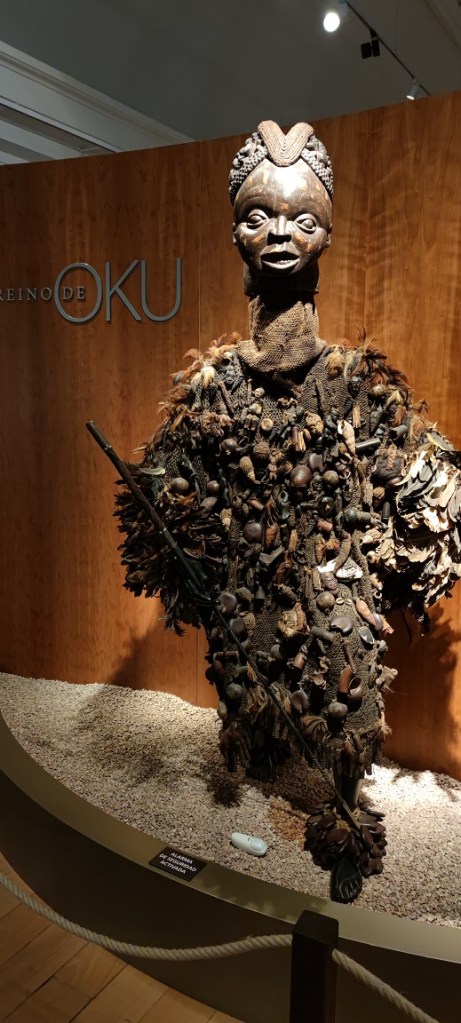
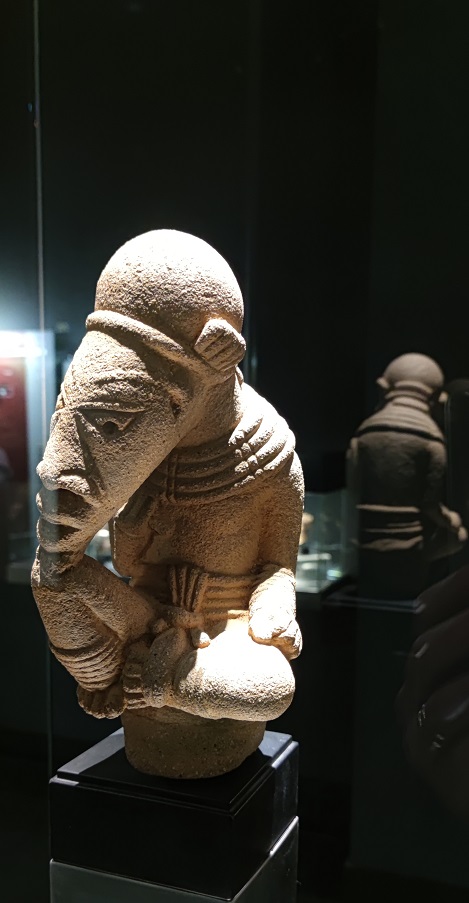
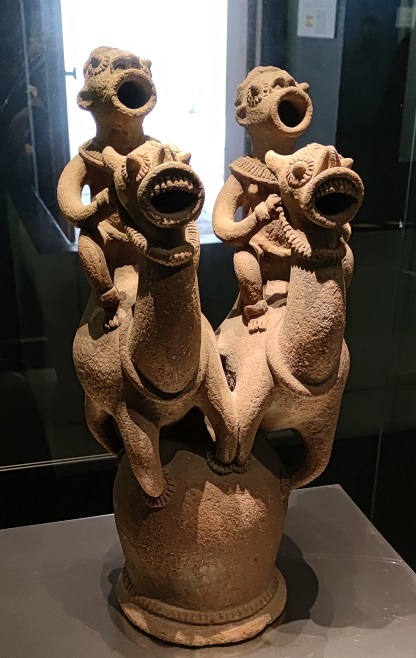
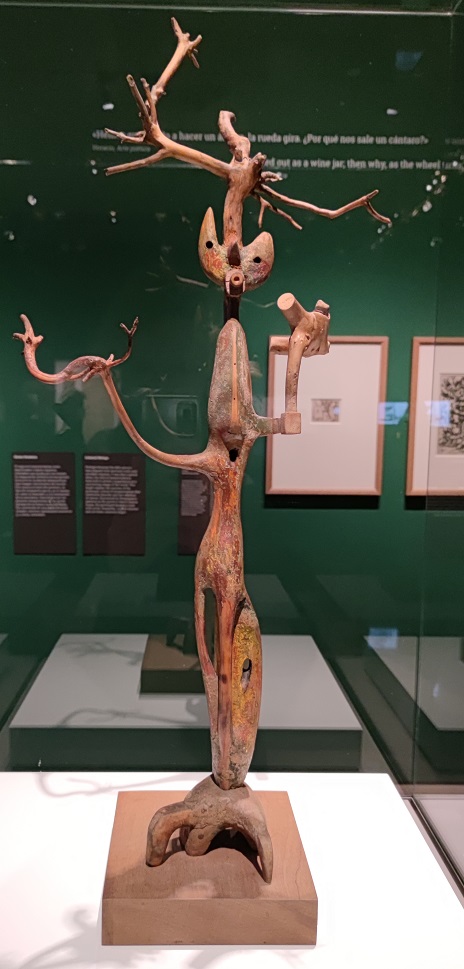
The Museum also has temporary exhibitions, I had the opportunity to see the most representative African works, when I visited and I leave you here some photos of these wonders.
AROUND THE CITY
In addition to getting to know Valladolid in depth, I recommend renting a car and taking a route through the nearby towns, full of historical and cultural heritage that will make you fall in love with this part of Spain. By the way, I don’t know if you were, but Valladolid belongs to the Community of Castilla y León, whose name is related to many castles that are in the area. No other place in Europe has so many castles, some of which recall the Middle Ages and the Muslim conquest of the Peninsula.
MEDINA DEL CAMPO
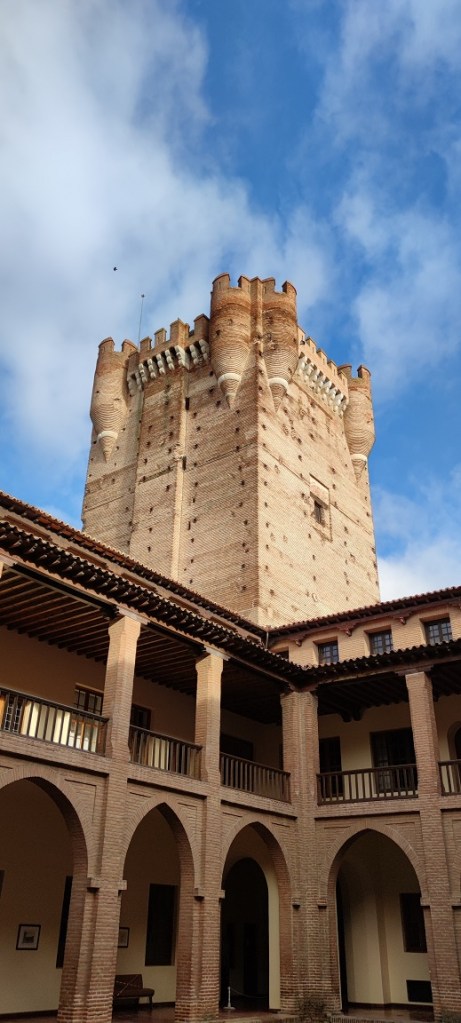
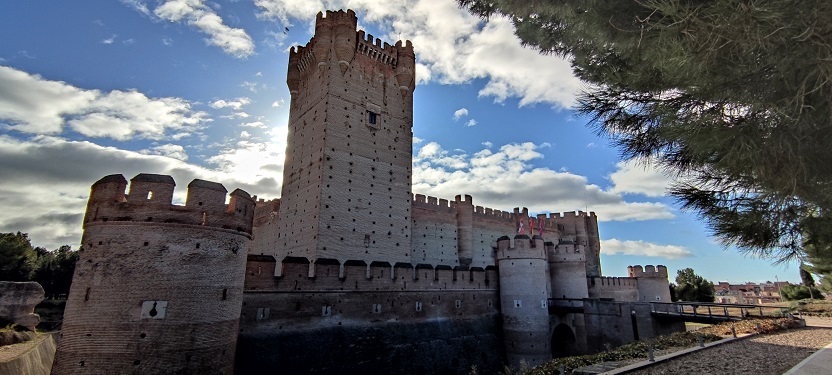
This picturesque town Medina del Campo was in past Europe’s main financial city and an important area for the wool industry. You should not miss the view of the Castillo de la Mota, which was provided by the Catholic Monarchs with a large defensive barrier with a modern underground shooting gallery and a large moat that surrounds the castle. According to legend, Cesar Borgia, the son of Pope Alexander VI, was imprisoned in this castle for conspiring with the enemy of King Ferdinand II the Catholic. However, in the end, the Pope’s son managed to escape thanks to Duke of Benavente, by lowering himself from a rope from his window.
TORDESILLAS
In the town of Tordesillas on June 7, 1494, the Treaty of Tordesillas was signed between the Catholic Monarchs and the Portuguese King John II, by virtue of which the division of the Atlantic and the Conquest of the New World (the Americas) was established. Today it is possible to visit the house where the 15th century Treaty was held.
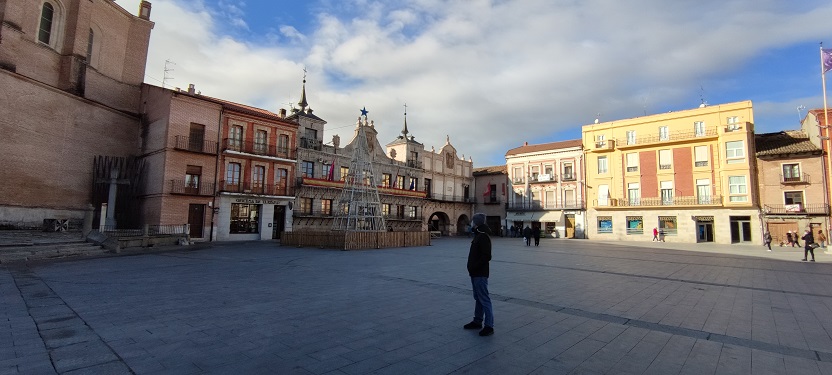
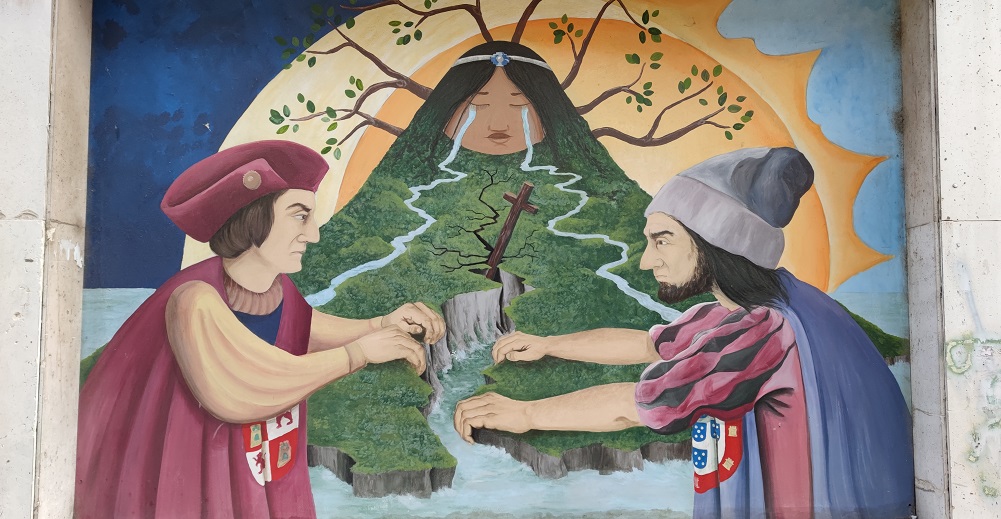
I recommend you take a walk around the city and get to know its beautiful Plaza Mayor, from the 17th century and with a perfect square shape with four streets leading to it. On the other hand, near the 15th century Bridge is the Santa Clara Monastery, built in 1340 by King Alfonso XI, whose visit is best booked in advance. Do not leave without buying some sweets that the nuns make, they are really delicious.
UREÑA – THE VILLAGE OF THE BOOKS
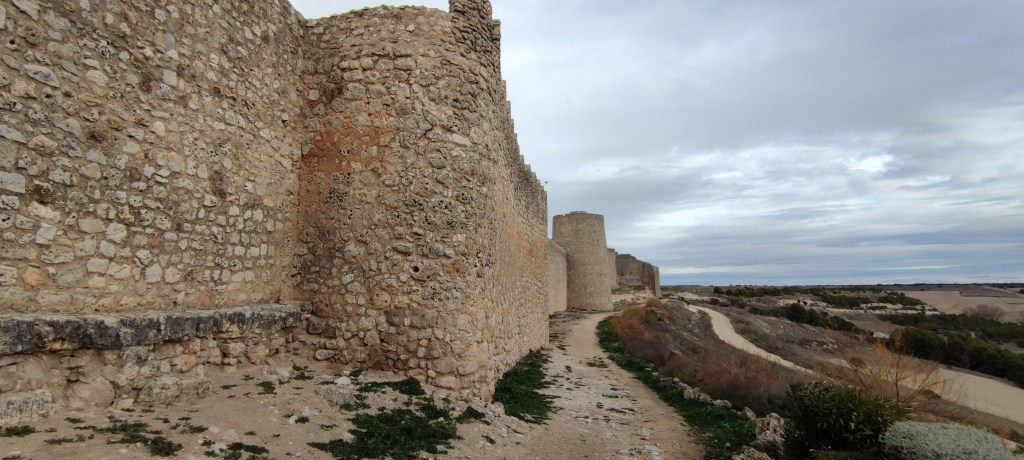
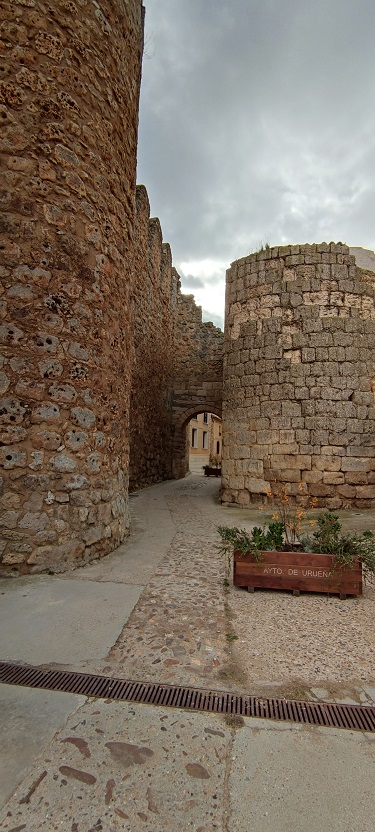
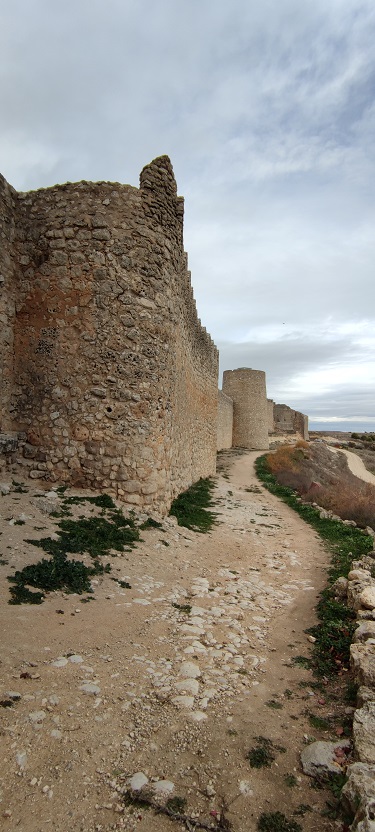
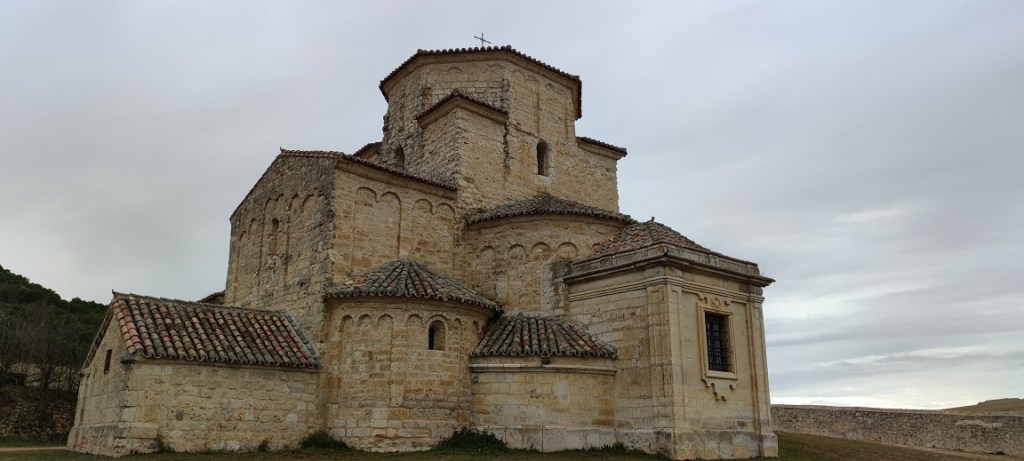
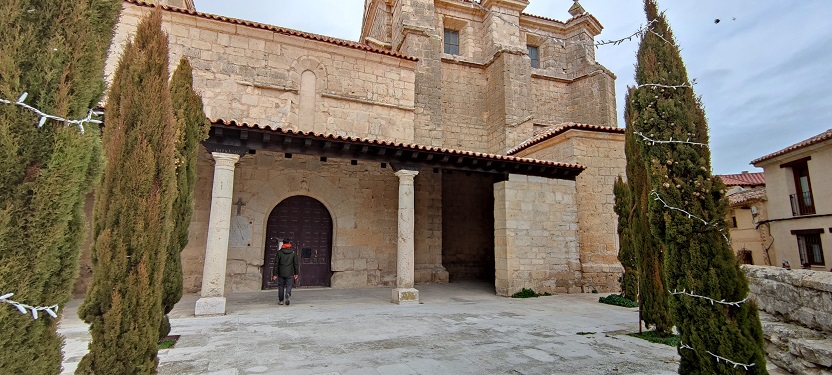
In my opinion, Ureña is one of the most magnificent places in Valladolid. It is a small town, completely surrounded by the medieval walls with towers of an old castle, through which you can take a walk and enjoy the panoramic view of Tierra de Campos. Its great interest lies in the fact that it has become a Book Village, so it has more than 16 bookstores where it is possible to find true literary gems. This cultural project was launched in 2007 and today it is a place very popular with tourists. Likewise, one kilometer from the city there is the Ermita de la Anunciada, in the Lombard-Catalan Romanesque style, the only one of its kind in all of Castilla y León.
TIEDRA CASTLE AND TRIGUEROS CASTLE
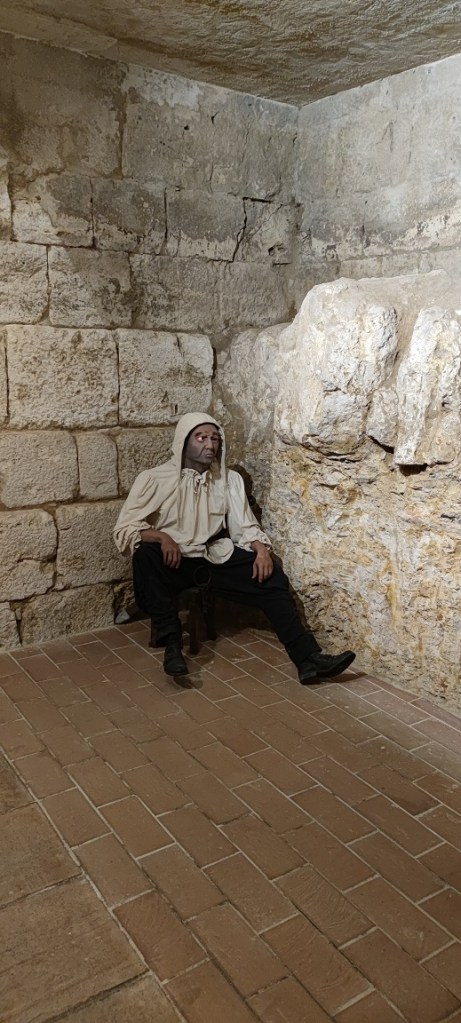
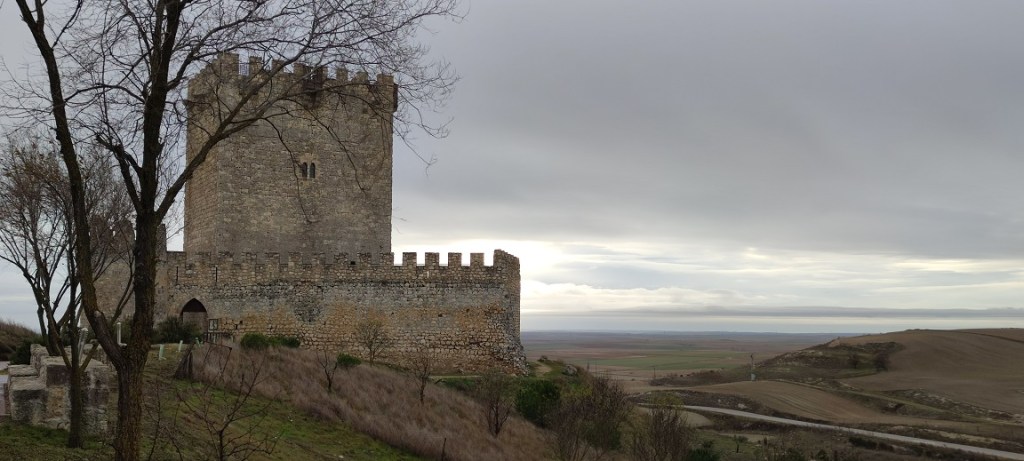
Here are two reconstructed medieval castles that you should not miss if you visit Valladolid. The Castle of Tiedra, which houses the remains of the Iron and Roman Ages, is a medieval castle with a square floor plan. In this castle, probably from the 13th century, took place a meeting between the famous medieval knight El Cid and the sister of the monarch Sancho III, Doña Urraca, who did not agree to hand over the city of Zamora and Valladolid to her brother, the king. The castle is divided into several floors, accessible to visitors, in which its history is explained and there is even some recreation of the prison, quite successful. One of the “prisoner” dolls scared me to death.
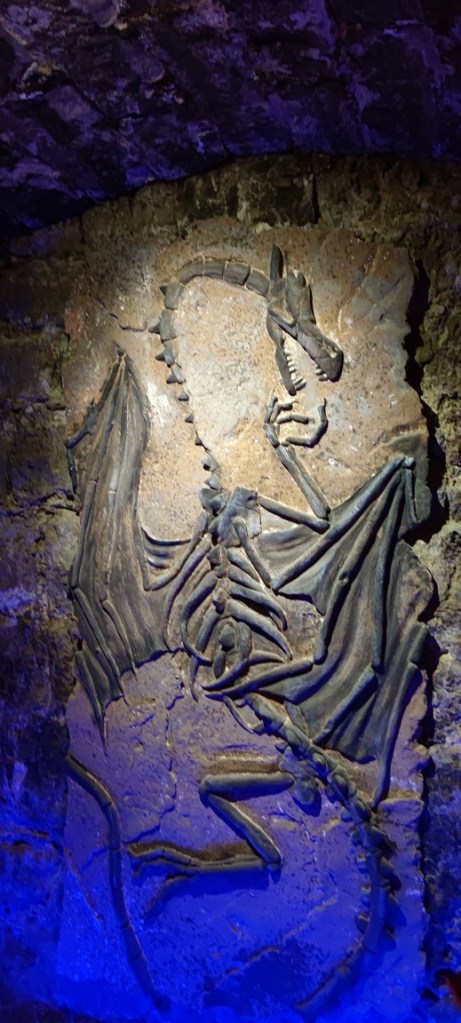
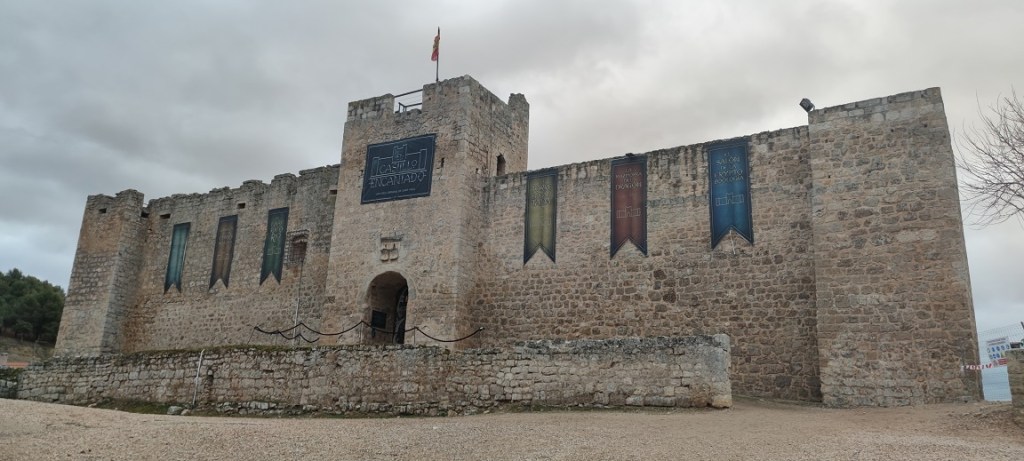
On the other hand, the Trigueros Castle is a place of terror that I recommend visiting, especially if you have children. In it, the world of monsters is recreated in a fun way, which, of course, will be a pleasant surprise for the little ones. There are even puzzles to find a secret entrance to the tower room!
WAMBA OSSUARY
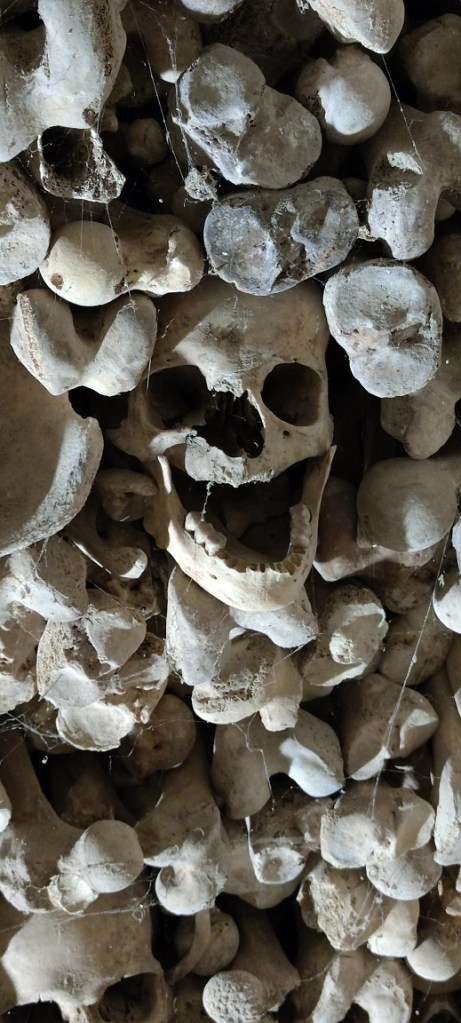
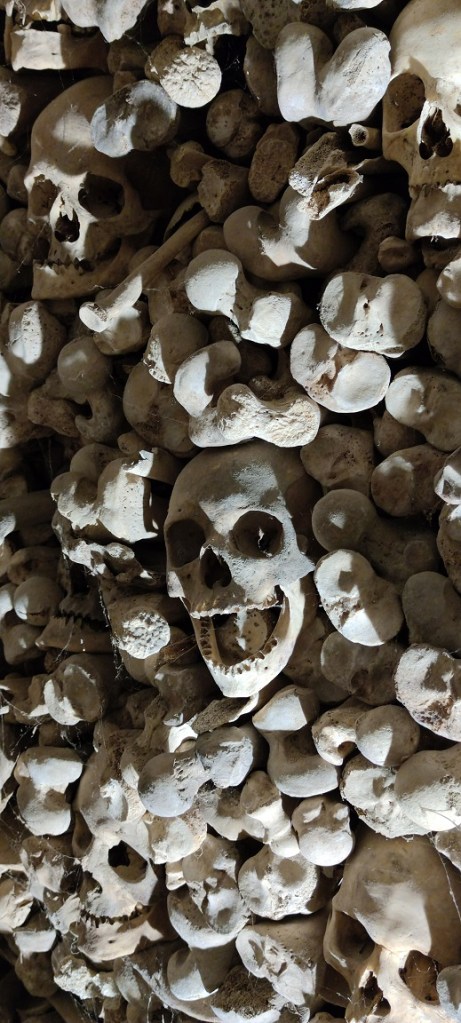
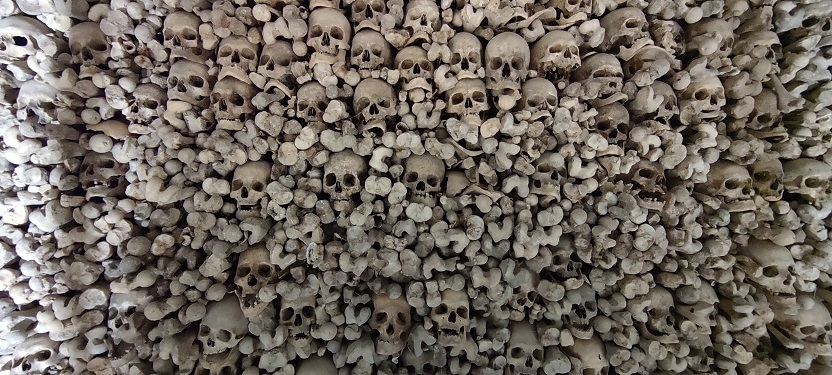
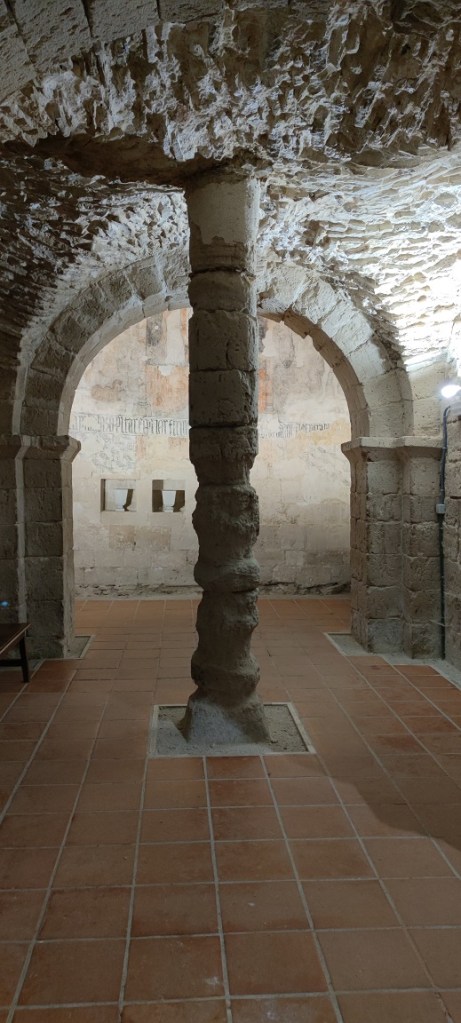
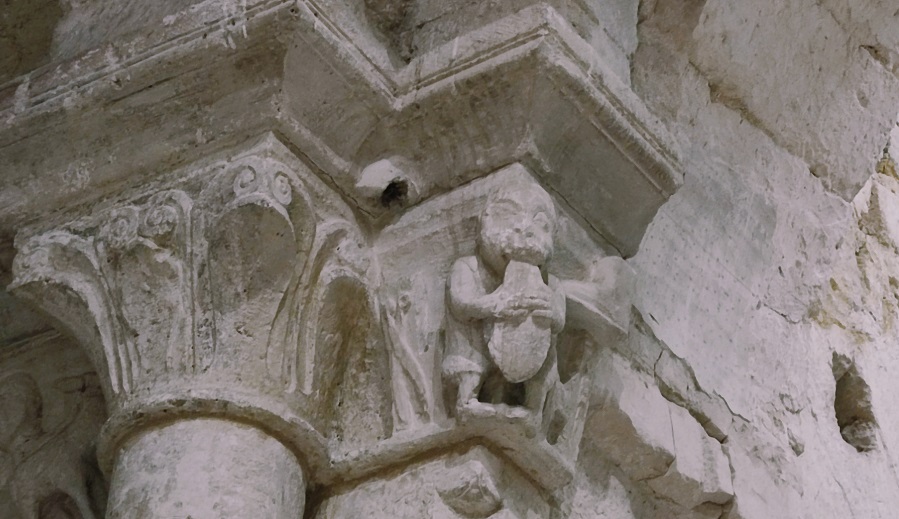
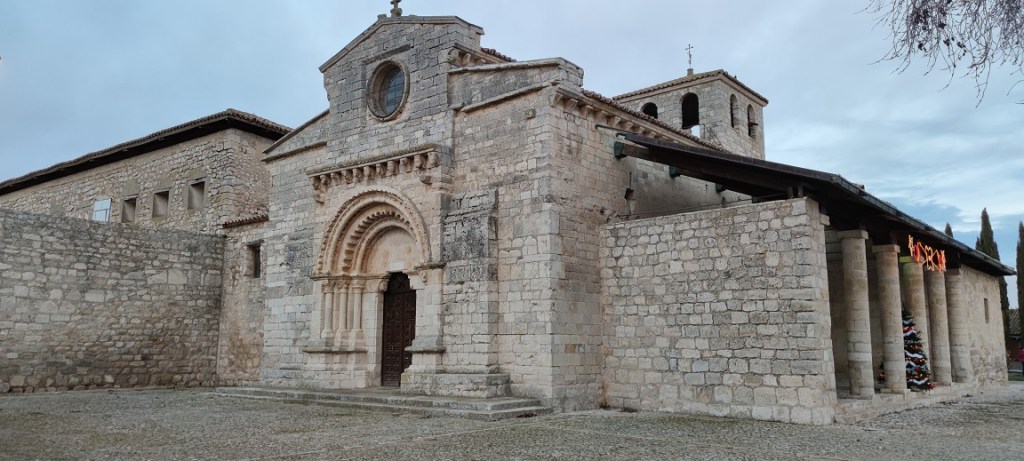
“As I see yourself, I saw myself, as you see me, you will see yourself”, can be read when entering the closed cubicle decorated with hundreds of skulls and bones of monks, as well as men, women and children, collected between the 13th and 17th century. It is the Wamba Ossuary, located in a small town near Valladolid, which receives its name in honor of the Visigothic king. To enter the Ossuary it is necessary to first visit the Mozarabic church of Santa María de la O., whose name refers to the pregnant Virgin. It is better to book the tickets in advance, although in our case we went at the time of the last visit, 6:00 p.m., and being only two people, the guide allowed us to join the previously organized group.
TIPS:
• Visiting Valladolid at Christmas you will have the opportunity to enjoy the Christmas Market that is usually located in the Plaza Mayor.
• In the monasteries ask if they sell any sweets. In Spain, religious people usually make and sell really delicious sweets, made in a traditional way.
• Before going to the sites, check the timetable and if it is necessary to reserve tickets in advance, you may be left without the possibility of visiting a monument if you do not bring your previously purchased tickets.
 all about eve`s journeys