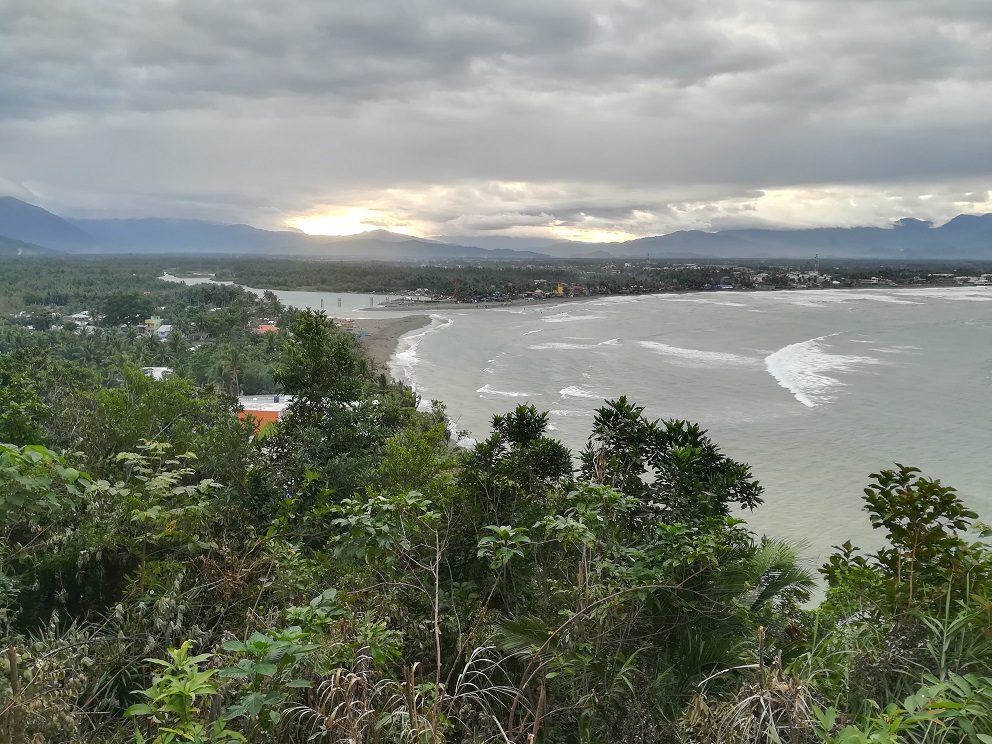
The Philippines is well known for its wonderful islands, such as Palawan, Coron or Bohol, however, the Luzon island itself, on which the Philippine capital Manila, is located, offers visitors numerous opportunities for short excursions in which it is possible to explore landscapes of unique nature and delve into the culture and history of the Philippines. Now, I am going to show you some of my favorite sites, in this article we start with Baler.
BALER: A CITY WITH SPANISH HISTORICAL INFLUENCES
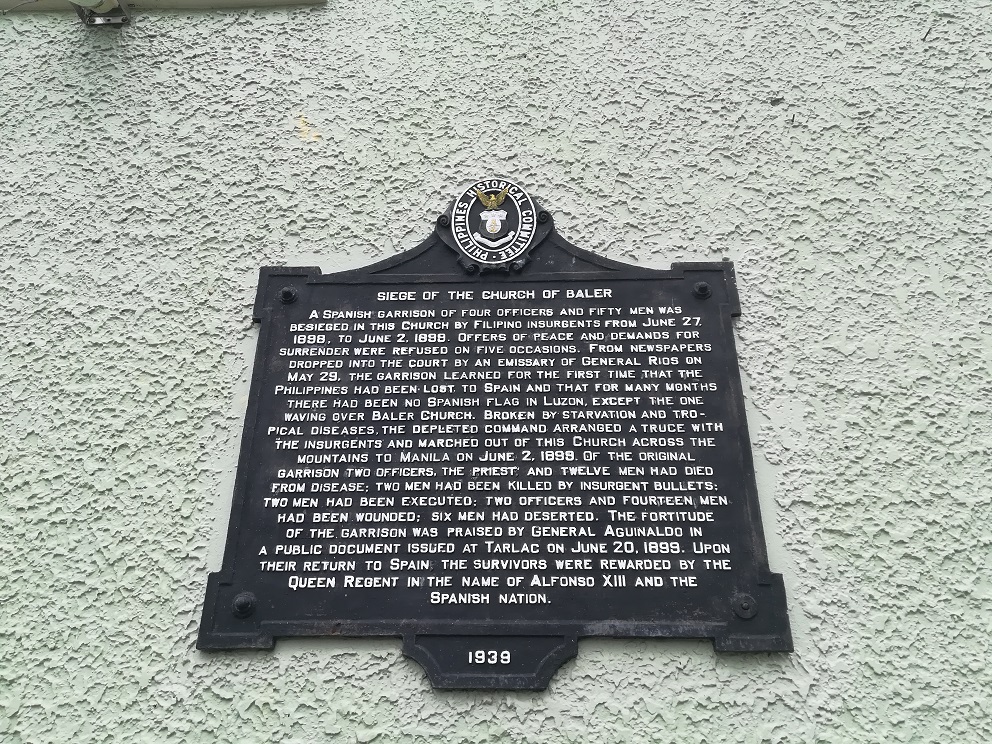
Nowadays only few of you remember that the Philippines was conquered by the Spanish Empire in the 16th century. In fact, the name of the country is directly related to the Spanish monarch Philip II, grandson of the Catholic Monarchs. In 1898 Spain lost its last colonies: Cuba, Puerto Rico and the Philippines, after the Spanish-American war. However, the Spanish troops located in Baler did not give up, and held out for another year, occupying the church of this city, which became a true battle site. Later their great value was recognized for their fight for the interests of the country. Currently on the facade of the Catholic temple there is a commemorative plaque of the event.
By the way, if you travel to the Philippines and speak Spanish, you will be surprised that there are still numerous words from this language that have been included in Tagalog (a language spoken on several Philippine islands), such as table, fork, knife, spoon… and many more.
WHAT TO VISIT IN BALER
- BALER CHURCH
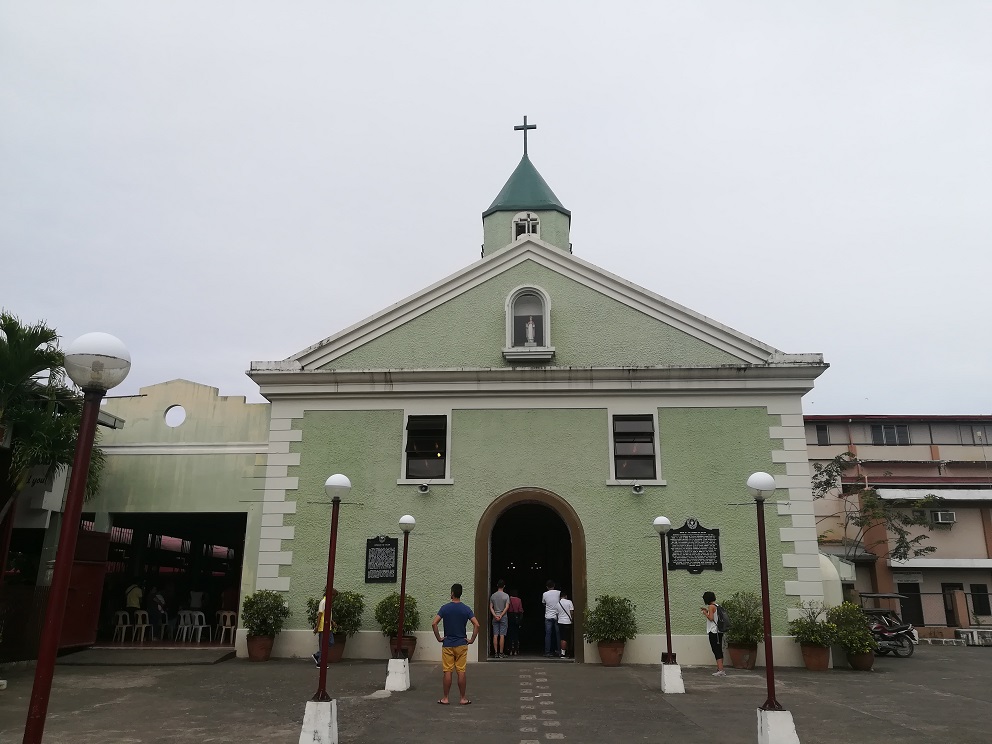
In 1611 the Baler Church was built, initially with bamboo and nipa, levees used for the roof, although later the church was rebuilt in stone. Right here, as I was telling you, the Baler Siege took place, where the Spanish troops and the independence fighters clashed. The famous Baler Bell was located in this church, brought by the monk José de Esperagoza in the 17th century, which has a very characteristic and deep sound, which can be heard even in nearby towns.
- THE MUSEUM OF BALER
At the Baler Museum you will have the opportunity to learn more about the rich history of the province of Aurora. Inside you will find exhibits on the Dumagat and Ilongot ethnic groups, as well as information about Manuel L. Quezon, the second Philippine president, and the Baler Siege.
- DOÑA AURORA ARAGON-QUEZON HOME
In the vicinity of the museum there is the birthplace of the second Philippine president’s wife, Doña Aurora Aragon-Quezon. The house, built with traditional techniques that use wood and nipa leaves for the roof, is located on the corner of Rizal and St. Luis streets. The second First Lady won the hearts of the people of the Philippines for her great humanitarian work, as well as chairing the Philippine Red Cross and getting involved in the fight for women’s suffrage.
- THE HANGING BRIDGE
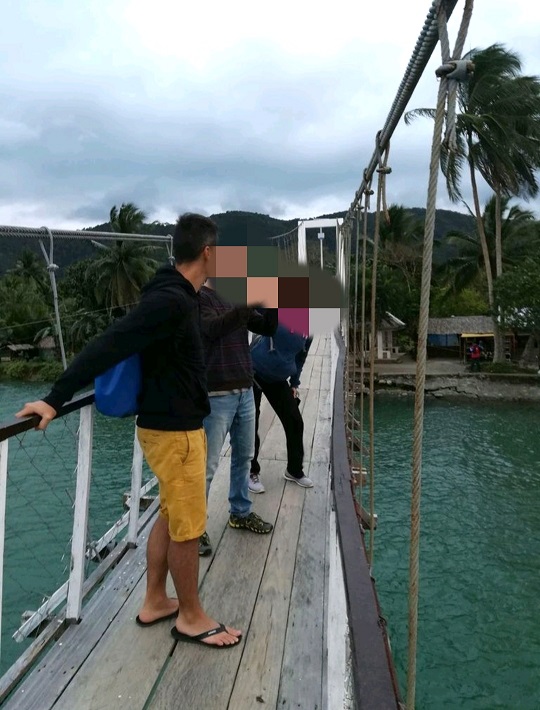
The bridge is accessed through Zabali Street. It is a wooden bridge, suspended over the river by metal ropes. If you have a lot of vertigo, you may not be able to go through it, especially since it moves a lot. Although I recommend you go to the bridge anyway, since the panoramic views of the Bay of Baler are really beautiful.
- THE MILLENNIUM TREE
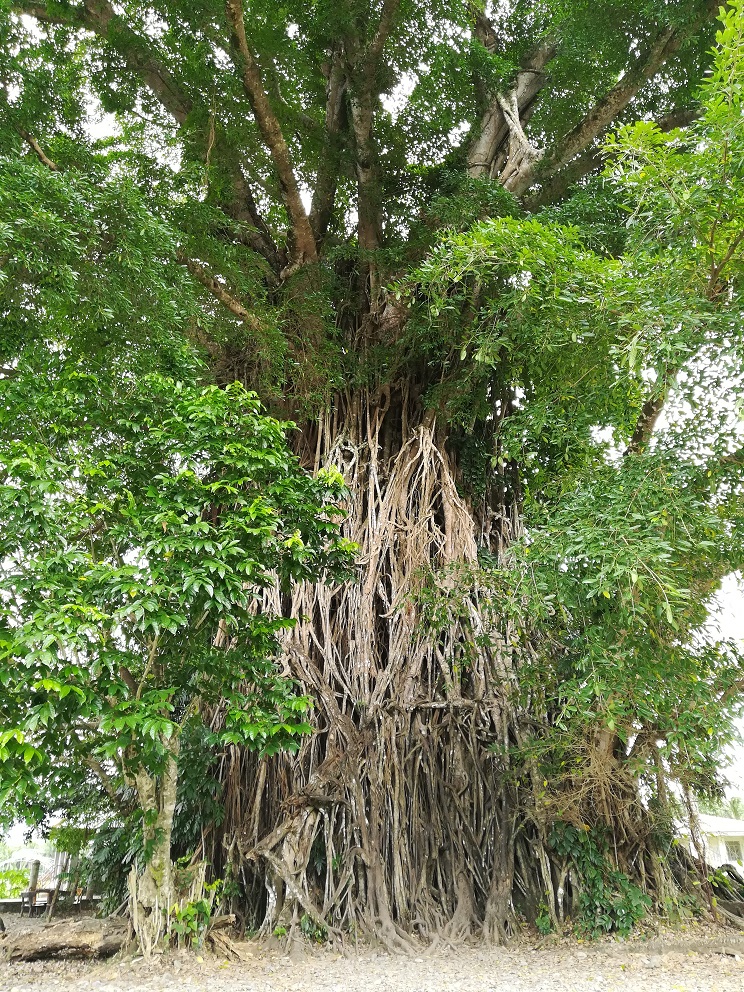
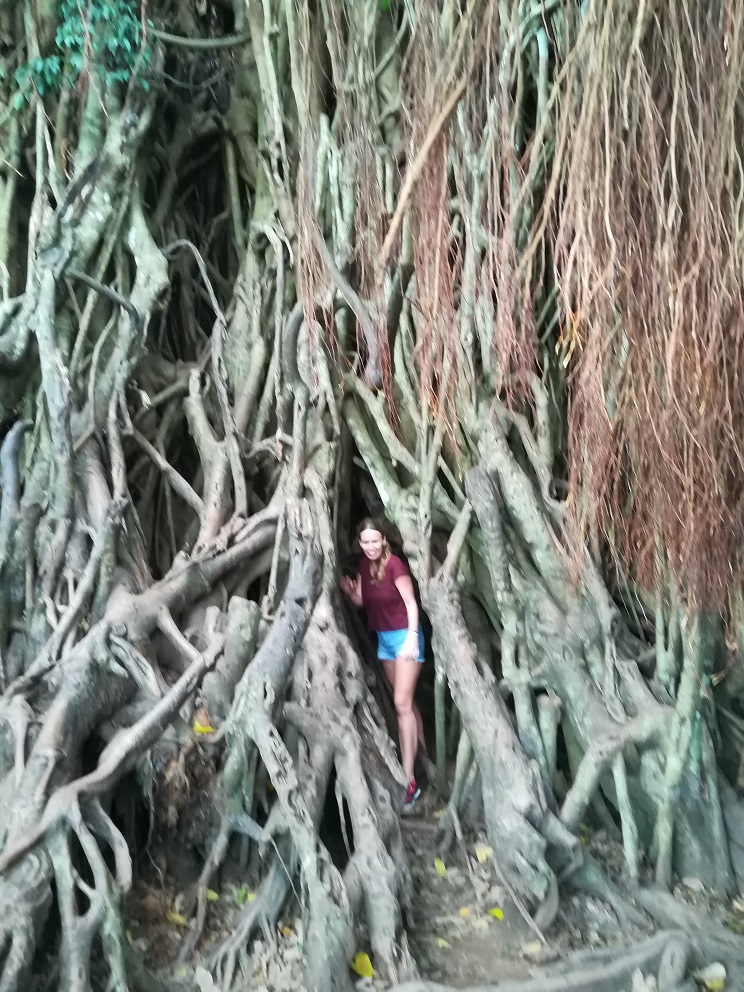
In the municipality of Aurora it is possible to visit the Millennium Tree, 600 years old and about 60 meters high. It is a tree, known by the name of Balete, from the ficus family. According to traditional beliefs, the tree is populated by anitos, good spirits with humanoid forms. It is one of the largest trees of its kind in the entire Asian continent. It is possible to enter its interior and climb it from there, although it is a difficult route and only recommended for the most skilled people. It can also be climbed from outside.
- AMPERE BEACH & DICASALARIN COVE
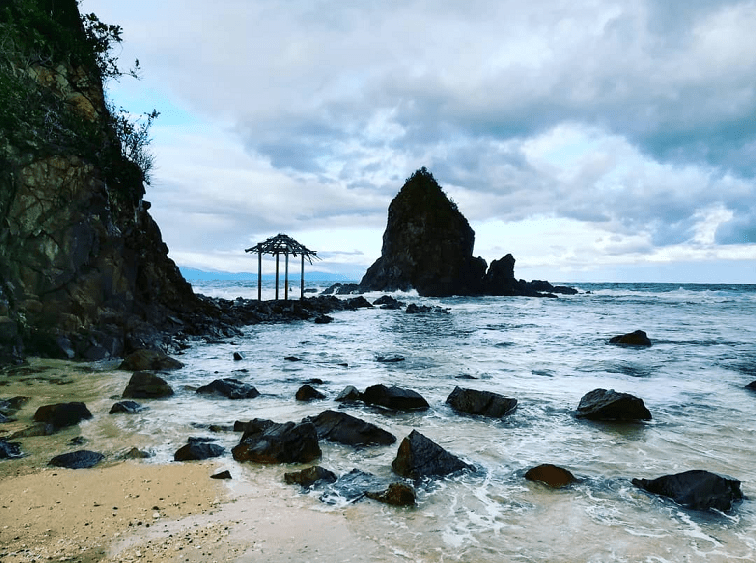
You should not miss the rock formations of Ampere Beach, they are really magnificent. I recommend you take a walk and enjoy the views, since unlike the sandy beaches, located in the city, which are great for surfing, in this area the coast is more indented and swimming is not recommended.
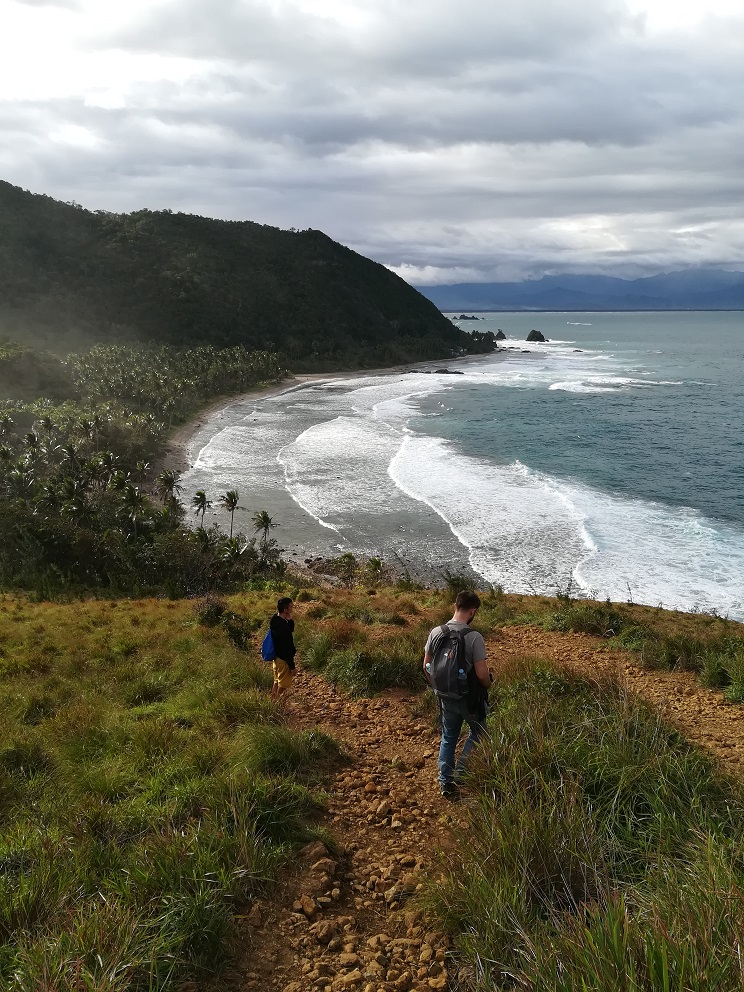
On the other hand, Dicasalarin Cove is a private white sand beach, surrounded by wonderful scenery. To enjoy the beach it is necessary to register at the Costa Pacifica resort, located 10km from the beach. If you arrive in low season and the temperatures are not ideal for a dip, I recommend you climb the nearby cliffs and simply enjoy the fascinating views.
- DITUMABO FALLS
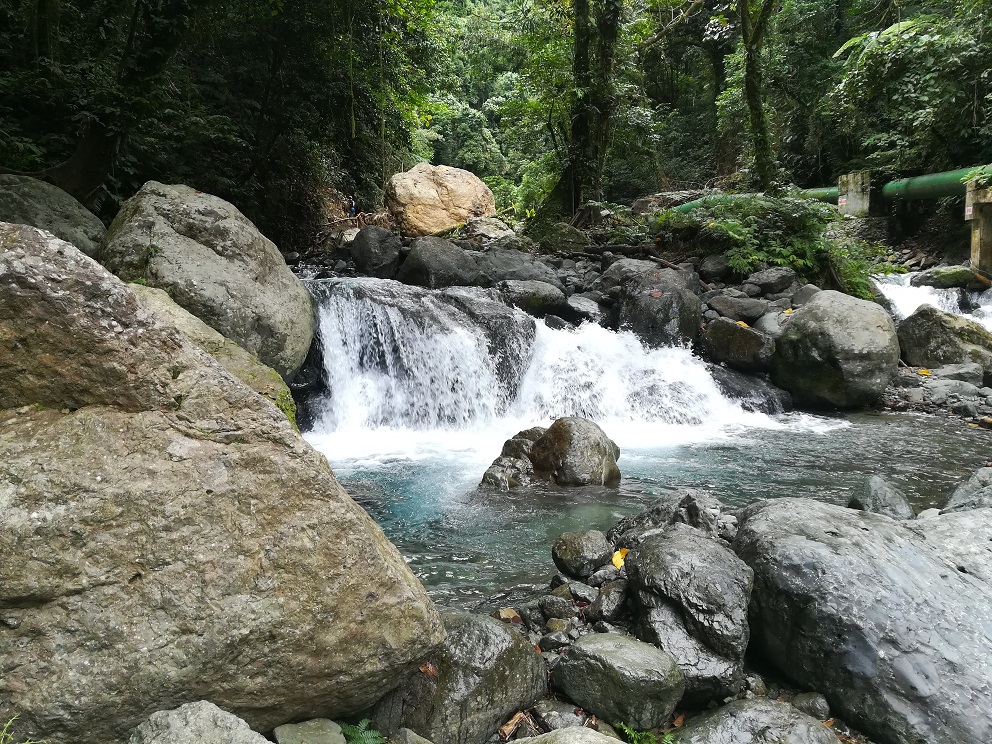
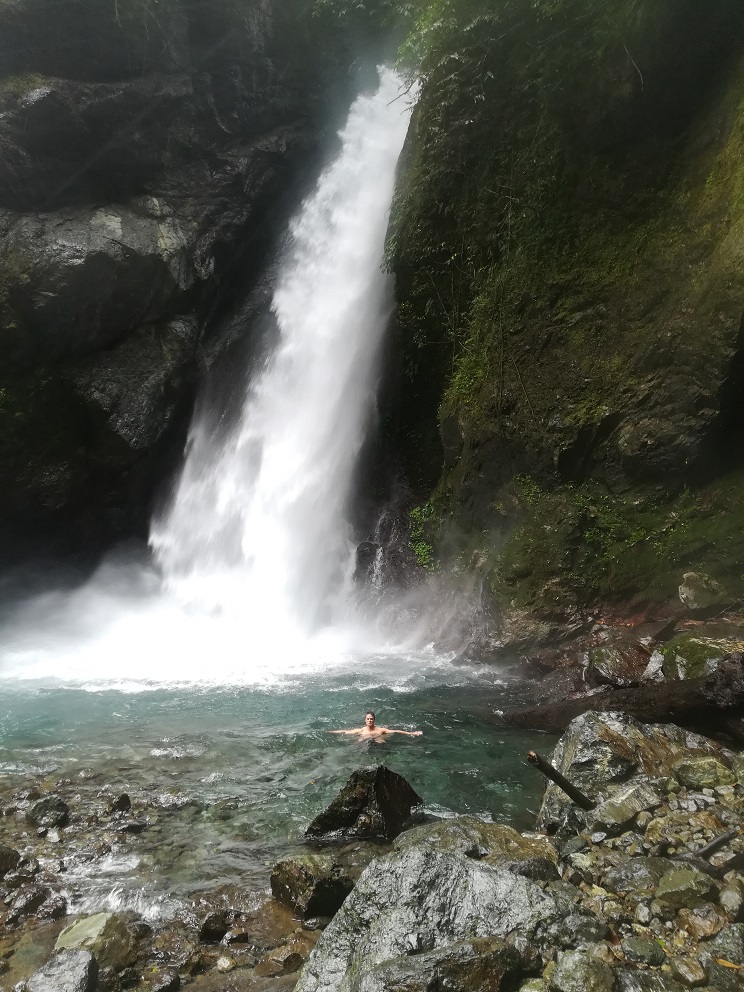
The Ditumabo Waterfalls, also known by the name of the Mother Waterfalls, are 43 meters high and are the largest in the region. They are located 15km from Baler. The water of the waterfalls falls with force and it is possible that in its vicinity you will get your clothes and your camera wet, therefore it is better that you bring protective clothing for the water. Also, the way to the waterfalls leads through a wooded path, really beautiful, but sometimes you will have to wet your feet and there will be slippery stones. Therefore, the best way is to bring quick-drying shoes or have extra shoes for later.
TIPS:
- You can travel to Baler by bus from Manila. A good option is to take a night bus that will bring you in the morning, so you will be ready to visit the city. Keep in mind that buses in the Philippines are quite cold due to the use of air conditioning.
- Visit Baler in a tuk-tuk. A kind of motorcycle with seats for two passengers. It is very fun and cheap.
 all about eve`s journeys