
“Rome will exist as long as the Colosseum exists; when the Colosseum falls, Rome will fall; when Rome falls, so will the World” a clergyman once said. Perhaps centuries have passed since the official date, 476, in which the Roman Empire ceased to exist, but its essence is still noticeable in the lands that were previously under its domain. Especially in the Eternal City of Rome, the heart of the Empire.
THE COLOSSEUM
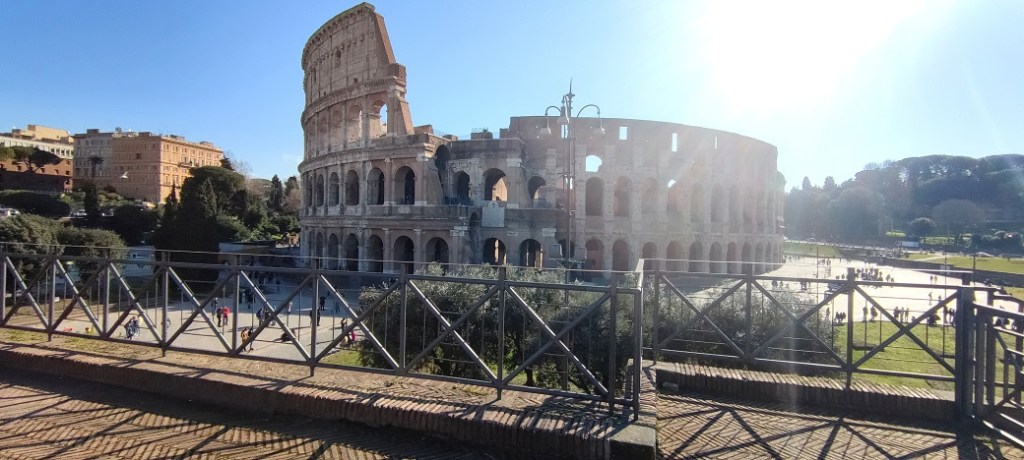
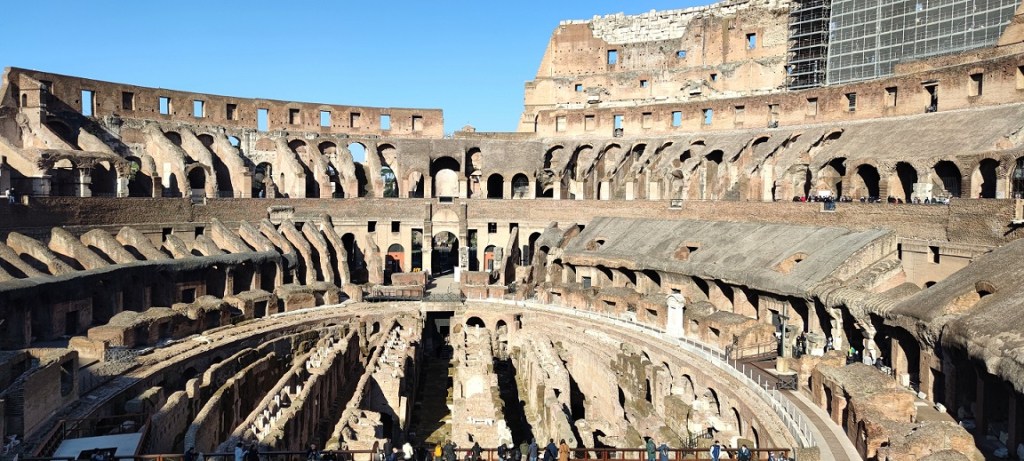
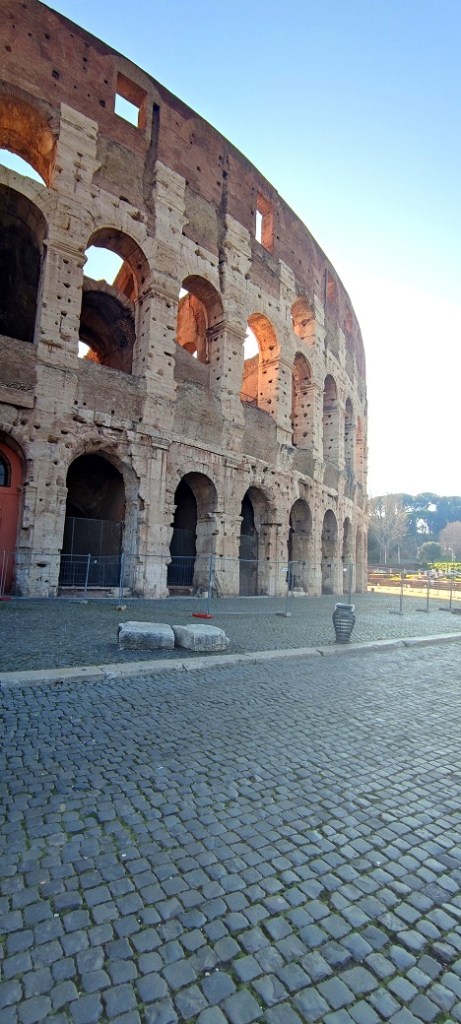
To get to know this great city, you should start with a visit to the Flavian Amphitheater, also known as the Colosseum, whose construction was completed in the year 80 during the time of Emperor Titus. It is a large four floors building, decorated on the outside by superimposing orders (Tuscan, Ionic, Corinthian and pilasters). Some sources affirm that at its inauguration there were up to 65,000 people who would be distributed among the 80 rows of seats (the bleachers). While below the sand area there were cages with the beasts, the condemned and the corpse depositories. Every day there were executions of the condemned and fights of gladiators, who were generally slaves, since very few free men dared to face each other in a bloody fight of life and death.
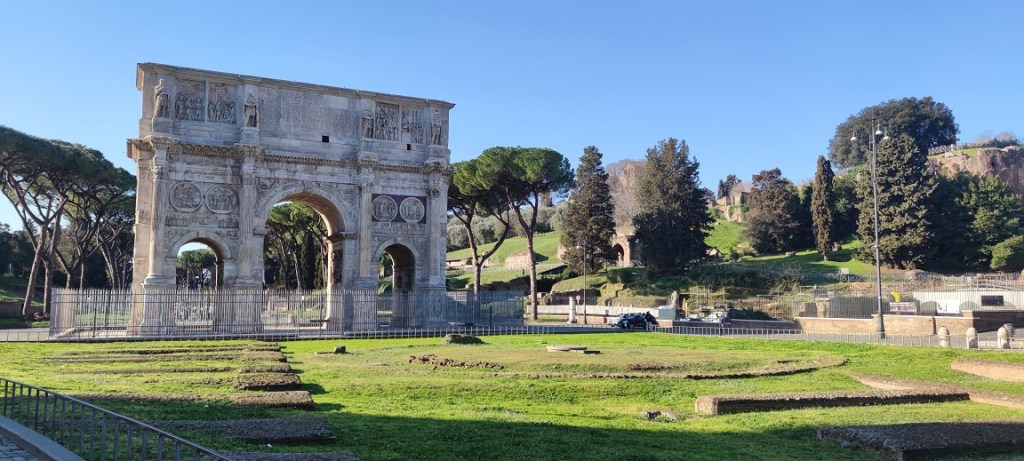
Next to the Colosseum there is the Arch of Constantine, the famous emperor who in 313 granted freedom to Christians after the Edict of Milan, was also the founder of another great Roman city, Constantinople, today known as Istanbul, which for centuries it has been the capital of the Byzantine Empire and then of the Ottoman Empire. The arch was made between the years 312 and 316, and it is possible to read on the arch: “To the emperor and Caesar Constantine, the great, the pious, the lucky one who, by the inspiration of the gods, freed the State from the tyrant and his supporters, the Senate and the People of Rome dedicated this arch”.
ROMAN FORUM
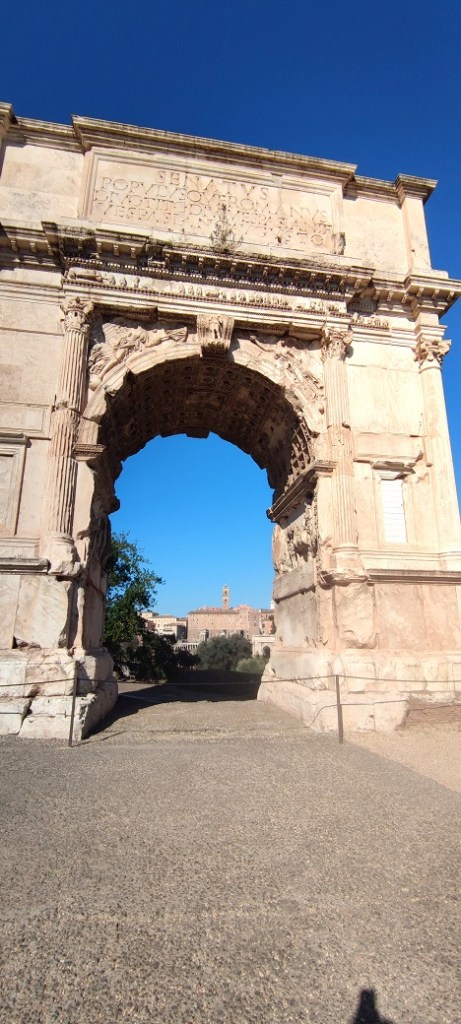
The entrance to the Roman Forum begins with the Arch of Titus, erected by Emperor Domitian in the year 82, after the death of his brother. Next it is possible to visit the Temple of Venus and Rome, built by Emperor Hadrian in the year 121. It is the largest temple in the Eternal City, dedicated both to Venus, the goddess of love and mythical ancestor of the Romans, and to Roma Aeterna, the goddess of the city “Eternal Rome”.
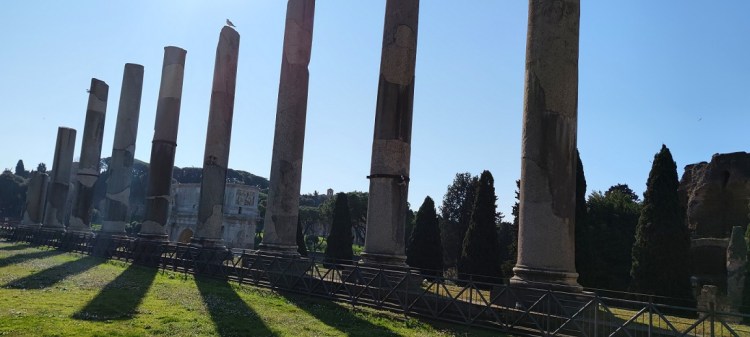
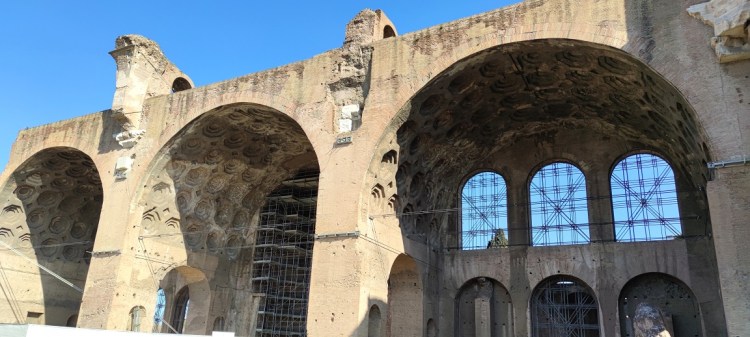
The Basilica of Maxentius and Constantine was considered the largest building in all of Antiquity. Its construction began at the time of the emperor Maxentius and ended during the empire of Constantine in the year 315. Its predominant function, like most basilicas, was to house judicial activity and the most important administrative position in Rome.
Advancing through the Roman Forum, you will come across the Temple of Romulus, one of the best preserved buildings in the forum. Some legends tell that the temple was built by the same founder of the city. Another of the most outstanding buildings is the Temple of Antonio and Faustina, built in the year 141. It amazes with its rich bas-reliefs, in the frieze, for example, the facing griffins and plant motifs are represented, as well as the instruments for sacrifice. From the 16th to the 19th century, those bas-reliefs were a source of inspiration for numerous artists.
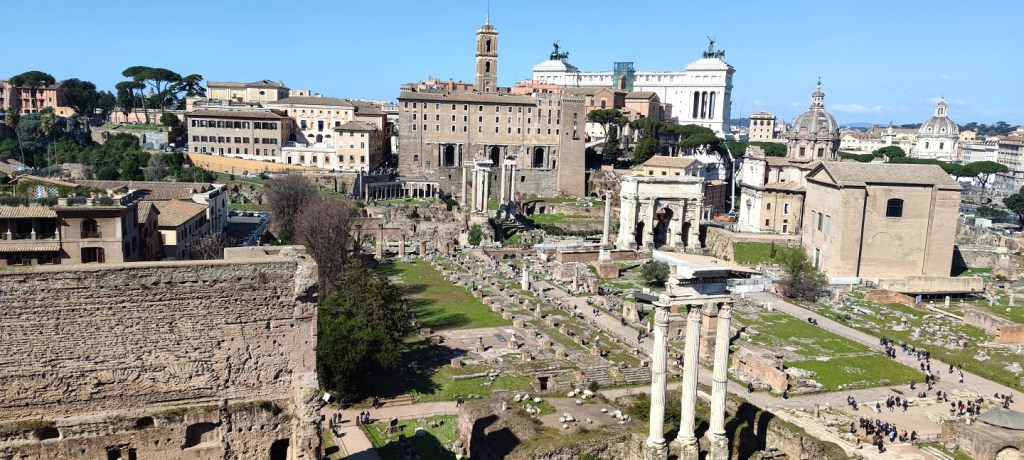
Next to the Emilia Basilica, another building dedicated to administrative affairs, is the famous Roman Senate. Through some simple stairs we reach the bronze doors, modern replicas, since the original ones were located in the church of St. John Lateran. Inside it is possible to contemplate the extraordinary mosaics on the floor and the Altar of Victory.
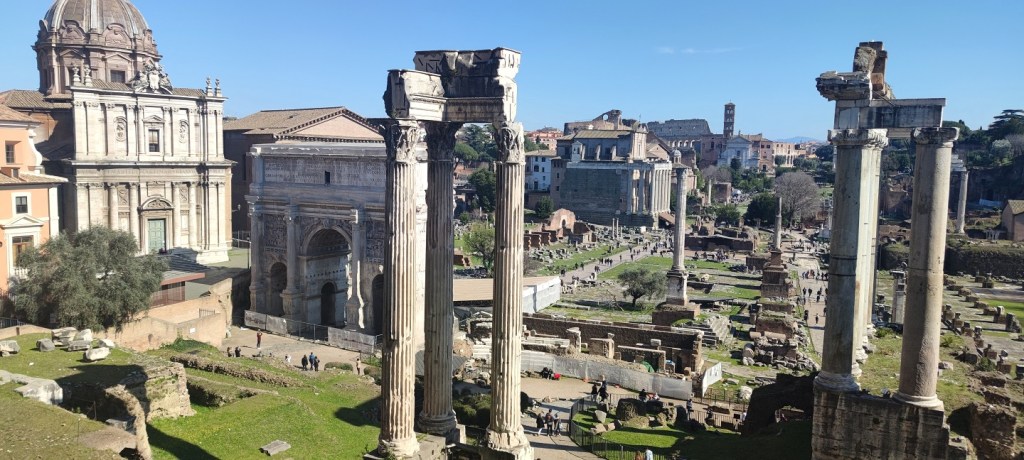
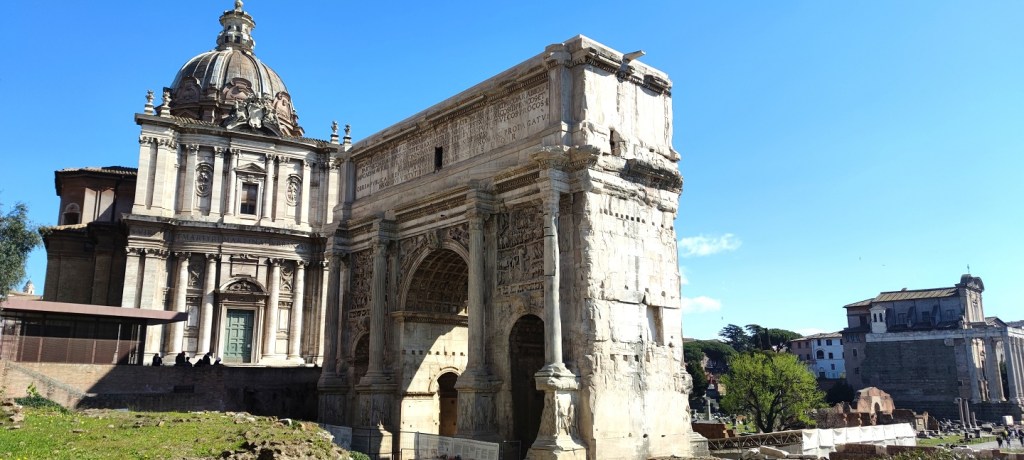
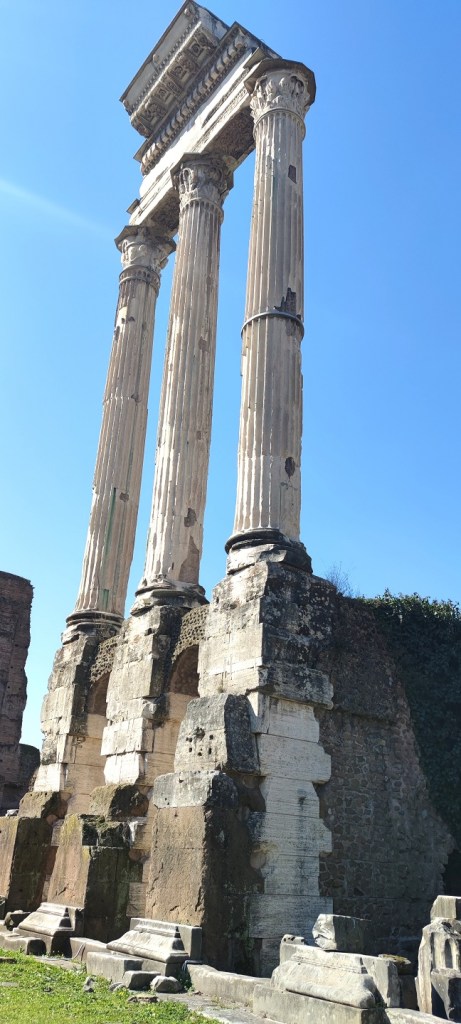
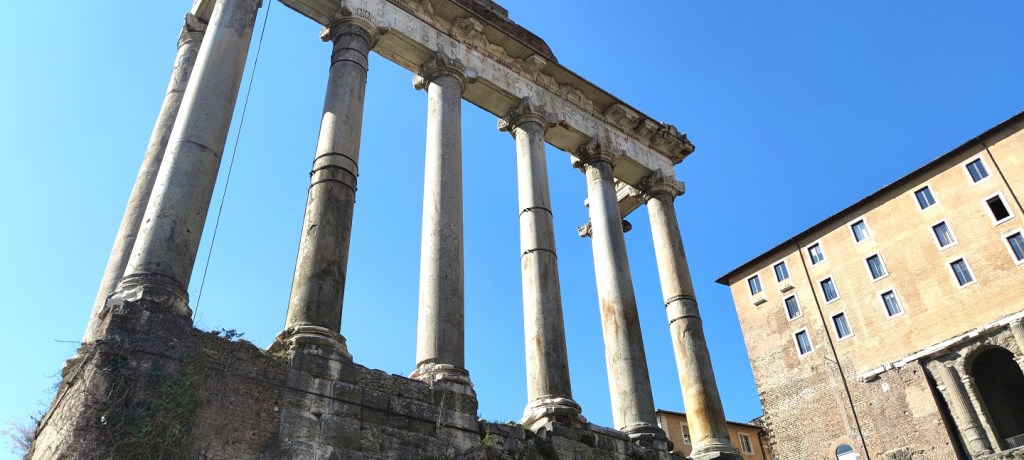
The Arch of Severus is the best preserved triumphal arch in Rome and of course one of the most beautiful. To its left we will find part of the entablature and the eight columns of Ionic order that survive from the Temple of Saturn, whose origins point to the year 508 BC. In the past, the state treasury was kept there. Also only few columns remain from the Temple of Castor and Pollux. The temple was built in memory of the Battle of Lake Regilus in 495 BC. According to a legend, the two sons of Leda, Castor and Pollux, whose parents were Jupiter and Tindareo respectively, appeared as two horsemen during the aforementioned battle to help the Roman army. By the way, their strong fraternal union made them to be identified with the Gemini Constellation.
Finally, it is necessary to highlight the Temple of Vesta, with a circular floor plan, like a Greek tholos, next to the House of the Vestals, a large palace with up to 50 rooms.
IMPERIAL FORUMS
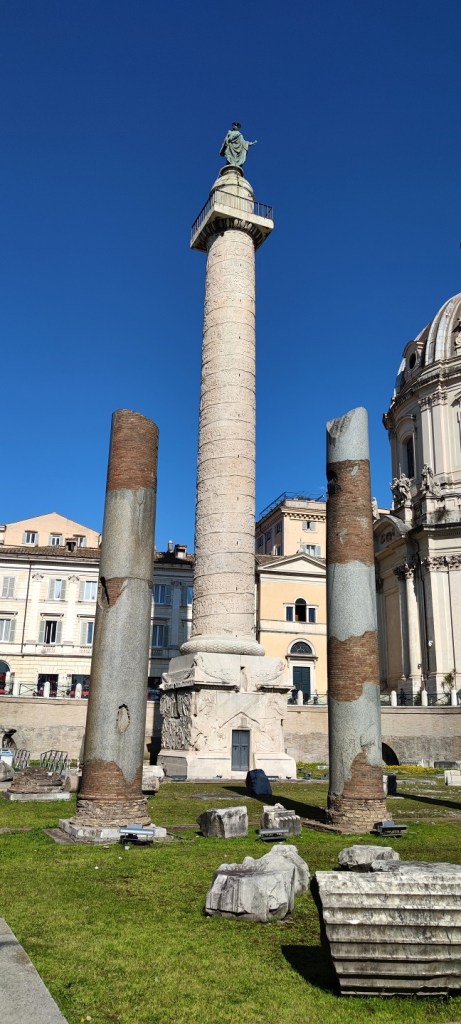
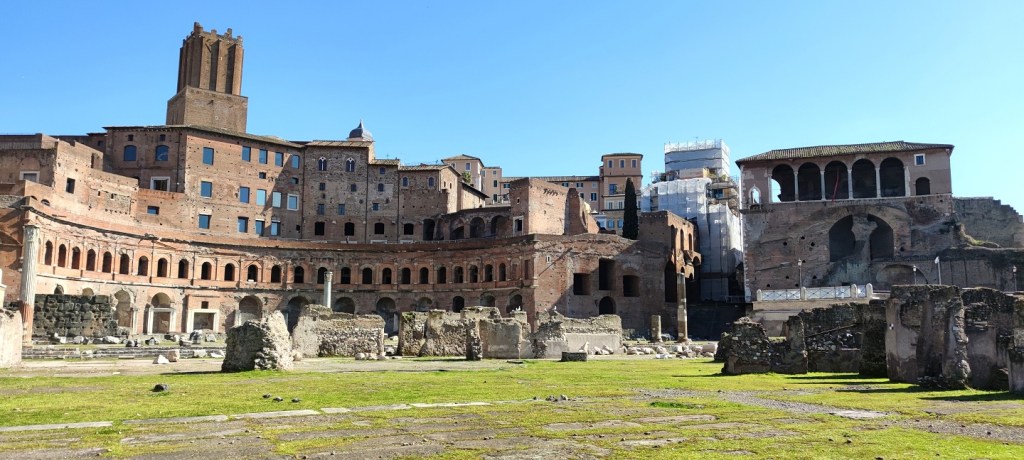
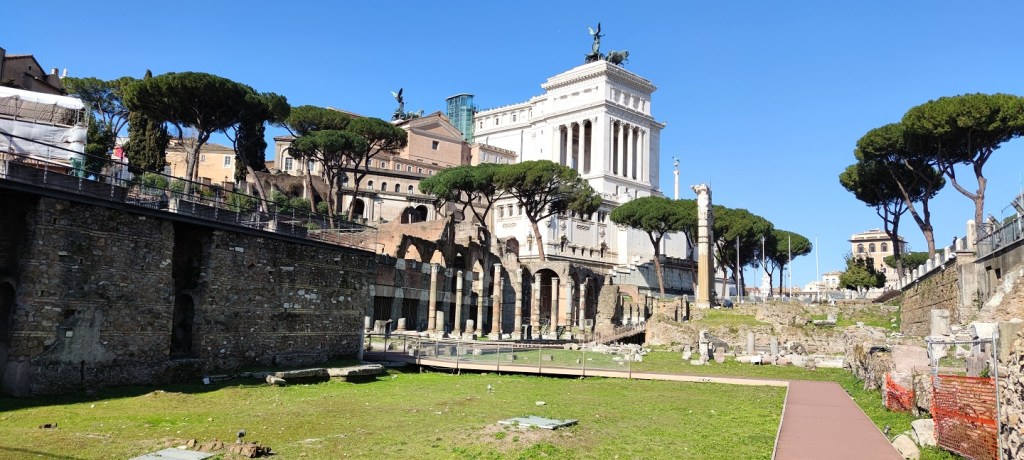
It is possible to access the Imperial Forums from the Roman Forum. Among some of its most representative constructiosn there is Trajan’s Column from the year 113, which has 155 scenes, whose spiral bas-reliefs refer to Trajan’s military companies against the Daíci. Later the column, 30m high and 4m in diameter, was topped with the statue of Saint Peter. By the other hand, the Temple of Venus is also remarkable and according to tradition, whose construction was promised by Julius Caesar the night before the Battle of Farsalia, in the year 48 BC against Pompey, his political rival.
The Temple of Mars the Avenger is renowned for its splendid colonnade of Corinthian order, built after the death of the assassins of Julius Caesar, Brutus and Cassius, who were avenged by Mark Antony, Cleopatra’s lover, and Augustus, the future first emperor of Rome.
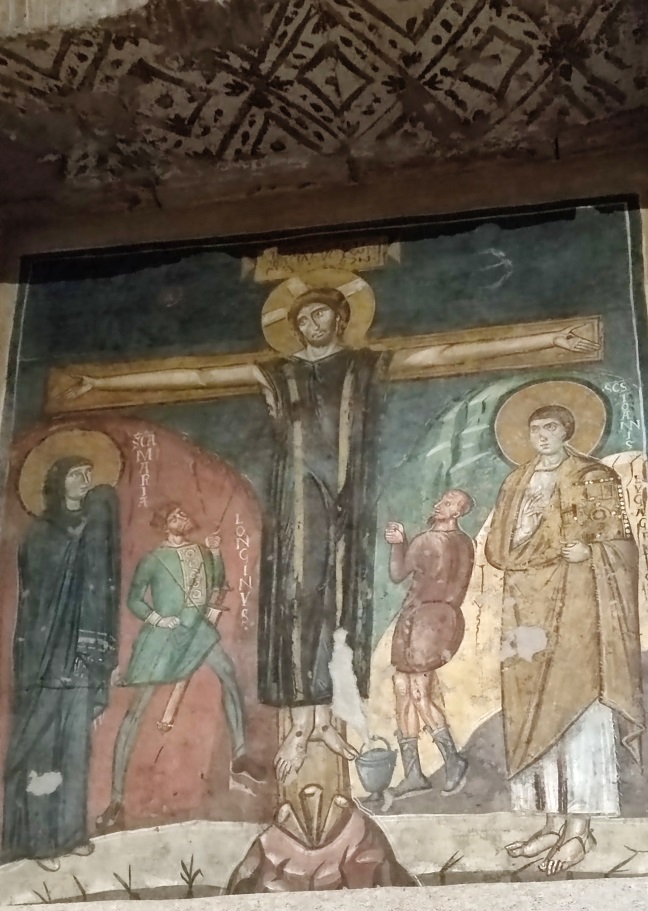
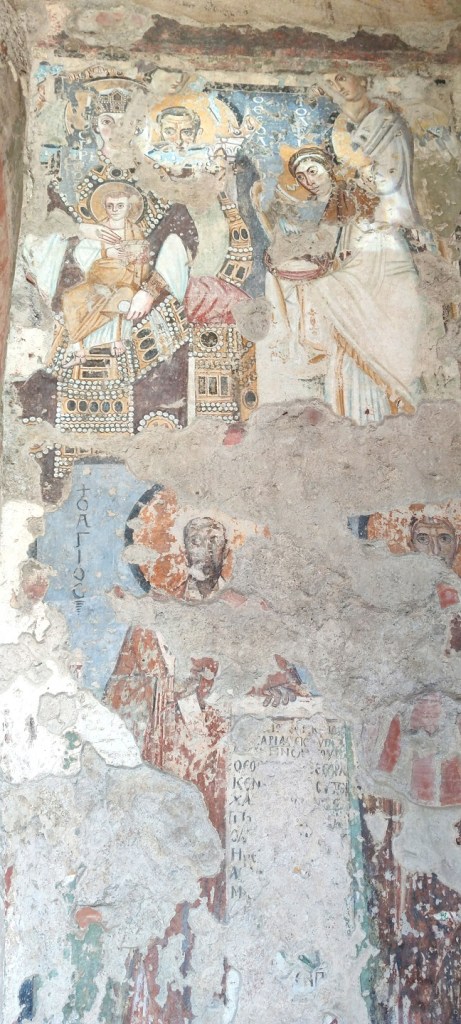
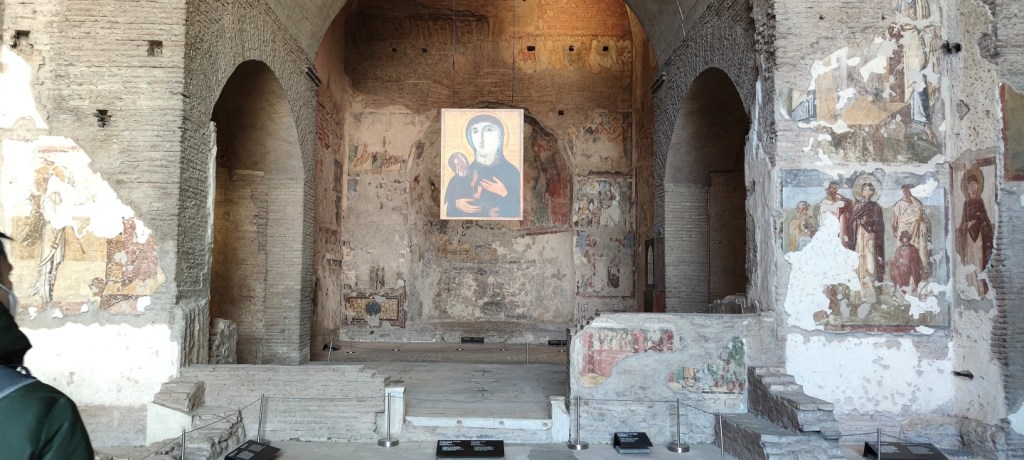
On the other hand, the Basilica of Santi Cosma and Damiano, dedicated to two medical brothers, beheaded martyrs, is built on an ancient temple of Romulus, and contains fabulous Roman-Byzantine mosaics from the 16th century. Do not miss it!
PALATINE HILL
According to Roman legend, it is the place where Romulus founded Rome in 753 BC. Later, during the time of the emperors, the hill was used to erect sumptuous palaces.
Here you have the possibility to enjoy the wonderful Farnese Gardens, a quiet nature area. In this part of Palatine you will also find the viewpoint with the spectacular views towards the Colosseum and the ruins of the Roman Forum.
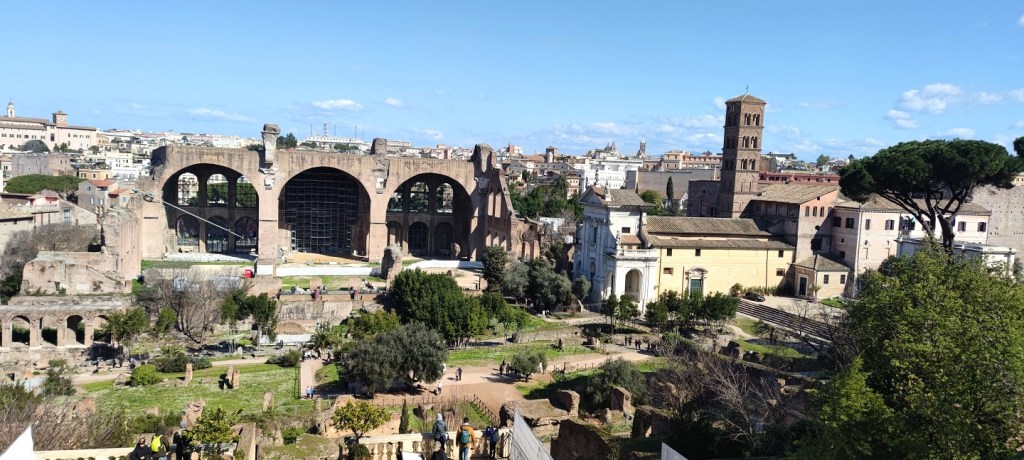
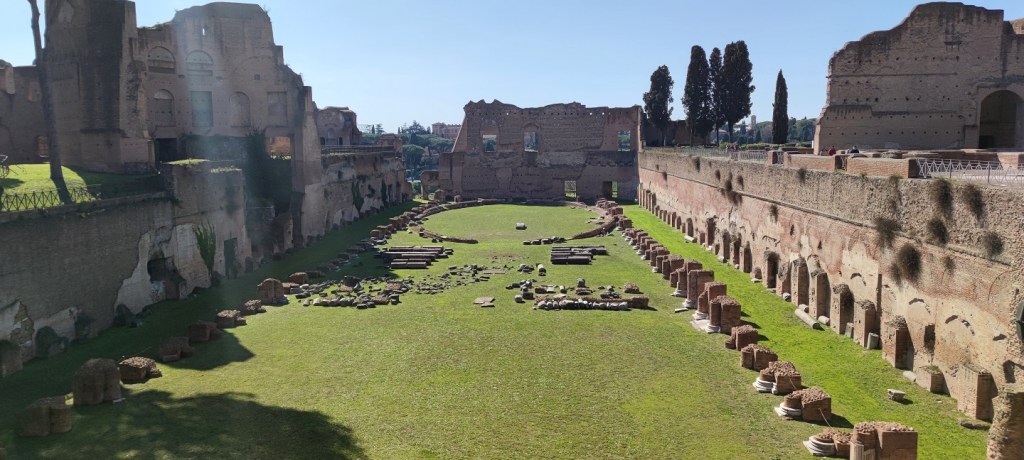
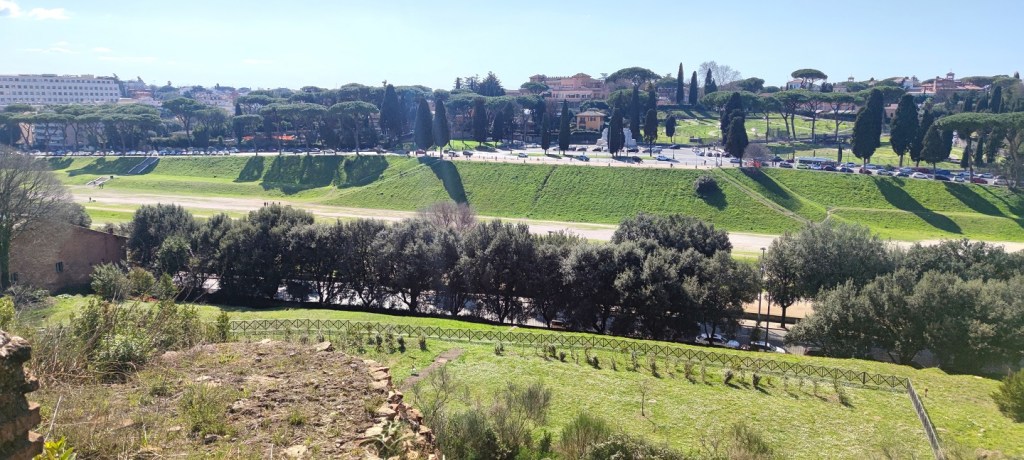
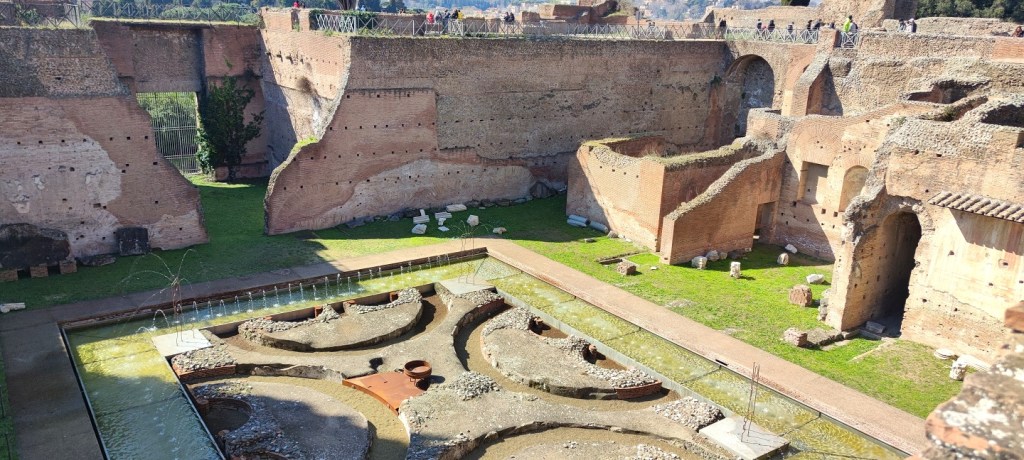
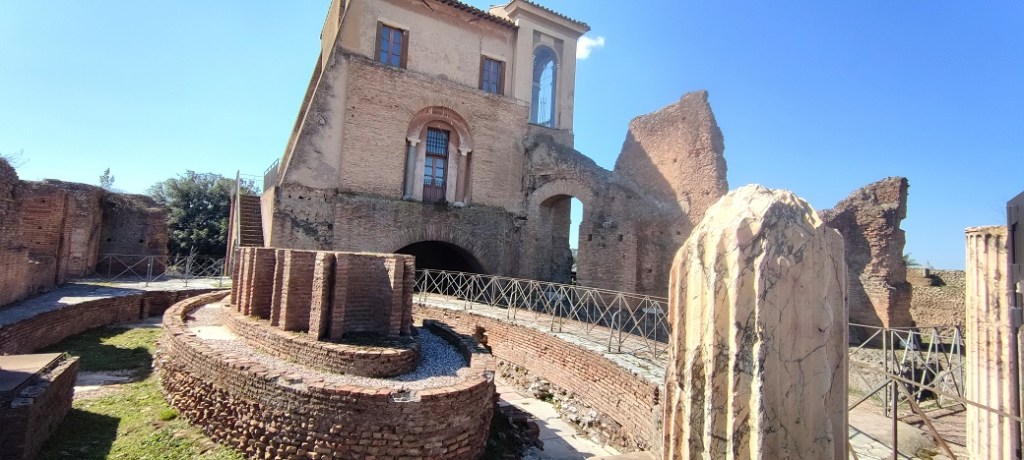
The Domitian Palace, built in the year 81, became the imperial residence for the next 300 years. A large architectural complex composed of the Stadium, Domus Flavia and Domus Augustana. Near it is also well preserved Domus Severiana, which still has the remains of the baths. Of course, it is the best place to contemplate the esplanade of the Circus Maximus. Finally, you should not forget to visit the House of Augustus, where it is possible to observe the magnificent mosaics.
TIPS:
- Buy RomaPass and use the first free entry to see the Colosseum, Palatine and the Forums. It is only one entrance.
- It is necessary to book your ticket in advance to avoid the long queues.
- The visit to the Colosseum usually lasts around 1 hour and 30 minutes, and to visit the Forums and Paltino you will need about 3-4 hours.
 all about eve`s journeys