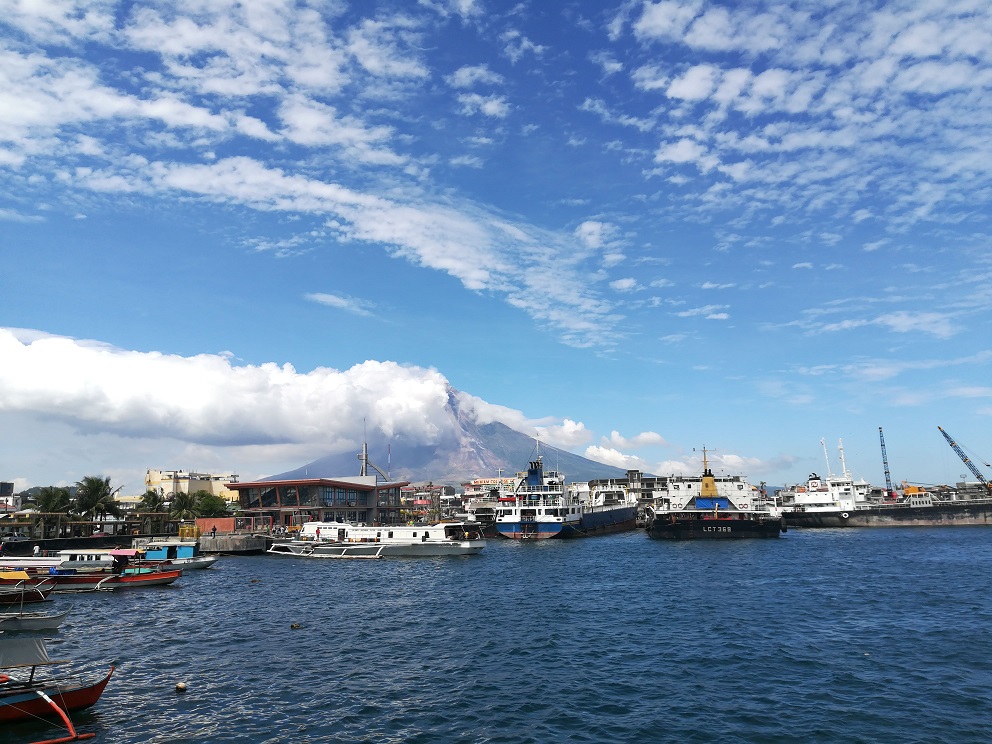
The Philippines is an archipelagic country, located in the Pacific Ring of Fire and has more than 100 volcanoes, distributed in its more than 7,000 wonderful islands. Volcanic activity is very abundant in the Ring of Fire, since it concentrates up to 75% of the world’s volcanoes. During your visit to this country, you should not miss the chance to see some of them. Here are three impressive areas that you can easily visit from Manila.
THE PINATUBO VOLCANO
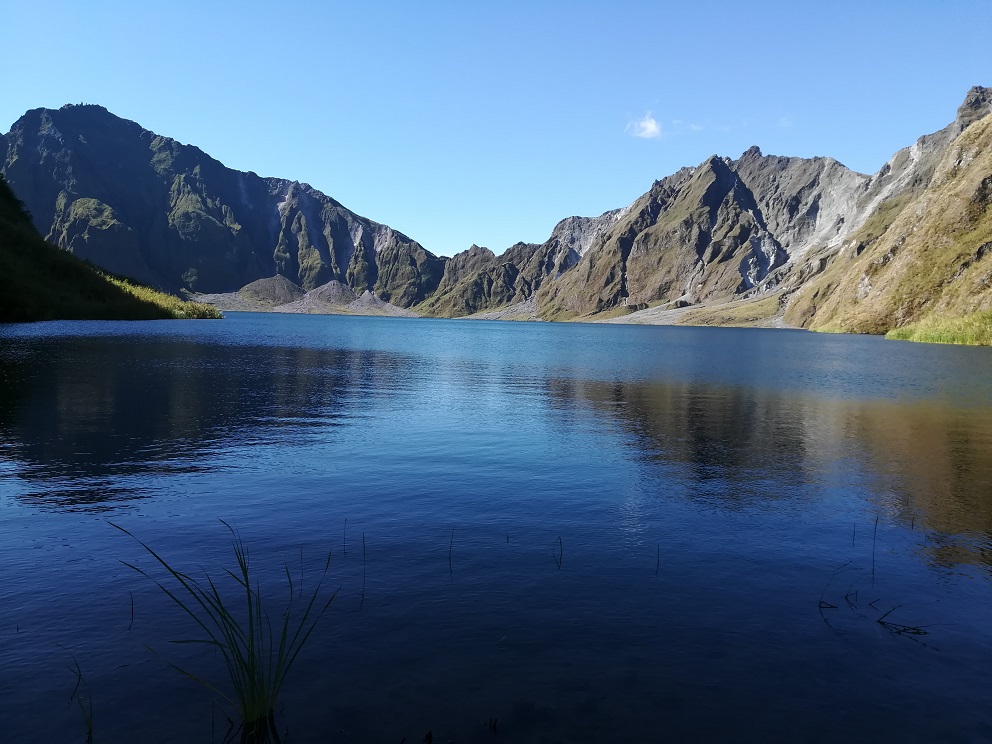
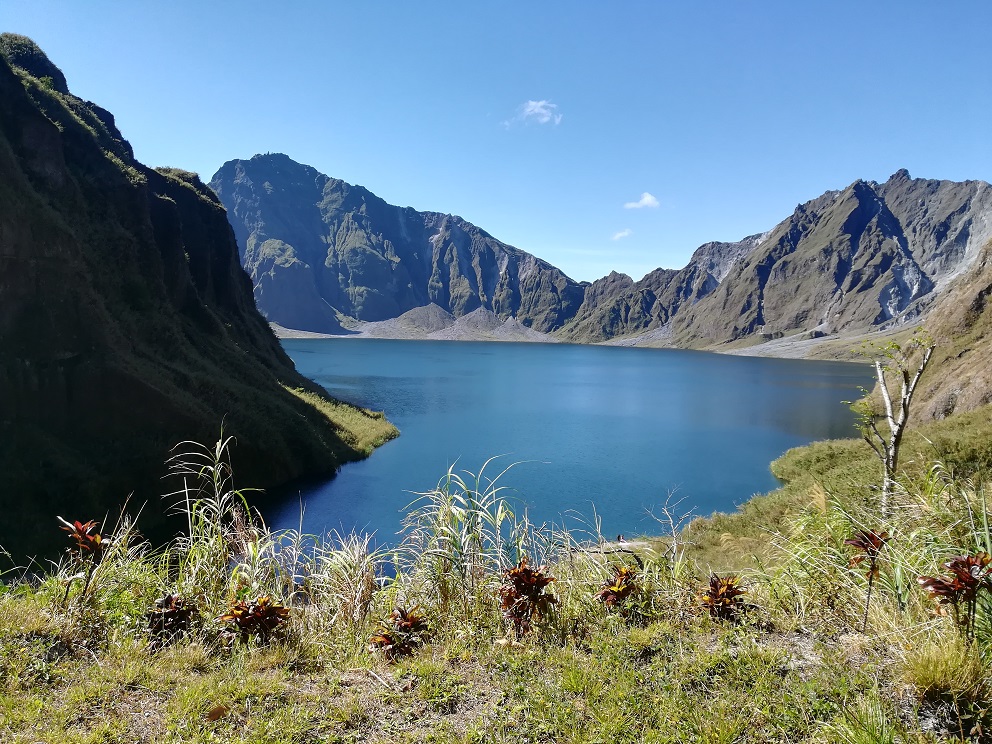
According to the Philippine Institute of Volcanology and Seismology, Pinatubo, located northwest of Manila, is an active volcano. The most recent eruption, one of the largest and most terrible of the 20th century, occurred in 1991, after 500 years of inactivity. Thanks to the collaboration of the Aetas, the indigenous people who have been in the area since 1565, since the beginning of colonization, human loss could be avoided. However, the economic damage was terrible due to the subsequent pyroclastic flow, ash and landslides.
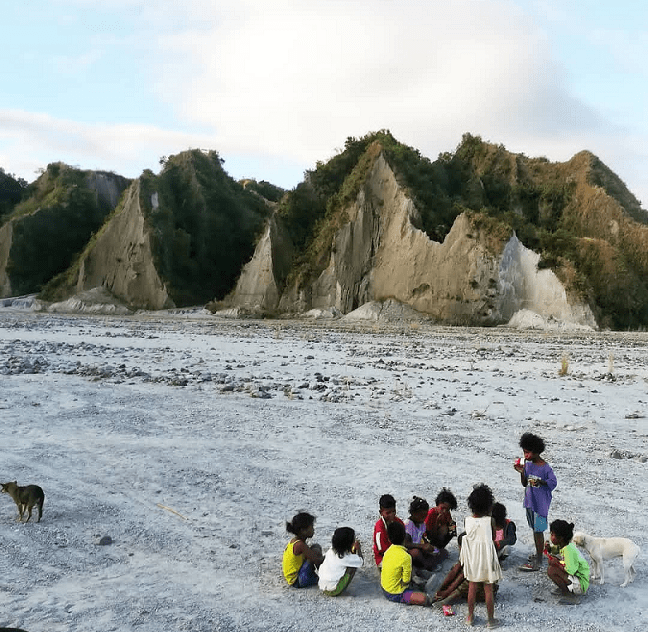
By the way, according to anthropologists, the Aeta natives arrived on the island more than 30,000 years ago, when the Philippines was still attached to the mainland. Their life expectancy is 16.5 years and only a third part of the children survive the harsh conditions in which they live, and which have hardly changed throughout their history.
To get to Pinatubo, I recommend renting a tour in a private van for a small group of people. The visit, which begins in a small town of Santa Juliana, usually includes the 4×4 trip and then a bit of hiking (about 2 hours), so it is important to wear appropriate clothing and footwear. A scarf that covers your face during the 4×4 trip is also not bad idea, since it is possible plenty of dust to be raised.
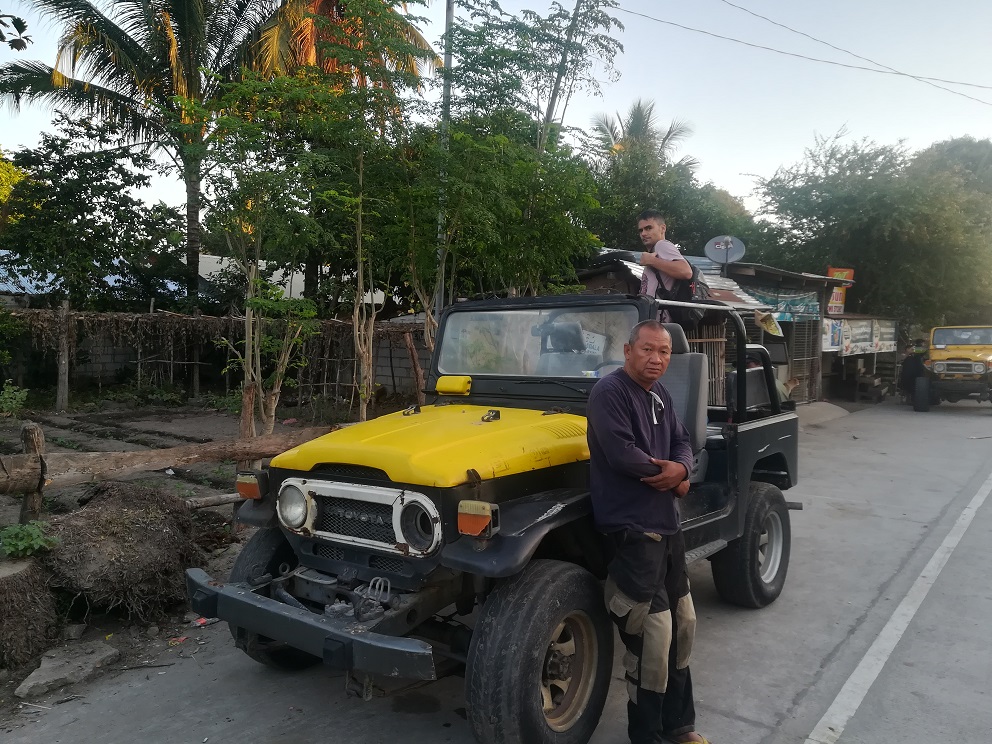
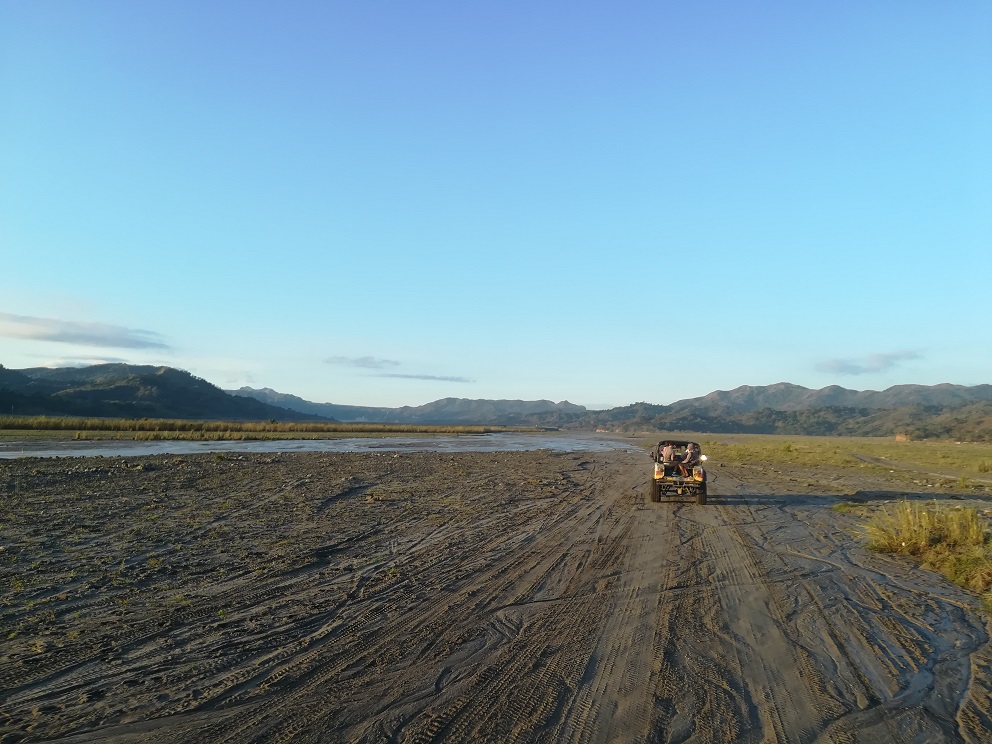
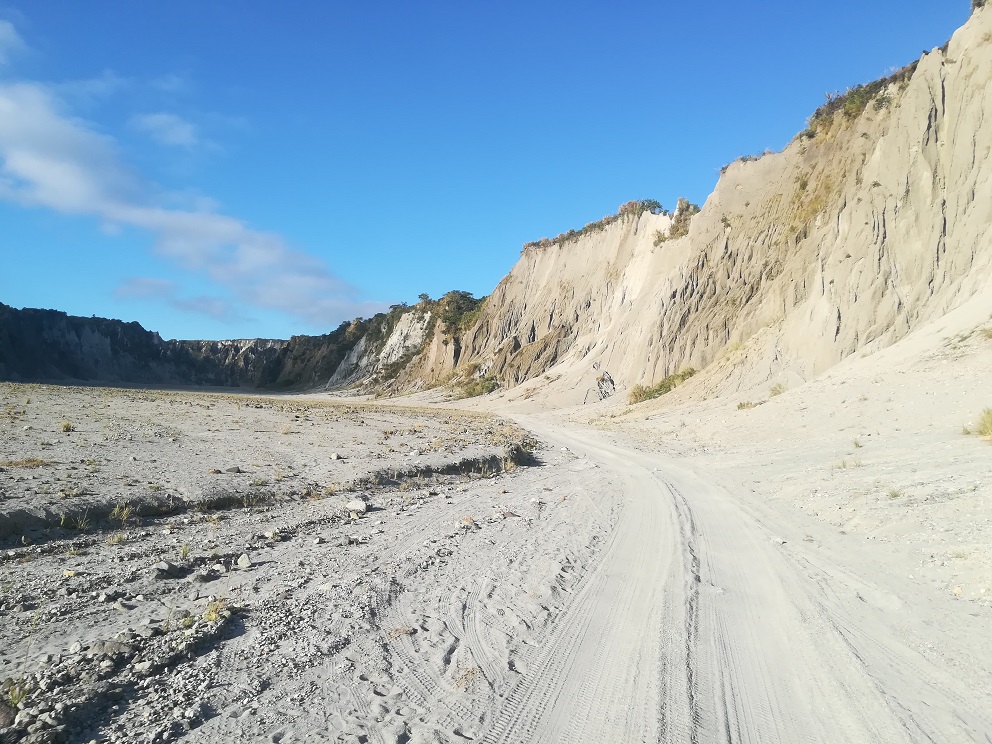
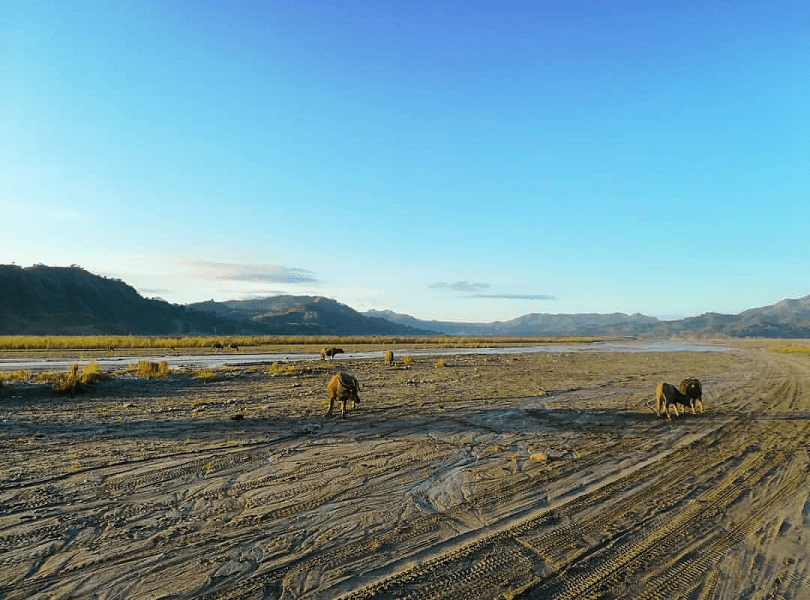
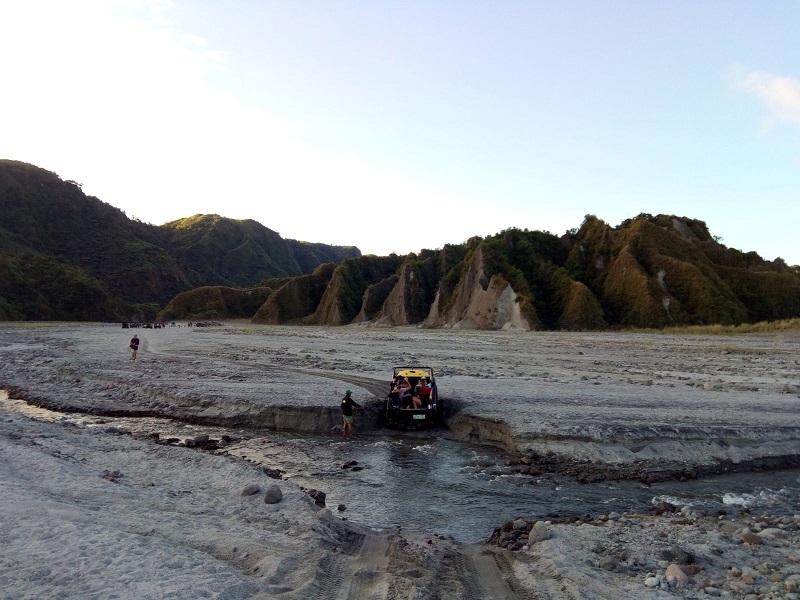
Another way to get there is by public transport, with the bus from Cubao or Passay in Manila to Capas for about 200 pesos, where you must get out at the McDonald’s stop. Then take a tricycle for about 400 pesos to the Tourist Office in Santa Juliana, where you need to register. There you can look for a 4×4 to start your visit.
When you reach the end of the route, you will find a magnificent landscape of a lake, formed after the 1991 eruption, in the crater of the volcano. In its beginning the temperature of the lake reached up to 40ºC, although at present it’s around 26ºC. It’s not possible to swim in it, but you have the opportunity to contemplate a beautiful place, so enjoy it.
TALL VOLCANO
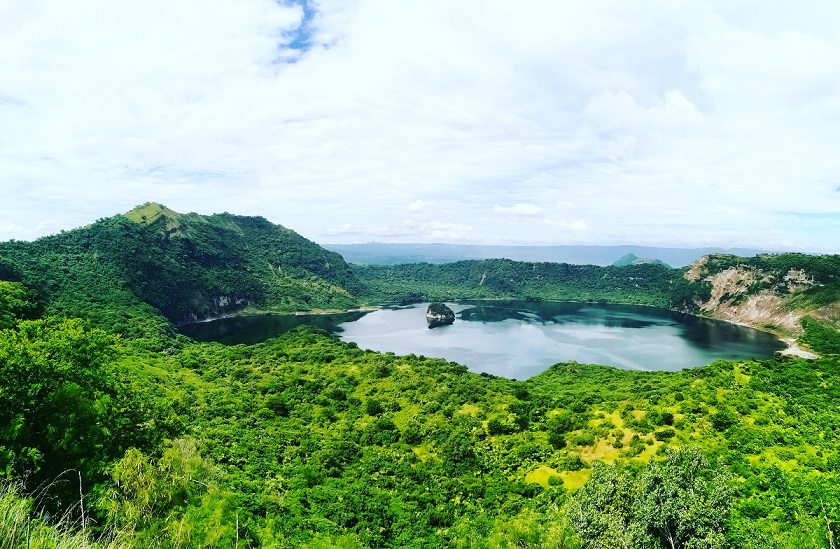
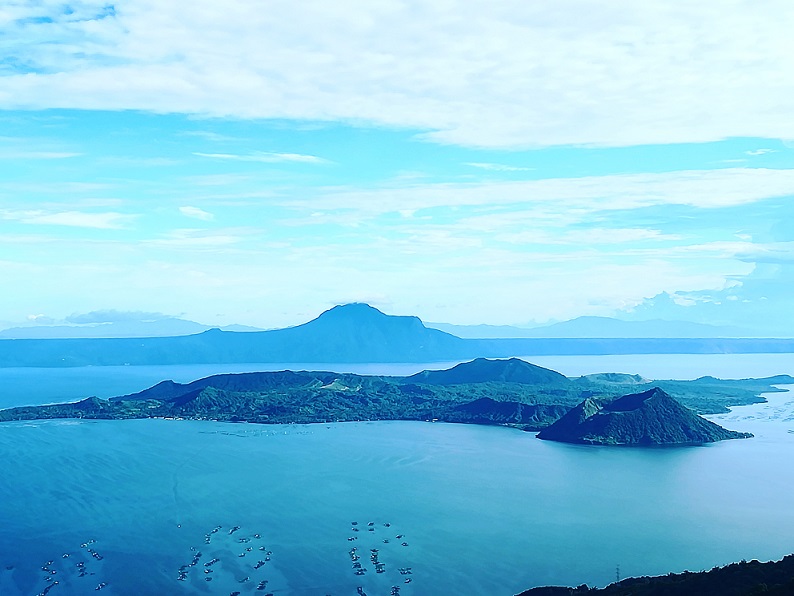
The Taal Volcano, also located on the island of Luzon, is only 50km south of Manila. To visit it, you must first get to the nearest city, Tagaytay, for this you have the possibility of taking a bus for 100 pesos from Buendía in Manila. Next, rent a tricycle for another 100 pesos and head to Talisay. In total, your trip will last about 2 hours. Then it’s ideal to join other travelers to cross by boat to the island of the volcano. The boat usually costs about 2000 pesos and it’s for a maximum of 6 people. On the island I recommend you do a little hiking, however, take some water with you, since it is very hot and the climb is steep.
By the way, another good option is to rent an organized tour from Manila, it¡s much more comfortable.
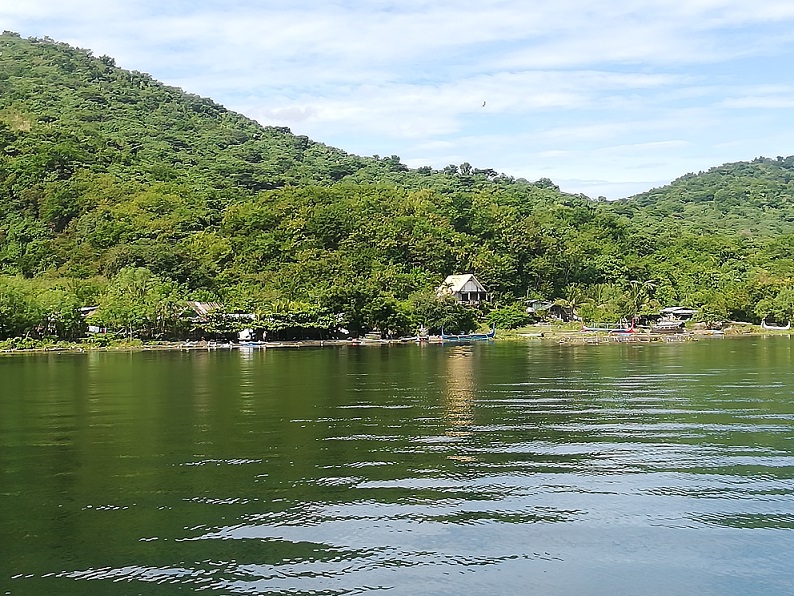
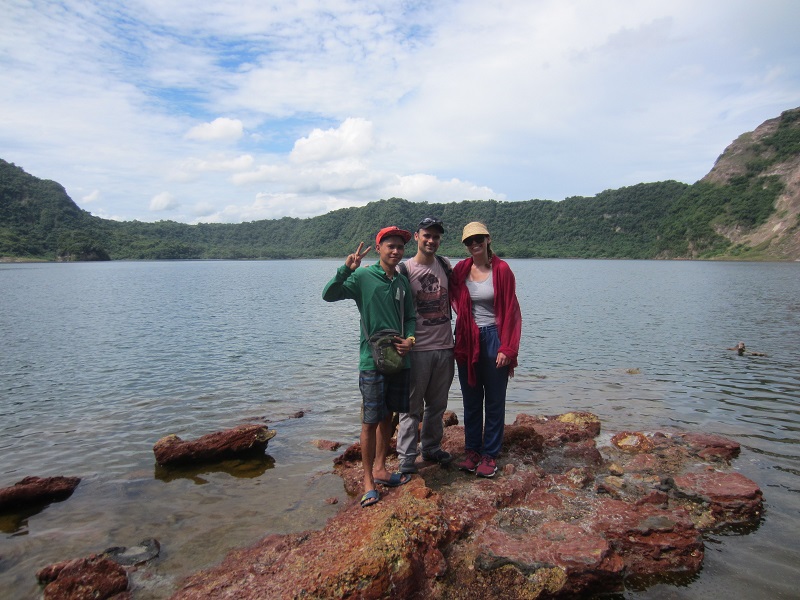
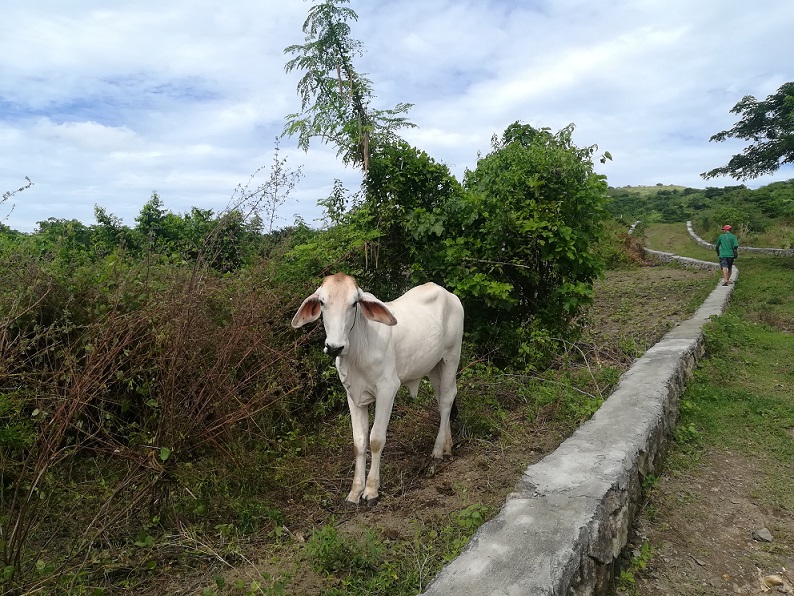
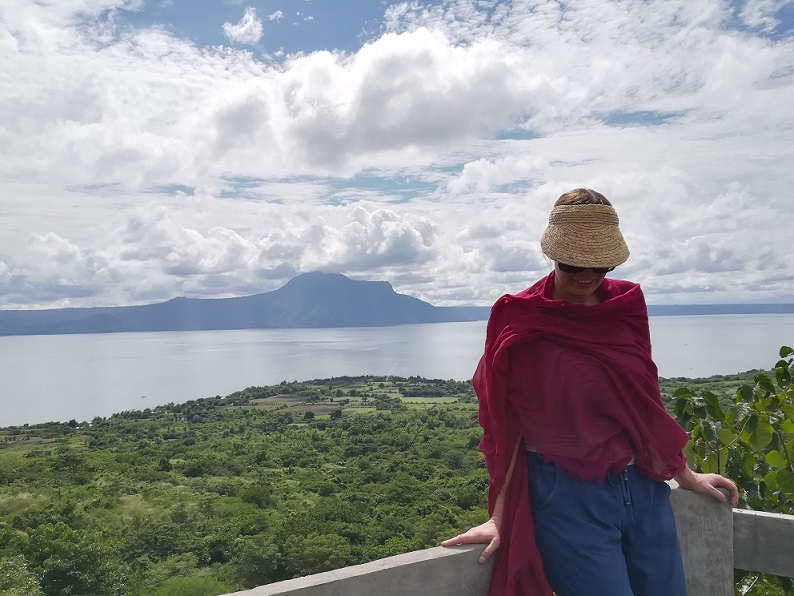
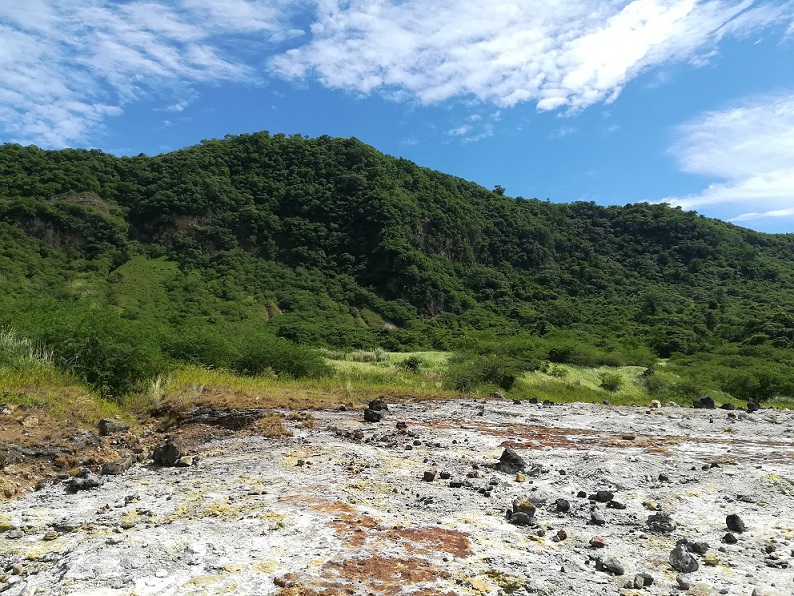
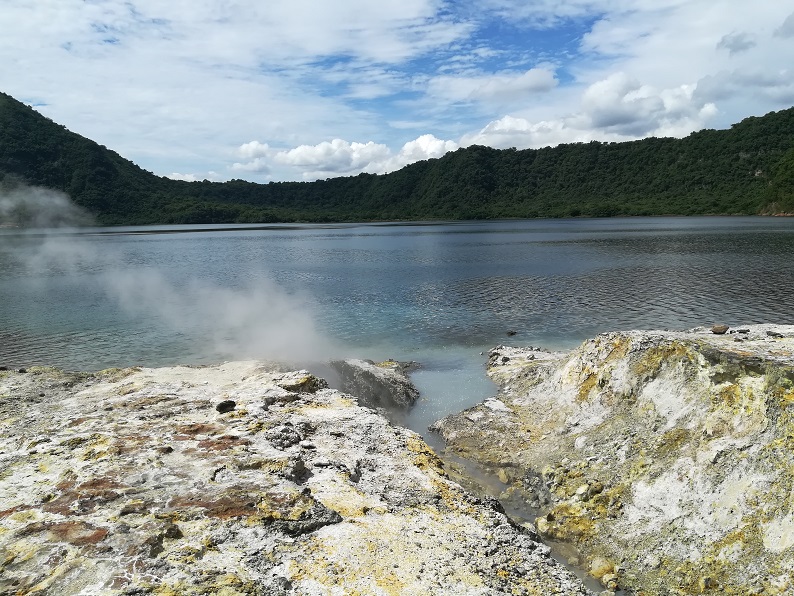
Like the previous volcano, Taal is active, and since 1572 it has erupted up to 33 times, the last in 2020, in all cases it was necessary to evacuate the population of the island. It’s a really impressive place, inside an island there is a smaller island in which the Taal Volcano is located. I recommend, after your visit, to go to a viewpoint in order to contemplate this miracle of nature from above.
MAYON VOLCANO
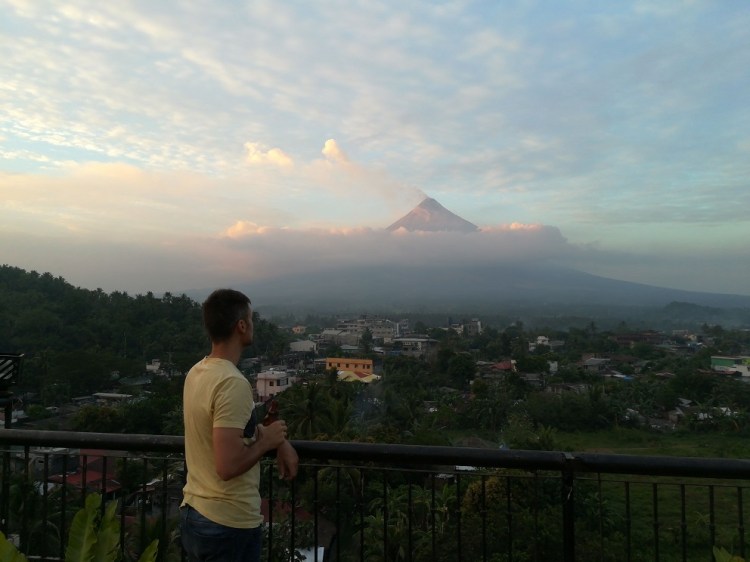
It is the most impressive volcano in the Philippines, due to its perfect conical shape. Mayon Volcano is located in Legazpi and its name comes from the term “magayon” which means beautiful. It is a stratovolcano, which suggests a conical and 2421m high volcano, formed by numerous layers of hardened lava that alternate with pyroclastic layers.
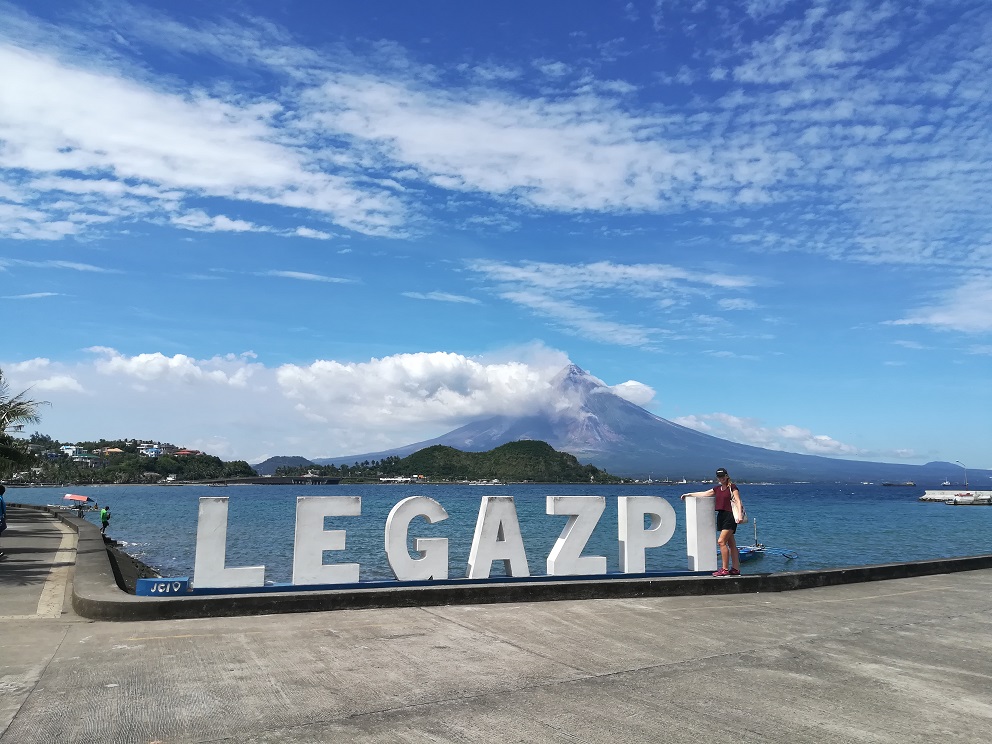
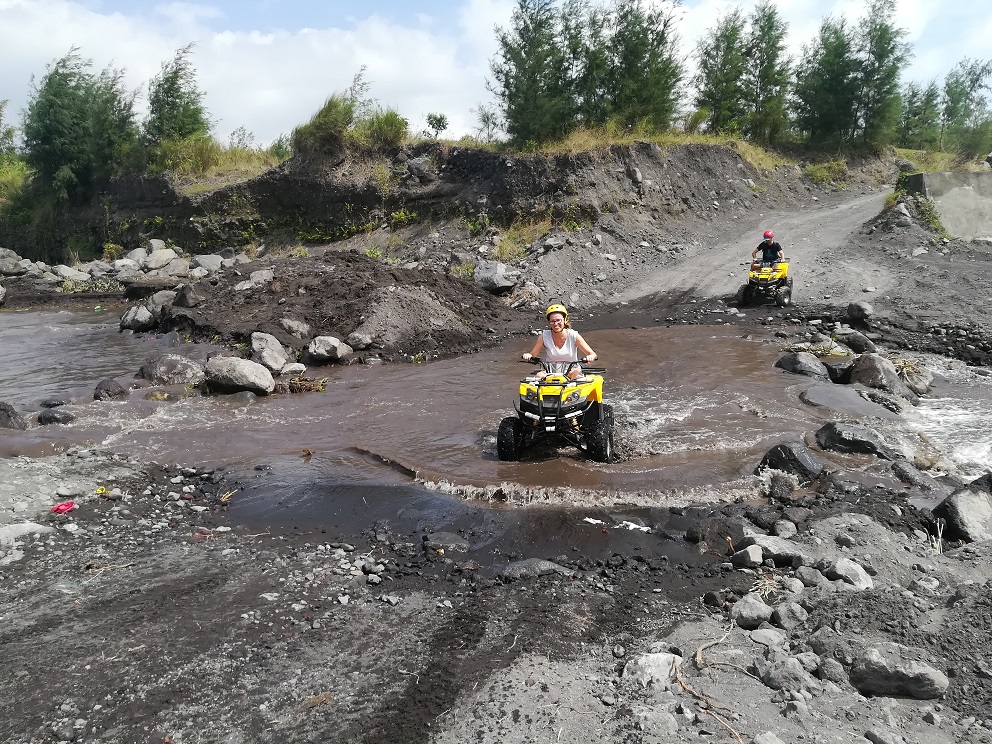
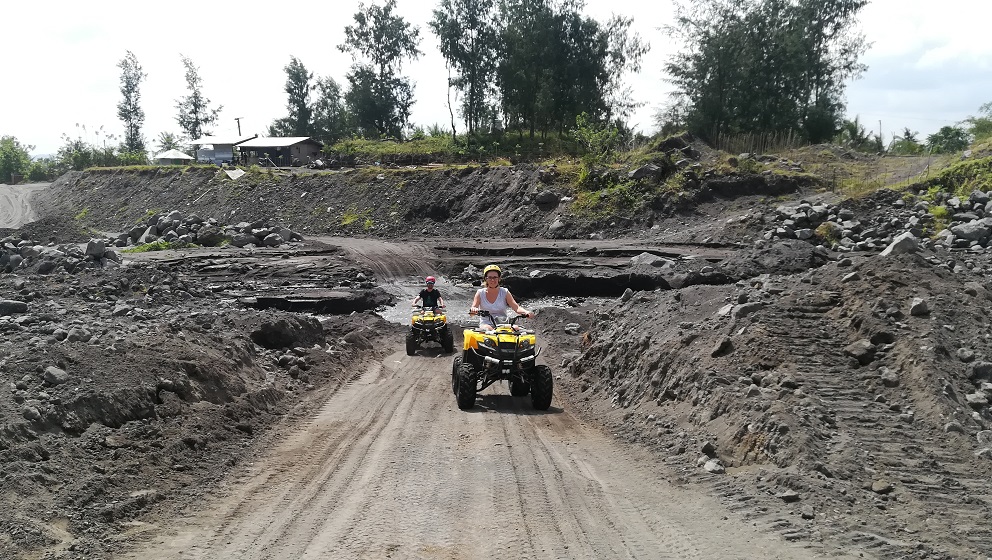
Of course it’s one of the most active volcanoes in the Philippines, its last eruption took place in 2018, which I had the great opportunity to witness. This is the main reason why climbing to the summit is currently prohibited. However, there are plenty of opportunities to have fun in Legazpi. One of them is to take an ATV tour, from which you can see the volcano. It’s a good opportunity to relax a bit.
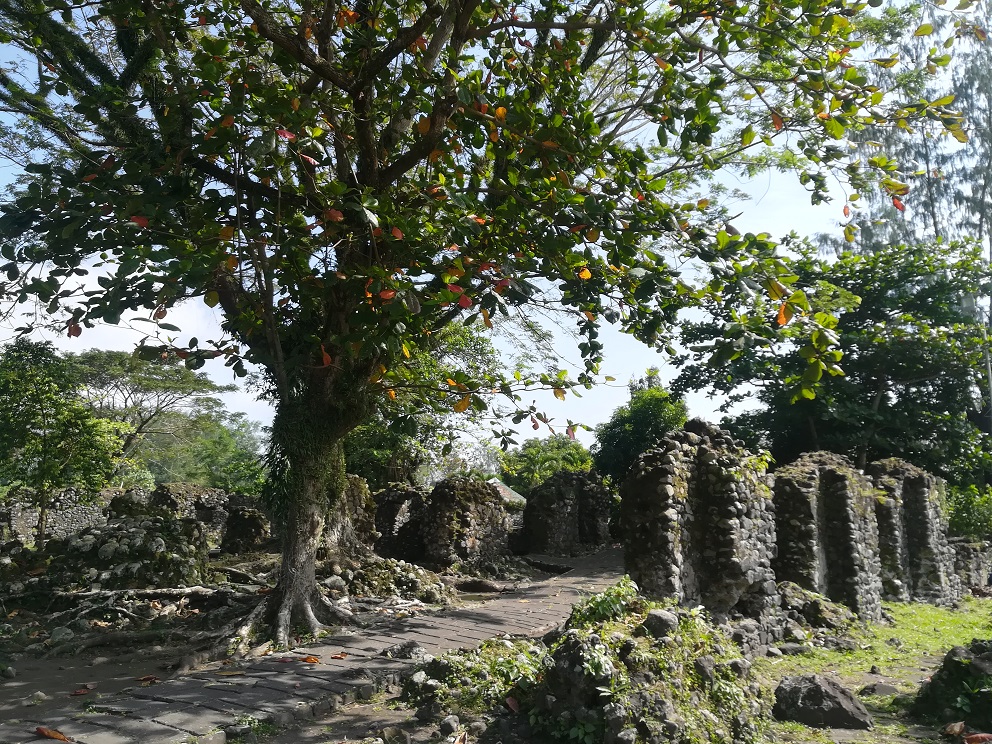
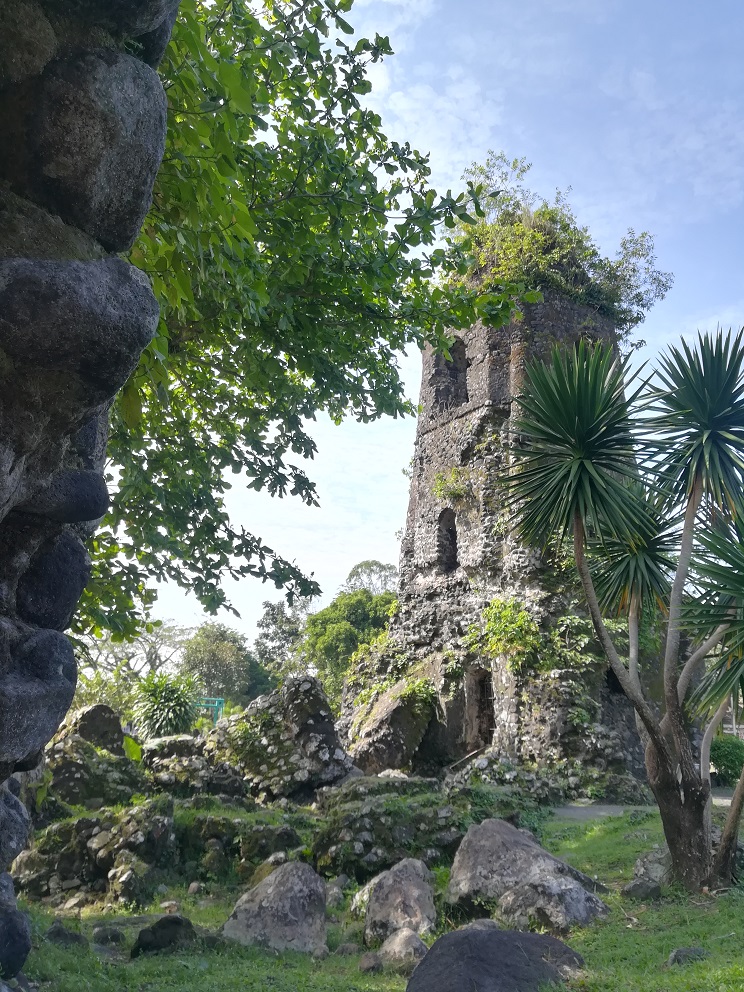
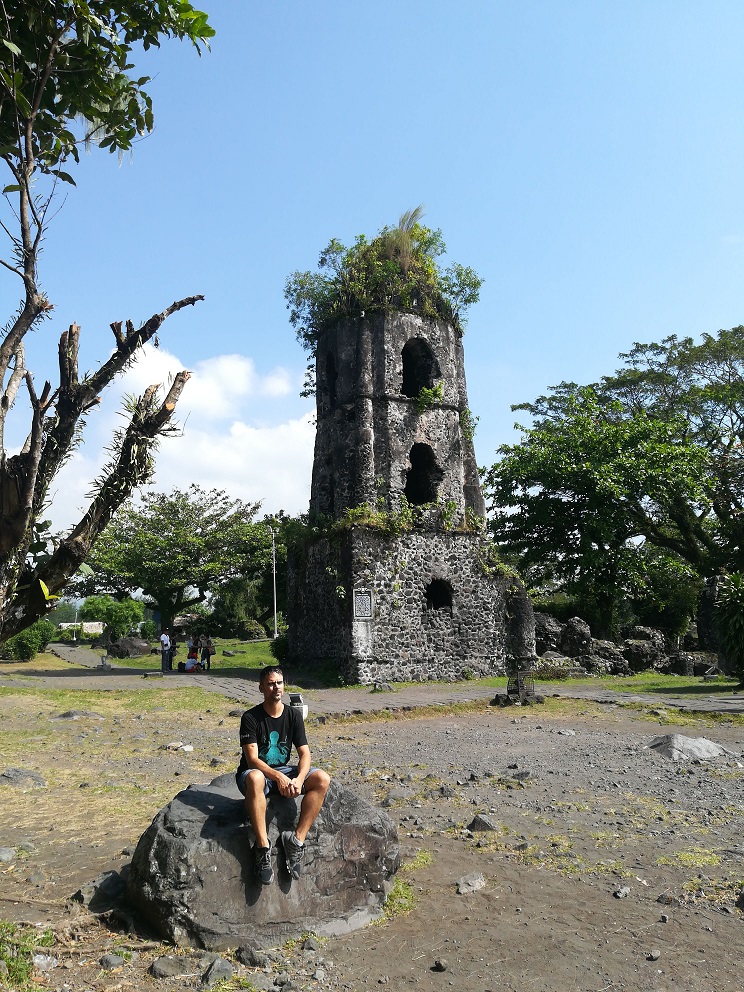
Also, discover the Cagsawa Ruins, a 16th-century Baroque-style Franciscan church, first destroyed by Dutch pirates and rebuilt in 1724, only to be destroyed again by the 1814 volcanic eruption. It has wonderful views of the volcano. In its vicinity, the Cagsawa Festival is held every year, representing sports, culinary and entertainment activities.
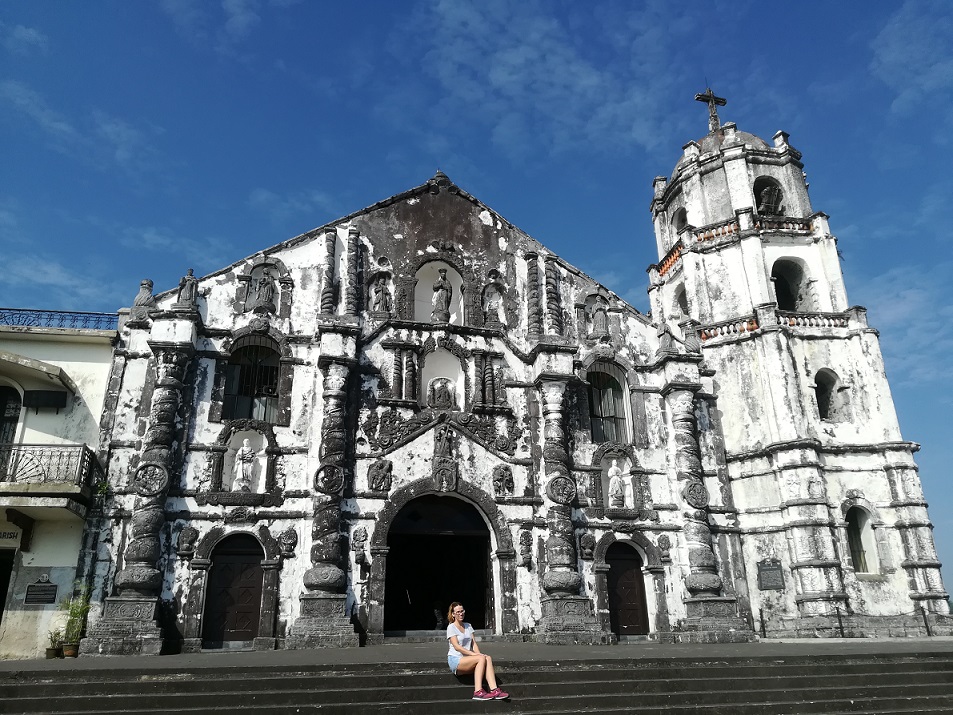
And if you are a fan of Art, I recommend you also visit the impressive Daraga Church, located at the top of the hill and of course, also with fascinating views of the Mayon Volcano. It was built in 1772 by the Franciscans in the Baroque style. Its facade represents a typical artistic style from Spain, called Churrigueresque and is made with volcanic rock and covered with limestone, hence its double black and white color. It is also the only church in the Philippines that has Solomonic columns, whose shape is spiral. Next to the facade there is an octagonal tower that bears the image of the 12 apostles of Christ. Do not miss it!
Finally, although you can arrive by ground transportation from Manila, if you are in a hurry, it’s better to take a plane to Legazpi.
TIPS:
• Always wear appropriate clothing and footwear, for example, both in Taal and in Pinatubo, at the end you are going to do a long walk. Water will also be needed then.
• You can rent a private tour, so it will be easier for you, although if you are more adventurous, it’s a good opportunity to travel by public transport. Don’t be surprised that it’s cold inside the buses! Filipinos love to put a lot of air conditioning on. I still remember my mother’s surprise when I told her that my first impression of the Philippines was that it was quite cold there.
 all about eve`s journeys