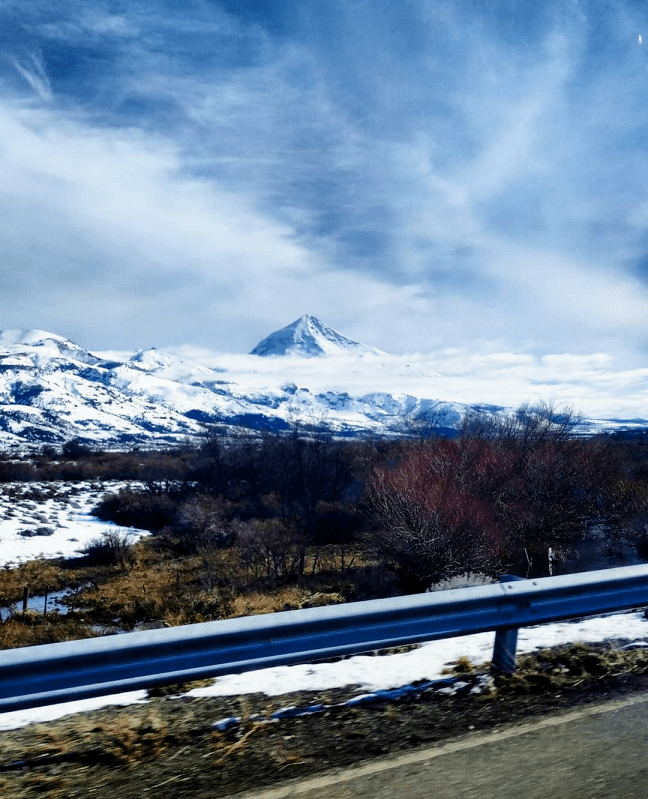
It was the middle of winter when I arrived at the beautiful town of San Martín de los Andes, located in the province of Neuquén, in the southeast of Argentina. The city was covered with a thick layer of snow and looked like something out of a Christmas story, however, it was not December, but August, since in the southern hemisphere the cold arrives during the summer period in the northern hemisphere.
I was struck by the peculiar architecture of the city, whose construction is divided into three different stages: the period of the settlers with wooden houses, the period of the National Parks, in which brick and stone constructions predominated, and the current style. The wintry downtown street was inviting me to enter an establishment to warm up a bit, and there was no better place than one of the cafeterias where delicious handmade chocolates, for which the Patagonia is famous, are being offered.
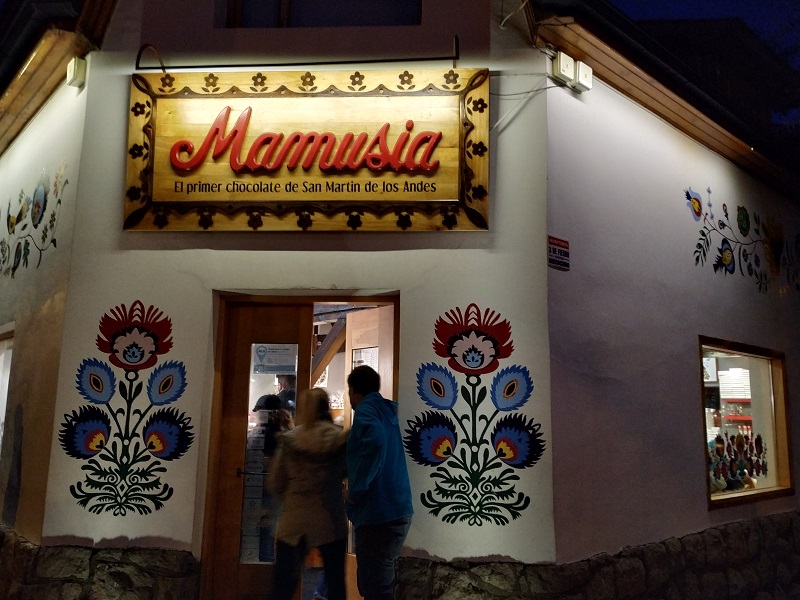
I really loved the Mamusia store which means “mommy” in Polish. It is the first chocolate establishment in San Martín de los Andes. Do not be surprised that the name is in Polish, since after the Italians, Spanish and Germans, the number of Polish immigrants was important in this geographical area. An Argentine once jokingly told me that his ancestors had their origins in ships, referring to large number of immigrants who arrived from the Old Continent.
TREKKING AROUND SAN MARTÍN DE LOS ANDES
During the winter months there are fewer options for hiking, due to the heavy snowfall in the area, however, even so, it is a beautiful time to enjoy Patagonia and offers many possibilities for fun, especially if you are a fan of winter sports. Below I will describe some beautiful places that you should not miss when you come to San Martín de los Andes.
THE BOAT RIDE TO THE HUA HUM BORDER CROSSING
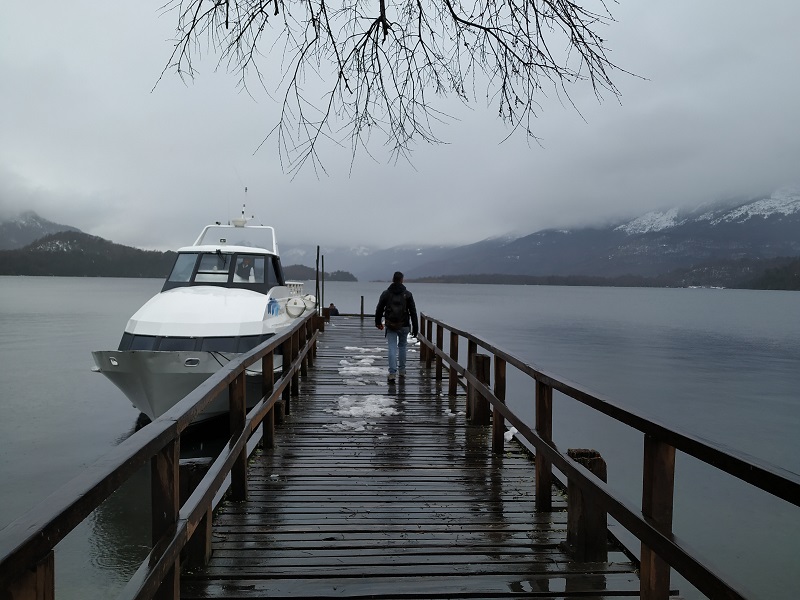
In the Mapuche language Hua Hum means a “rainy place”. A good idea to get to the beginning of the Hua Hum River is to go by boat across Lake Lácar and Nonthue, both of glacial origin, whose temperature in summer reaches around 22ºC. By the way, in the town of San Martín there are many tourist establishments, where you have the possibility to book the boat trip.
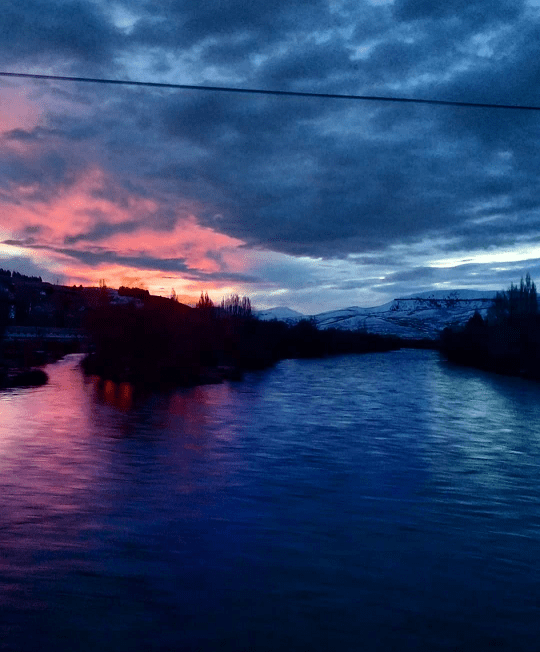
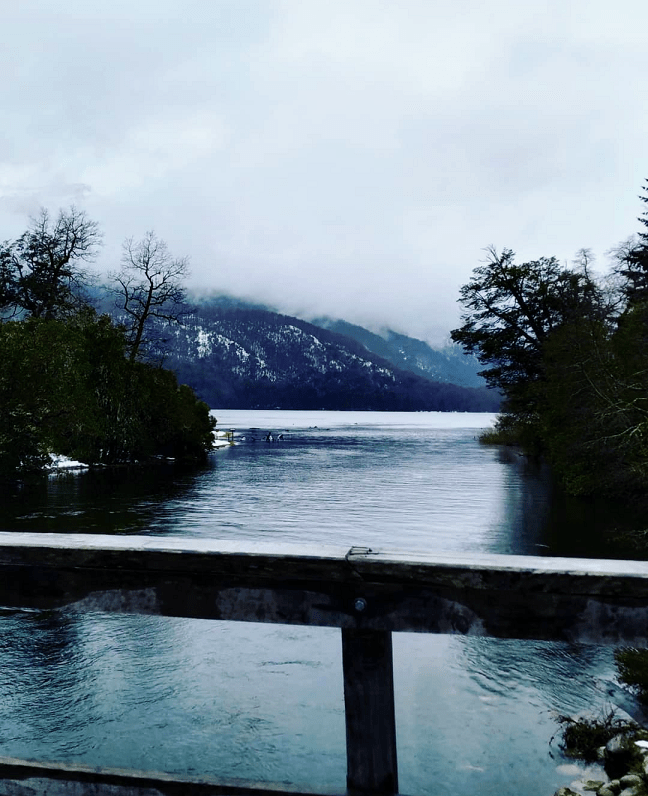
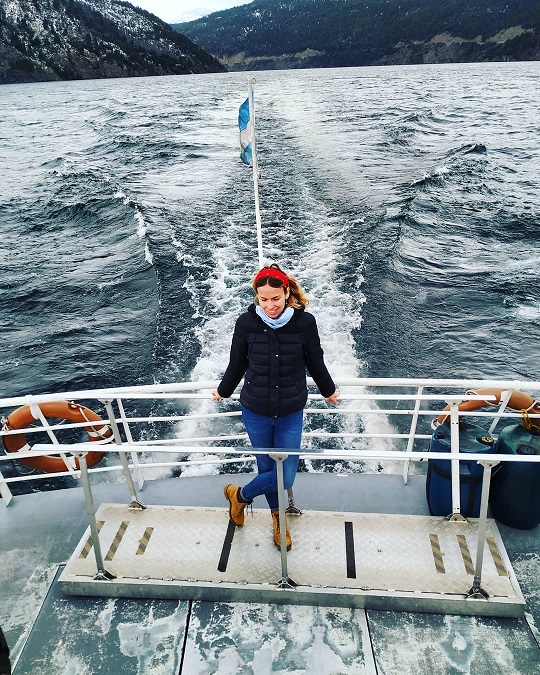
The walk through the glacial lakes covers about 28 km of the Lanín National Park and has various stops where you have the opportunity to do a bit of hiking in order to get to know the incredible virgin landscapes that surround the lakes, characterized by the Patagonian Andean Forest or the Valdivian Rain Forest, with multiple strata of forests that remain green throughout the year.
Some of the stops include:
–Villa Quila Quina: this is a territory of the Curruhuinca Mapuche community, where the best Lácar beach is located, which you can enjoy in the summer period. It is an ideal area to have a picnic, take a walk through its magnificent oak forest or visit one of its spectacular spas.
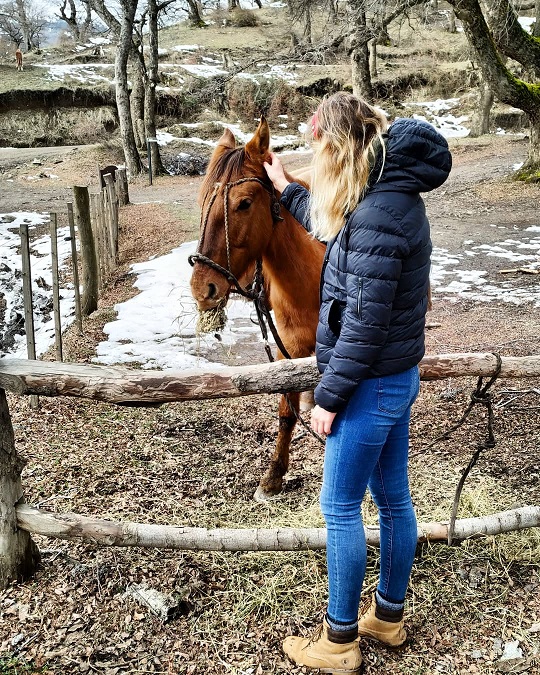
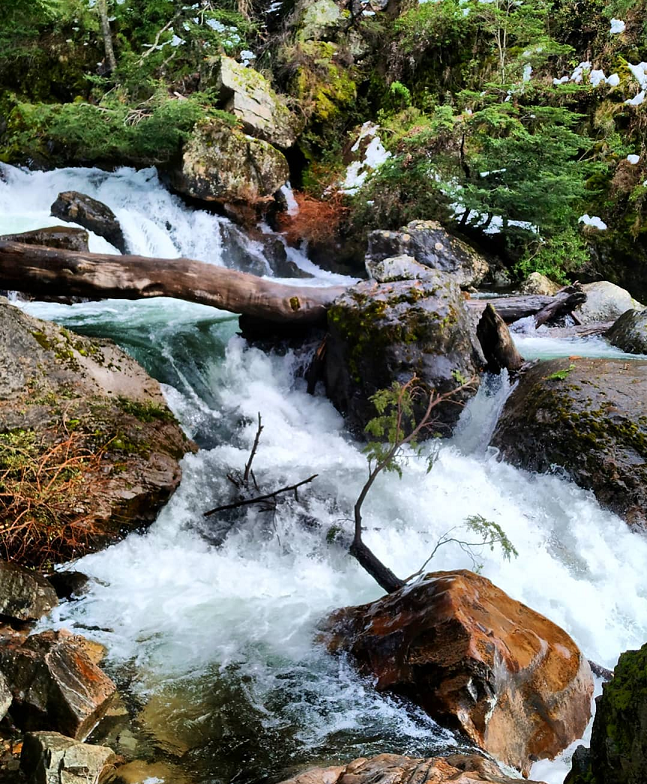
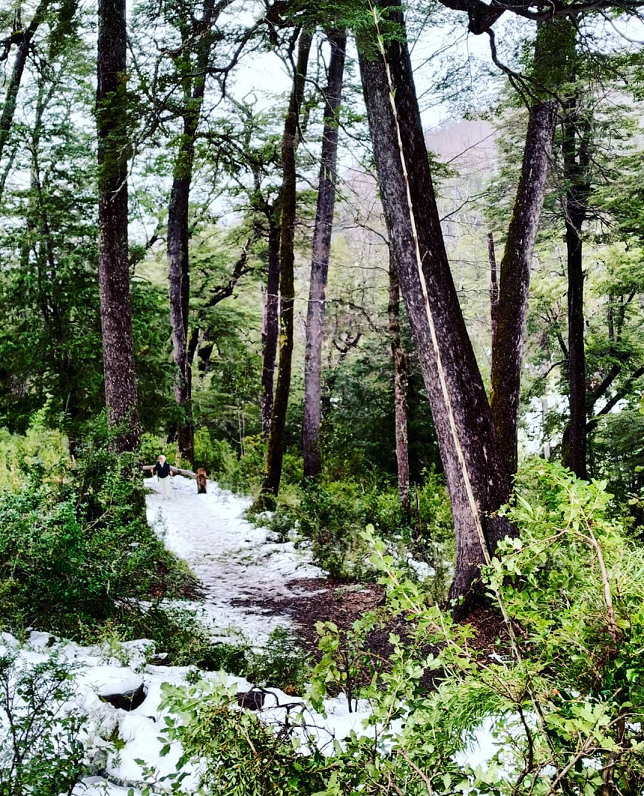
–Chahín River Waterfall: to reach it, we disembark at the small port with the same name and take a walk through the Valdivian Rain Forest. The image of the waterfall is impressive and from the strategically located viewpoint you can enjoy the fall of the water of about 30m in height. By the way, if you like waterfalls, in Argentina there are also located the wonderful Iguazu Falls.
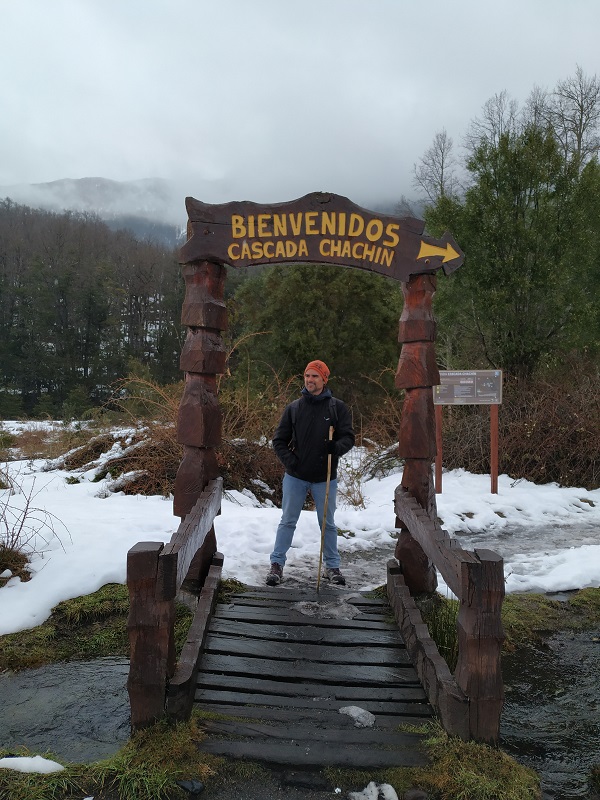
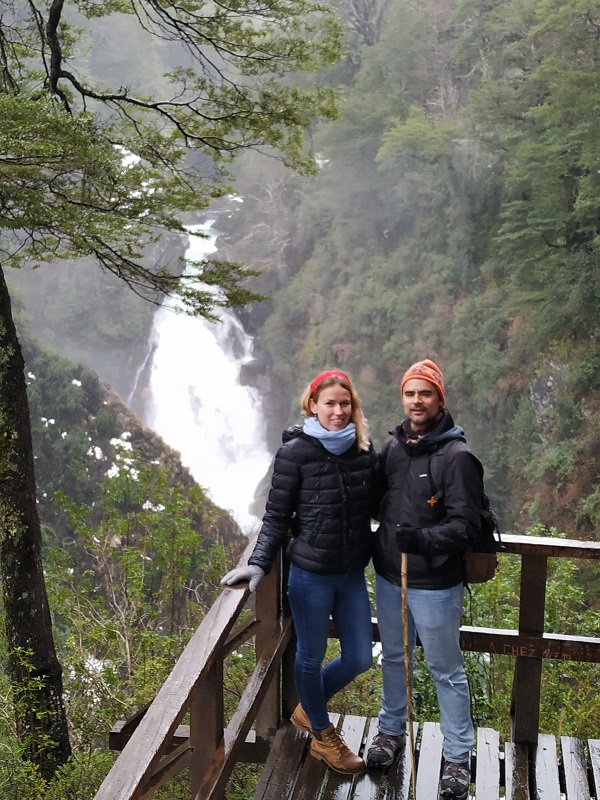
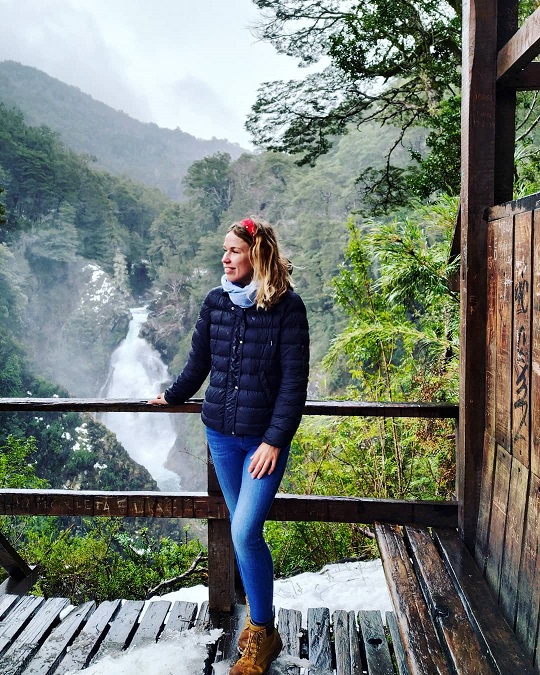
–Hua Hum Port: the last stop of the excursion leads us to this port through which it is possible to cross the border with Chile. If you are interested in traveling to Chile, you can also access the border going through the N-48 national highway, where it will be necessary to embark and navigate through the Pirehueico glacial lake, to Puerto Fuy in Chilean Patagonia.
VOLCAN LANÍN
Lanín is an active stratovolcano of 3776m, located on the border between Argentina and Chile. A legend says that at the top of the volcano lived the god of evil who would not want anyone to get close to him. And when the tribe of Huanquimil moved to the vicinity of the volcano, the god Pillán became furious and began a storm of rain of ashes and burning flames. Upon consulting the sorcerer, the tribe decided to throw Princess Huilefún into the crater. As a result of the sacrifice, Pillán’s anger softened and the volcano remained calm. Even today the Mapuche community considers this place sacred.
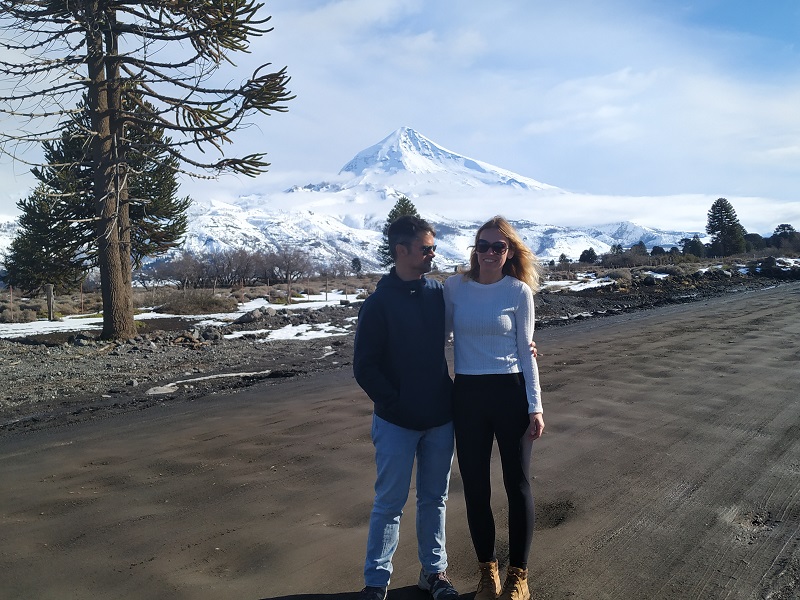
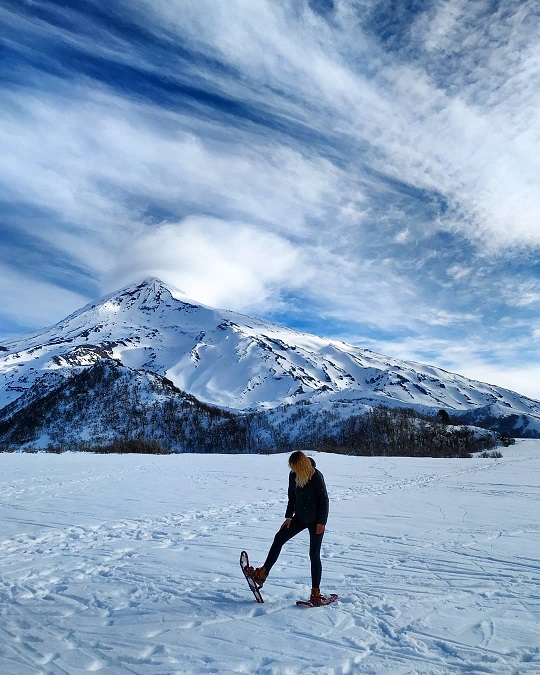
It is possible to make a small hiking route through the area, you can do it on your own or book an organized trip. The second option will allow you to meet new people who will share this experience with you, so I highly recommend it.
TIPS:
• From San Martín de los Andes you can make a car trip to Villa La Angostura and the Seven Lakes, however, keep in mind that during the winter months (July-August) there is the possibility that some routes will be closed due to strong snowfall. Therefore, it is good to have a plan B to have fun and get to know Argentine Patagonia.
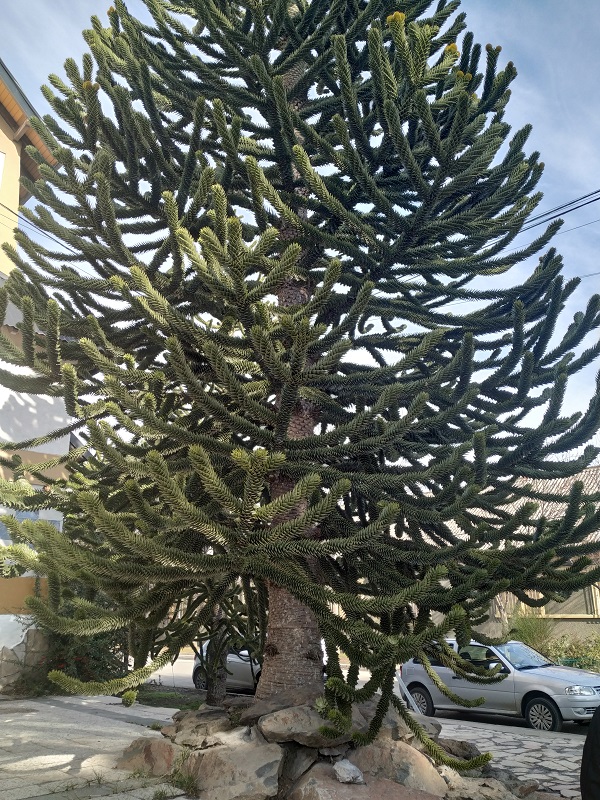
• Since ancient times, the pine nuts from the araucaria trees, whose old name was Pehuen, are consumed in Patagonia, and they are symbol of Neuquén. There was even a deity with the name of this species, since for centuries its fruit was the main food of the local inhabitants. At present, numerous typical dishes are still being prepared with these pine nuts, especially the sweet ones, such as the very delicious alfajores.
 all about eve`s journeys
hummm, alfajoraes what a delight
LikeLike