I had previously described you the wonderful Iguazú Falls, the land of wine in Mendoza, and the cold, but extraordinary unique places in southern Argentina, such as Chaltén, the Perito Moreno Glacier or the charming town of San Martín de Los Andes. Now I would like to take you to Buenos Aires, located on the southern bank of the Río de la Plata, and show you some of my favorite places in this city. It’s one of the 20 largest cities and one of the 25 most influential cities in the World, given its commercial and financial, artistic, cultural and educational influences.
THE ORIGIN OF THE CITY NAME
The origin of the name of Buenos Aires, also called Biares or the Federal Capital, is related to the Spanish soldier Pedro de Mendoza, who had founded the first settlement in this area and had named it Real de Nuestra Señora Santa María del Buen Ayre, in order to fulfill the promise to the Patron Saint of Navigators. However, it was Juan de Garay who in 1580 founded the city with the name of Ciudad de Trinidad and that remained in force until 1996! But I guess you didn’t know that, since nobody really used this name.
THE CURIOUS PLACES IN BUENOS AIRES
STRIGHT AND VERY LONG AVENUES
Walking through Buenos Aires, also known as Little Paris, due to the beauty of its architecture and its streets, is the best way to get to know its people and customs.
By the way, its avenues are exceptionally long, and the buildings reach infinite numbers. One of the most prominent avenues in the city is Avenida 9 de Julio, named after the date on which the independence of the Argentine country is commemorated since 1888. This avenue, which reaches up to 20 lanes, must be crossed in sections! Also, near the Avenida de 9 de Julio there is the Avenida Corrientes, both come together in the Plaza de República, where the famous 66-meter-high obelisk is located.
THE NOTABLE BARS
In the Federal Capital there are up to 70 notable bars that are currently part of the city’s cultural heritage. They are spaces, which present a unique traditional decoration and which were meeting spots for important thinkers, writers, etc.
THE JAPANESE GARDEN
“I will feel extremely pleased if a visit from us, even if it is of short duration, allows us to serve as a bridge [between Japan and Argentina] for a closer bond…”
(Ahihito – 15th May, 1967)
In the 1960s, when Prince Akihito visited the city, in Buenos Aires was founded the second largest Japanese Garden in the World. Various festivities of the Japanese country are held there, as well as a tea house and a community center. It is a dream place where peace and harmony abound, where you have the possibility to relax and forget about the daily rush.
THE RECOLETA CEMENTERY
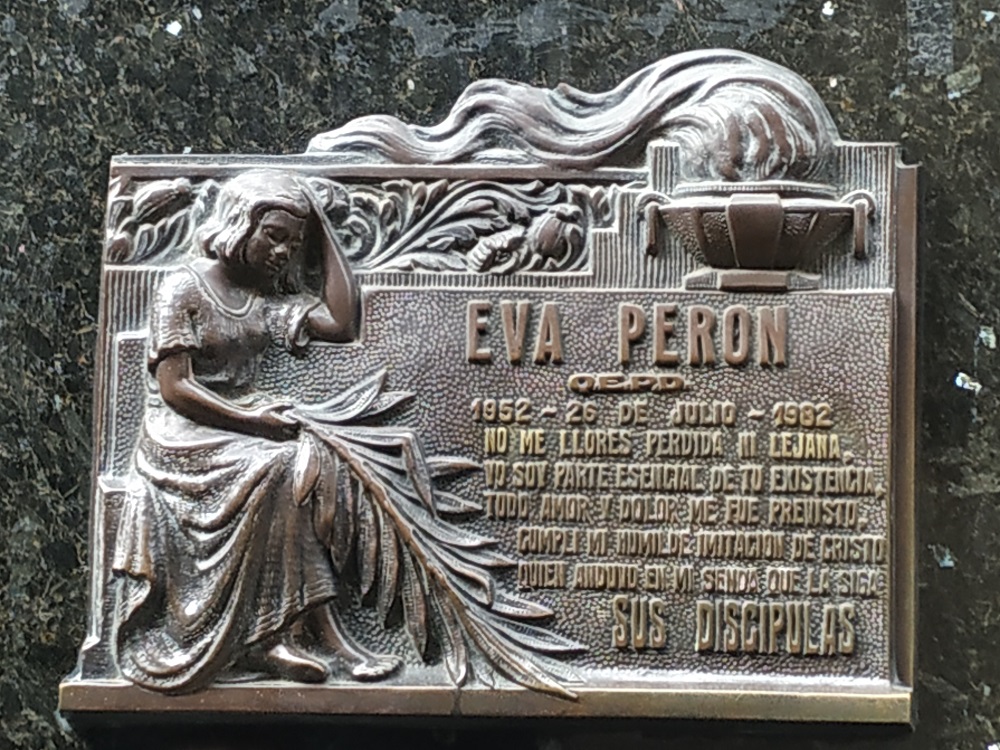
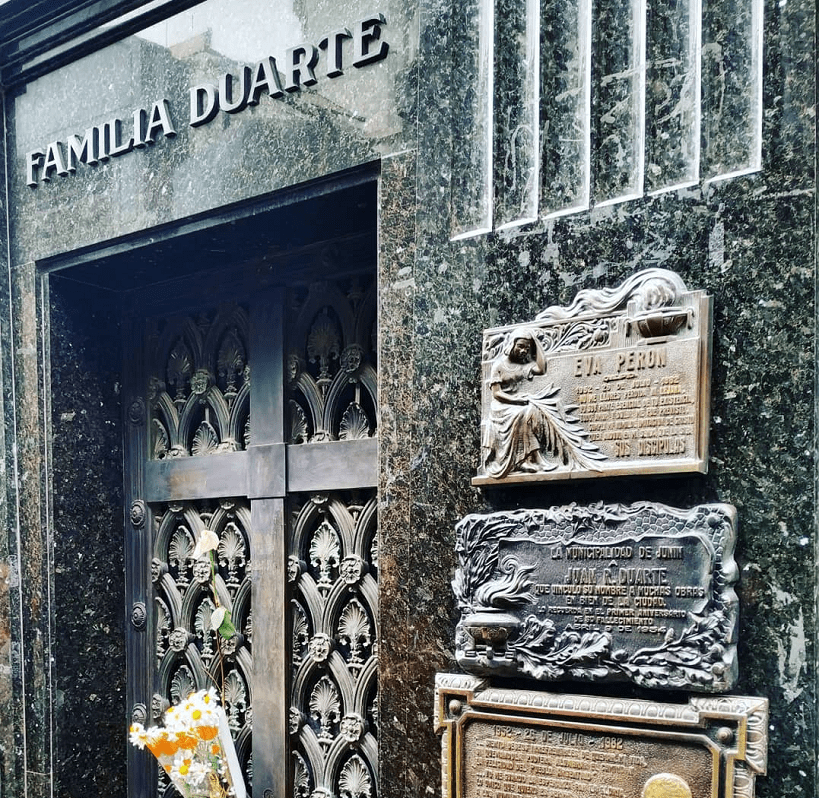
The Recoleta Cemetery, inaugurated on November 17, 1822, stands out for its exceptional mausoleums and vaults, adorned with sculptures and marble, which are true works of art. Through a neoclassical style entrance we enter a spectacular place that houses the remains of the former presidents of Argentina. Here are also located the mortal remains of Evita Perón (Duarte), the actress and the First Lady of the Nation, wife of President Juan Domingo Perón, founder of Peronism, the most prominent political movement in Argentina.
CASA ROSADA
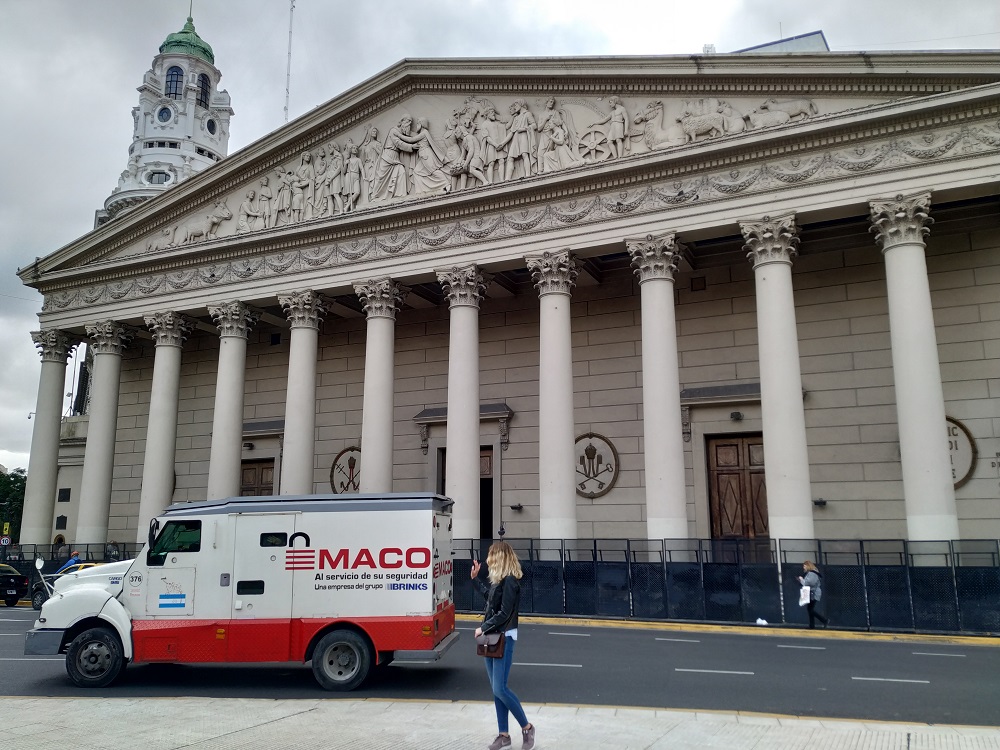
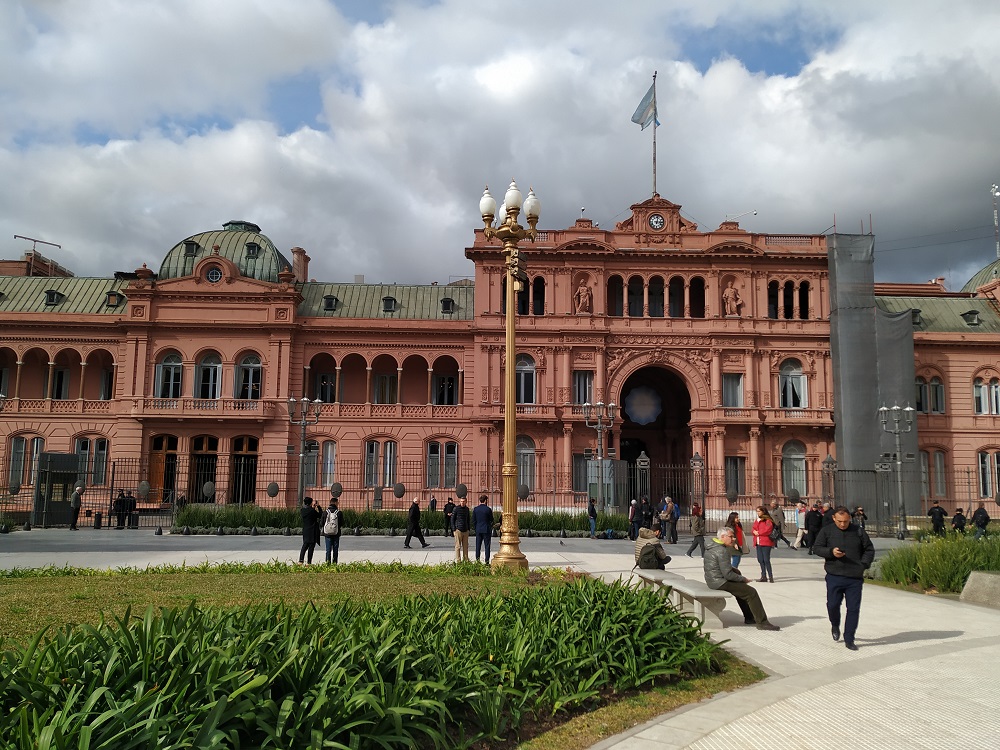
The Casa Rosada is the seat of the executive power of Argentina and the seat of the President of the Government. It is located in front of the Plaza de Mayo (May Square), the founding site of the Federal Capital. The pink color of the façade represents the merger of the parties that carried out the bloody civil struggles during the first half of the 19th century. A legend says that the mixture of the white color of the Unitarians and the red color of the Federals gave rise to pink. By the way, next to the Plaza de Mayo you can also visit the Cathedral of the Holy Trinity, whose facade is neoclassical.
LA BOCA NIEGHBORHOOD
Buenos Aires lives soccer with great passion, in the city there are numerous stadiums, but you should go to the famous neighborhood, La Boca, where the spectacular La Bombonera stadium of the Boca Juniors is located, whose most famous representative: Maradona called it “the temple of the football world”.
On the other hand, La Boca is home to a typical area that you should definitely visit, the Caminito. It is an alley with old colorfully painted houses that have been converted into tango venues with great cultural value. Here you can also buy some delicious alfajores and souvenirs.
PALERMO WOODS
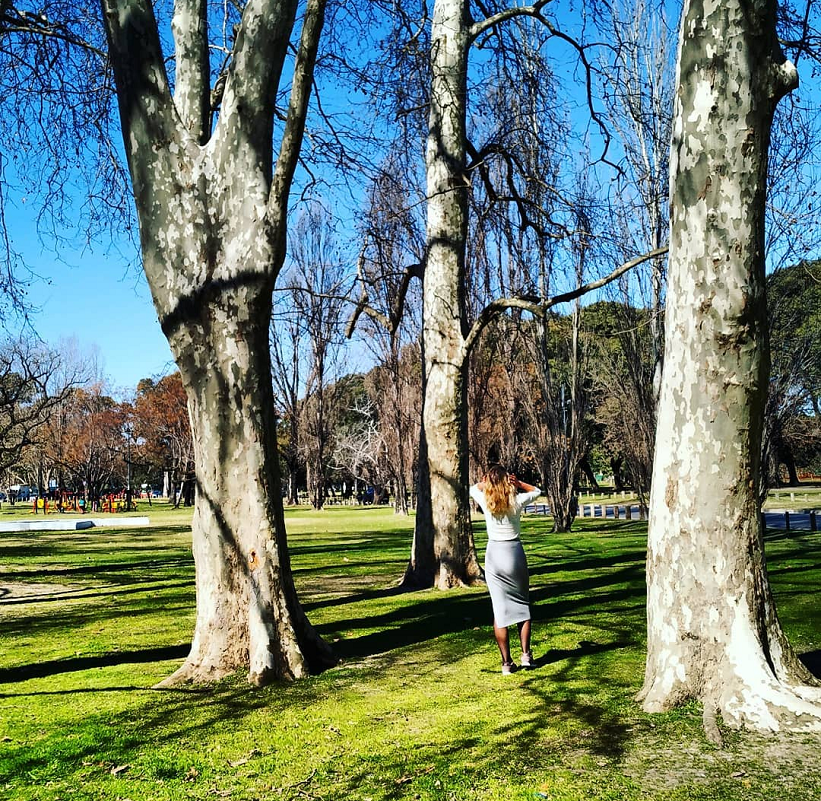
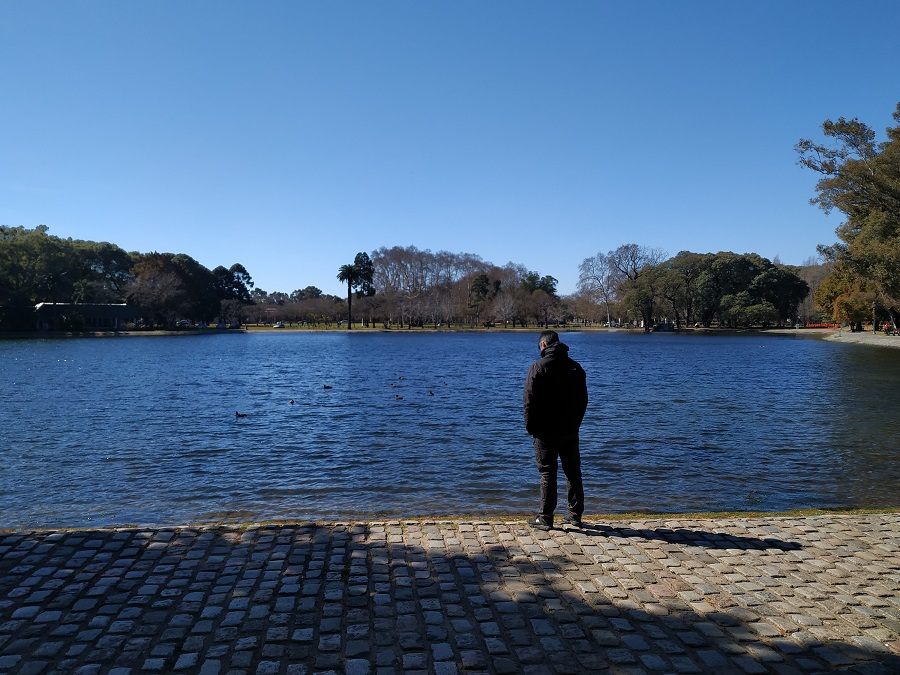
The Park 3 de Febrero, which is popularly called Palermo Woods (in Spanish: Bosques de Palermo), as it forms part of the famous Buenos Aires neighborhood with the same name. By the way, this neighborhood is the ideal area to stay, due to its wide range of nightlife, culture and the great beauty of its architectural structures, as well as its tree-lined avenues. The park, which covers an area of 40ha, which makes it the green lung of Baires, is also a splendid place to relax and have fun on weekends.
TIPS:
• Don’t leave Buenos Aires without trying its delicious Argentine barbecue, I think it is better not to eat much or even nothing beforehand to save space for the tasty meat. You’re going to get sick of eating! And for the dessert: alfajores.
• To stay, I recommend the Palermo or San Telmo neighborhoods. The latter also stands out for its wonderful architecture. Also, in one of the buildings, near the corner between Chile and Defensa streets, there was located the office of the creator of Mafalda, Joaquín Salvador Lavado Tejón.
 all about eve`s journeys