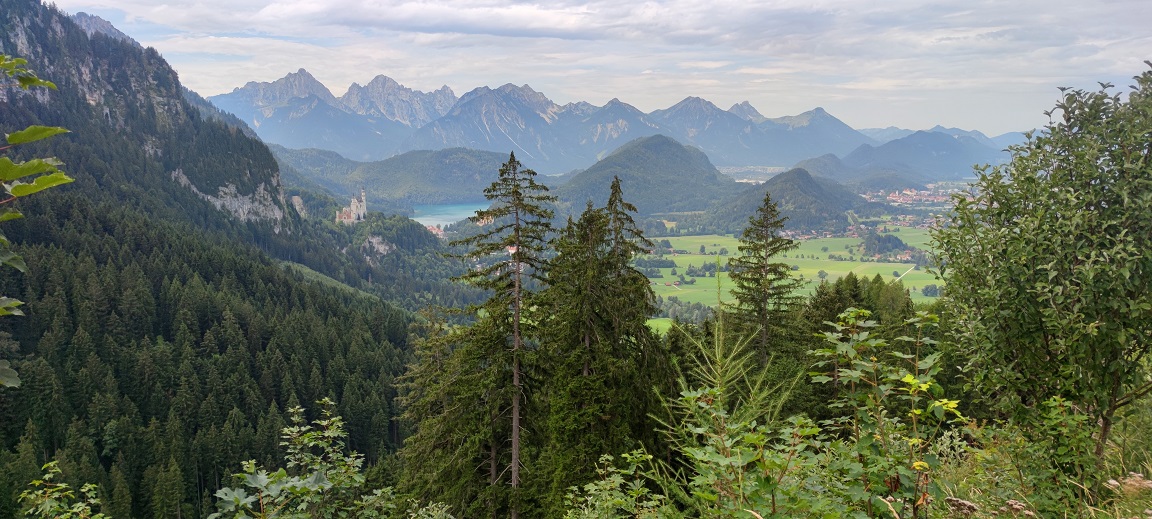
In the south of Germany, in the state of Bavaria, on the banks of the Lech River and at the foot of the Alps, not far from Austria, there is a beautiful city that seems to belong to a fairy tale, Füssen. It should be a mandatory stop in Germany, especially if you love hiking, history and art, since this beautiful city offers not only true architectural jewels, but also two incredible castles, one of them being the most famous in the world for having been an inspiration for Disney.
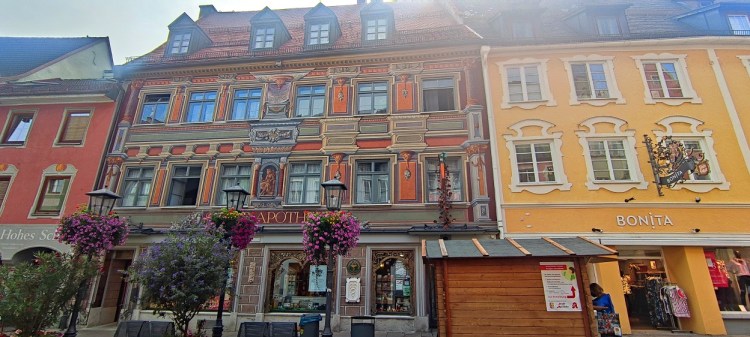
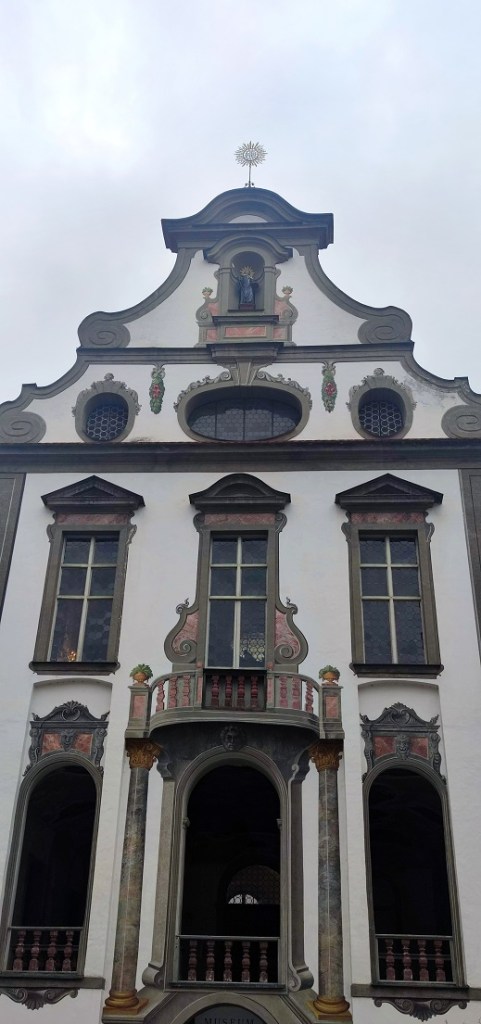
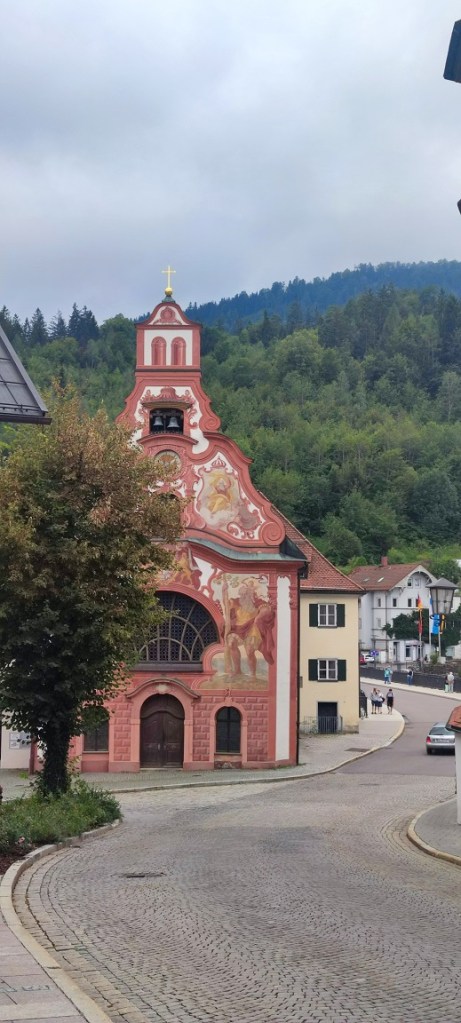
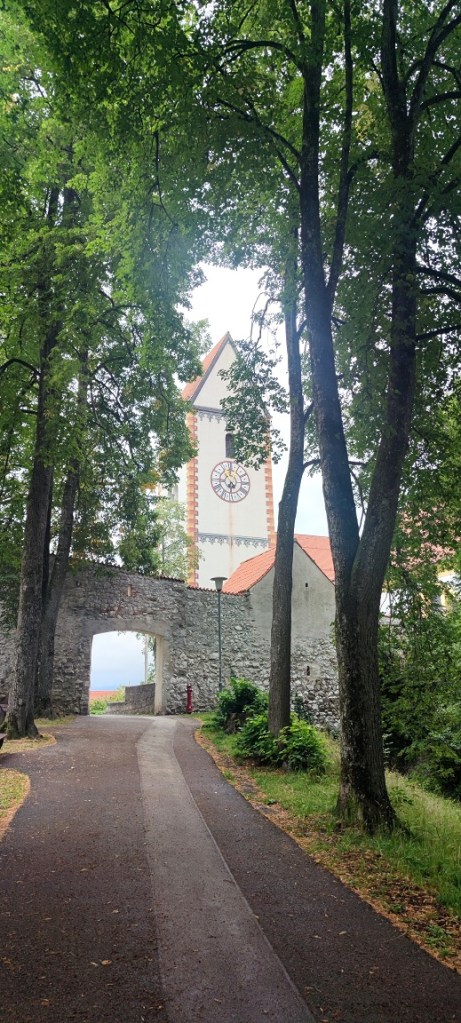
Füssen, which is part of Germany’s Romantic Road, is a fairly small city, with around 14,000 inhabitants. Its charm is mainly based on the wonderful old town quarter, where buildings dating back to the Middle Ages are still preserved. Walking through its idyllic streets you will have the opportunity to see the High Castle, made in the late Gothic style or the Benedictine Monastery of St Mang, among others.
THE TOWN
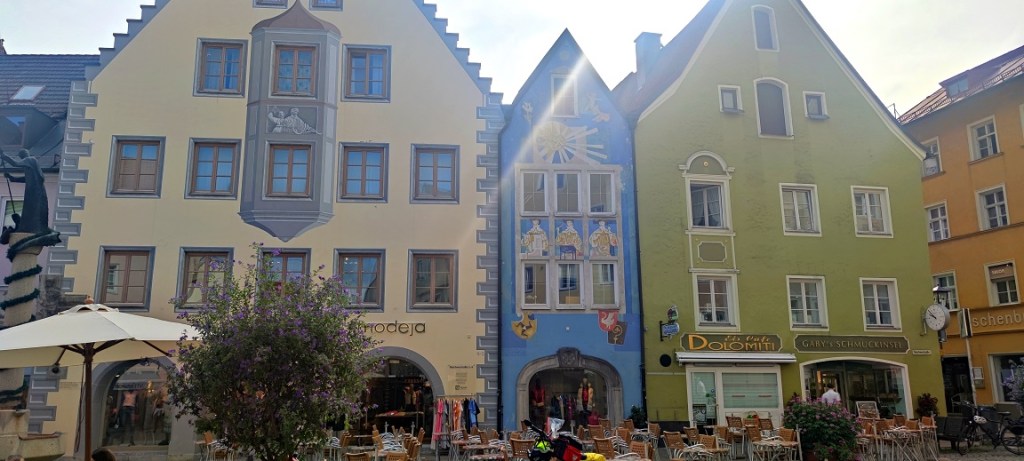
REICHENSTRASSE
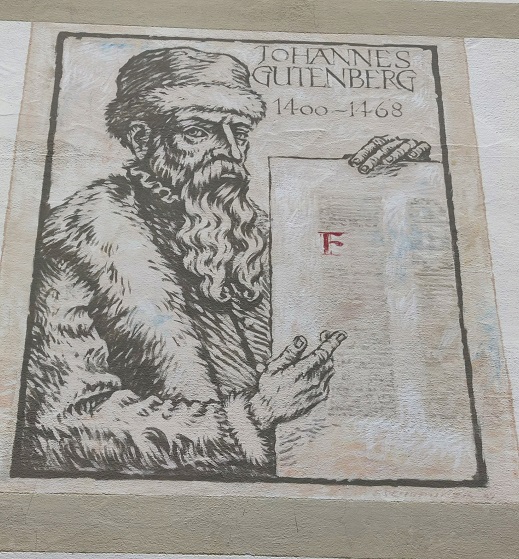
The city became internationally famous as early as the 15th century when it became the cradle of the lute industry. In its main street, Reichenstrasse, the old houses with colorful facades are located, which still remember the businesses that were carried out in them.
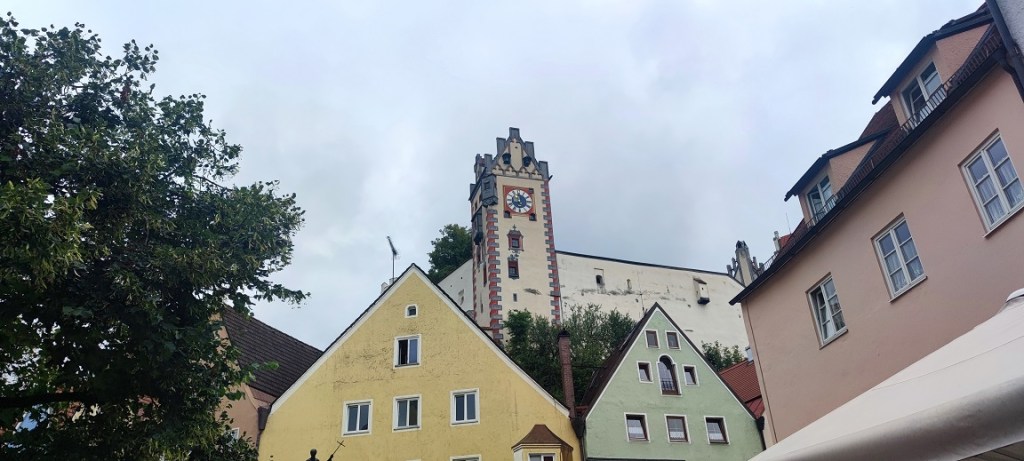
HOHES SCHLOSS
As I have told you, you should not miss visiting the High Castle (Hohes Schloss), which formerly housed the residence of the bishops. Today it is the tax collection office. It is possible to visit the Knights room, where wonderful pieces of art from the Gothic and Renaissance styles are located.
SAINT MANG MONASTERY
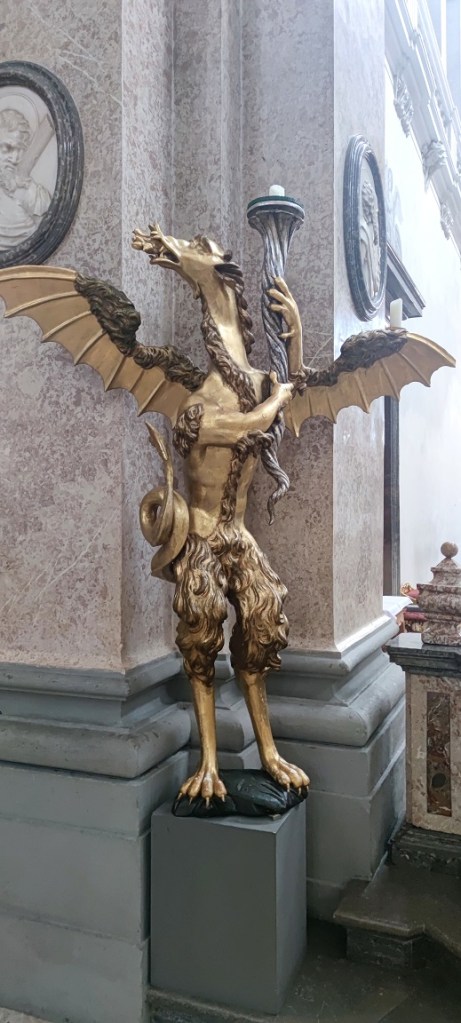
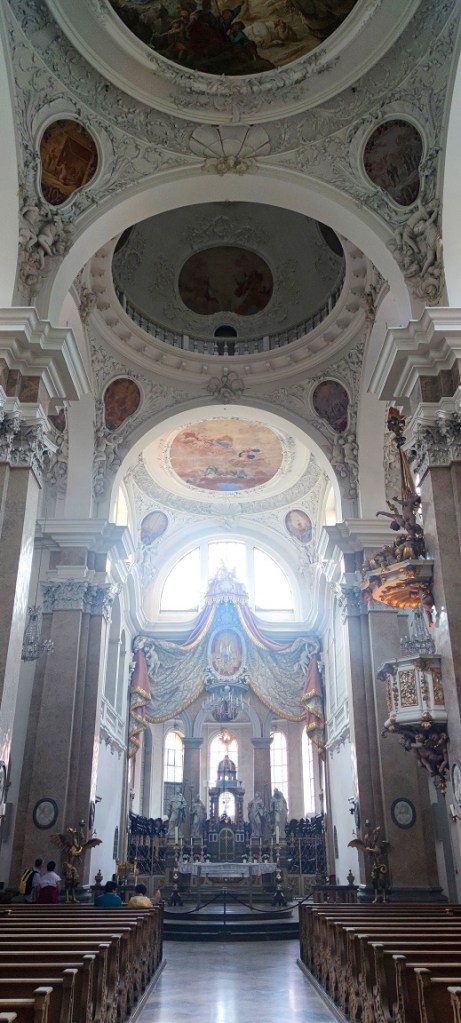
Inside the Monastery, the oldest fresco in Germany is kept, from the year 980. It was founded by a hermit and his brother, and lasted until the secularization of 1802, being the political-religious center of great importance.
HIKING
TELBERG MOUNTAIN
For lovers of hiking, Füssen is an ideal place, since it offers a range of routes through the Alps, also suitable for all audiences. Personally, the one I liked the most is the climb to the Tegelberg Mountain (1700m). Obviously, there is also the option of taking the cable car, in case walking is not your thing, although the climb is of moderate difficulty. I say “moderate” because it is a climb from the beginning to the end of the route, but it really does not have much technical difficulty. From the mountain and along the way, you can also see the wonderful castles and take a photo worthy of being a postcard. There is also a restaurant upstairs, in case you feel like having a very cold German wheat beer or a snack to rest from the walk.
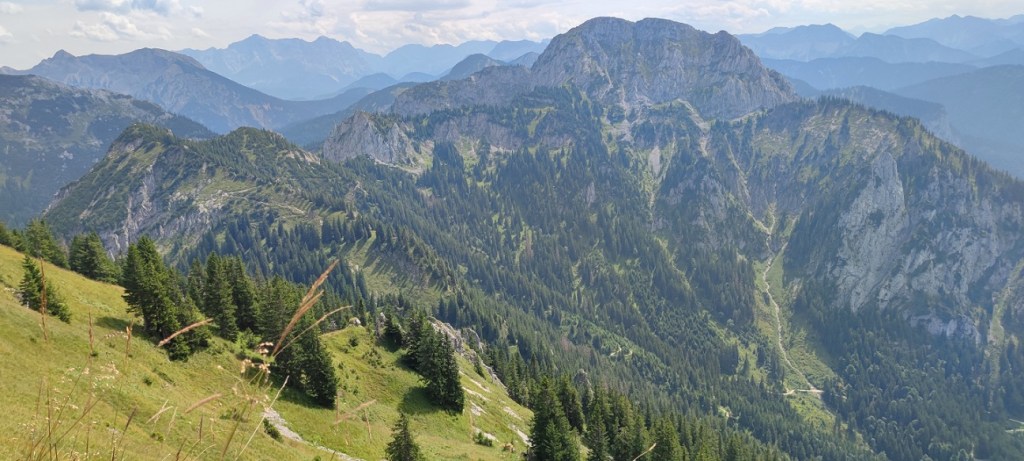
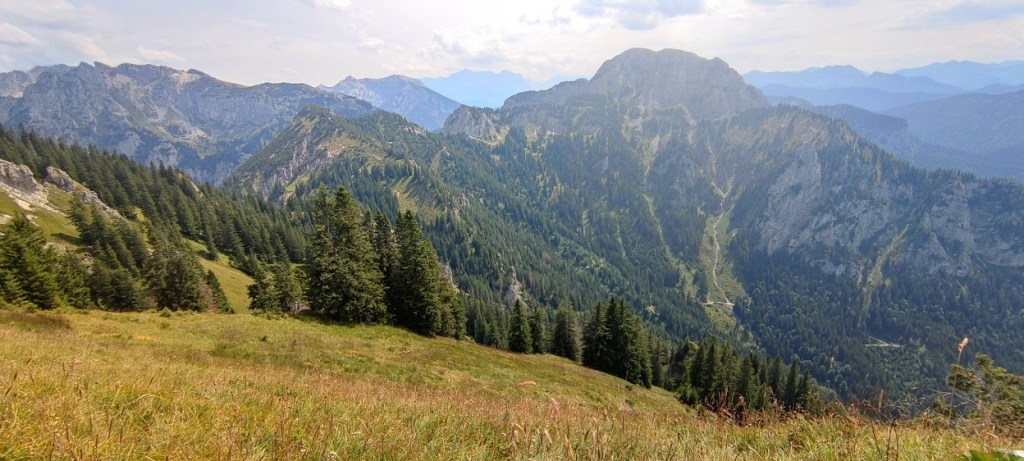
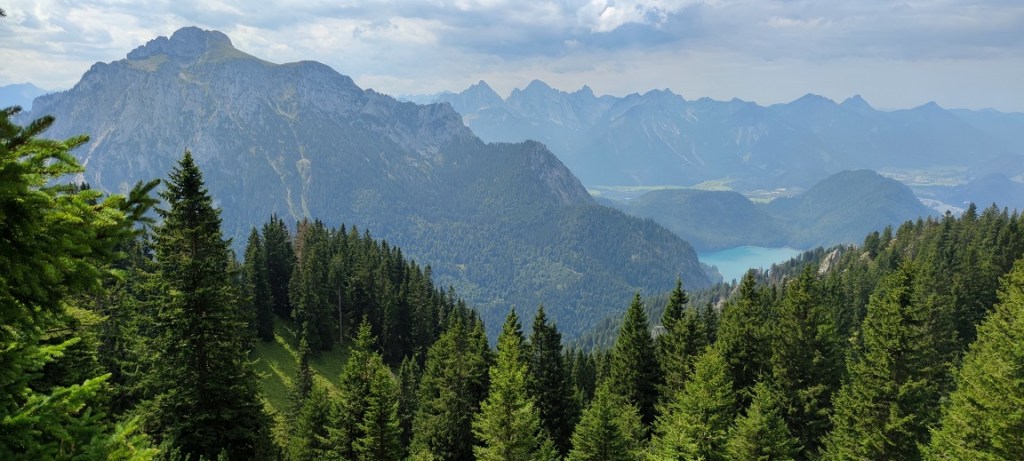
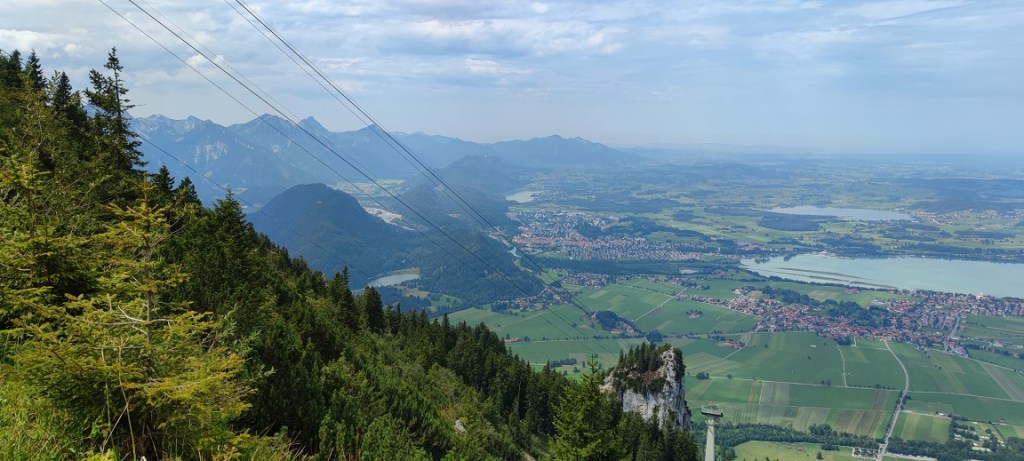
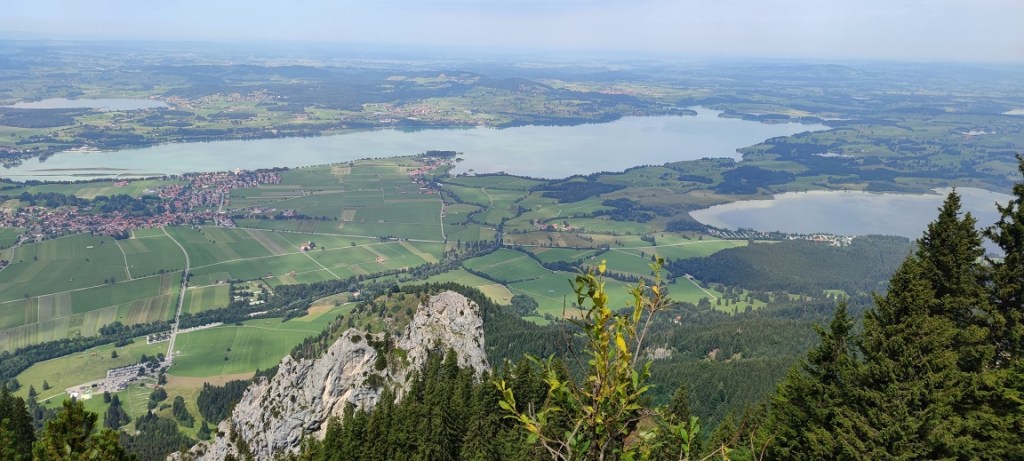
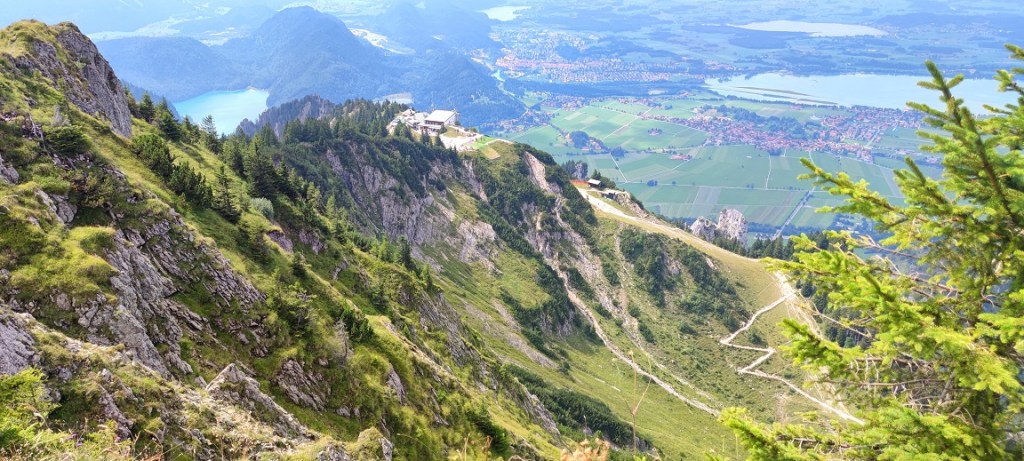
By the way, from the Tegelberg Mountain you have the possibility to catch a paraglide. It costs about €120 per person. Also there are numerous routes through the Alps that leave from there, for example, to the hunter’s cabin.
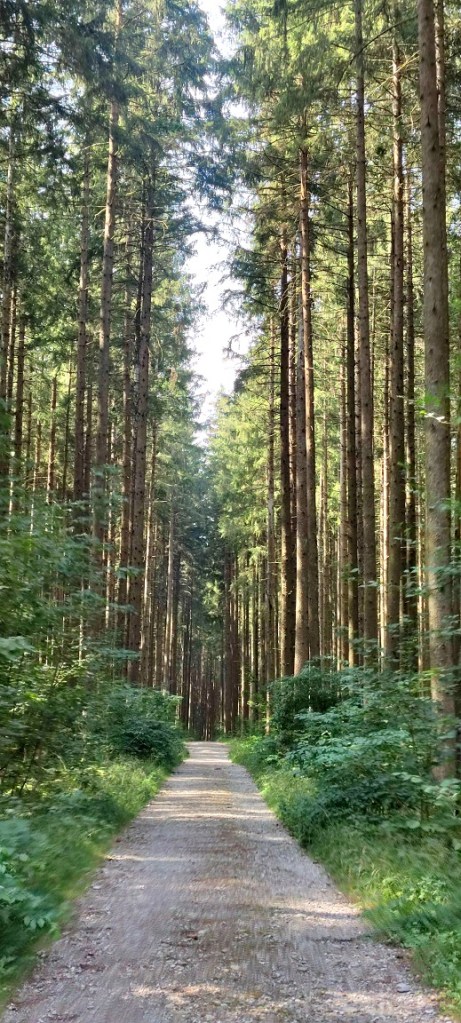
HIKING AROUND THE TOWN
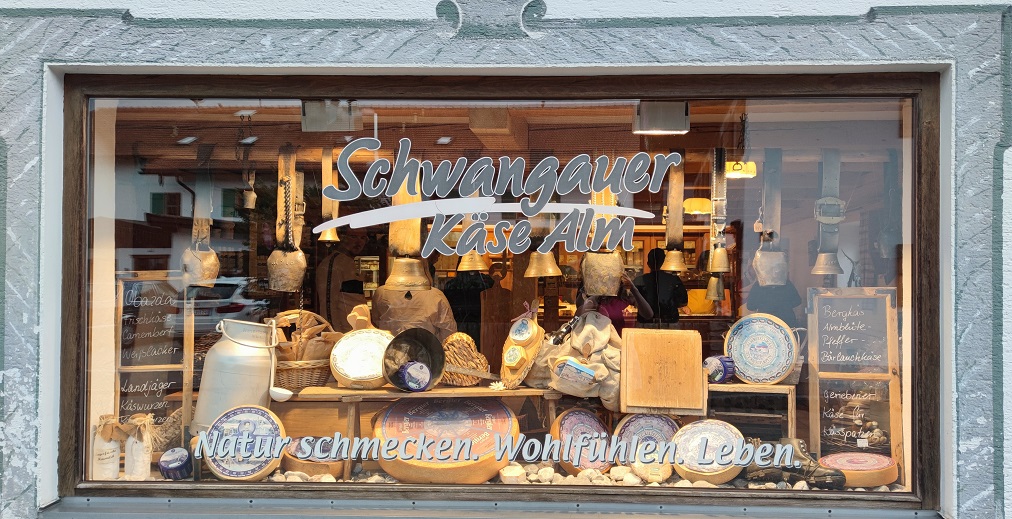
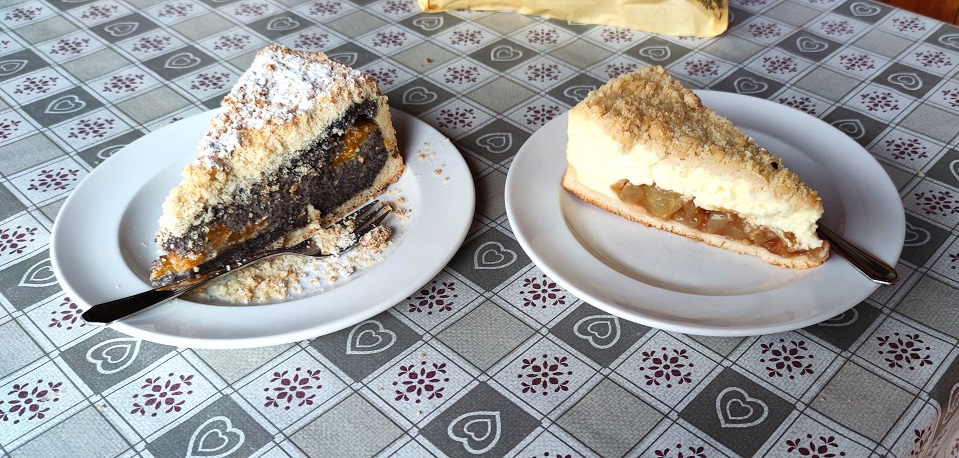
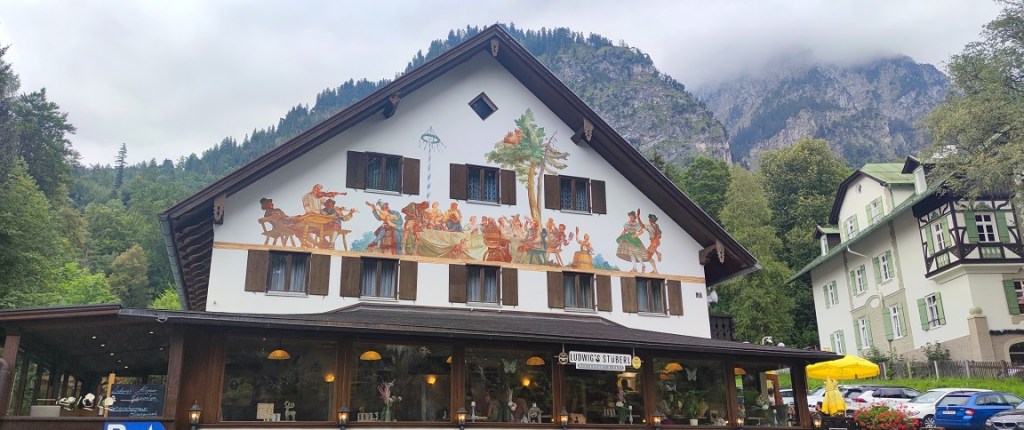
There are many paths leading from Füssen around the nearby lakes or up to the Lech waterfall. I recommend you take a walk to the town of Schwangau. A cheese shop-cafeteria is located in it. They sell a wide variety of cheeses and sausages, they also make some really delicious cakes. See for yourself in my picture.
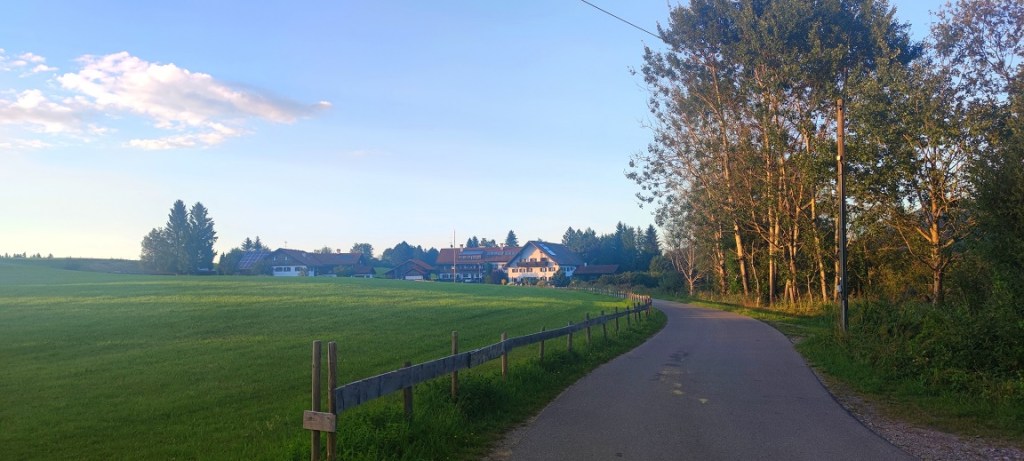
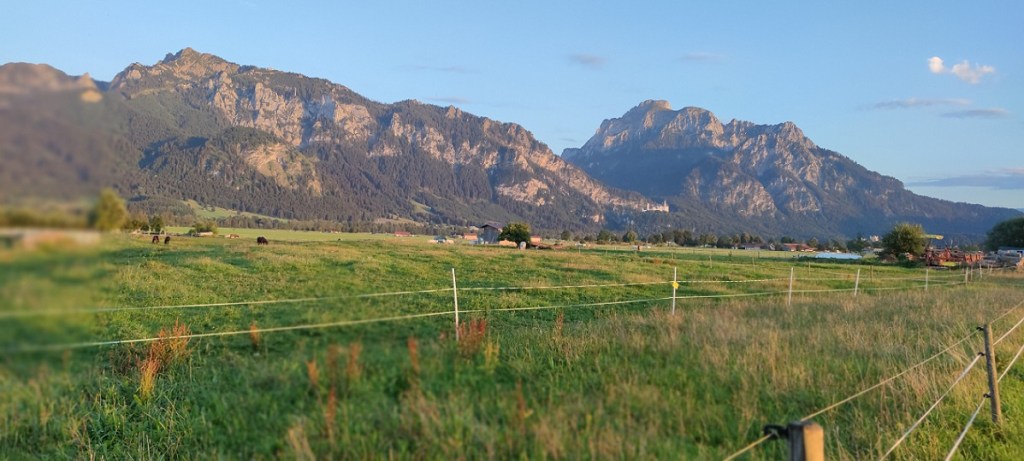
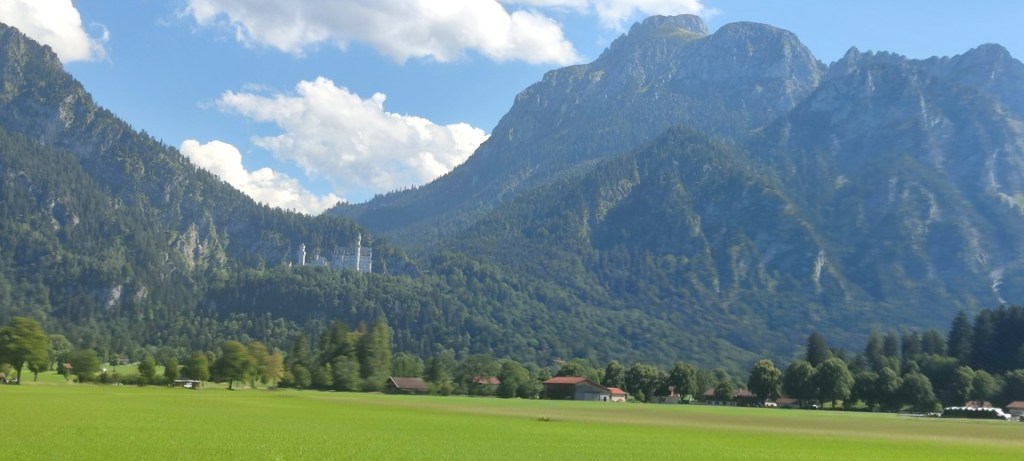
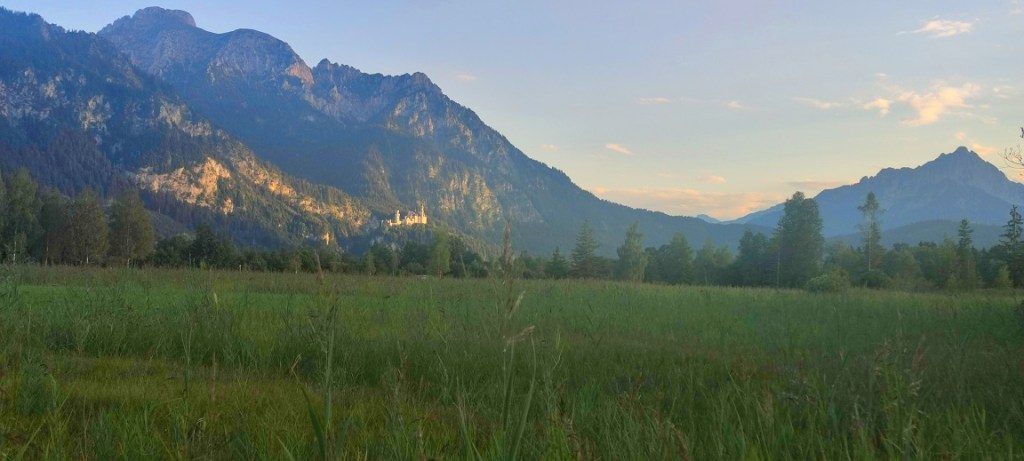
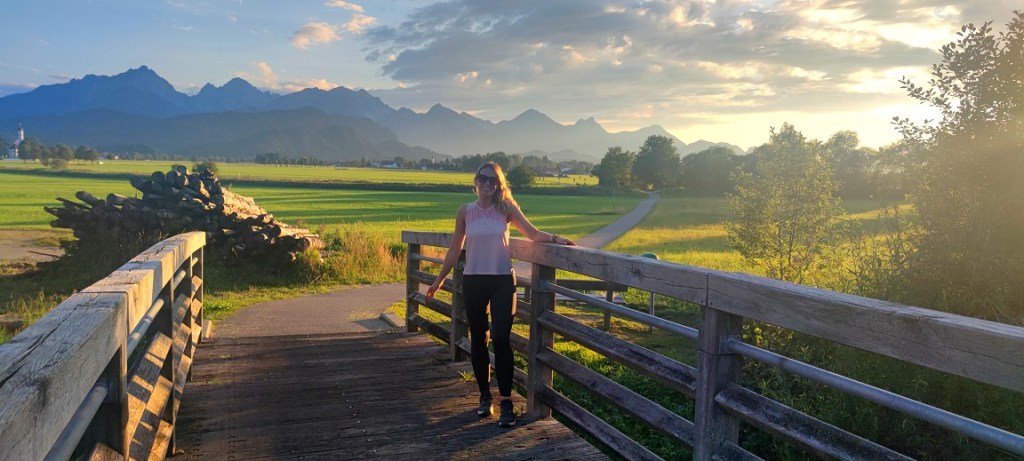
I recommend the walk to Schwangau at sunset, since the views are enchanting with the golden light of the sun, above all, the castles and the Alps are beautiful in the background.
CASTLES
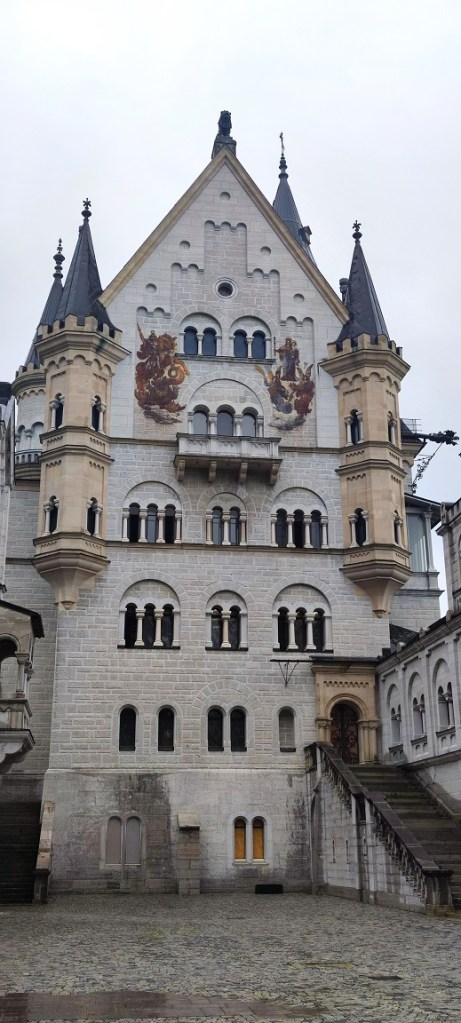
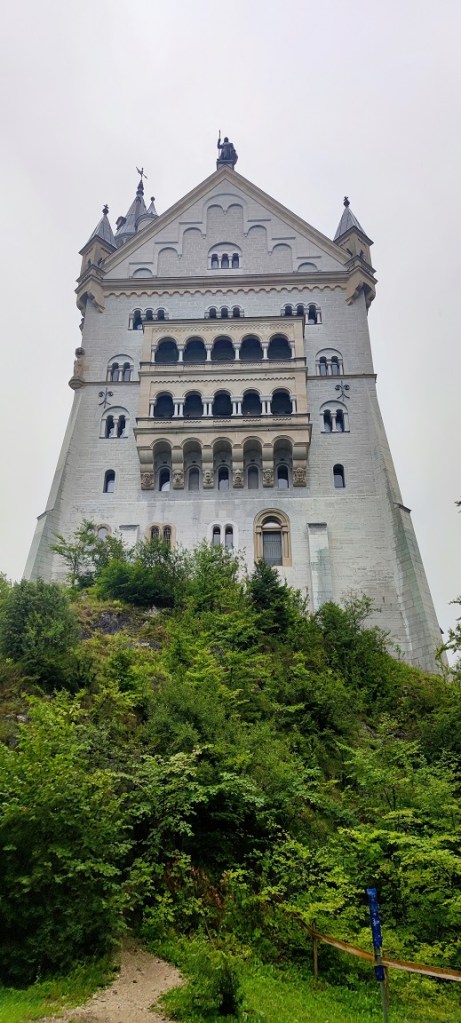

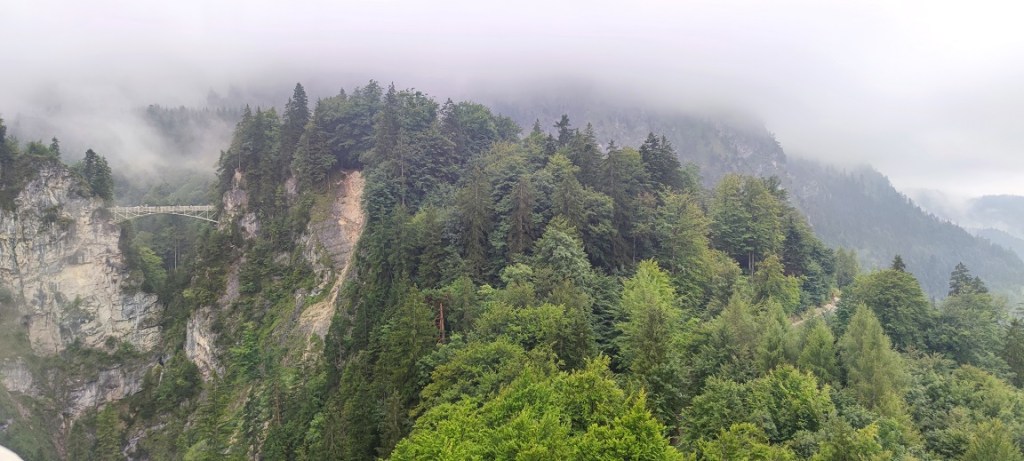
NEUSCHWANSTEIN
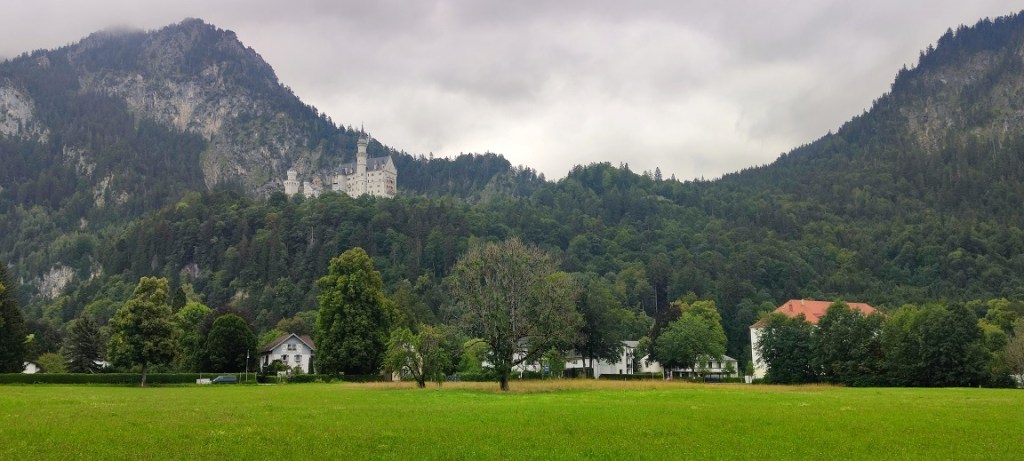
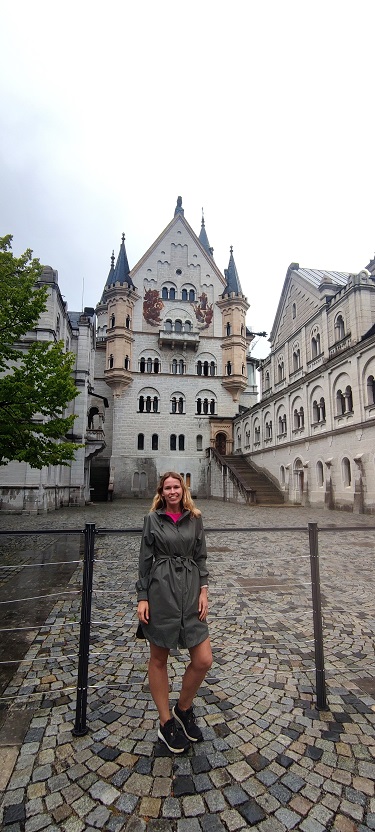
Neuschwanstein Castle (“the castle of the new swan stone”) was built by order of Ludwig II of Bavaria in 1869. It is a true waste of the imagination and its architecture inspired by medieval times and distant cultures transports us directly to a fairy tale I don’t think there are enough words to describe such beauty, and unfortunately, inside it is not possible to take pictures, so I can’t show you.
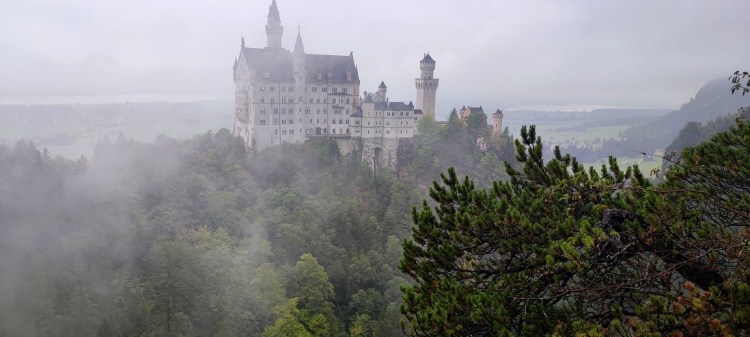
The castle is inspired by Wagner’s opera Lohengrin, which tells the story of a swan-knight. However, the monarch could not contemplate the complete realization of the castle, since he was stopped, probably for being considered “crazy” for wasting public money in the construction of this architectural piece. Shortly after, he drowned under suspicious circumstances. After his death, the family opened its doors for tourist visits in order to cover the debts related to its construction.
HOCHSCHWANGAU
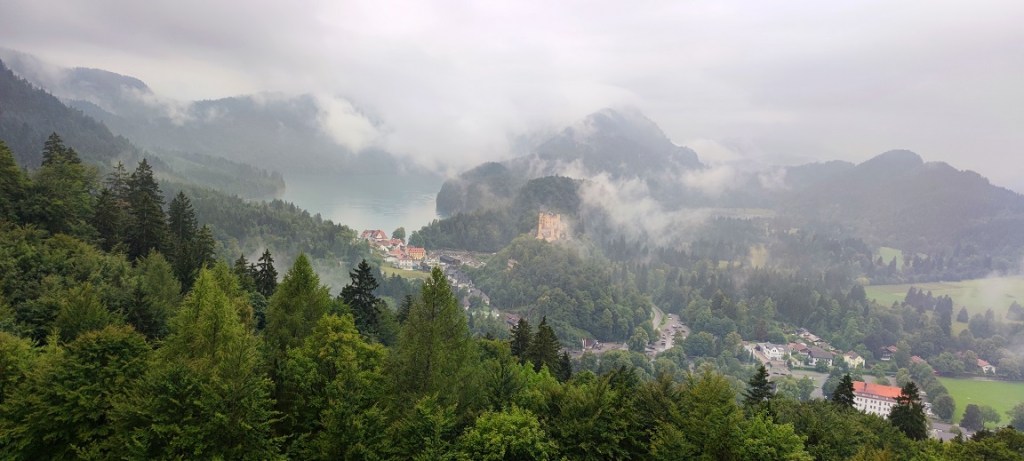
Hochschwangau Castle was built on a former fortress from the 11th – 12th century around 1090. It belonged to the Schwangau Knights until 1536, when the family died out. The Spanish-German monarch Carlos V handed it over to the banker Paumgartner, who restored it, although later the castle fell into disrepair until in 1829 the castle was acquired by Maximilian II of Bavaria, father of Louis II, who, in love with this Wonderful place, had it rebuilt until 1837, with a neo-Gothic style.
THE LAKE ALPSEE
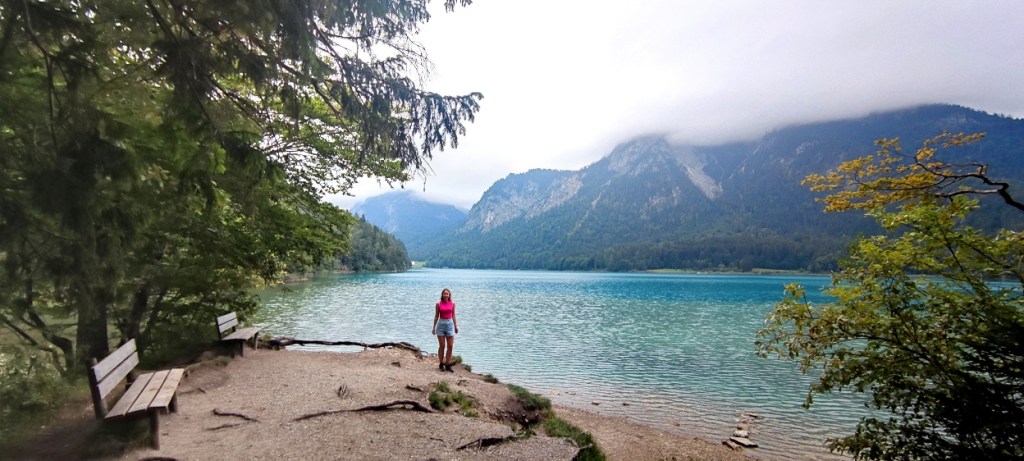
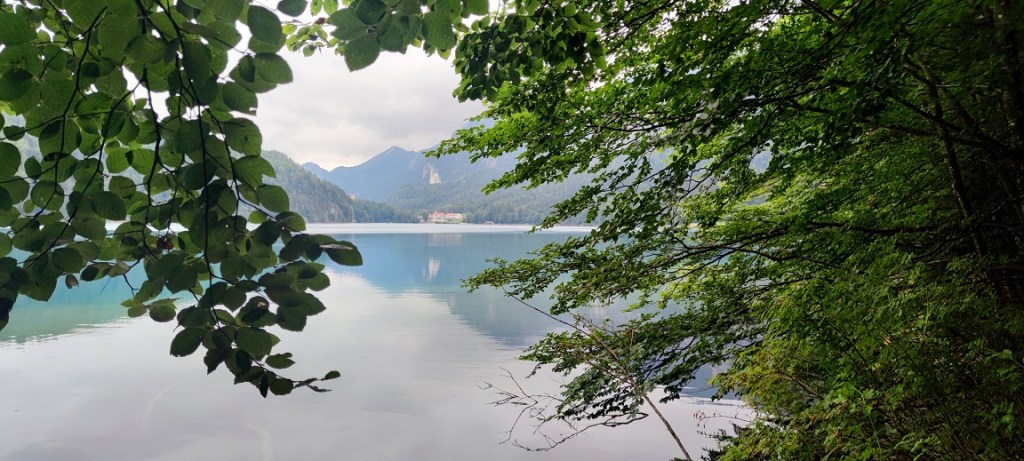
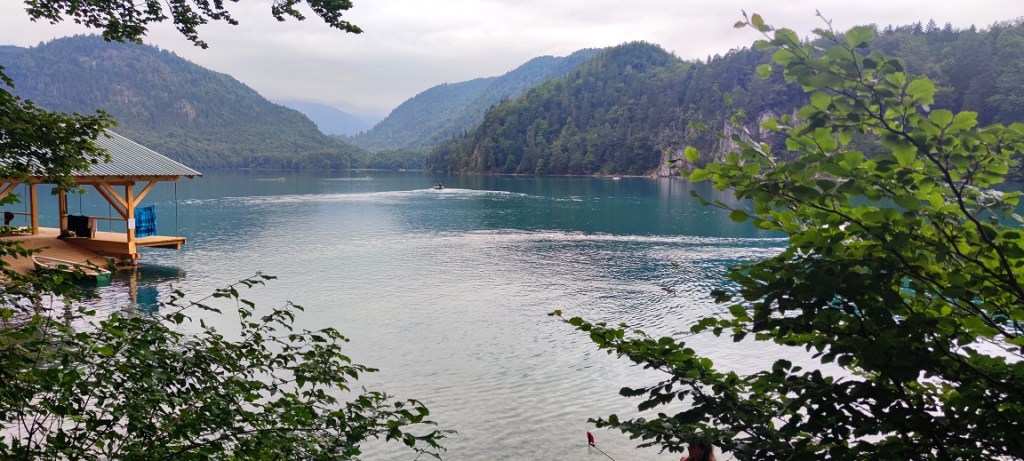
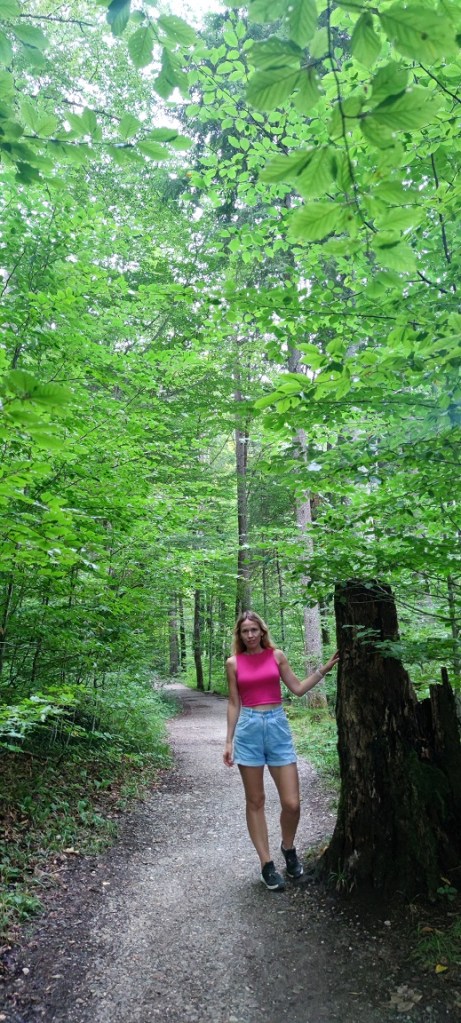
4km from Füssen and close to the castles there is the Alpsee Lake, which has a 5km shoreline and is about 62 meters deep. Personally, since my partner and I love hiking, we walked around the lake for a little over an hour. It was a great idea, since from the shores of the lake you can see the castles and also the place, where you are surrounded by the forest and the lake, it is really unique. It is a very easy and pleasant hike to do.
TIPS:
• To visit the castles it is necessary to book in advance.
• From Füssen you can walk to see the castles, since they are located just 4km from the city. In any case, I think that the best way to get around this town is by bike or on foot.
• You can climb the Tegelberg mountain on foot or by cable car.
• Visit the cheese shop in Schwangau, their products are really delicious.
 all about eve`s journeys