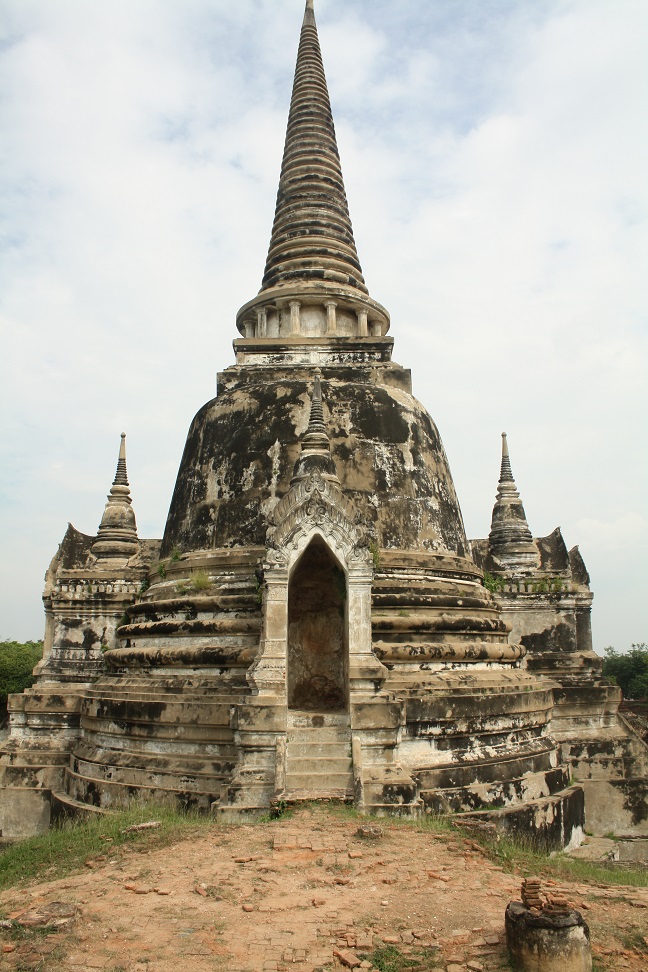
Visit with me a world in which time has stopped, and the echoes of a glorious past resound in the present. Welcome to Ayutthaya, located approximately 80km from the Thai capital, Bangkok. A treasure trove of historical wonders that is part of the UNESCO World Heritage, and that is waiting for you to discover it in this virtual journey.
A HISTORICAL JOURNEY
Ayutthaya, nestled along the Chao Phraya River, is a place where the past comes alive. This ancient city, founded in 1350, served as the capital of a powerful and prosperous Siamese Kingdom for more than 400 years. It was a vibrant metropolis, thriving in commerce, culture and architectural wonders that combined elements of Khmer, Sukhothai and later European styles, which we can now observe and imagine through its majestic ruins that stand as a testimony of an past era, and whisper stories of power and greatness.
However, although the Kingdom of Ayyuthaya was able to repel numerous Burmese invasions, in 1767 after a three-month siege, the city capitulated. The defeat opened the way for invaders who looted its temples, palaces, and valuable treasures, leaving the ancient city in ruins. Later, the capital was transferred to Thonburi and then to present-day Bangkok.
Even so, the city is still brimming with life today. Through the lively markets and street stalls you will have the opportunity to delve into Thai culture, customs and gastronomy. I invite you to discover the delicious flavors of traditional cuisine.
TEMPLES OF AYUTTHAYA
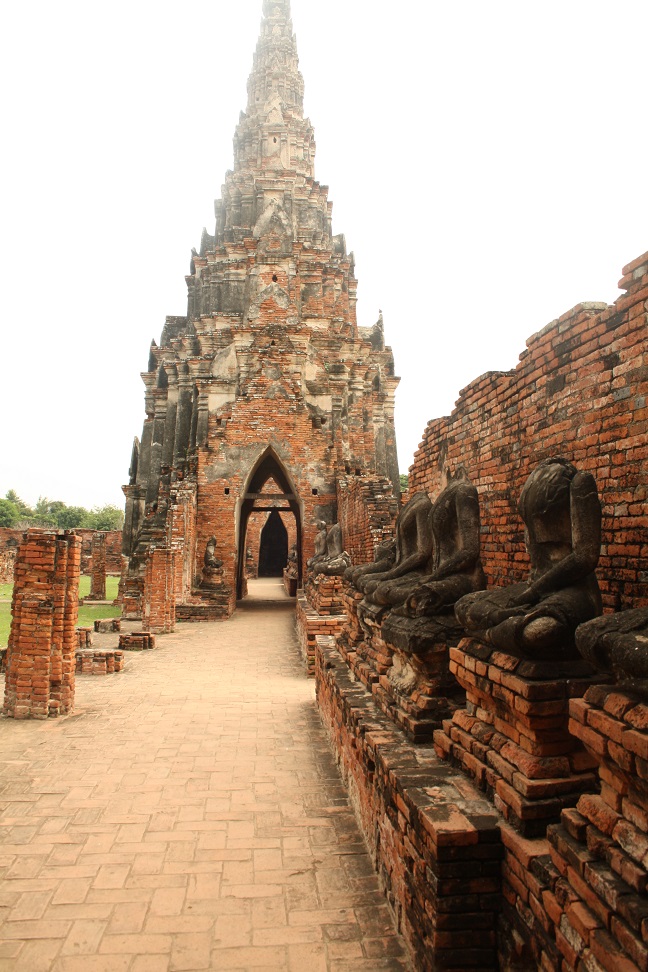
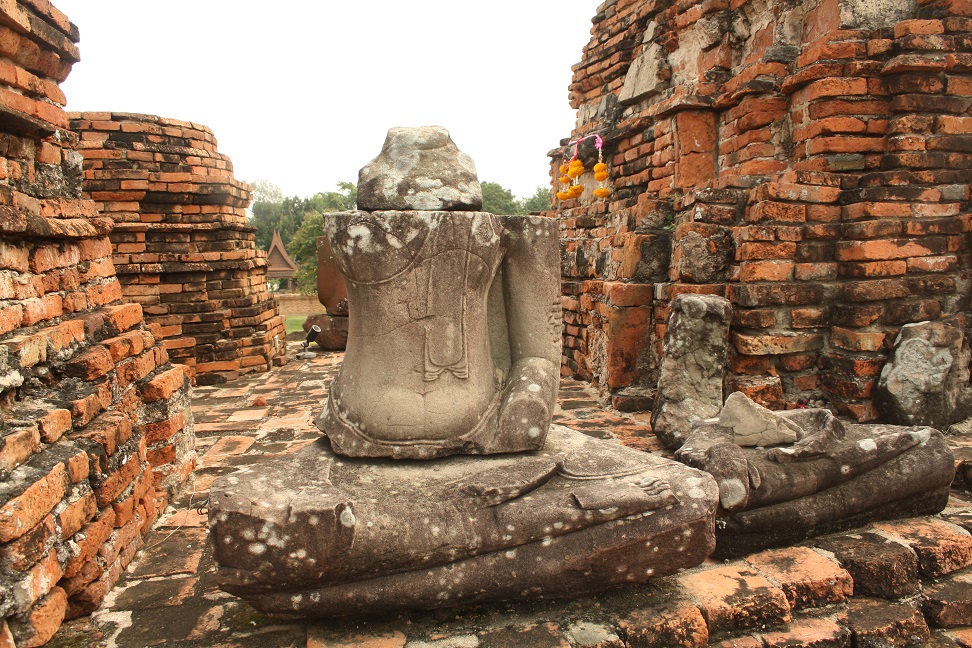
WAT MAHATHAT
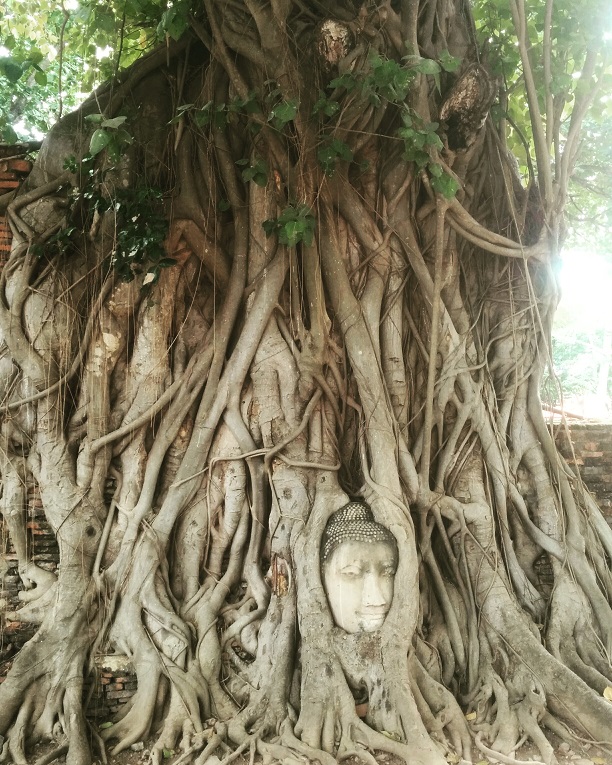
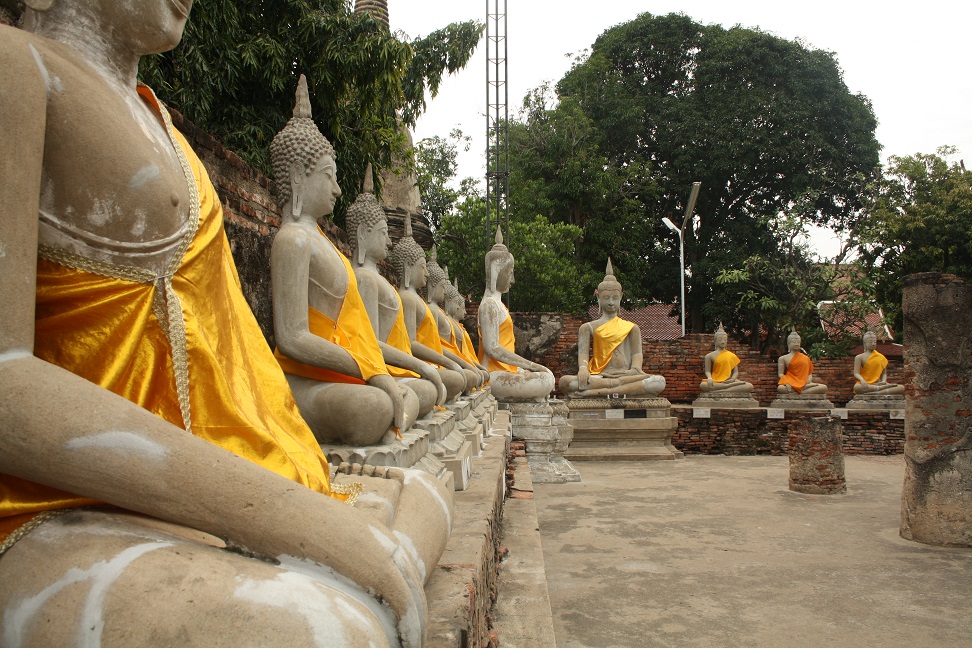
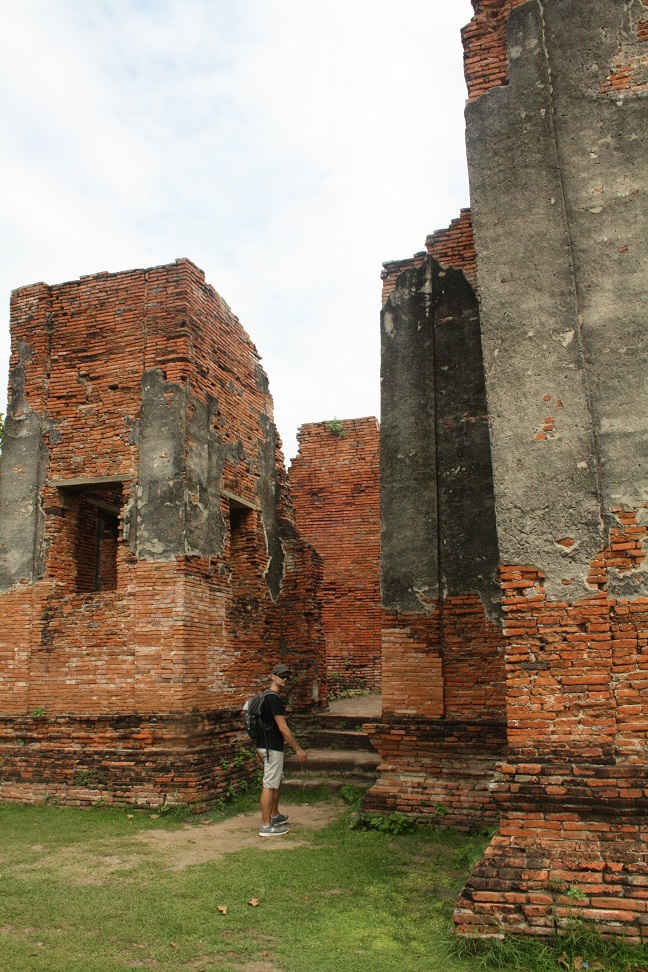
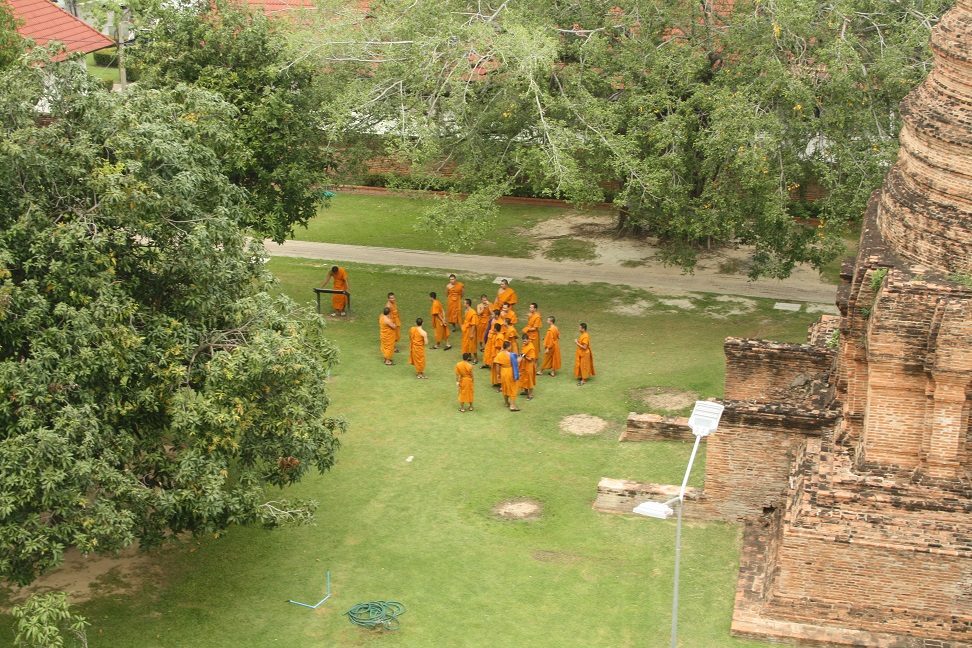
Wat Mahathat temple is iconic for its famous Buddha head entangled in Bodhi tree roots. It originates from the 14th century by the order of King Borommaracha I, when Ayutthaya was part of the Kingdom of Siam. In its center stands a large Khmer-style tower, with marvelous reliefs, represented in the greatest detail, demonstrating the great artistic development of the time. The temple has had great importance, being the resting place for different Buddha heads, as well as the main place of worship. After the Burmese looting of 1767, the temple was destroyed and abandoned until the 1950s, when reconstruction began.
WAT PHRA SI SANPHET
Wat Phra Si Sanphet is the “Temple of the Holy, Splendid Omniscient Buddha”, and is located in the grounds of the Royal Palace. It also dates back to the 14th century and was built during the reign of Ramathibodi II. Although at first it served as a monastery for the it eventually became a center of major religious activities, home to the revered Emerald Buddha of the royal family, as well as three stupas in which the ashes of monarchs were deposited. Khmer and Sukhothai styles stand out.
WAT CHAIWATTHANARAM
Wat Chaiwatthanaram, is another Buddhist temple, an extraordinary architectural wonder that stands next to the river, which gives it a poetic character. Also called the “Temple of Long Life and Victory” it was built in the 17th century during the reign of King Prasat Thong to honor his mother and celebrate victory. His artistic style corresponds to the Khmer style. It is a beautiful and elegant temple, with a large central tower, prang, surrounded by eight other smaller prangs. Each tower is richly decorated with the intricate reliefs. In turn, the central tower represents Mount Meru, a sacred mountain for Buddhists and Hindus, which is believed to be actually Mount Kailas, located in Tibet. And that according to tradition it is the abode of Shiva, as well as 33 million other gods. Its fascinating history, in addition to a strategic position that gives it great beauty, makes it one of the most visited places in the area.
WAT YAI CHAY MONGKOL

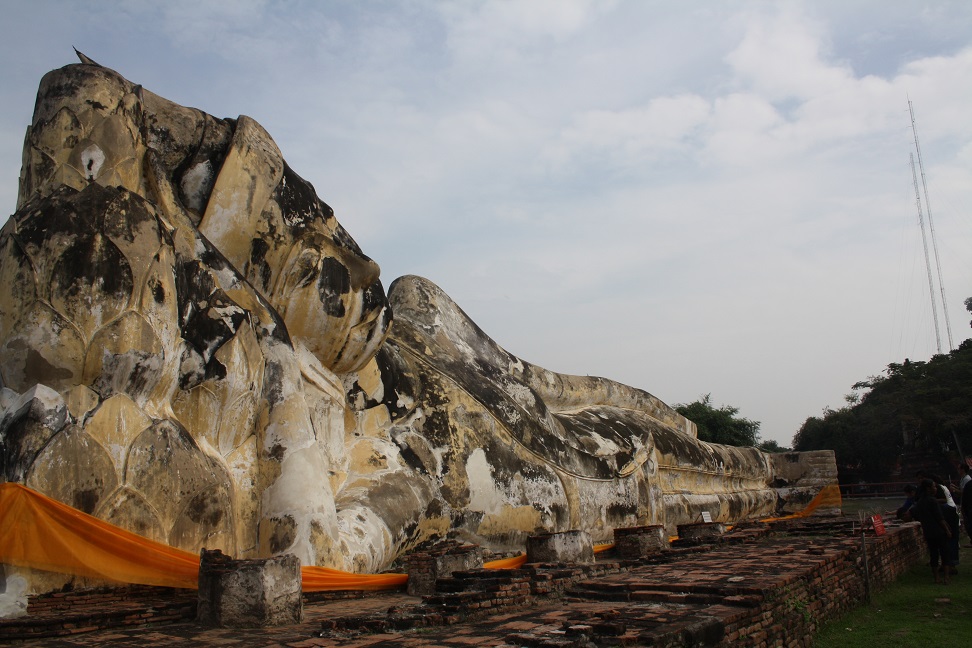
Wat Yai Chay Mongkol, which is also known as the “Temple of the Great Victory”, is a spectacular architectural construction dating back to the 14th century during the reign of U-Thong. When ordering the construction, the monarch wanted to commemorate the victory obtained over the invading army of Pegu, as well as the soldiers who fell in the fight. Inside is a large statue of the reclining Buddha, which is seven meters long, and is at the time of his nirvana. In the 16th century, a monastery and a large hall for assemblies were added to the temple. From the top of the central chedi, that is, the place where the relics of the Buddha were kept, you will have the opportunity to contemplate beautiful panoramic views.
TIPS:
• To get to Ayuthhaya you can take the train from Hua Lamphong station in Bangkok. The journey lasts an hour and a half, plus there are different classes. You can take a bus from Bangkok North Bus Station (Mo Chit) or from Ekamai Bus Station. And there is also another interesting option is to make the trip on the boat on the Chao Phraya river. You can take a boat from Sathorn pier or from Phra Arthit pier.
• Wear discreet clothing, covering the shoulders, as well as pants or long skirts. It is also advisable to wear comfortable shoes, such as sneakers.
• Try the fried insects at the street stalls. Although they have a very strange shape, the truth is that they taste good. So dare to have it!
 all about eve`s journeys