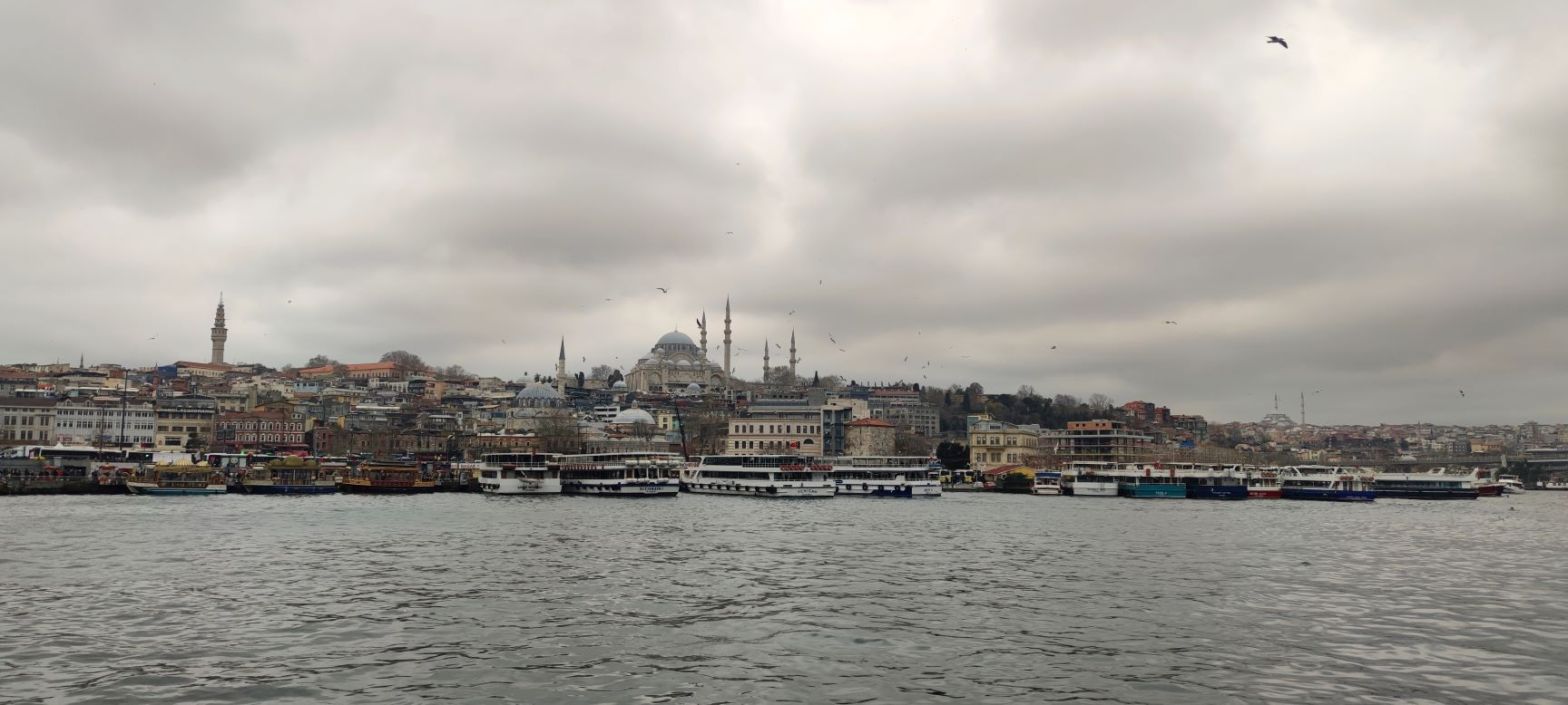
A melting pot of culture and history, Istanbul is the city that unites the European and Asian continents. With its vibrant culture, rich traditions and magnificent architecture, it has become an attractive travel destination for those seeking to explore a world that unites the ancient and the modern in an extraordinary way. In this blog I would like to describe my visit to beautiful Istanbul, which I consider an exceptional city for its great cultural diversity.
CULTURAL DIVERSITY – THE RESULT OF A RICH HISTORY
Throughout the centuries the city has experienced great cultural development due to the influence of the numerous civilizations that settled there. The first were the Greeks who founded on the coasts of Minor Asia in the seventh century BC. the city of Byzantium. Its founder, Byzas, was a Greek colonist from Megara, who after hearing the Oracle of Delphi, that told him to settle in the “Land of the Blinds”, decided to found a city where the Bosporus and the Golden Horn meet, since if a city had not been built on this strategic site before, it would be due to the blindness of other settlers.
In the year 324 the Roman Emperor Constantine I the Great founded the city of Constantinople on the ancient city of Byzantium, which even became the capital of the Empire, and after the separation of the Eastern and Western Roman Empire in the year 395 by Emperor Theodosius, officially became the capital of the Byzantine (Eastern) Empire. One of the most prominent emperors of the Byzantine Empire was Justinian I the Great, who carried out numerous reforms in the sixth-century, including the codification of Roman law. Due to his exceptional work, at present in most European countries Roman law has been adapted as the legislative basis.
The Byzantine Empire had survived until the year 1453, in which Constantinople was conquered by Mehmed III the Conqueror. From this date the city was renamed Istanbul and became part of the domain of the Ottoman Turks. The impact of this historical event was significant, since trade routes between Europe and Asia decreased, and as a consequence, Europeans sought routes to the west, which led to the discovery of the existence of the American continent.
At present, the Ottoman Empire is now only part of History, since after World War I Mustafa Kemal Atatürk turned Turkey into a republic in 1923, and became the first president. Likewise, he carried out numerous reforms in order to modernize the country in the fields of education, legal system, gender equality…etc.
THE WONDERFUL ARCHITECTURE OF ISTANBUL: THE TEMPLES
HAGIA SOFIA
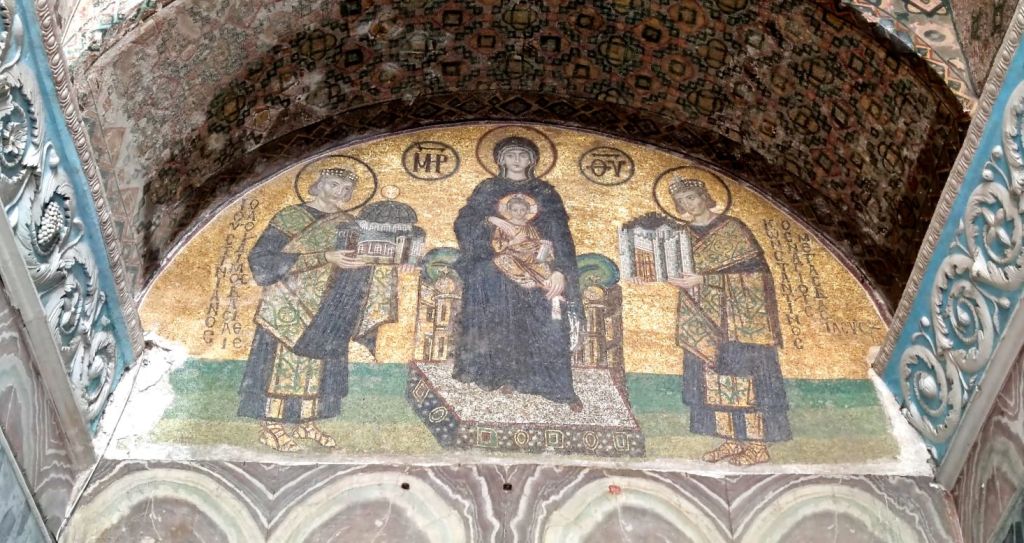

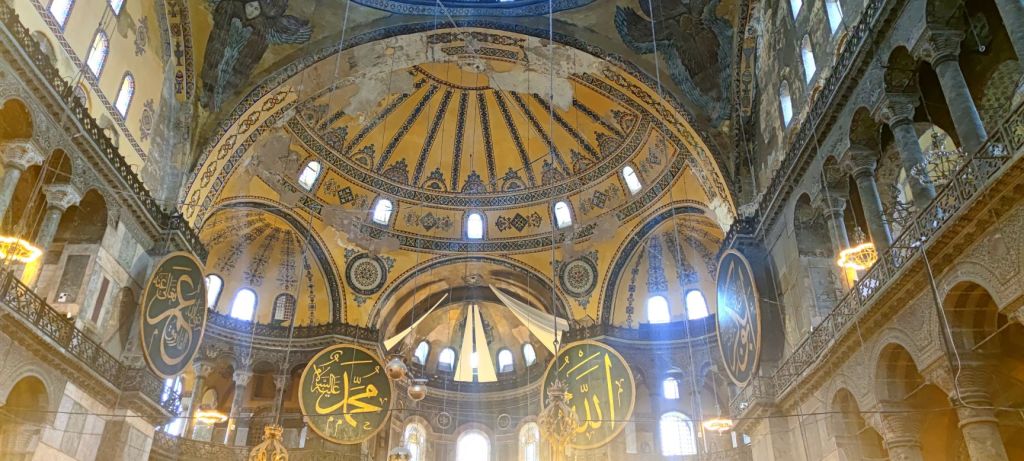

The majestic Hagia Sophia cathedral-mosque is a temple that has captivated many people with its beauty, and is also a testimony of the diverse cultures that left their mark on Istanbul. It was built during the Justinian Empire. Its main feature lies in the giant central dome that is flanked by other semi-domes. Likewise, its interior has been richly decorated with the typical Byzantine mosaics, among which are divine figures, as well as the representation of the emperor and his wife. It should be noted that the wonderful architecture of Hagia Sofia, a temple dedicated to wisdom, has served as inspiration for the construction of different temples, both in the Christian and Muslim worlds. For example, in France in the Perigeux area, multiple domes on pendentives have often been used on the roof of Romanesque pilgrimage churches, such as at St. Front in Perigord.
BLUE MOSQUE
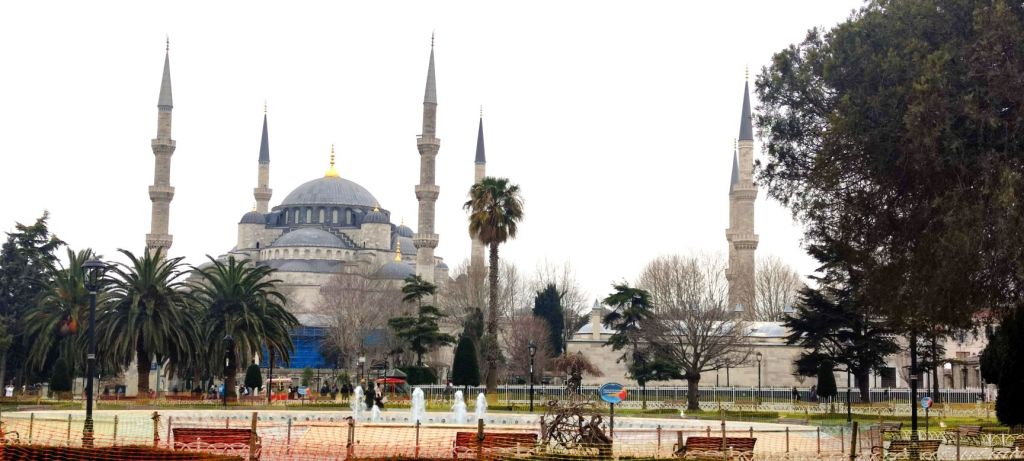
Near Hagia Sophia and in the heart of the old city there is the impressive Blue Mosque, whose real name is the Sultan Ahmed Mosque. Built between 1609 and 1616, it stands out for its wonderful 20,000 indigo-colored tiles that convey beauty and serenity. Inspired by Hagia Sophia, it is also covered by a large dome that dominates the space, and the interior space is illuminated through the windows in the shape of horseshoe arches.

MOSQUE OF SULTAN SULEYMAN
This magnificent temple, the Mosque of Sultan Suleyman the Magnificent, was built on a hill by the Greek-born architect, Mimar Sinan, between 1550 and 1557. Its symmetrical design and perfect proportions stand out against the Istanbul skyline. The mosque features an imposing central dome, flanked by four graceful minarets that reach a height of almost 76 meters. Smaller domes and half domes extend the length of the building, creating a visual harmony.

RÜSTEM PASA MOSQUE
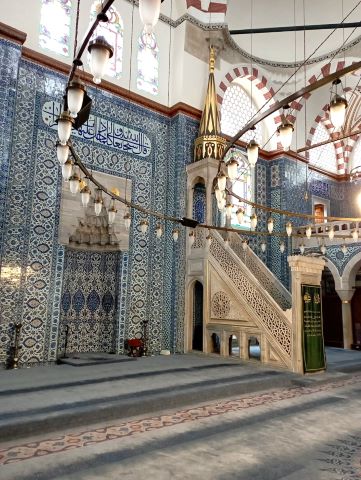
Rüstem Pasa Mosque is a small architectural jewel commissioned by the Grand Vizier of Suleyman the Magnificent and designed by the architect Mimar Sinan. It is located near the Spice Bazaar, so it is easily accessible to visitors. Inside, well lit, the tiles with epigraphic decoration stand out.

OTHER PLACES OF INTEREST
TOPKAPI PALACE
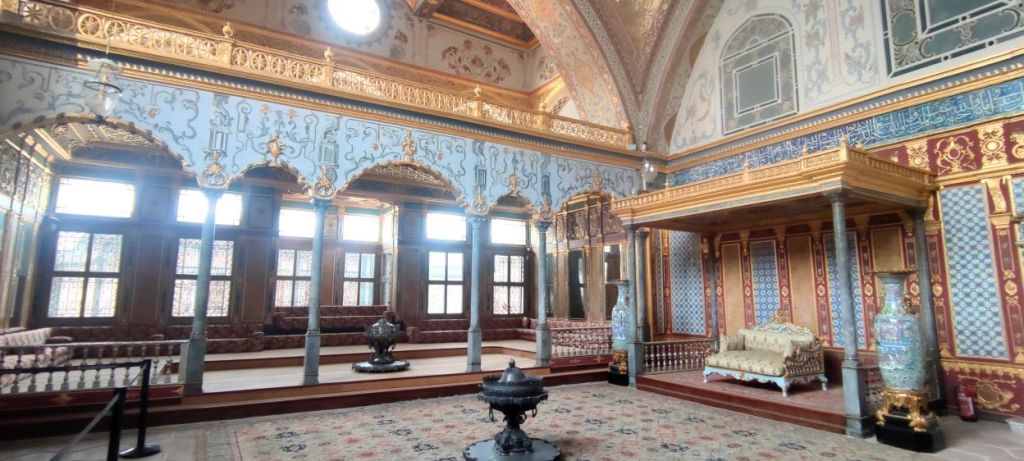
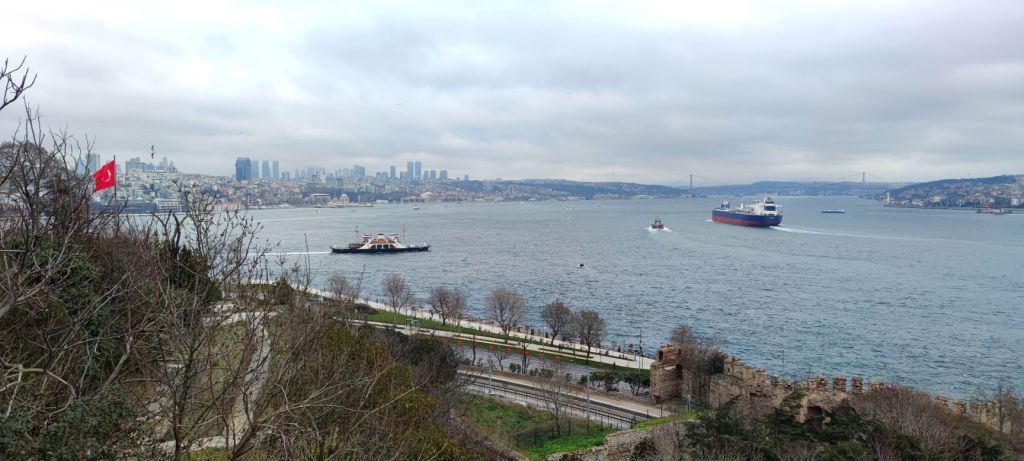
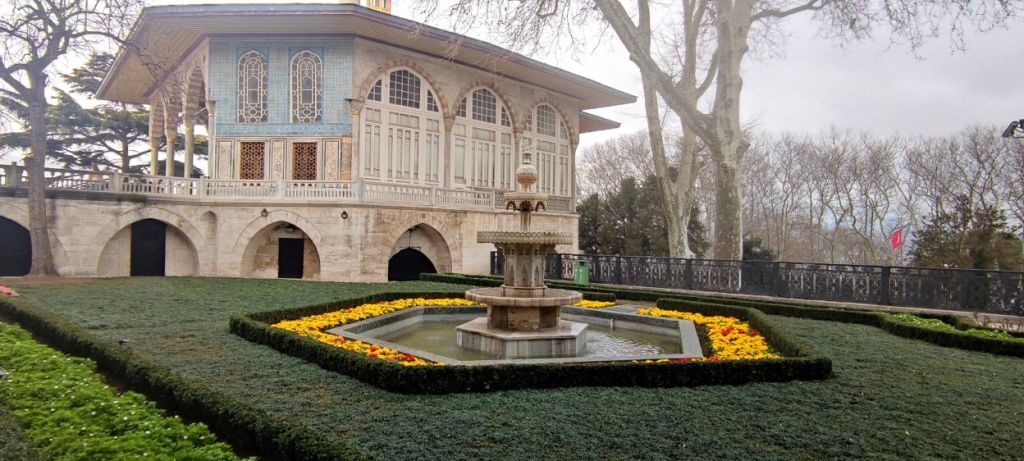
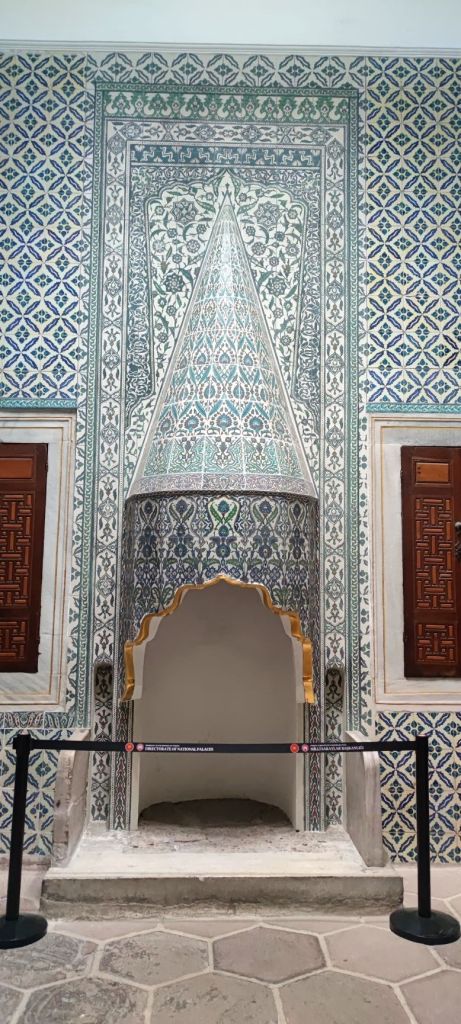
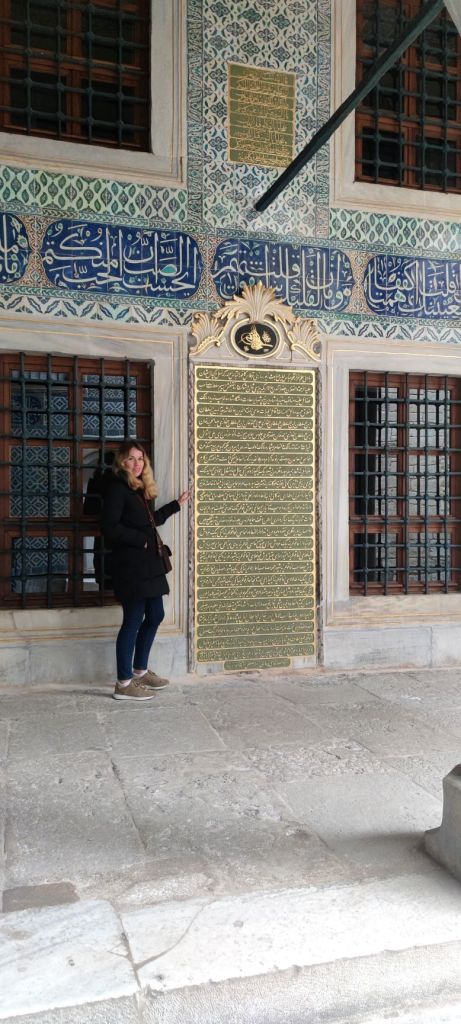
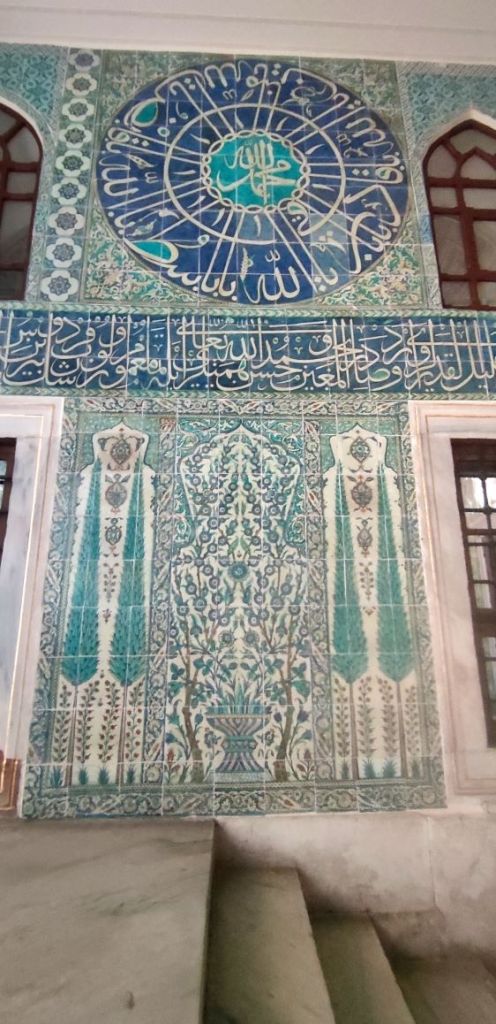
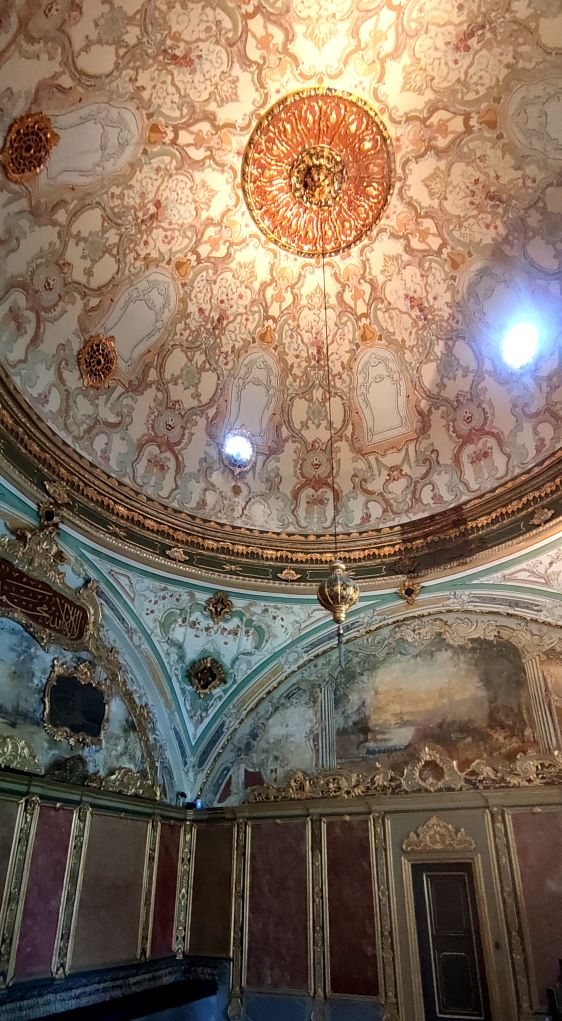
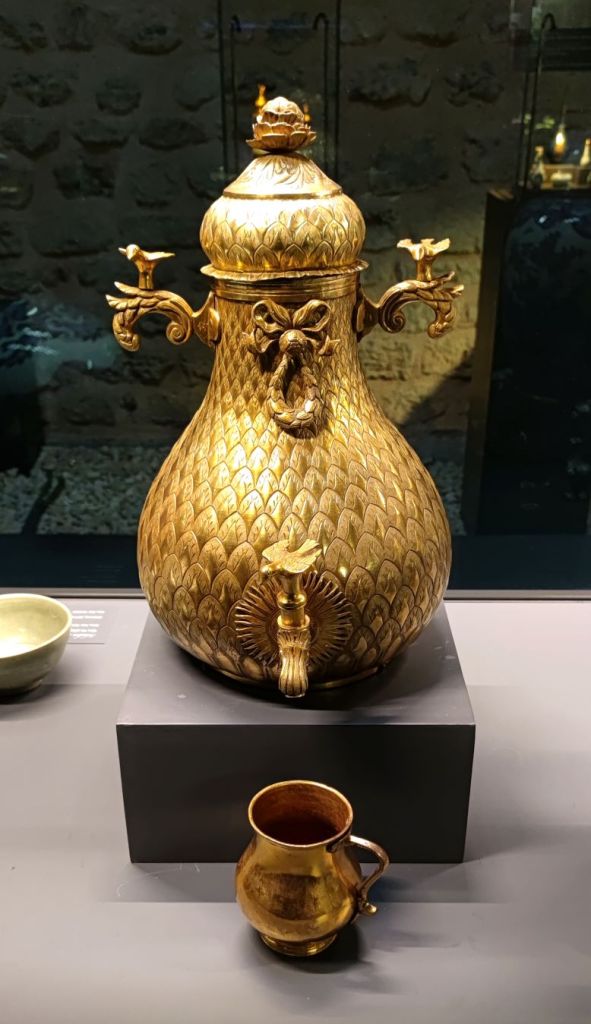
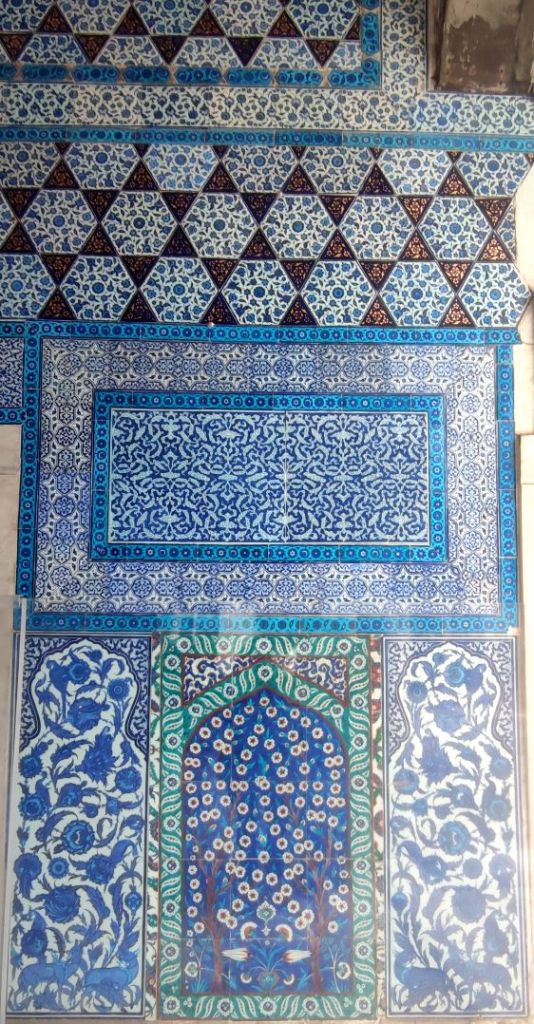
Since its foundation in the 15th century, Topkapi Palace has functioned as the epicenter of Ottoman power. It is a place of 700,000 square meters and includes exuberant gardens, patios, pavilions and administrative buildings, where the Harem area stands out, a private area dedicated to the women and family of the sultan, as well as the great library with a vast collection of manuscripts and ancient texts. On the other hand, in addition to delving into the rich history of the Ottoman Empire and its treasures, the visitor has the opportunity to contemplate the panoramic views of Istanbul and the Bosphorus.


BASILICA CISTERN
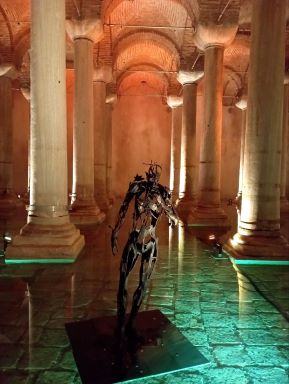
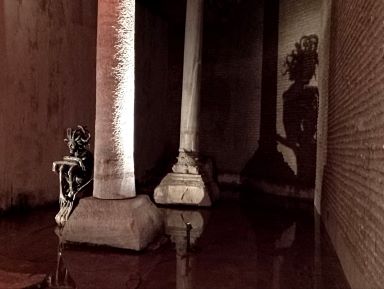
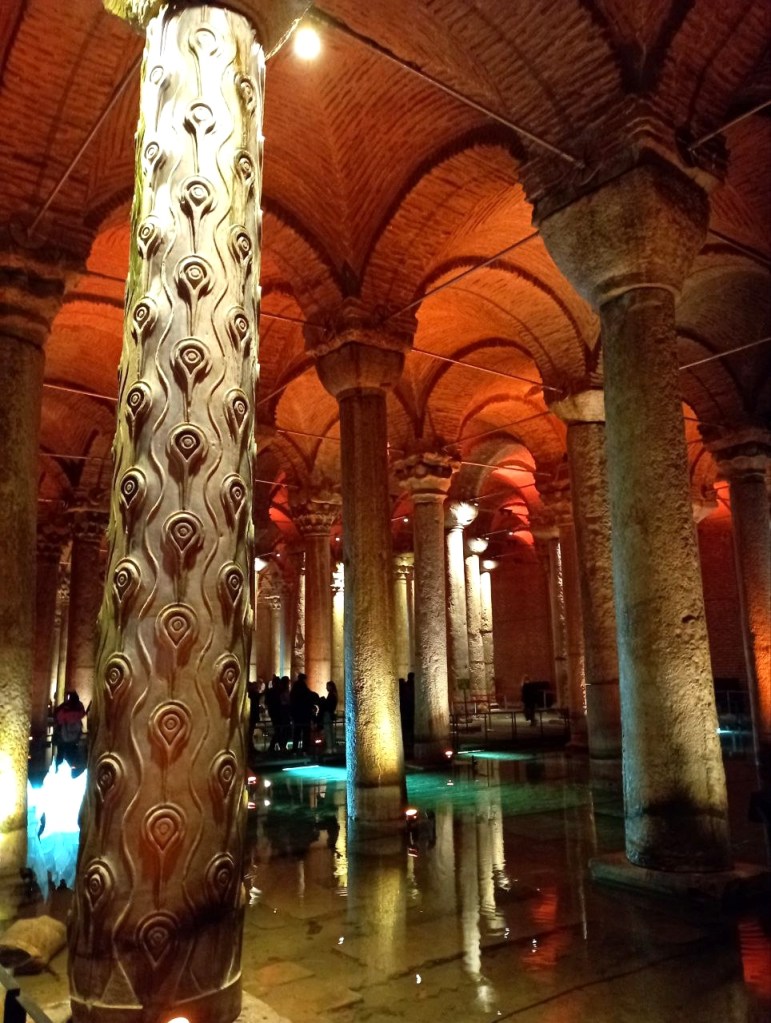
The Basilica Cistern was one of my favorite places in Istanbul. Also known as Yerebatan Sarnıcı in Turkish, it is an underground monument of Roman origin, built in the time of Justinian. Its name “basilica” is due to the fact that it is a space made up of 336 columns that support a vaulted ceiling, among which two columns with an image of the head of Medusa stand out. Let us remember that Medusa was originally a beautiful young woman, who offended the goddess Athena by having a love affair with Poseidon in her temple. As a consequence, her precious golden hair was turned into monstrous snakes. The Basilica Cistern has been part of popular culture, both in literary and cinematographic work, for example, in the work of Dan Brown.


GRAND BAZAAR
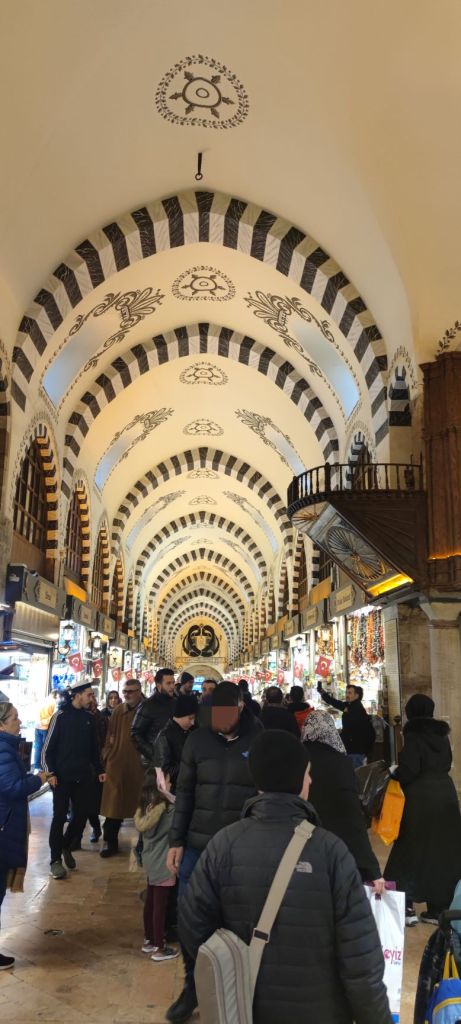
For those who love shopping and bargains, I recommend visiting the Grand Bazaar, where you will have to haggle a lot before finally buying the desired product. So you must be patient. The Grand Bazaar, located in the center of the city, has more than 4,000 different shops, where exquisite products are sold, such as carpets, ceramic works, spices, lamps, etc. They recommended paying with cash, although you can also pay by card. Walking through its streets is an unforgettable experience.
BOAT TOUR ON THE BOSPHORUS

The Boat Tour on the Bosporus is an extraordinary experience. You will have the opportunity to explore this maritime area that connects the Sea of Marmara and the Black Sea. Likewise, you will be able to contemplate the panoramic views of Istanbul and its unique architectural constructions in a very relaxing way. I recommend taking a night walk, when the whole city lights up with lights.
TIPS:
• Explore the various Turkish cafes and restaurants. The food is delicious and the sweets are very rich. Baklava is my favorite.
• If you come in winter, it is quite cold, since there is a lot of humidity that makes the cold even colder. So bundle up.
• You must be prepared to haggle, so be patient.
 all about eve`s journeys
One thought on “ISTANBUL – A MELTING-POT OF CULTURE AND HISTORY”