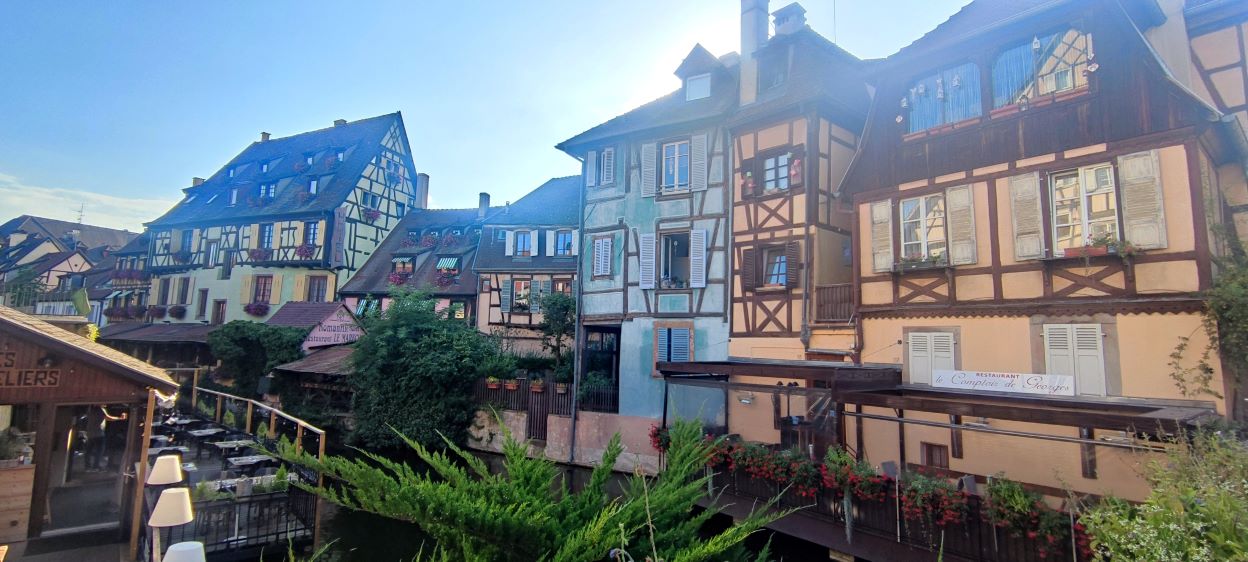
Throughout the centuries Alsace, located in the east of France, has been a hotly contested area between the great European powers, since it is a strategic location in Central Europe. Currently it attracts many visitors for its beautiful natural landscapes, populated by vineyards that grow on the terraces of its beautiful hills, its rich gastronomy of multicultural heritage, and the beauty of the architecture of the charming and picturesque towns and cities, among which stands out Strasbourg, the capital of the region. It also has a rich tradition and history, highlighting the wonderful Christmas markets.
HISTORY OF THE REGION
Alsace, located on the border between two great European powers, such as Germany and France, has been the place of a rather complex history that has given rise to its multicultural character today. In Roman times, being part of Germania Superior, it has undergone great urban and commercial development, but after the fall of the Roman Empire and throughout the Middle Ages it has been passing hands between Germany and France until the Treaty of Westphalia in 1648, concluded after the Thirty Years War, from when it was officially part of France. Later, during the Unification of Germany, it passed into German hands in 1871, although again after World War I, as compensation for war damage, Germany had to return the territories of Alsace to France. At present, after the tumultuous history, Alsace is part of the European Community, and has become a region in which an attempt has been made to preserve the cultural variety within the Alsatian identity.
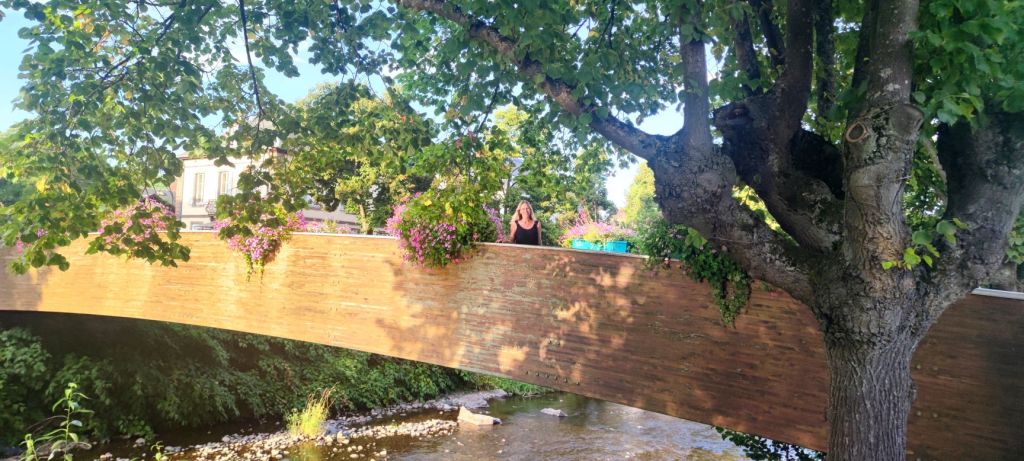
SOME CHARMING VILLAGES IN ALSACE
STRASBOURG – THE CAPITAL
One of the most outstanding places in Alsace is its capital, Strasbourg, a beautiful city of great political-cultural importance as it houses the headquarters of various buildings of the European Union, such as the European Parliament. It is precisely in it, where the deputies vote on the fundamental issues of the EU. The architecture of the historic center is impressive, and it is known by the name “la Grande Île”. What has made me fall in love the most with this beautiful city are its small streets, as well as the passages and canals with a romantic air. However, it will be in the next article, when I will tell you more about this incredible city.
COLMAR
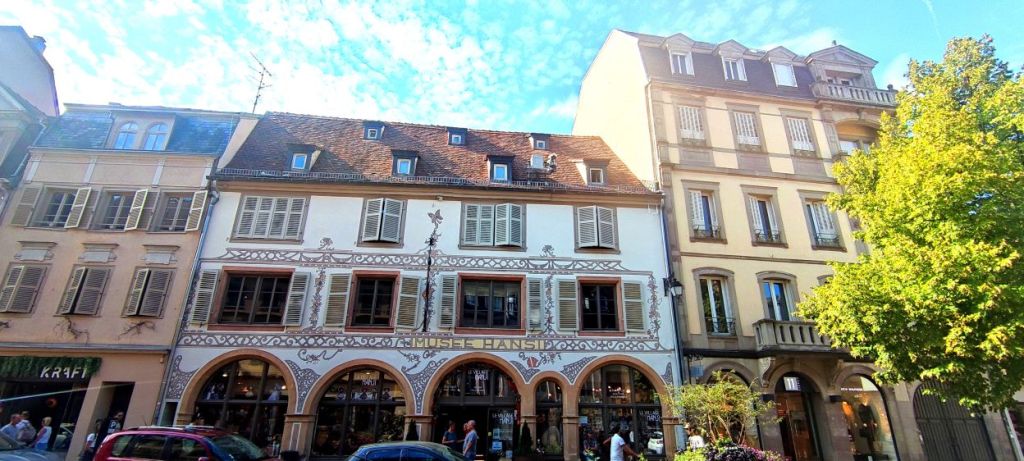
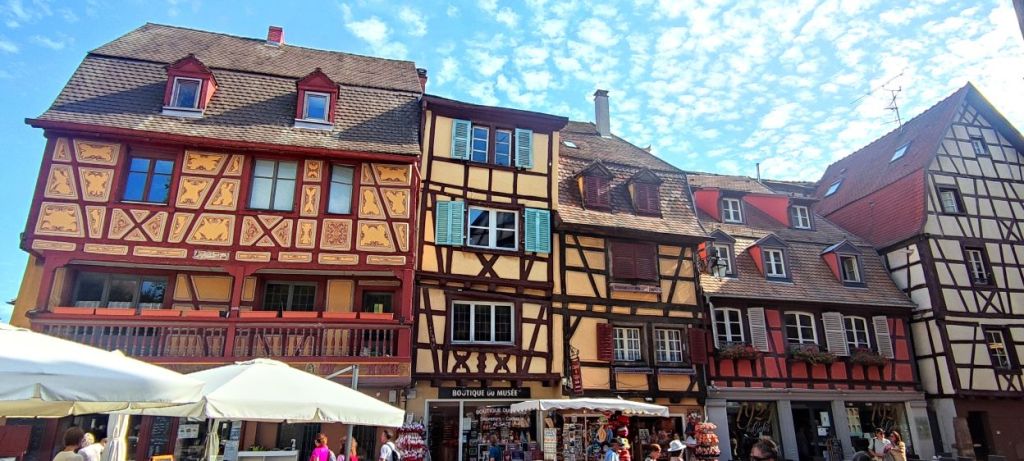
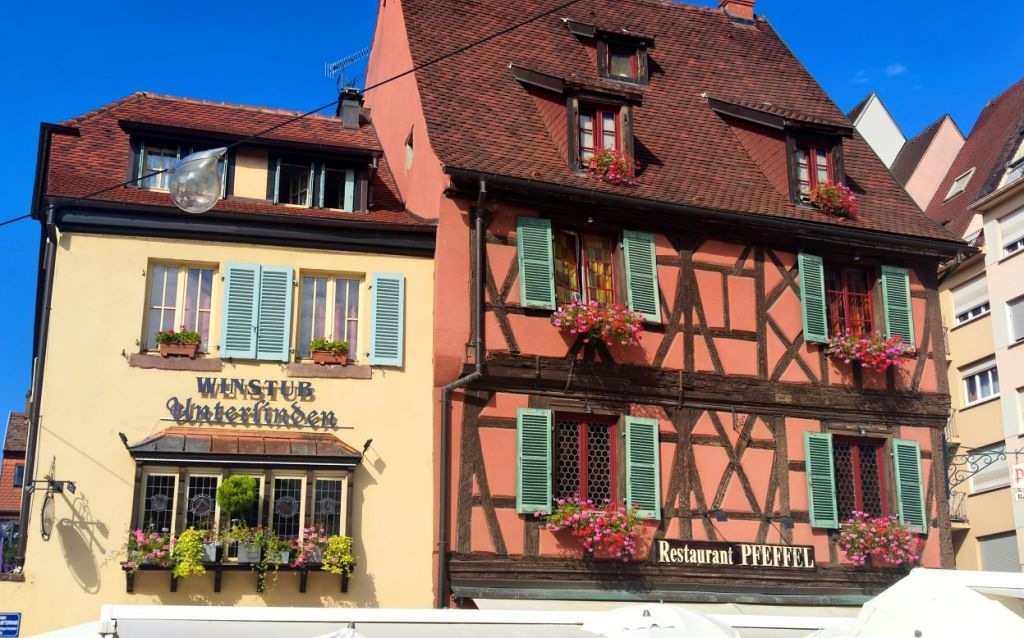
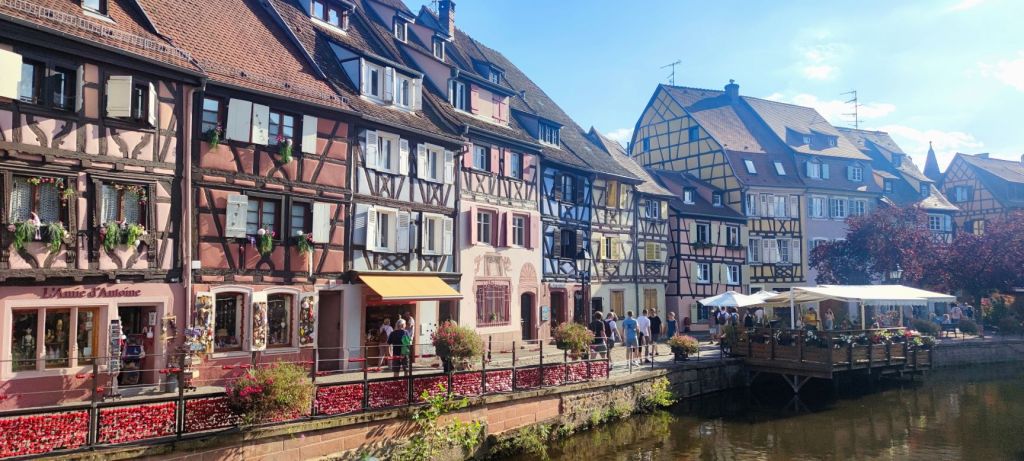
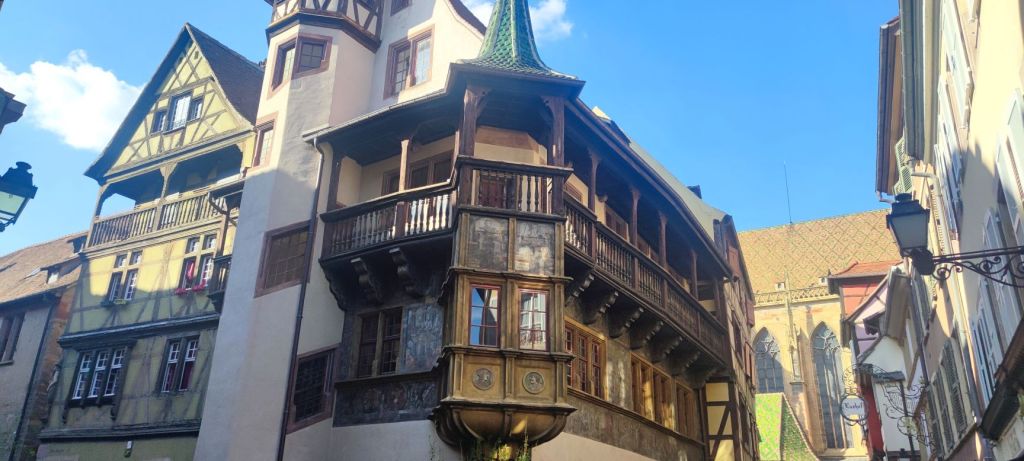
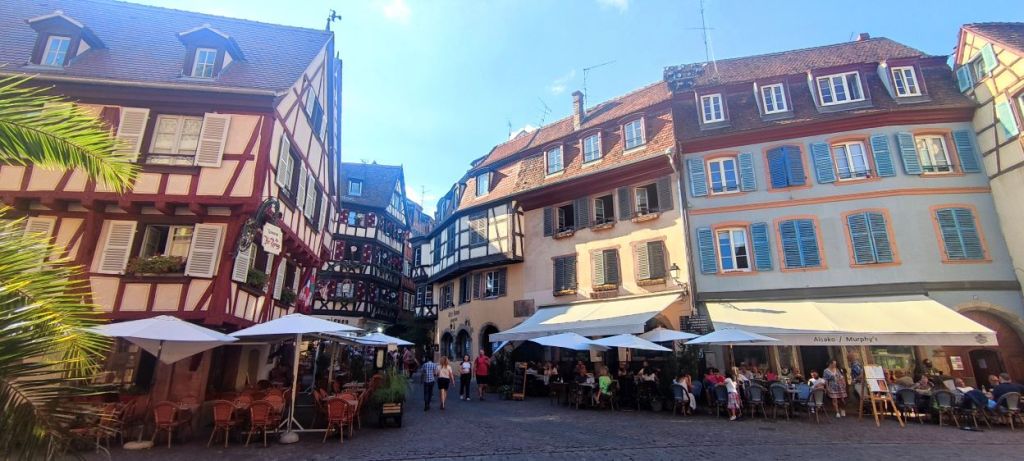
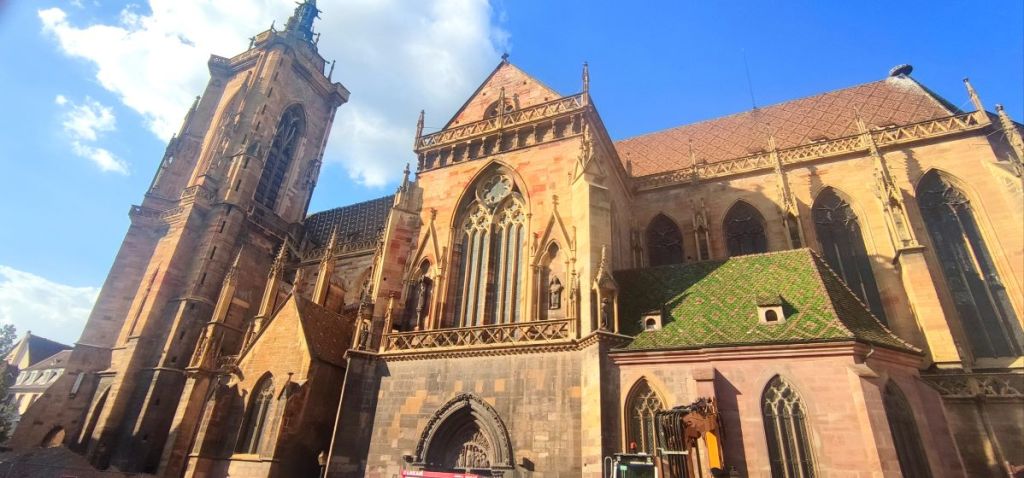
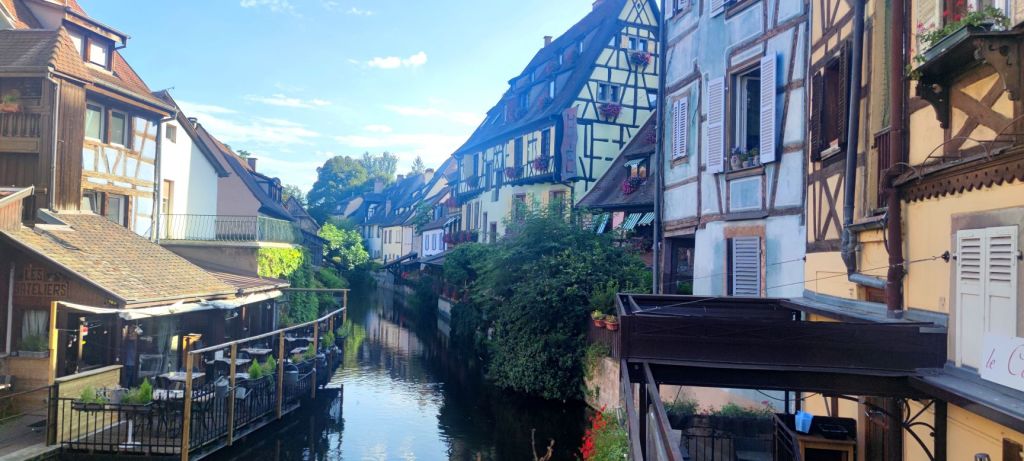
Since Roman times, when it was known as Colonia Augusta Treverorum, Colmar has been under the rule of great powers, in the same way as the entire Alsace region. Being part of the Alsace Wine Route throughout the Middle Ages the town prospered, experiencing a cultural and economic flourishing. Later, despite suffering serious damage during World War II, the city managed to recover its beautiful architecture. I recommend you visit the Petite Venise neighborhood, where small, very colorful houses line the canals. Also noteworthy are the 15th and 16th century houses on Rue Marchands and Rue Tétes, the Gothic church of San Martín, or its Christmas Market, if you come during this part of the year. By the way, if you can’t come during the holidays, don’t worry, there are still shops that are open all year round and sell beautiful Christmas decorations.
TURCKHIEM
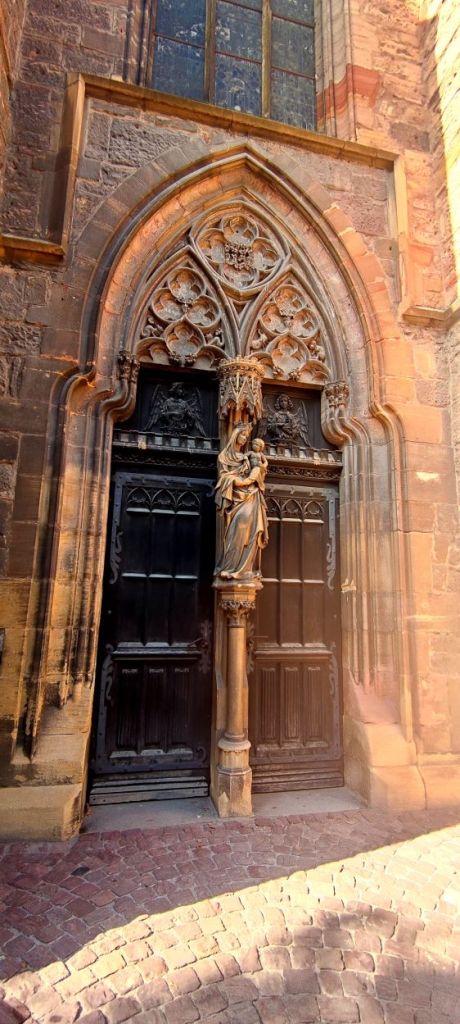
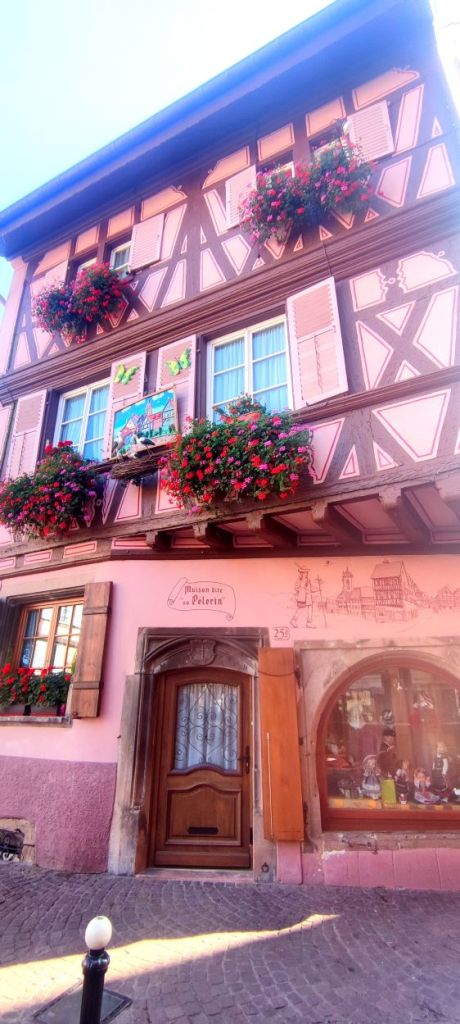
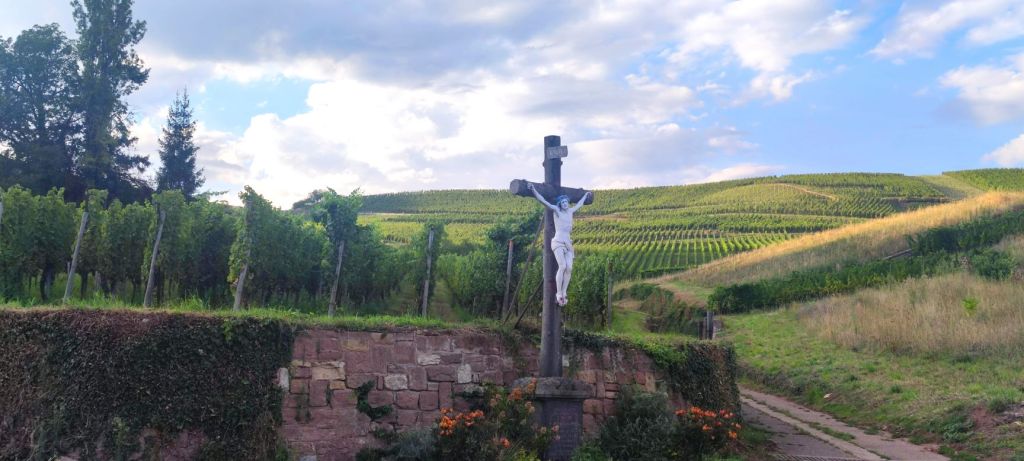
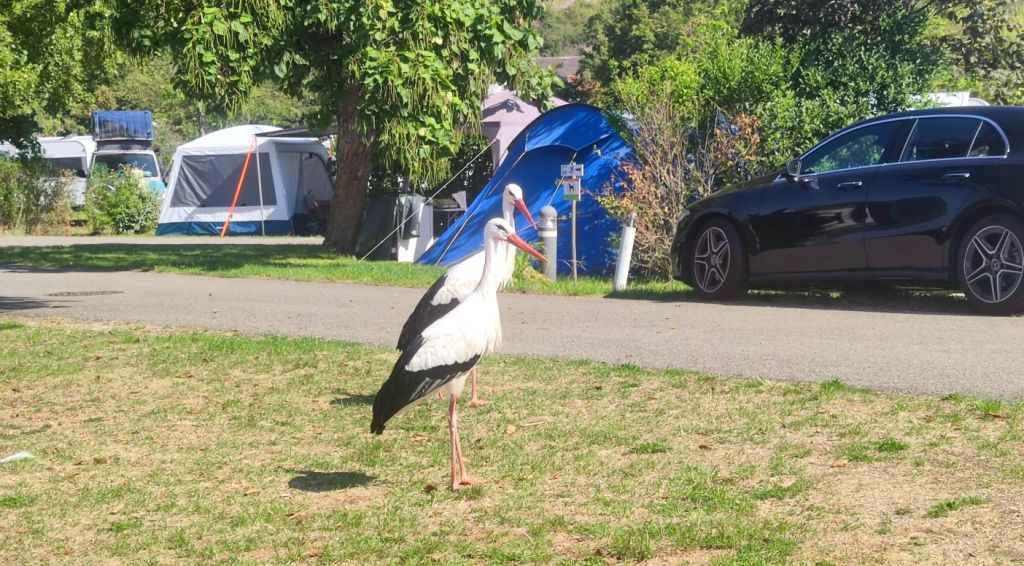
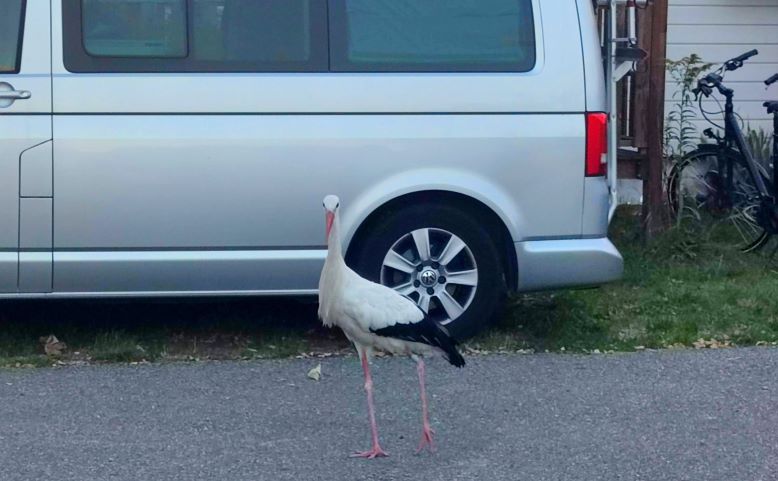
Turckheim is located in the vicinity of Colmar. This is another fascinating town from Alsace. It is really wonderful, and in fact, it was the place where I stayed for several days with my partner, and from where we made excursions to other parts of Alsace. Like other cities in this region, Turckheim, of medieval origin, also has wonderful architecture, it is also surrounded by green hills where vineyards grow, and which I recommend you visit by taking an easy hiking route. On the other hand, what makes this city really unique is the fact that you can spot storks, since there is a large park where many live and it is not so rare to see them walking peacefully nearby.
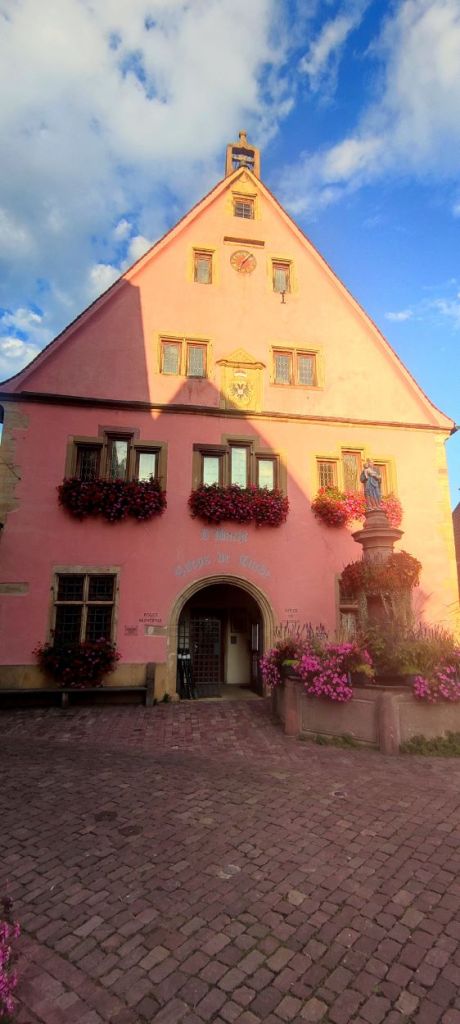
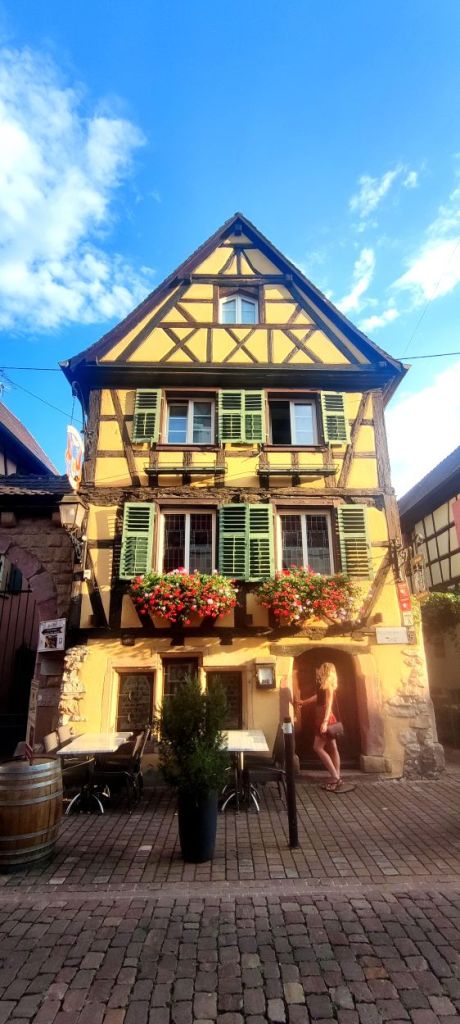
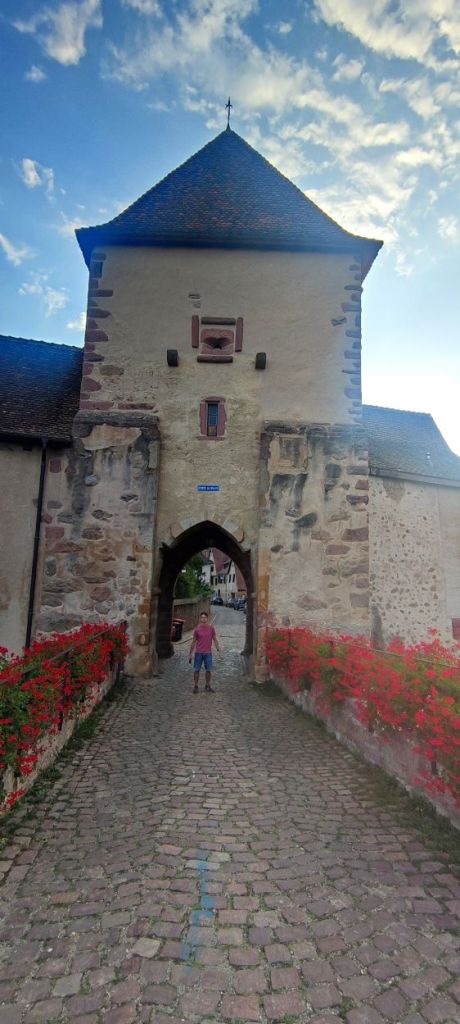
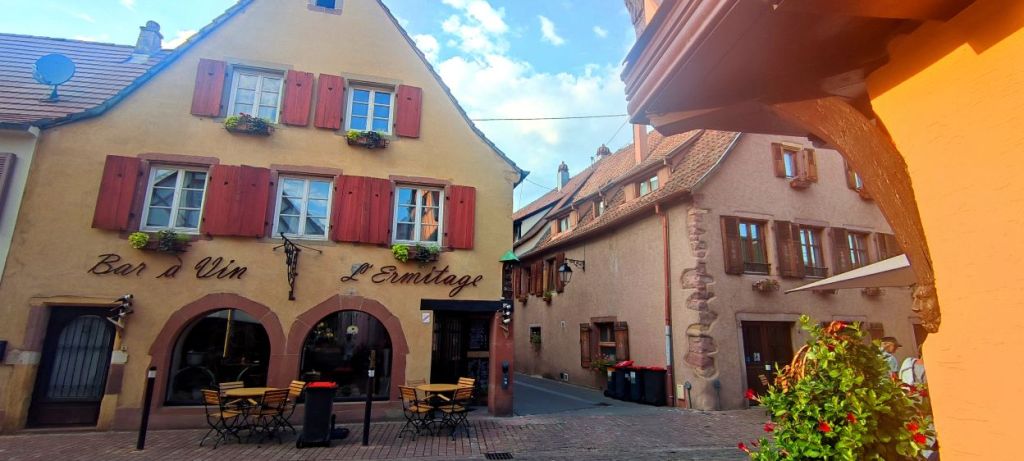
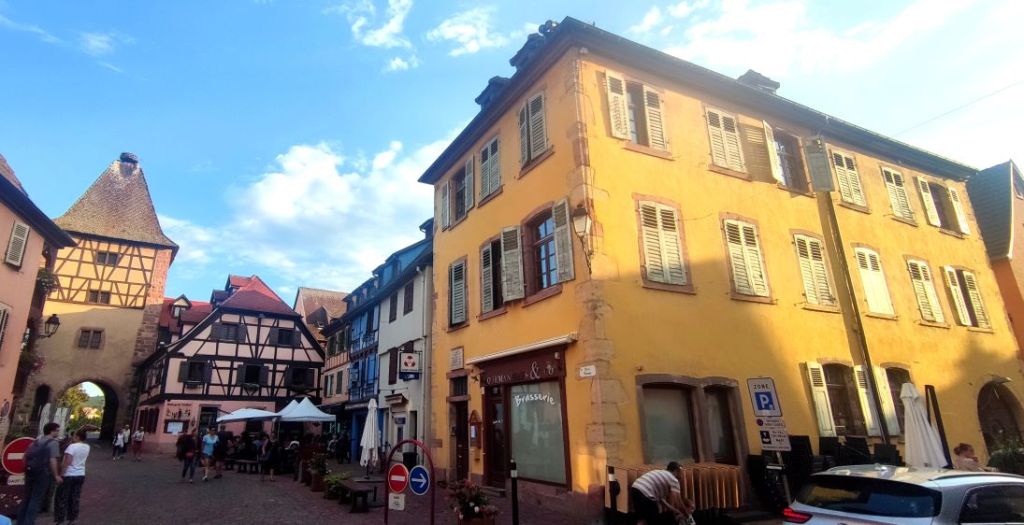
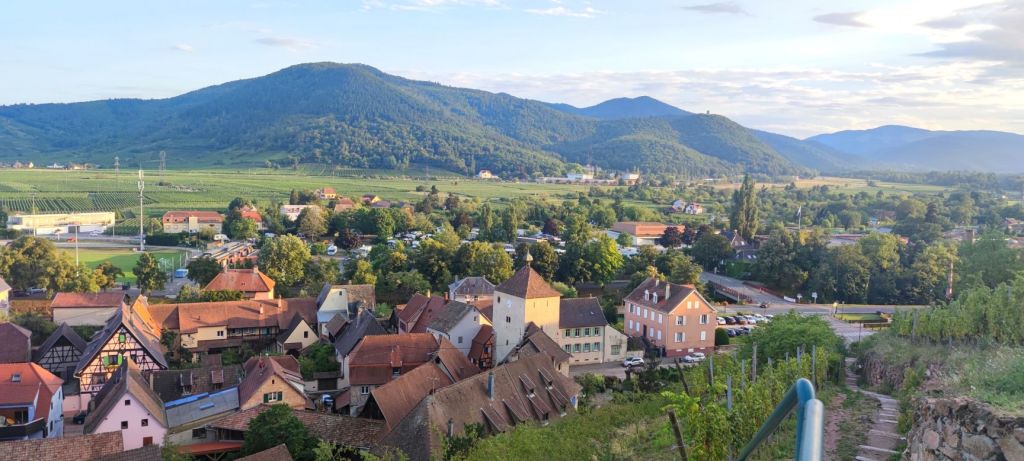
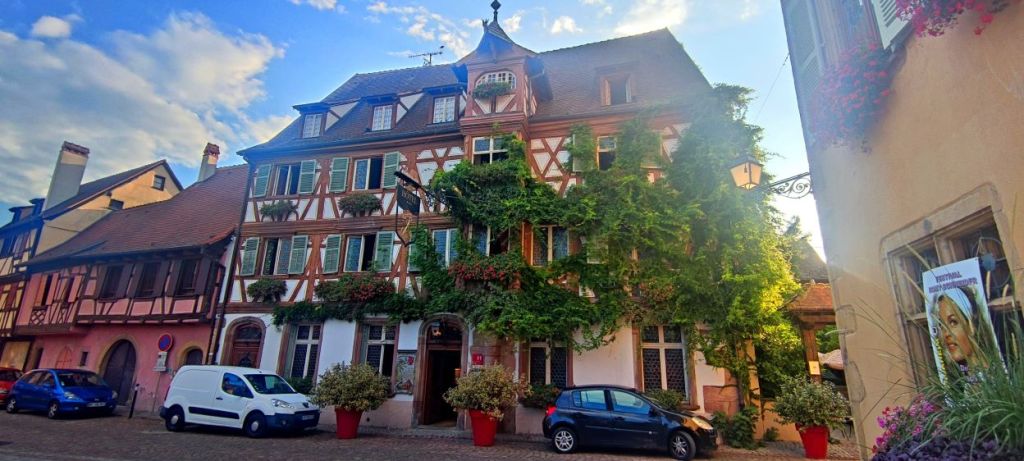
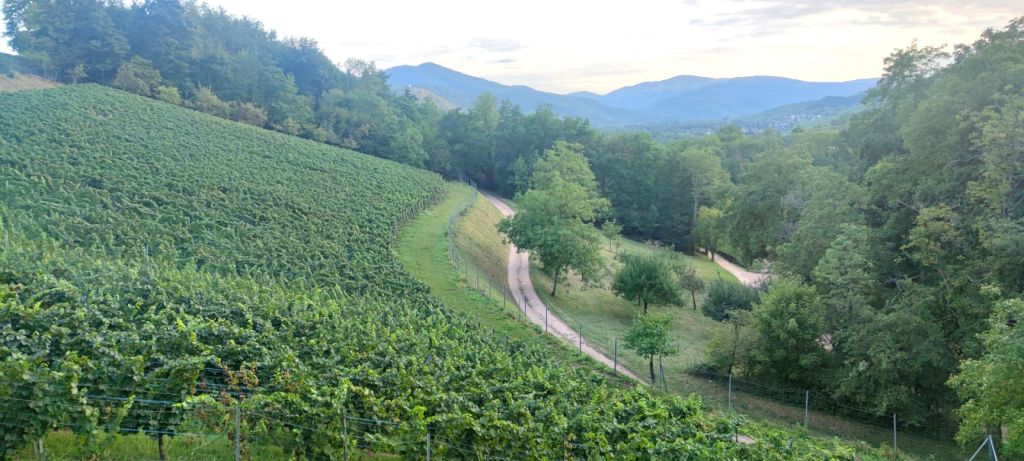
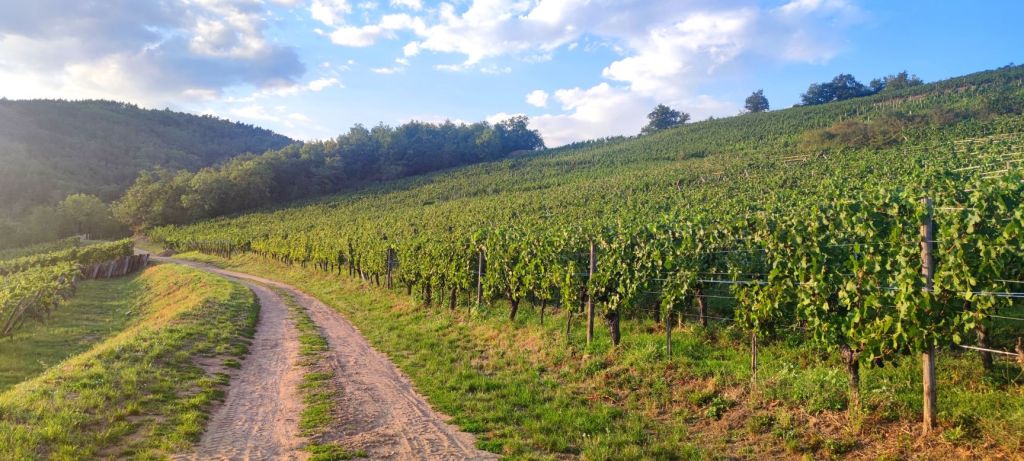
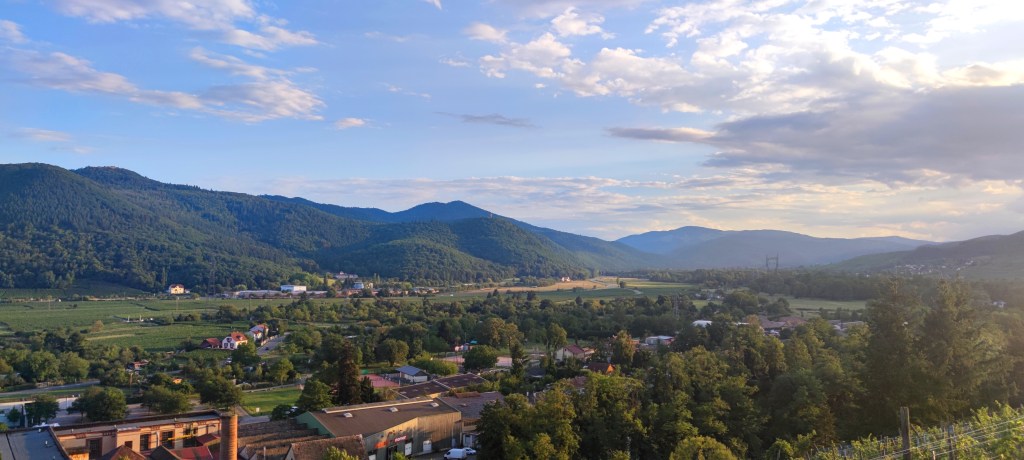
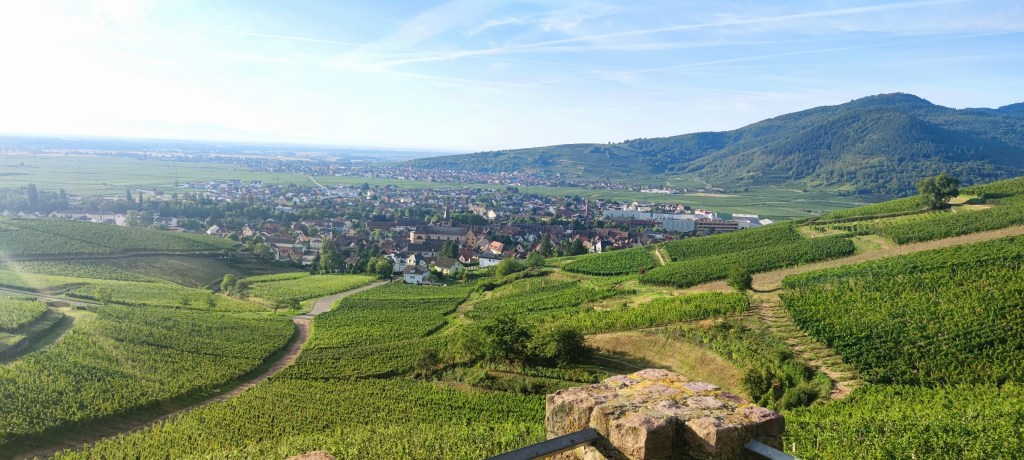
The city is surrounded by high medieval walls, from which you will have the possibility to contemplate the area. You enter it through the Gate of France, and inside, the wonderful colored wooden houses stand out, as well as the Gothic church of St Peter and St Paul.
KAYSERBERG
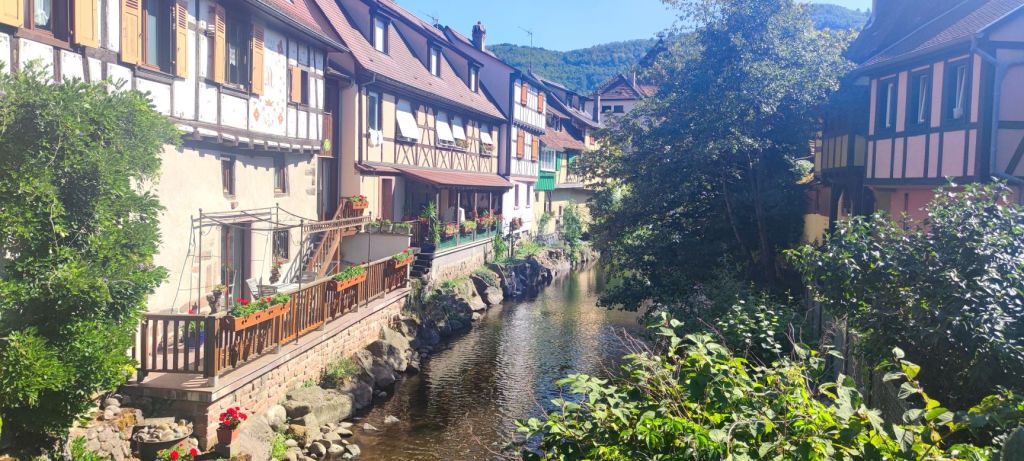
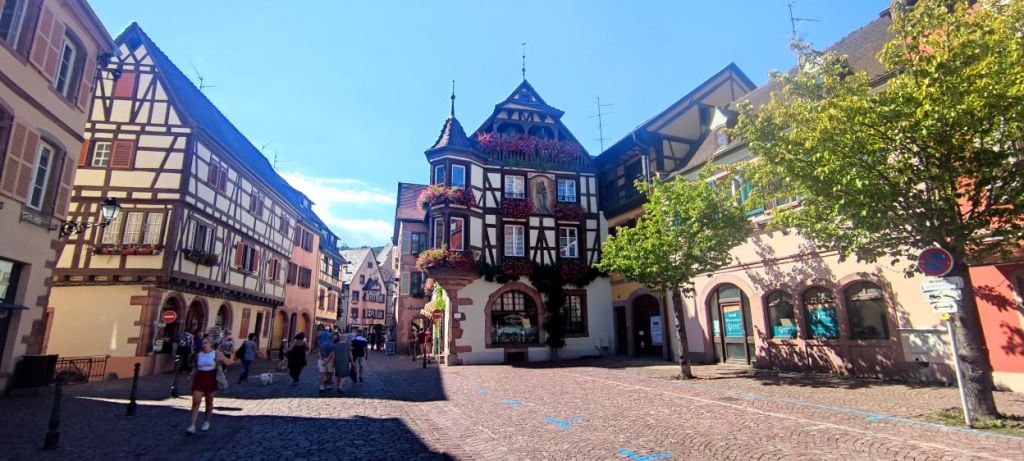
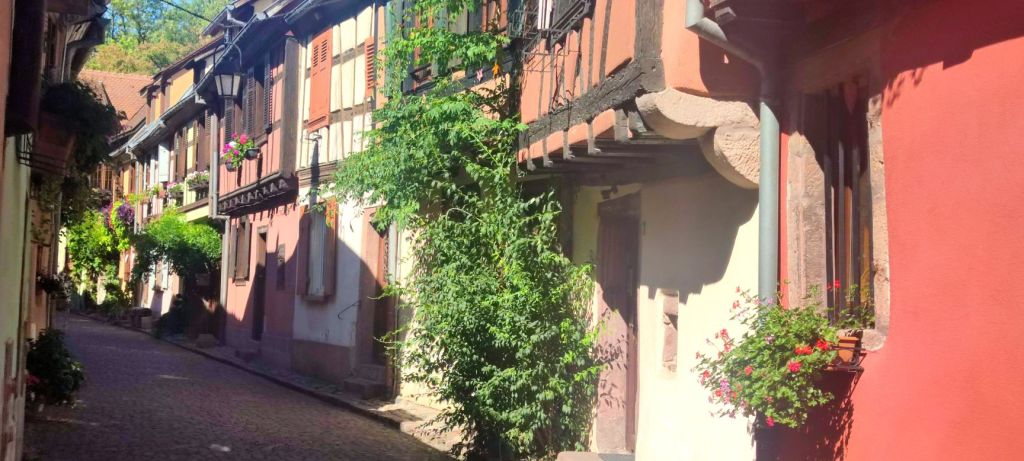
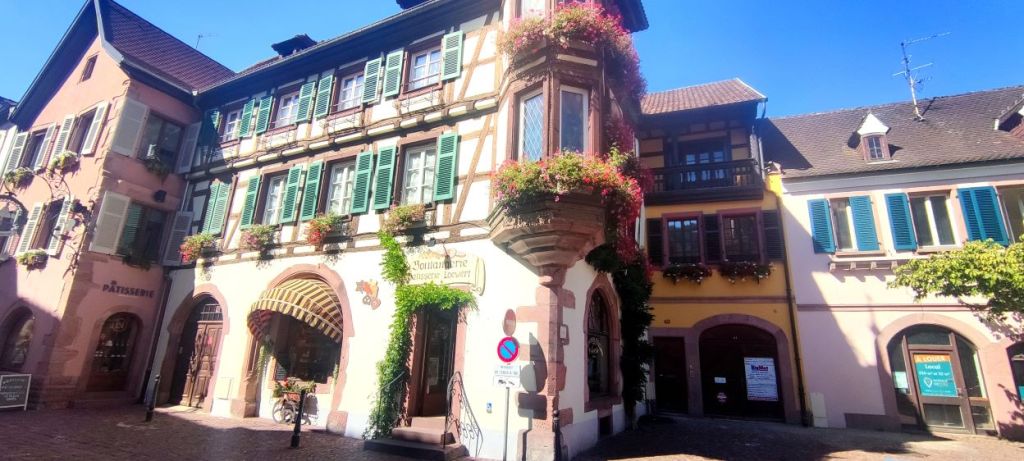
Although the origin of Kayserberg, also located near Colmar, dates back to the Roman Empire, the city underwent great development from the 13th century, when the Holy Roman Emperor Frederick II granted it city rights. During the Thirty Years War (1618-1648) the city suffered considerable damage, however, even so, after a short period of decline, it was able to recover and today, the city of the famous doctor and philosopher, Albert Schweitzer, continues to be an important area, as well as being part of the Alsace Wine Route. In the same way as other charming towns in this region, Kayserberg falls in love with its impressive architecture, its small streets and colorful houses that make us feel like we are in a fairy tale.
A CURIOUS FACT
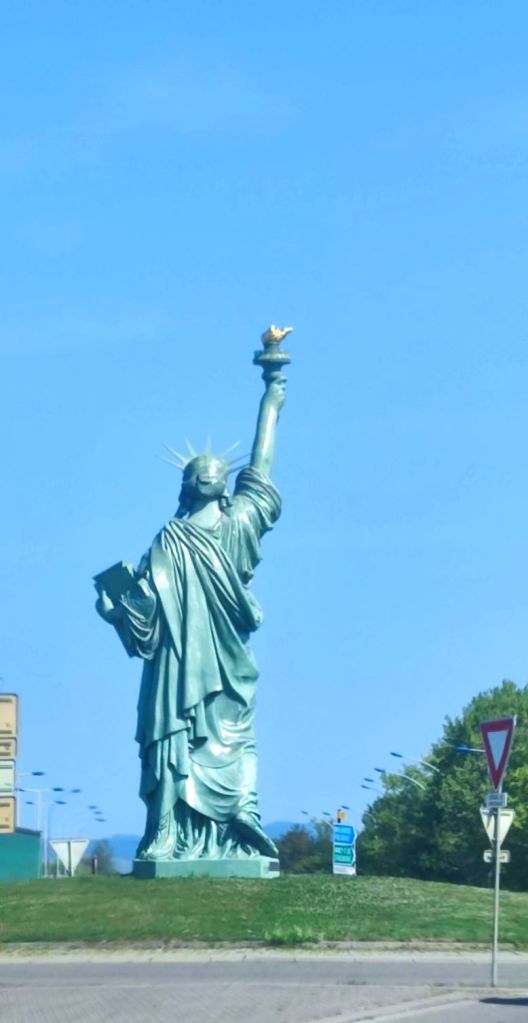
On the road that leads from Turkheim to Colmar you will have the opportunity to see the replica of the Statue of Liberty, known as “La Liberté éclairant le monde“. Its famous designer and sculptor, Frédéric Auguste Bartholdi, was born in Colmar in 1834. To thank his people, he offered a small replica of the famous New York statue that was inaugurated on July 4, 1904 (a highly symbolic date for the US). During World War II it was disassembled and hidden due to the possibility of suffering damage due to bombing. The statue represents the desire for freedom and the protection of human rights.
TIPS:
- I think that a good way to visit Alsace is doing a road trip, stopping in the different cities and towns in the area.
- I recommend you try the rich gastronomy of the area, especially the sweets, such as the tarte flambée, and its wines.
- Enjoy the charming towns, you will see that you will feel like in a fairy tale. But also do some hiking or cycling, since nature is ideal for it.
- If you come at Christmas, go to the Christmas Markets. However, if you can’t make it then, enjoy the Christmas shops, open all year round.
 all about eve`s journeys