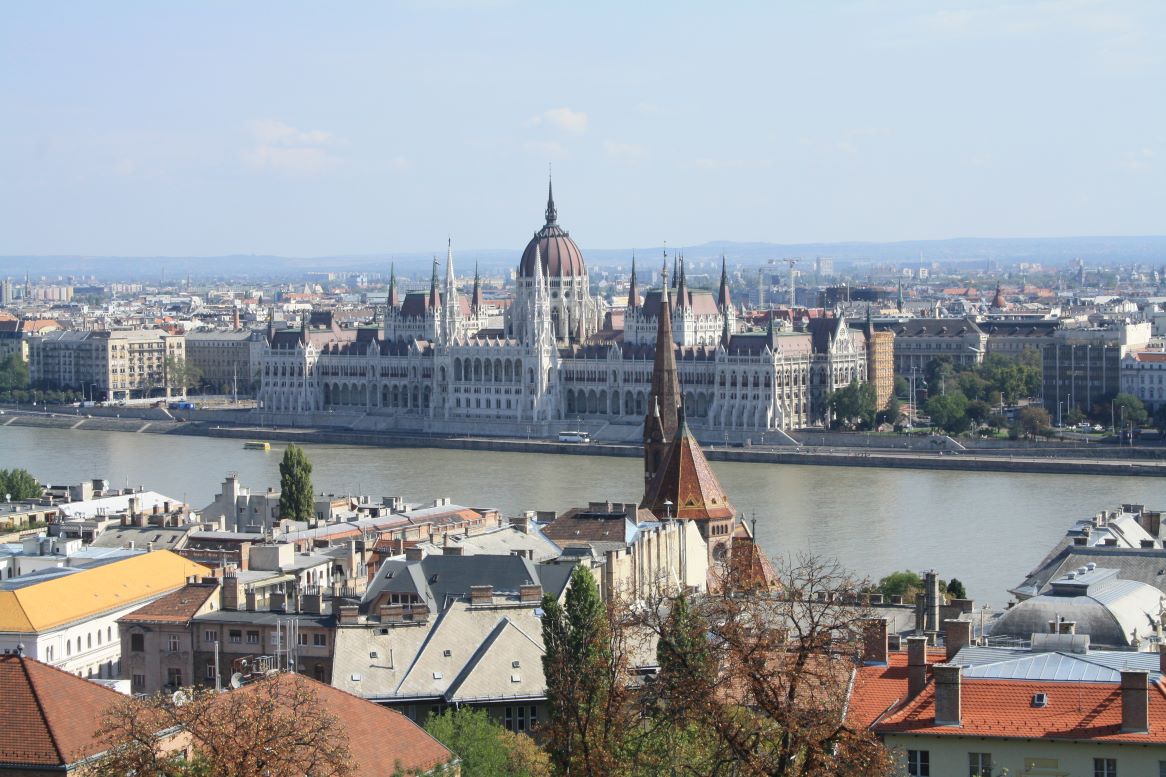
The capital of Hungary, which stands out for its vibrant culture and impressive architecture, is the result of the union of two cities, located on the banks of the Danube River. These are Buda and Pest, which, in 1873, at the time of the great Austro-Hungarian Empire, were unified, creating one of the most emblematic cities in Central Europe. On the one hand, Buda is located on the western side of the Danube River and stands out for the elegant Castle Quarter. On the other, Pest is located on the eastern side of the Danube River, and is the political-economic heart of the Hungarian capital. Of course, you should explore both parts of this beautiful city to get to know it well.
ORIGINS OF BUDAPEST
The origins of Budapest go back to the time before the Roman Empire, although it was during the Empire, when the city acquired great economic development under the name of Aquincum. Later, in the 9th century, the Magyars, the ancestors of the current Hungarians, arrived and formed the Kingdom of Hungary. It was an ethnic group, descendant of nomadic tribes from Central Asia, which under the leadership of Árpad, settled in the Carpathian area. Over several centuries, the city experienced various invasions, such as the Mongols, and was under the leadership of both the Ottoman Empire and the Austro-Hungarian Empire, ending up after World War II under the influence of the USSR. In fact, in 1956 the city rebelled against communist rule, however, the consequences and the repression were terrible. It was not until 1989 that Hungary finally gained its freedom again. The rich history of this city has turned Budapest into a place of exuberant cultural mix.
VISITING PEST
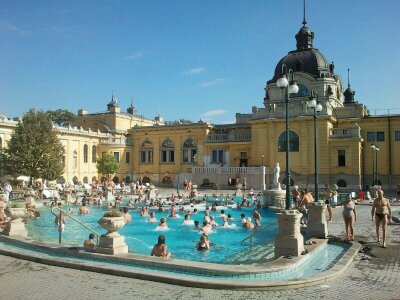
Through Andrássay Avenue, where expensive luxury shops are located, as well as elegant and iconic buildings of great importance for the city, you will arrive at Heroes’ Square. In it is located the Millennium Monument, a work of art built to commemorate the most significant historical figures in Hungarian history. Also, next to the square, you will find a large park inside which the Széchenyi thermal baths are located. A legend says that the waters of Budapest are miraculous and that they were found by an injured deer that, after bathing in them, healed.
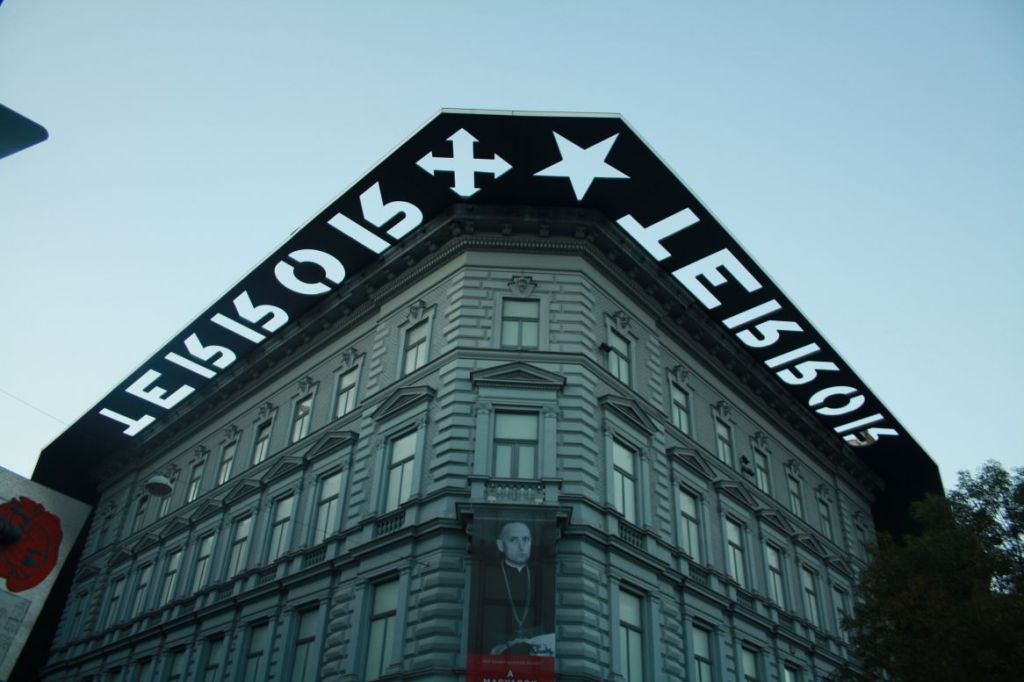
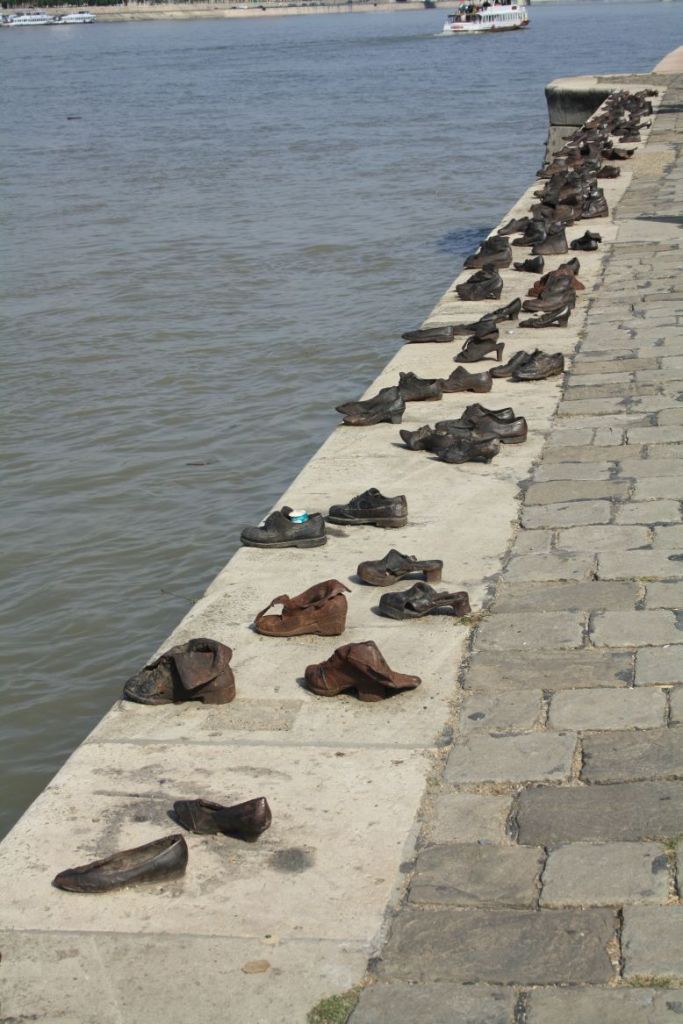
On the other hand, on the same Andrássay Avenue you will also find the Hungarian State Opera, inaugurated in 1884, which represents the neo-Renaissance style with neo-baroque details that give this architectural structure great opulence. Likewise, the House of Horrors is also located on this avenue, a museum from the year 2002, inside which the terror that the city experienced both under the Nazi and the communist occupation. By the way, on the banks of the Danube since 2005 there has been a commemorative monument to the massacre of the Jewish population, which the fascist militiamen, belonging to the Arrow Cross Party, forced to take off their shoes to later shoot them all; their bodies fell into the river and were washed away.
In this part of the city it is also located the St. Stephen’s Basilica, its construction that took place between 1854 and 1905 is inspired by the St. Peter’s Basilica in Rome. It is an impressive architectural work of great beauty with neo-Renaissance style. Also from the Dome you will get magnificent panoramic views. The patron saint of Hungary Saint Stephen, known as King Stephen I, consolidated the Hungarian territories as well as Christianity in the kingdom. After his death, in 1038 he was canonized.
Last, but not least, it is the must-see visit to the Hungarian Parliament, an extraordinary neo-Gothic building, inspired by the Palace of Westminster, and the most representative construction in Hungary, which was inaugurated in 1904.
VISITING BUDA
In the other part of the city there is the famous Castle District, where it is possible to visit the Royal Palace, the National Gallery and the Museum of Hungarian History, as well as the St. Matthias Church, which stands out for its colorful tiled roof and which houses numerous religious treasures. Also, in this part of the capital, the Fisherman’s Bastion stands out, from where you can enjoy panoramic views. It is a Gothic complex of seven towers that were built during the Middle Ages to commemorate the bravery of the fishermen who were able to defend the city walls.
On the other hand, the network of tunnels and underground caves are also located here, which for decades have served as a way of escape for the persecuted citizens of Budapest. The Sziklakórház Hospital Cave stands out, a hospital from the time of World War II, as well as the Géllert Cave with a small chapel to commemorate the martyrdom of the defender of the Christian faith in Buda, Géllert. By the way, if you still want hot springs, you have the opportunity to visit the baths that bear the name of this Saint. Finally, to end your visit to Buda, I recommend you go to the Citadel, a 19th century fortress and watch the sunset from there.
TIPS:
- Visit Váci Street for shopping, eating and strolling. Of course, you must try goulash (meat stew), töltött káposzta (cabbage leaves, stuffed with meat and rice) and for dessert kürtőskalács (Kurtos pie, coated with cinnamon and sugar).
- If you feel like going out for a drink, I recommend the Ruin Pubs area, it offers a unique atmosphere.
 all about eve`s journeys