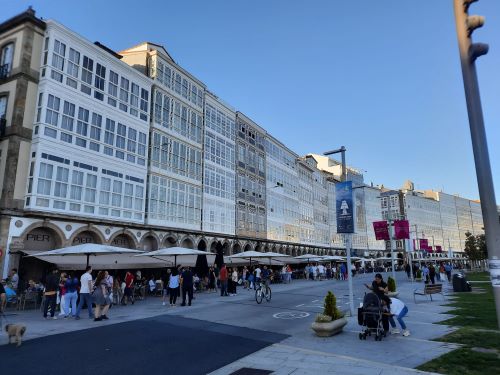
Located on the northeast coast of Spain, La Coruña emerges as a destination that captivates with its unique blend of history, culture, gastronomy, and natural beauty. It’s a charming Galician city kissed by the waves of the Atlantic Ocean, enchanting its visitors. In this blog post, we’ll embark on an exciting journey to discover the treasures that La Coruña has to offer.
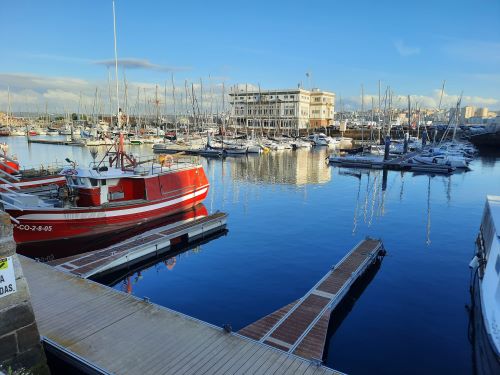
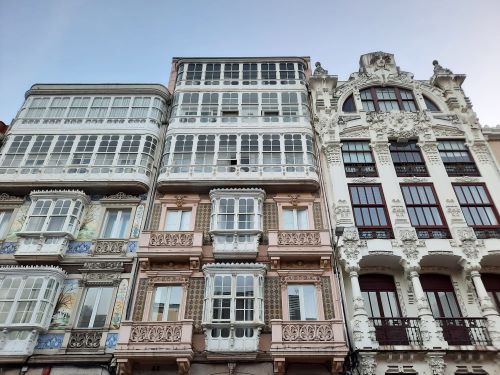
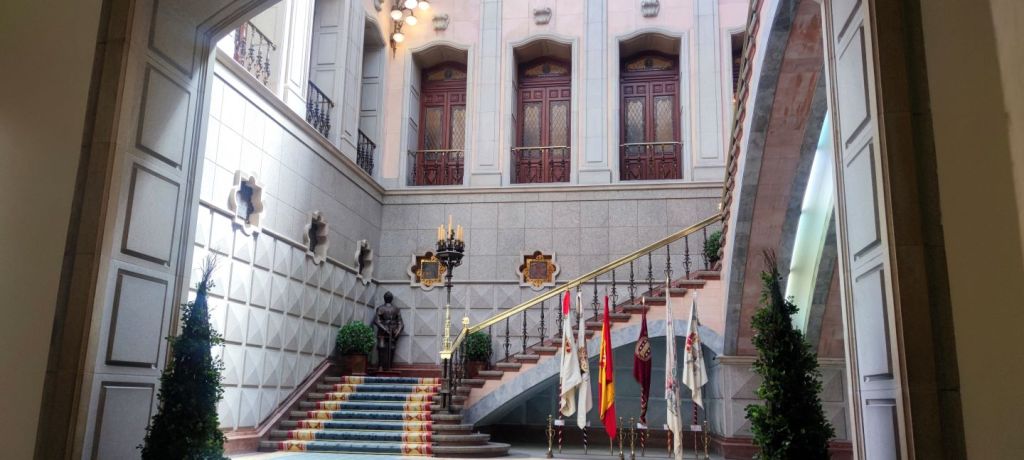
A STROLL THROUGH HISTORY
The history of La Coruña is a fascinating chronicle spanning centuries of cultural influences and significant events. It began to take shape as a city during the Roman era under the name of Brigantium, serving as an important trading port. From the 8th century, it was part of the Kingdom of Galicia, while in the 14th century, one of the most significant explorers, Juan Sebastián Elcano, who completed the first circumnavigation of the world, was born there.
In the 16th century, between 1589 and 1597, the English Armada siege took place. From this event, the story of the Coruñan heroine, María Pita, stands out. After her husband’s death in combat, she slew an English ensign and took his standard, causing the already low morale of English soldiers to plummet. She was subsequently named by the Spanish monarch, Philip II, as the Perpetual Ensign. Today, she is one of the symbols of the Galician city. During the summer festivities, the events that strengthened the city’s identity are proudly remembered.
WHAT TO VISIT IN LA CORUÑA
Among the city’s rich historical heritage, the following monuments stand out:
TOWER OF HERCULES
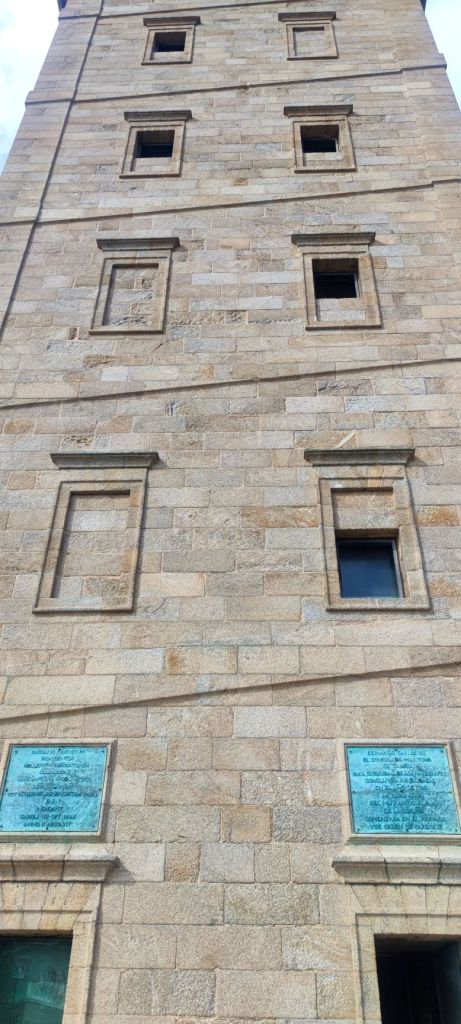
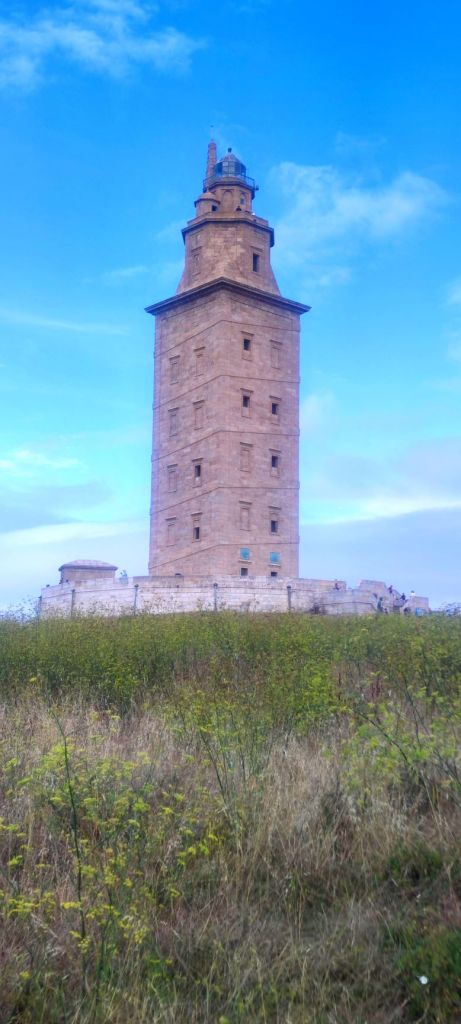
This is a lighthouse of Roman origin dating back to the 1st century and one of the oldest still functioning in the world. According to legend, it was the Greek hero Hercules who built the lighthouse to commemorate his victory over the giant Geryon. The giant ruled the lands between the Tagus and Douro rivers, and his violence threatened the local population. Hercules managed to defeat the giant and decapitated him, burying his head by the sea, where the lighthouse now stands. According to another medieval legend, it was a Celtic chieftain, Breogán, who conquered the Galician lands, founded the city of Bregantia (nowadays La Coruña), and ordered the construction of the tower.
CASTLE OF SAN ANTÓN
Another iconic place in the city is the Castle of San Antón, located in the port of La Coruña. Its origins date back to the Roman era, though the current structure comes from the 16th century. It served as a defense against naval attacks, also functioned as a prison, and since 1968 has been turned into the Archaeological Museum.
SANTIAGO CHURCH
Although the city has numerous significant Christian monuments, I personally believe that you should definitely visit a small 12th-century Gothic temple, the Santiago Church. It’s a small, truly charming temple. Beware! The tympanum of the church corresponds to the 15th century, and it features the Apostle Saint James on horseback.
EMILIA PARDO BAZÁN HOUSE MUSEUM
The family home of the Galician writer Emilia Pardo Bazán is a museum located in Plaza de la Mina since the 1970s. She was a prominent Spanish writer, novelist, literary critic, and essayist who challenged the social norms of her time. Her literary works often addressed controversial issues and explored gender and society.
PICASSO MUSEUM
The museum pays tribute to the relationship between the famous painter Pablo Ruiz Picasso and La Coruña, as the Cubist painter spent several years in this part of Spain during his youth.
MONTE DE SAN PEDRO PARK
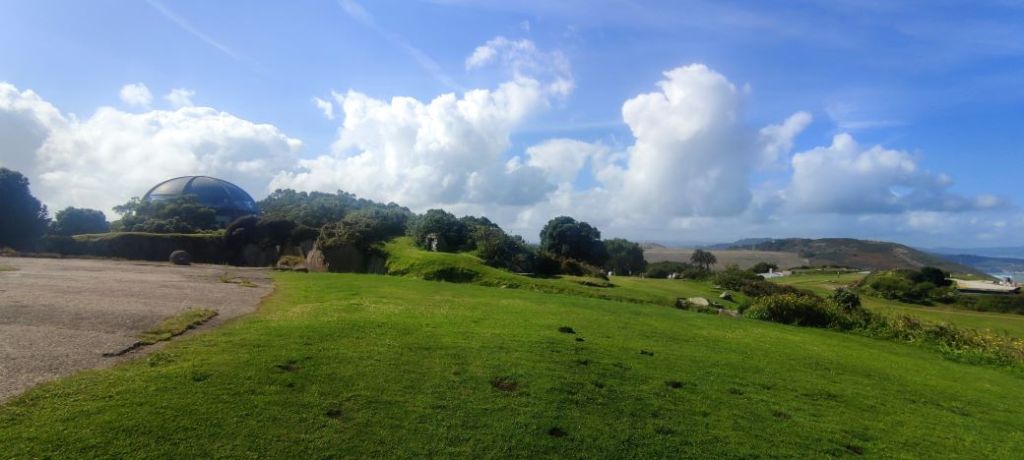
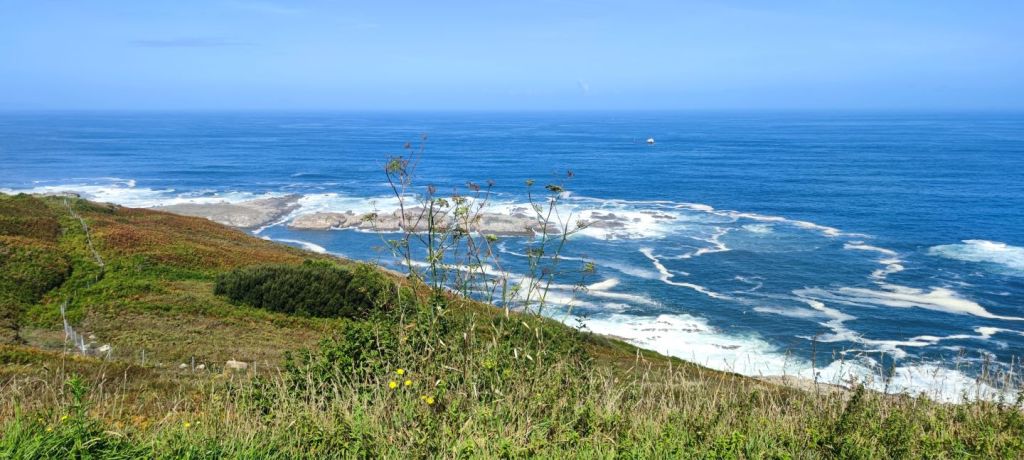
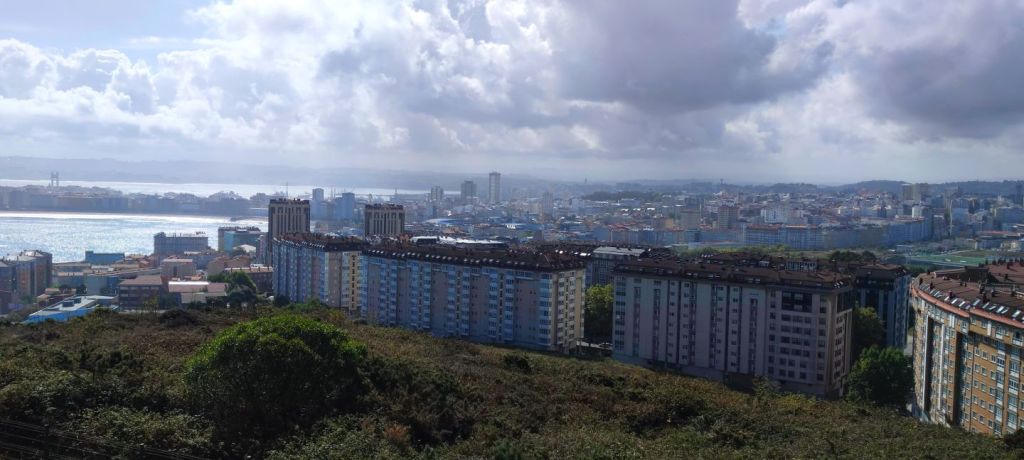
For nature lovers, a visit to the Monte de San Pedro Park on the outskirts of the city is highly recommended. It offers spectacular views of the ocean and the city. It’s a large green space that invites you to relax surrounded by nature, take a walk, exercise, admire panoramic views, and ultimately enjoy the sea breeze. Additionally, it combines natural beauty with military history and a gastronomic experience, as it features a panoramic restaurant.
OLD TOWN WALK
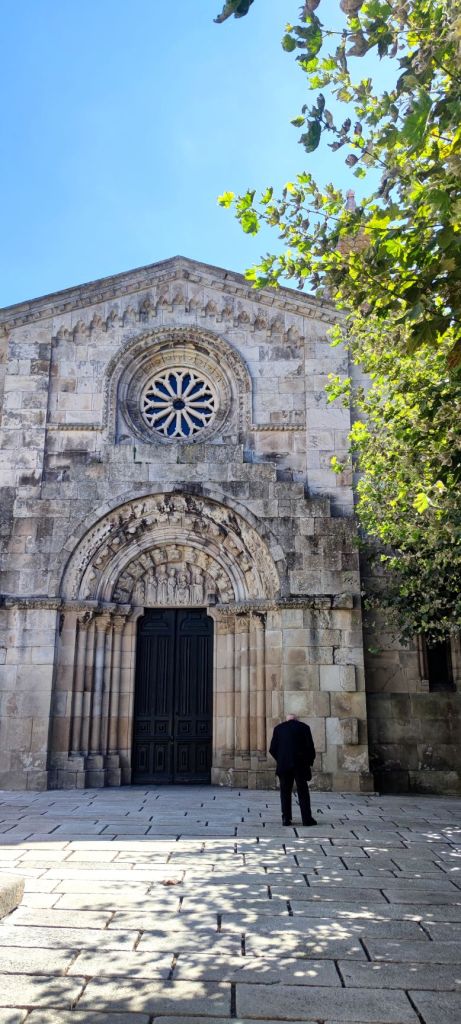
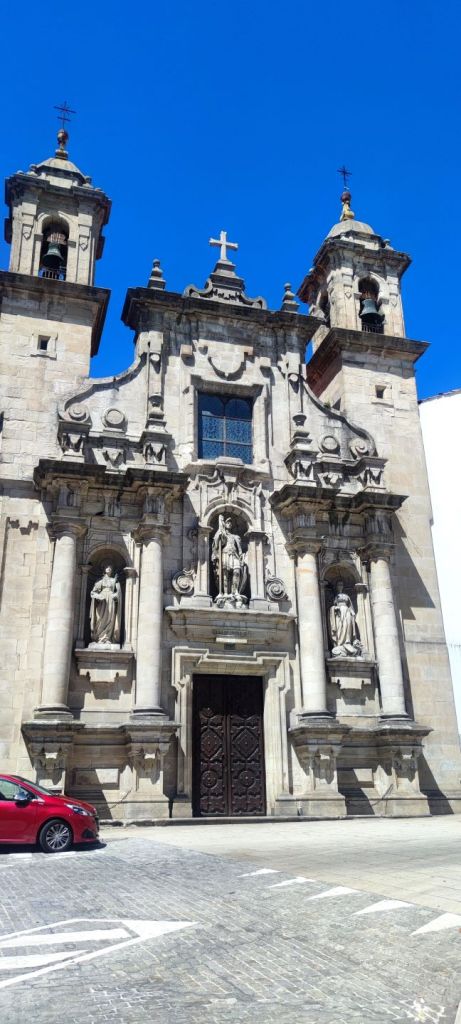
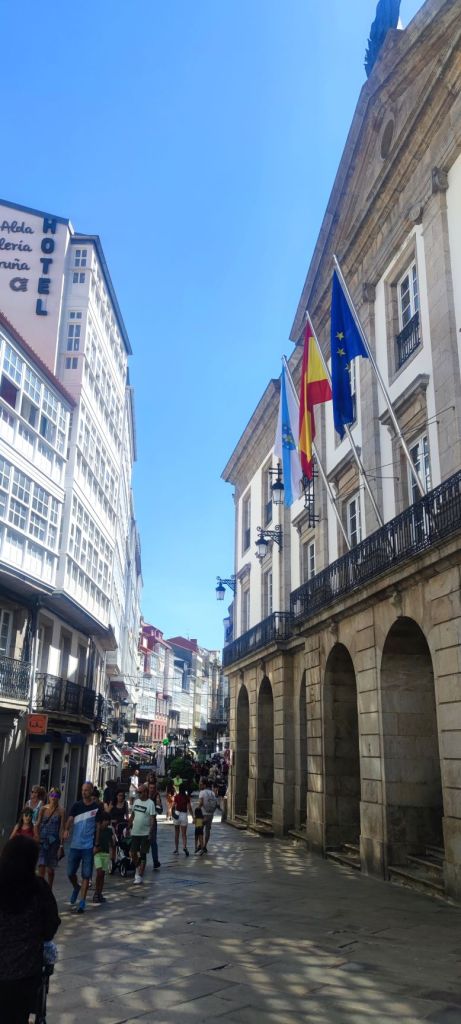
I also recommend exploring the old town of La Coruña, surrounded by defensive walls built between the 13th and 17th centuries. It’s a unique opportunity to get to know the heart of the city.
TIPS:
- Enjoy Galician cuisine; it’s truly delicious. My favorite dish is the typical “pulpo a la gallega” (Galician-style octopus).
- It’s a maritime city with a lot of wind for most of the year. Additionally, rains are frequent, so it’s best to bring appropriate clothing.
- Throughout the month of August, the Maria Pita Festivals are celebrated. The cultural agenda is quite varied, even including the recreation of naval battles with fireworks. It’s a good time to visit the city.
 all about eve`s journeys