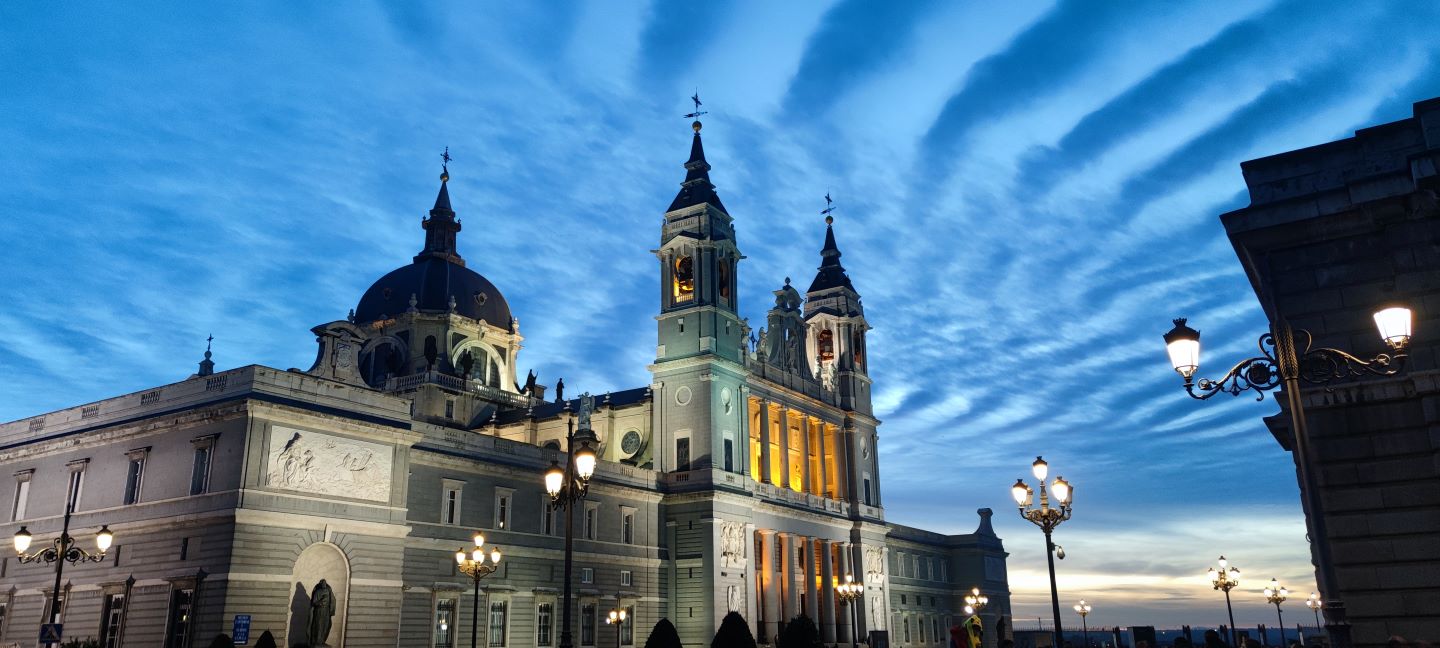
Welcome to Madrid, the cultural jewel of Spain! I invite you to discover with me the wonders of this metropolis, where every bustling street tells a story, bearing witness to the richness of its past, and every corner pulses with a unique energy that blends Spanish authenticity with cosmopolitan modernity. Madrid is not just a city; it is a kaleidoscope of experiences that awaken the senses, spanning from its vibrant history to its exciting present—a crucible of history, art, and gastronomy.
A BIT OF HISTORY

Although the city spans several centuries of existence, I would like to highlight the significant reforms carried out during the Bourbon era, which established itself as the new royal family in Spain from the 18th century. Especially under the reign of Carlos III, Madrid underwent a metamorphosis that has left an enduring mark on its landscape and quality of life. Known as “the best mayor of Madrid,” Carlos III led bold reforms that modernized the city in every aspect. His innovative approach included the introduction of street lighting, transforming dark nights into vibrant urban spaces. Additionally, green spaces were expanded, such as the iconic Retiro Park, providing not only green lungs but also meeting places and recreational areas for Madrileños.
Carlos III also left his mark in the creation of iconic public squares, such as Puerta del Sol and Gran Vía. These squares became the pulsating heart of the city, fostering social life, cultural events, and commercial exchange. Carlos III’s vision not only gave Madrid a more elegant and modern appearance but fundamentally transformed the experience of living in the city, turning it into a place where culture flourished, and the quality of life significantly improved.
ICONIC PLACES NOT TO MISS IN MADRID
MUSEUMS
PRADO MUSEUM
Founded in 1819, the Prado Museum is a historical and cultural treasure in the heart of Madrid. Designed by Juan de Villanueva, its building houses an unparalleled collection of masterpieces spanning from the 12th to the 20th century. With gems from Velázquez, Goya, El Bosco, and European masters like Rembrandt, Rubens, and Titian, the Prado stands as one of the world’s most prestigious museums. It not only preserves the history of art but also narrates the evolution of human creativity over the centuries, offering a unique and immersive cultural experience.
REINA SOFÍA MUSEUM

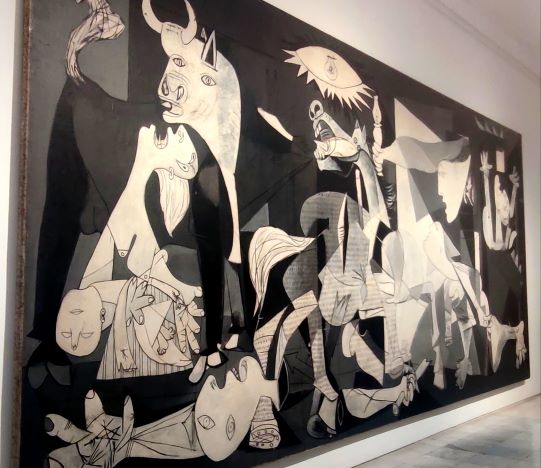
The Reina Sofía Museum merges contemporary art with history. Inaugurated in 1992, it occupies the former General Hospital of Madrid, designed by the architect Francisco Sabatini in the 18th century. Its transformation into a museum has respected the historical architecture, providing a fascinating contrast between the old and the modern. The centerpiece of its collection is Pablo Picasso’s “Guernica,” a masterpiece that encapsulates human suffering during the Spanish Civil War. Additionally, the museum houses works by Salvador Dalí, Joan Miró, and other prominent contemporary Spanish artists.
GREEN AREAS


RETIRO PARK
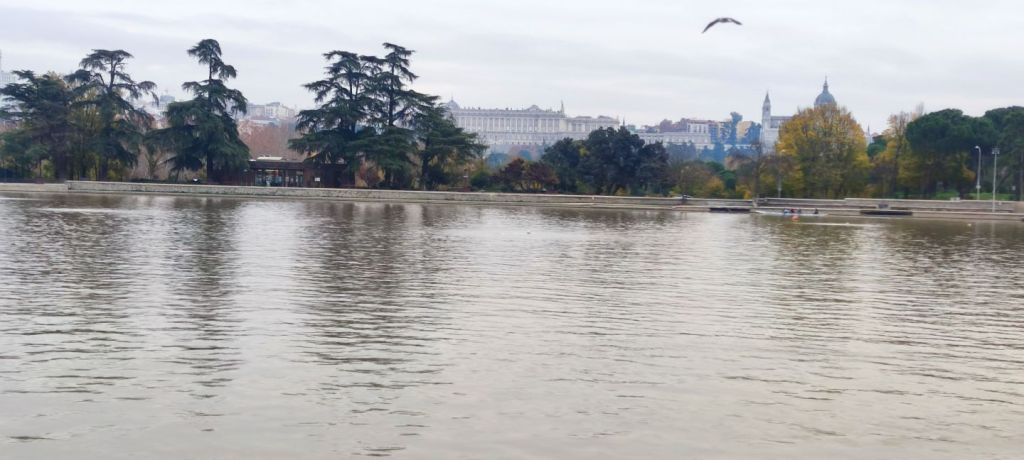
Retiro Park is a green oasis that offers a tranquil refuge from bustling urban life. Its majestic gardens, the central pond with rowing boats, and iconic monuments like the Crystal Palace create a perfect environment for relaxation, exercise, or enjoying outdoor cultural events. Retiro is not only a green lung in the city but also a historical and cultural testament.
CASA DE CAMPO
Casa de Campo, Madrid’s largest park, was originally a royal hunting ground in the 16th century and became public property in the 20th century. This vast green space provides a serene escape for Madrileños and visitors, with picturesque lakes, wooded trails, and recreational areas. In addition to its natural beauty, Casa de Campo houses the Madrid Amusement Park and the Zoo, adding an entertainment touch to its serene landscape. Whether boating on its lakes, enjoying the panoramic view from the cable car, or simply relaxing in nature, Casa de Campo invites exploration and enjoyment of a respite amid the lively metropolis.
LANDMARKS
ROYAL PALACE

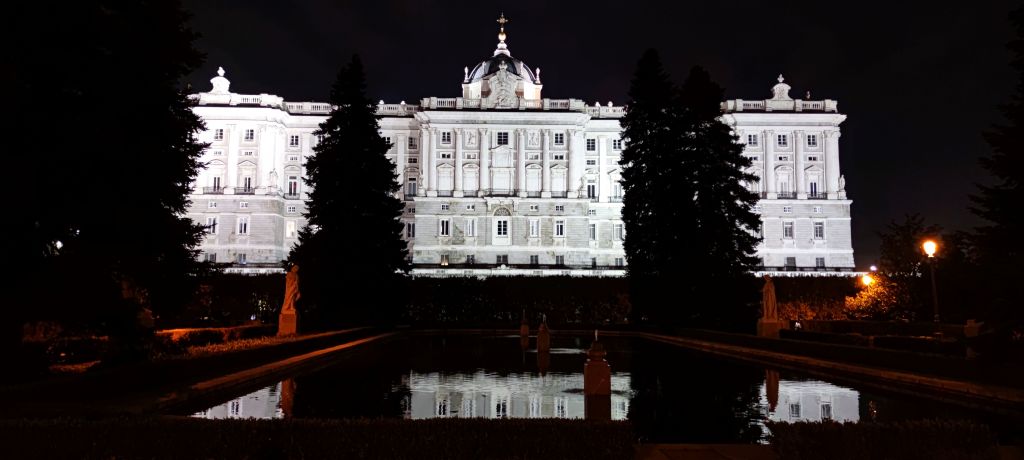
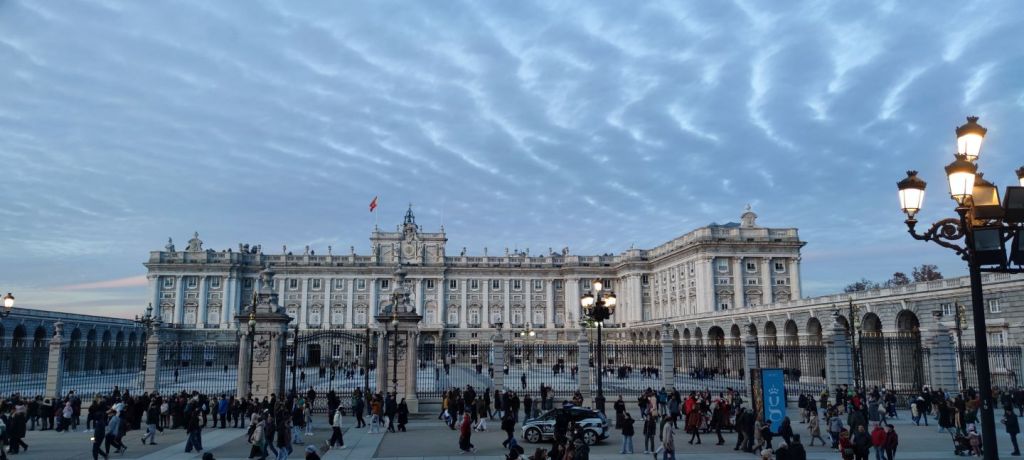
The Royal Palace of Madrid, imposing and majestic, stands as an architectural testament to the history and grandeur of the Spanish monarchy. Built in the 18th century on the ruins of an ancient medieval fortress, this colossal palace has over 3,000 rooms and serves as the official residence for royal ceremonies. Its facade, a blend of Baroque and Neoclassical styles, radiates opulence and splendor. Visitors can explore iconic rooms like the Throne Room and the Royal Pharmacy, while the Sabatini Gardens complete this architectural ensemble.
THE CATHEDRAL
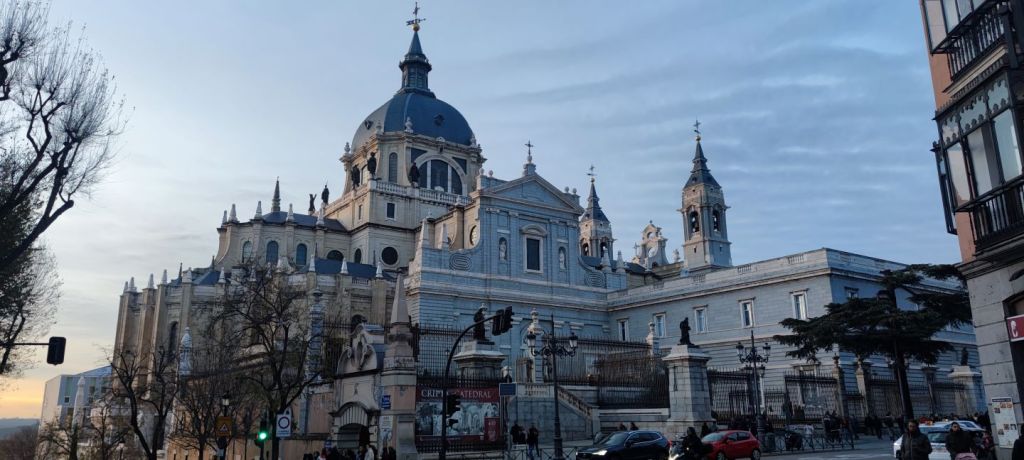
The Almudena Cathedral, located next to the imposing Royal Palace in Madrid, is an architectural masterpiece that blends tradition and modernity. Although its construction was completed relatively recently, in 1993, its Neoclassical design and imposing dome evoke a sense of grandeur and solemnity. The cathedral houses artistic treasures, including frescoes and sculptures, narrating the rich religious and cultural history of Spain.
PLAZA MAYOR
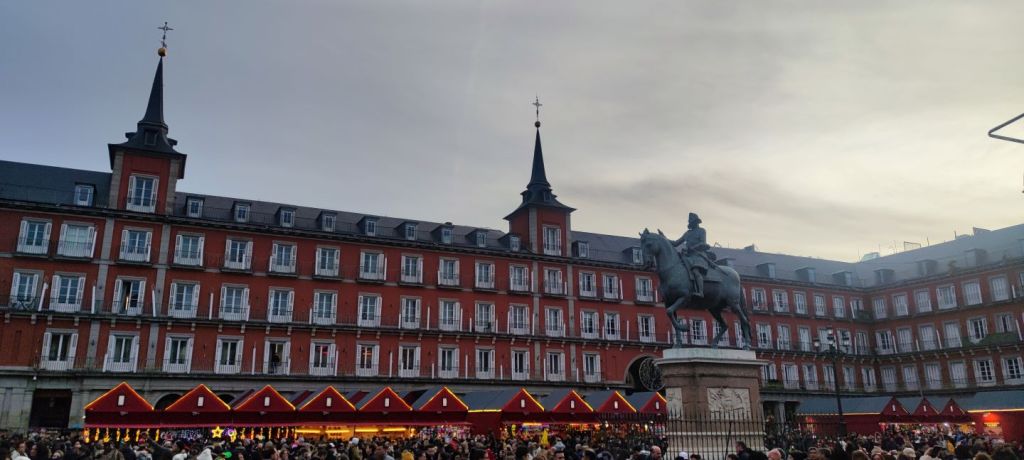

The Plaza Mayor, the historic and social heart of Madrid, unfolds as a stage of living history. Built during the reign of Felipe III in the 17th century, the square has witnessed public events, from royal celebrations to bullfights. Its symmetrical architecture, with arcades and balconies, creates a unique setting for the constant bustle of Madrid life. Surrounded by buildings with reddish facades and the equestrian statue of Felipe III in the center, Plaza Mayor evokes a sense of ancient charm. Its terraces, shops, and restaurants offer visitors the opportunity to immerse themselves in the lively atmosphere of the city, while cultural events and seasonal markets add a contemporary touch to this historic enclave.
PUERTA DEL SOL
Puerta del Sol pulsates with the vibrant energy of the city. Its status as the kilometer zero of Spain makes it an iconic meeting point, highlighted by the statue of the Bear and the Strawberry Tree. The square houses the famous clock of the Casa de Correos, the protagonist of the festive New Year’s Eve chimes.
GRAN VÍA
Gran Vía, known as the “Spanish Broadway,” is an emblematic avenue that encapsulates the cosmopolitan and effervescent essence of the city. This main thoroughfare, built in the early 20th century, is dotted with majestic buildings, dazzling theaters, renowned shops, and a vibrant nightlife. Its eclectic architecture, blending styles like Art Deco and Neo-Gothic, creates a unique and captivating urban landscape.
TIPS:
• Enjoy Madrid’s gastronomy. I recommend visiting the Mercado de San Miguel, where you can taste a wide variety of local products. Also, when you visit Plaza Mayor, try the famous calamari sandwiches.
• Visit the Temple of Debod, a genuine Egyptian temple that was gifted to Spain in 1968 as a token of gratitude for Spanish collaboration in saving the temples of Abu Simbel, which were at risk of flooding due to the construction of the Aswan Dam. Its structures, dating from the 2nd century B.C. to the 1st century A.D., transport visitors to the time of the pharaohs and offer a tranquil space for reflection. The best time to enjoy this place is at sunset.
 all about eve`s journeys