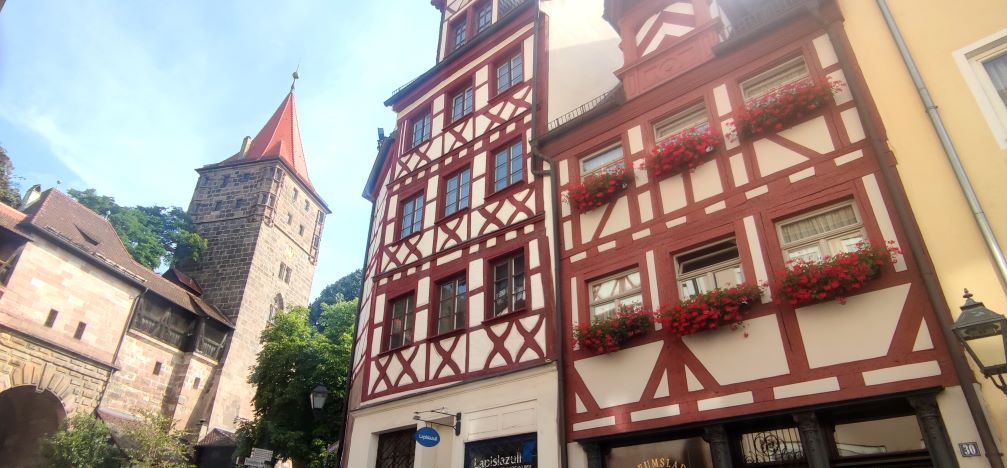
Nuremberg, situated in the heart of Bavaria, Germany, is a historical gem that captivates its visitors with a rich medieval history, impressive monuments, and a vibrant culture. Strolling through the charming cobblestone streets of the city is like immersing oneself in a fairy tale, where each corner reveals centuries of history. In this blog, I would like to introduce you to the fascinating city of Nuremberg, unraveling the magic behind some of its most iconic places. With its diverse history, stunning monuments, and medieval charm, Nuremberg becomes an unforgettable experience.
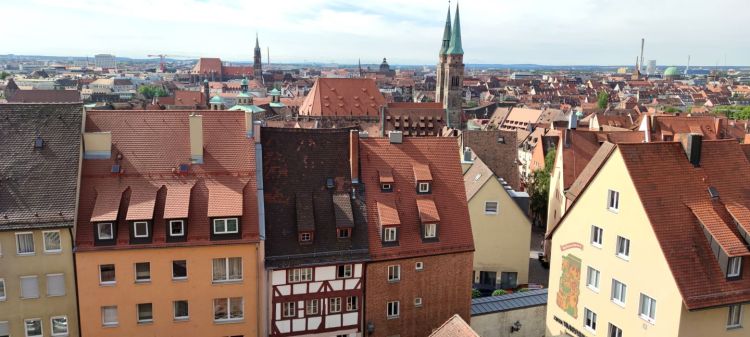
HISTORY OF NUREMBERG
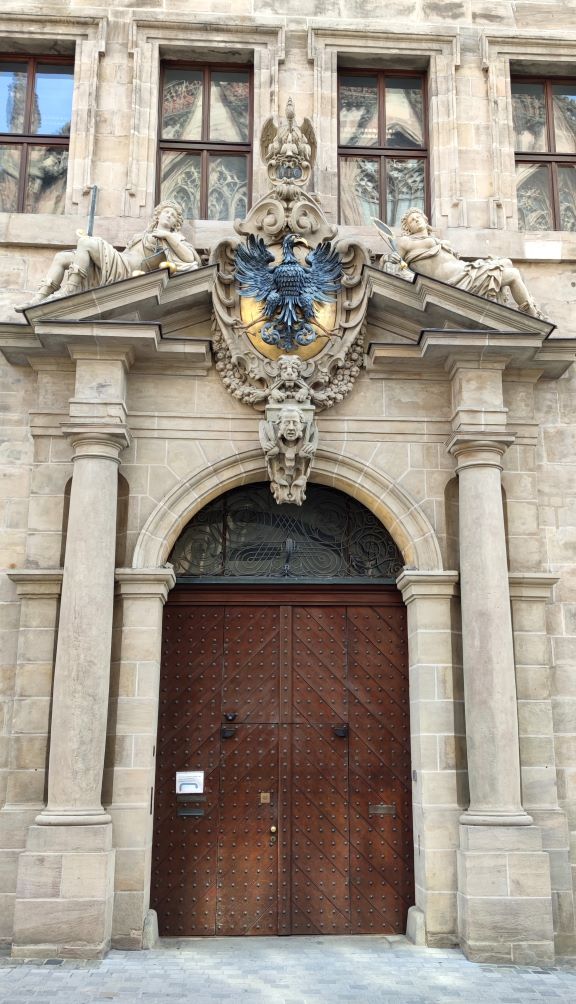
The history of Nuremberg dates back to the Middle Ages when the city emerged as a prosperous commercial and artisanal center. Encircled by imposing walls that still largely endure today, the city played a pivotal role during the peak of the Holy Roman Empire, becoming the epicenter of theological and political debates that shook the foundations of the Catholic Church. A noteworthy chapter unfolded in 1521 during the Diet of Nuremberg, where the powerful Emperor Charles V issued the historic Edict of Worms, sentencing Martin Luther. Luther, a prominent theologian and reformer, openly challenged papal authority and advocated for reform within the Church.
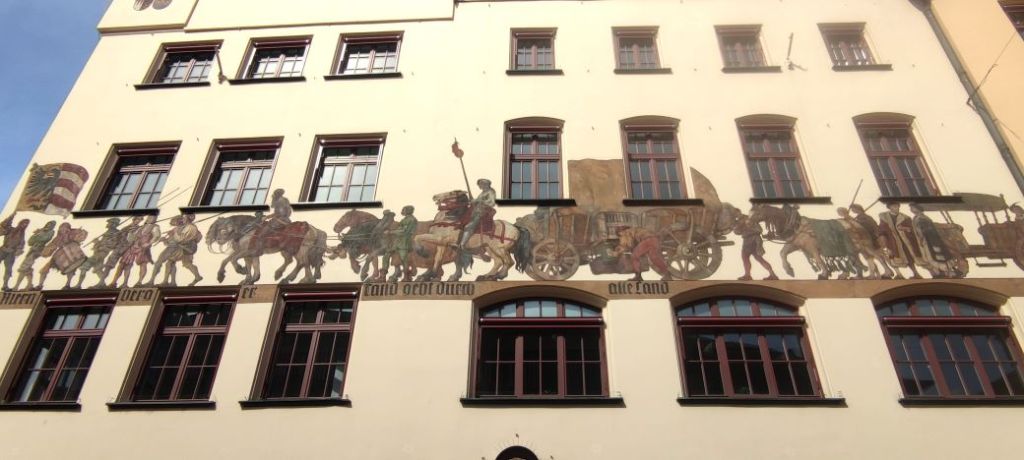
In more recent times, Nuremberg became the stage for the momentous Nuremberg Trials after World War II. In this post-war period, the city assumed the responsibility of hosting one of the most significant trials in contemporary history. The Nazi leaders, responsible for war crimes and crimes against humanity during the global conflict, were brought to international justice. The trials, conducted between 1945 and 1946, saw the participation of judges and prosecutors from the allied countries. This international military tribunal set a crucial precedent by prosecuting and condemning prominent figures of the Nazi regime. Leaders such as Hermann Göring, Rudolf Hess, and Joachim von Ribbentrop were judged for their roles in the planning and execution of massive atrocities. This dark chapter in the city’s history has left an indelible mark on its collective memory. The buildings that served as courtrooms during the trials, such as the Palace of Justice, have become places of commemoration and reflection. The city, although steeped in medieval tradition, has evolved into a symbol of the struggle for justice and the preservation of historical memory.
ARCHITECTURAL GEMS IN NUREMBERG
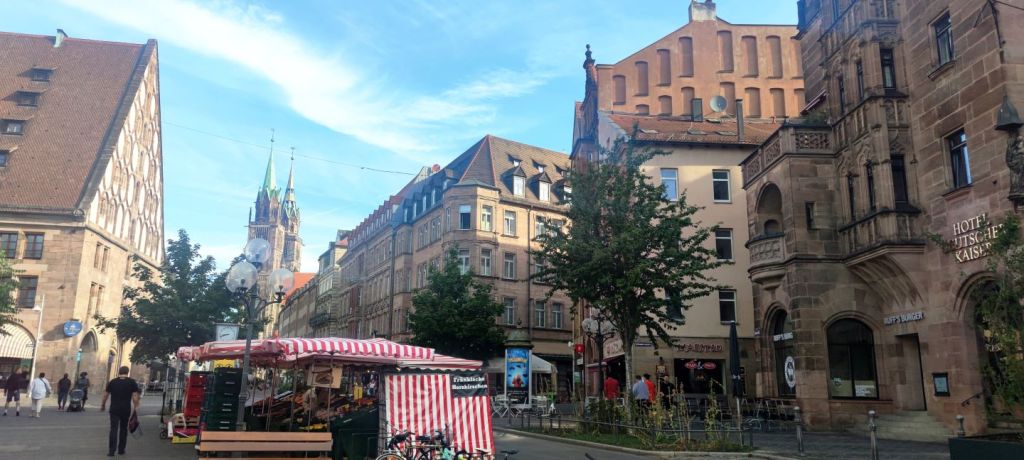
NUREMBERG CASTLE
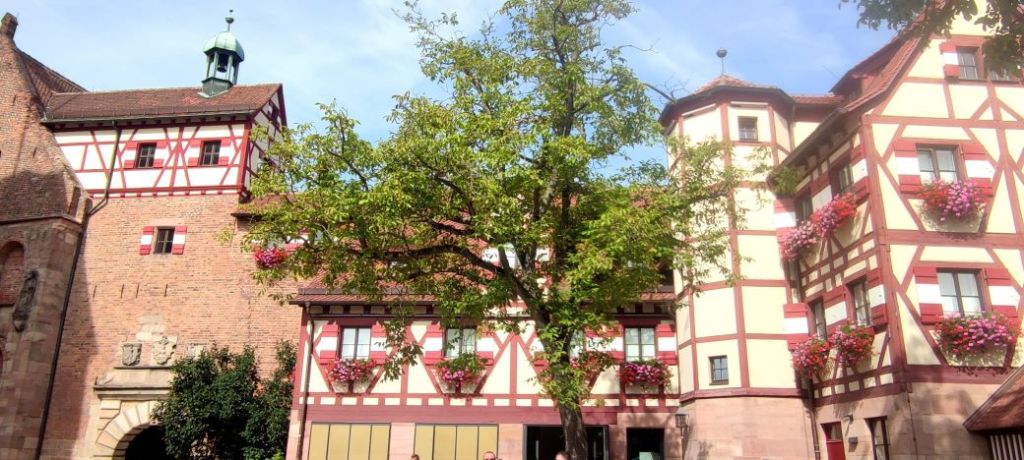
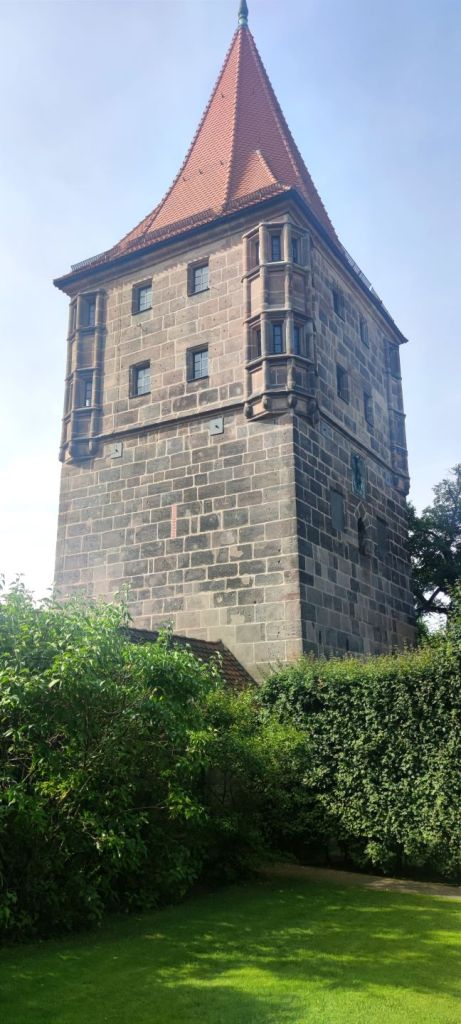
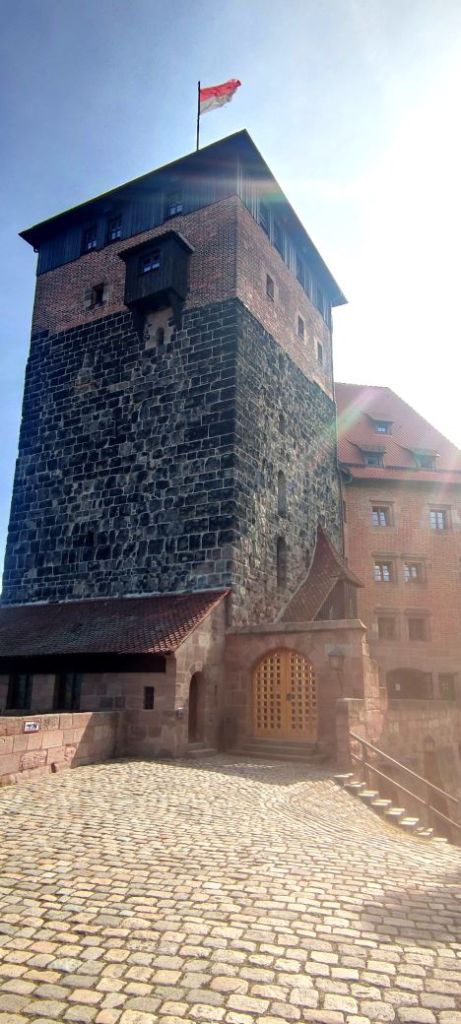
Dominating the city’s skyline, Nuremberg Castle stands as a silent witness to history. Built in the 11th century, this imposing castle houses fascinating museums and offers panoramic views of the city. Visitors can explore the walls, towers, and halls that have witnessed crucial events throughout the centuries.
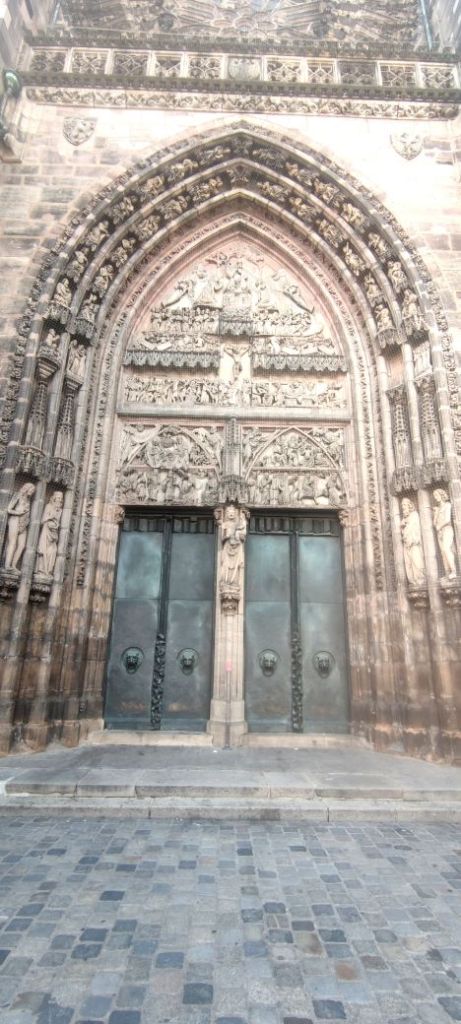
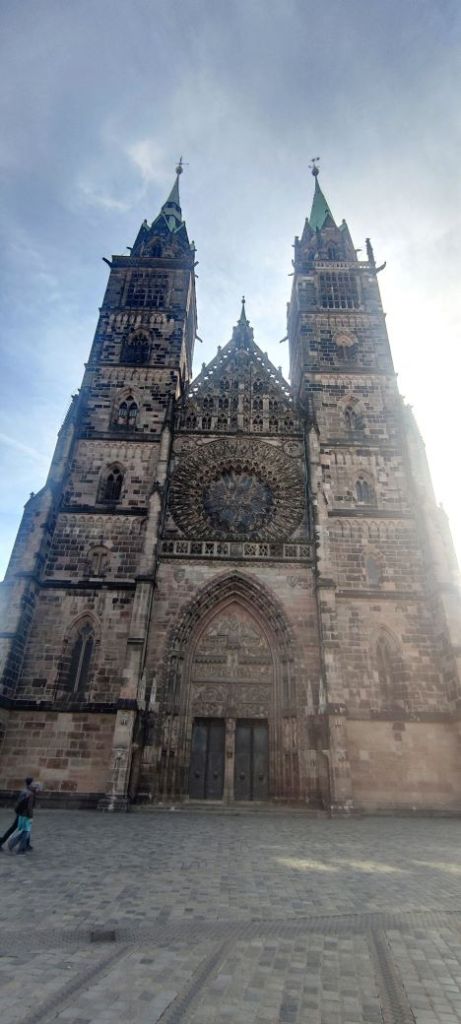
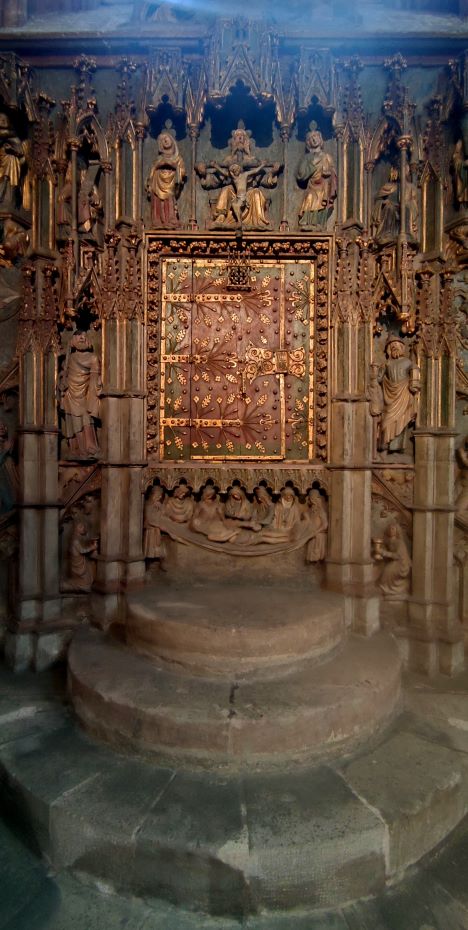
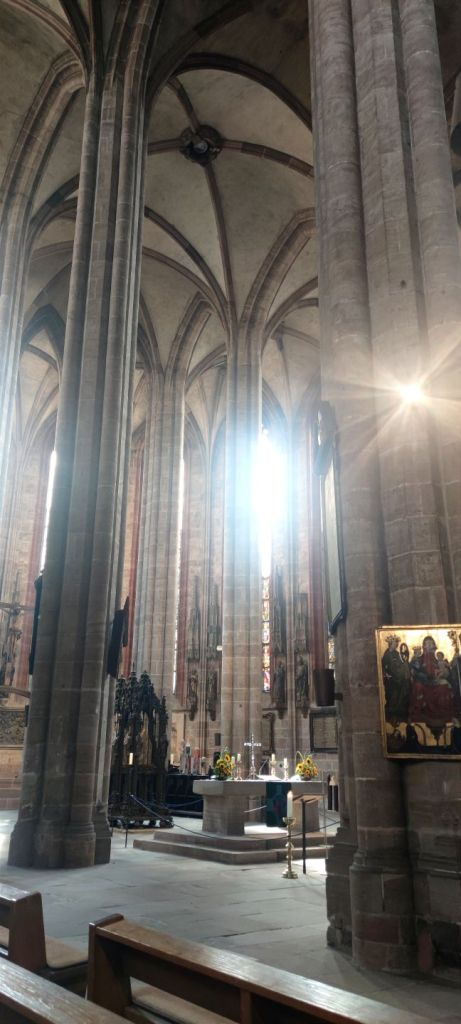
ST. LORENZ CHURCH
This magnificent Gothic church is a testament to medieval architectural grandeur. Built in the 13th century, St. Lorenz Church houses impressive stained glass windows and a collection of sacred sculptures and paintings. Its beauty and serenity make it a must-visit for enthusiasts of religious architecture.
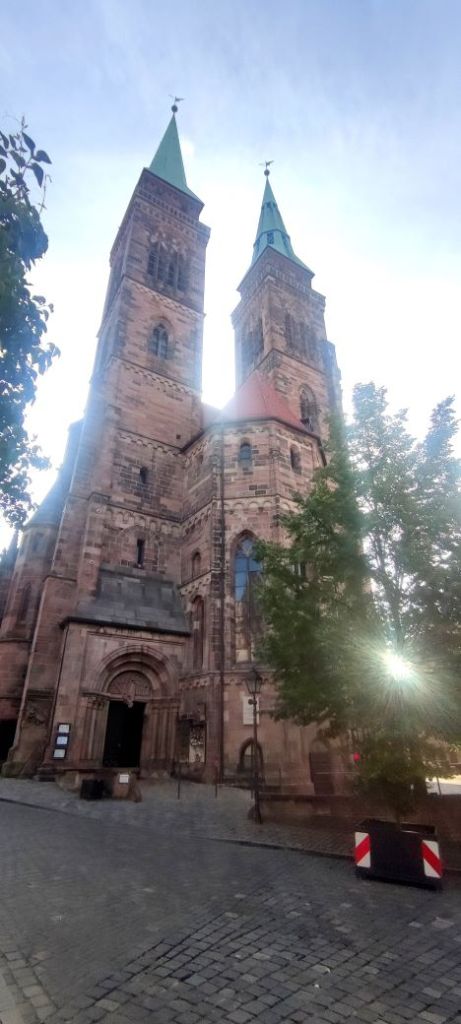
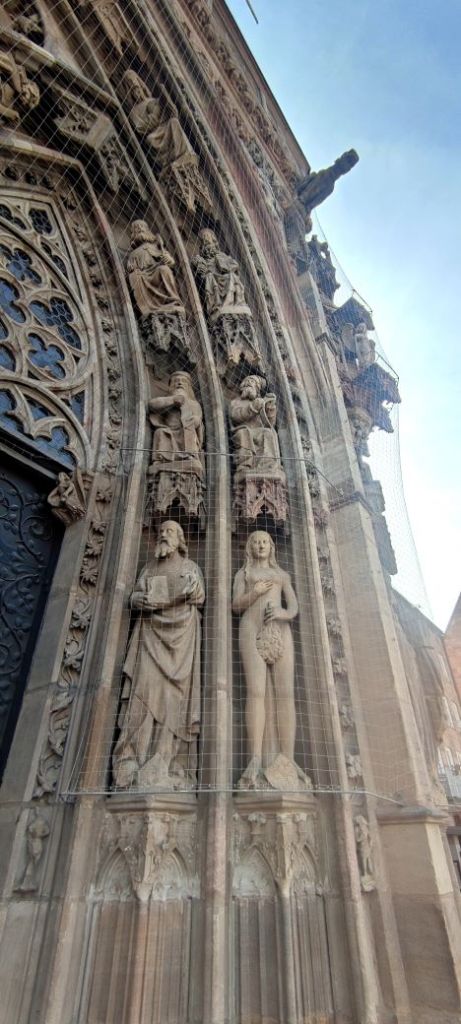
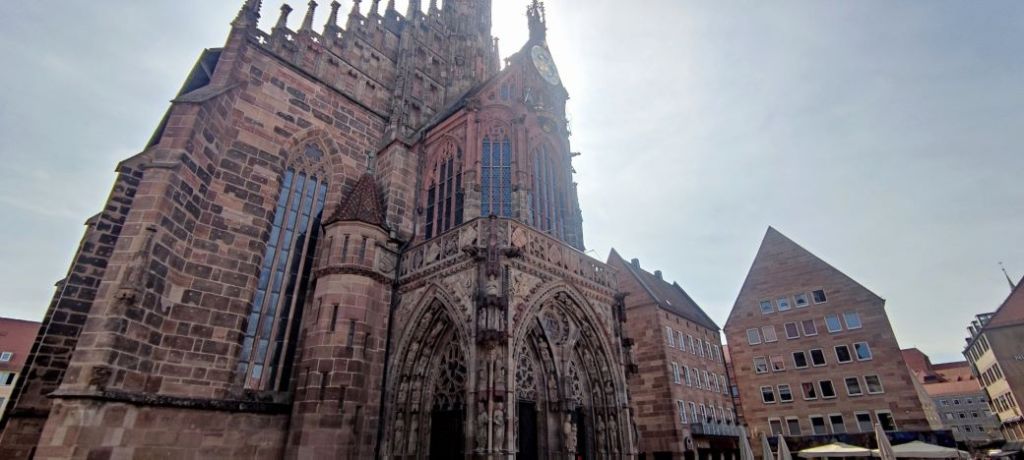
HAUPTMARKT
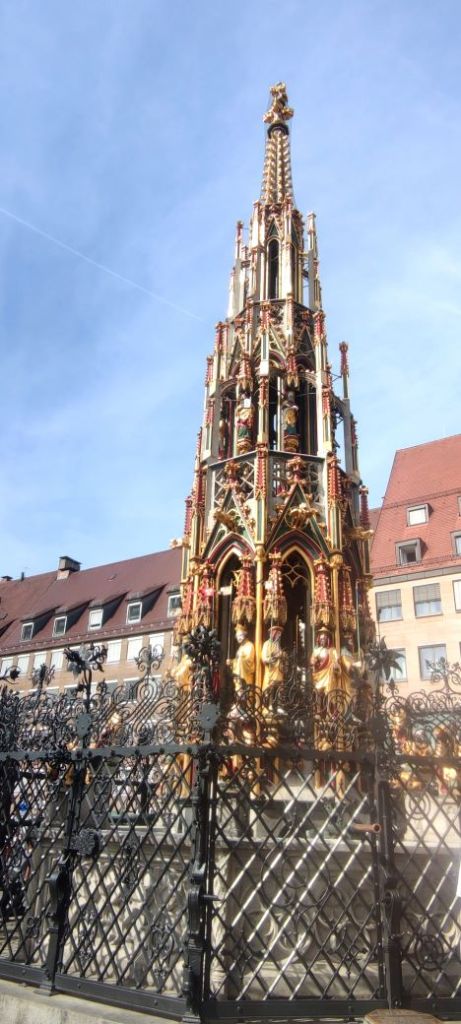
The Main Market Square is the vibrant heart of the city. Surrounded by colorful historical buildings, including the Frauenkirche (Church of Our Lady) and the Beautiful Fountain (Schöner Brunnen), this square has been the scene of markets, celebrations, and festive events for centuries.
HEILIG-GEIST-SPITAL
Founded in the 14th century, this hospital is an architectural gem with its late Gothic facade. Currently, it houses a museum illustrating the history of medicine and healthcare in Nuremberg over the years.
JUSTIZPALAS
Iconic for its role in the Nuremberg Trials, the Palace of Justice is a historical monument. Here, Nazi leaders were judged for war crimes after World War II. The building remains a reminder of the importance of justice and accountability.
KAISERBURG
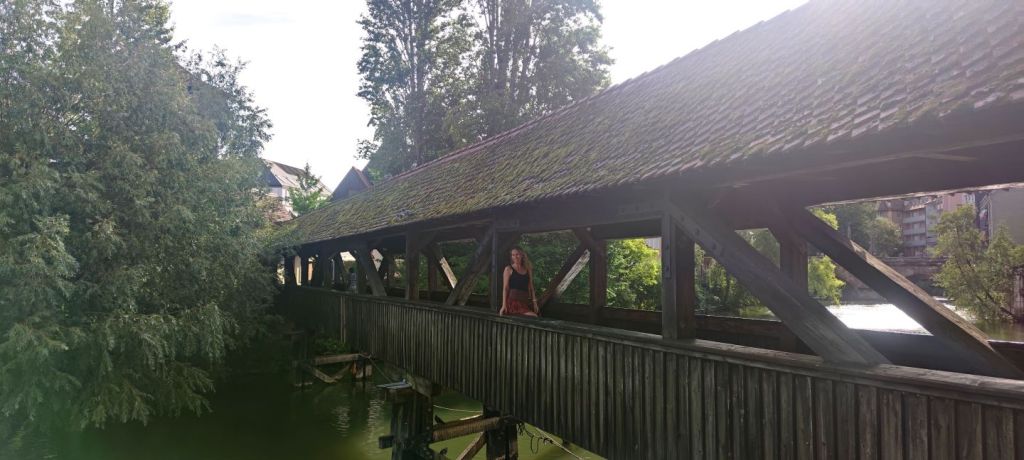
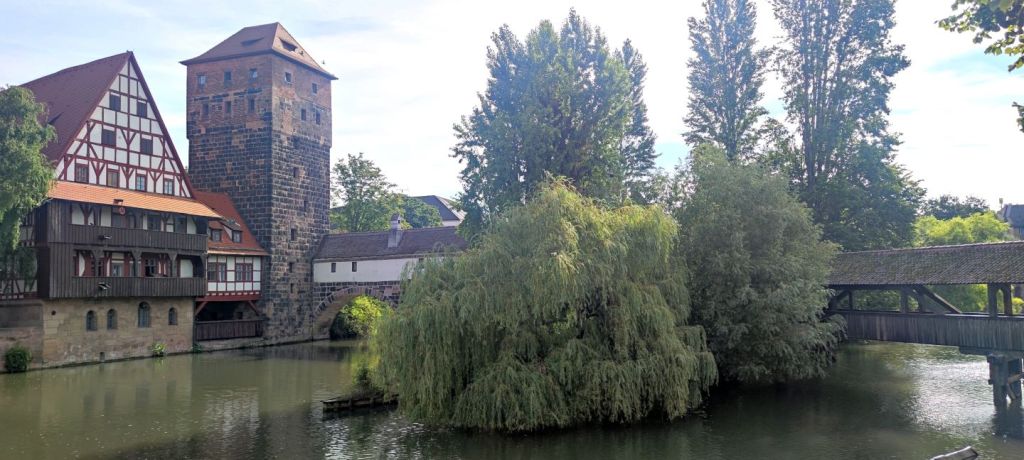
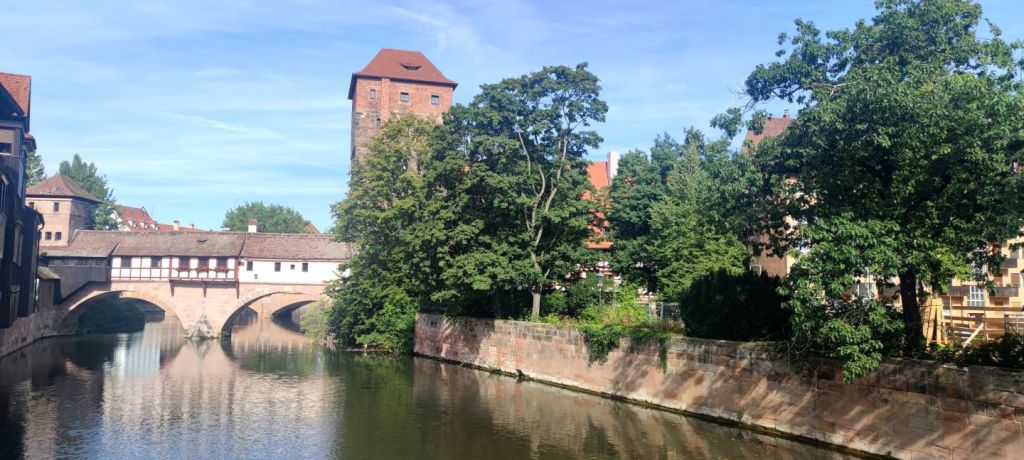
This ancient bridge, also known as the Emperor’s Bridge, offers picturesque views of Nuremberg Castle. Crossing the Pegnitz River, it is the perfect spot to enjoy the medieval architecture and charming atmosphere of the city.
TIPS:
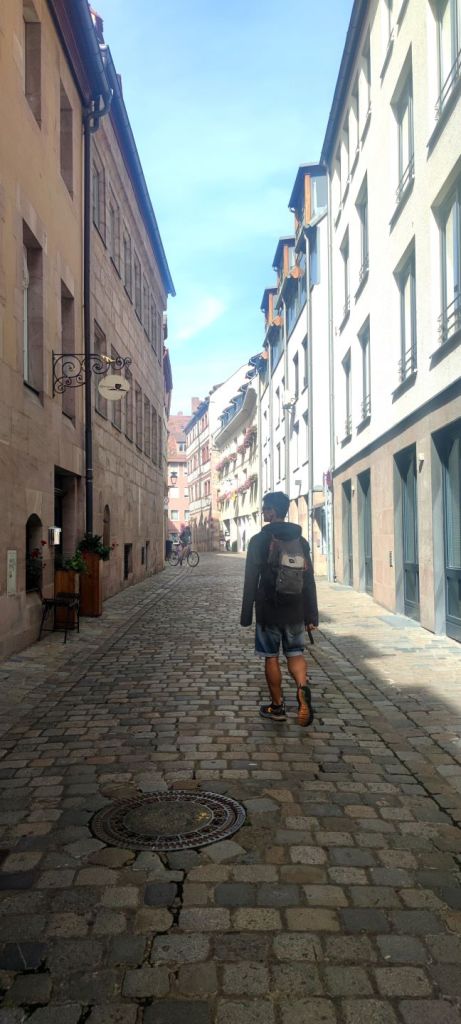
- Explore on foot: the narrow cobblestone streets and charming alleyways will lead you to discover hidden corners and historic sites.
- Visit in December: if possible, visit Nuremberg during the Christmas market, one of the most famous in Germany. The Main Market Square transforms into a fairy tale with festive stalls and twinkling lights.
- Try local cuisine: don’t miss the opportunity to taste local delights such as Nürnberger sausages, gingerbread (Lebkuchen), and craft beer.
- Plan for Museums: the city hosts a variety of fascinating museums. Plan your itinerary to include visits to the German National Museum and the Toy Museum.
 all about eve`s journeys
I’ve been to Germany many times, but never made it to Nuremberg yet. I would love to stroll through Nuremberg’s Main Market Square, pick up fresh fruits and vegetables and admire the historic architecture surrounding the square. Thanks for sharing, and have a good day 🙂 Aiva xx
LikeLike