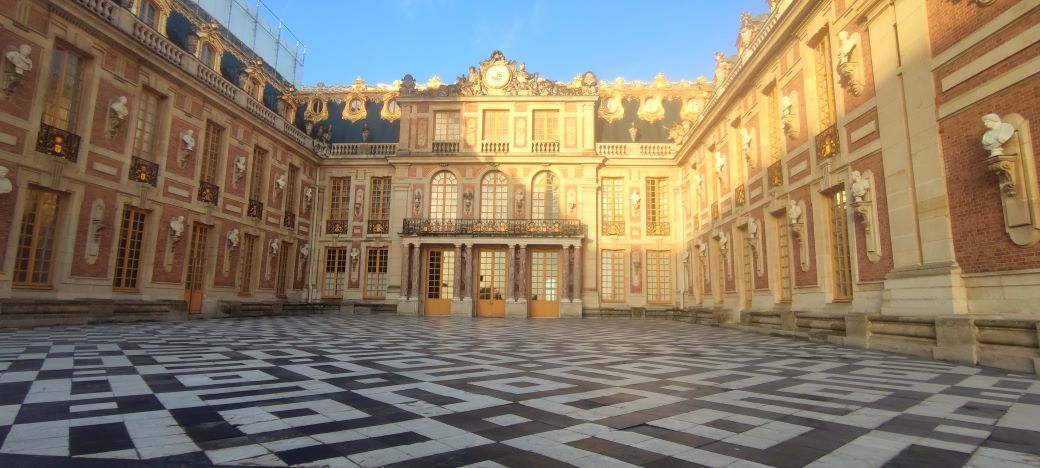
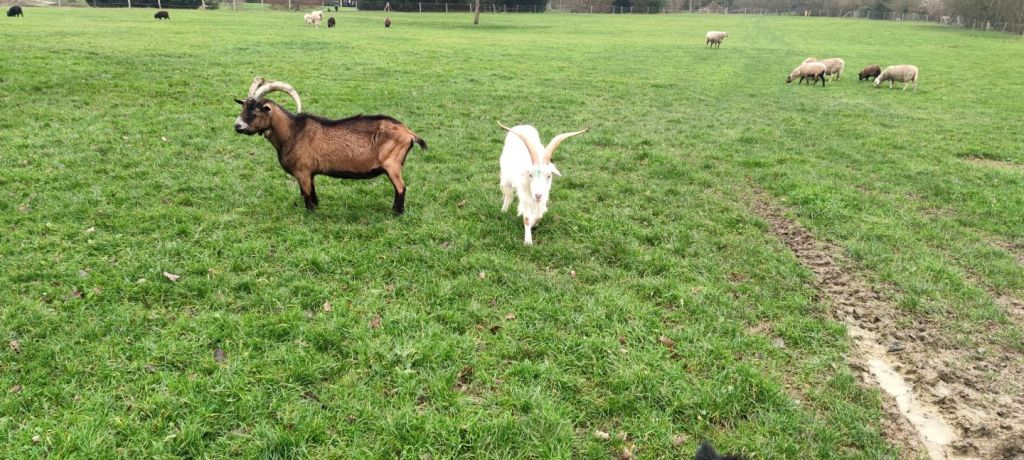
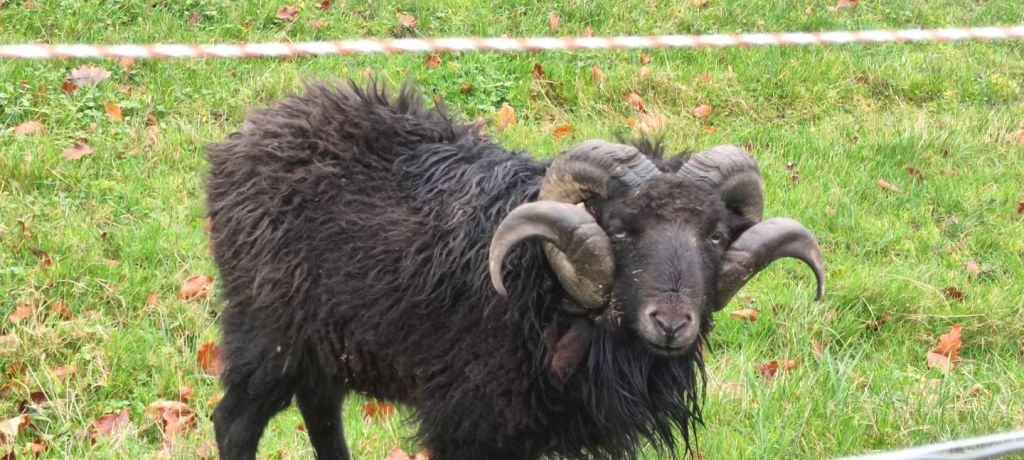
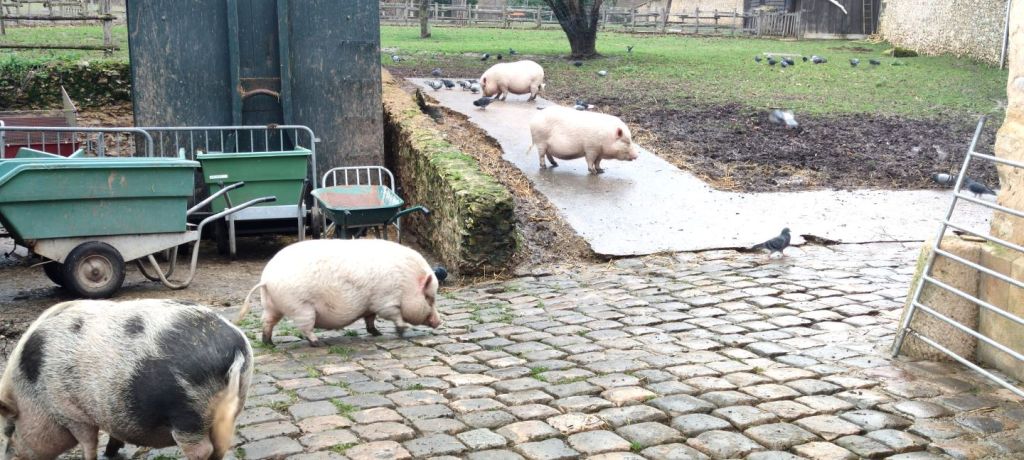
Discover the majesty of the Palace of Versailles, a destination steeped in history and opulence. From the lush gardens to the luxurious chambers of the palace, every corner tells the story of French royalty, from the splendor of the Sun King to the tumultuous days of the Revolution (1789). The sublime architecture and magnificent gardens invite exploration, immersing you in the grandeur of Versailles and connecting you with an era of royal splendor. The Palace of Versailles is not just a visual testament but an opportunity to walk in the footsteps of royalty, explore grand halls, and lose yourself in the harmony of gardens that have withstood the test of time. A delightful surprise: there are pigs and other animals.
BEYOND OPULENCE: THE PALACE
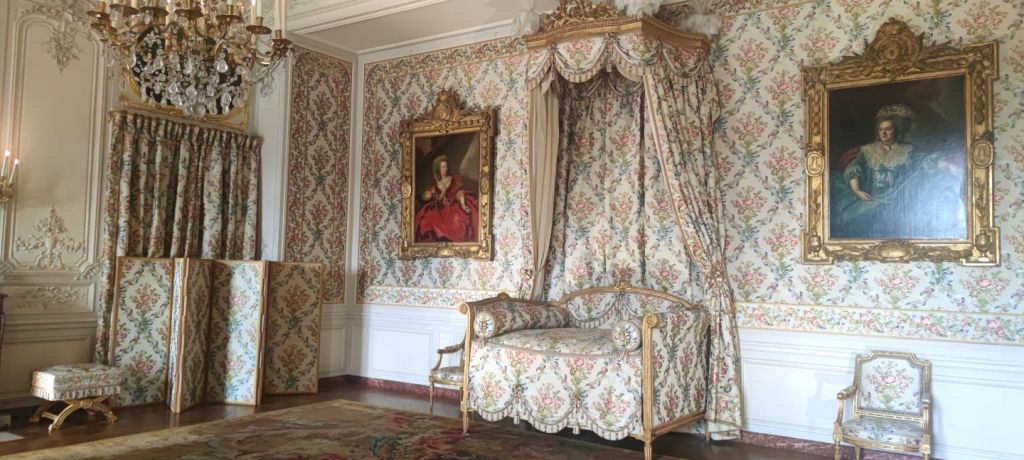
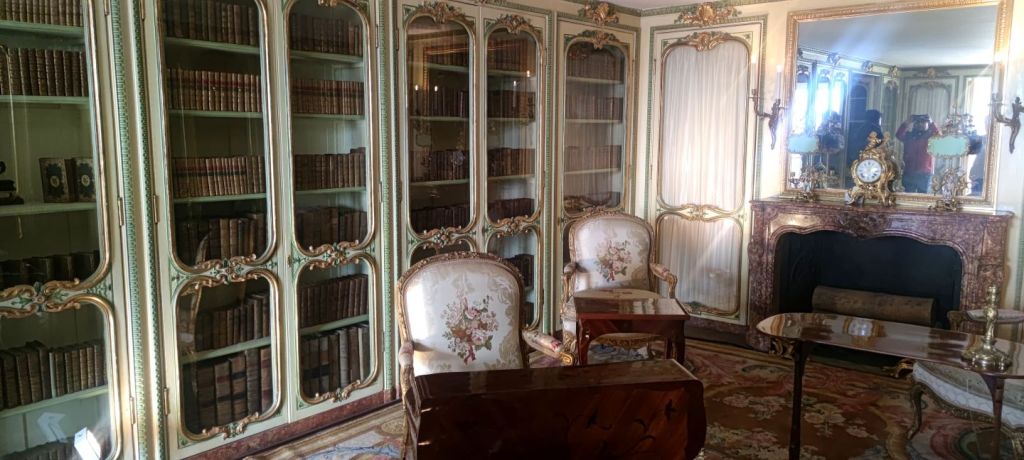
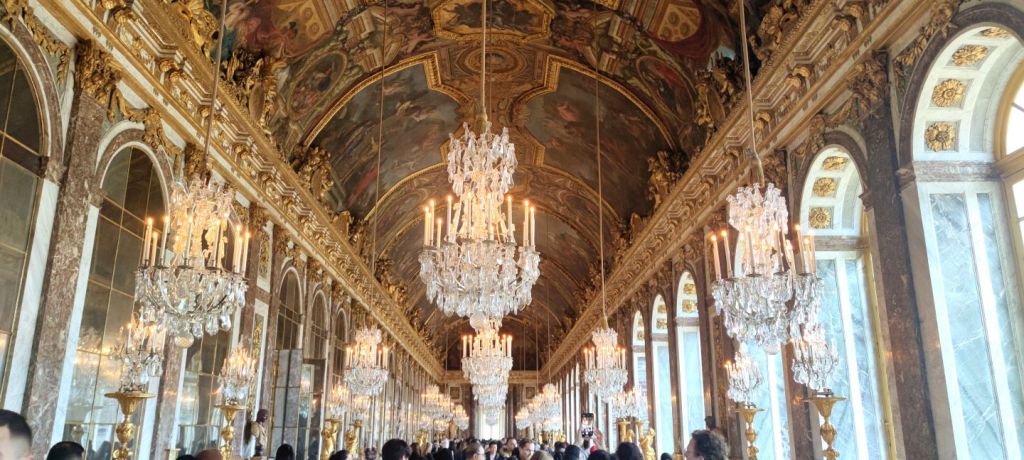
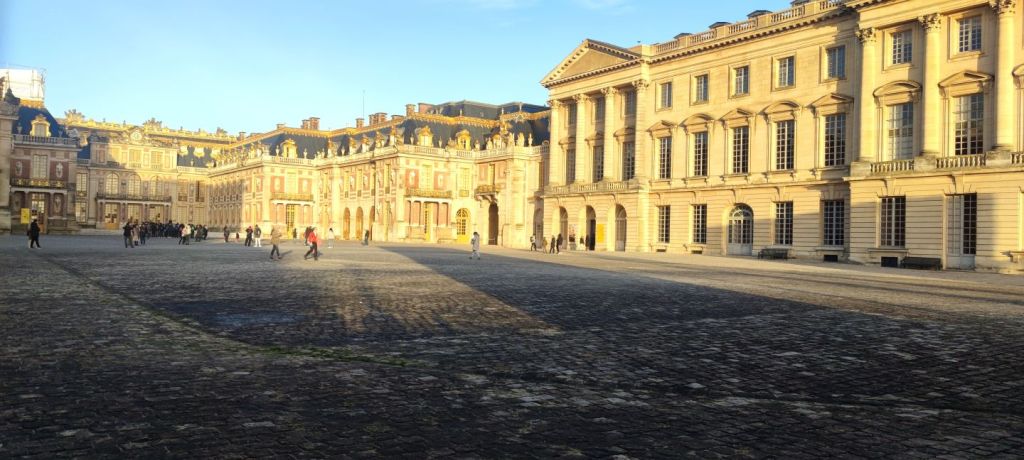
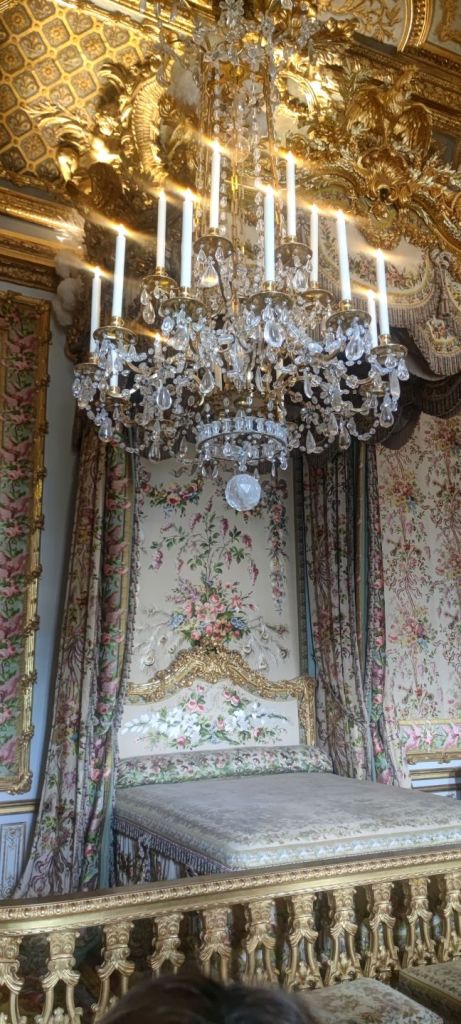
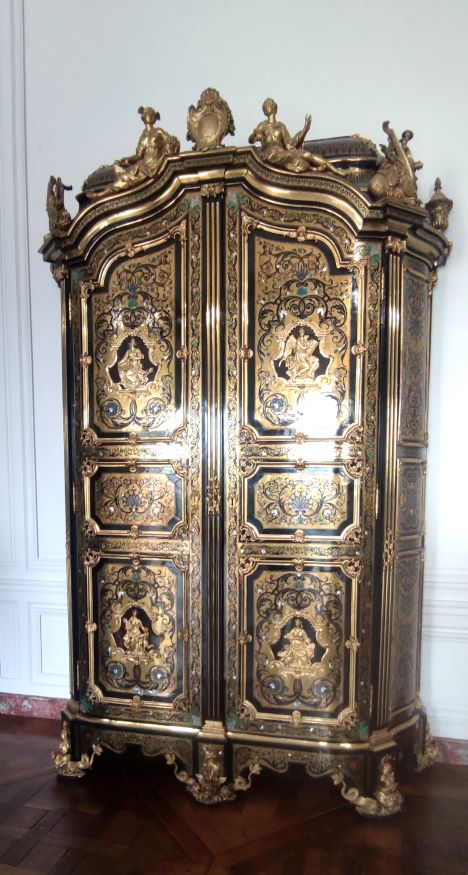
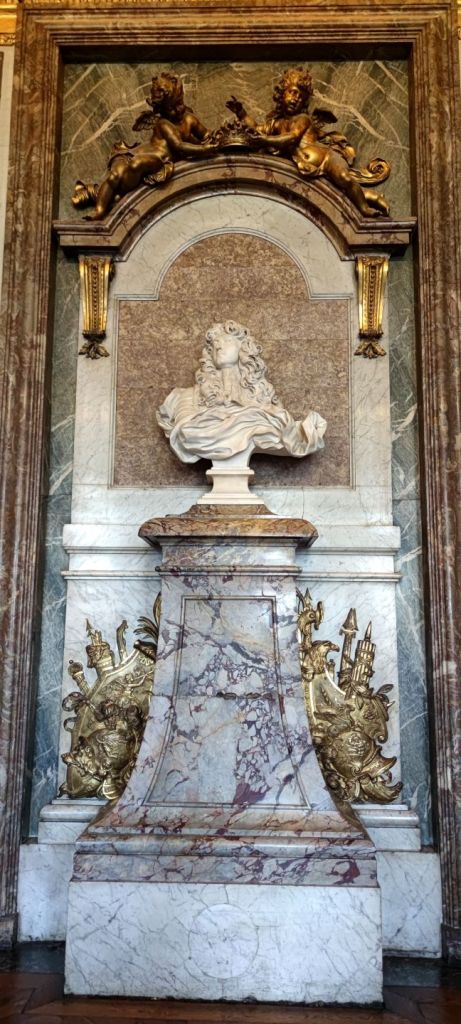
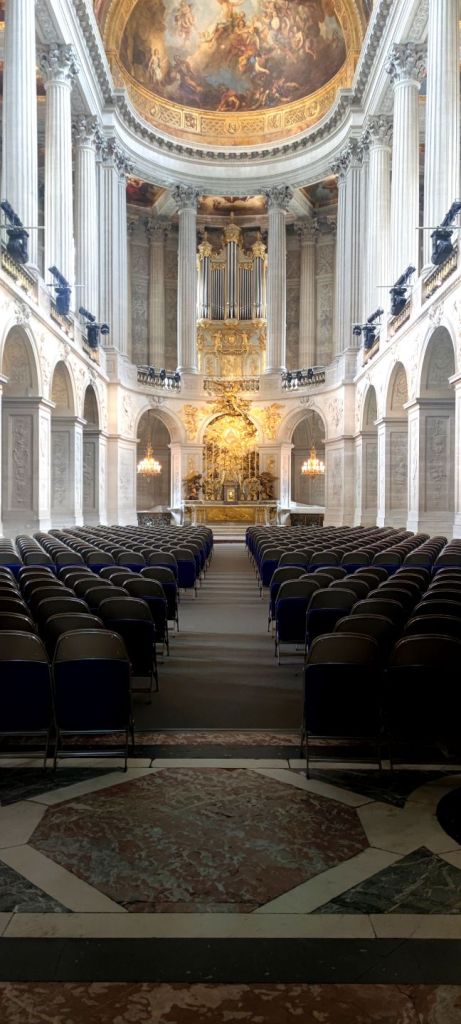
The construction of Versailles, initiated in 1661 under the direction of architect Louis Le Vau, stands as a monumental testament to French royal splendor. Le Vau designed the core of the palace, blending classical and baroque elements to create an imposing structure symbolizing monarchical power. One highlight of the palace is the Hall of Mirrors, designed by Jules Hardouin-Mansart. This hall, with windows opening to the gardens, is adorned with mirrors reflecting the light from chandeliers, creating a dazzling effect. Historic events, such as the signing of the Treaty of Versailles in 1919, took place in this hall. Additionally, the Royal Chapel, a masterpiece by Hardouin-Mansart and Robert de Cotte, combines grandeur with spirituality, distinguished by its elegant design and detailed ornaments. These iconic spaces in Versailles bear witness to the architectural mastery that defined an era of royal splendor in French history.
PLANNED NATURE: THE PALACE GARDENS
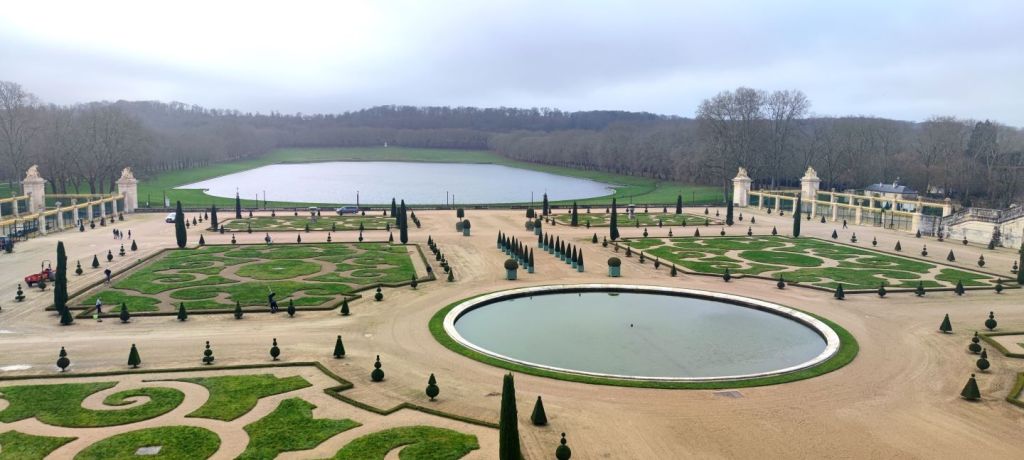
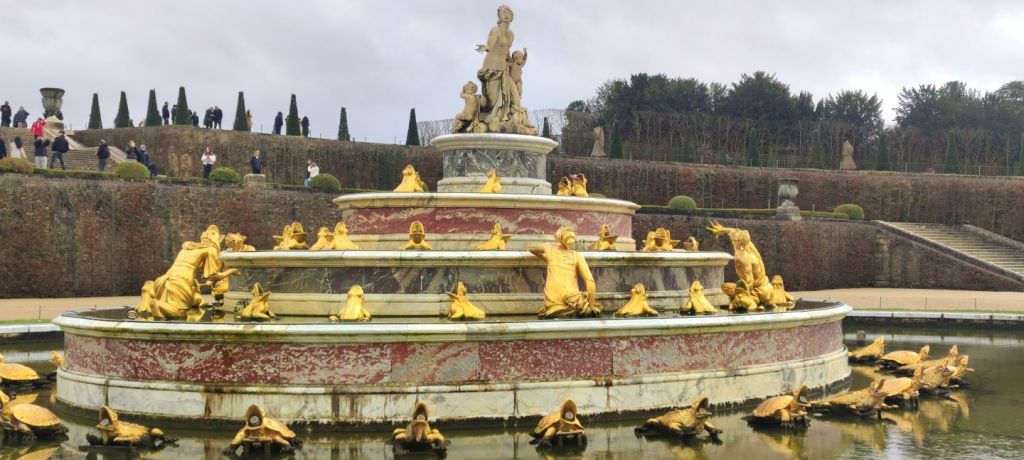
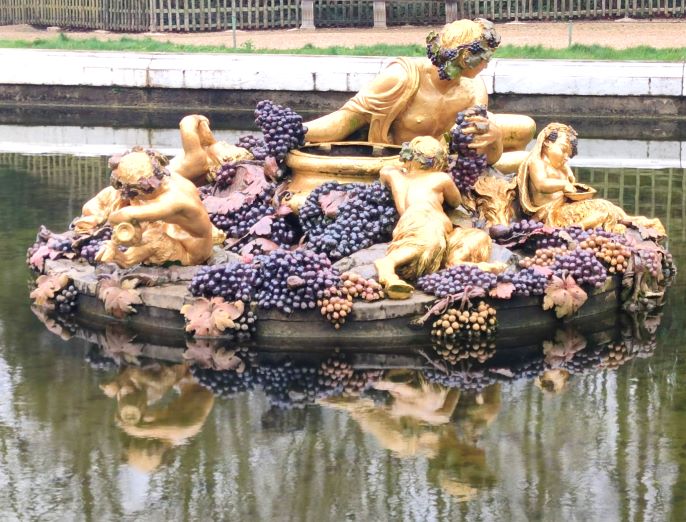
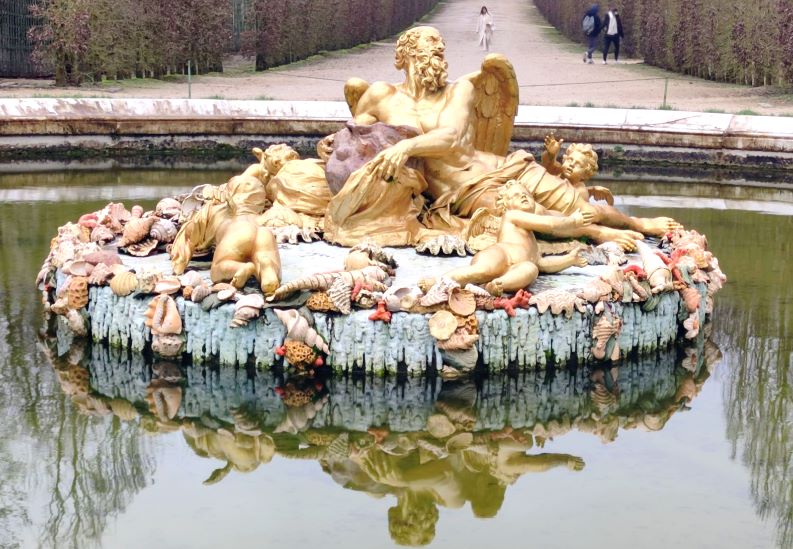
The gardens of Versailles, designed by landscape architect André Le Nôtre, are a masterpiece of landscape architecture complementing the magnificence of the Palace. These extensive gardens, spanning 800 hectares, are meticulously planned with impressive symmetry, tree-lined avenues, and floral parterres. The visual perspective from the palace reveals a symphony of perfect geometry, showcasing Le Nôtre’s skill in merging nature and human design.
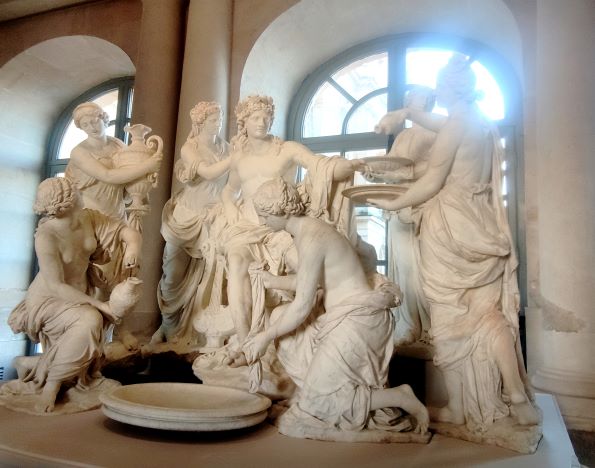
Among the sculptural wonders adorning the gardens, the statue of Apollo Attended by the Nymphs stands out. This exceptional sculpture represents the god Apollo, symbol of arts and beauty, surrounded by a group of nymphs. Located in the Apollo Grove, the sculpture captures the timeless elegance of Apollo and the grace of the nymphs in a mythological scene. Its strategic placement amidst lush parterres and ornamental fountains highlights the connection between nature and divinity, contributing to the visual and aesthetic experience that characterizes the gardens of Versailles. The presence of the sculpture reinforces the perception of the monarchy as an institution invested with an authority transcending the earthly.
OTHER PALACES
Other points of interest are the Grand Trianon and Petit Trianon, two splendid buildings part of the Versailles complex, distinguished by their unique architectural designs and distinctive roles in the history of Versailles.
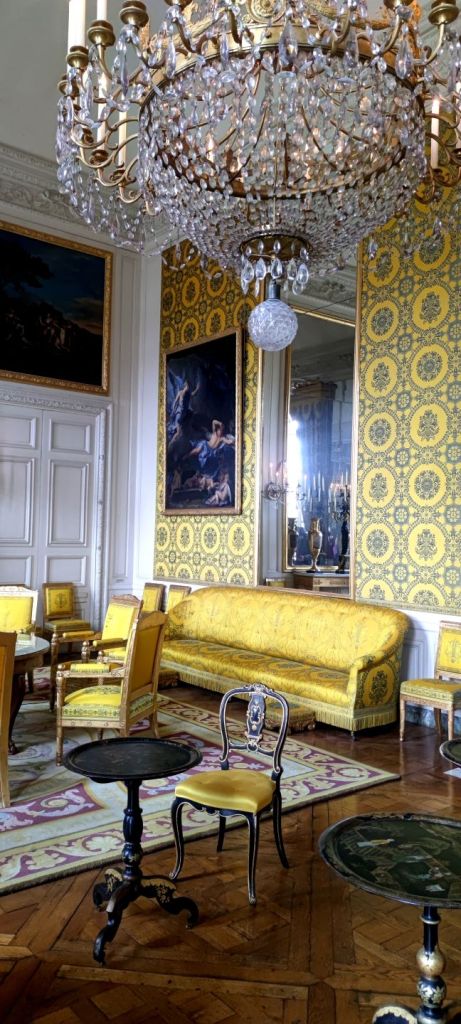
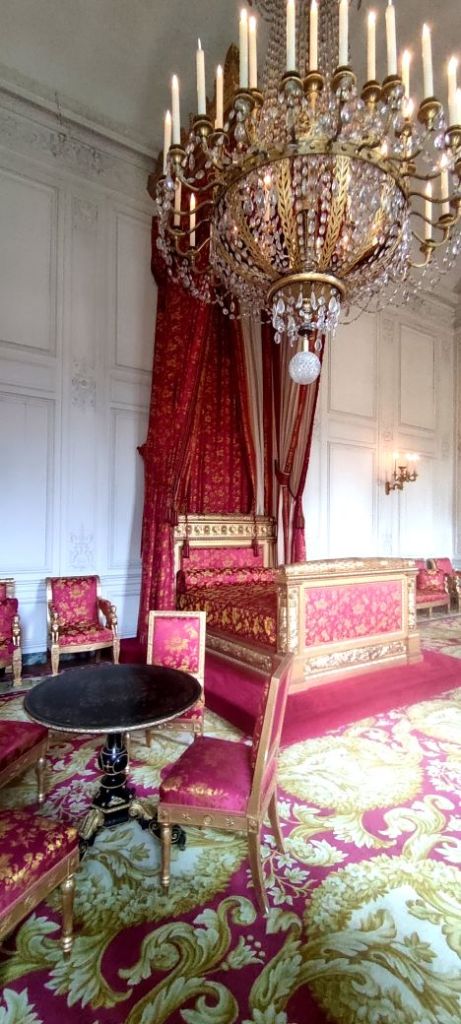
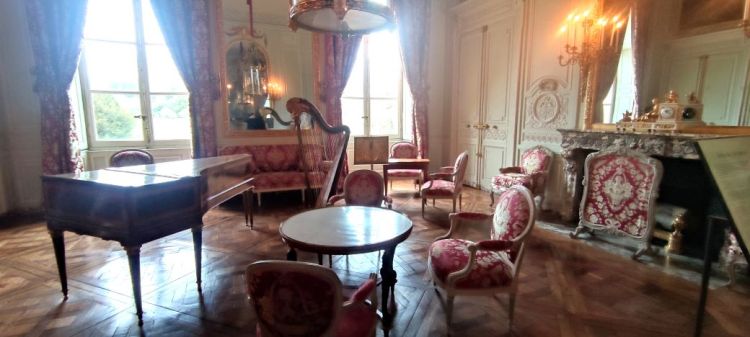
Built by architect Jules Hardouin-Mansart in 1687, the Grand Trianon is a neoclassical palace originally erected as a retreat for Louis XIV and his mistress, Madame de Montespan. Located at one end of the gardens, this building features elegant and simple architecture, contrasting with the opulence of the main palace. The use of pink Languedoc marble gives it a unique distinction. Over the years, the Grand Trianon has been used by various monarchs and served as a rest residence and diplomatic meeting place.
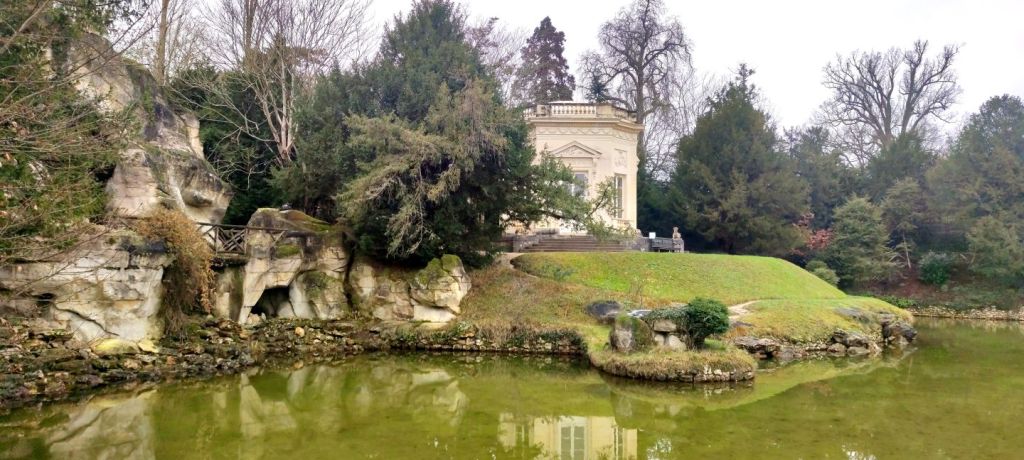
In contrast, the Petit Trianon, designed by Ange-Jacques Gabriel and built in the 18th century, is a more intimate and refined pavilion. Commissioned by Louis XV for Queen Marie Antoinette, this rococo-style building is surrounded by a charming English garden. The queen used the Petit Trianon as a personal retreat, escaping the formalities of the court. The architecture of the Petit Trianon reflects the fashion and artistic sensibility of the time, and its natural surroundings contribute to creating a more relaxed and private atmosphere.
QUEEN’S HAMLET
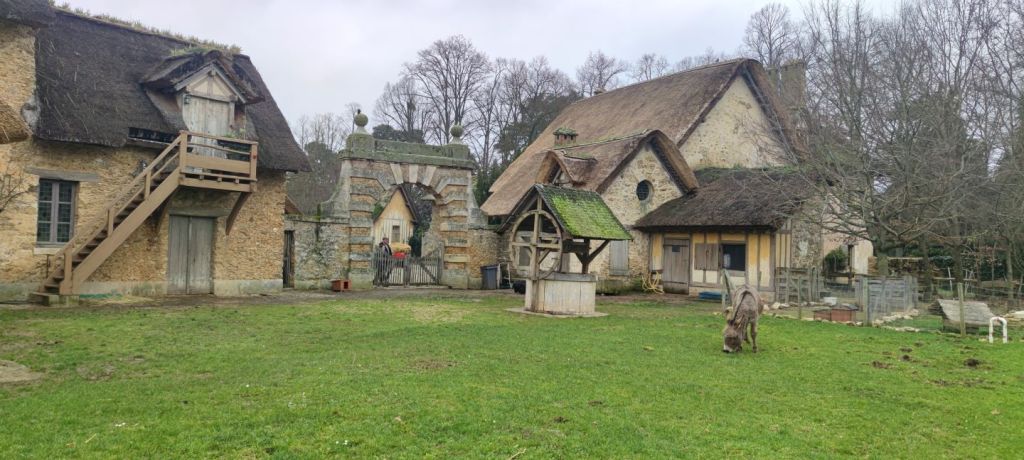
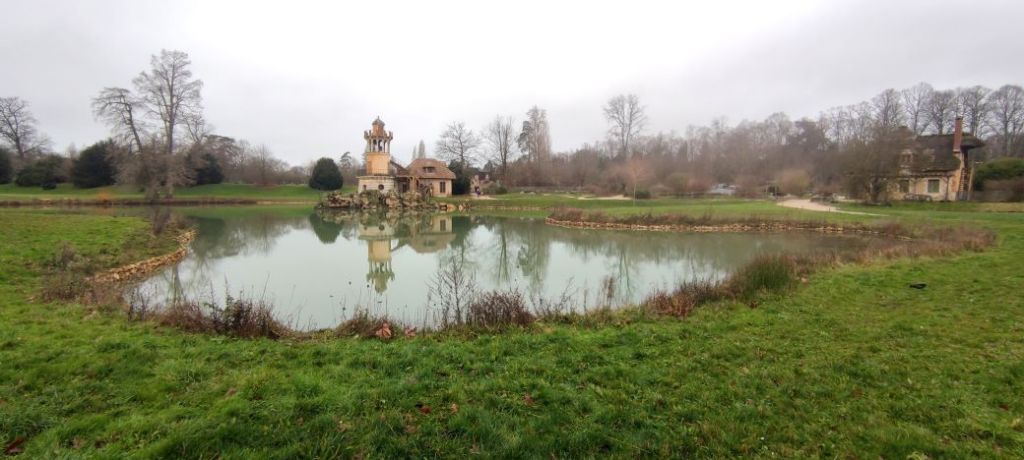
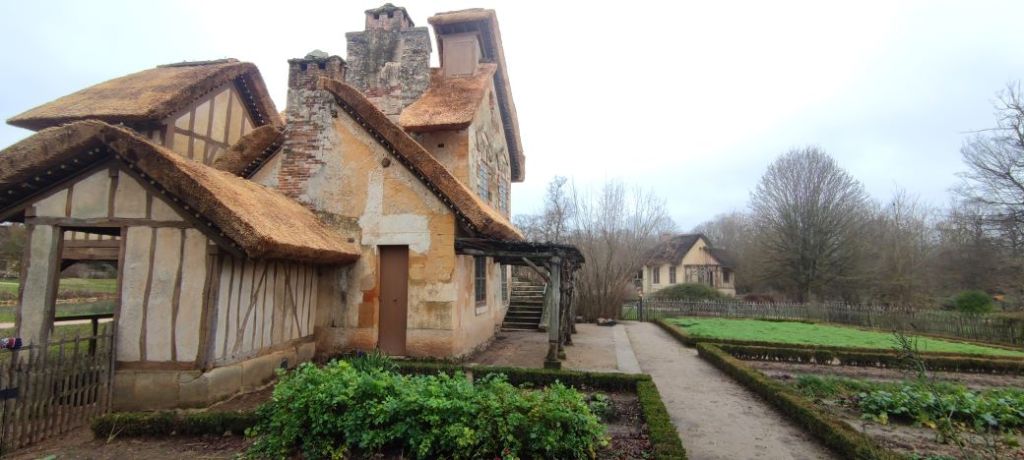
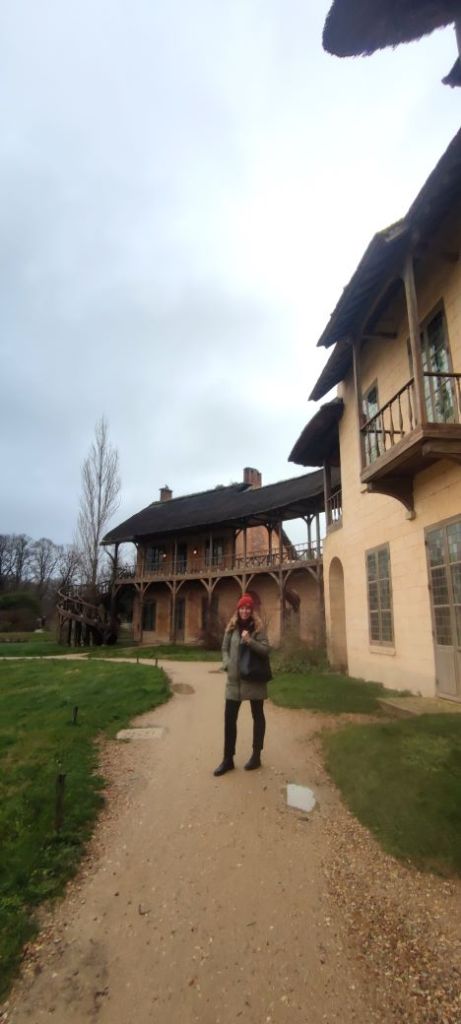
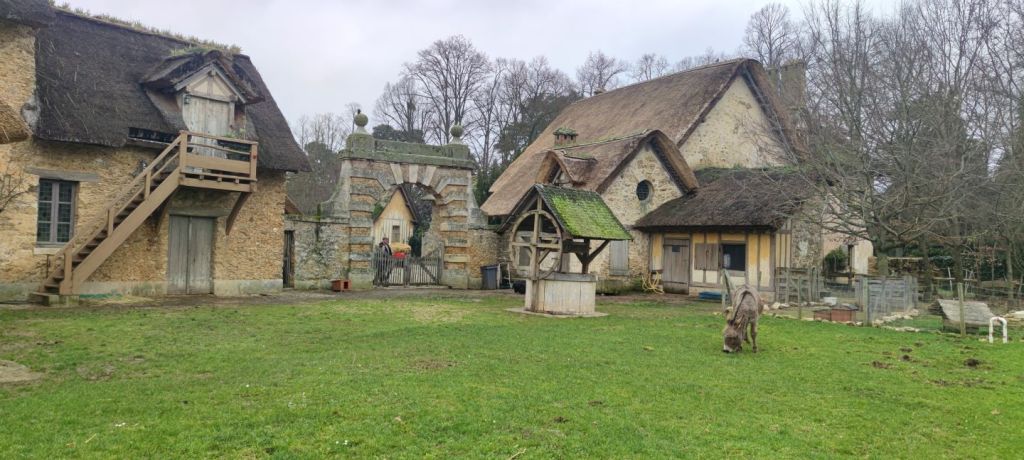
The Queen’s Hamlet, known as “Hameau de la Reine” in French, is a picturesque rural village built on the grounds of Versailles during the reign of Marie Antoinette, wife of Louis XVI. Designed by architect Richard Mique in 1783, the hamlet was conceived as a rural retreat where the queen could enjoy a simpler and more bucolic environment away from the formalities of the court. The hamlet features peasant-style houses, a mill, a pond, and various gardens, creating a charming atmosphere that mimics rural life. Surprisingly, today the hamlet is home to pigs, goats, and sheep, continuing the connection with the agricultural life that Marie Antoinette envisioned in its creation.
TIPS:
• Opt for public transportation from Paris: there are various options for trains or buses that will take you to Versailles, but keep in mind that you must purchase specific tickets to the city of Versailles, as the Paris metro pass is not valid. This information is crucial, as many tourists are unaware of this detail and risk unnecessary fines at the destination station. Avoid falling into the tourist trap by being well-informed about transportation options and ticket payment.
• Prepare with comfortable footwear: ensure you wear suitable footwear, as both the palace and the extensive gardens require covering long distances. In case of rain, the terrain can become muddy, making it essential to have appropriate footwear that protects you from unnecessary dirt. With this precaution, you’ll fully enjoy your visit without worrying about weather-related inconveniences or the expanse of the grounds.
 all about eve`s journeys