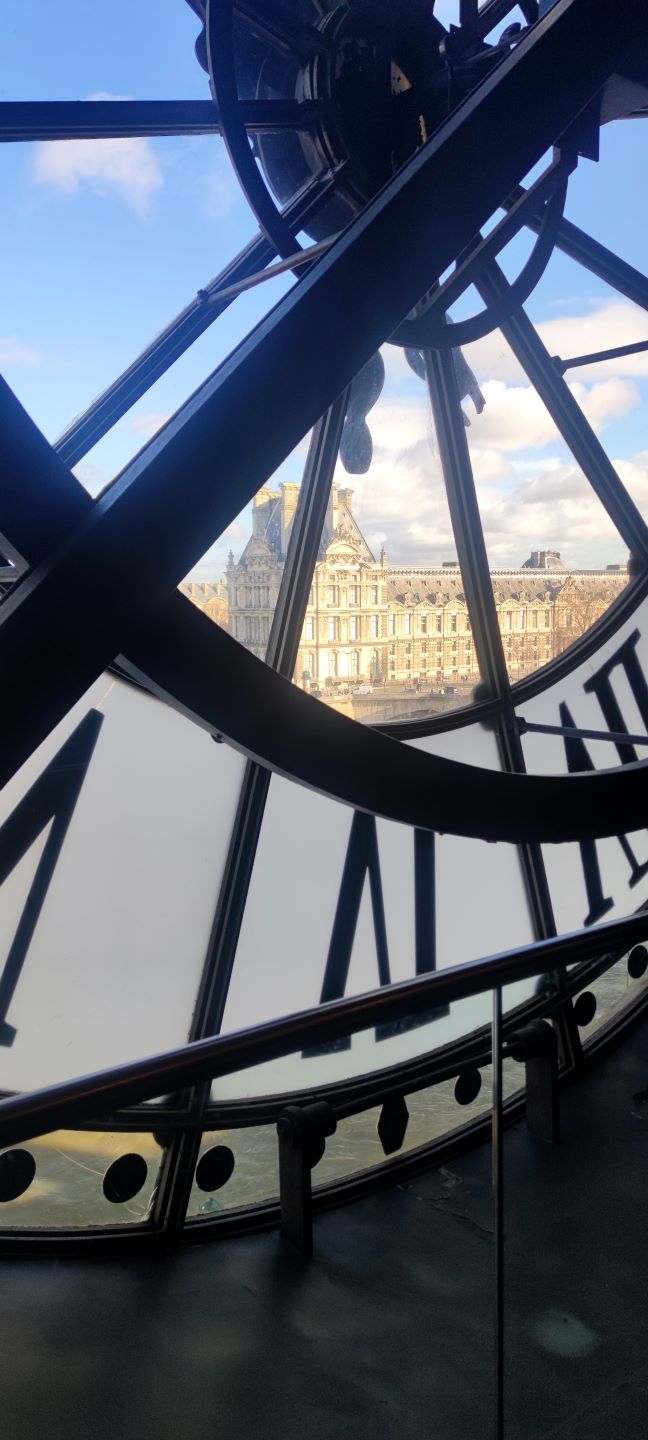
Immerse yourself with enthusiasm in the dazzling museums of Paris, a unique experience that unveils the cultural richness of the City of Light. From the grand galleries of the Louvre to the eclectic collection of the Musée d’Orsay, I invite you on a fascinating journey through the artistic and cultural gems that make Paris an unparalleled destination. Every corner of these venerable museums tells a story, from antiquity to the present, offering a unique glimpse into the evolution of art and humanity.
THE LIVING HISTORY OF THE LOUVRE: FROM ROYAL FORTRESS TO GLOBAL ARTISTIC TREASURE
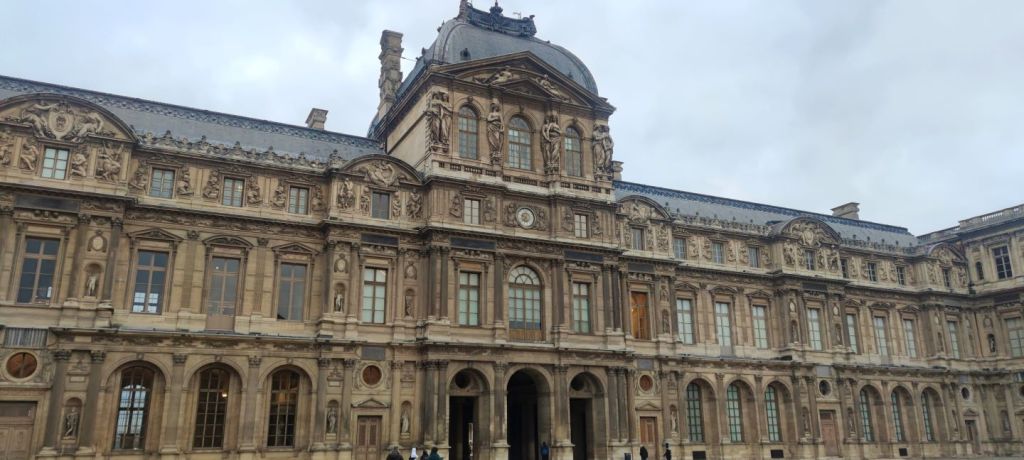
The history of the Louvre is a fascinating narrative that has evolved over the centuries, transforming an imposing medieval fortress into one of the world’s most renowned and visited museums. This iconic building has witnessed the evolution not only of the city of Paris but also of the history of art and culture globally.
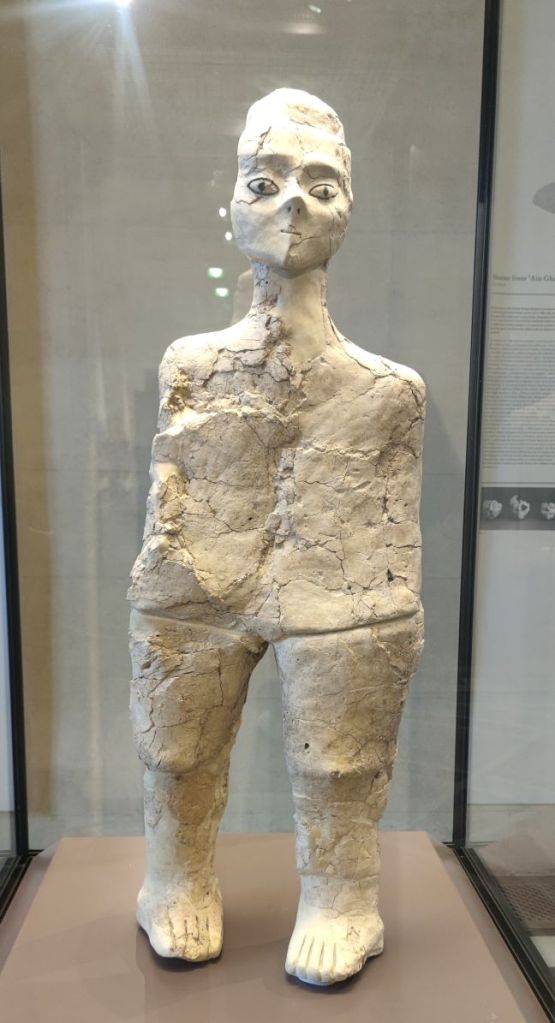
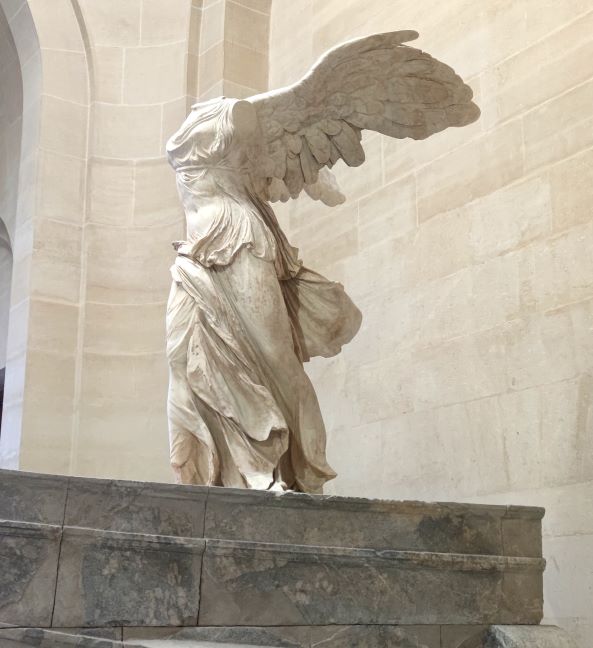
In its origins, the Louvre was nothing more than a fortress built in the 12th century by order of King Philip II. Strategically located on the outskirts of Paris, the fortress aimed to protect the city from enemy invasions. Over the centuries, the building underwent several expansions and modifications, transitioning from a fortress to a royal palace during the Middle Ages. It was in the 16th century that Francis I transformed the Louvre into a splendid Renaissance palace, imbuing it with an air of sophistication and elegance. However, the most significant event occurred in 1793 when the Louvre was converted into a public museum. This visionary act marked the beginning of a new era for the building, destined to house and exhibit an art collection spanning from antiquity to contemporary times. Today, the Louvre is a cultural gem that treasures some of humanity’s most iconic masterpieces. Its vast galleries, divided into several sections, allow visitors to journey through time and space.
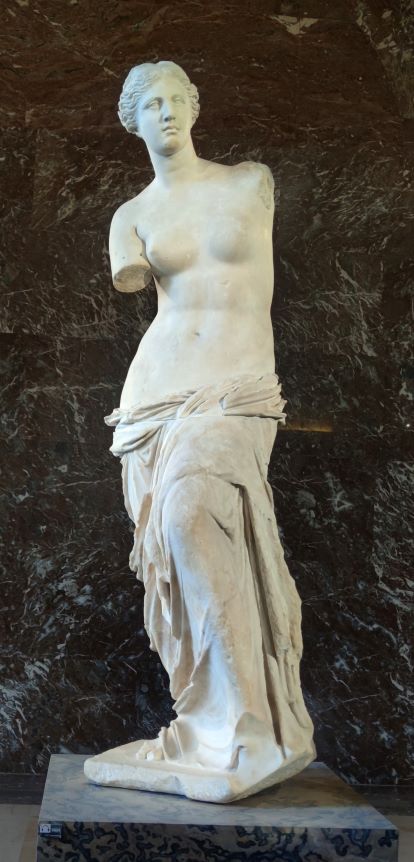
The “Renaissance Gallery” unfolds the elegance of the era, showcasing masterpieces by artists like Leonardo da Vinci, with his enigmatic Mona Lisa, one of the world’s most famous paintings. The majesty of the “Wing of Greek and Roman Antiquities” takes visitors through classical sculptures, where the Winged Victory of Samothrace stands as an emblem of sculptural grandeur. The “European Paintings Wing” offers a chronological journey through painting from the 13th to the 19th century, showcasing the artistic evolution over the centuries. Additionally, the “Gallery of Sculptures and Decorative Arts” allows exploration of sculptural and decorative masterpieces from various eras and styles.
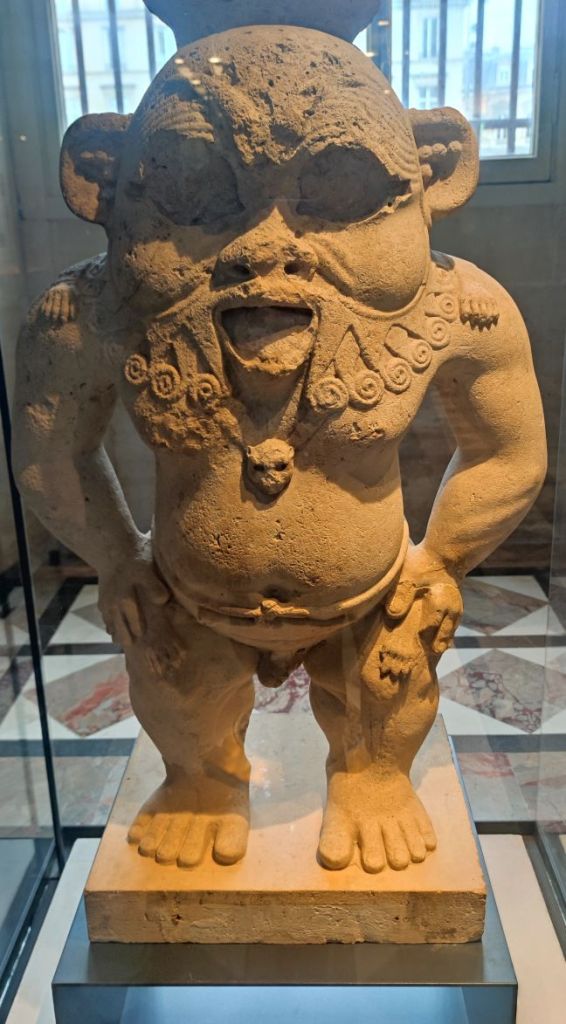
The “Wing of Egyptian Antiquities” at the Louvre offers a journey back in time to the splendid civilization of the Nile. With pieces spanning thousands of years of history, from the Old Kingdom to the Ptolemaic period, visitors can explore mummies, colossal sculptures, jewelry, and hieroglyphics narrating the unique history of this civilization. The celebrated Sphinx of Tanis, monumental temple reliefs, and the Code of Hammurabi, one of the oldest sets of written laws, are just some of the treasures highlighted in this section.
As we delve into the “Islamic Art Wing,” the Louvre reveals the richness and diversity of Islamic culture over the centuries. From intricate ceramics to refined works of calligraphy, the collection spans a vast spectrum of artistic expressions and decorative arts from Islamic territories. The iconic al-Muizz mosque lamp, Isfahan ceramic tiles, and illuminated manuscripts testify to the artistic mastery and sophistication of this rich cultural tradition.

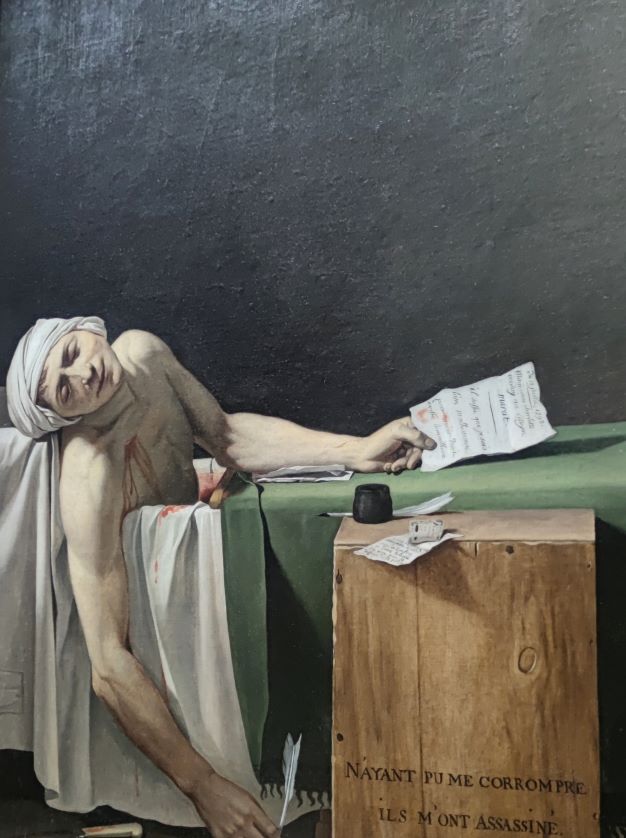
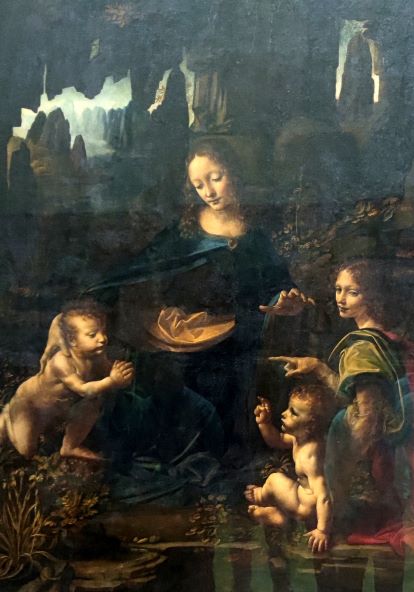
MUSÉE D’ORSAY: WHERE TIME STANDS STILL IN AN ARTISTIC EMBRACE
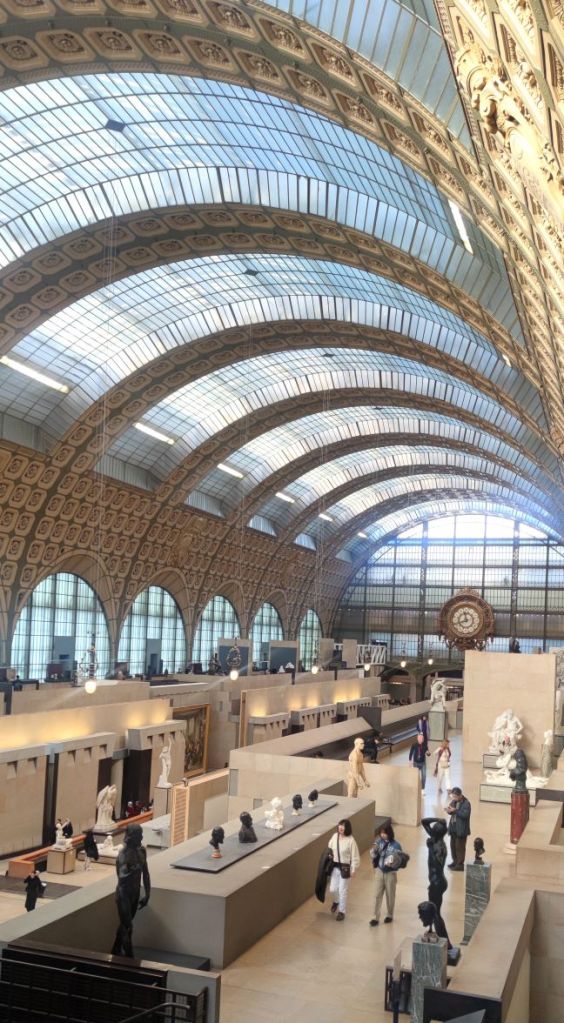
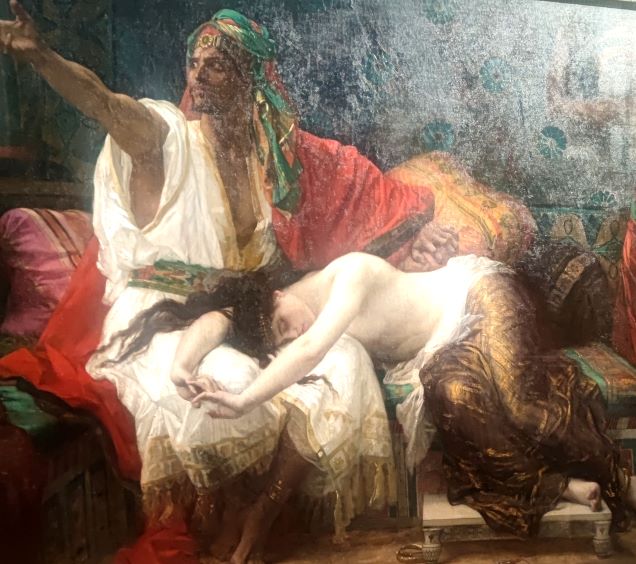
Located on the banks of the Seine, the Musée d’Orsay emerges as a charming treasure that captures the essence of the Belle Époque and shines as a testament to human creativity. Once a railway station, this majestic museum stands today as a tribute to 19th and early 20th-century art, taking visitors on a journey through the most revolutionary artistic movements of the time. Upon entering the imposing central nave, visitors are greeted by natural light filtering through the iconic glass vault, creating an ethereal atmosphere that envelops every corner of the Musée d’Orsay. The building itself, an architectural masterpiece, is an indicator of Parisian ingenuity.
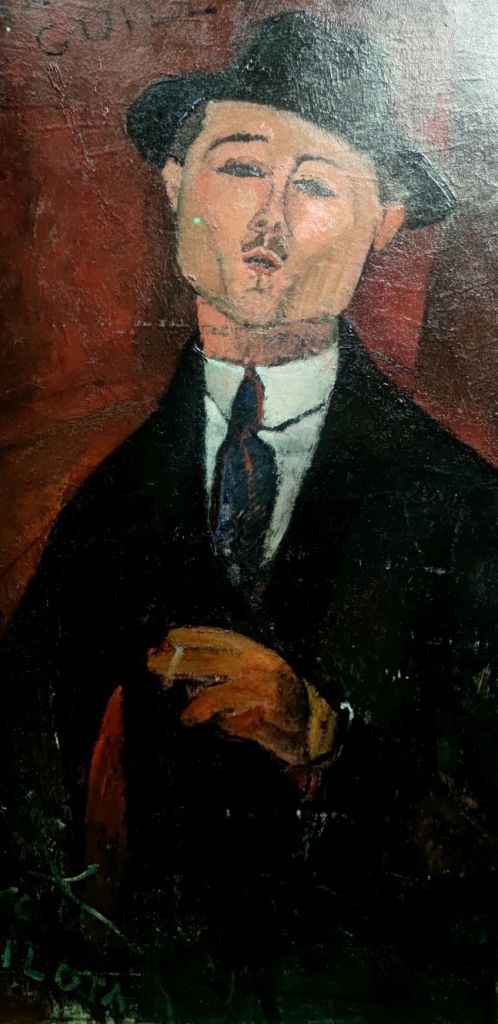
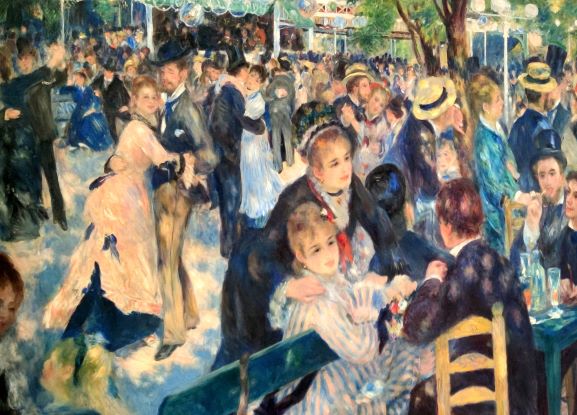
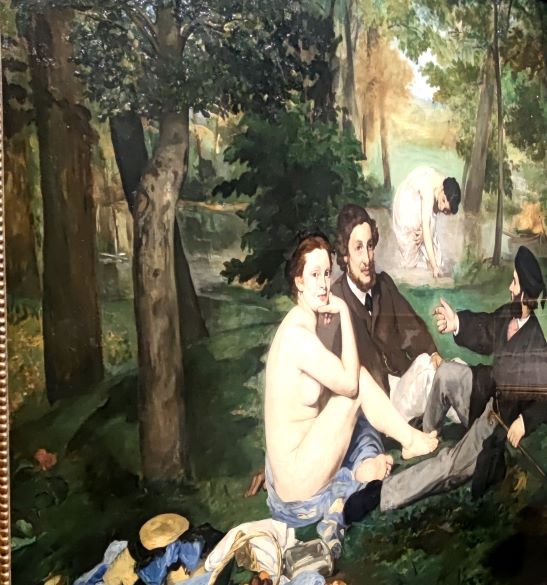
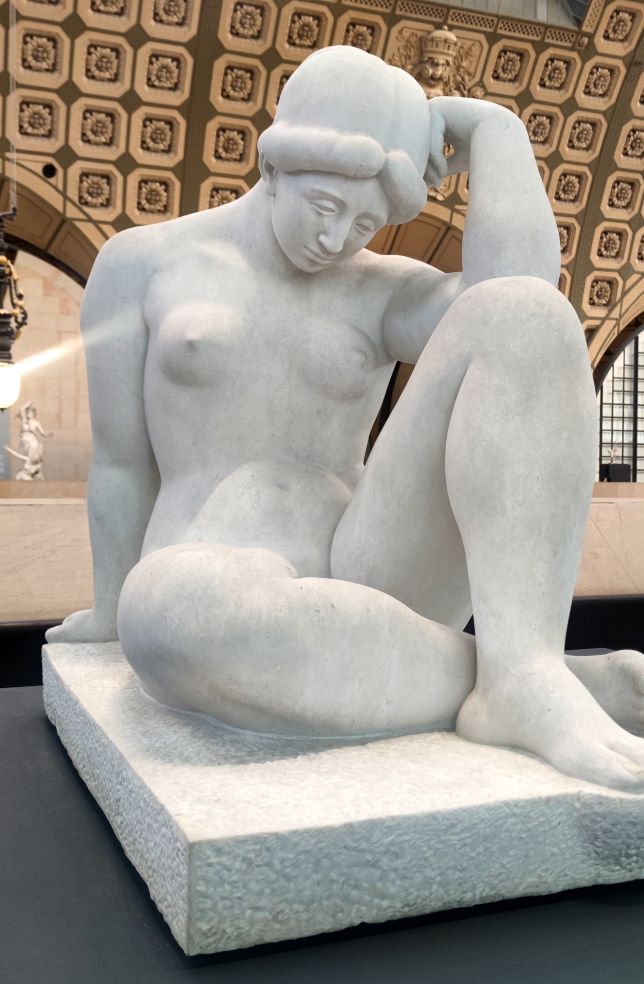
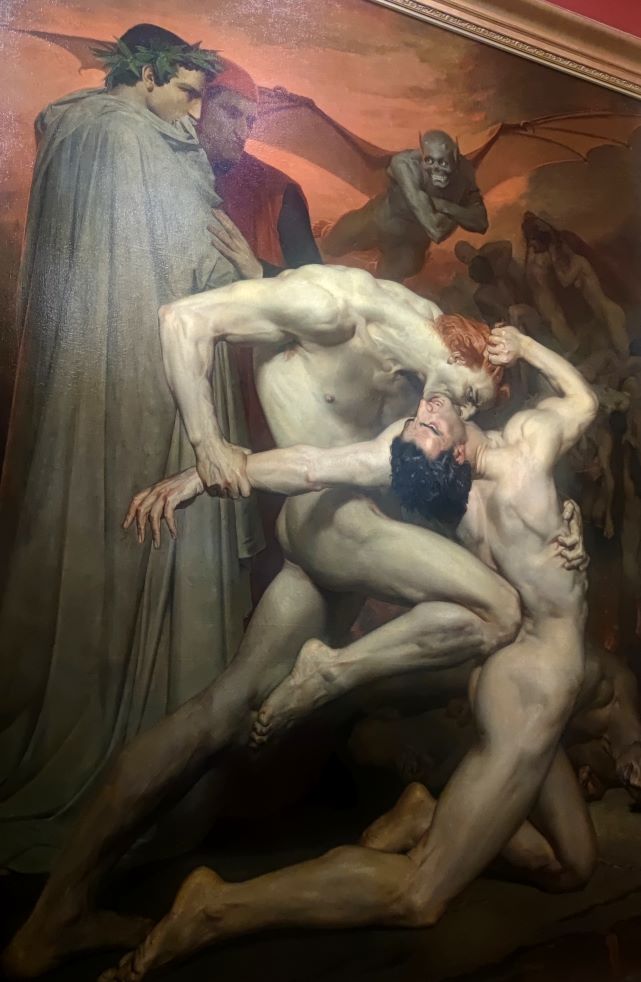
The collections of the Musée d’Orsay house a wide range of masterpieces from Impressionism with paintings by Monet, Manet, and Degas, to Post-Impressionism with works by Van Gogh and Gauguin, the museum becomes a crucible of artistic movements that defy conventions and explore new forms of expression. Equally impressive is the sculpture collection, where iconic figures like Rodin’s The Thinker evoke introspection and the depth of art from that era. As you stroll through the galleries, the richness of the Musée d’Orsay manifests in every corner, from elegant Art Nouveau works to bold creations of the avant-garde.
The section dedicated to decorative art and furniture provides an additional insight into the aesthetics of the time, immersing visitors in an environment where every detail contributes to the artistic narrative. Additionally, the photography and cinema exhibition reveals how artistic innovation extended beyond canvases to embrace new forms of visual expression.
MUSÉE DE L’ORANGERIE: A HAVEN OF TRANQUILITY INFUSED WITH IMPRESSIONIST ART
In the heart of the Tuileries Garden, the Musée de l’Orangerie presents itself as an artistic oasis, a place where the beauty of the landscape intertwines with masterpieces of Impressionist and Post-Impressionist art. This intimate museum, housed in a building originally designed to shelter orange trees in the 19th century, offers visitors a unique experience by immersing them in the world of light, color, and emotion.
The centerpiece of the Musée de l’Orangerie is Claude Monet’s monumental series, Les Nymphéas (Water Lilies). These immersive paintings capture the serenity of water lily ponds in Monet’s garden in Giverny. The circular arrangement of the rooms, designed by the artist himself, allows visitors to immerse themselves in these masterpieces, experiencing the transition from daylight to nighttime. In addition to the Water Lilies, the museum houses an impressive collection of works by prominent artists of the Impressionist and Post-Impressionist school, including Cézanne. Additional galleries display paintings spanning from the late 19th century to the early 20th century, offering a comprehensive view of the evolution of art during that period.
This haven of tranquility infused with Impressionist art offers visitors a palette of emotions and a sense of harmony. As you wander through the halls, each corner of the Musée de l’Orangerie reveals the intention to create a space where art and nature converge in a harmonious dance.
MUSÉE RODIN: THE IMMORTAL SOUL IMMORTALIZED IN BRONZE AND MARBLE
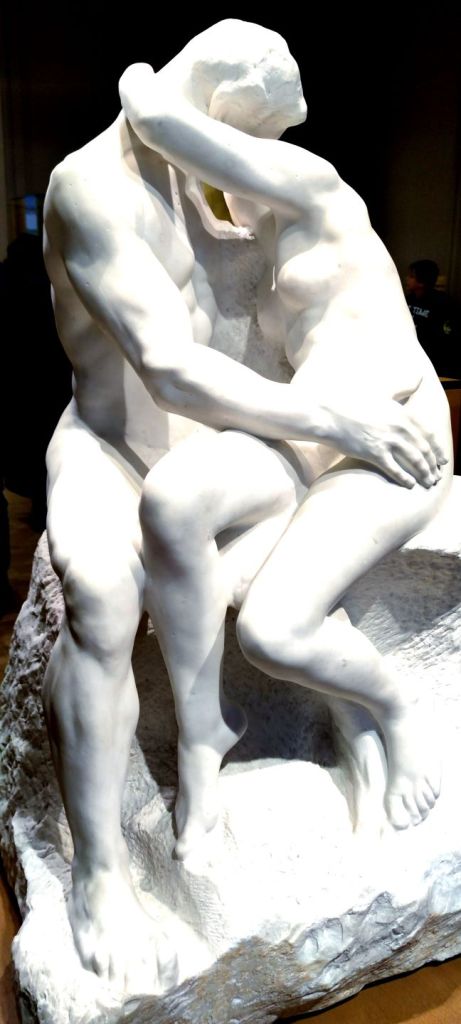
Located in the heart of Paris, the Musée Rodin stands as an unparalleled tribute to one of history’s eminent sculptors: Auguste Rodin, whose ability to capture the human essence and the intensity of emotions establishes him as a giant of sculptural art. Among his most celebrated sculptures is The Thinker, a work that embodies introspection and the pursuit of knowledge. The museum’s gardens are adorned with several of his masterpieces, including The Kiss, a sculpture personifying passion and love.
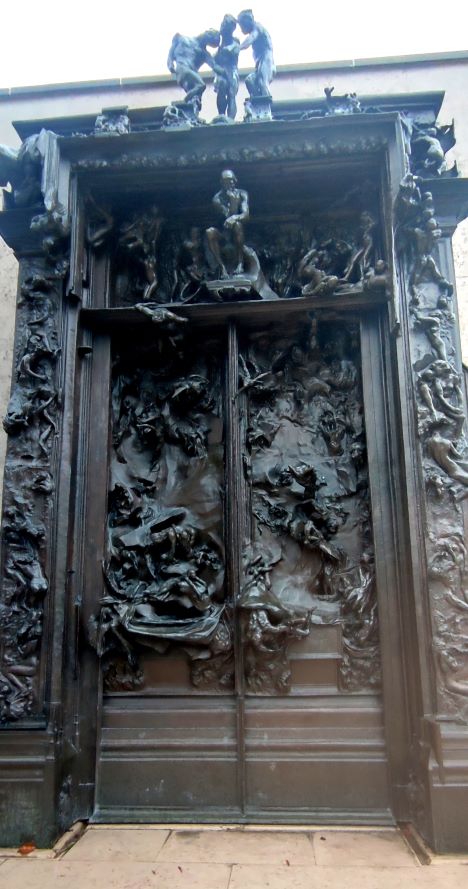
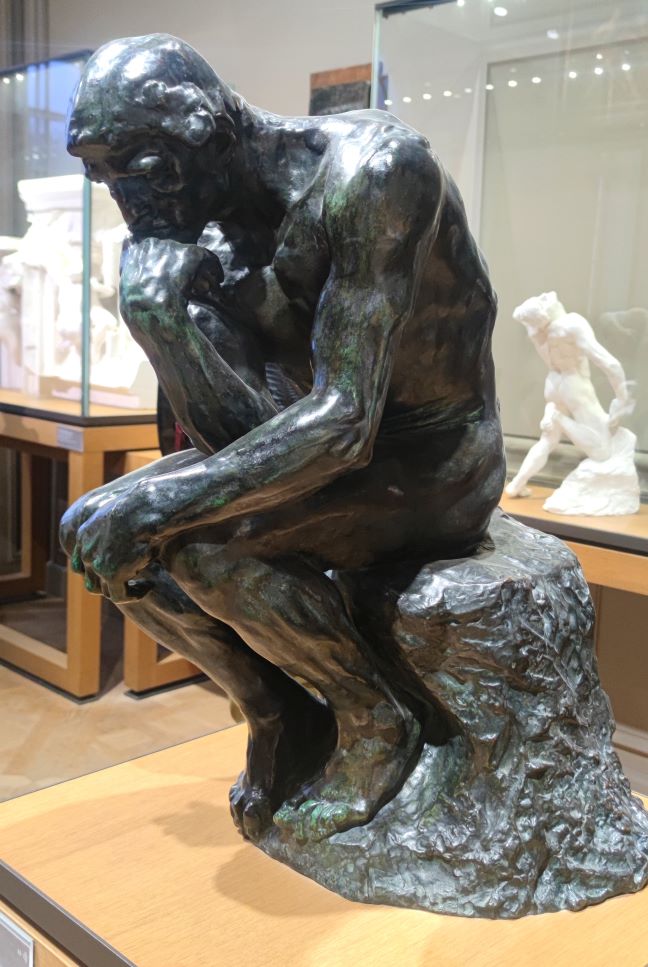
The Hôtel Biron, where the museum is situated, is an architectural gem that adds an additional dimension to the experience. Its majestic rooms and charming inner courtyard provide an elegant backdrop for Rodin’s works, creating a unique harmony between art and its surroundings. Likewise, the gardens of the Musée Rodin are a distinct place, a space where sculpture and nature converge in a harmonious dance. Visitors can stroll among sculptures, enjoy the serenity of the flowerbeds, and contemplate the distant view of the Eiffel Tower.
TIPS:
- Ensure your entry by booking in advance and avoid long queues at the Musée d’Orsay and Musée de l’Orangerie. Additionally, consider the option of purchasing a combined ticket to enjoy both museums at a reduced price.
- When exploring the Louvre, be mindful of its vastness. If your intention is to immerse yourself in most exhibitions, careful planning of your visit is crucial. I recommend booking your tickets in advance and opting for the early morning hours to make the most of your experience.
- The room housing the Mona Lisa tends to be crowded. To avoid the crowds, I suggest starting your visit in this area and doing so early in the morning. This strategy will allow you to enjoy this famous masterpiece with greater tranquility.
 all about eve`s journeys