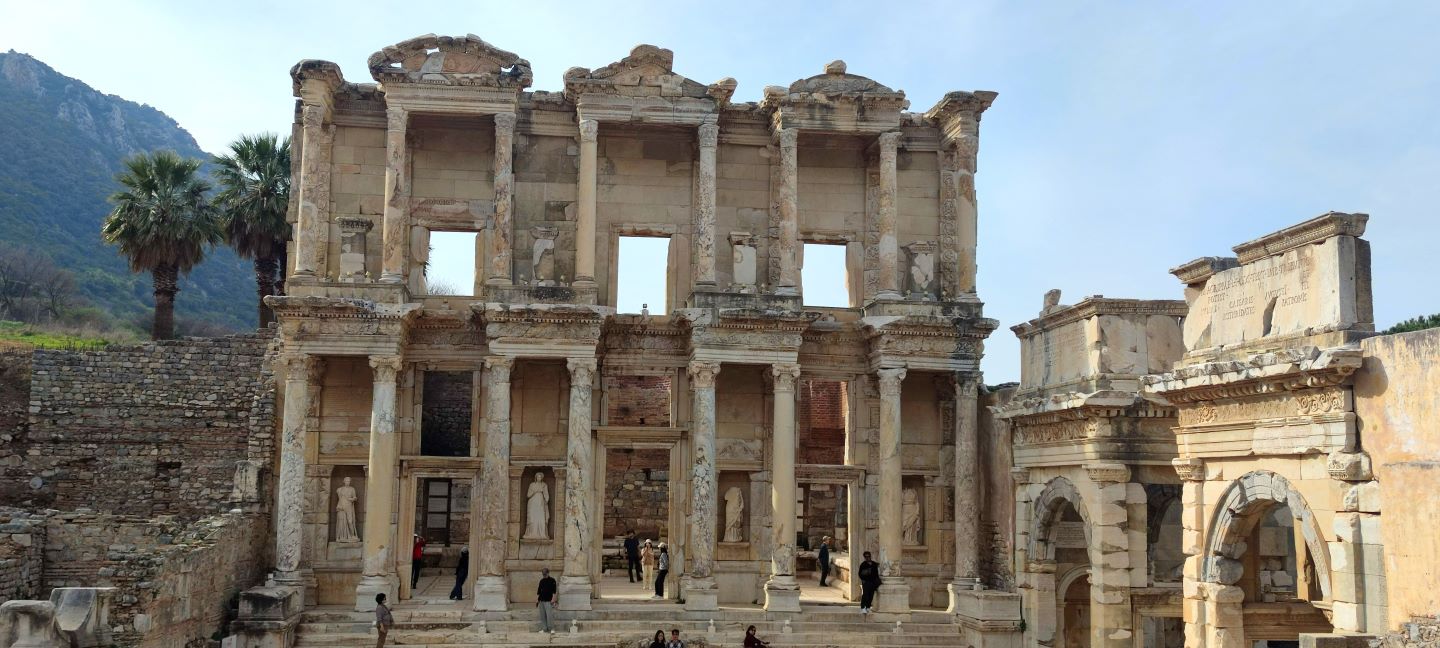
At the heart of Asia Minor, Turkey stands as a cultural epicenter imbued with the memories of ancient civilizations. Among the silent witnesses of this splendor, the ruins of Ephesus rise majestically, offering a portal through which we can glimpse the golden ages that shaped this land. From the imposing Temple of Artemis to the Library of Celsus, every stone in Ephesus whispers tales of a glorious past. Join me in discovering the place where history comes to life amid the shadows of millennia-old columns, unraveling the secrets of this ancient city that remains a beacon of Turkey’s cultural richness.
THE LEGACY OF THE ANCIENT CITY
Ephesus stands out as one of the most notable and captivating ancient cities, thanks to a blend of historical, cultural, and architectural factors. In the fabric of its past, elements intertwine to elevate the significance of Ephesus to extraordinary levels. Its roots delve into the mystery of the 10th century BCE, emerging as a legendary enclave woven with the richness of history in the Asia Minor region. Founded by the intrepid Ionian colonists, the city, in its early days, witnessed the glow of a strategically nestled coastal settlement near the Caister River and the misty waters of the Aegean Sea.

Over time, Ephesus evolved into a cultural melting pot, where dances of Greek, Lydian, and Persian influences intertwined in a symphony of splendor. However, its zenith as a cultural and commercial hub reached its peak during the Hellenistic and Roman eras. The city became a beacon of port prosperity, interweaving trade routes between the exquisite Mediterranean and the intriguing Asia Minor. At its docks, the Port of Panormos, a stage where ships from distant lands unloaded exotic treasures, precious metals, and, most significantly, the amalgamation of myths, beliefs, and knowledge that formed the tapestry of life in Ephesus.
WELL-PRESERVED ARCHAEOLOGICAL SITE
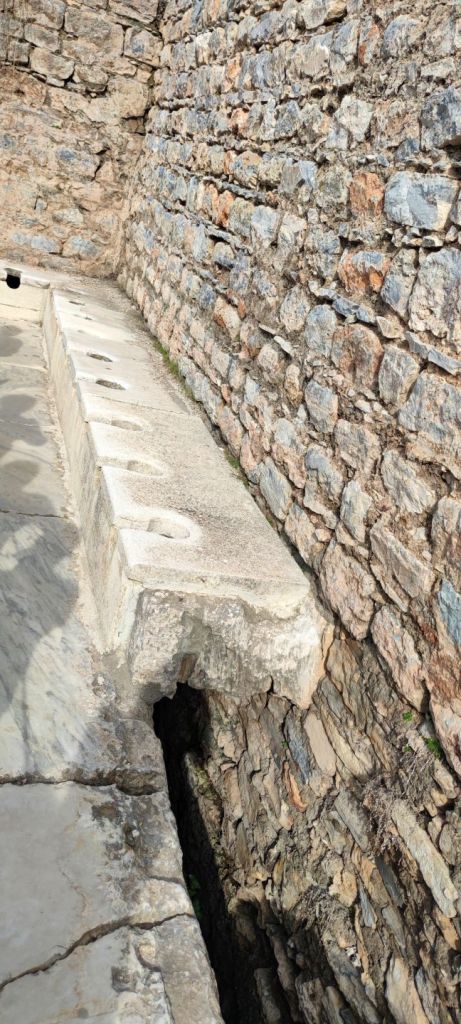
The extensive archaeological area of Ephesus has been meticulously preserved, allowing visitors to immerse themselves in antiquity. The quality of the ruins and the number of structures still standing make Ephesus a unique archaeological treasure. Among the most iconic places in the city are the following:
TEMPLE OF ARTEMIS
The Temple of Artemis, built in the 6th century BCE by the architect Chersiphron, stood as a monument of magnificence dedicated to the goddess Artemis, revered for hunting. This temple was not only a center of worship but also an architectural marvel that catapulted it to the distinction of being one of the Seven Wonders of the Ancient World. The tall and slender columns, adorned with exquisite details, spoke of the artistic skill of the time. Over the centuries, the Temple of Artemis underwent several reconstructions due to fires and acts of vandalism. The most celebrated version, built under the patronage of Alexander the Great, reached an imposing height of over 100 meters. However, the grandeur of this sanctuary was short-lived, as it was ultimately destroyed by the Goths in 268 CE.
LIBRARY OF CELSUS
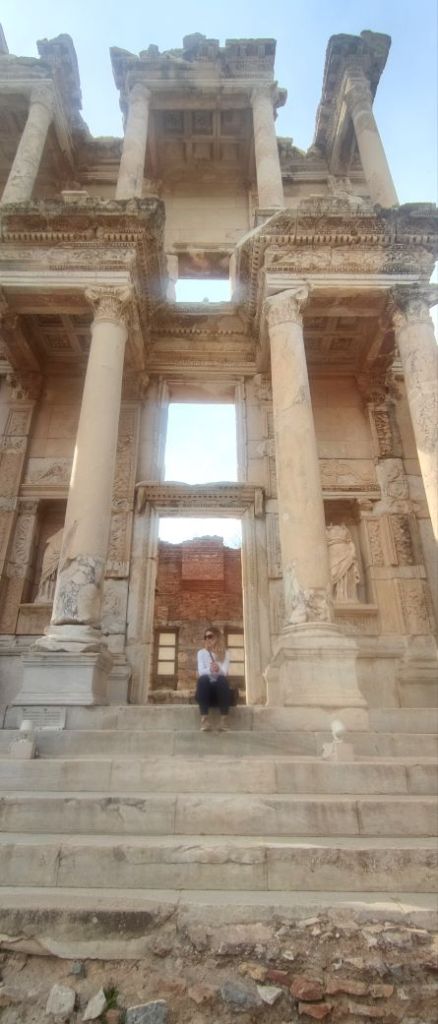
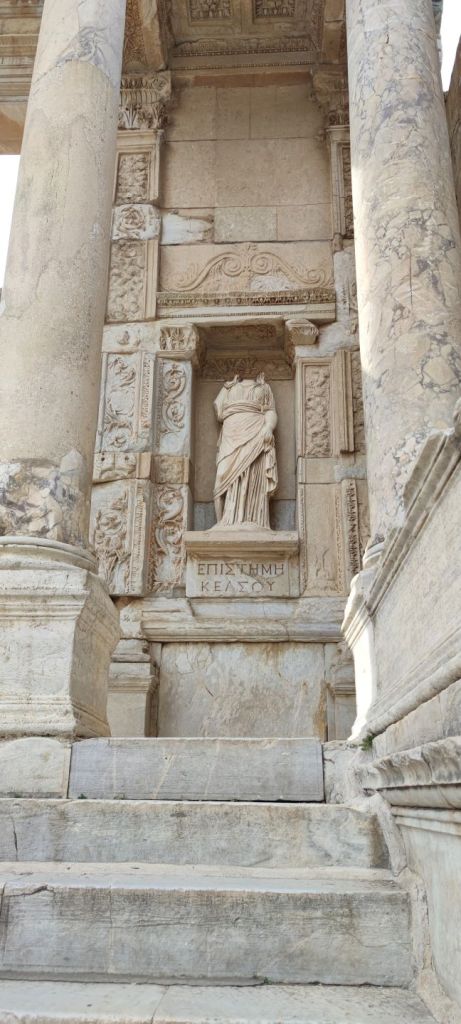


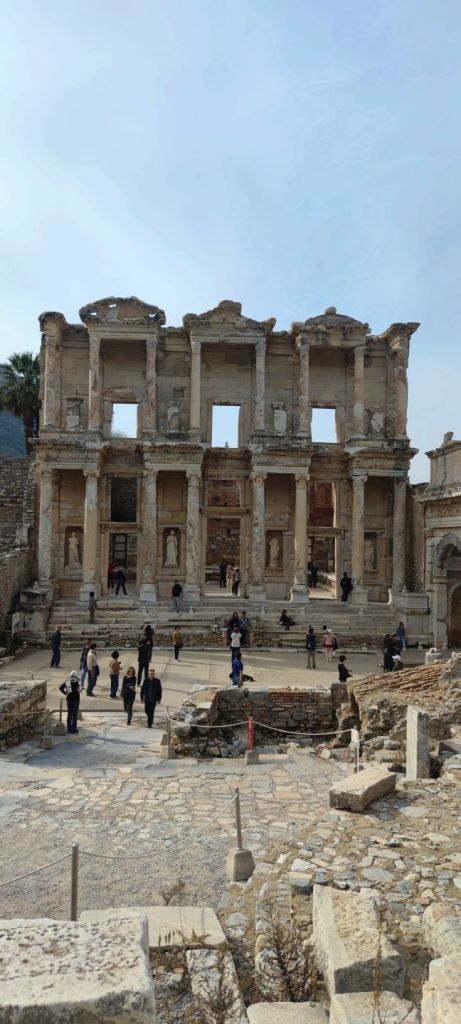
The Library of Celsus was built in 117 CE in honor of Tiberius Julius Celsus Polemaeanus, a Roman senator and consul from the province of Asia. In addition to its architectural significance, the Library of Celsus was a prominent academic institution. It housed an extensive collection of manuscripts and texts, becoming a significant center of learning in antiquity. Notable figures associated with the library include various writers and philosophers of the time, such as Flavius Philostratus, a Greco-Roman biographer and philosopher known for his works like “Lives of the Sophists,” and Polemon of Ephesus, a Greek rhetorician and philosopher who focused his teachings on ethics and morality, exploring issues related to duty and virtue.
THEATRE
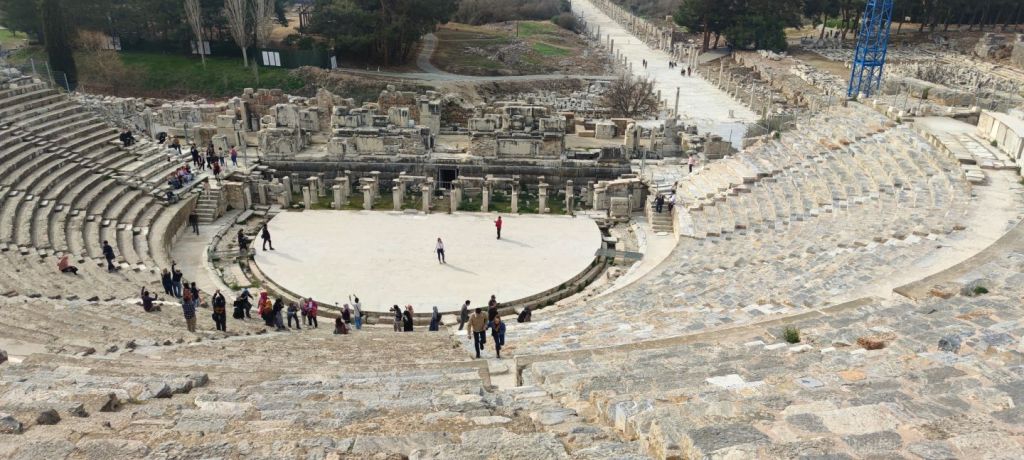
The theatre of Ephesus is one of the best-preserved ancient theaters in the region. Built during the reign of Lysimachus in the 3rd century BCE, it was later expanded and renovated during the Roman and Byzantine periods. With a capacity to accommodate approximately 25,000 spectators, this theatre was a prominent center of entertainment and artistic expression in antiquity. Throughout its history, the theatre of Ephesus hosted various performances, including classical plays, musical events, and athletic competitions. It was used for the performances of classical playwrights such as Euripides and Sophocles, providing the community with a space for the appreciation of performing arts. Additionally, this theatre was also used for public assemblies and civic events, highlighting its importance as a multifaceted venue in the life of ancient Ephesus.

CURETES STREET

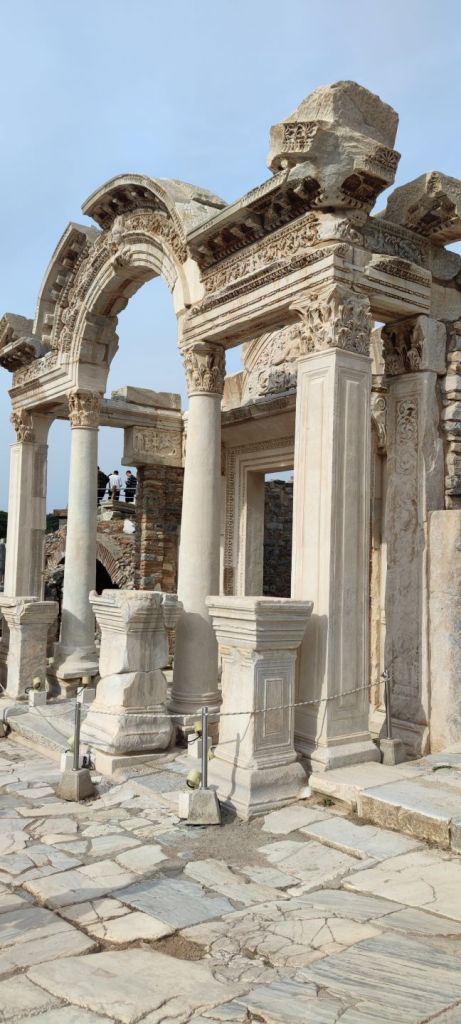


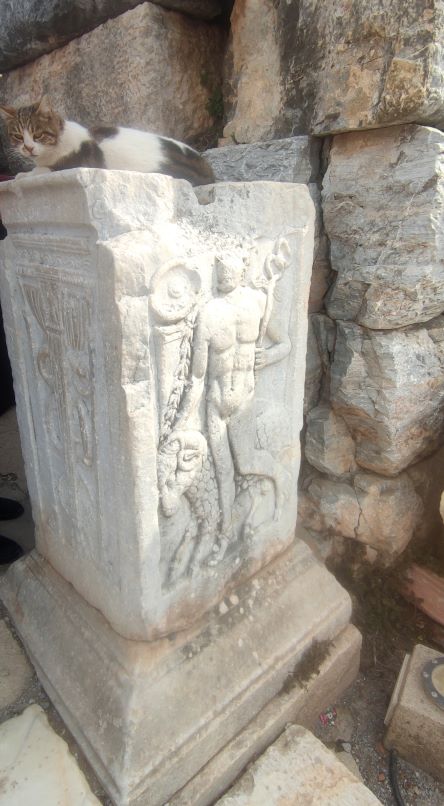
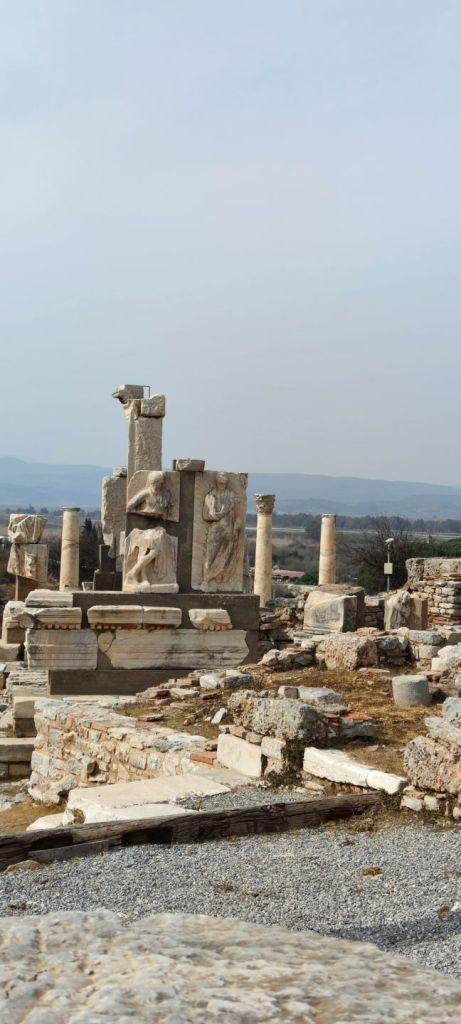
The Curetes Street stretched from the Library of Celsus to the Theatre of Ephesus, connecting important structures and providing a lively space for citizen interaction. Named in honor of the statue of the Curetes that adorned the entrance of the Library, the street housed various monuments, including the impressive Temple of Hadrian, built in honor of the Roman emperor, and the elegant Fountain of Trajan, an ornamental structure that not only provided water to the citizens but also served as a testament to the refined architectural ingenuity of the time.
HOUSE OF THE VIRGIN MARY
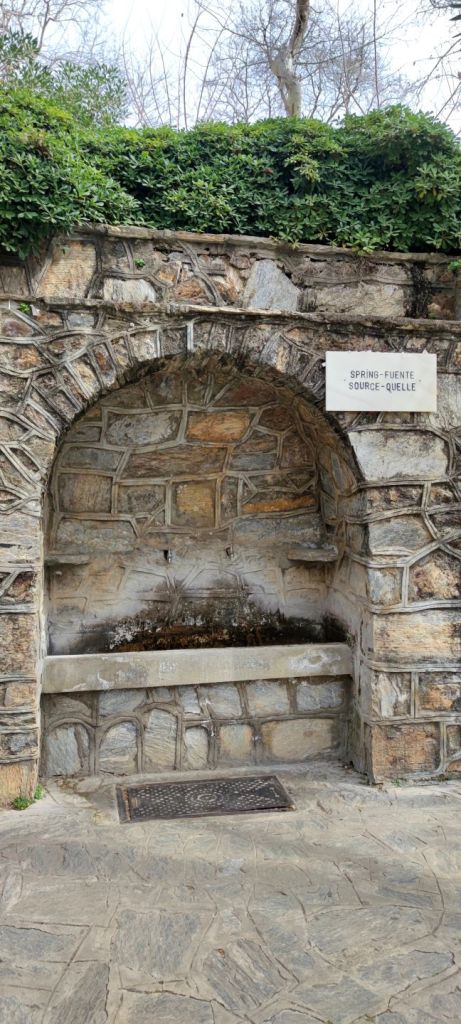
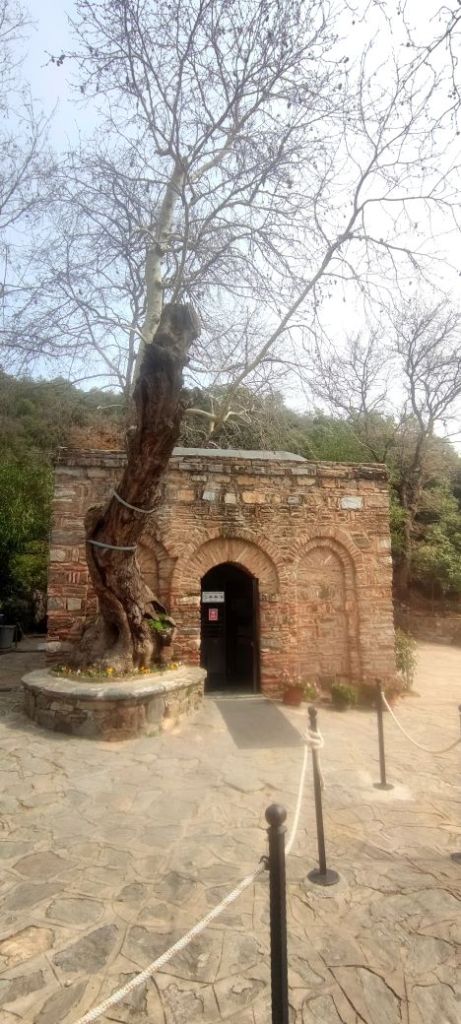

The House of the Virgin Mary, also known as the House of the Mother of God, is a sacred site located on the hills of Bülbüldağı, near the ancient city of Ephesus in Turkey. The history of this house is closely linked to the Christian tradition. According to Catholic and Orthodox tradition, the Virgin Mary lived in this house during the last years of her life after the crucifixion of Jesus. It is believed that Saint John the Evangelist took Mary to Ephesus to protect her from persecution in Jerusalem. The location of the House of the Virgin Mary was discovered in the 19th century thanks to the visions of a German nun named Anne Catherine Emmerich, who provided details about the exact location. The accounts of Emmerich’s visions inspired archaeologists to search for the house, and in 1891, a location matching the descriptions was identified.
TIPS:
- Start early to protect yourself from the sun and heat in summer and to avoid crowds. Weekdays are less crowded. Also, bring water to stay hydrated.
- Wear comfortable shoes, as the ruins require quite a bit of walking, and the streets can be uneven.
- To get there from the city of Selçuk, you can take a taxi, bus, or even walk.
- Hire the services of a local guide to make your experience more unique and learn about this wonderful place.
 all about eve`s journeys