I invite you to take a virtual journey through the city of Segovia, where every stone tells a story, and every alley breathes the essence of its medieval past. Strategically located in the region of Castilla y León, north of Madrid, Spain, Segovia stands as a historical witness that has withstood the test of time. With its rich history and unique charm, Segovia shines as an invaluable gem that significantly contributes to Spain’s cultural heritage through its historical legacy and monumental architecture. Let’s begin!
A BIT OF HISTORY THROUGH ITS MONUMENTS
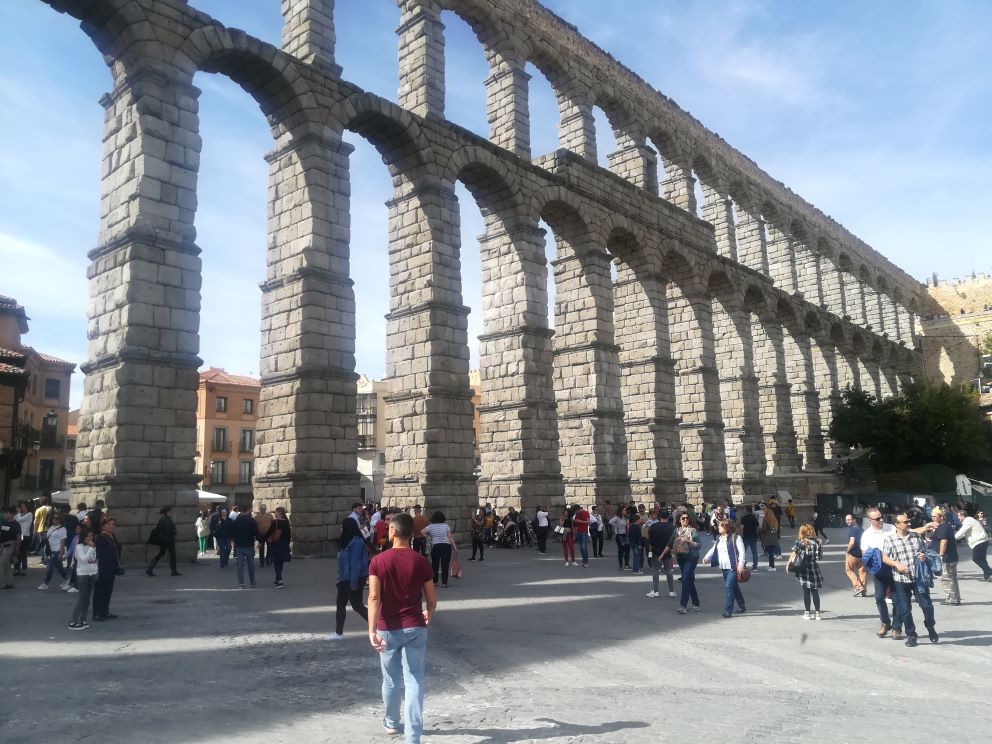
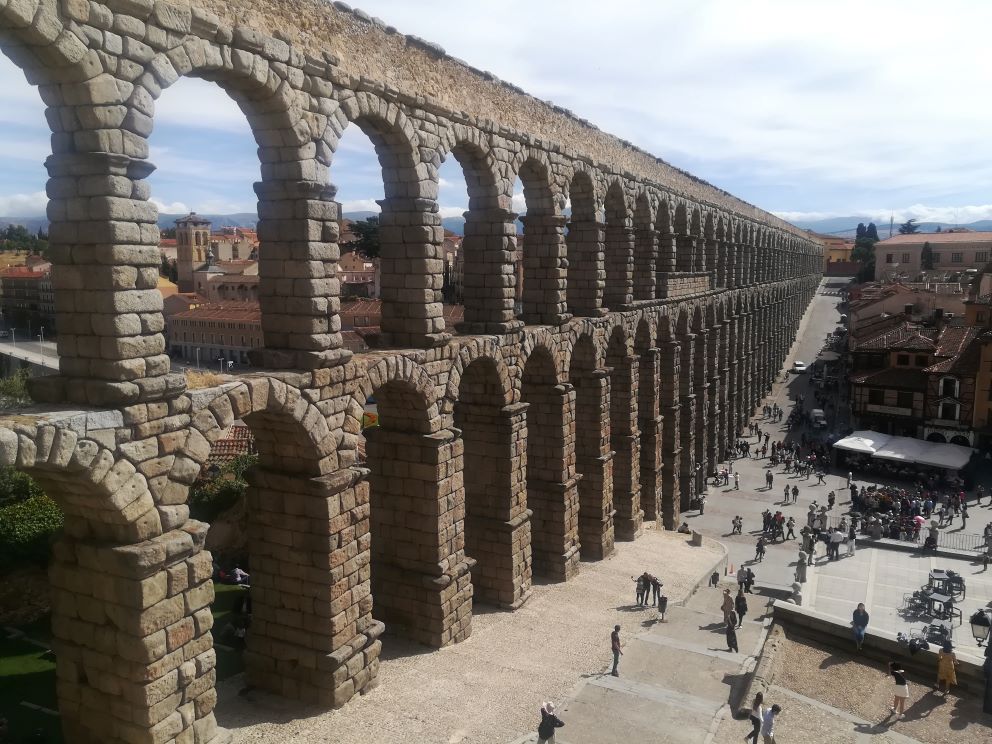
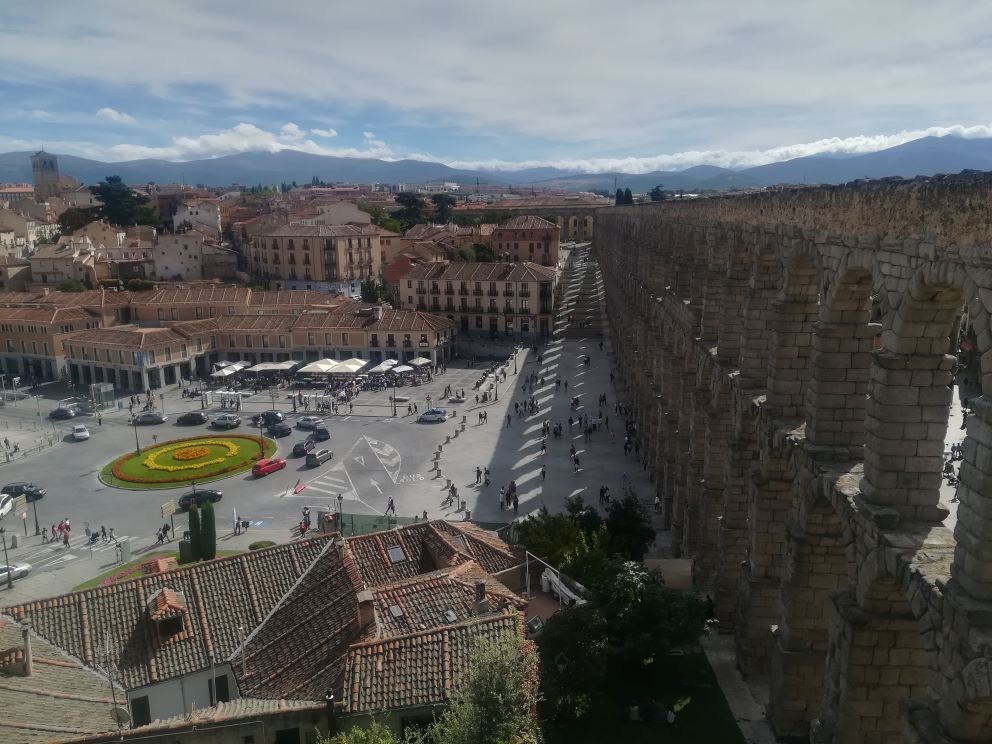
The chronicle of Segovia is a captivating journey through the centuries, dating back to ancient times when the city was founded by the Celts, later becoming a Roman settlement. Marked by iconic monuments that not only narrate historical events but also dazzle with their exceptional artistic and architectural features. In the early Roman era, at the end of the 2nd century AD, the Aqueduct of Segovia was imposingly erected—a prodigious feat of Roman engineering that majestically overlooks the city. Its 166 granite arches, without any mortar, stand as a supreme example of Roman technical perfection.
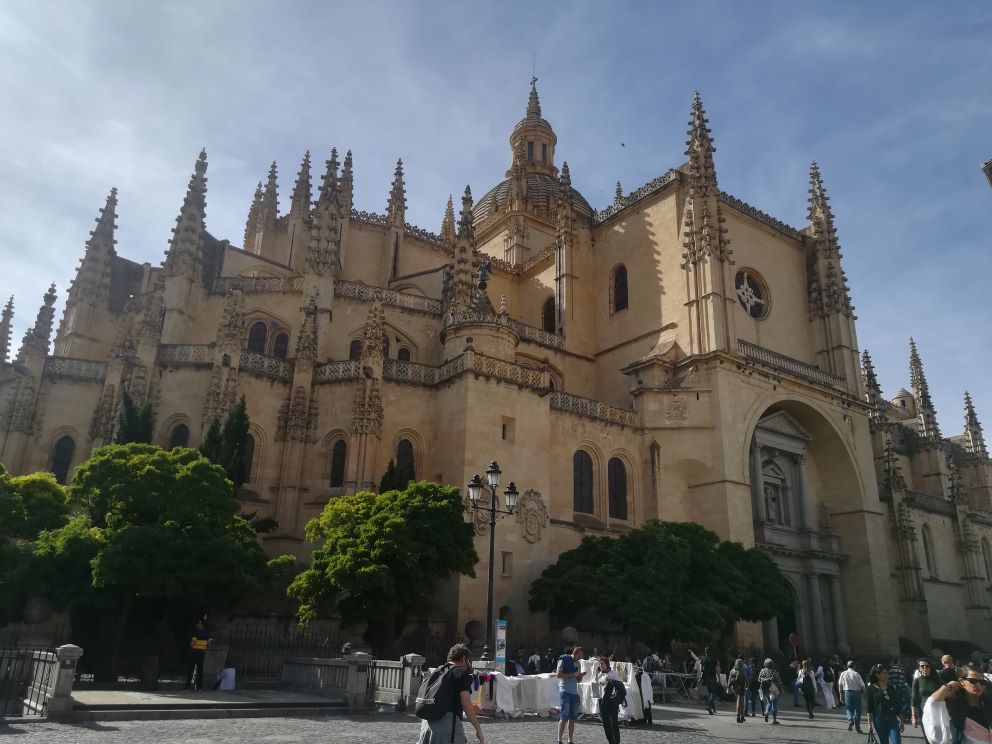
Entering the Middle Ages, Segovia experienced various vicissitudes, from the Muslim conquest in the 8th century to its recovery by King Alfonso VI of León in 1079. The 12th century marked a period of splendor, becoming a significant commercial center and court headquarters. In this historical context, the construction of the majestic Segovia Cathedral began in 1525, standing as an emblem of Spanish Gothic architecture. Its construction extended over the centuries, resulting in a rich amalgamation of styles ranging from late Gothic to Renaissance and Baroque. The spires reaching towards the sky and intricate stained glass contribute to the splendid artistic expression that permeates this cathedral.
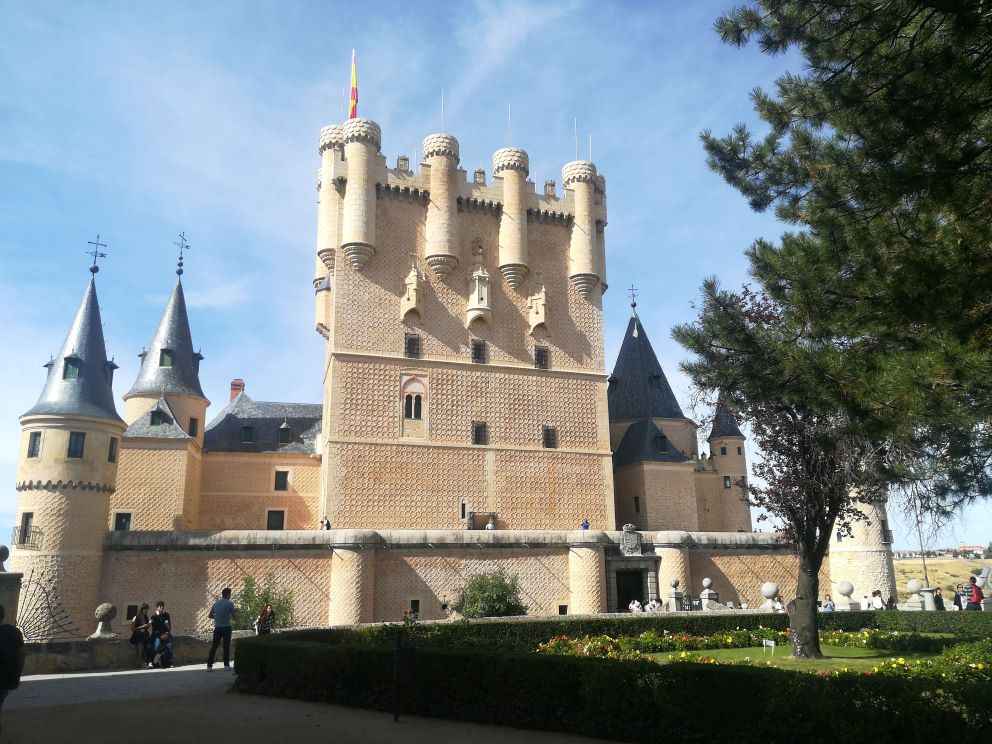
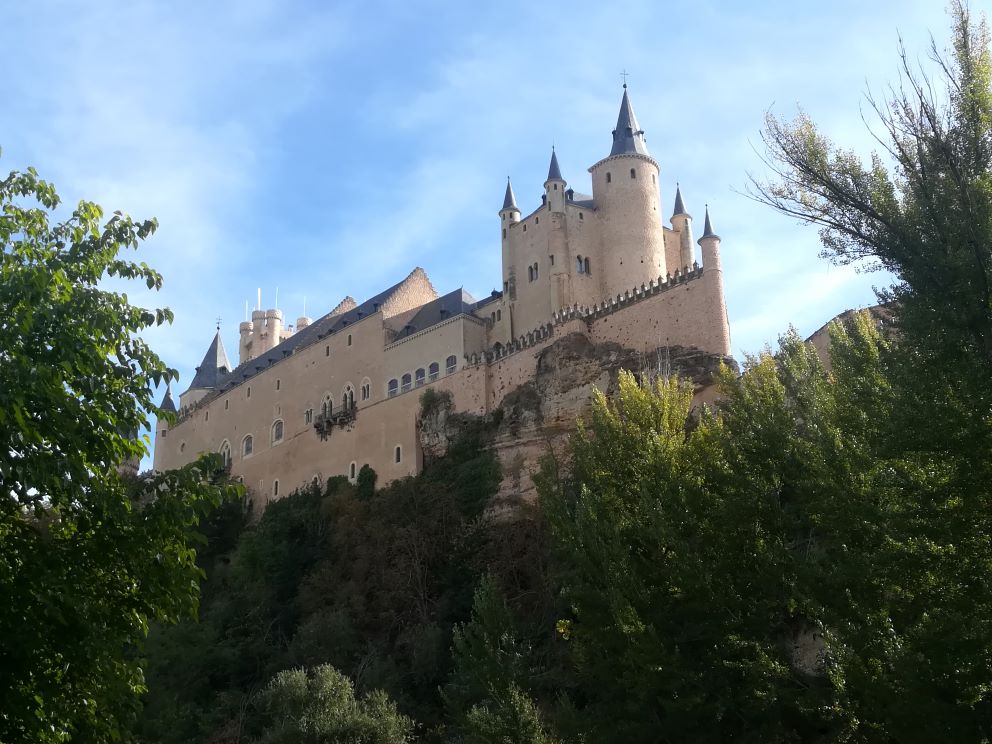
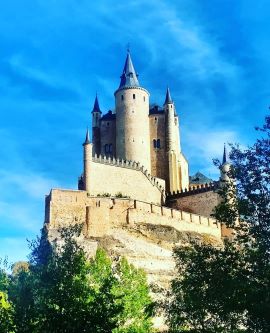
The Alcázar of Segovia, a UNESCO World Heritage Site and the birthplace of Isabel I of Castile in 1451, who had a transcendent influence on the unification of Spain and the era of exploration in the New World, is a formidable fortress that combines Romanesque, Gothic, and Mudéjar elements. Its imposing structure, characterized by pointed towers and a moat, reflects the architectural evolution over the centuries. Besides its defensive functions, the Alcázar stands out for its sumptuous halls and gardens that intertwine military practicality with architectural elegance.
In the Modern Age, Segovia underwent significant transformations, from sieges during the Spanish War of Succession in the 17th century to architectural changes like the construction of the Plaza Mayor in the 18th century—a splendid example of neoclassical architecture. This city center, surrounded by buildings with arcades and balconies, reflects the urban planning of the time and serves as a lively meeting point for residents and visitors. The city continued its evolution in the 19th and 20th centuries, witnessing events such as the War of Independence against Napoleon’s troops and being declared a UNESCO World Heritage Site in 1985.
ENJOY THE CITY BY WALKING
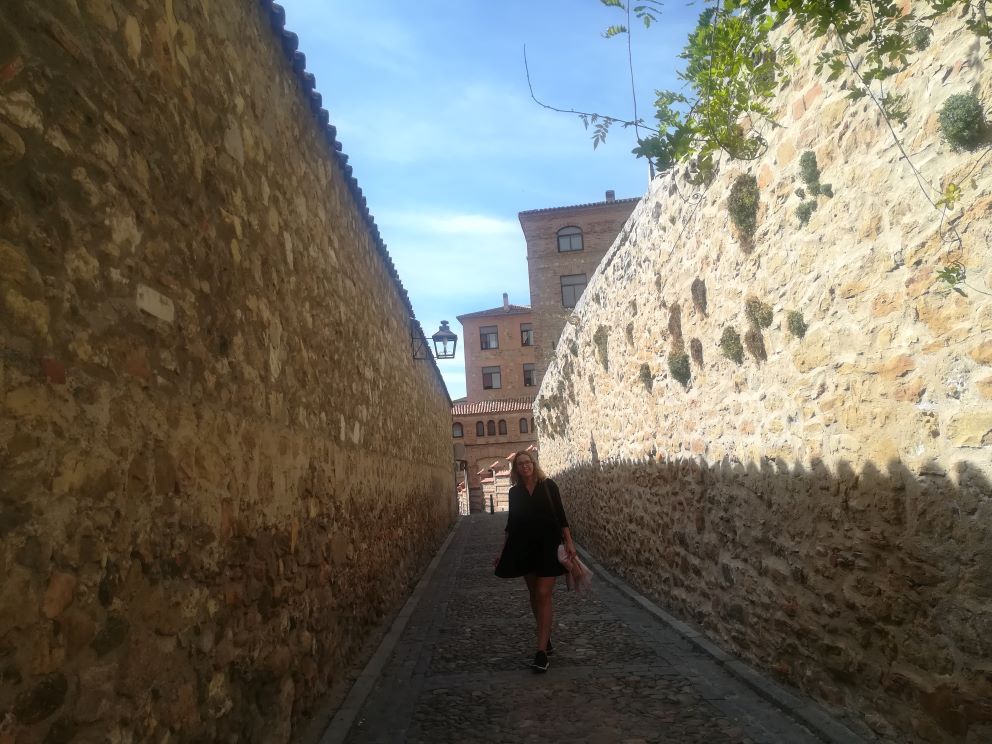
Exploring Segovia is immersing yourself in a fascinating journey through its charming corners. Walking through the Jewish Quarter is like entering a maze of narrow alleys and stone houses that will transport you directly to medieval Segovia. The narrow cobblestone streets whisper tales of yesteryear, while the traditional architecture creates a unique and enchanting atmosphere. Discovering this neighborhood is delving into the past, where every corner reveals the city’s cultural richness.
In contrast to the evocative history of the Jewish Quarter, the Garden of the Jewish Quarter emerges as a haven of peace and beauty. This serene green space offers a perfect retreat to relax and enjoy nature amidst the historical bustle. With its meticulous design and lush vegetation, the garden invites visitors to disconnect and savor the tranquility that contrasts with the historical intensity of the surroundings.
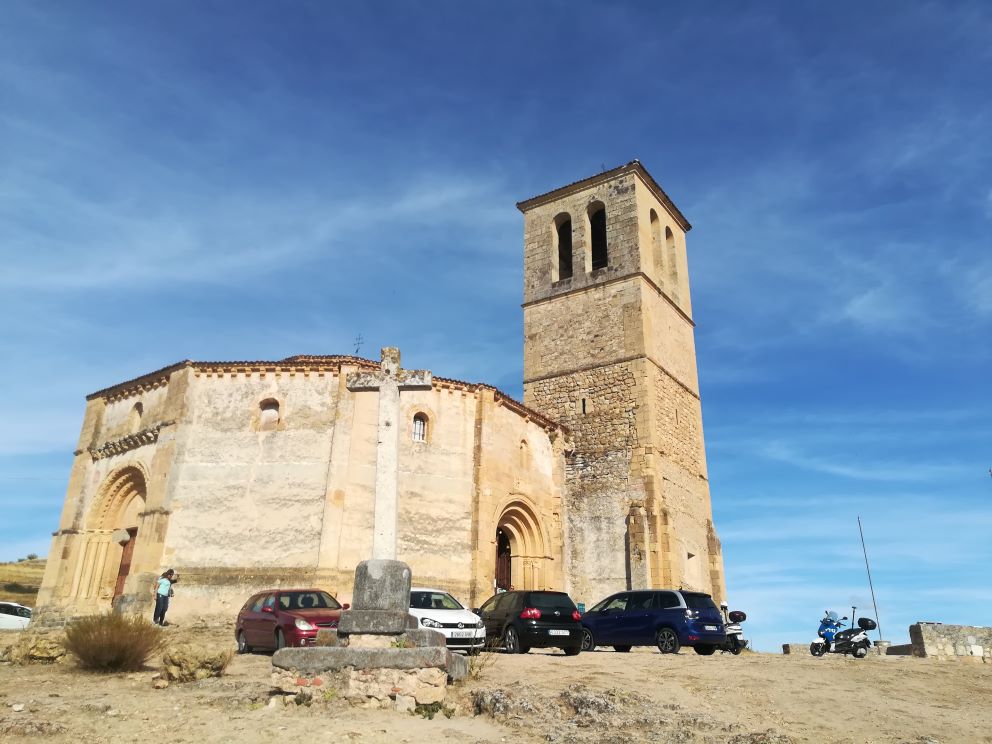
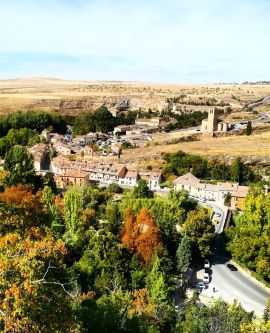
Embark on another pleasant stroll that will take you to the Church of Vera Cruz, a historic treasure located on the outskirts of the city. From Plaza de San Martín, where you can marvel at the impressive Church of San Martín, a Romanesque gem that rises majestically from the 12th century, head towards the serene landscape of the Eresma River and cross the picturesque bridge. As you continue along the picturesque street Cardenal Zúñiga, you will immerse yourself in the traditional architecture of Segovia, enveloping yourself in its rich historical atmosphere. This charming street will guide you directly to the Church of Vera Cruz, built in the 13th century—a tangible testament to Segovia’s medieval heritage and the influence of the Knights Templar, founded by the Templar knights.
TIPS:
• Savor the delicious gastronomic offerings of the Castilian region. Don’t miss the exquisite roasted lamb, seasoned with the varied local aromatic herbs, Judiones de la Granja, a tasty stew enriched with chorizo and blood sausage, and the comforting Sopa Castellana, prepared with garlic, egg, and bread—ideal for combating the chill of the colder months.
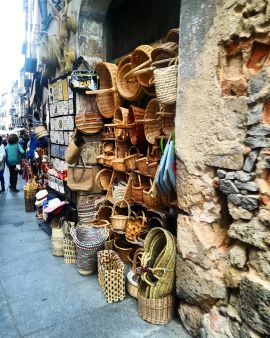
• Explore authentic local craftsmanship during your visit. Head to Fuentes de los Ángeles, a charming village near Segovia renowned for its artisanal ceramics. There, you can find unique dishes and decorative plates. Additionally, don’t forget to take home the typical leather wine flasks—a genuine and practical souvenir of your time in Segovia. If you’re looking for something special, some local shops offer traditional musical instruments like the dulzaina, characteristic of Castilian music.
 all about eve`s journeys