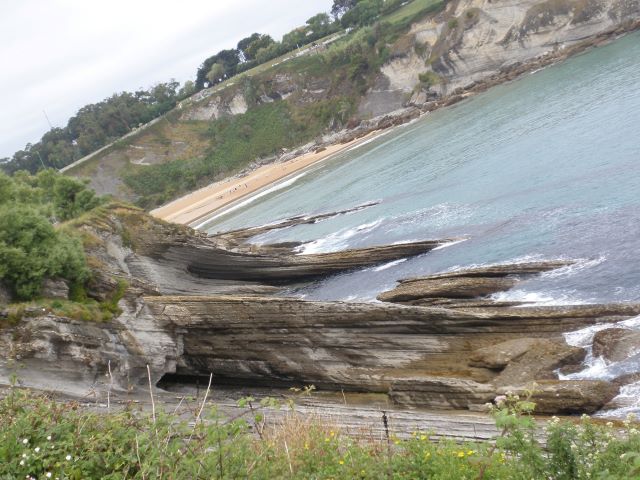
Cantabria, a region in northern Spain, captivates with its natural charm, rich history, and unparalleled hospitality. In this blog, we embark on an exciting road trip, exploring the hidden treasures of this land full of contrasts. From breathtaking mountain landscapes to charming ancient villages and picturesque coastlines, Cantabria offers a diverse setting that will delight any road trip enthusiast.
FIRST STOP: SANTANDER
We begin the journey in the capital of the Cantabrian Community, the city of Santander. This coastal gem invites discovery with a perfect blend of rich history, serene beaches, and majestic monuments. Located on the shores of the Cantabrian Sea, this port city has witnessed centuries of events that have left their mark on its architecture and traditions.
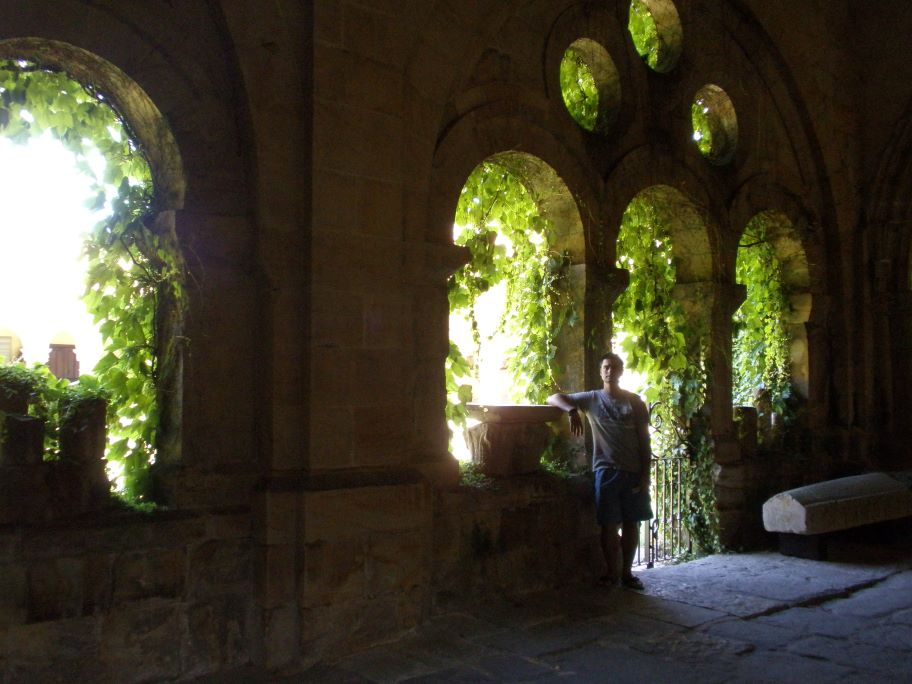
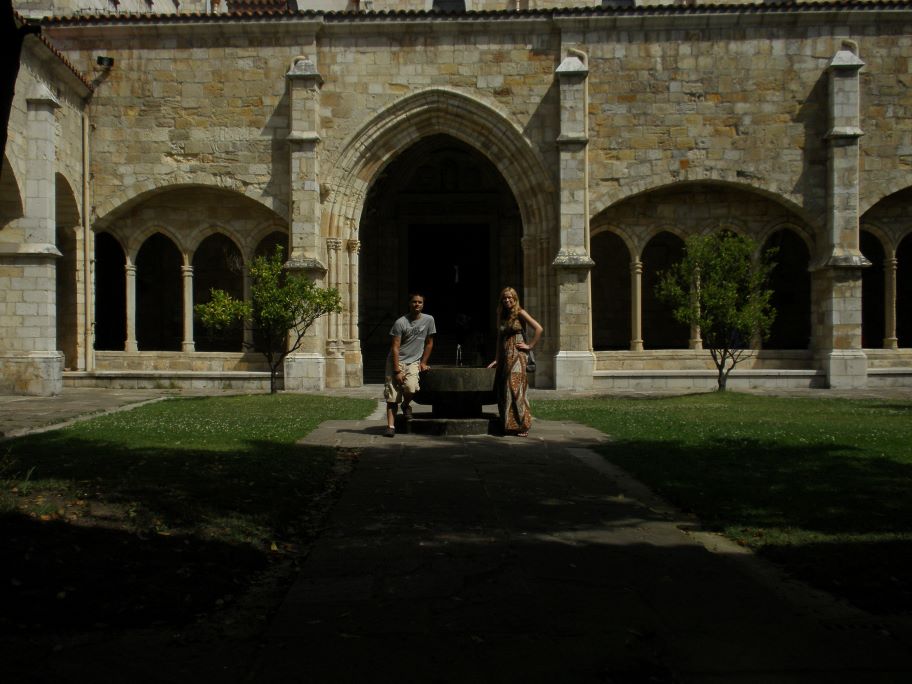
In the historic heart of Santander, cobbled streets and charming buildings narrate its history from its foundation in the 12th century. The Santander Cathedral, built in the 13th century, captivates with its Gothic style, elegant sobriety, and intricate artistic details. The cathedral houses treasures spanning centuries of devotion, including altarpieces, sculptures, and paintings depicting significant episodes of the Catholic faith. Notable is its marvelous cloister, built between the 13th and 14th centuries, with a square structure surrounding a tranquil inner garden adorned with pointed arches and richly sculpted capitals representing biblical and medieval scenes.
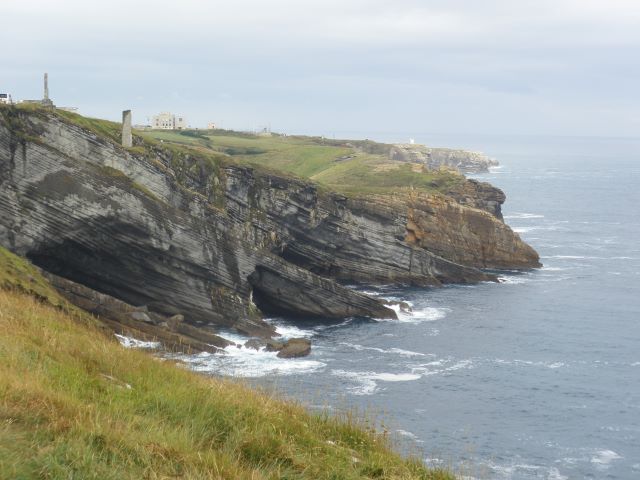
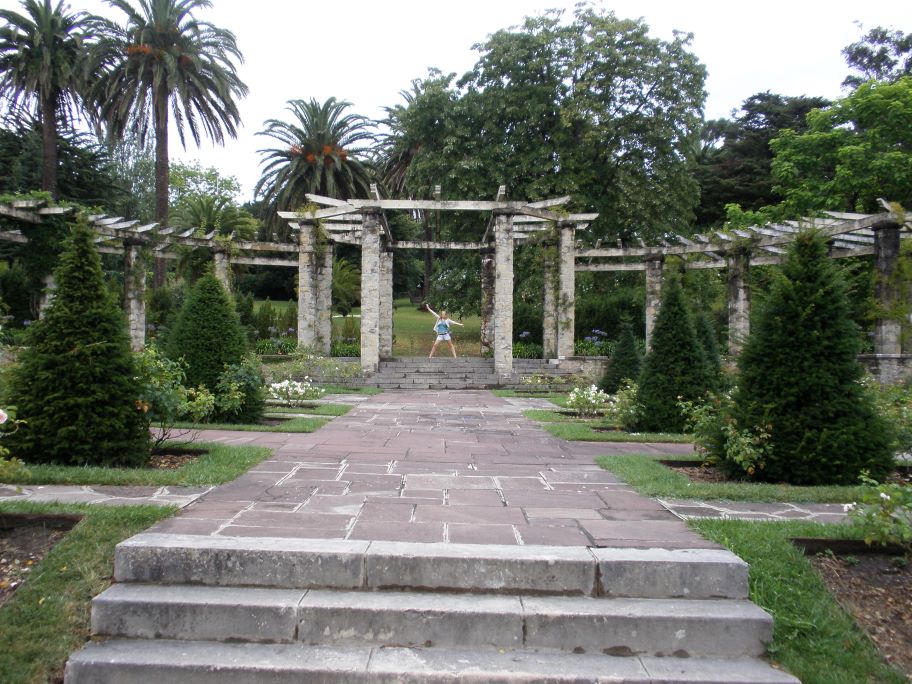
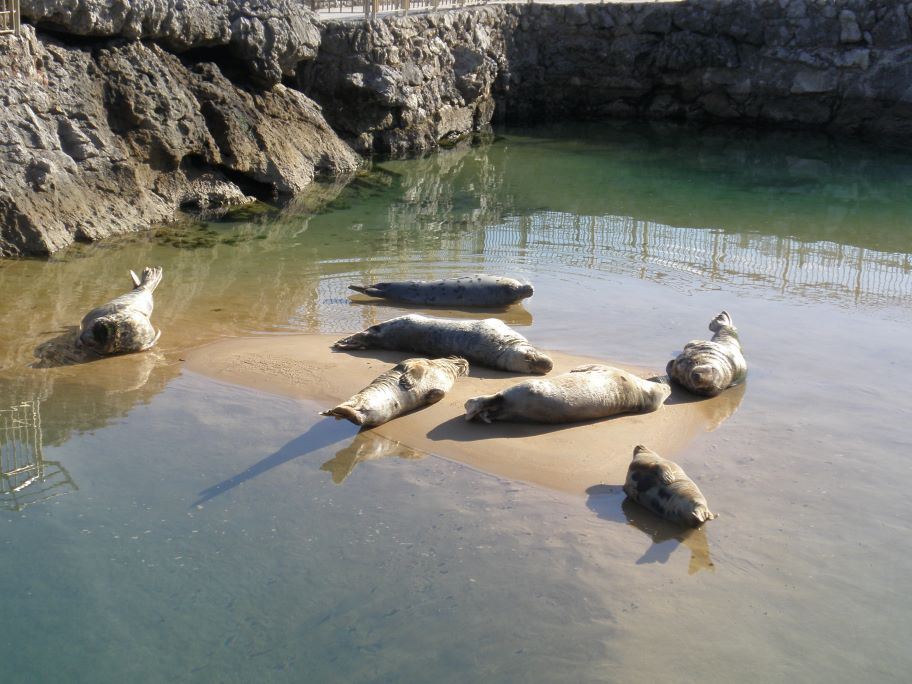
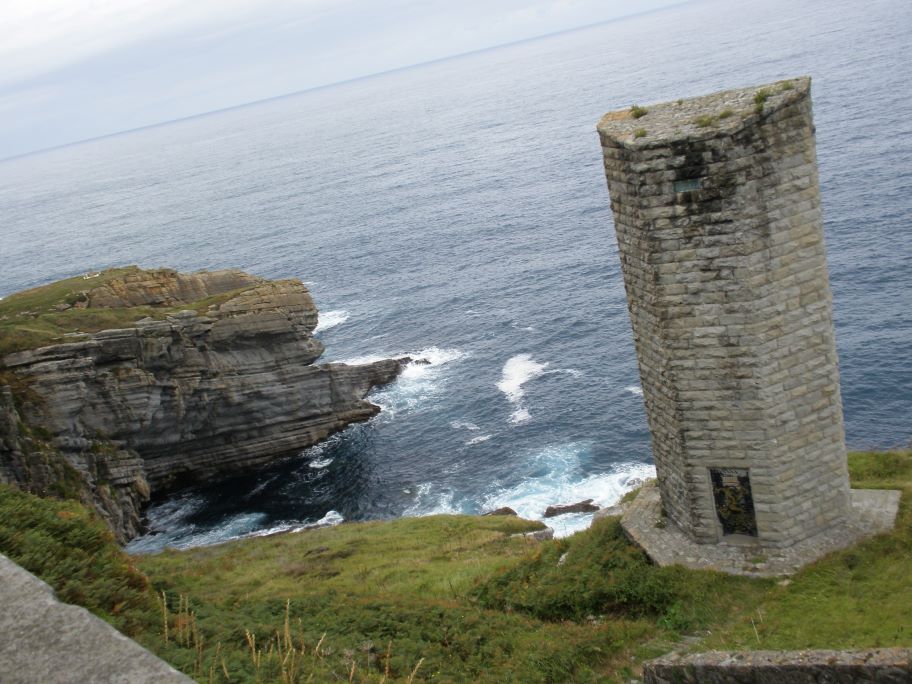
Among the city’s iconic landmarks is the Cabo Mayor Lighthouse, rising majestically on cliffs, guiding sailors and offering spectacular panoramic views. Additionally, the Magdalena Palace, built in the early 20th century, stands as another Santander emblem, serving as the summer residence for the Spanish royal family. Its eclectic architecture and impeccable gardens make it a must-visit. The presence of sea lions in the vicinity of the palace adds a distinctive touch to the visit, allowing visitors to observe these fascinating marine mammals from nearby viewpoints, enjoying their playful and charismatic behavior.
Santander captivates not only with its history and architecture but also with its natural spaces. The Mataleñas Park and Beach, a serene seaside refuge, invite relaxed strolls, picnics, and enjoying the sea breeze. Altogether, Santander is a charming amalgamation of history, culture, and natural beauty.
SECOND STOP: SANTILLANA DEL MAR
Santillana del Mar, a medieval jewel nestled in Cantabria, transports visitors back in time with its cobbled streets and historical buildings. Surrounded by breathtaking landscapes, this picturesque town stands out for its well-preserved architecture, highlighting the richness of its history. Wandering through its medieval alleys is like stepping into a fairy tale, where every corner reveals the essence of a past that has left its mark on Romanesque churches, manor houses, and charming squares.
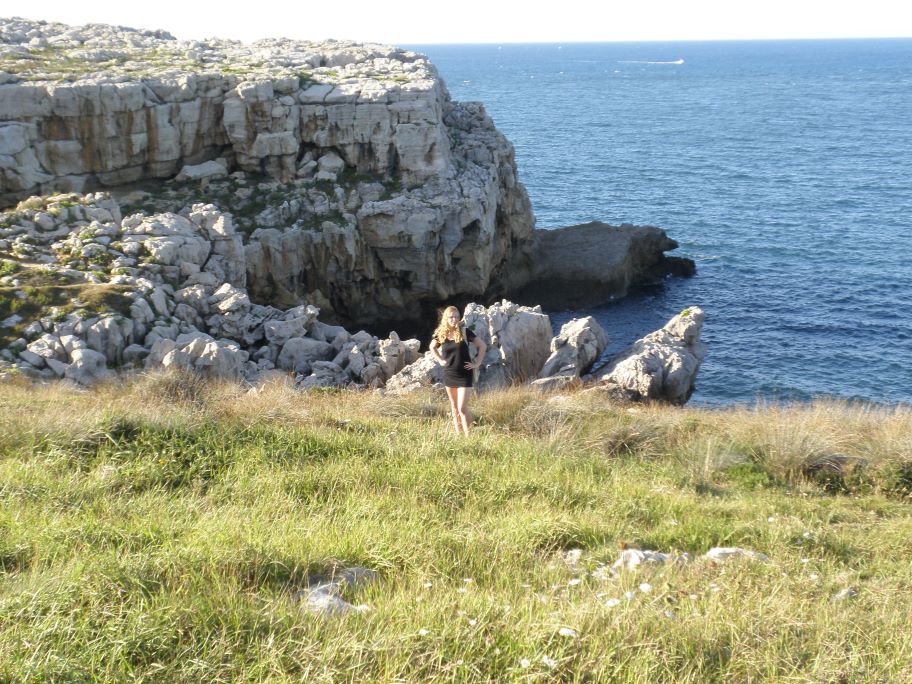
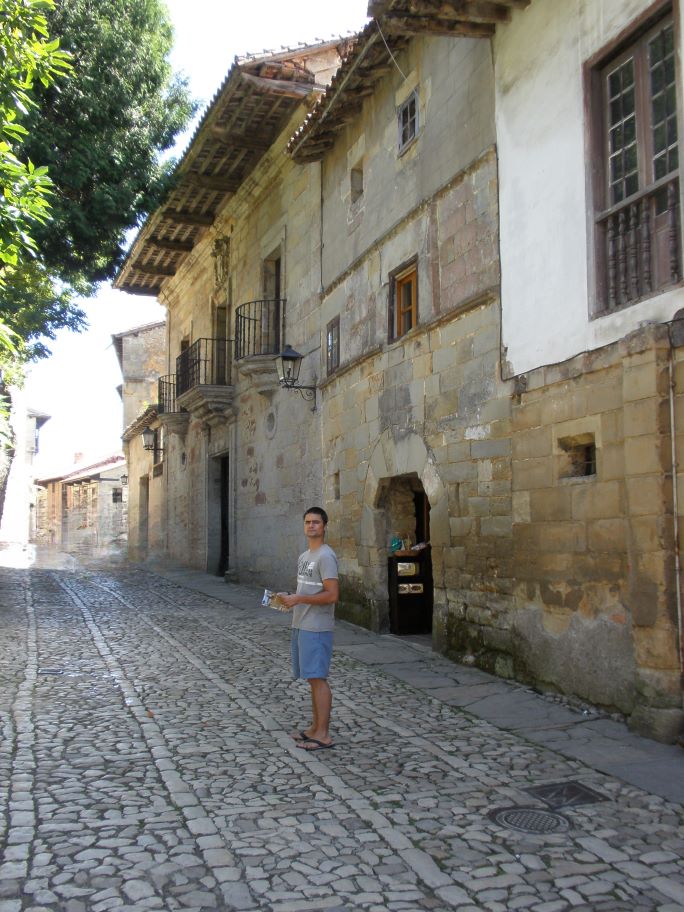
The nearby cliffs add a scenic touch to the experience, offering stunning panoramic views of the Cantabrian Sea. Moreover, Santillana del Mar hosts the Museum of Torture, located in the Tower of Don Borja. This museum, inaugurated in the 15th century, allows visitors to explore a fascinating journey through the history of torture from the Middle Ages in Spain. With documents, instruments, and testimonies from the era, the museum provides a unique perspective, adding an intriguing dimension to the visit to this charming medieval town.
THIRD STOP: COMILLAS
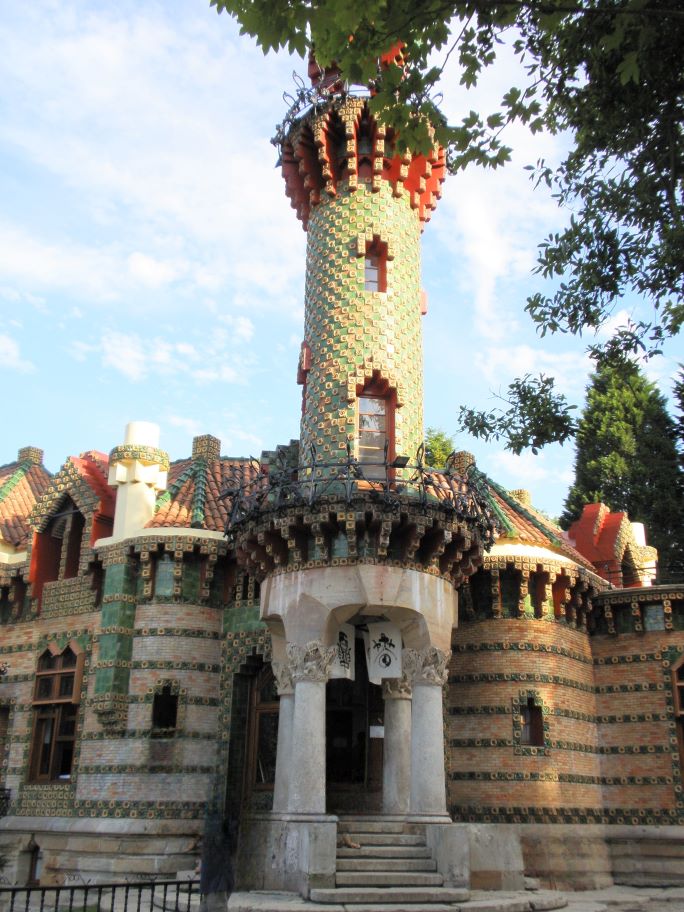
Comillas, a small town in Cantabria, becomes an architectural treasure thanks to the modernist work of the renowned architect Antoni Gaudí. Gaudí’s Capricho, one of the early masterpieces of the Catalan genius outside Catalonia, stands as a unique landmark in this tranquil corner of northern Spain. Built between 1883 and 1885, Capricho merges Gaudí’s architectural brilliance with the exuberance of modernism, creating a work that dazzles with its originality and unique aesthetics.
Modernism, an artistic and architectural movement that flourished in the late 19th and early 20th centuries, is characterized by originality and individual expression. In Gaudí’s case, modernism translates into organic structures, sinuous forms inspired by nature, and a rich palette of colors and textures. Capricho stands out with extravagant decorative elements such as flowers, undulating forms, and ornamental details that create a unique visual symphony.
FOURTH STOP: CARMONA IN THE VALLEY OF NANSA
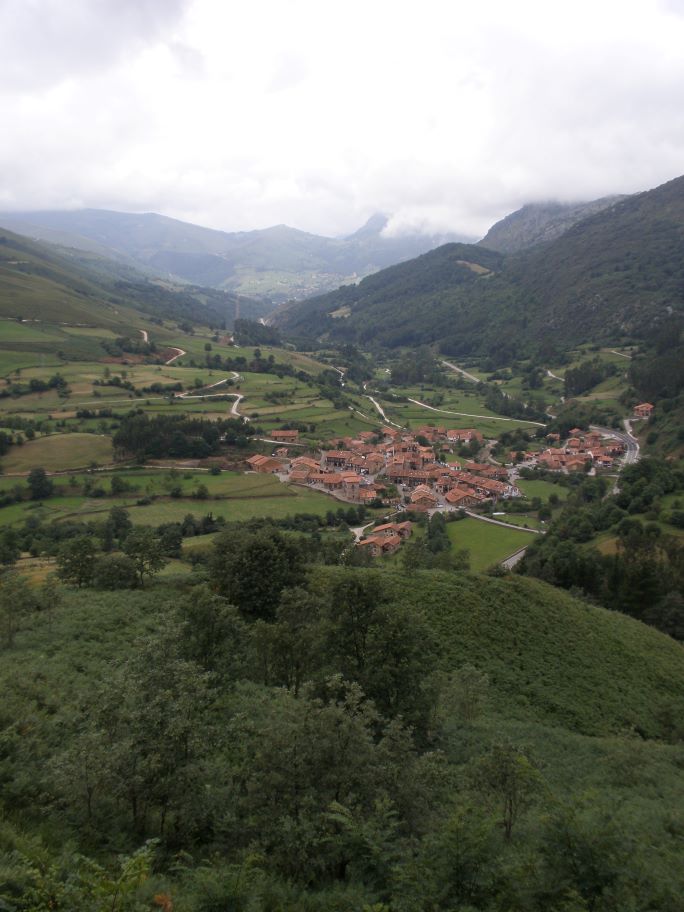
Carmona, a charming village in the Nansa Valley, becomes a serene retreat amid the lush nature of Cantabria. The landscape surrounding Carmona unfolds as a tapestry of beauty, with rolling green hills, dense forests, and the Nansa River majestically winding through the valley. The flora and fauna here are equally captivating, with a diversity of species finding their home in this tranquil environment.
The rich vegetation includes robust oak trees, valued for their durable wood that has been historically used in the construction of furniture and traditional structures in the region. Additionally, oaks play a crucial role in regulating the hydrological cycle by absorbing and releasing water, contributing to sustainable water resource management in the area. On the other hand, beech trees, with their leaves changing color in autumn, add a spectacular touch to the landscape. By shedding their leaves in winter, beech trees contribute to the formation of humus in the soil, enriching it and promoting the growth of other plants.
Carmona’s history intertwines with its cobbled alleys and houses of traditional architecture that tell stories of generations past. This village has witnessed changes over the centuries, and its architecture reflects an identity rooted in Cantabrian tradition. Stone constructions, slate roofs, and decorative details on facades capture the essence of rural life in Cantabria. From the Vueltuca Viewpoint, you have the opportunity to contemplate the marvelous views that offer a panoramic perspective of the natural splendor surrounding Carmona.
TIPS:
• Local Gastronomy: Cantabria’s rich culinary tradition is an essential part of the experience. Don’t miss emblematic dishes such as cocido montañés, anchovies from Santoña, and the surprising Sobao pasiego.
• Local Crafts: acquire local products such as ceramics from Puente Viesgo or the renowned craftsmanship of the region.
• Nature: explore hiking routes; Cantabria boasts incredible natural areas such as the Picos de Europa National Park, the Dunas de Liencres Natural Park, or the Saja-Besaya Natural Park.
 all about eve`s journeys