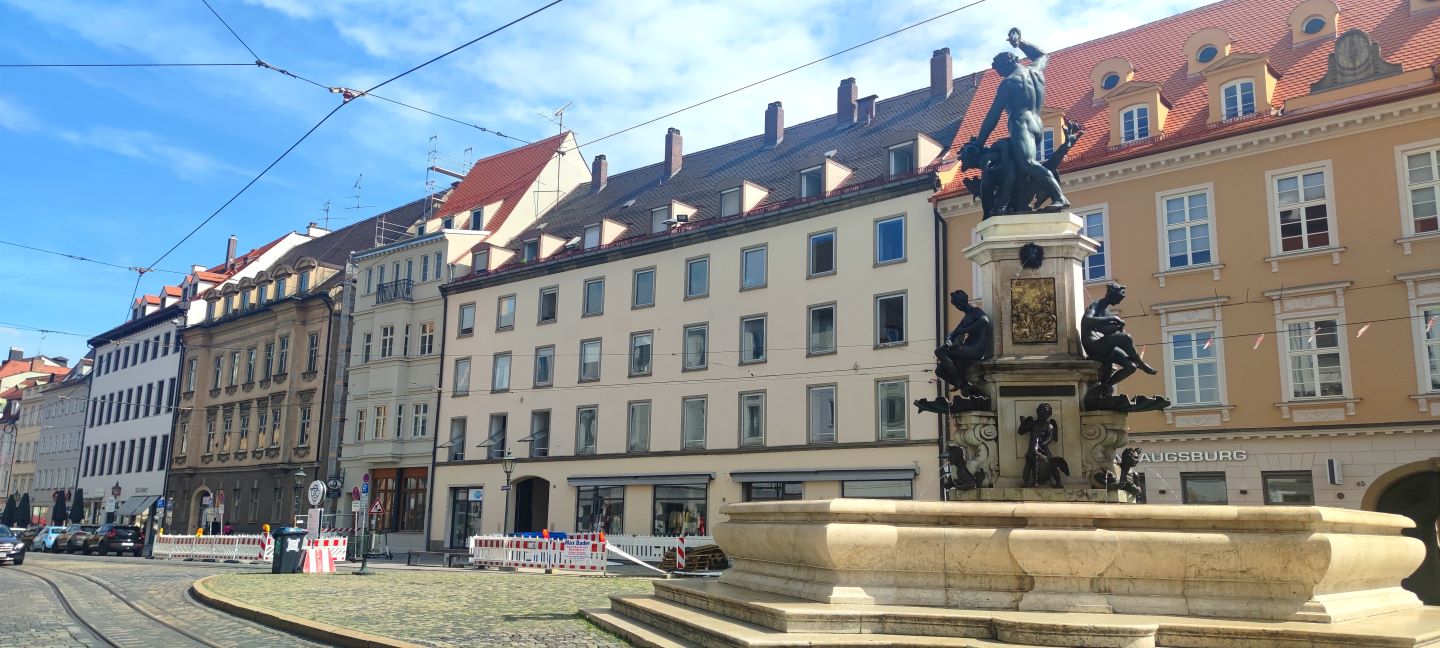
Augsburg, a hidden gem in the heart of Bavaria, offers a delightful experience for travelers looking to immerse themselves in Germany’s rich history and vibrant culture. Situated on the banks of the Lech River, this historic city is known for its impressive monuments, medieval architecture, and legacy as a center of trade and culture in the region. From its role in history to its fascinating tourist sites, Augsburg promises to captivate every visitor with its unique charm.
A BIT OF HISTORY
Augsburg’s history dates back over two millennia, founded by the Romans in 15 B.C. During the Middle Ages, the city flourished as a prosperous commercial and artisanal center, becoming one of the most important cities in the Hanseatic League, a powerful trading alliance formed by cities and merchant guilds in the North and Baltic Sea region, which emerged in the 12th century and consolidated in the 13th, extending from the Netherlands to the Scandinavian countries and Russia. However, its true heyday came during the Renaissance when it became a cultural and financial center under the patronage of the Fugger bankers. The Fugger family, an influential group of merchants and bankers, left a lasting legacy in Augsburg, evident in the city’s magnificent architecture and the opulence of its monuments.
WHAT TO VISIT
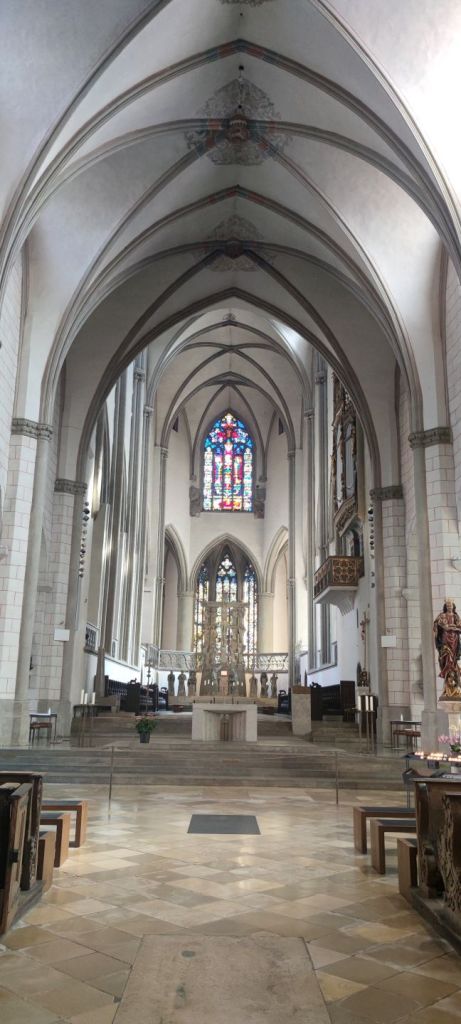
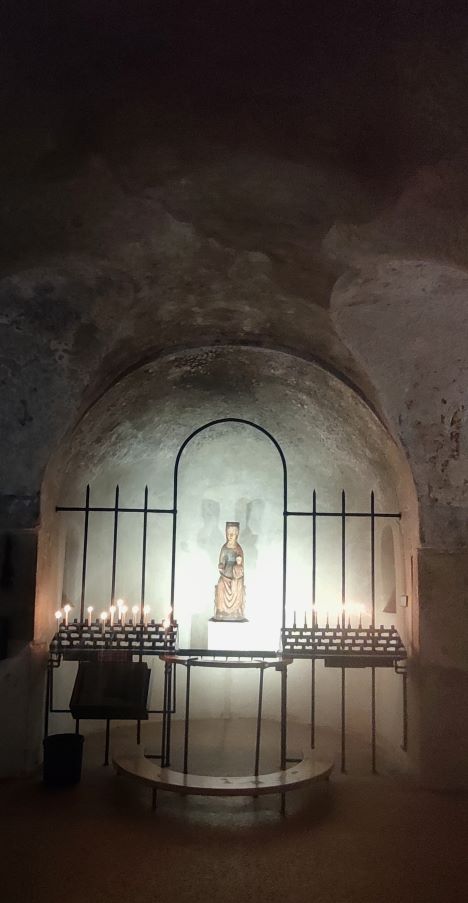
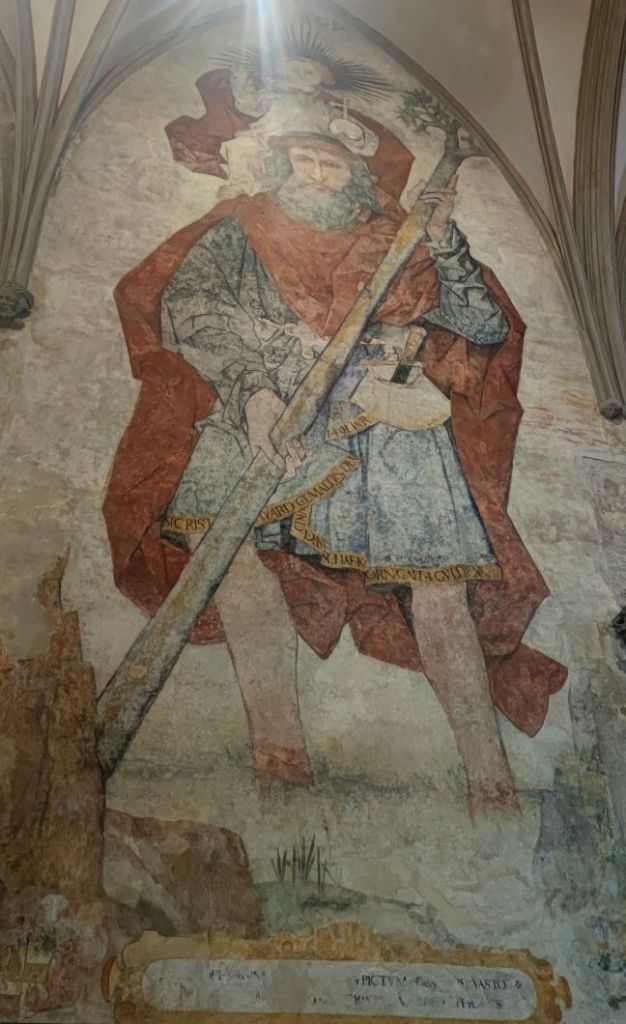
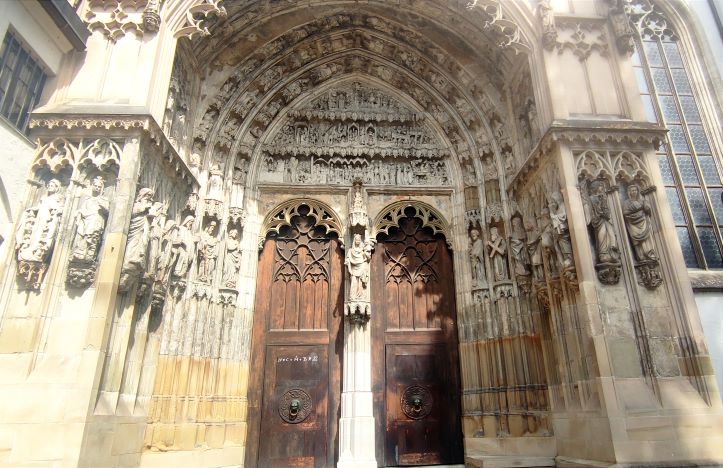
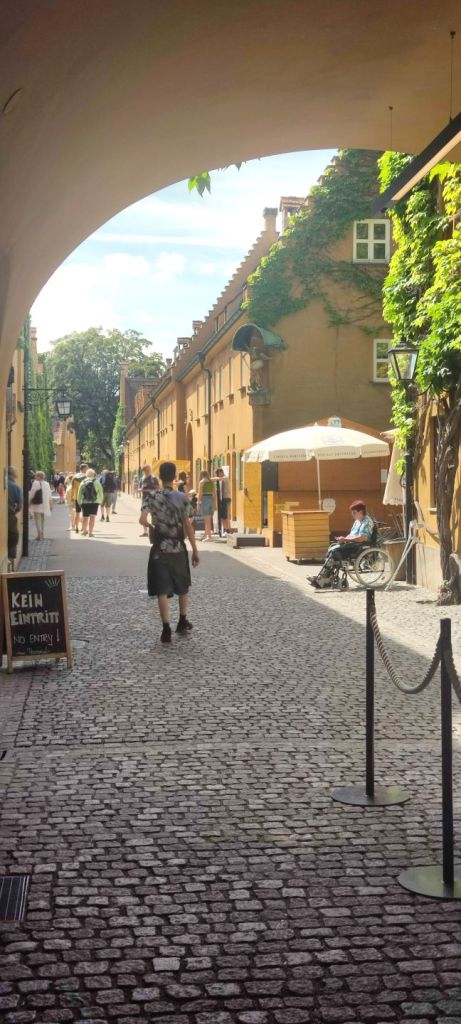
Walking through Augsburg’s cobbled streets, visitors are surrounded by an impressive architectural and cultural heritage. The Augsburg Cathedral, dedicated to St. Mary, is a masterpiece of late Gothic architecture, with its construction beginning in the 11th century, boasting an imposing facade and elaborate stained glass windows. The Fuggerei, the world’s oldest social housing complex, offers a fascinating glimpse into life in the 16th century and is a testament to the Fugger family’s charitable legacy. Notably, Fuggerei tenants pay a symbolic rent of just one penny a year, a tradition that has endured for over five centuries and continues to benefit those in need today.
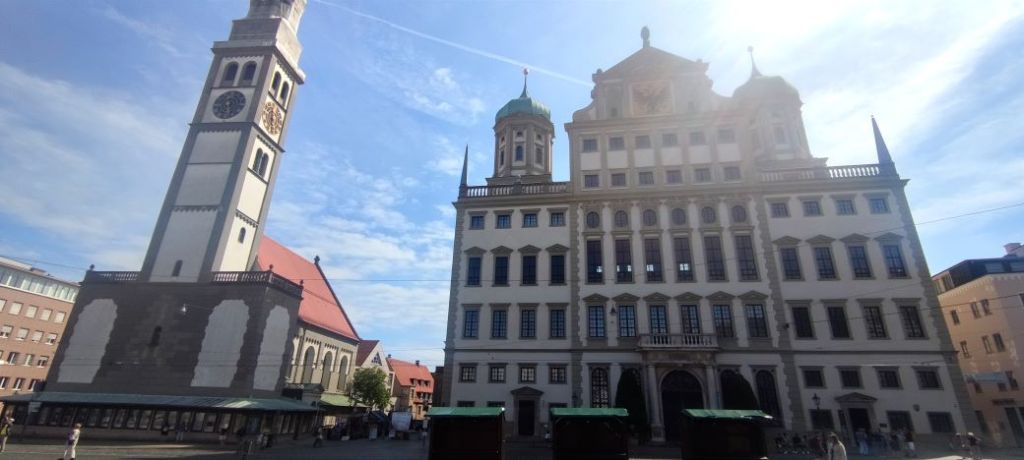
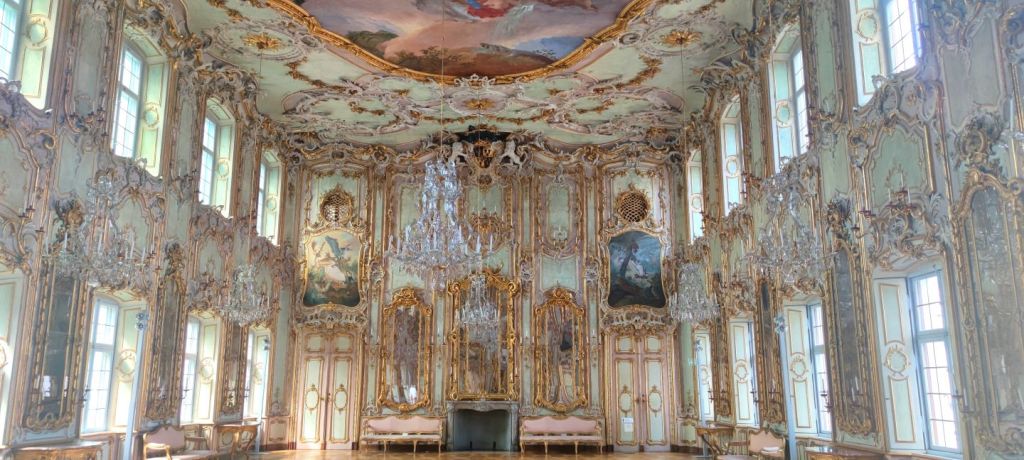
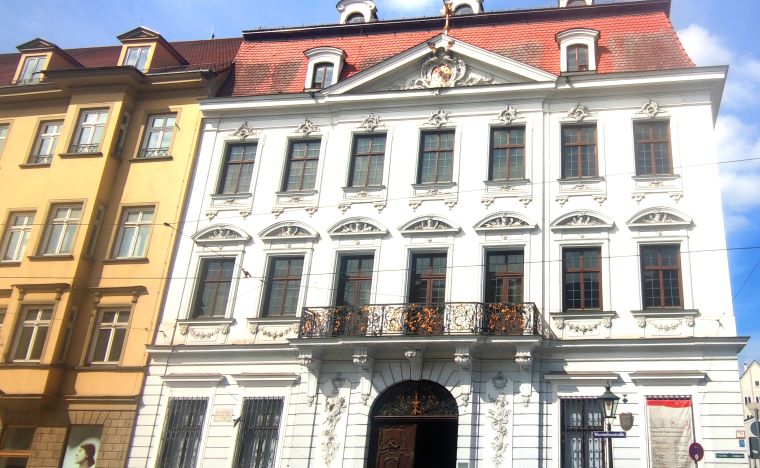
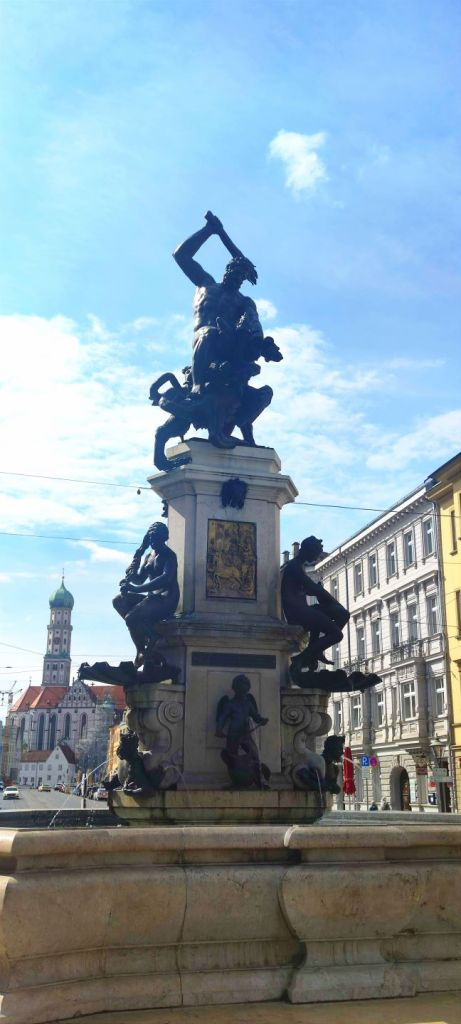
Among the most significant monuments is the Perlachturm, a medieval tower built in the 10th century, offering spectacular panoramic views of the city and its surroundings. Additionally, the Augsburg Town Hall, located in Market Square, is an impressive Renaissance building reflecting the splendor and prosperity of the city in the 16th century. Its richly decorated facade and elegant interior salons bear witness to Augsburg’s political and cultural influence at the time. Likewise, the Schaezlerpalais, a cultural treasure in Augsburg, is a magnificent baroque palace built in the 18th century, known for its impressive architecture and important art gallery. Home to the influential Schaezler family, the palace houses a collection of masterpieces by European artists such as Rubens and Rembrandt, as well as rooms dedicated to temporary exhibitions. The palace gardens offer a peaceful retreat with their geometric design and ornamental fountains.
TIPS:
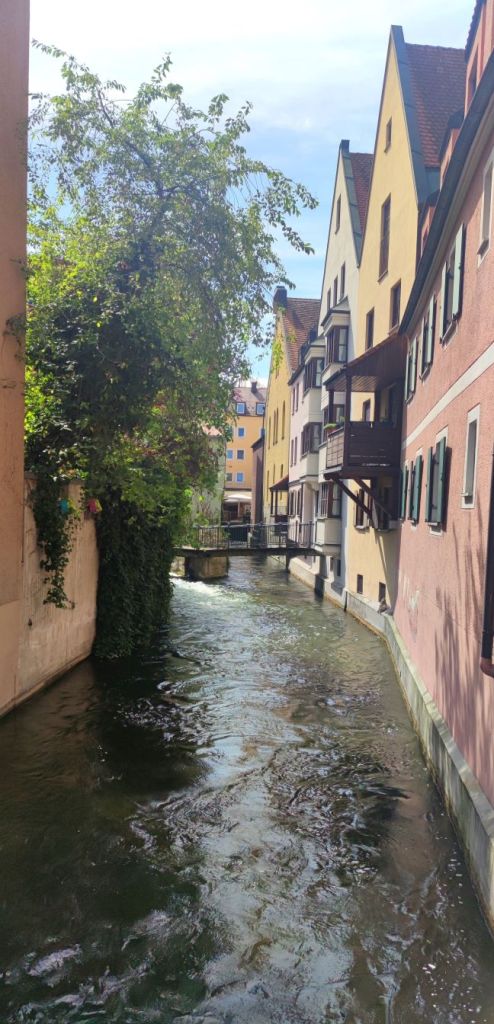
• Explore on foot: Augsburg is a compact city easily explored on foot. Walking its streets allows you to discover charming squares, picturesque alleyways, and architectural surprises at every turn.
• Try the local cuisine: don’t miss the chance to sample delicious Bavarian cuisine at one of the city’s cozy restaurants. Highlights include dishes such as Leberkäse (a kind of meatloaf made from minced pork and beef, mixed with herbs and spices, baked until golden and crispy), Käsespätzle (a Swabian specialty similar to pasta, Spätzle, cooked with grated cheese and caramelized onions, often gratinated in the oven), Obatzda (a soft Bavarian cheese mixed with butter, beer, onion, and spices, served as a popular appetizer with pretzels or rye bread).
 all about eve`s journeys