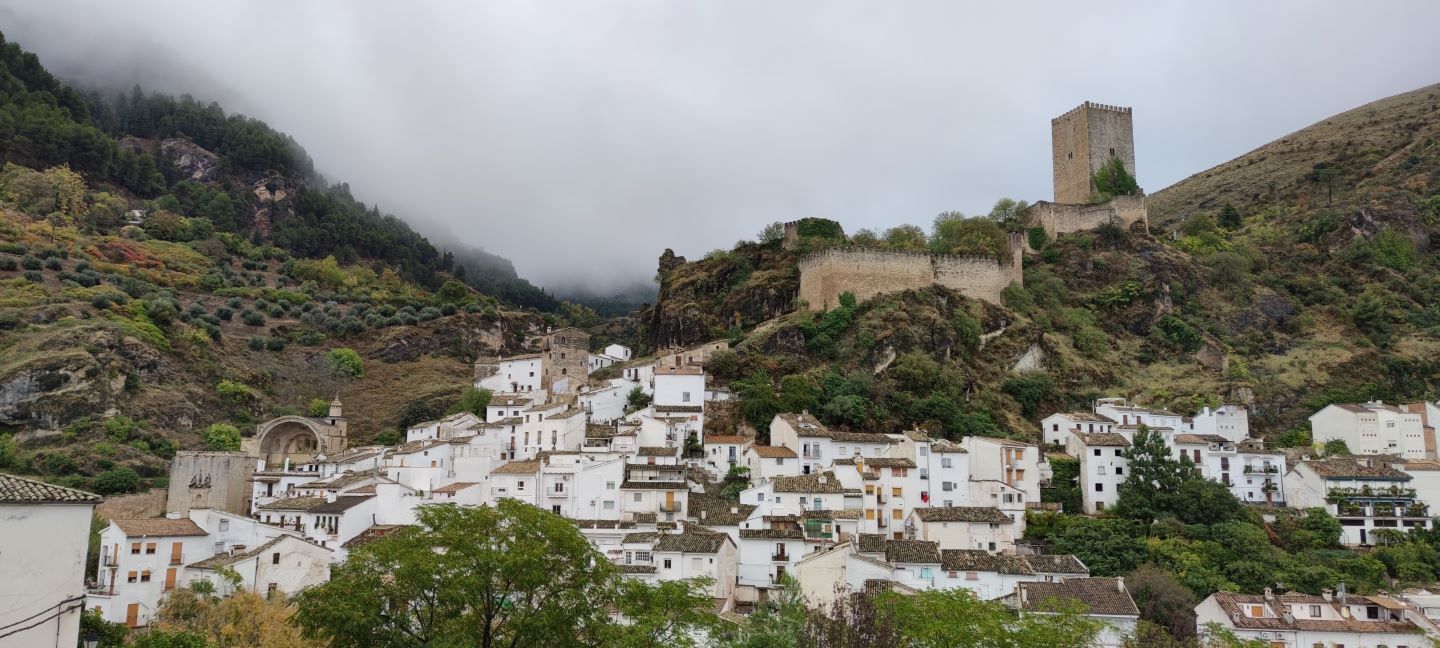
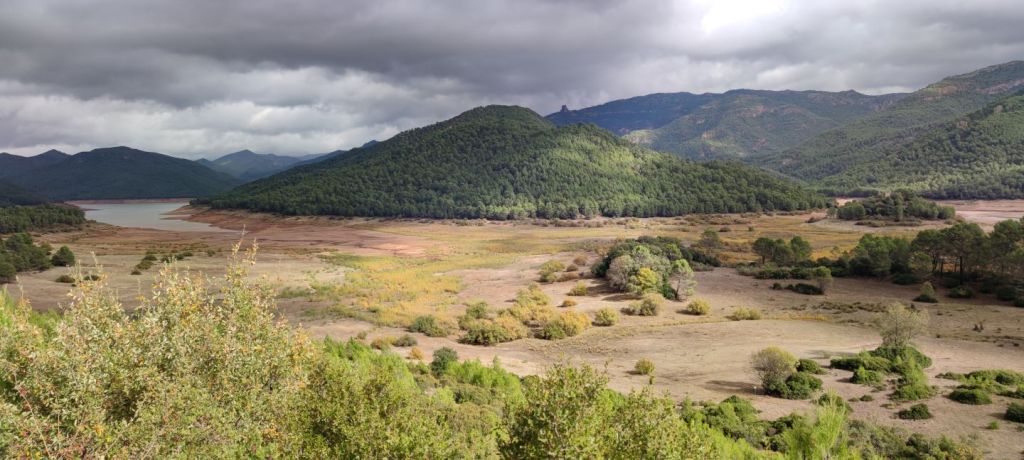
Located in the province of Jaén, in Andalusia, Spain, Cazorla is a charming town nestled at the foot of the Sierra de Cazorla, the largest mountain range in the region. With its cobbled streets and white houses adorned with flower pots, Cazorla offers a unique combination of history, nature, and culture, making it an essential destination for both outdoor adventure lovers and those interested in historical heritage. This town serves as the gateway to the Natural Park of Sierras de Cazorla, Segura, and Las Villas, the largest protected area in Spain and one of the biggest in Europe. Beyond its incomparable nature, Cazorla boasts a rich history reflected in its monuments, medieval legends, and charming streets. Come and discover this Andalusian gem that will leave you breathless.
DISCOVERING CAZORLA’S MONUMENTS AND PLACES OF INTEREST
Cazorla is renowned not only for its stunning natural surroundings but also for its rich historical heritage. The town is filled with monuments that tell stories of ancient feudal lords, defensive fortifications, and a religious past that has left its mark.
YEDRA CASTLE
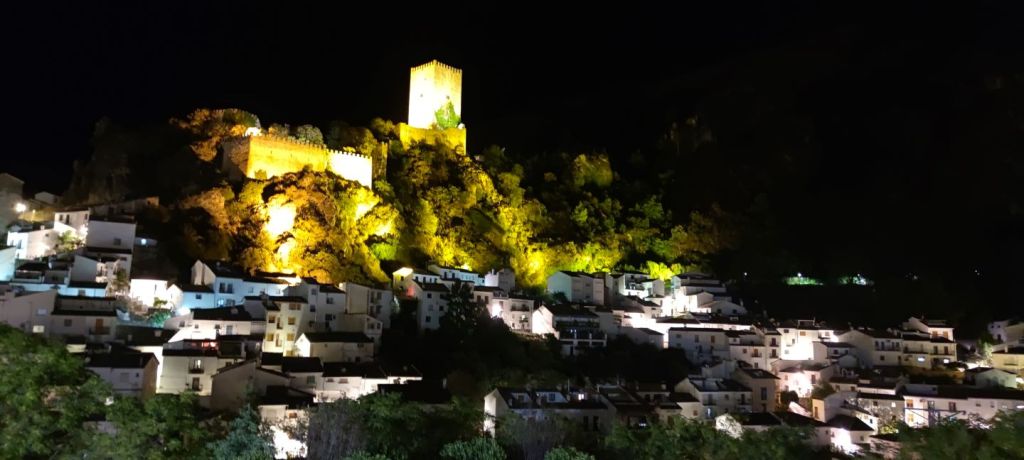
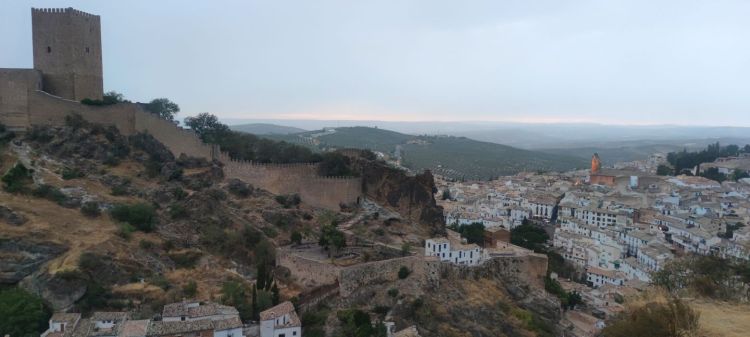
The imposing Yedra Castle, perched on a hill overlooking the town, is one of Cazorla’s most iconic landmarks. Built in the 11th century by the Moors and later renovated by Christians after the Reconquista, the castle offers impressive panoramic views of the natural surroundings. Inside, you’ll find the Museum of Arts and Popular Customs of the Alto Guadalquivir, where you can learn more about traditional life in the area.
RUINS OF SANTA MARÍA CHURCH
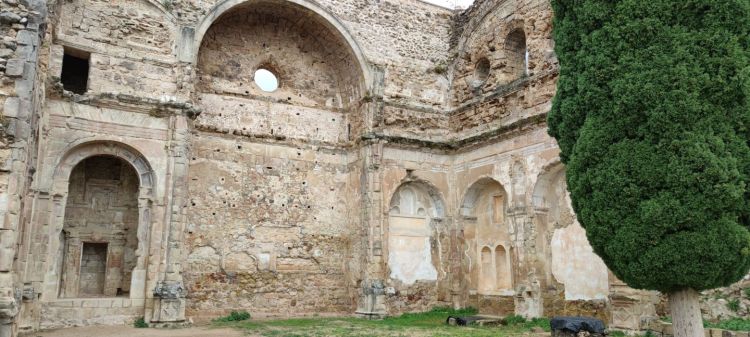
One of Cazorla’s most curious monuments is the ruins of Santa María Church. This Renaissance church, built over the Cerezuelo River in the 16th century, was damaged by several floods, leaving it in ruins. Despite this, it remains a symbol of the town and a magical spot to explore and photograph, especially at sunset when the ancient stones glow in the evening light.
PLAZA DE LA CORREDERA
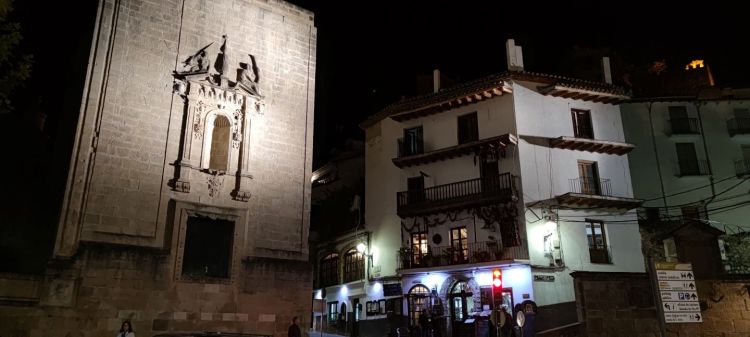
At the heart of the old town, Plaza de la Corredera is the perfect place to relax and soak in the typical atmosphere of an Andalusian village. Surrounded by bars and terraces, the plaza is always lively. Here, you can enjoy the local cuisine, especially dishes made with extra virgin olive oil, Jaén’s liquid gold.
THE CEREZUELO RIVER VAULT
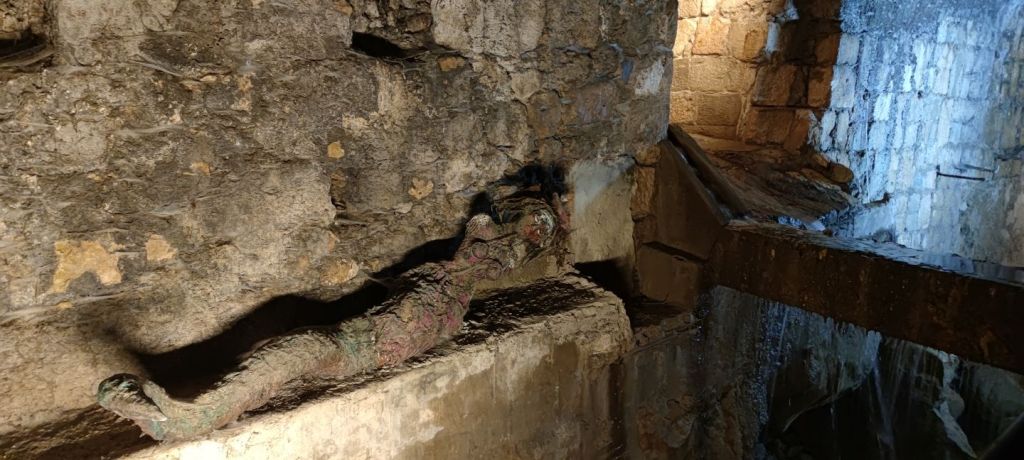
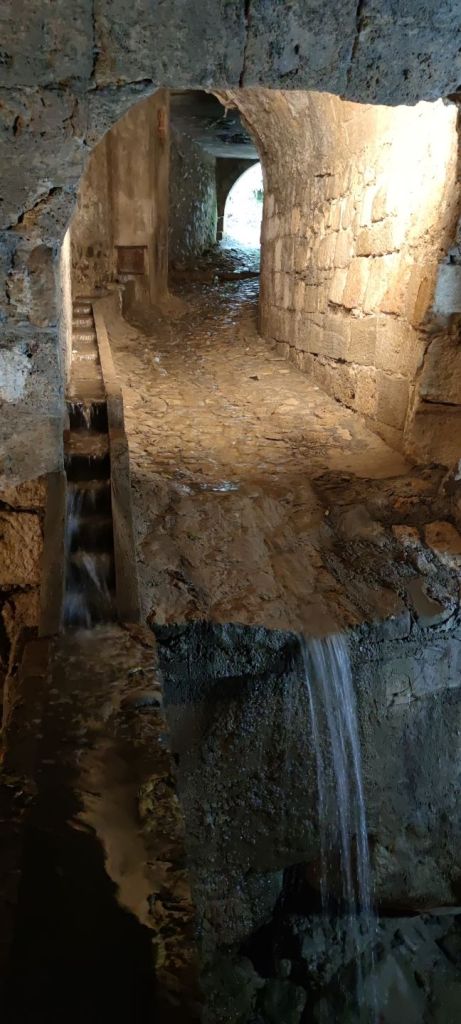
An impressive feat of engineering for its time (16th century), this vault covers the course of the Cerezuelo River and was designed to support the weight of Santa María Church. Today, you can take a guided tour through the underground tunnels and learn about its construction.
ZABALETA BALCONY
This viewpoint, located in one of the highest areas of the town, offers spectacular views of the Sierra and the Guadalquivir Valley. From here, you can admire the endless olive groves stretching to the horizon—a quintessential Jaén landscape, like something out of a postcard.
SIERRAS DE CAZORLA, SEGURA, AND LAS VILLAS NATURAL PARK: A HIKER’S PARADISE
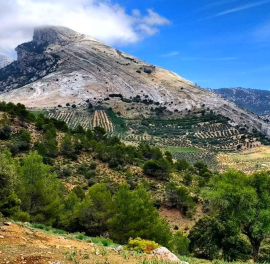
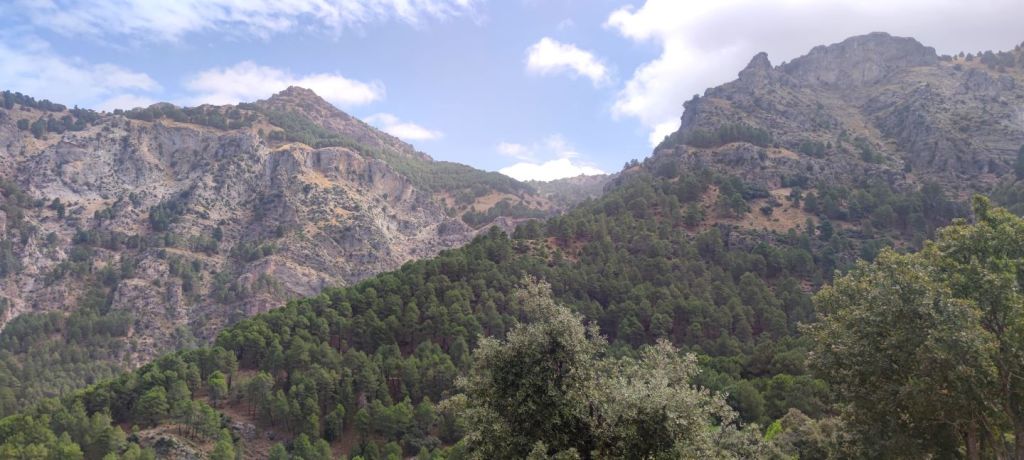
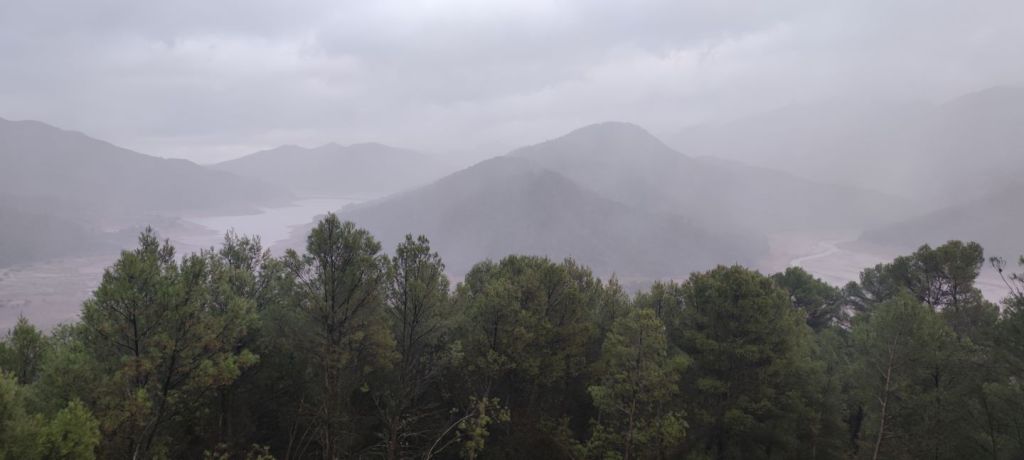
Cazorla’s true treasure lies in its natural surroundings. The Sierras de Cazorla, Segura, and Las Villas Natural Park is Spain’s largest protected area and home to unique biodiversity. Among its mountains, rivers, and forests, hiking enthusiasts will find a paradise of trails for all skill levels.
BOROSA RIVER ROUTE
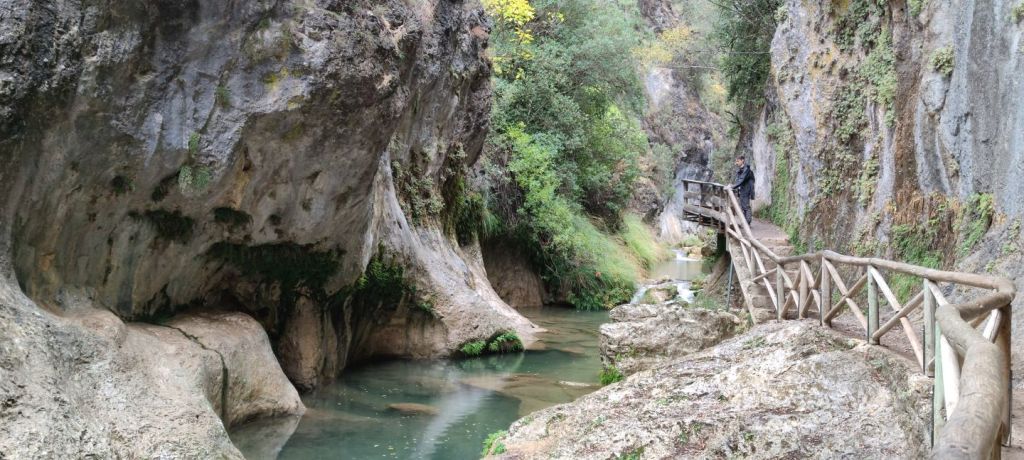
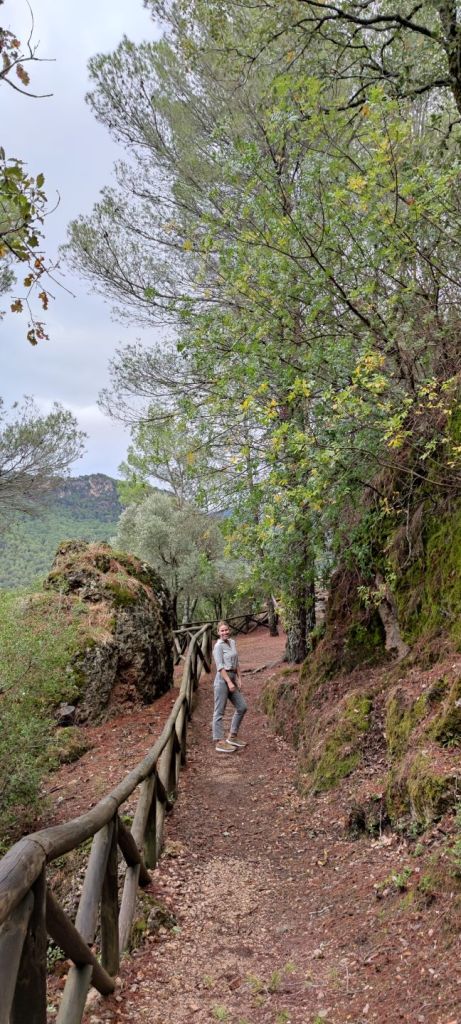
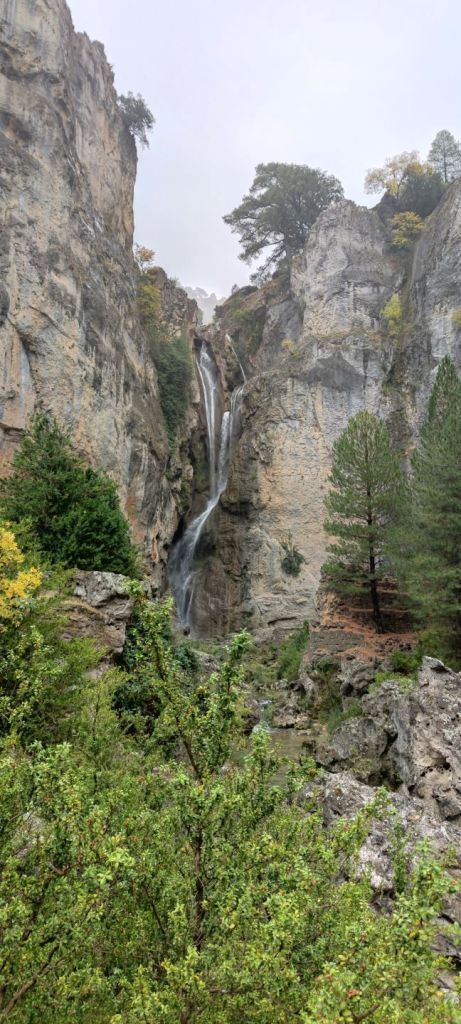
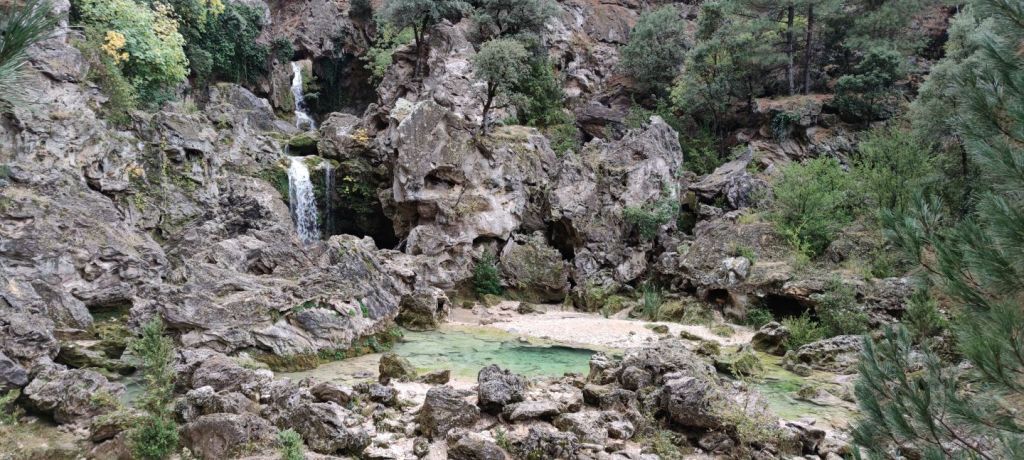
One of the most popular trails in the park is the Borosa River route. This path follows the river through a dreamlike landscape of waterfalls, crystal-clear pools, and lush forests. The trail has varying difficulty levels, making the first sections accessible to everyone, while becoming more challenging as you reach the stunning Elías Gorge. At the end of the route lies the serene Valdeazores Lagoon, a peaceful oasis in the middle of nature.
CERRADA DE UTRERO ROUTE
For a short but spectacular hike, the Cerrada de Utrero is perfect. This circular route takes you through an impressive gorge carved by the Guadalquivir River, offering panoramic views of waterfalls and surrounding mountains. It’s ideal for those with limited time who still want to experience the essence of the park.
CHORRO TRAIL
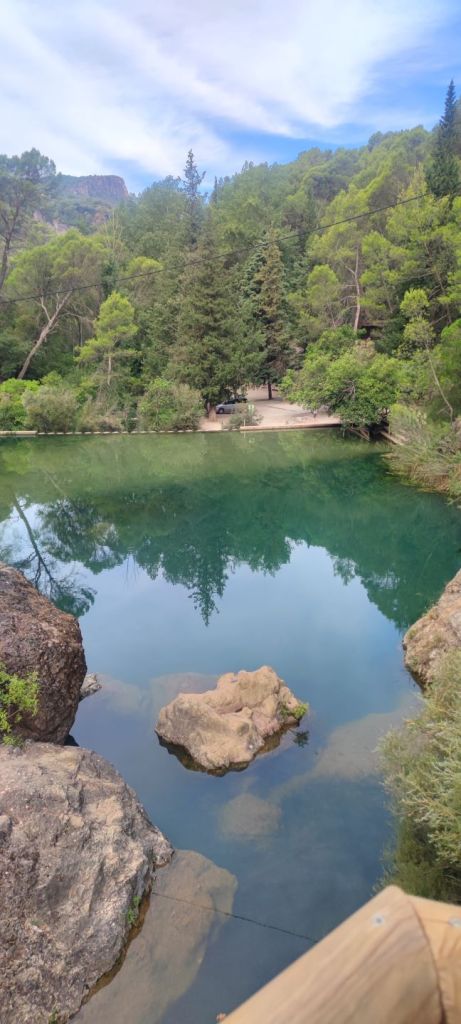
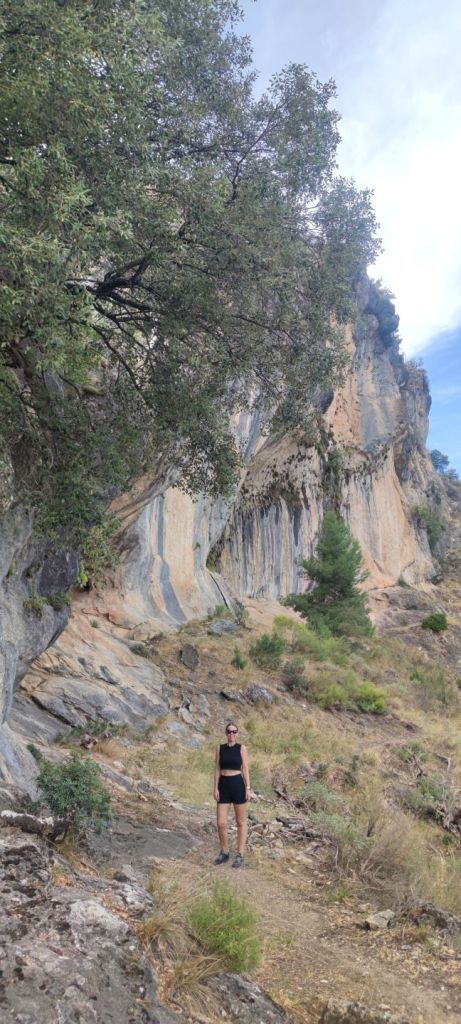
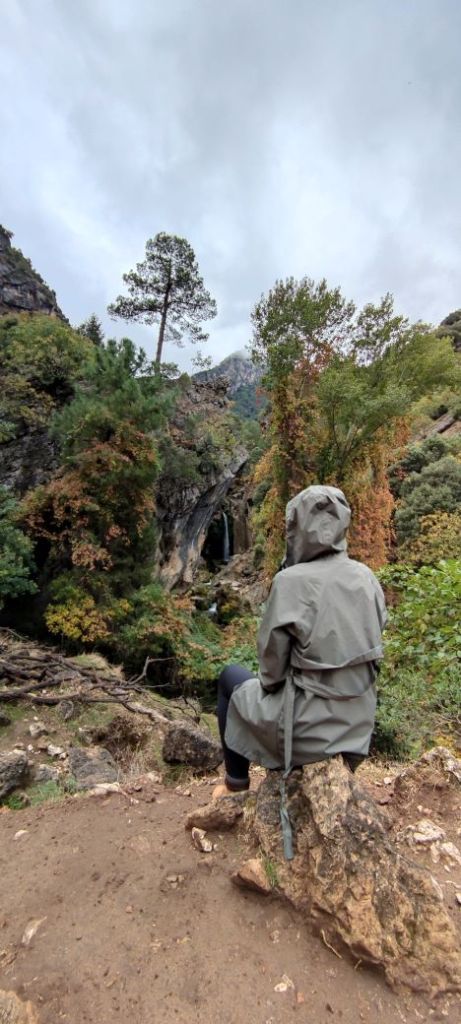
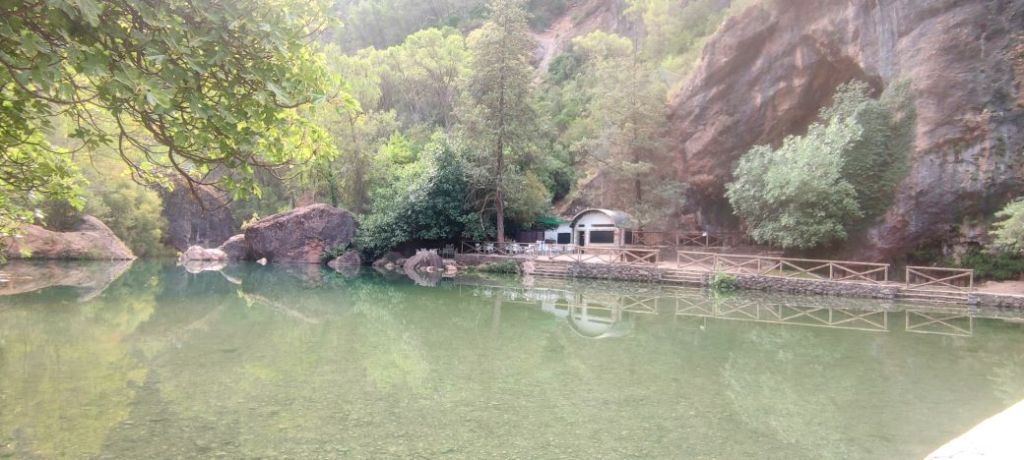
Another standout trail is the Chorro Trail, a moderately difficult hike leading to one of the park’s tallest waterfalls, known as the Chorro. This less-traveled route offers a quieter, more intimate connection with nature. Along the way, you’ll encounter native flora such as Aleppo pines, juniper, and oak.
WILDLIFE AND FLORA OBSERVATION
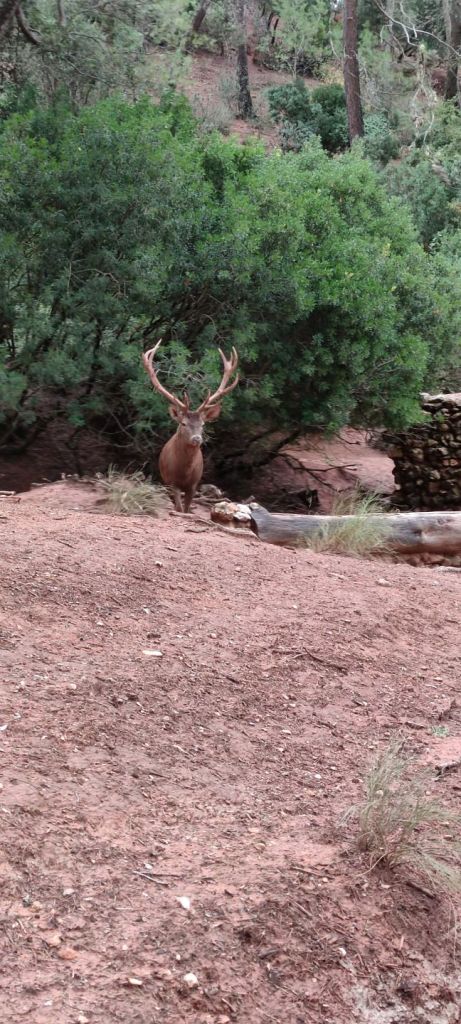
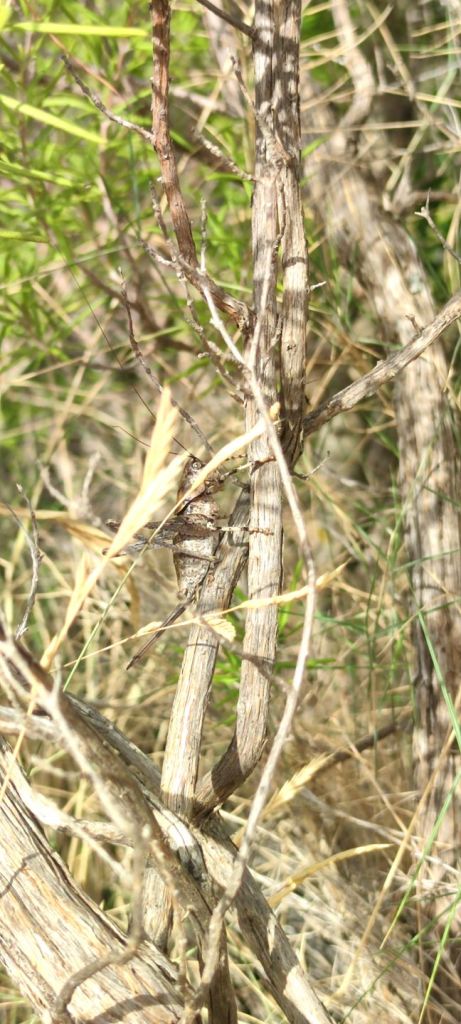
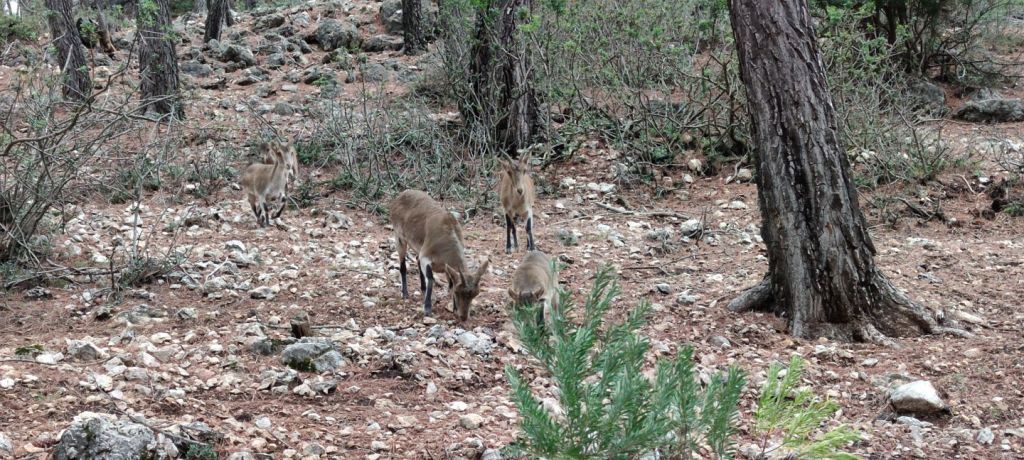
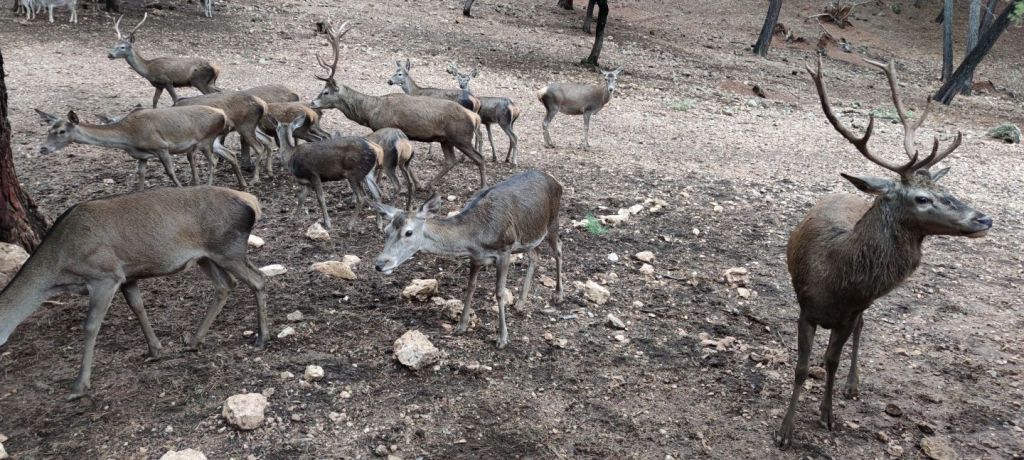
The park is home to a wide variety of animal and plant species, some of which are endangered, like the bearded vulture, which has been reintroduced to the area. While hiking, it’s common to spot deer, mountain goats, wild boars, and a diverse array of birds of prey. If you’re a fan of nature photography, don’t forget your camera, as there are endless opportunities to capture unique moments.
Cazorla is a destination that has it all: history, nature, culture, and adventure. Whether you prefer wandering through its narrow, history-filled streets or hiking trails in search of the wildest fauna, this corner of Andalusia awaits you with open arms.
TIPS:
- In addition to exploring its natural beauty and history, you must experience Cazorla’s rich cuisine, deeply influenced by local products and the rural environment. Here are some culinary tips to make the most of your visit:
- Try the Extra Virgin Olive Oil. Cazorla is surrounded by olive groves, so it’s no surprise that its olive oil is among the best in the region.
- Enjoy Rin-Ran, a simple yet delicious dish made from potatoes, dried peppers, salted cod, and olive oil. It’s served cold and is a perfect option for those seeking something authentic and nutritious.
- Game stews are very popular due to the abundance of wildlife in the area. Try dishes like stewed wild boar or venison in sauce, made with local game and seasoned with regional spices for enhanced flavor. These stews are typically slow-cooked, making the meat tender and flavorful.
- Traditional desserts are the perfect sweet ending. Papajotes (fried dough sprinkled with sugar and cinnamon) or Huevos a la Nieve (beaten egg whites cooked in milk) are delicious, iconic examples of Andalusian pastry.
- For hiking in Cazorla, wear hiking shoes with good grip and layered clothing to adapt to changing weather. Don’t forget a backpack with enough water.
 all about eve`s journeys