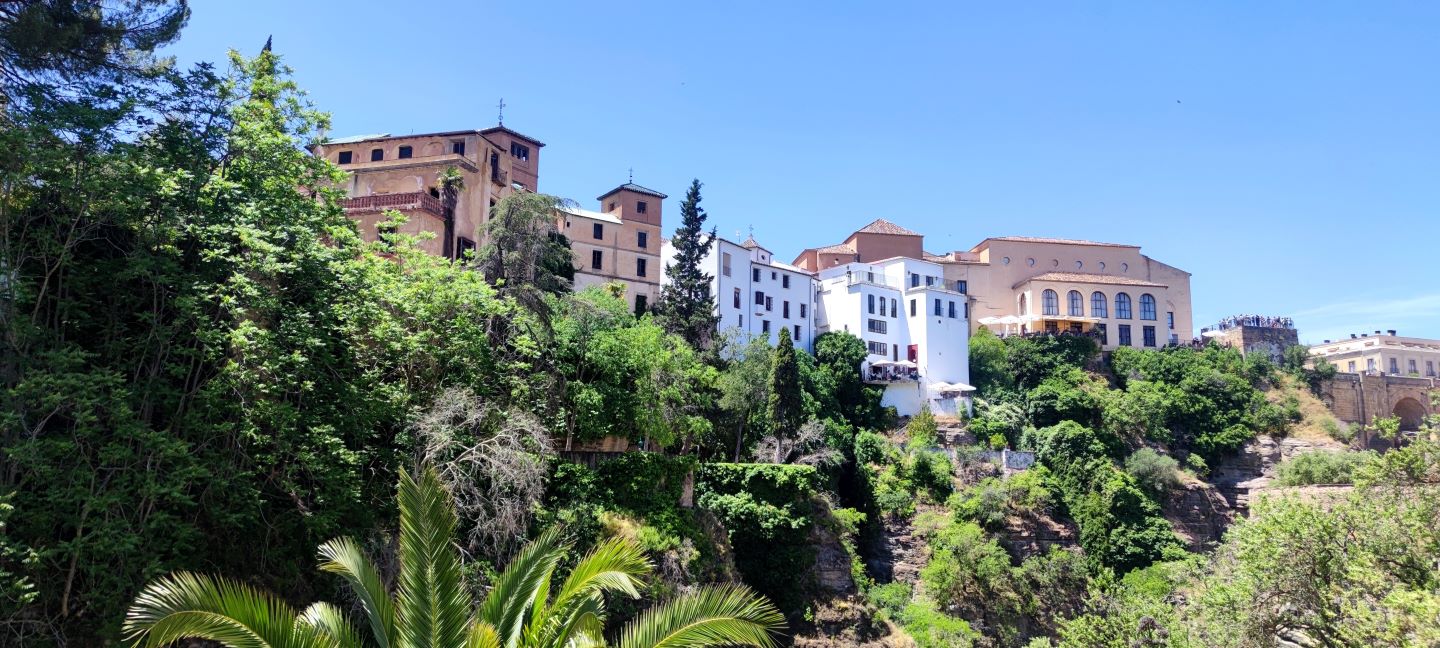
Perched atop a rocky plateau, surrounded by breathtaking mountainous landscapes and deep valleys, lies Ronda, one of the most impressive and charming cities in Andalusia. With a history that spans from the Romans to the Moors, and through to the Catholic Monarchs, Ronda is not only a testament to Spain’s rich cultural heritage, but also a dream destination for those seeking the perfect blend of nature, history, and architecture. In this blog, we will explore the main monuments and points of interest of this Andalusian gem.

ICONIC MONUMENTS
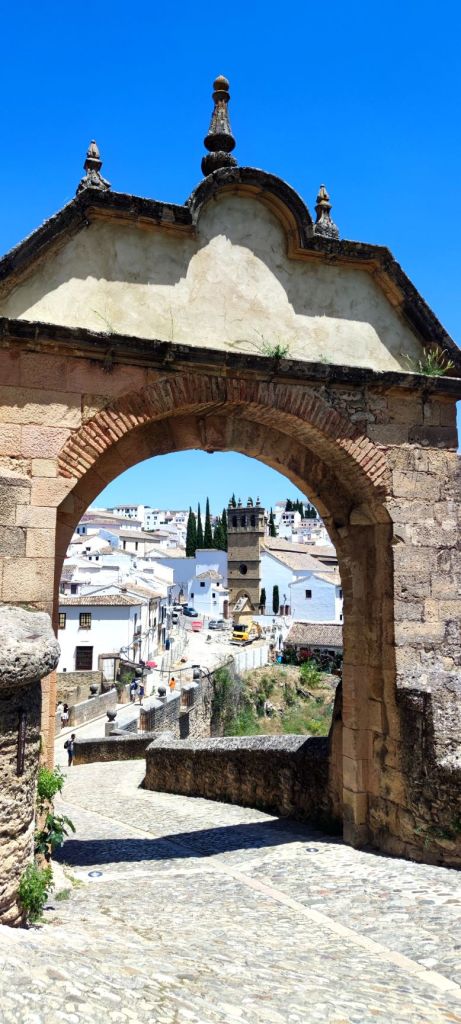
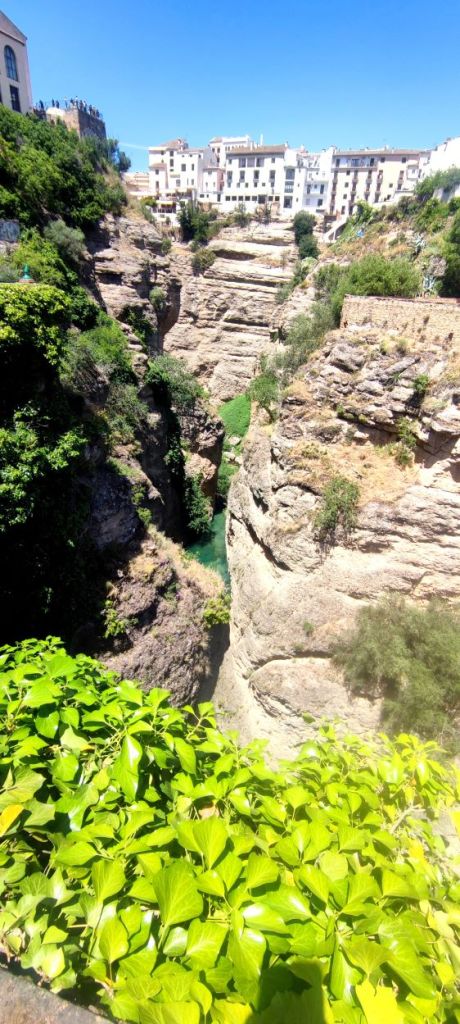

As you stroll through its cobblestone streets, you’ll discover monuments that tell stories of ancient civilizations and deep-rooted traditions. Join us on this journey through Ronda’s most iconic landmarks and get ready to immerse yourself in the magic of this Andalusian treasure.
THE PUENTE NUEVO
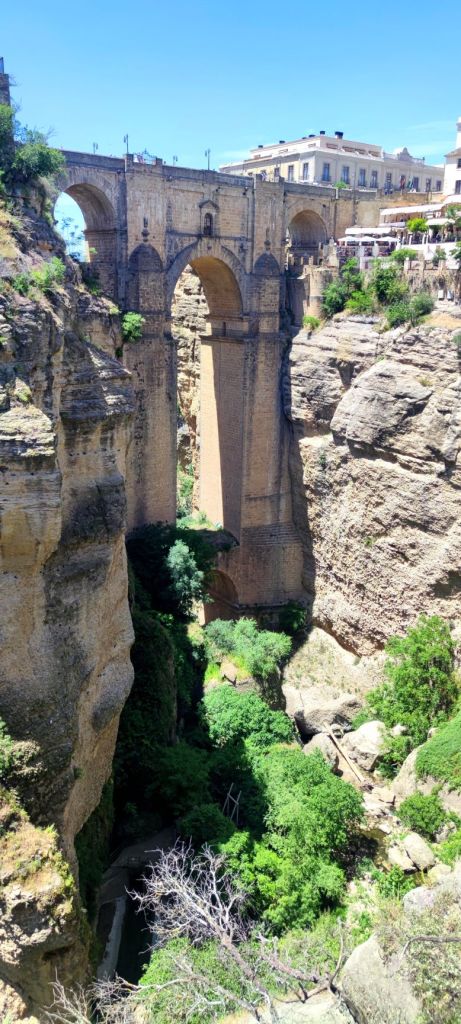
The Puente Nuevo (New Bridge) is undoubtedly the most iconic monument of Ronda and a symbol of the city. Built in the 18th century, this impressive stone bridge connects the two parts of the city, separated by the deep El Tajo gorge, which is over 100 meters deep. From the bridge, the views are simply spectacular: the Guadalevín River winding through the bottom of the gorge and the vast mountain landscape surrounding the city.
For those curious about its history, a visit to the Puente Nuevo Interpretation Center (located inside the bridge) is a must. Here, you can learn about the complex construction process, which took over 40 years, as well as the city’s history.
PLAZA DE TOROS DE RONDA
Another significant landmark in Ronda is its Plaza de Toros, one of the oldest and most prestigious bullrings in Spain. Inaugurated in 1785, this bullring is the birthplace of modern bullfighting and a key reference point in the evolution of this Spanish tradition. Though bullfighting may spark debate, the historical and cultural importance of this place is undeniable.
Inside the bullring, you’ll find the Bullfighting Museum, where visitors can learn more about the history of bullfighting, traditional costumes, and the most important bullfighter dynasties. The building, in neoclassical style, is an 18th-century architectural masterpiece and can hold up to 5,000 spectators.
ARAB BATHS
Ronda also holds traces of its Islamic past. The Arab Baths, located in the San Miguel neighborhood, are a magnificent example of Moorish architecture in the city. Built between the 13th and 14th centuries, these public baths reflect the importance of hygiene customs in the Muslim culture of the time.
The structure is remarkably well-preserved, and visitors can explore the different bathing areas: the cold, warm, and hot rooms, as well as admire the hydraulic system that channeled water from the river. The star-shaped skylights in the vaulted ceilings are particularly beautiful and will transport you back to the era of Al-Andalus.
MONDRAGÓN PALACE
Another must-see in Ronda is the Mondragón Palace. This building, once the residence of Moorish kings and later the Catholic Monarchs, combines Mudejar and Renaissance architectural styles. What makes it even more special are its beautiful inner courtyards with fountains and its gardens with panoramic views of the gorge.
The palace currently houses the Ronda Municipal Museum, where exhibitions on the city’s history are displayed, from prehistoric times to the modern age. This historical spot is ideal for history and archaeology enthusiasts, as it offers a comprehensive view of Ronda’s evolution through the centuries.
ALAMEDA DEL TAJO
For those looking to take a break between monuments, the Alameda del Tajo Park is the perfect place to relax. This expansive park is known for its tree-lined paths shaded by centuries-old trees and its stunning viewpoints, offering unparalleled views of the Serranía de Ronda and the gorge.
It’s an ideal spot for a leisurely stroll, a picnic, or simply enjoying the scenery, especially at sunset when the golden light bathes the city. The Alameda is also a great place for birdwatching and enjoying a moment of tranquility.
THE HOUSE OF THE MOORISH KING AND THE SECRET MINE

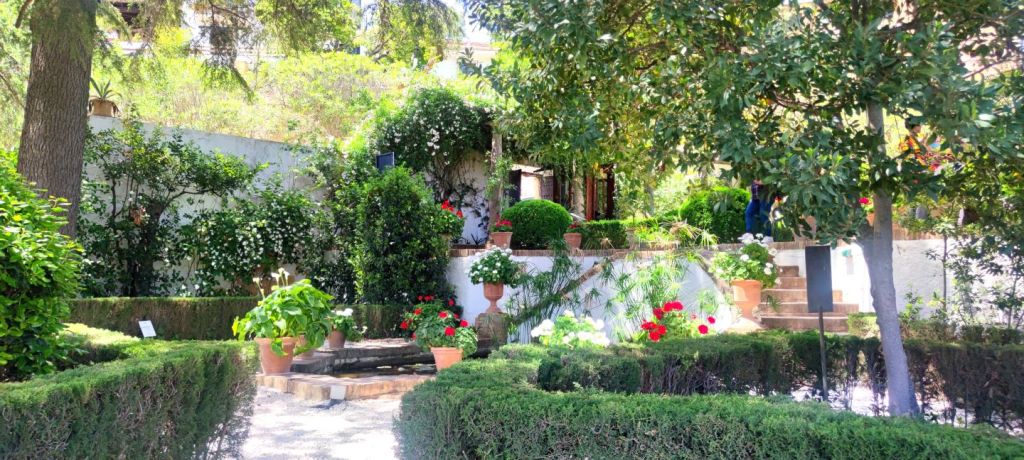
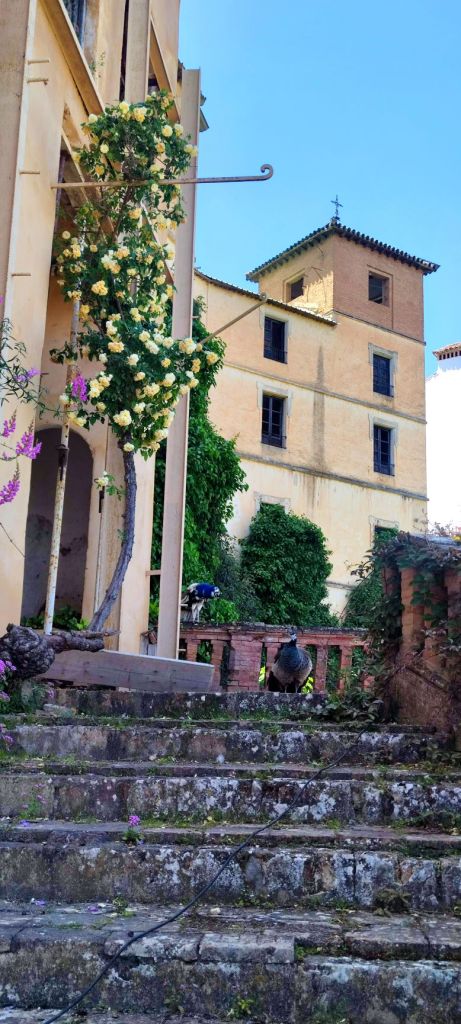
The House of the Moorish King, although it no longer retains much of its original structure, is famous for its Renaissance-style garden, designed by French landscaper Jean Claude Nicolas Forestier, and its secret mine, an impressive piece of defensive engineering that descends to the river. This mine was used during sieges to supply water to the city.
Descending the 300 steps down to the river is an unforgettable experience, although not for those who suffer from claustrophobia. As you descend, you are immersed in the city’s history, and at the bottom, the views of the Guadalevín River are a reward for your effort.
NATURE AND ADVENTURE
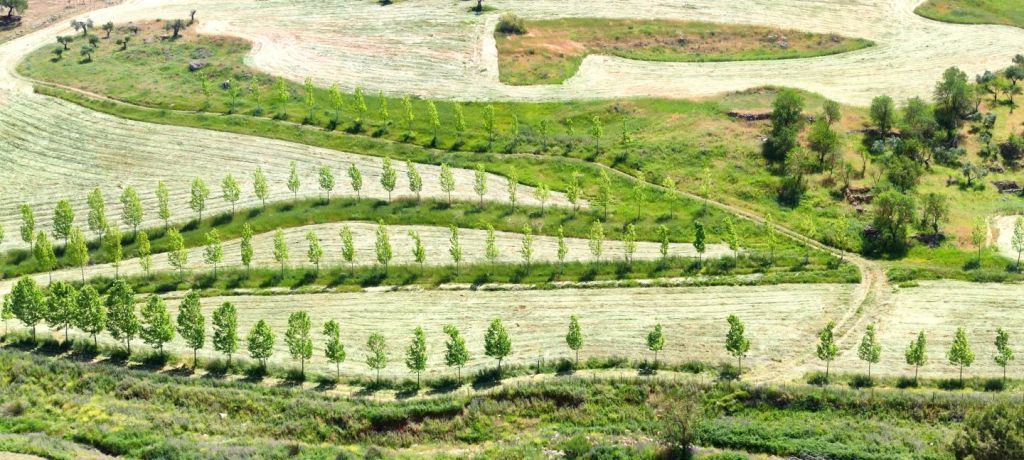
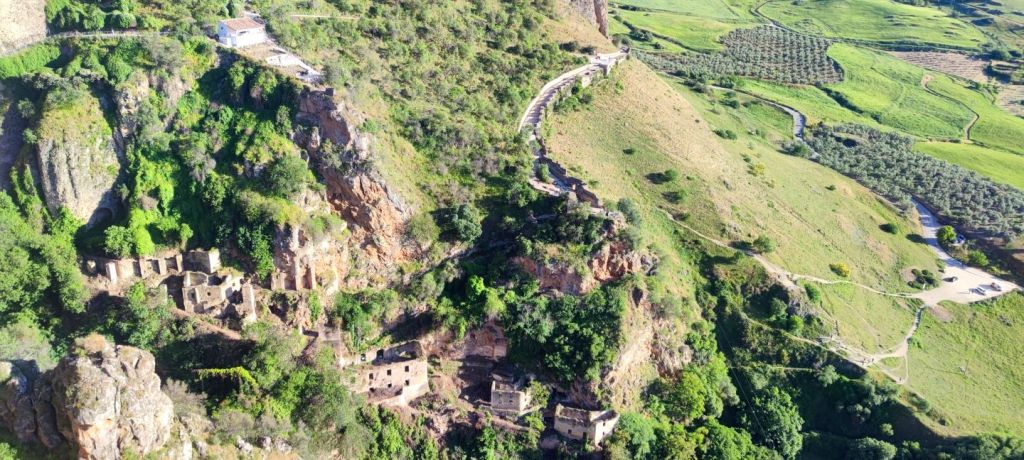
HIKING AROUND RONDA: NATURE AND ADVENTURE
Ronda not only captivates with its history and monuments, but also with its stunning natural surroundings. The Serranía de Ronda is a paradise for hiking enthusiasts, offering trails that showcase the natural beauty of the area, with mountains, forests, and deep valleys.
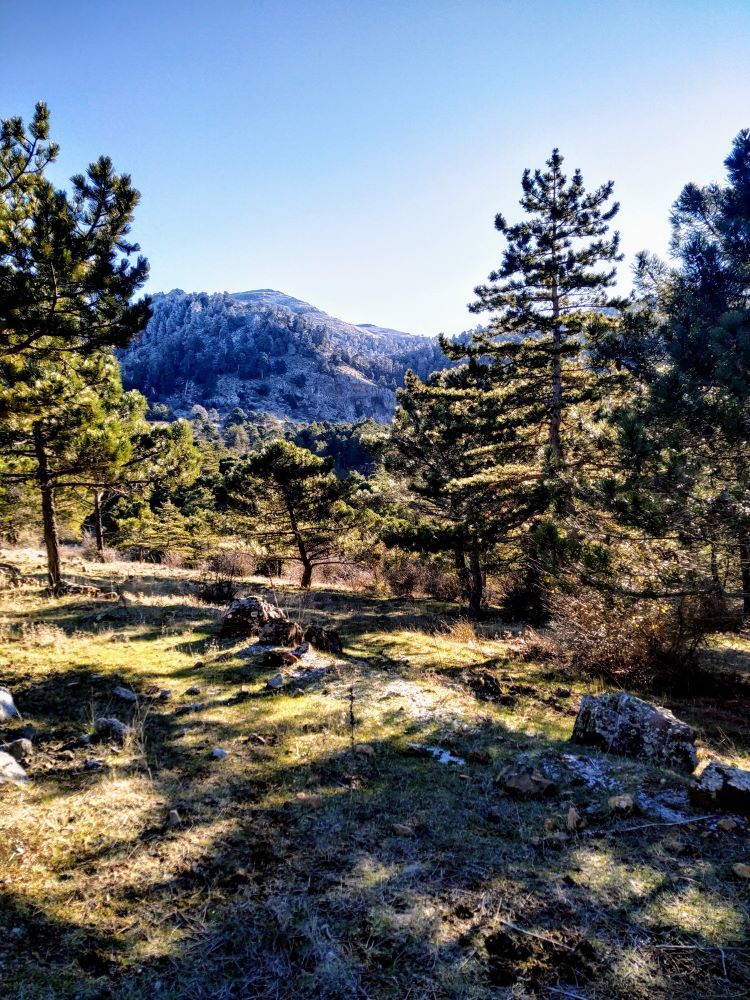
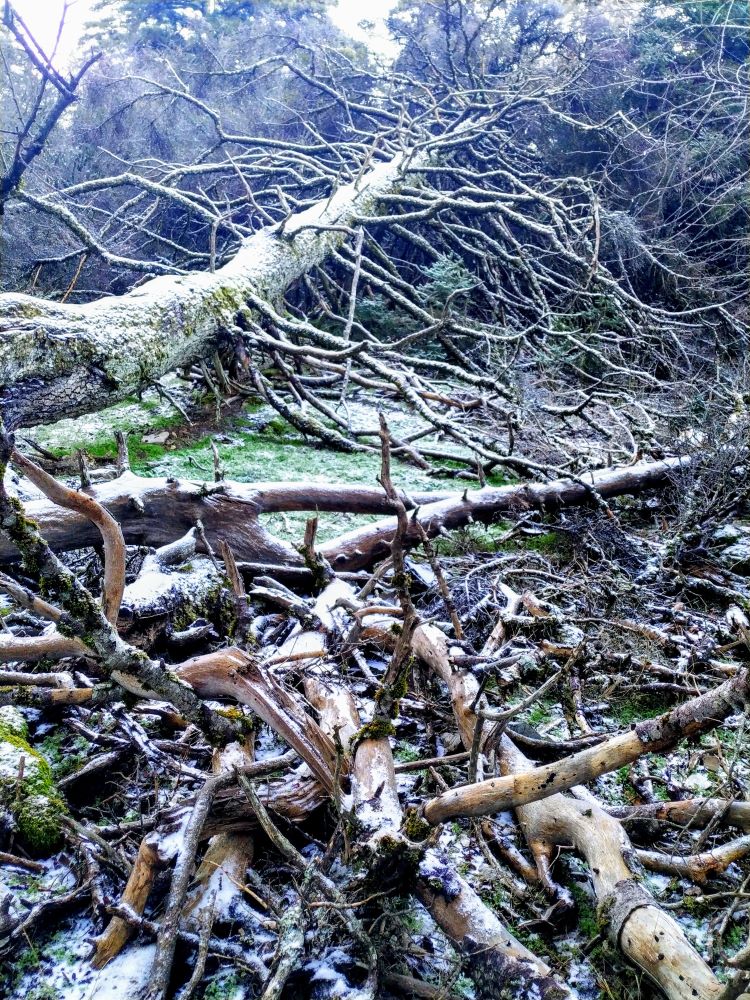
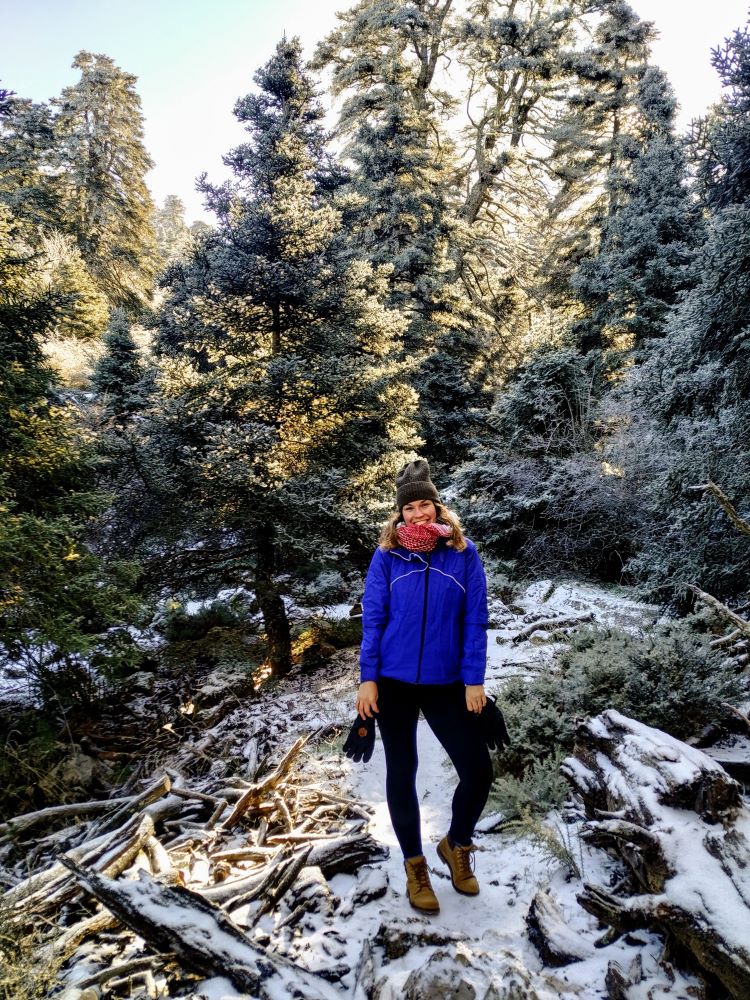
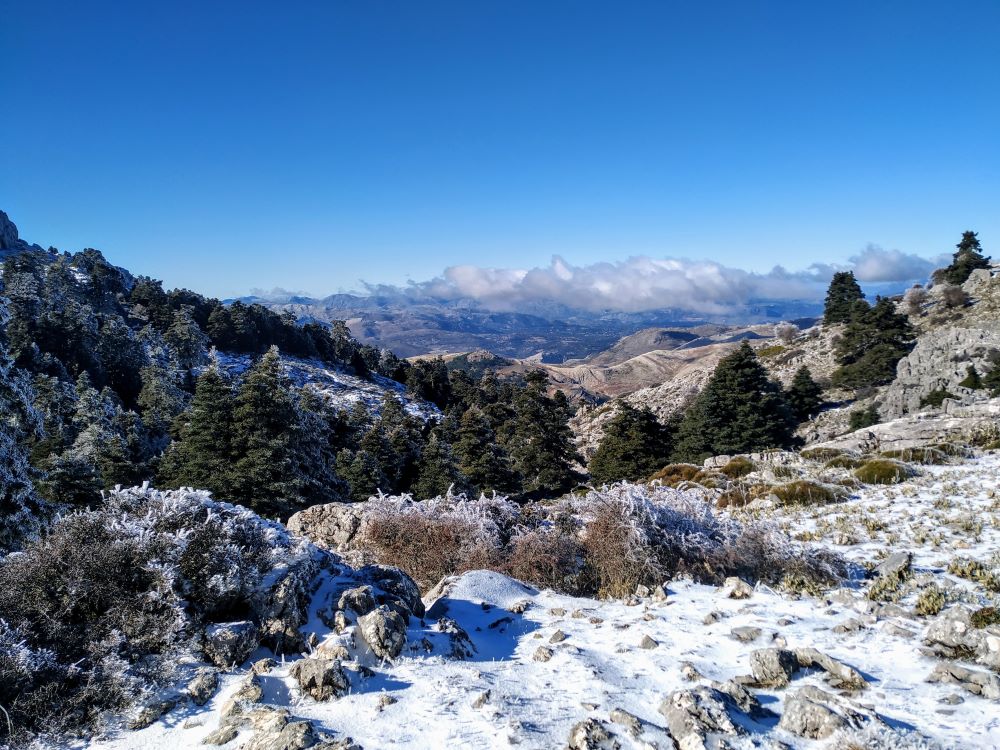
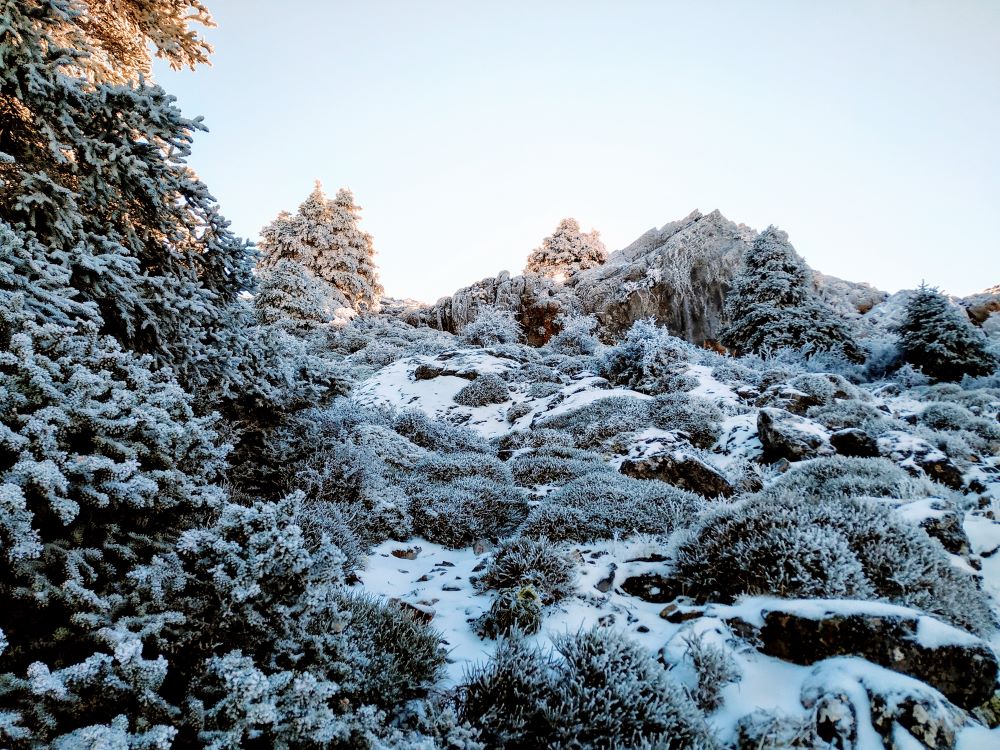
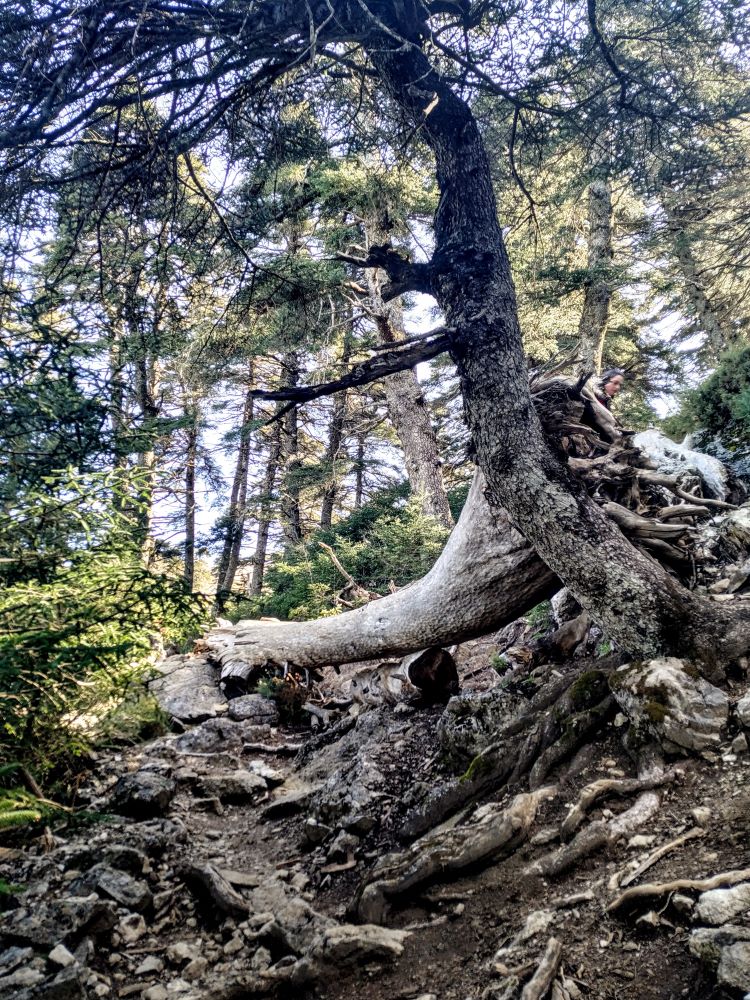
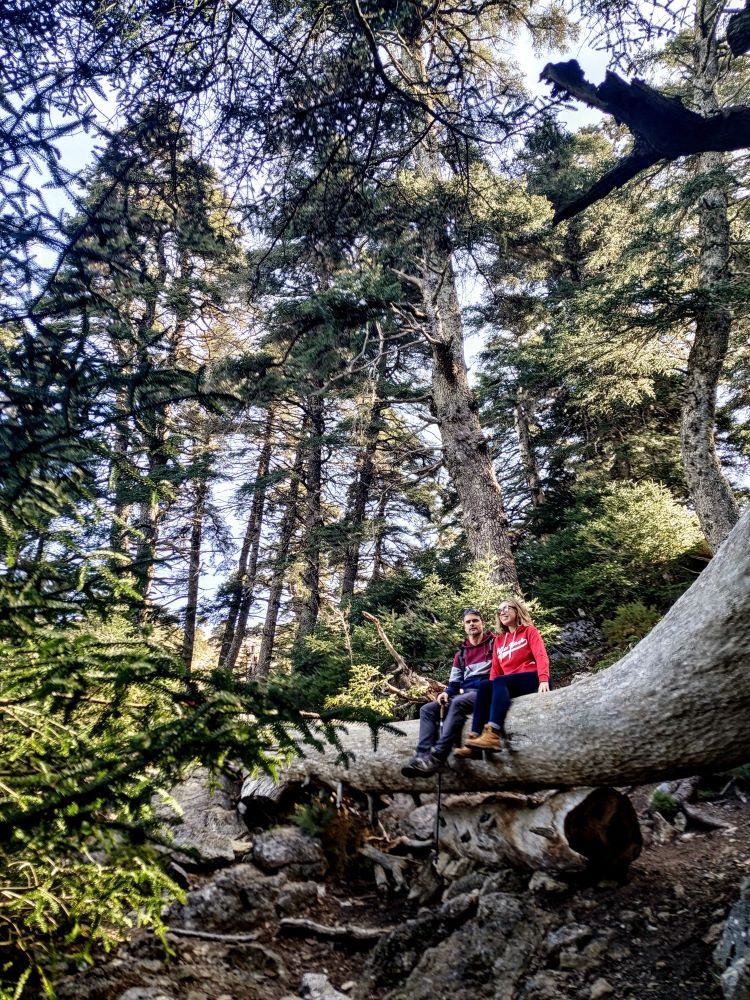
One of the most popular trails is the Ruta del Tajo de Ronda, which allows you to admire the famous gorge from different perspectives as you descend along the Guadalevín River. Other noteworthy routes include a hike to the Sierra de las Nieves Natural Park, a protected area where you can see native species such as the pinsapo, and the Ruta de los Molinos, which takes you past old watermills once used to grind wheat.
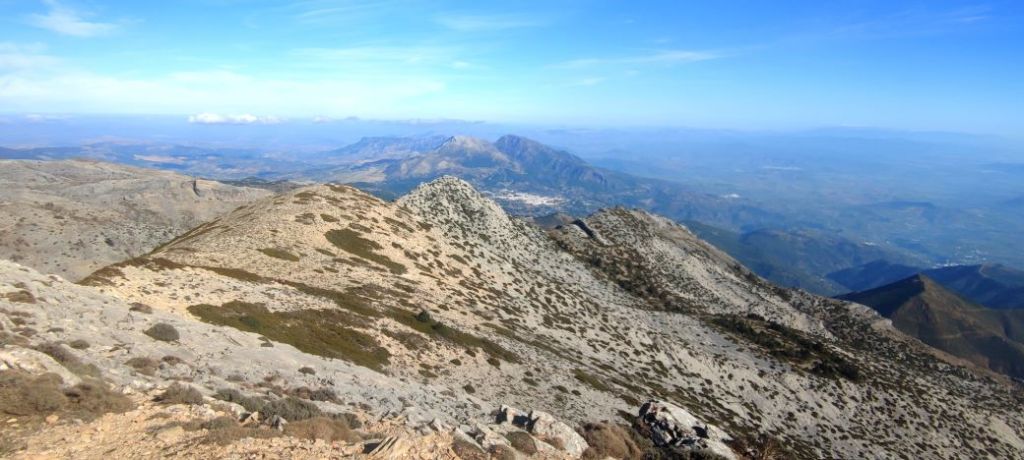
THE 101-KILOMETER LEGION CHALLENGE
While Ronda is famous for its historical heritage, it is also the epicenter of one of Spain’s most demanding sports challenges: the Legion Race, also known as the “101 kilometers of Ronda”. Organized by the Spanish Legion, this race takes place every spring and attracts thousands of participants from all over the world.

This challenge is more than just a race; it’s a personal test of endurance. Competitors have a 24-hour limit to complete the 101 kilometers through the mountainous terrain of the Serranía de Ronda, either by running, marching, or cycling. The route passes through spectacular natural landscapes, crossing nearby towns like Arriate, Montejaque, and Benaoján, and offering breathtaking panoramic views along the way.
TIPS:
To make the most of your visit to Ronda, here are three tips that will enhance your experience:
- Ronda’s cuisine is a true delight for the senses. One of the most traditional dishes is rabo de toro (oxtail), a slow-cooked dish in a rich, flavorful sauce. To accompany it, don’t miss out on Ronda wine, produced in local wineries that are gaining recognition for their excellent reds and whites. Visiting a winery like Bodegas Descalzos Viejos or Bodega García Hidalgo for a wine tasting is a must!
- If you visit Ronda in early September, don’t miss the Pedro Romero Fair, one of the city’s most important celebrations. This event combines bullfighting traditions with popular festivities, honoring the legendary Ronda bullfighter Pedro Romero. The fair includes parades, flamenco music, performances, and traditional dances that reflect the Andalusian cultural spirit.
 all about eve`s journeys