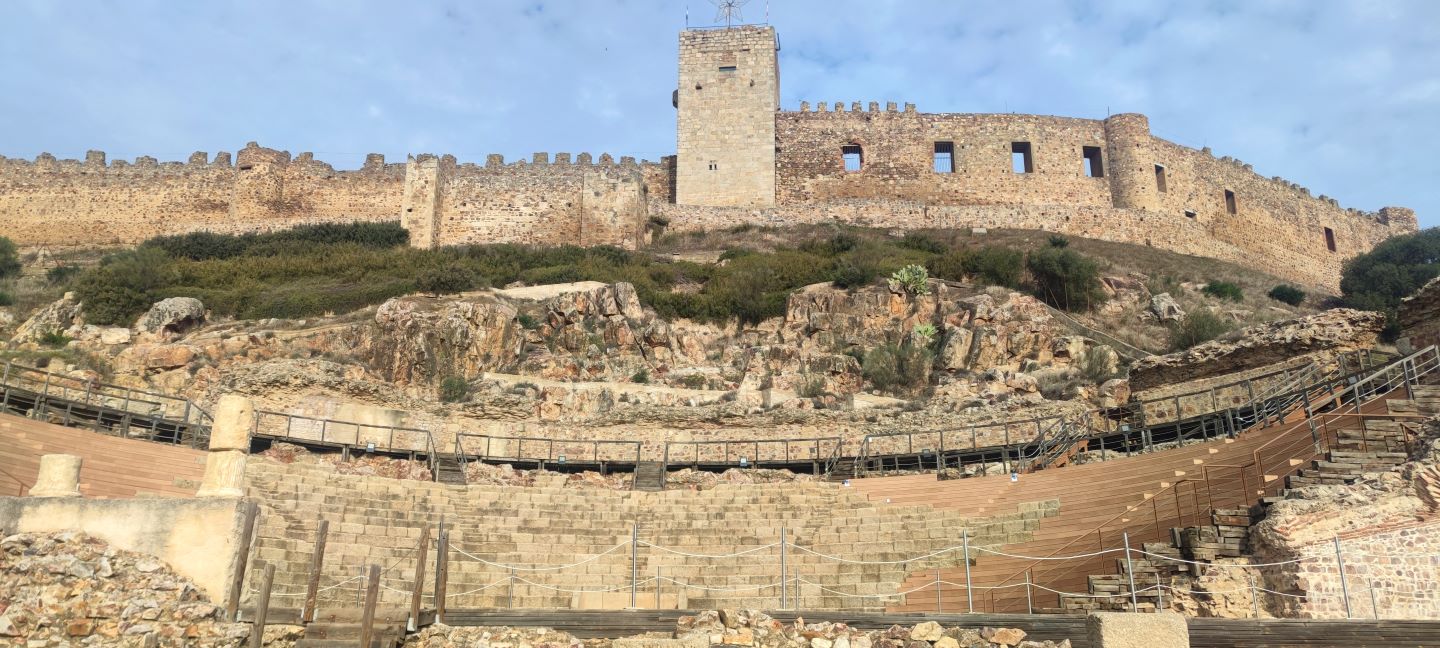
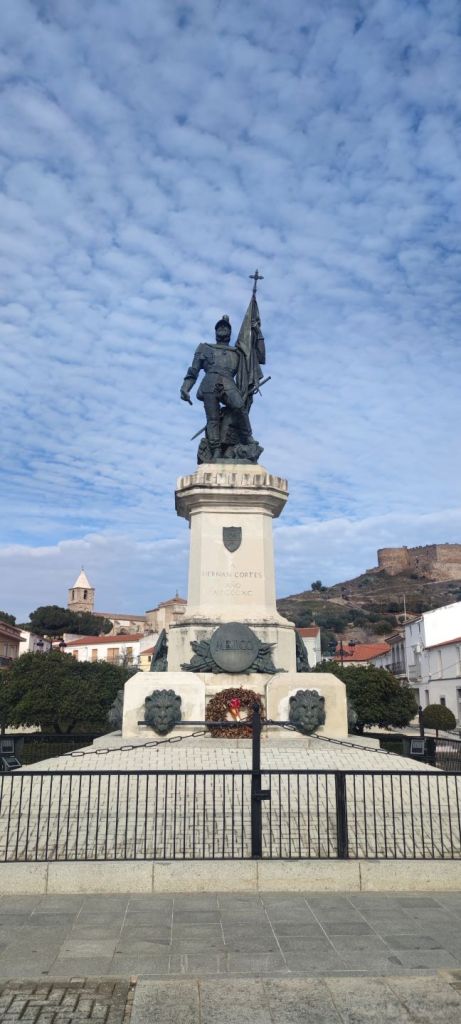
In the heart of the province of Badajoz, Extremadura, lies the picturesque town of Medellín, a place brimming with history and architectural beauty. This small municipality, located on the banks of the Guadiana River, has witnessed the passage of numerous civilizations, from the Romans to the Middle Ages, and is renowned, among other things, for being the birthplace of Hernán Cortés, the famous conqueror of Mexico.
MUST-VISIT SITES
Medellín offers a fascinating journey through history with its most emblematic landmarks.
THE ROMAN THEATER OF MEDELLÍN: A JEWEL OF ANTIQUITY
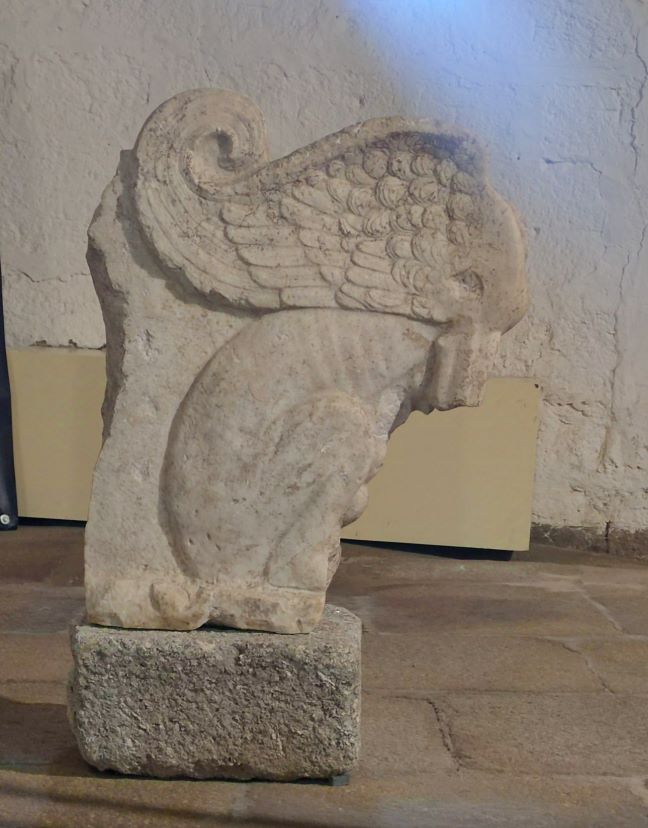
One of Medellín’s main attractions is its Roman theater, an impressive relic of the past dating back to the 1st century AD. This monument, buried for centuries, was recently unearthed and restored, becoming one of the best-preserved Roman theaters in Spain.
Built into a natural hillside, the theater can accommodate around 3,000 spectators and offers breathtaking views of the surrounding landscape, with the Guadiana River on the horizon. During the summer months, this venue comes to life with theatrical performances and cultural events, allowing visitors to experience the magic of this place just as the Romans did nearly 2,000 years ago.
THE ALCAZABA: A MEDIEVAL FORTRESS WITH PANORAMIC VIEWS
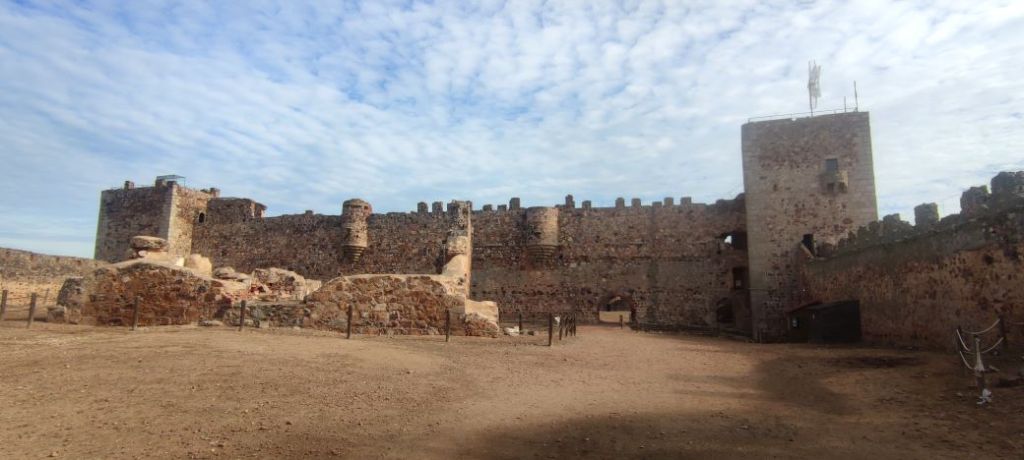
Atop a hill overlooking the town, Medellín’s medieval Alcazaba stands as a symbol of the region’s military and strategic history. Built during the Muslim rule in the 9th century and later reinforced by Christians after the Reconquista, this fortress is notable for its robustness and strategic location.
From its walls, visitors can enjoy stunning panoramic views of the Guadiana Valley and the fertile lands surrounding the town. Although much of the Alcazaba is in ruins, its main structure and several towers have been restored, showcasing its importance as a defensive stronghold throughout the centuries.
THE CHURCH OF SANTIAGO AND THE BAPTISM OF HERNÁN CORTÉS
Another iconic site in Medellín is the Church of Santiago, a Gothic-Mudejar temple built between the 14th and 15th centuries. This building is not only an example of the religious architecture of its time but also holds immense historical value: it is here that Hernán Cortés was baptized in 1485.
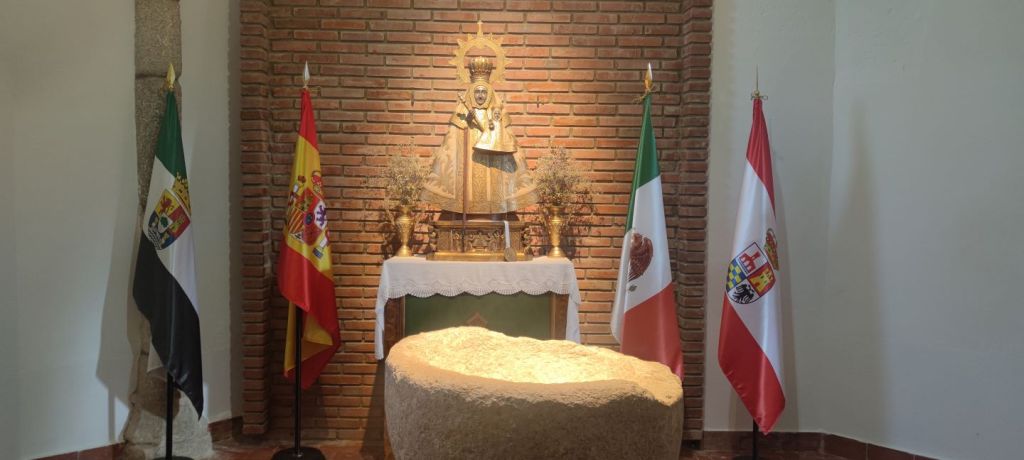
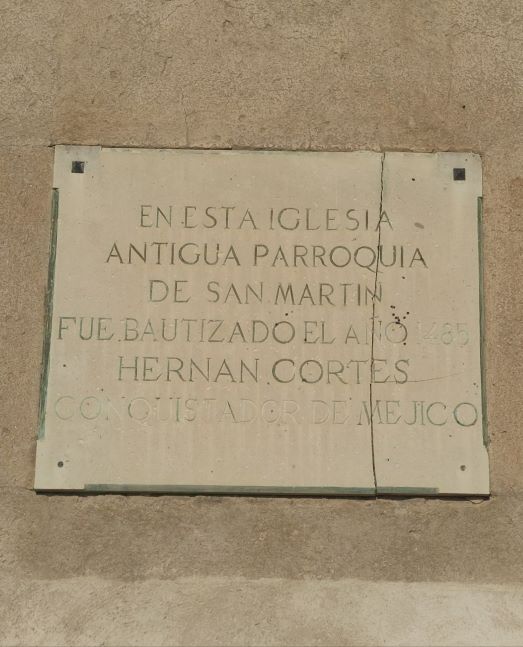
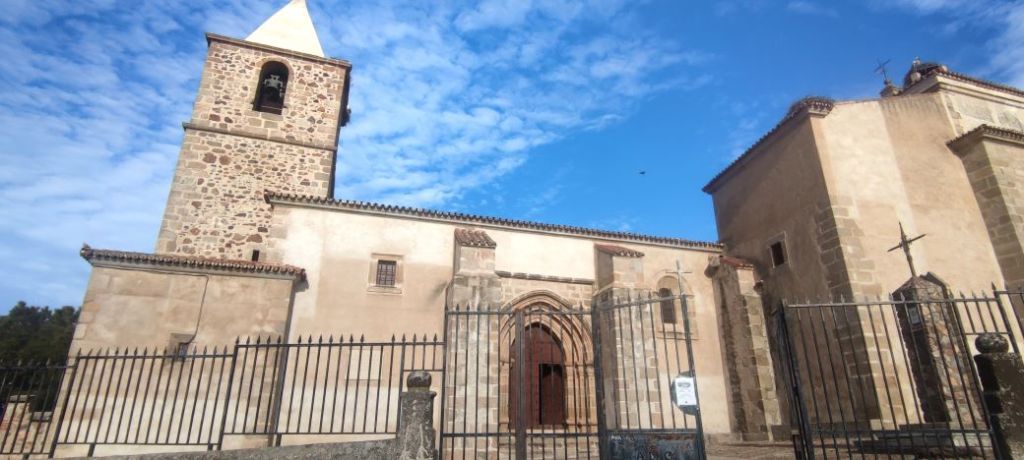
Inside the church, visitors can admire a stone baptismal font, considered one of the temple’s most significant elements, along with several altarpieces reflecting the artistic wealth of the era. The figure of Cortés, although controversial, attracts numerous visitors eager to learn more about the origins of this historical figure.
OTHER ATTRACTIONS AND LOCAL CHARM
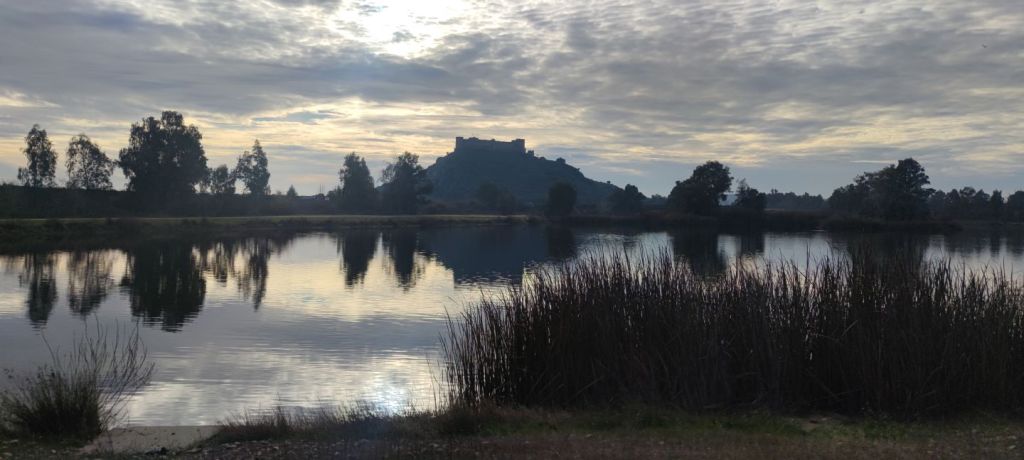
The natural surroundings of Medellín are a true paradise for nature lovers and outdoor enthusiasts. Situated in the fertile Guadiana Valley, the landscape combines cultivated fields, gentle hills, and natural areas offering a wide variety of options for exploring and enjoying the outdoors.
The areas around the town feature numerous hiking and cycling trails that allow visitors to discover the region’s beauty at a leisurely pace. Among the most popular routes are those winding along the Guadiana River, offering stunning views of its tree-lined banks and a unique opportunity to observe waterfowl and other local wildlife.
Routes crossing the surrounding hills, such as those around the Alcazaba hill, are perfect for those seeking a moderate challenge and panoramic views of kilometers of cultivated fields and distant mountains. Many of these trails are family-friendly, making them an excellent way to connect with nature while appreciating the area’s historical legacy.
MAGACELA: A NEARBY CHARM FULL OF HISTORY
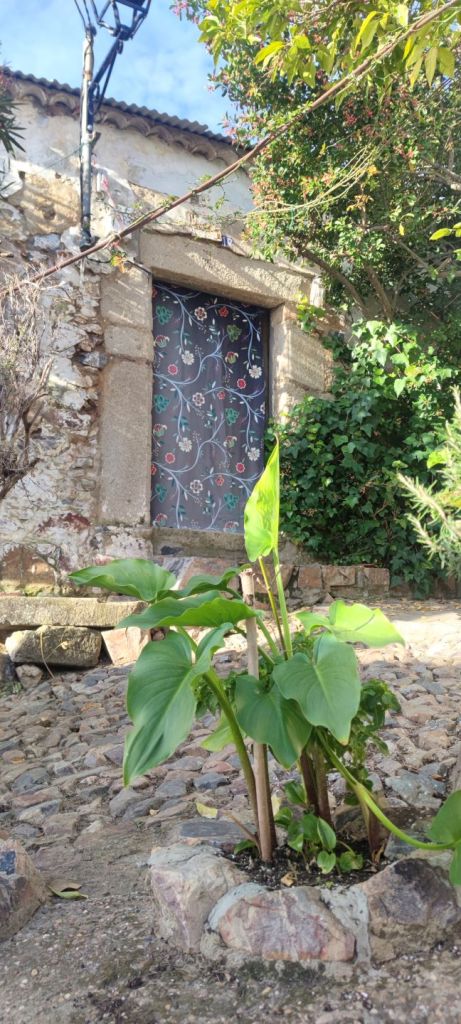
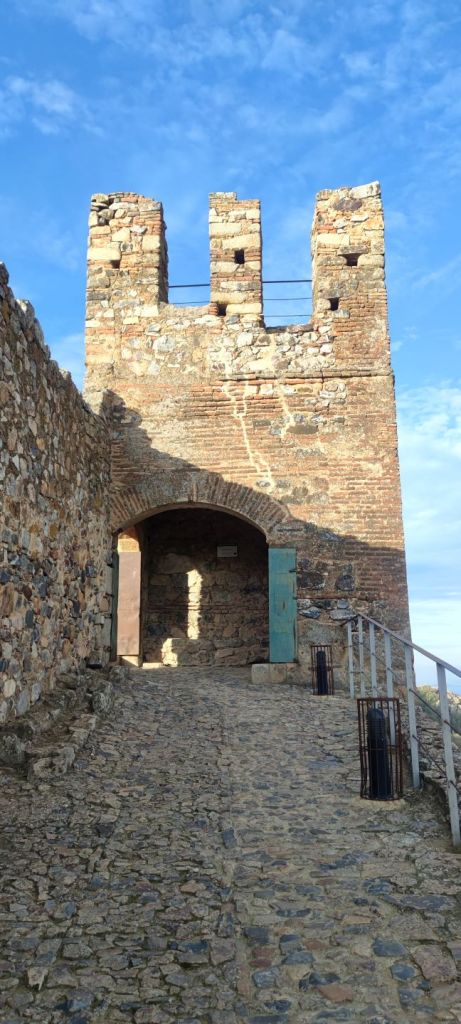
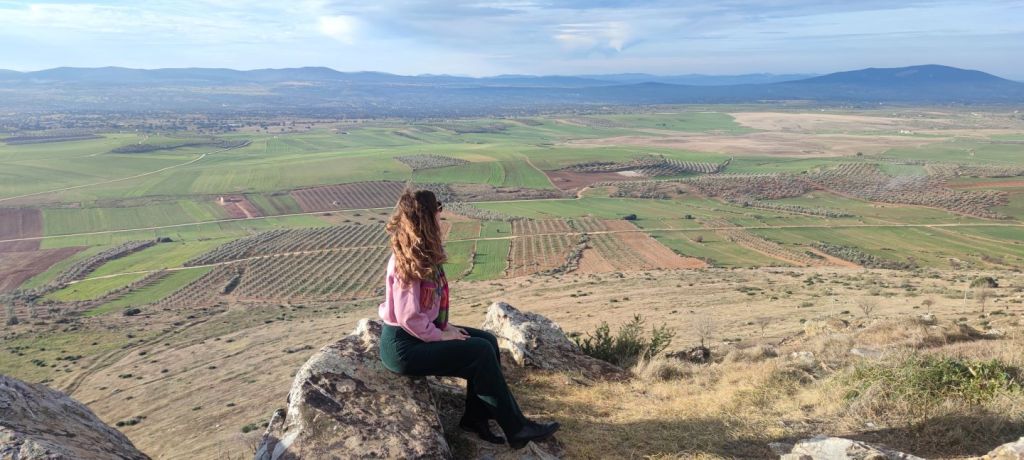
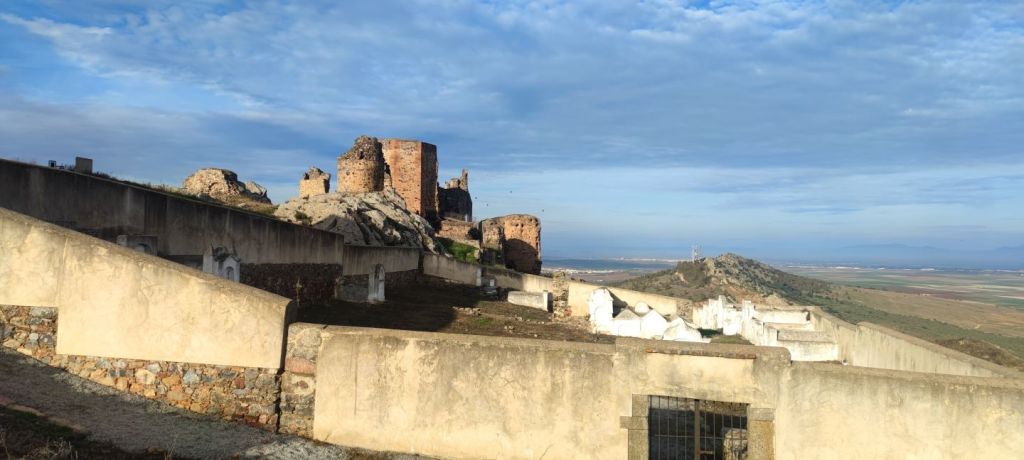
Just a few kilometers from Medellín lies Magacela, a small village that perfectly complements a visit to this region of Extremadura. Magacela is renowned for its impressive castle, perched atop a hill and overlooking the surrounding landscape. Originally built by the Arabs and later reinforced during the Christian era, the castle offers spectacular views of the area and is a perfect spot for photography enthusiasts.
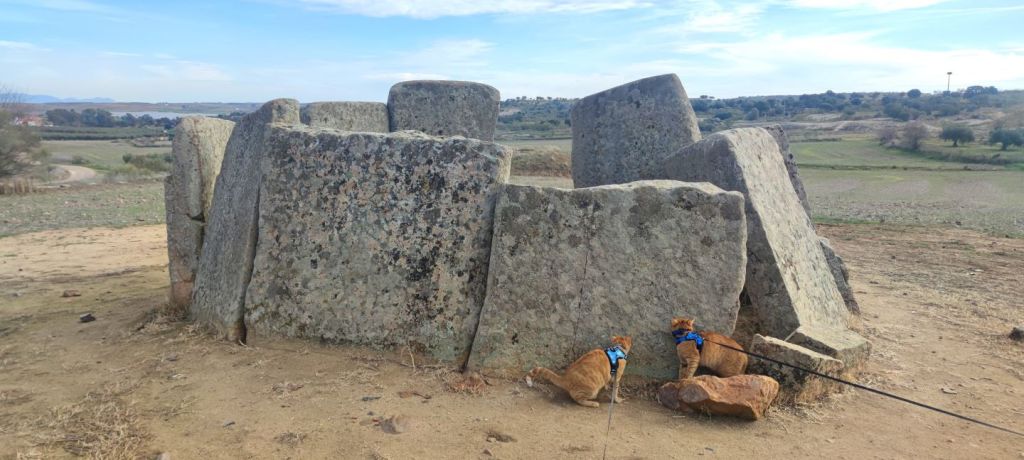
However, Magacela is not only known for its fortress; it is also famous for its prehistoric remains, such as the rock paintings found nearby. These relics, declared a Site of Cultural Interest, are evidence of human presence in the region since ancient times. Walking through the cobblestone streets of this peaceful village feels like traveling back in time, while enjoying its traditional architecture and the warm atmosphere of its people.
TIPS:
- Try the grilled lamb and Iberian pork, raised in the region’s dehesas.
- Don’t miss the artisanal cheeses, made from sheep or goat milk, which are another must-try delicacy.
- Enjoy traditional migas extremeñas, made with bread, garlic, paprika, and accompanied by chorizo or pancetta, a dish visitors should not miss.
 all about eve`s journeys