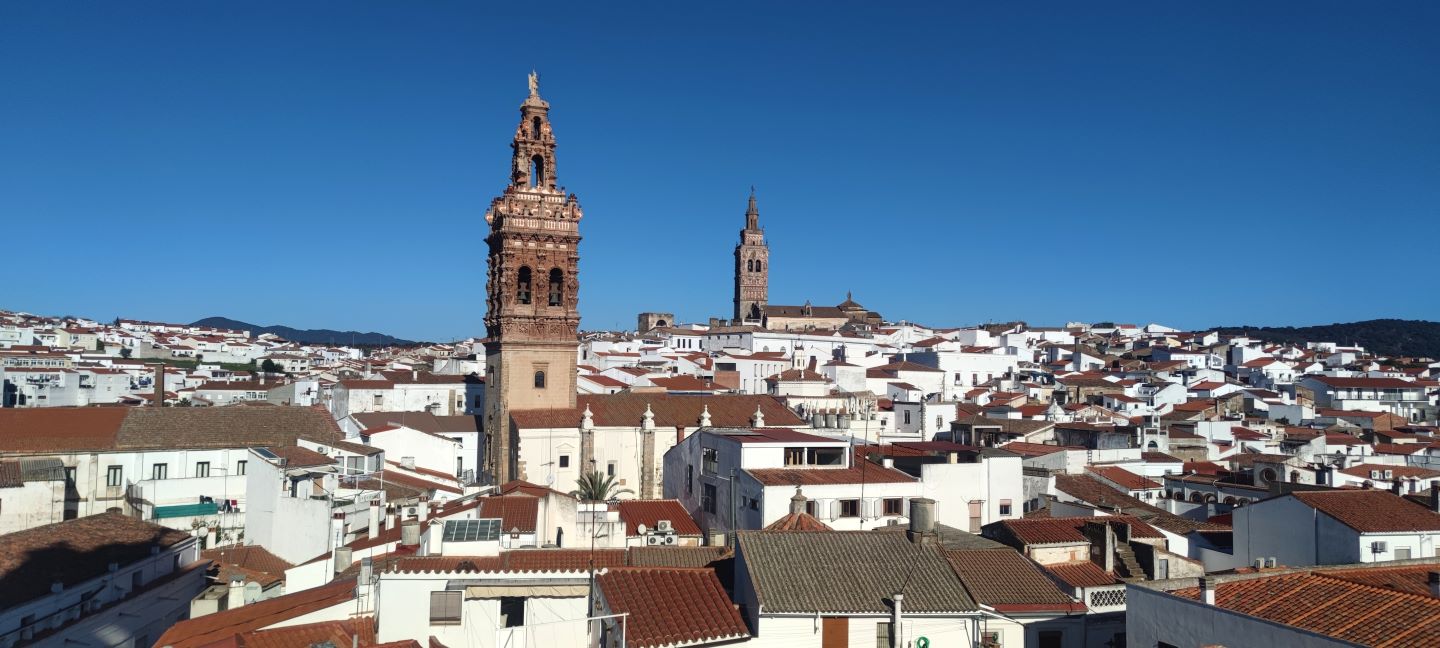
Jerez de los Caballeros, located in the province of Badajoz, Extremadura, is a charming town with a rich history and architectural heritage that reflects its strategic and cultural importance over the centuries. Known as the “city of the five towers,” this place offers a fascinating journey through its cobblestone streets, historic monuments, and unique culinary traditions.
HISTORY AND MONUMENTS OF JEREZ DE LOS CABALLEROS
Jerez de los Caballeros traces its origins back to Roman times, though it gained significant prominence during the Reconquista. In 1230, the Knights Templar took control of the town, turning it into one of their key strongholds in the region. Later, after the dissolution of the order, it came under the control of the Order of Santiago, marking a period of cultural and architectural flourishing.
THE CASTLE AND TEMPLAR WALLS
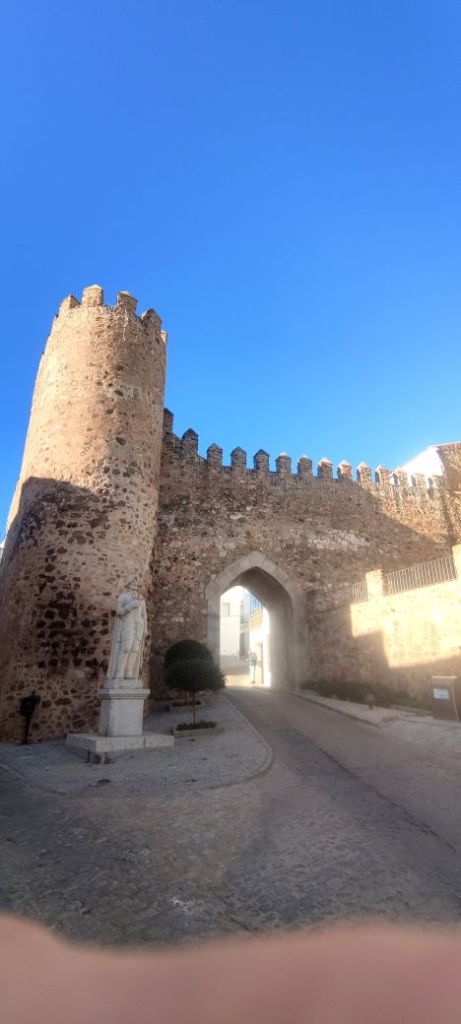
The castle of Jerez de los Caballeros, built on an ancient Roman fortress, is one of the town’s most iconic symbols. Although much of its original structure lies in ruins, you can still admire the imposing walls and defensive towers that protected the town during the 13th and 14th centuries. The walls include several gates, such as the Puerta de Burgos, which retains its medieval character.
SAN BARTOLOMÉ CHURCH
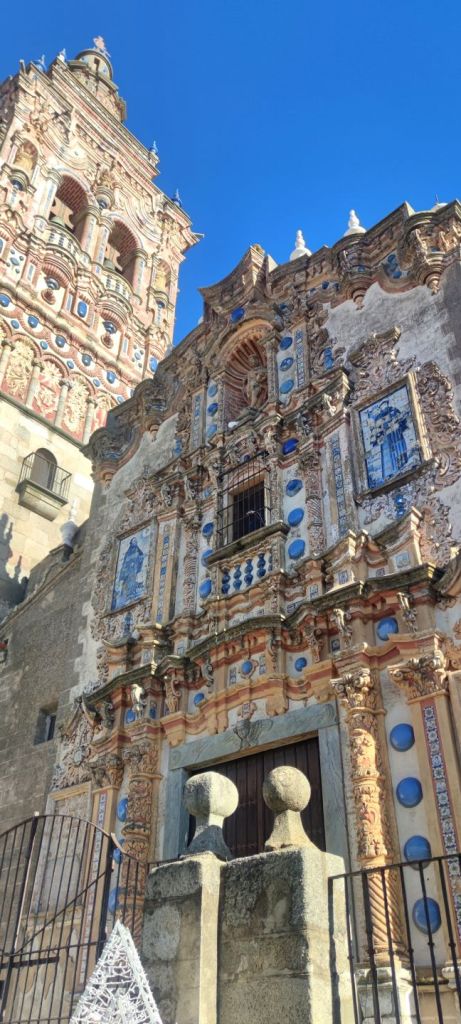
This church is perhaps the most emblematic monument in Jerez de los Caballeros. Its Baroque tower, richly decorated with tiles and sculptures, dominates the town’s skyline. Inside, the church houses impressive altarpieces and religious sculptures dating back to the 16th and 17th centuries.
SANTA MARÍA DE LA ENCARNACIÓN CHURCH
With its blend of Gothic and Renaissance styles, this church exemplifies the architectural evolution of the town. Its austere exterior contrasts with the ornamental richness of its interior, where coffered ceilings and a grand altarpiece stand out.
CONVENT OF GRACIA
Founded in the 16th century, this convent preserves an atmosphere of serenity and devotion. Its cloister, with simple and elegant lines, invites contemplation and rest.
TORRE DE LA ESPADAÑA
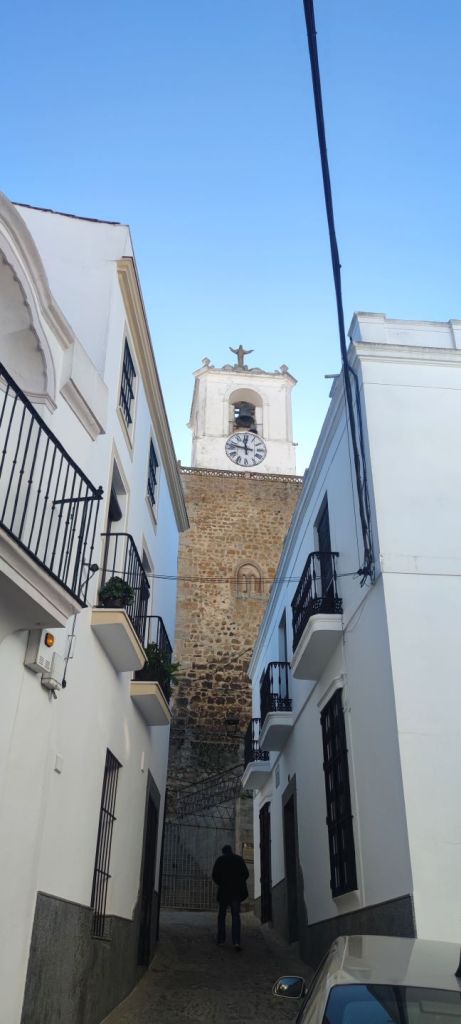
Another of Jerez’s famous five towers is the Torre de la Espadaña, part of Santa Catalina Church. Its unique structure and the panoramic views it offers make it an essential stop for visitors.
GASTRONOMIC TRADITION: THE “BOLLO TURCO”
One of Jerez de los Caballeros’ greatest treasures is its culinary heritage, and among the most renowned sweets is the bollo turco. This dessert, typical of local festivities, has an origin that blends Christian traditions with Arab influences, a legacy of the Muslim presence in the Iberian Peninsula.
Despite its name, the bollo turco has no direct connection to Turkey. Oral tradition suggests that its name derives from the Muslim influence in the region, as many traditional Extremadura desserts are made using techniques and recipes dating back to that historical period. The bollo turco is made with simple ingredients such as flour, eggs, sugar, lard, and a touch of cinnamon, giving it its characteristic flavor and spongy texture.
HIKING AROUND JEREZ DE LOS CABALLEROS
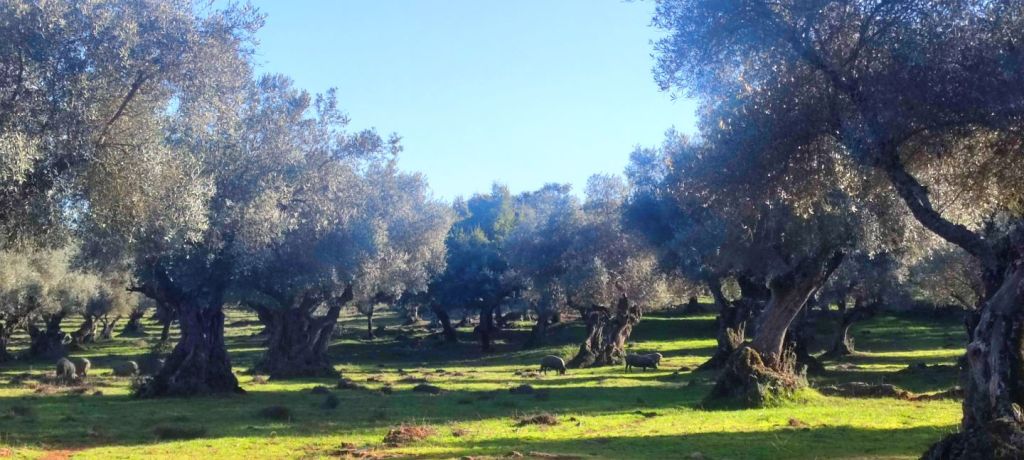
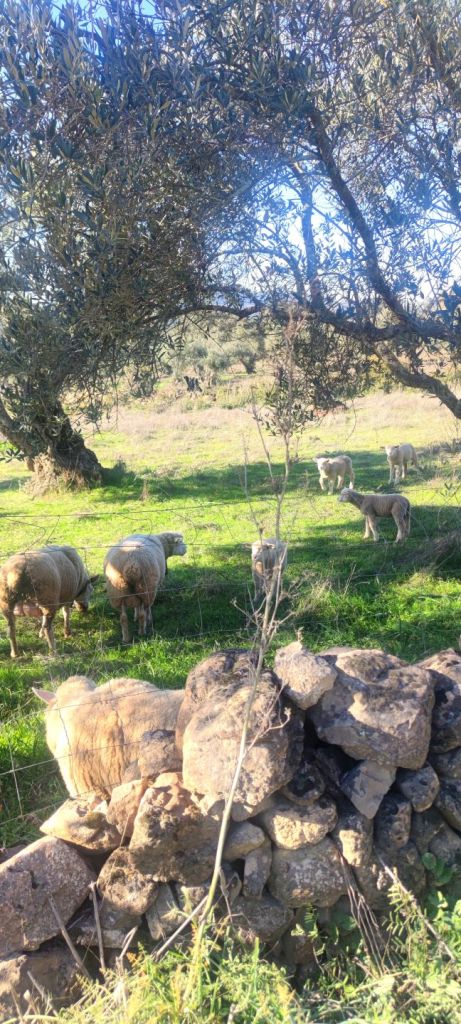
The surroundings of Jerez de los Caballeros provide an ideal natural setting for hiking enthusiasts, with trails that combine stunning landscapes with opportunities to explore the historical and cultural richness of the region. Among meadows dotted with holm oaks and cork trees, ancient paths lead to natural viewpoints offering panoramic views of the town and the Ardila River. One of the most popular routes connects the historic center with traditional water mills, which bear witness to the area’s agricultural past. These trails are perfect for enjoying the tranquility of the environment while discovering traces of history and Extremadura’s biodiversity.
TIPS:
- Explore the Cobblestone Streets: Strolling through Jerez’s old town lets you discover charming corners filled with history, including small squares and fountains.
- Enjoy Local Cuisine: In addition to the bollo turco, try other local products such as acorn-fed Iberian ham, one of the finest in Extremadura.
- Visit During Holy Week: Declared a National Tourist Interest Festival, it’s a unique opportunity to experience the town’s devotion and traditions.
 all about eve`s journeys