Located in the north of the province of Córdoba, in the heart of the Los Pedroches region, Pozoblanco is a town that has preserved its rural essence while embracing progress. Founded in the 14th century by shepherds who fled from Pedroche to escape the plague, its name derives from an old well with a white rim (pozo blanco) that marked the site of the original settlement. Over the centuries, Pozoblanco has witnessed significant social, economic, and cultural transformations, becoming the unofficial capital of northern Córdoba and one of the most dynamic rural municipalities in Andalusia.
MAIN MONUMENTS: WITNESSES OF A CITY WITH SOUL
Pozoblanco offers visitors an architectural journey that combines centuries-old churches, valuable civic buildings, and urban spaces rich in symbolism. Below are the town’s most significant monuments:
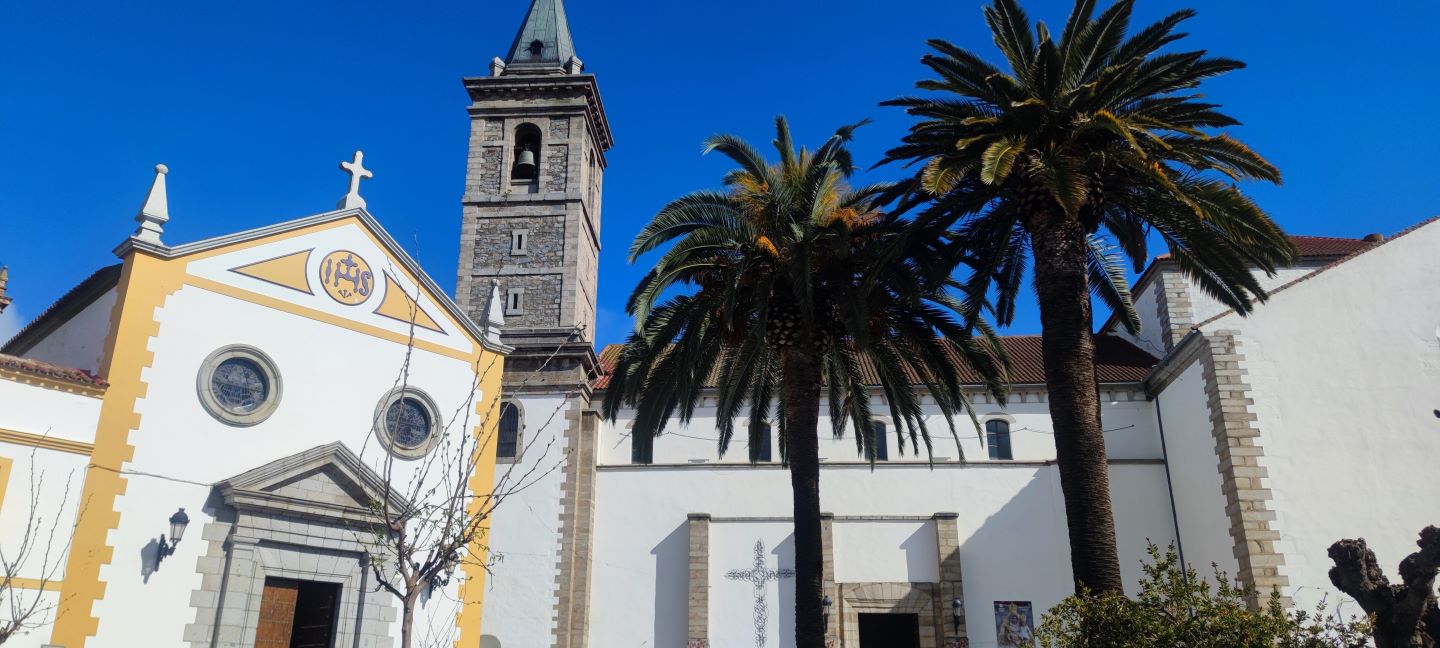
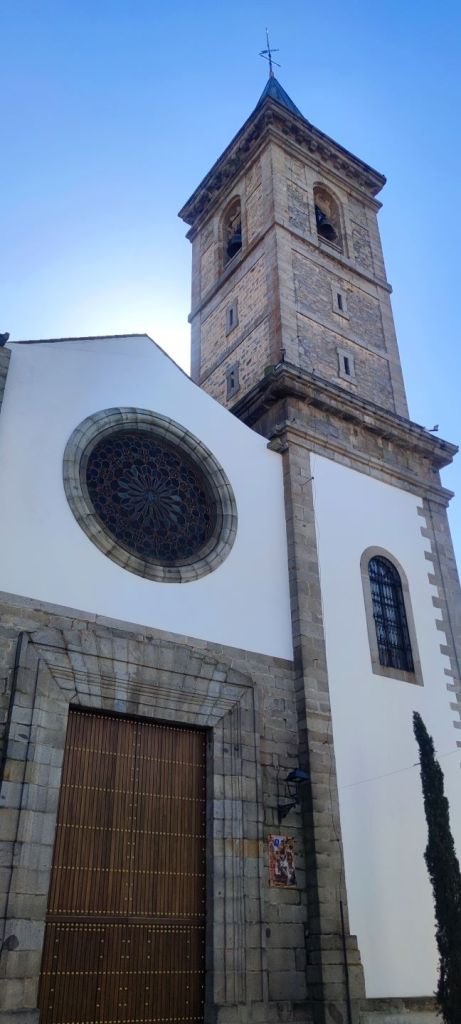
The Parish Church of Santa Catalina is Pozoblanco’s main religious building and one of its most iconic landmarks. Built between the 15th and 16th centuries on the site of an earlier Gothic church, the current structure reflects a blend of Gothic, Renaissance, and Baroque styles, thanks to various renovations over time. Its exterior features a striking Baroque bell tower, visible from several points in town, and a sober yet elegant façade. Inside, visitors can admire an impressive Neoclassical main altarpiece, devotional sculptures, and finely crafted wooden and stone elements. The church also houses historical records and liturgical artifacts of great heritage value.
Located on the outskirts of the city, the Hermitage of San Antonio is the heart of one of Pozoblanco’s most beloved celebrations: the Romería de San Antonio (pilgrimage of Saint Anthony). Although architecturally modest, the hermitage is a powerful symbol of local religious devotion and identity. Surrounded by open pasturelands (dehesas), the area comes alive each June with decorated wagons, music, and devotion during a festival declared of tourist interest.
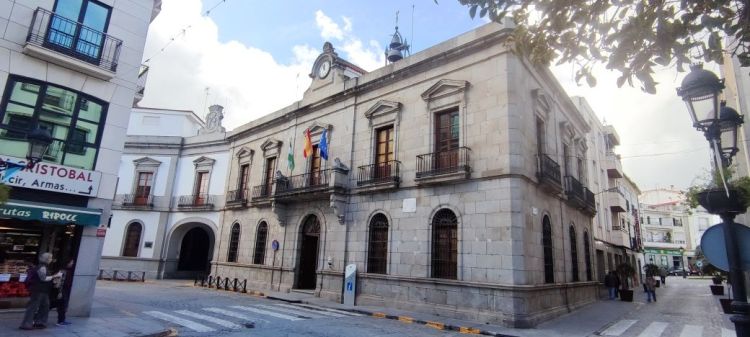
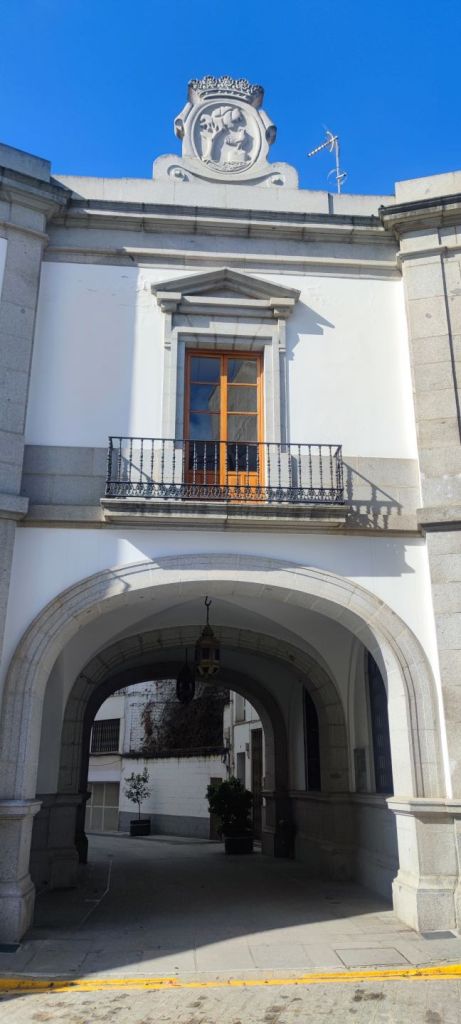
In the center of town, the Plaza de la Constitución is Pozoblanco’s social and civic heart. Standing at its center is the Town Hall, a 19th-century neoclassical building. Its symmetrical façade, wrought-iron balconies, and central clock make it one of the most recognizable images of the town. The square is pedestrianized and bustling with life, serving as a regular meeting place for locals and the setting for terraces, gatherings, and public celebrations. It is surrounded by historic buildings and traditional shops, contributing to its vibrant atmosphere.
Though more humble in appearance, the Fuente del Risquillo (Risquillo Fountain) holds great historical and symbolic value. This old public fountain served for generations as a water source for the town’s residents. Nestled in a peaceful natural setting among rural paths and rest areas, today it is a pleasant spot for walking and relaxation.
In addition to Santa Catalina, Pozoblanco preserves other noteworthy religious buildings, such as the Church of San Bartolomé, located in one of the most traditional parts of the old town. Also of interest are the Hermitage of Jesús Nazareno and the Hermitage of the Virgen de Luna, both closely linked to local brotherhoods and deep-rooted religious devotion.
CULTURE, TRADITIONS, AND MUSICAL LEGACY
Pozoblanco is known for its rich calendar of festivals, among which Holy Week stands out, featuring centuries-old brotherhoods and solemn processions. Equally important are the patron saint festivities in honor of Our Lady of Las Mercedes, which fill the streets with lights, music, and popular activities.
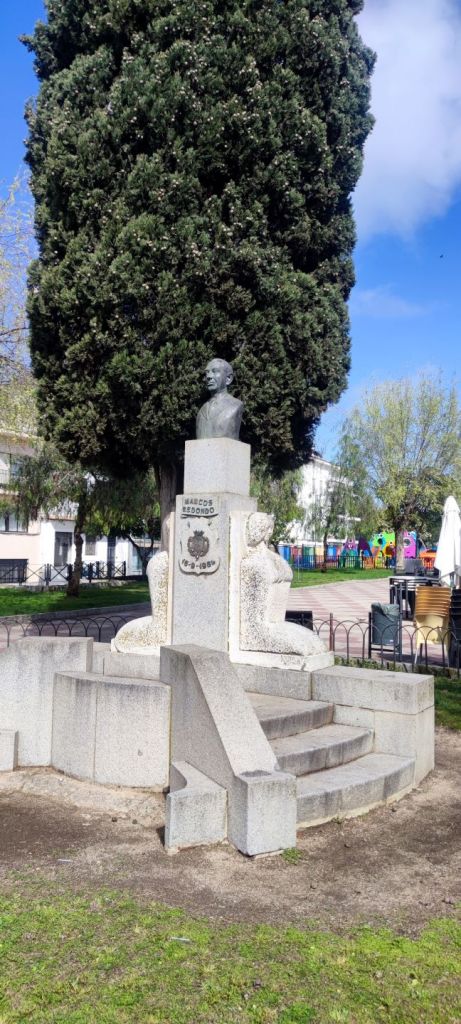
On the cultural front, the town proudly celebrates the legacy of Marcos Redondo, a renowned baritone born in Pozoblanco in 1893. Considered one of the greatest zarzuela performers of the 20th century, Redondo’s career took him to the most prestigious stages in Spain and the Americas. Today, his memory is honored in his hometown through the Marcos Redondo Cultural Center and a variety of musical events held in his name.
NATURE AND GASTRONOMY: PURE WEALTH
Pozoblanco is surrounded by one of the most unique landscapes in Europe: the holm oak dehesa of the Valley of Los Pedroches, a singular ecosystem that blends biodiversity, sustainability, and pastoral tradition. This natural environment is perfect for hiking, cycling, and birdwatching, while also being the origin of some of the region’s most exquisite food products.
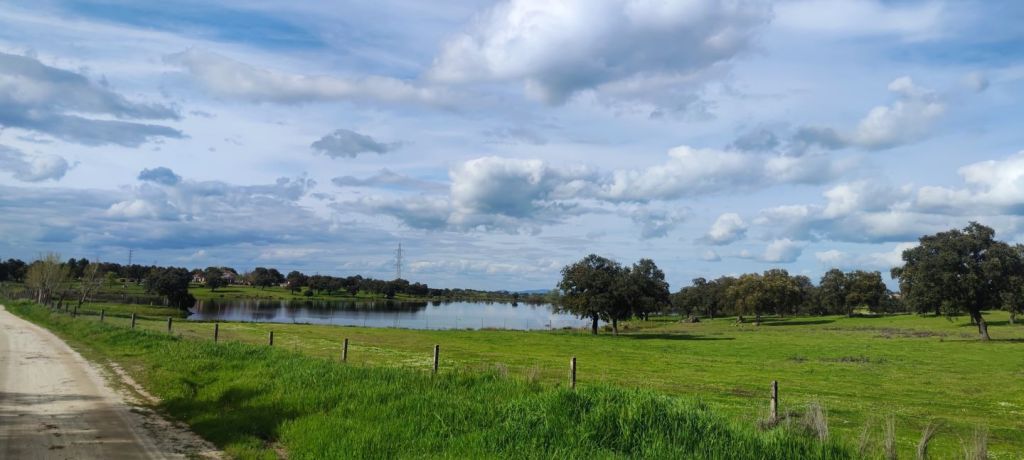
Foremost among these is the acorn-fed Iberian ham, certified with the Protected Designation of Origin “Los Pedroches”, a delicacy produced from free-range pigs raised on a diet of acorns. Each year, the city hosts the Los Pedroches Agricultural and Livestock Fair, one of the largest events of its kind in Andalusia.
TIPS:
- Visit During Local Festivals: plan your trip around the Feria de Nuestra Señora de las Mercedes in late September. This traditional fair features live music, flamenco dancing, local food, and parades — offering a rich cultural experience and a great way to meet locals.
 all about eve`s journeys