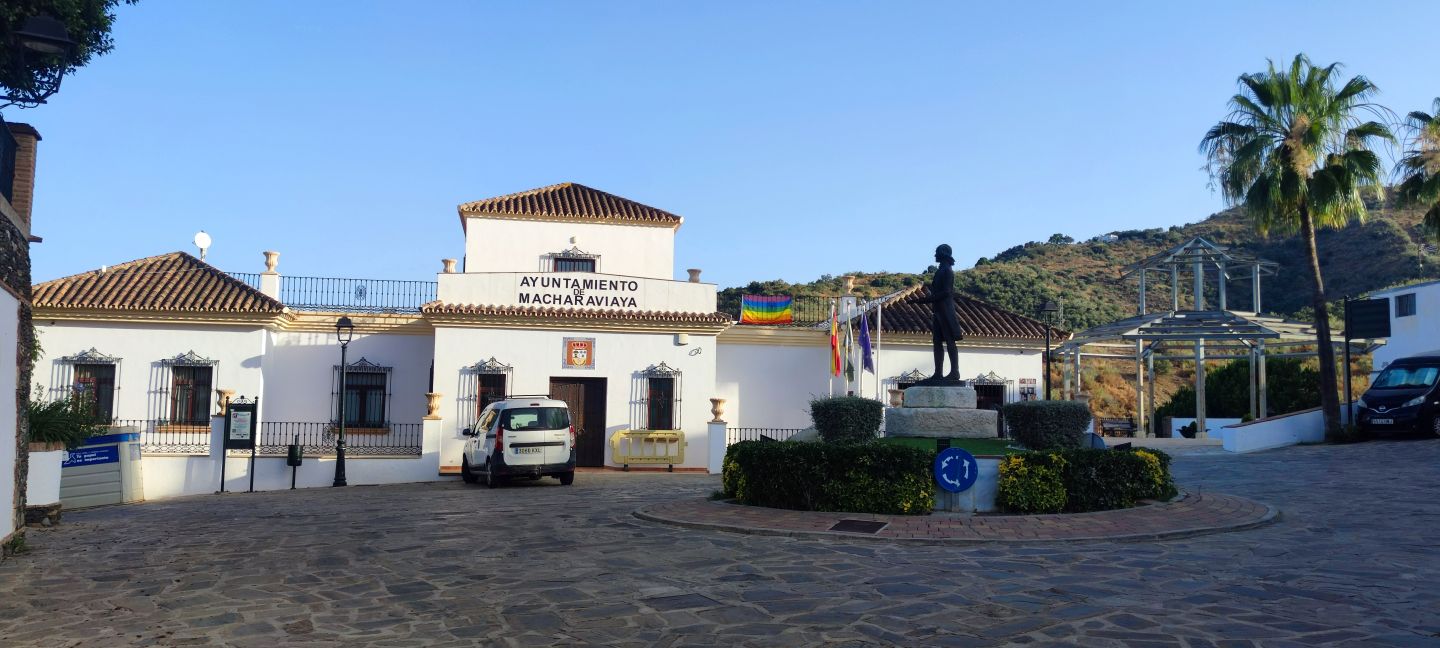
In the heart of the Axarquía region, nestled among green hills and landscapes of almond and olive trees, stands Macharaviaya, a small whitewashed village in Málaga that, despite its modest size, holds one of the most unique historical connections between Spain and the United States. With only a few hundred residents, this peaceful enclave has preserved its colonial heritage and pays tribute to one of its most illustrious sons: Bernardo de Gálvez, a hero of the American War of Independence and a symbol of unity between two nations.
BERNARDO DE GÁLVEZ: THE MALAGUEÑO WHO HELPED SHAPE THE UNITED STATES
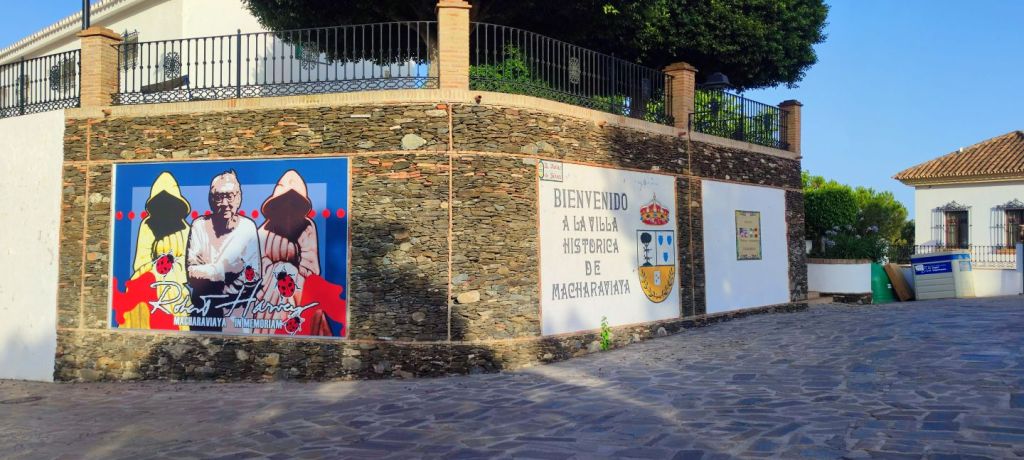
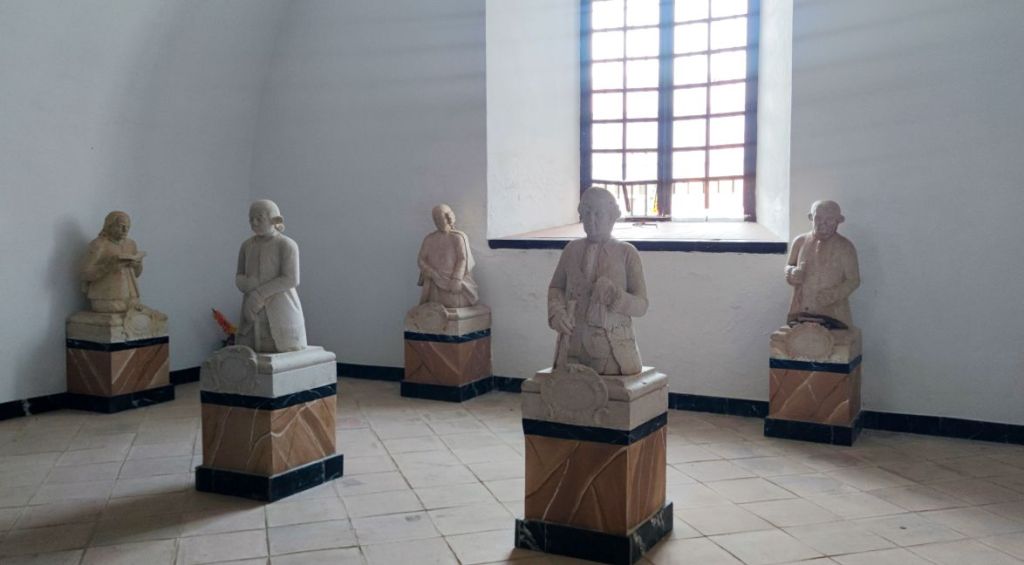
Born in Macharaviaya in 1746, Bernardo de Gálvez was a distinguished military leader and statesman in service of the Spanish Empire. His role in the American Revolutionary War was pivotal: as governor of Spanish Louisiana, Gálvez organized key military expeditions that halted British advances in the southern front. His Mississippi campaign and, especially, his victory at the Battle of Pensacola in 1781, were crucial in destabilizing British forces and supporting the American revolutionaries.
So remarkable was his contribution that, in 2014, the United States Congress posthumously granted him honorary U.S. citizenship, an honor shared by only seven other individuals, including Winston Churchill and Mother Teresa. In fact, his portrait now hangs in a hall of the U.S. Capitol in Washington, a lasting symbol of American gratitude.
His famous motto, “Yo solo” (“I alone”), referencing his decision to lead the assault on Pensacola even without sufficient reinforcements, embodies his courage and determination. Bernardo de Gálvez not only defended the interests of the Spanish Empire but became a decisive ally in the birth of a new nation.
A LIVING HISTORY MUSEUM IN THE STREETS
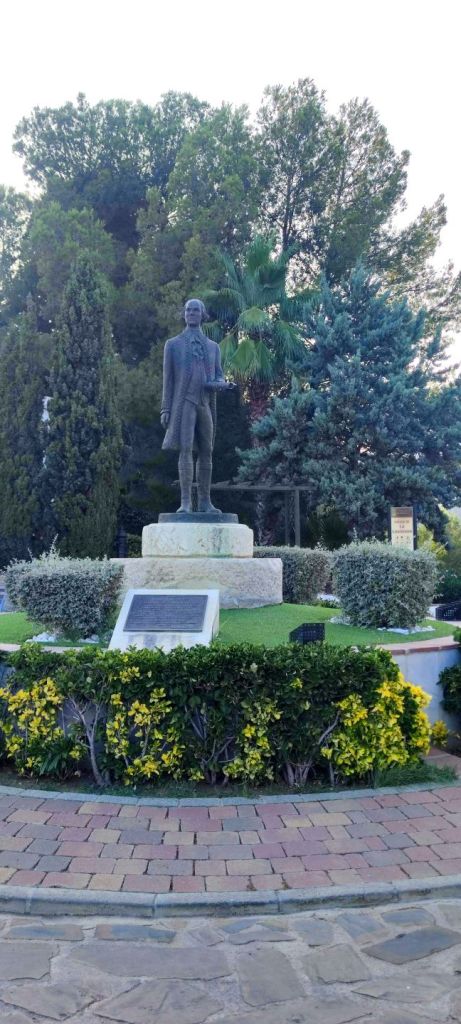
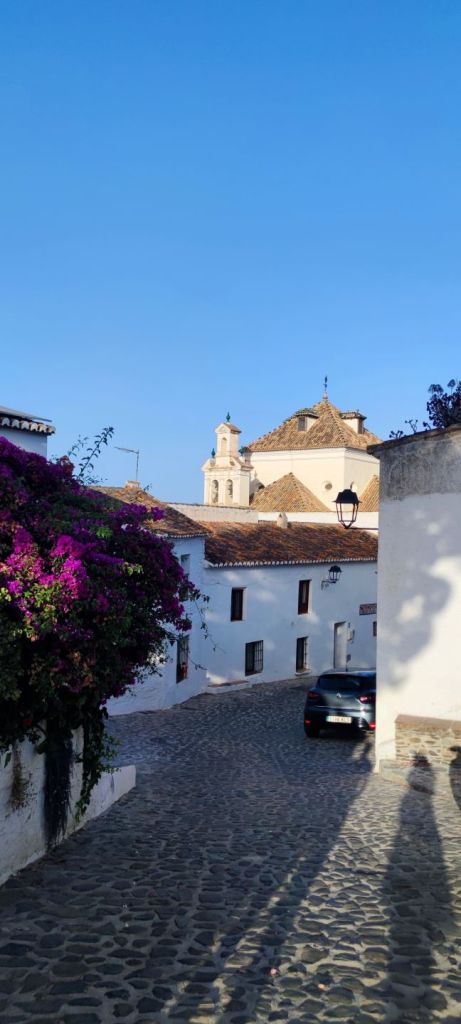
Walking through Macharaviaya is like stepping into a forgotten yet essential chapter of Atlantic history. Its Andalusian architecture blends seamlessly with colonial symbols and commemorative plaques that pay tribute to the Gálvez family, a noble lineage that shaped the village’s destiny and left its mark on both sides of the ocean.
One of the highlights is the Gálvez Museum, located in the heart of the village. This cultural space is dedicated to the life and legacy of Bernardo de Gálvez and his family, including José de Gálvez, Bernardo’s uncle and Minister of the Indies, a key figure in the governance of Spain’s American territories. The museum houses historical documents, uniforms, portraits, maps, and a compelling timeline of 18th-century military campaigns. It is a must-visit for those wishing to understand the Gálvez legacy and its deep ties to American independence.
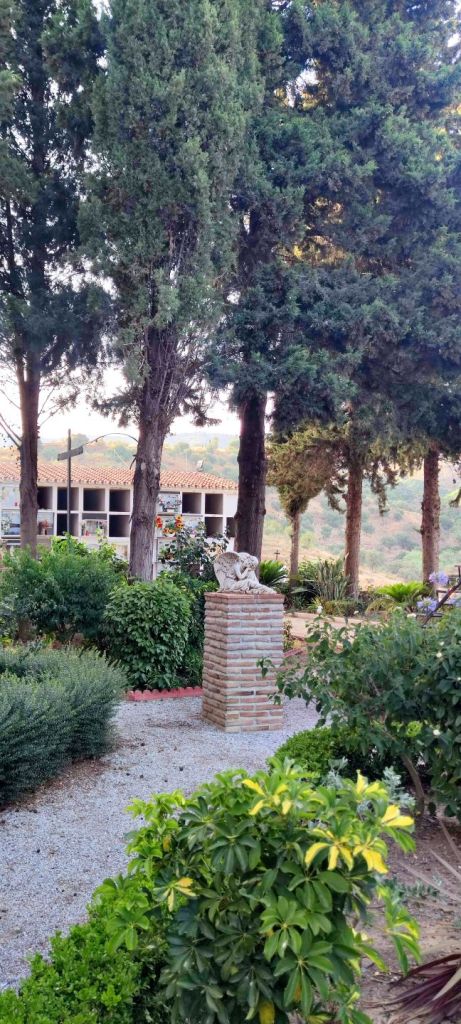
Just a short walk away lies the San Bernardo Cemetery, a solemn and symbolic place. Members of the Gálvez family rest here, and its elevated location offers privileged views of the valley and the distant sea. It is a space for reflection and historical memory—perfect for contemplating the influence of the past on our current identity.
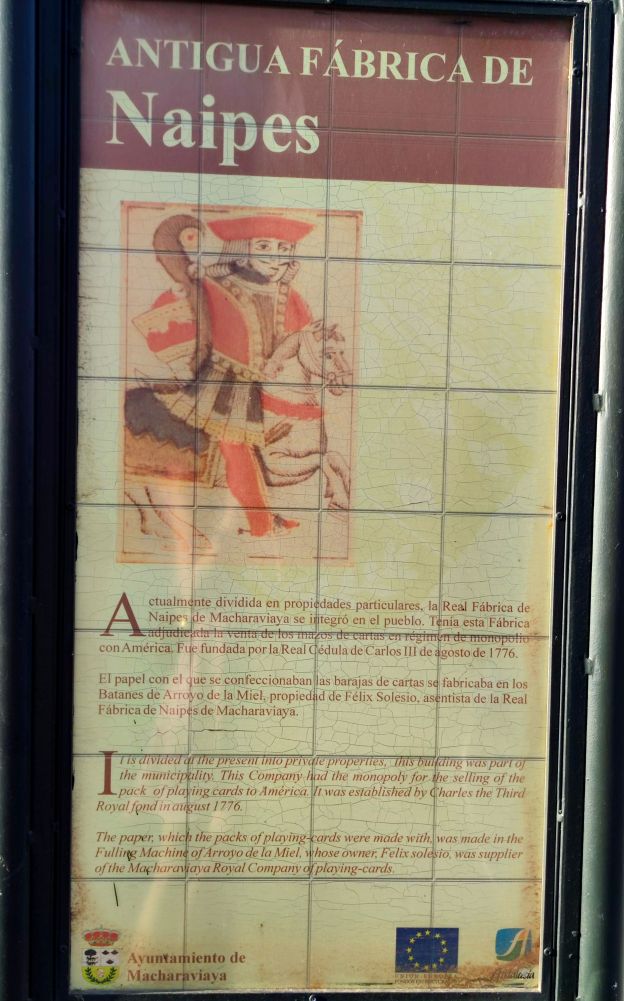
Also noteworthy is the 18th-century playing card factory, built under the auspices of the Gálvez family, who held the monopoly on the production of playing cards for export to the Americas. This industry not only brought prosperity to the village but also directly connected it to overseas commerce. Though no longer in operation, the building remains a vital piece of local heritage and a testament to the era’s economic ingenuity.
SALVADOR RUEDA, THE POET OF BENAQUE
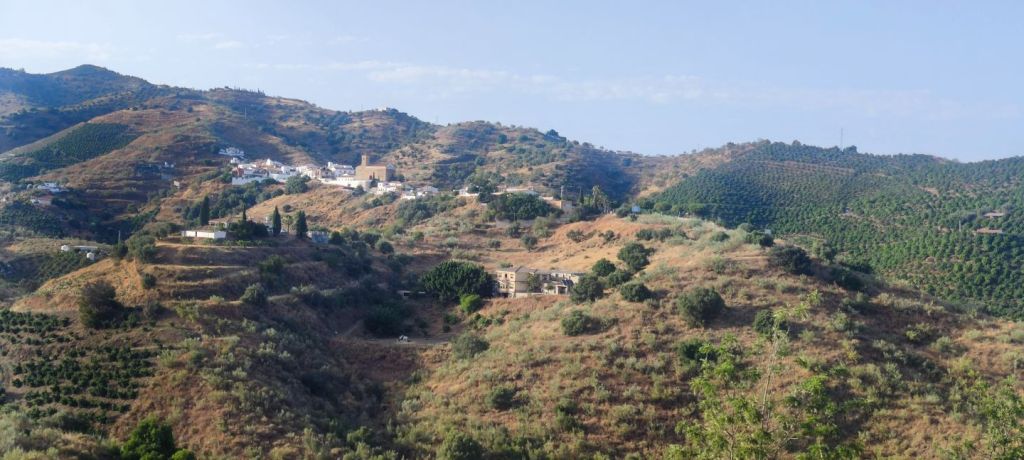
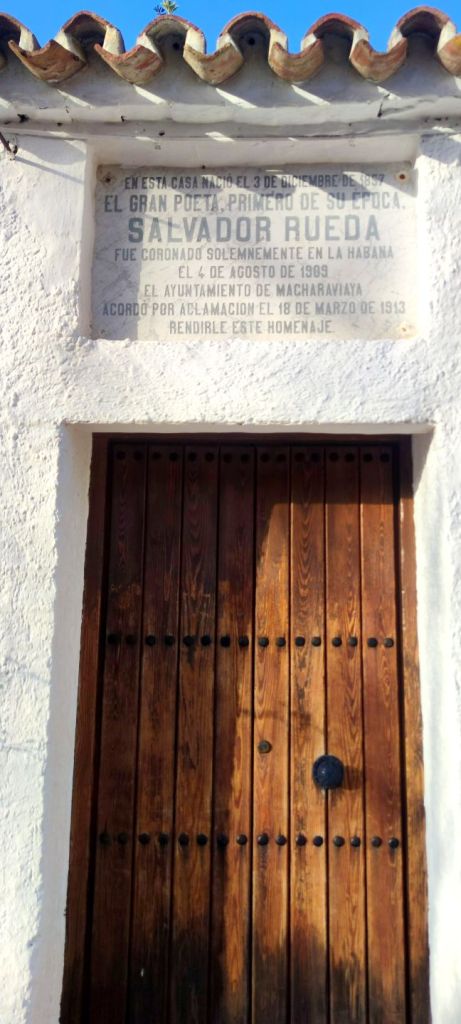
Just a few kilometers from Macharaviaya, in the small hamlet of Benaque, Salvador Rueda was born in 1857. He is regarded as one of the forerunners of Spanish modernist poetry. His work, influenced by symbolism and the landscapes of southern Andalusia, was admired by renowned writers such as Rubén Darío. Today, his birthplace can be visited and stands as another cultural attraction for those eager to immerse themselves in the artistic and literary spirit of the Axarquía.
Though less internationally known than Bernardo de Gálvez, Rueda adds a poetic and spiritual dimension to this historically rich rural setting. His deep connection to the land is evident in his verses, which seem to breathe the same air that flows through the village’s white streets and jasmine-scented gardens.
Tips:
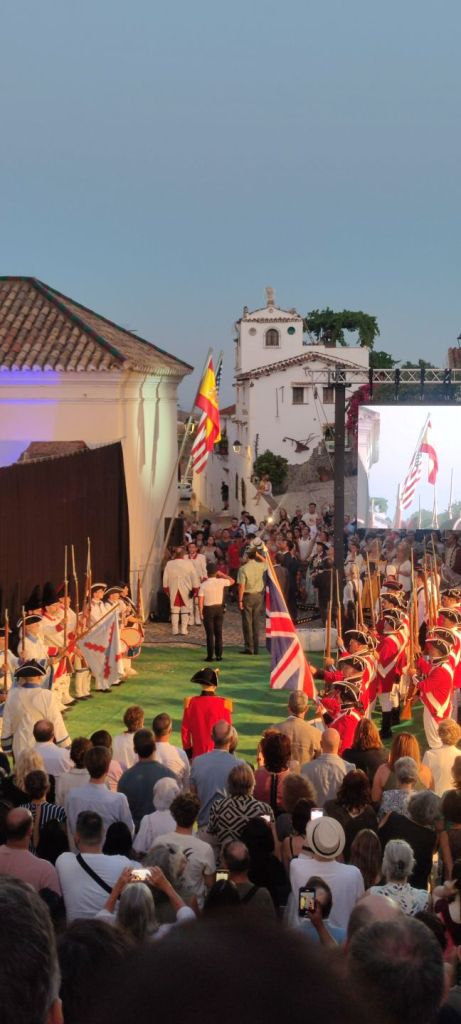
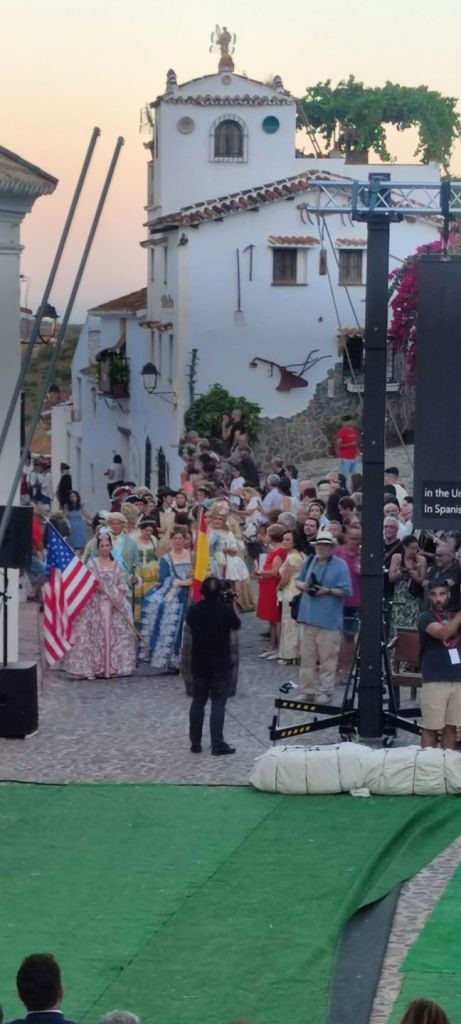
- Visit on July 4th: Every year, the village uniquely celebrates Independence Day—the only such commemoration outside the U.S. This remarkable event includes historical reenactments, official ceremonies, parades, and the presence of diplomatic representatives. The atmosphere is festive, educational, and profoundly moving.
- Savor local Malagueñan cuisine and explore the landscape: The area is ideal for gentle hikes through hills, vineyards, and olive groves. Enjoy local dishes such as ajoblanco, migas, and sweet Málaga wines.
 all about eve`s journeys