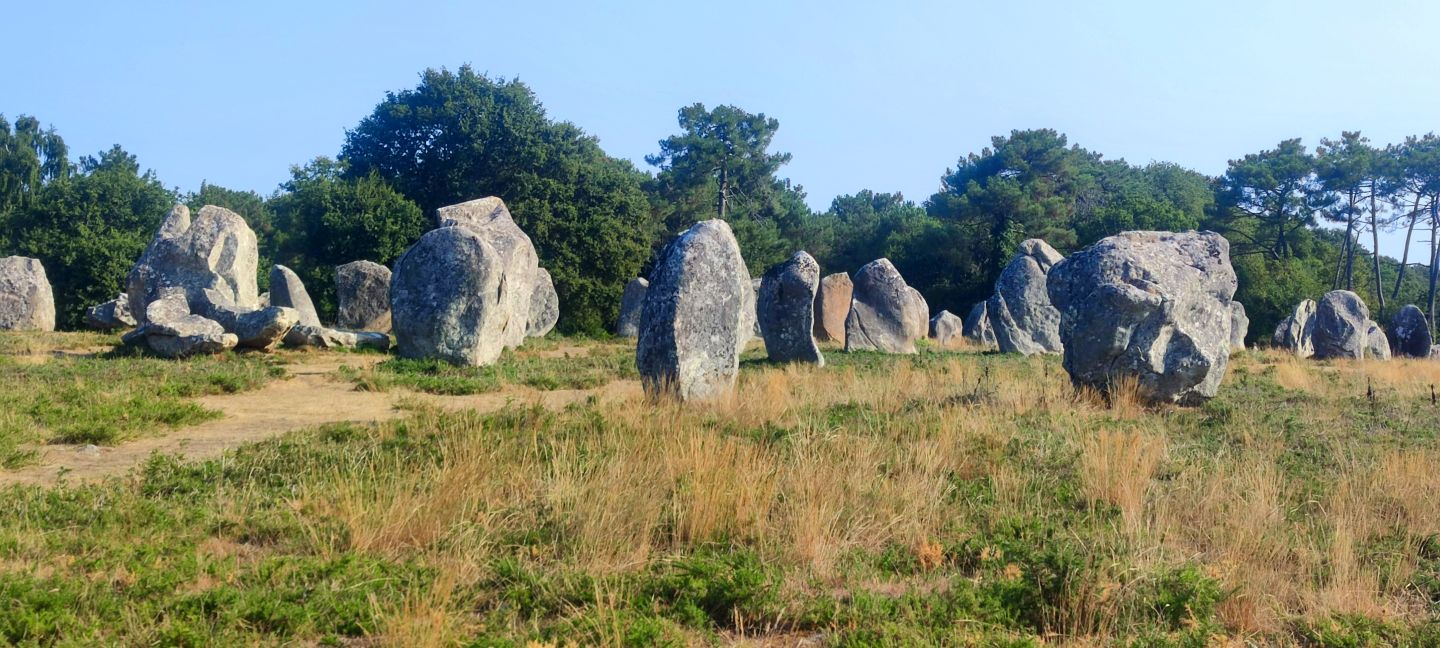
In the Brittany region, in the northwest of France, lies Carnac, a charming coastal village that combines a valuable archaeological heritage with fine sandy beaches, maritime landscapes, and a rich cultural tradition. Famous worldwide for its megalithic monuments, Carnac is much more than an archaeological site: it is a destination that combines millennia of history, natural beauty, culture, and maritime tradition. From its mysterious menhirs to the tranquility of its beaches, including excursions to nearby villages and medieval castles, it offers travelers a full and varied experience.
THE PREHISTORIC MONUMENTS OF CARNAC: THE STONE LEGACY
Carnac is globally renowned for housing one of the most important megalithic sites on the planet. The stone alignments, dating from 4500 to 3300 B.C., constitute an archaeological mystery that has fascinated researchers and visitors for centuries.
ALIGNMENTS OF MÉNEC, KERMARIO, AND KERLESCAN
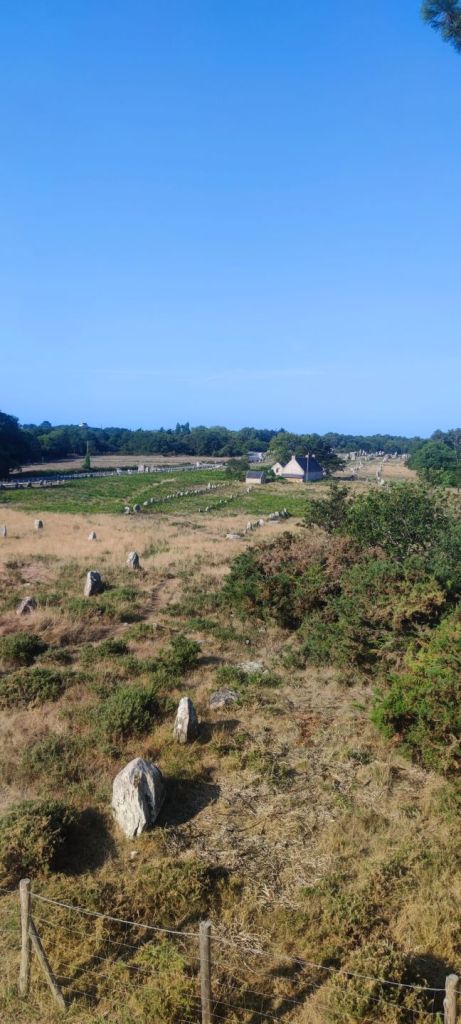
These three main sites gather thousands of menhirs —vertical carved stones arranged in rows— stretching over several kilometers. Their exact function is still debated: some believe they were places of worship, others that they served as astronomical observatories or ritual spaces linked to the solar cycle.
TUMULI AND DOLMENS
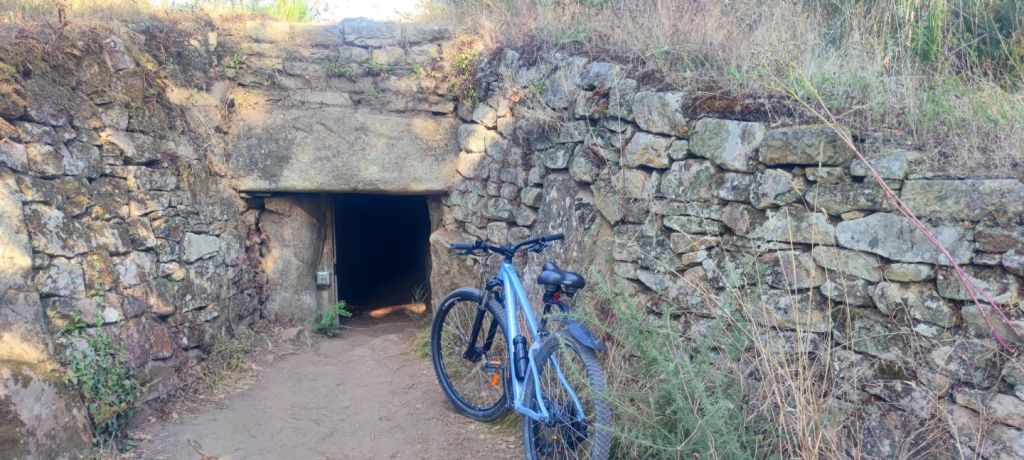
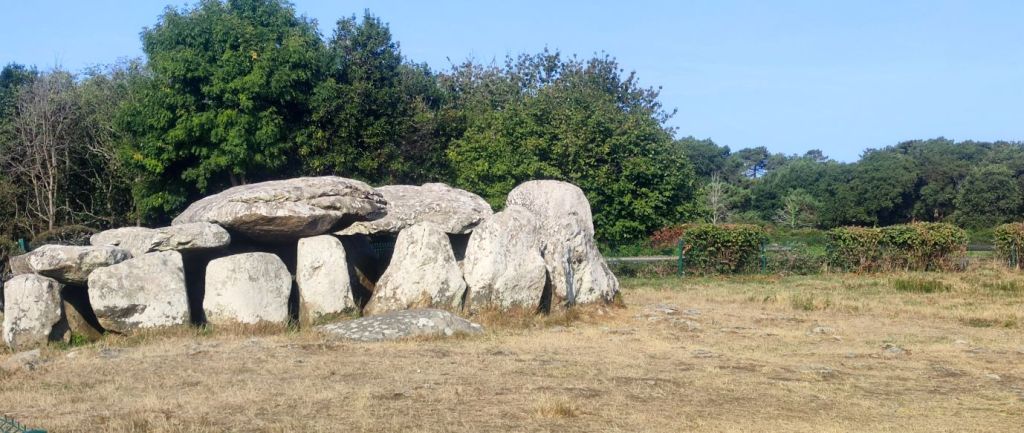
In addition to the alignments, Carnac has burial mounds like Saint-Michel and numerous dolmens (horizontal megaliths supported by vertical stones) that attest to the social and cultural complexity of Neolithic communities.
THE CARNAC PREHISTORY MUSEUM
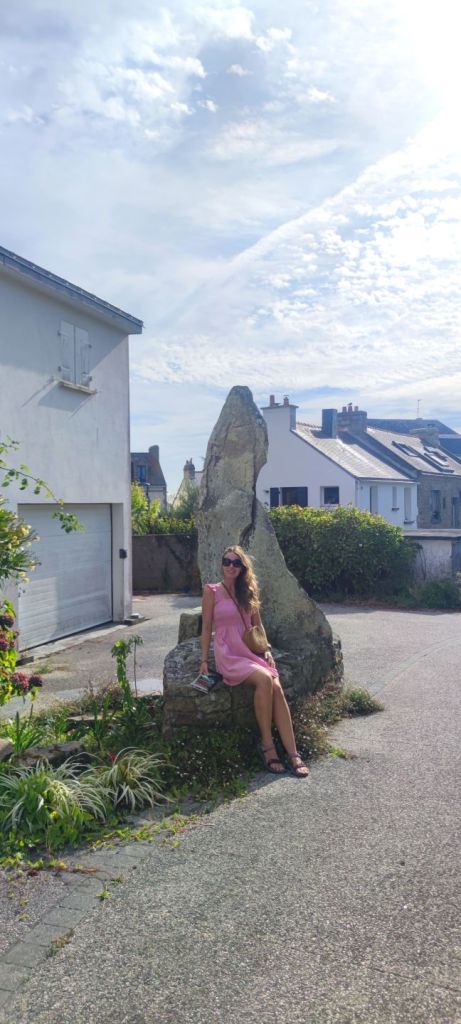
To better understand these monuments, the museum offers a unique collection of tools, ceramics, and funerary objects discovered in local excavations. It is an essential complement for those who want to contextualize what they see on the ground.
OTHER PLACES OF INTEREST IN CARNAC
Although the megaliths are the main attraction, the village offers much more to those who explore it.
THE CHURCH OF SAINT-CORNÉLY
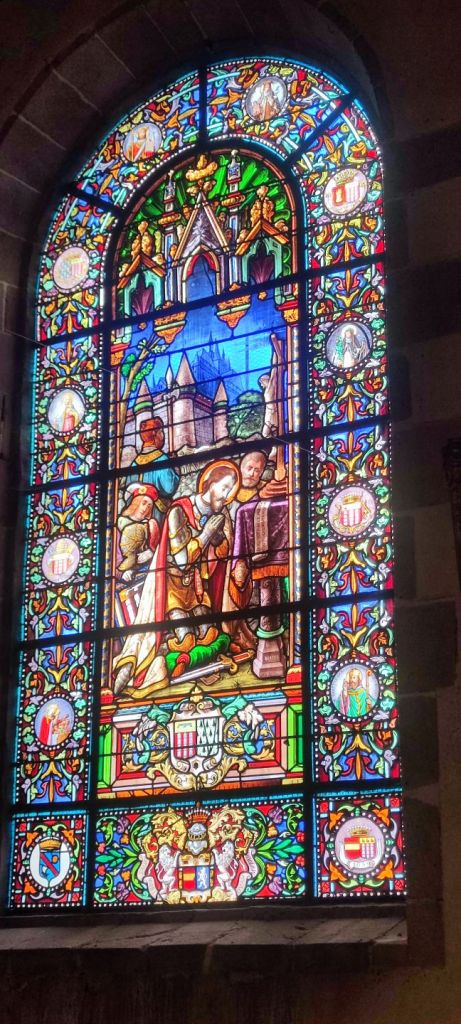
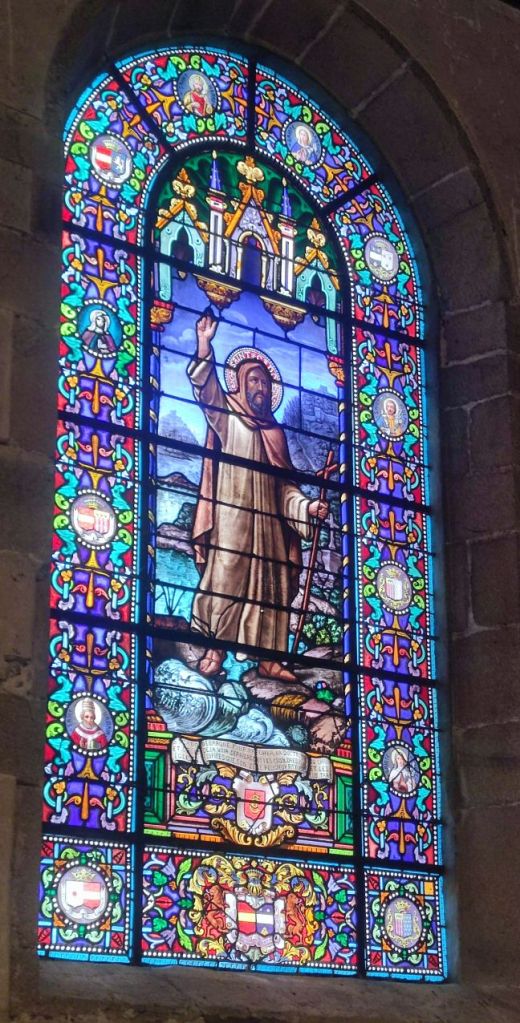
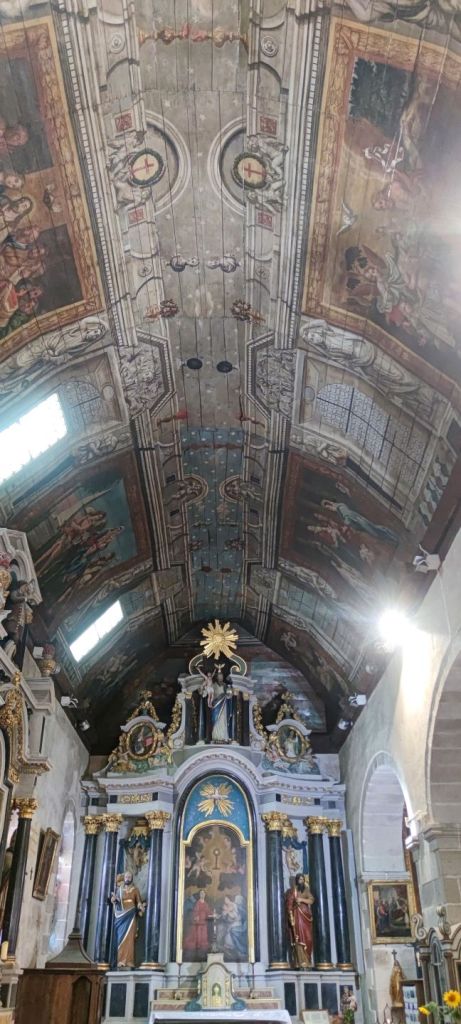
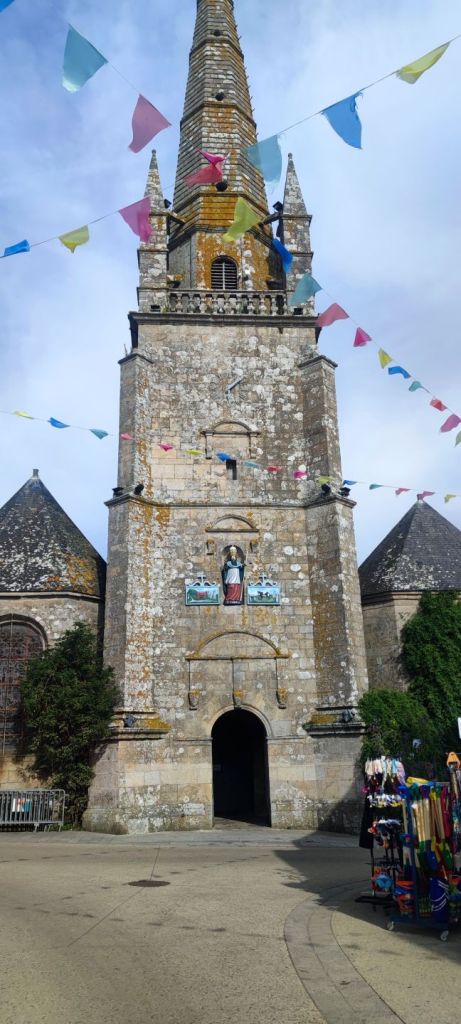
This church, built between the 17th and 18th centuries, is an architectural gem combining elements of late Gothic with Renaissance touches. Dedicated to Saint Cornelius, patron of livestock, it stands out for its imposing bell tower and richly decorated portal. Inside, visitors can admire a Baroque altarpiece carved in gilded wood, stained glass windows depicting episodes from the saint’s life, and a beautifully sculpted pulpit. Its atmosphere, marked by filtered light and the scent of ancient stone, invites reflection.
THE BEACHES OF CARNAC
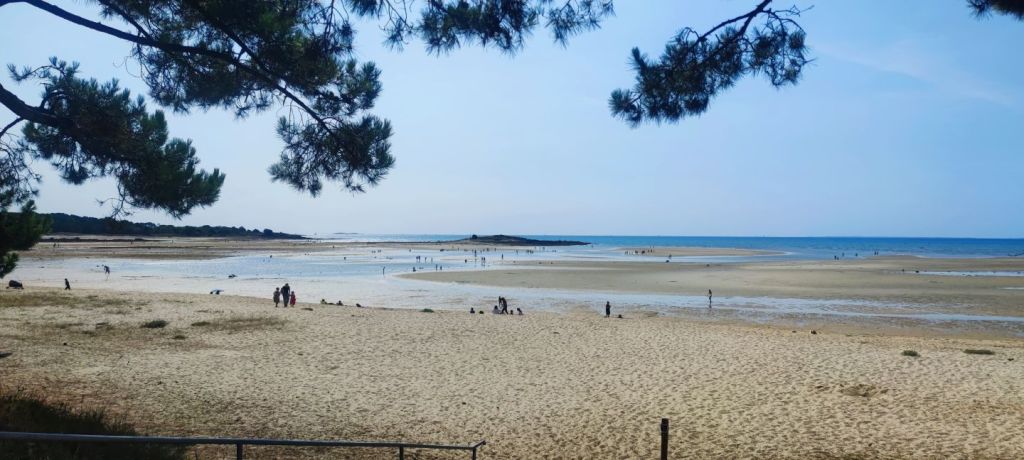
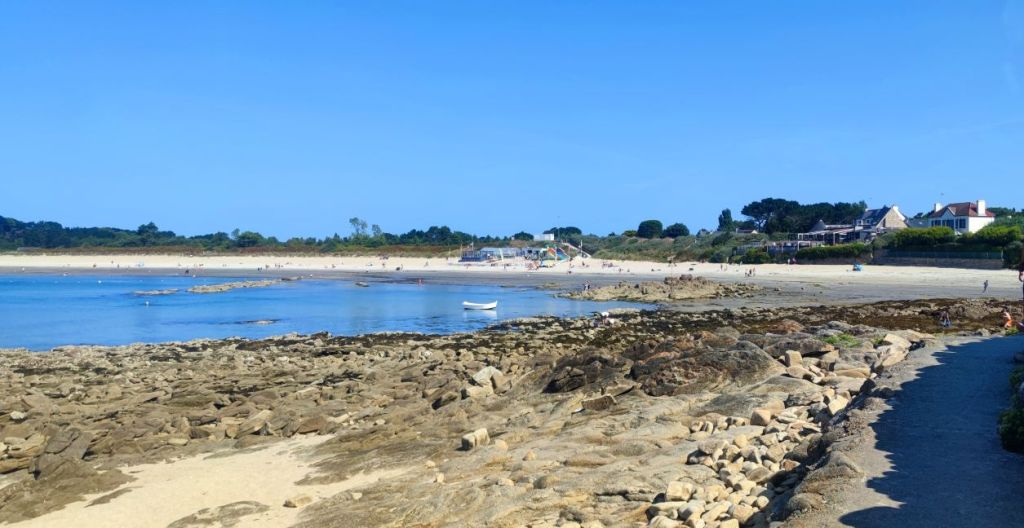
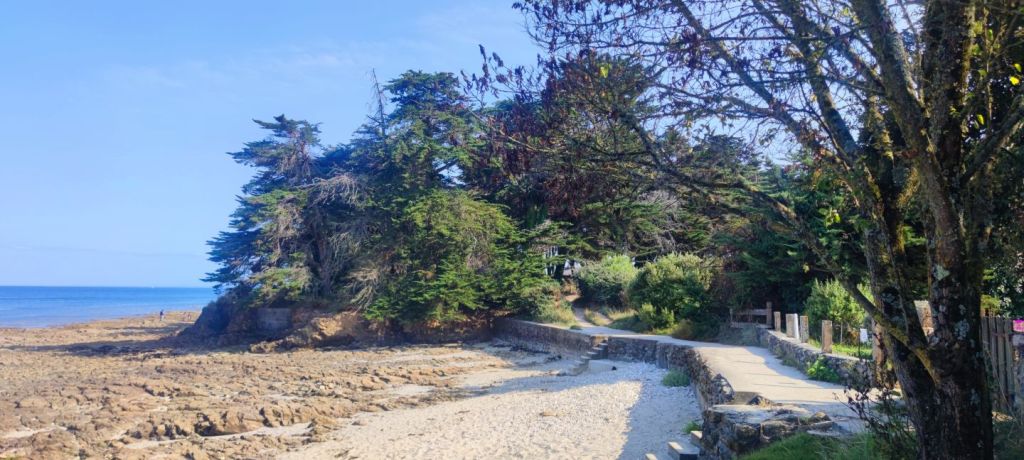
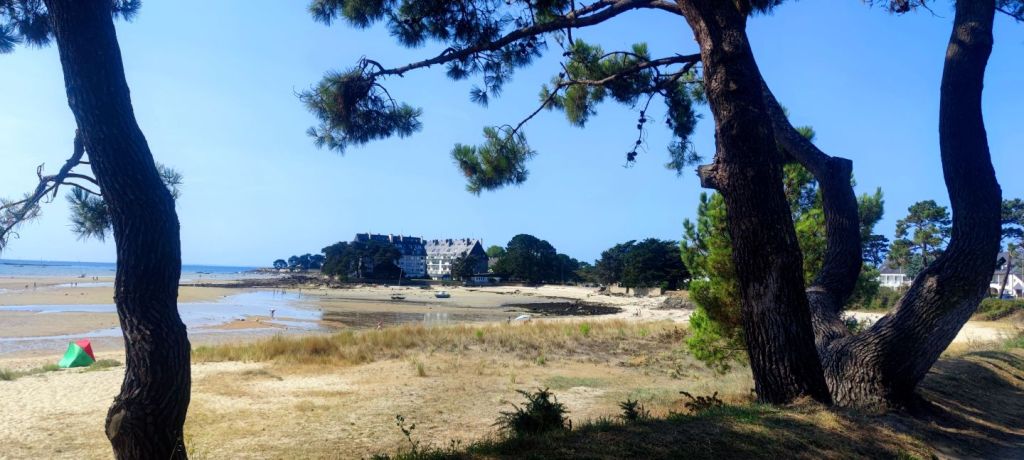
Carnac is not only a place of history but also a highly appreciated summer destination. Its location in the Bay of Quiberon provides a mild and sunny microclimate, with pleasant temperatures even in spring and autumn. The combination of prehistoric heritage and seaside leisure makes it a unique spot. La Grande Plage and the beaches of Légenèse and Ty Bihan offer calm waters and fine sand, ideal for families and lovers of water sports. In summer, they become the center of the village’s social and tourist life.
LOCAL MARKET
The weekly market is an excellent opportunity to discover Breton products: crepes, cider, fresh seafood, and artisanal cheeses.
EXPLORE THE TOWN CENTER
The streets of the town center, adorned with stone houses and white facades, preserve the typical charm of Breton coastal villages. Craft shops, art galleries, and restaurants specializing in fish and seafood complete the experience.
BICYCLE EXCURSION TO LA TRINITÉ-SUR-MER
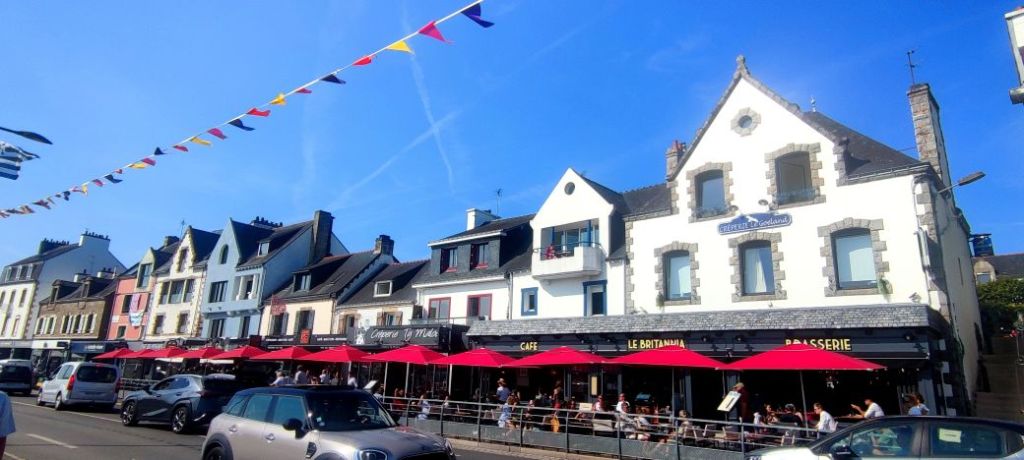
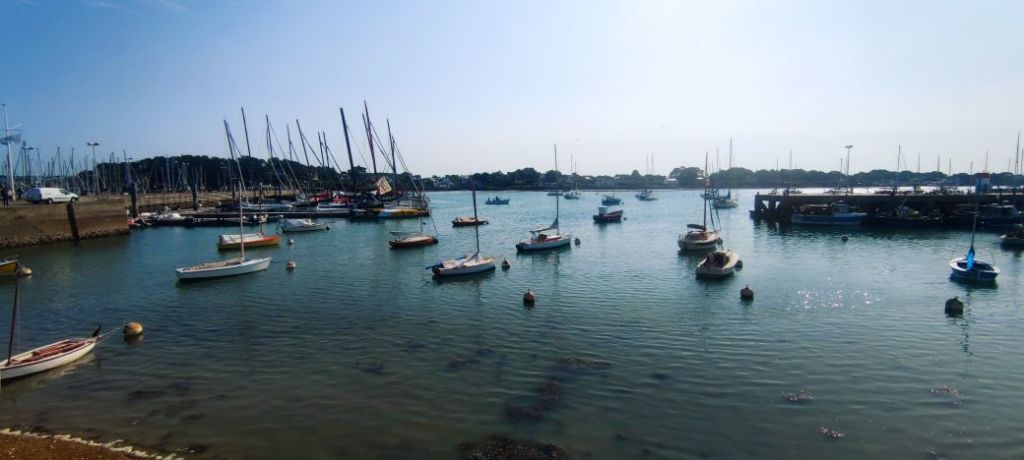
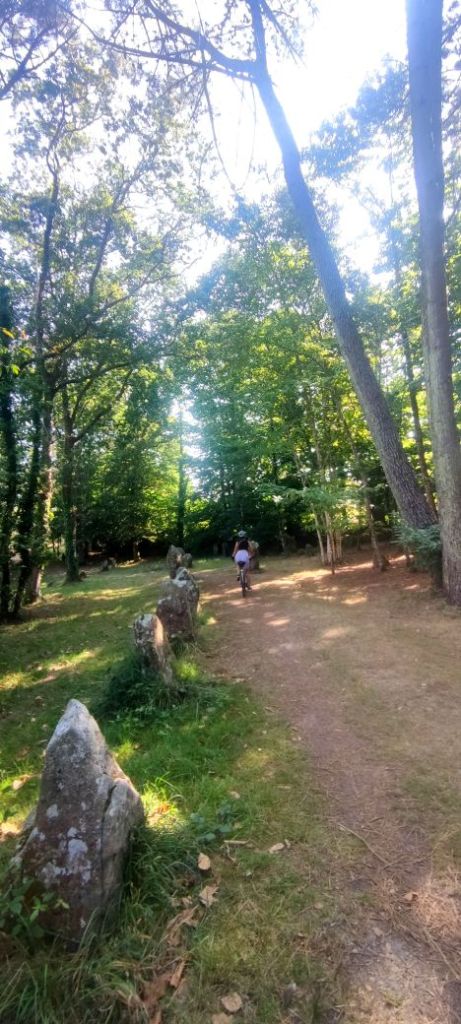
A few kilometers from Carnac is La Trinité-sur-Mer, a picturesque marina famous as a meeting point for sailors and the venue for international regattas. The route between the two villages is perfect for cycling, following safe paths that wind through fields, forests, and marshes. In La Trinité-sur-Mer, visitors can stroll along the pier, observe sailboats, and enjoy cafés and terraces overlooking the sea. The town also has its own set of megaliths, though smaller in scale than those in Carnac.
EXCURSION TO SUSCINIO CASTLE
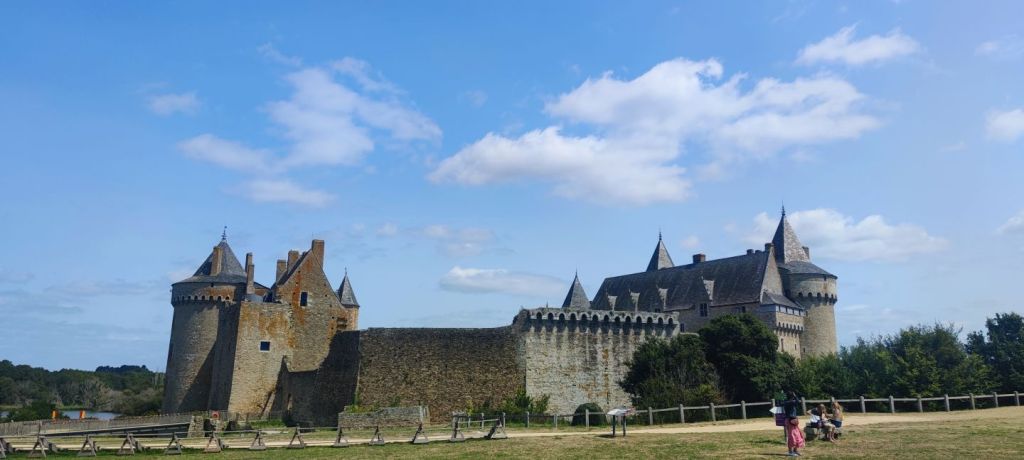
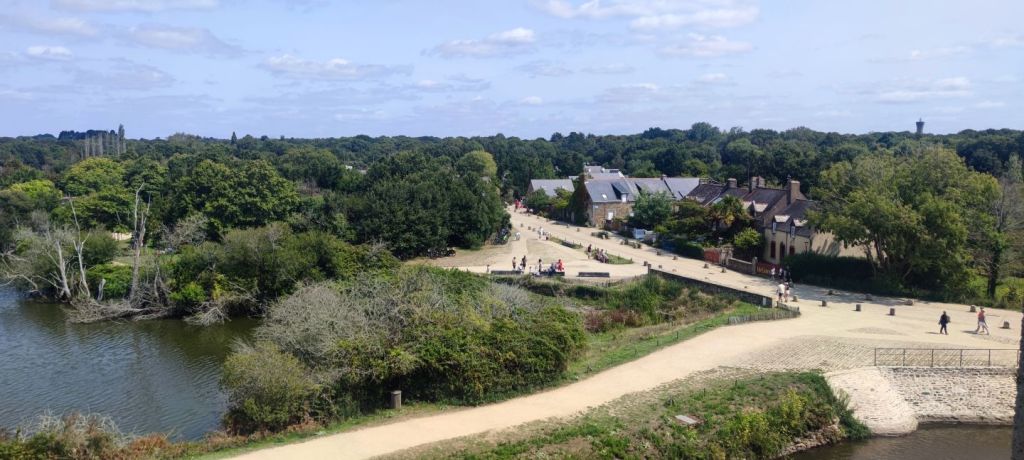
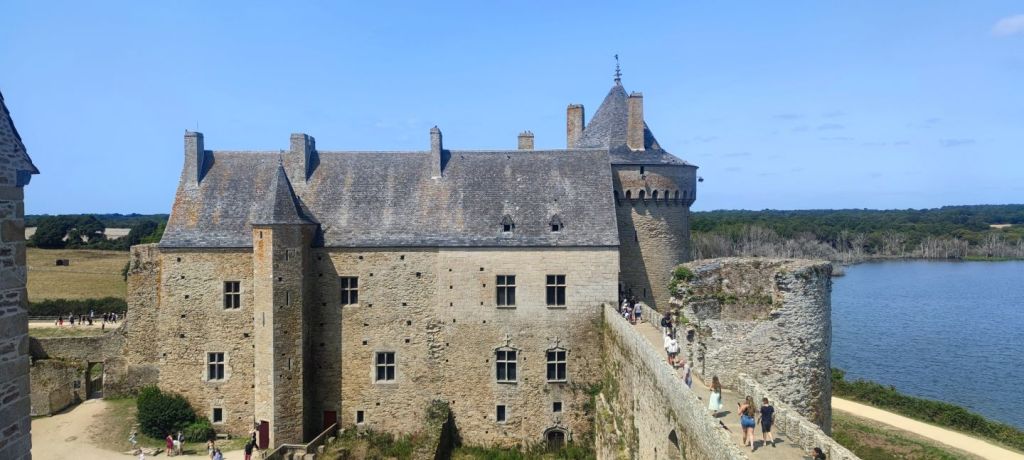
About 30 kilometers from Carnac, on the Rhuys peninsula, stands Suscinio Castle, one of Brittany’s most emblematic fortresses. Built in the 13th century as a residence for the Dukes of Brittany, it combines defensive elements with the refinement of a noble palace. The castle features a pronounced medieval Gothic style, with circular towers, moats still filled with water, and imposing walls. Its irregular rectangular plan adapts to the terrain and is surrounded by wetlands that reinforced its natural defenses.
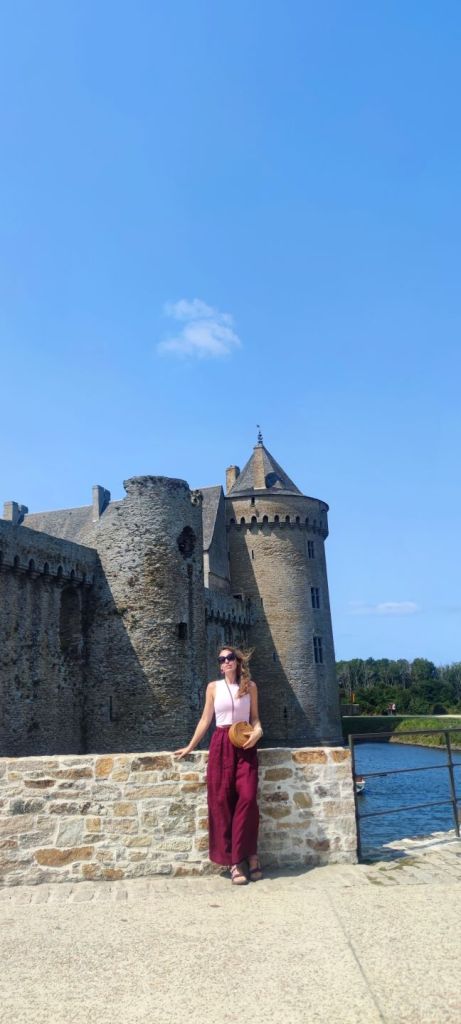
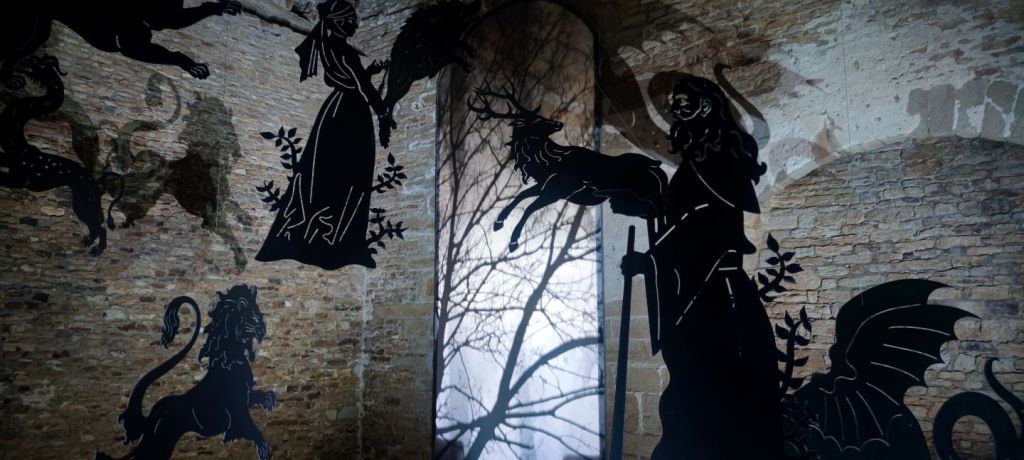
Today, Suscinio Castle has been restored and transformed into a museum space that tells the history of Brittany and the fortress itself. Interactive exhibitions, historical reconstructions, and cultural events such as concerts and medieval markets make it an ideal excursion from Carnac. The castle’s surroundings are part of a nature reserve where visitors can observe migratory birds, walk coastal trails, and enjoy the tranquility of the peninsula.
TIPS:
To fully enjoy Carnac and its surroundings, it is useful to keep in mind some practical tips combining culture, gastronomy, and leisure:
- Local cuisine is one of the region’s main attractions. Don’t miss the savory buckwheat crepes, known as galettes, filled with cheese, ham, egg, seafood, or fresh vegetables. For sweet lovers, Breton caramel sweets are a true delicacy reflecting the area’s pastry tradition. Many restaurants and creperies in Carnac offer menus combining local seafood with these typical specialties.
- If you want to visit the menhir alignments, it is ideal to dedicate at least half a day, starting with the Ménec site and continuing through Kermario and Kerlescan. The paths are well marked, and walking among the stones allows visitors to appreciate their scale and arrangement.
- The best time to visit Carnac is from spring to early autumn, when the weather is mild and the days are long. During summer, the village fills with tourists, so it is advisable to book accommodations in advance.
 all about eve`s journeys