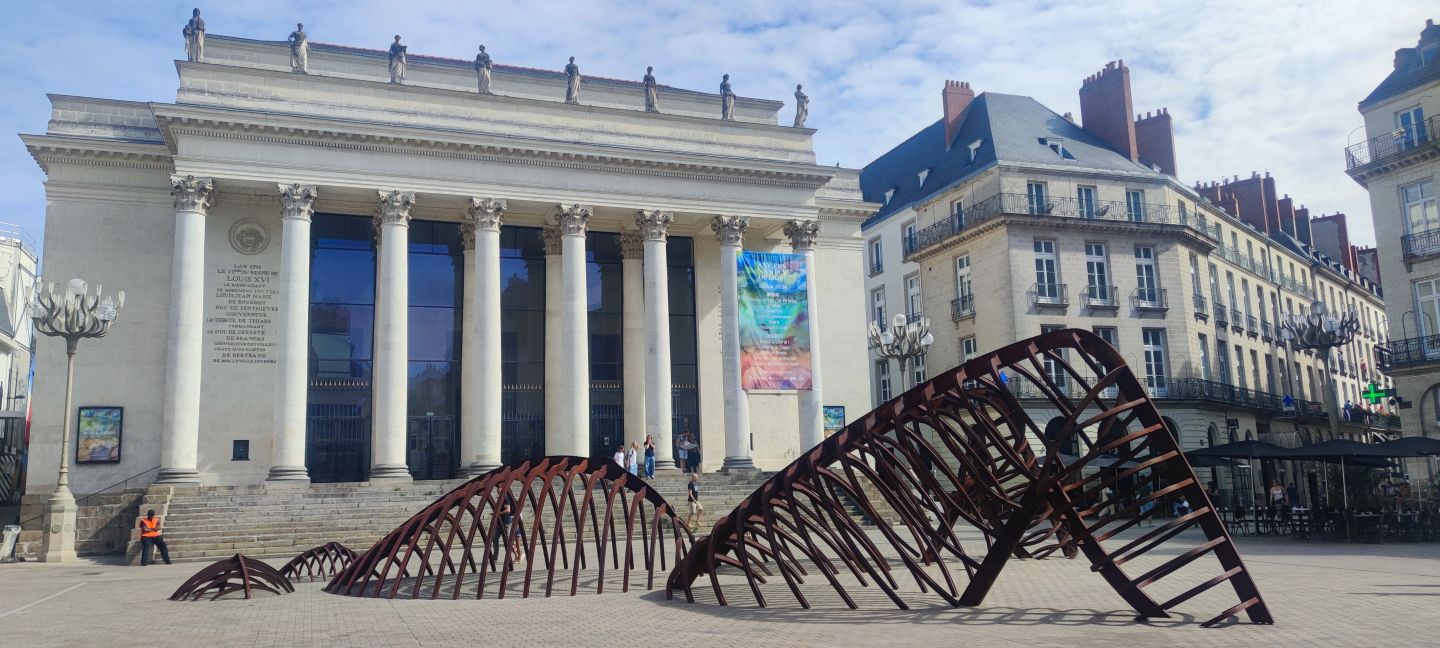
Located in western France on the banks of the Loire River, Nantes is a city that combines history, art, innovation, and nature. With a population of over 300,000 in the city and more than one million in its metropolitan area, Nantes is one of the most dynamic urban centers in France. Known for its historical heritage, green spaces, and creative spirit, Nantes attracts tourists, scholars, and literature enthusiasts alike. The city blends tradition and modernity, offering a complete experience for those seeking history, culture, and entertainment.
ORIGIN
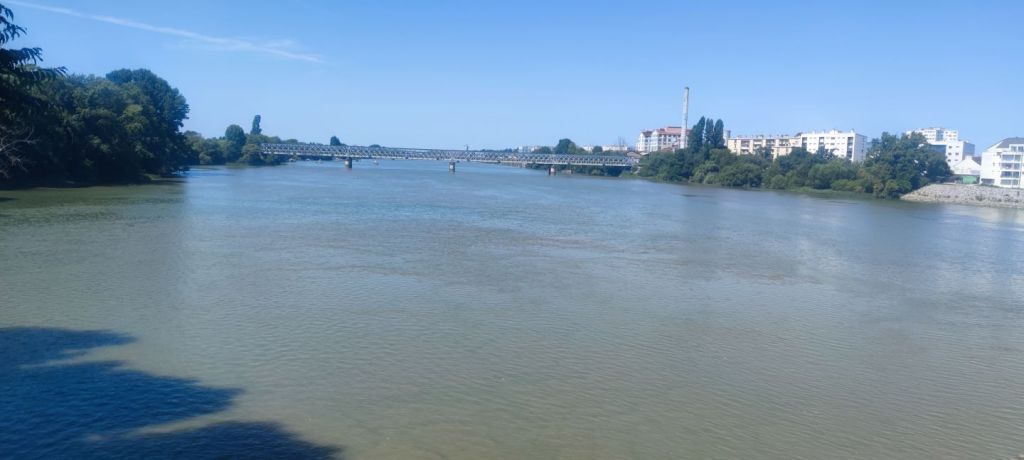
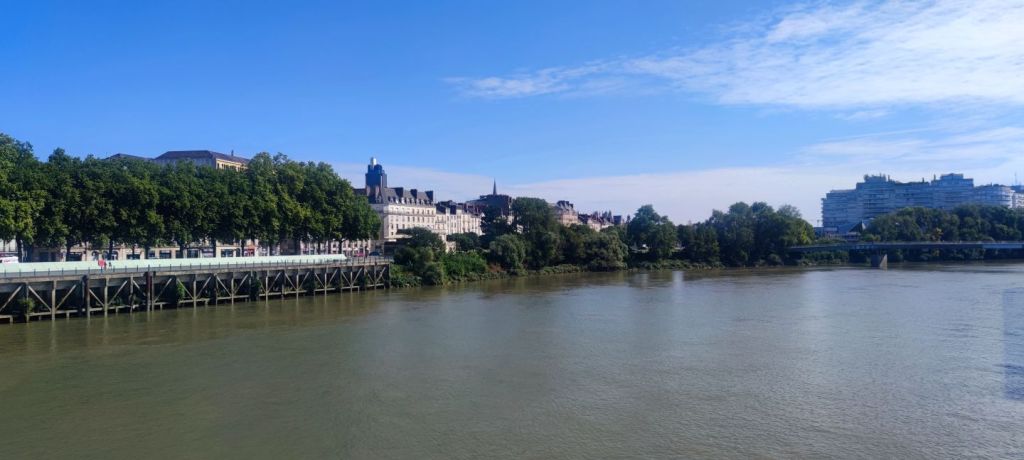
The name Nantes comes from the Celtic tribe of the Namnetes, who inhabited the region before the arrival of the Romans. In Antiquity, the city was known as Condevicnum, an important commercial settlement that took advantage of the Loire River’s strategic position for maritime and river trade. Over the centuries, Nantes established itself as an economic and cultural hub. During the Middle Ages, the city became the capital of the Duchy of Brittany, a semi-independent entity with significant political influence before its definitive integration into France in the 16th century.
MONUMENTS TO VISIT
Nantes boasts a diverse architectural heritage, combining medieval fortresses, Gothic churches, botanical gardens, and contemporary spaces dedicated to creativity.
CASTLE OF THE DUKES OF BRETTANY
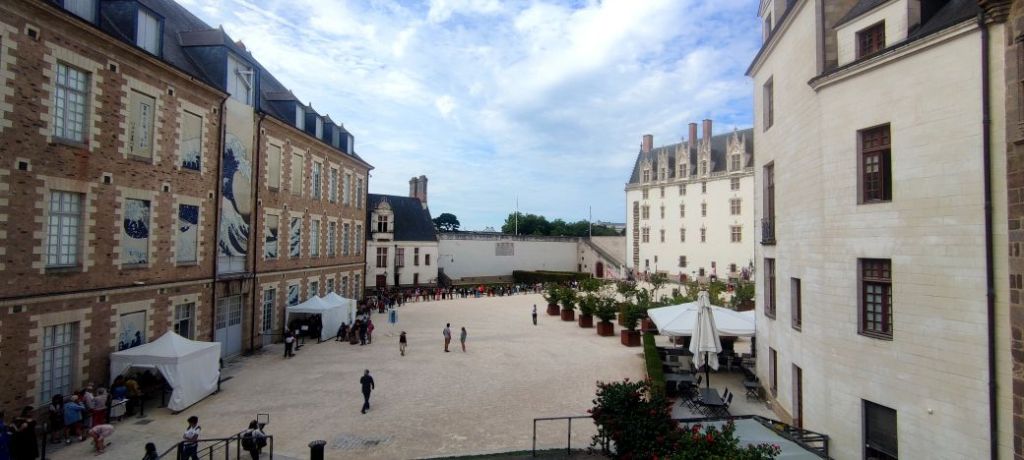
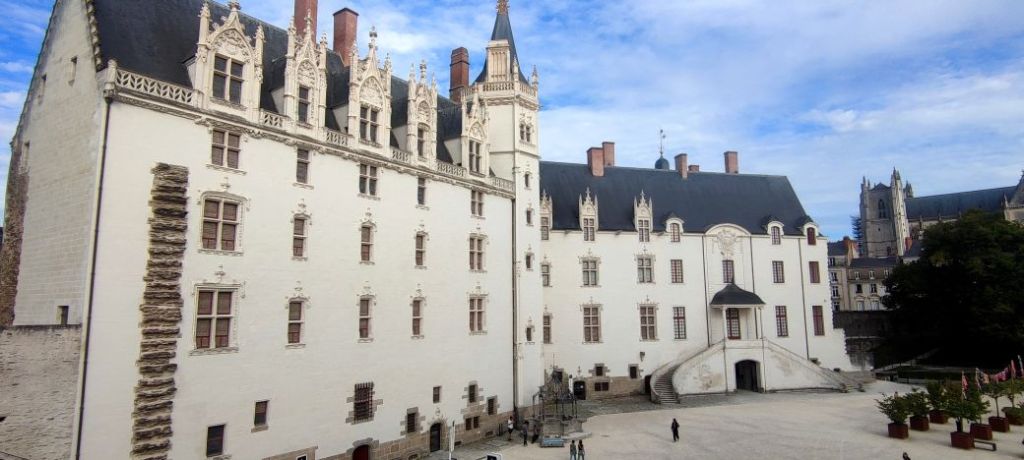
The Duchy of Brittany was an autonomous feudal entity between the 9th and 16th centuries, with its own court and administration. The Dukes of Brittany played a central role in regional politics and in relations with France and other European territories. Their power was consolidated through strategic marriages, treaties, and military alliances. A standout figure is Anne of Brittany (1477–1514), daughter of Duke Francis II of Brittany. She inherited the duchy at age 11 following her father’s death. Married twice to French kings — Charles VIII and Louis XII — she managed to maintain Brittany’s cultural and political independence even after its union with the French crown. Anne promoted architecture, education, and the arts, leaving a cultural legacy still visible in Nantes and throughout Brittany. Her influence is evident in monuments such as the Castle of the Dukes of Brittany, reflecting her power and refinement.
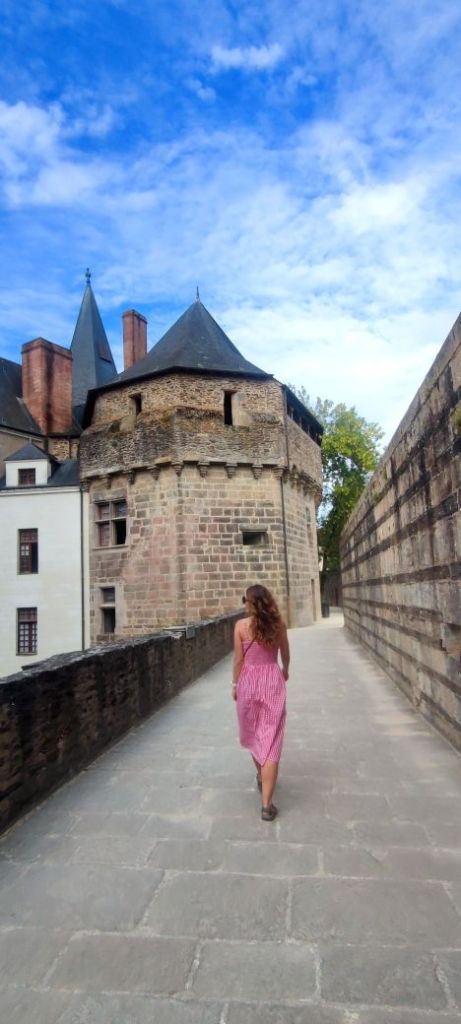
The castle, built between the 15th and 16th centuries, is a mix of late Gothic and French Renaissance styles. Initially conceived as a defensive fortress, it was adapted as a noble residence under Anne of Brittany. Its walls, towers, and moats evoke courtly life and military strategies of the era. Today, the castle houses a museum that explores the history of Nantes, the Dukes of Brittany, and medieval life. Interactive exhibitions display historical documents, everyday objects, armor, and portraits of Anne of Brittany, allowing visitors to understand her political and cultural influence. Temporary events also highlight topics of local and Breton history.
CATHEDRAL OF SAINT-PIERRE ET SAINT-PAUL

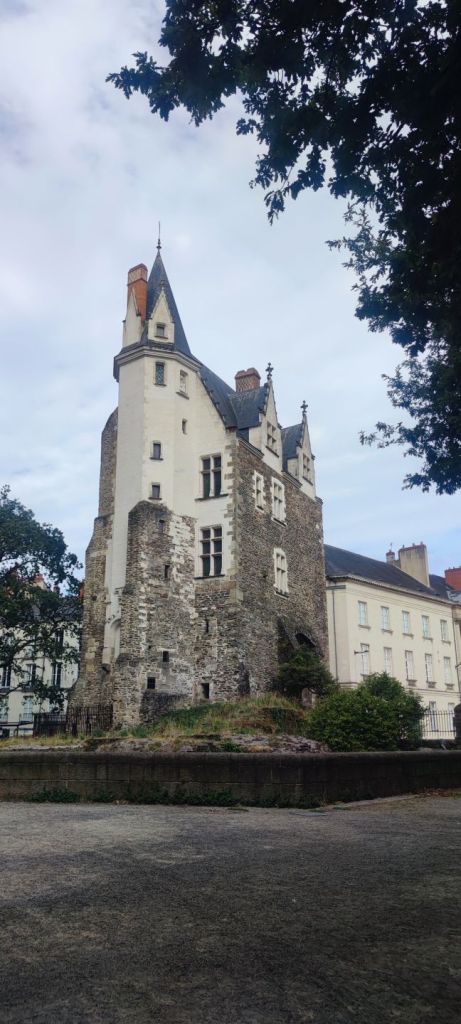
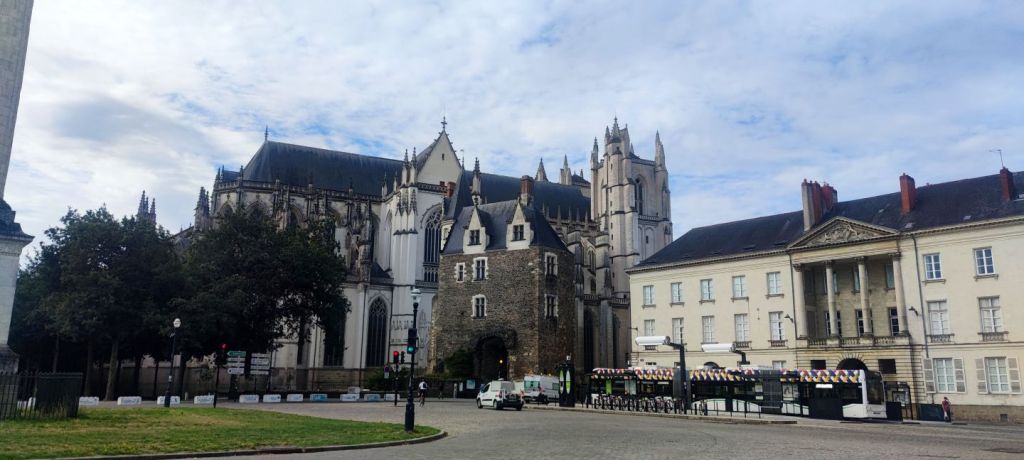
The Cathedral of Nantes, constructed between the 15th and 19th centuries, is an example of Flamboyant Gothic architecture with later restoration elements. The cathedral houses the tombs of the Dukes of Brittany and features historical stained-glass windows depicting religious and secular scenes. Its tall nave conveys a sense of grandeur, while sculptural details on its portals showcase the artistic skill of the period. The cathedral remains an active place of worship and a cultural center for the city.
JARDIN DES PLANTES (GARDEN OF THE PLANTS)
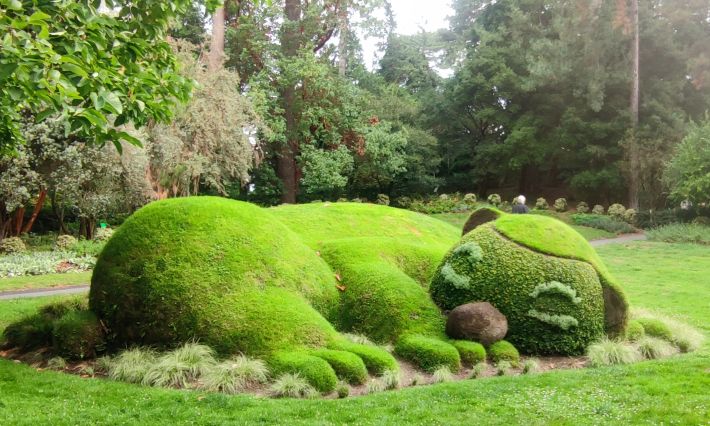
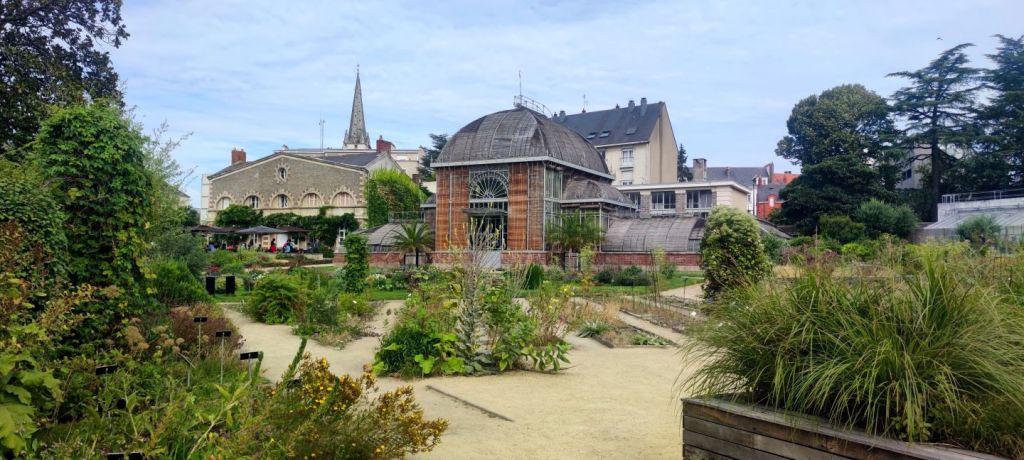
The Jardin des Plantes is a green space spanning over seven hectares, combining botany, art, and landscape architecture. Created in the 19th century, it hosts over 10,000 plant species, historic greenhouses, and modern sculptures. Each season transforms the garden, offering visitors a different experience: blooming flowers in spring, golden leaves in autumn, and special winter exhibitions. It is an ideal place for walking, picnicking, and learning about biodiversity.
THE ISLAND OF MACHINES
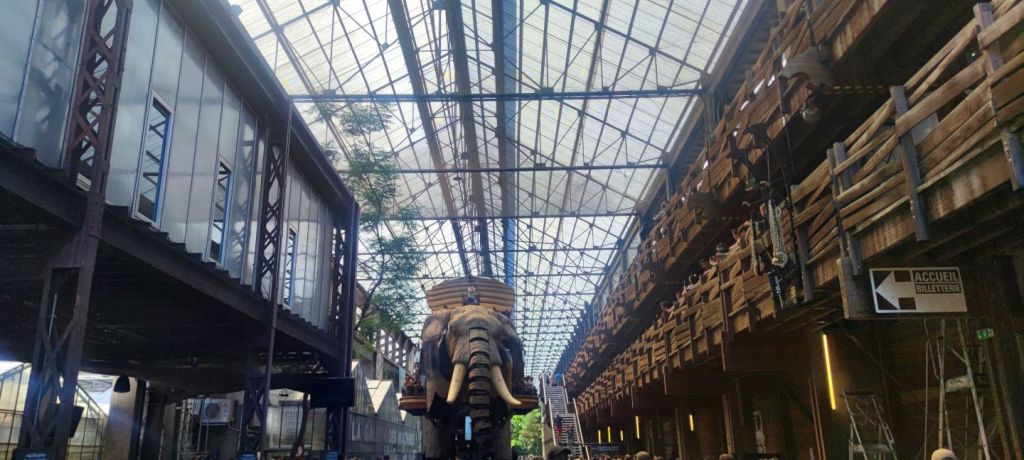
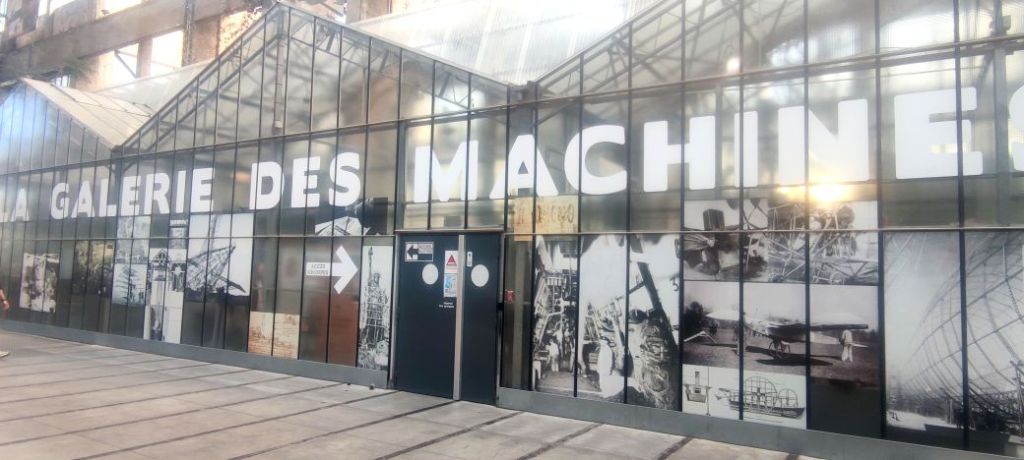
The Island of Machines, located in Nantes, is a unique cultural project combining art, engineering, and literature, becoming one of the city’s main attractions. Inspired by the imaginary worlds of Jules Verne —born in Nantes— and the inventions of Leonardo da Vinci, the island offers visitors a universe where fantasy and mechanics meet. Overall, the Island of Machines is not just a theme park but a laboratory of fantasy and engineering.
THE GREAT ELEPHANT
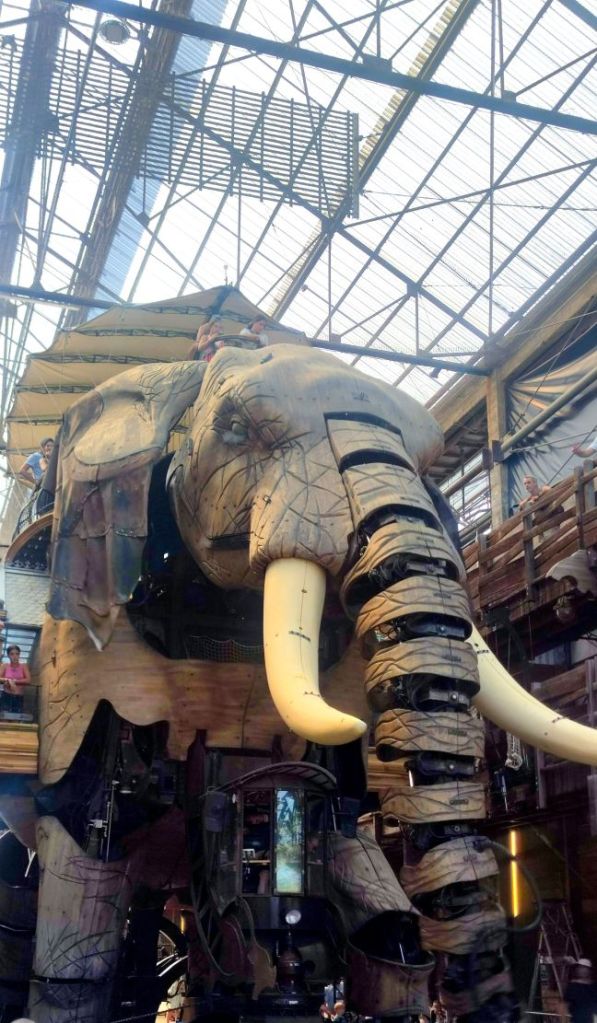
The Great Elephant is undoubtedly the island’s star attraction. This 12-meter-high mechanical machine can carry up to 50 passengers, traversing nearby docks and gardens. With realistic movements and sound effects, it recreates the sensation of interacting with a living animal, demonstrating the technical and artistic creativity behind the project.
CARRIAGES AND MECHANICAL VEHICLES
In addition to the Great Elephant, visitors can ride mechanical vehicles inspired by animals and fantastic carriages. These machines move along designated circuits within the island, allowing visitors to experience travel through imaginary worlds in the style of Jules Verne’s adventure novels.
THE SPIDER FOREST
The Spider Forest is another impressive installation: giant metal structures representing mechanical insects and spiders, with moving joints and sound effects. Visitors can walk among these creatures, observing how they interact with their environment and with spectators.
THE UNDERWATER WORLD
Inspired by Twenty Thousand Leagues Under the Sea, the Underwater World allows visitors to explore mechanical aquatic creatures, scale-model submarines, and fantasy scenes where engineering merges with literary narrative. It is designed to stimulate imagination and scientific curiosity, especially for children and young adults.
JULIUS VERNE MUSEUM
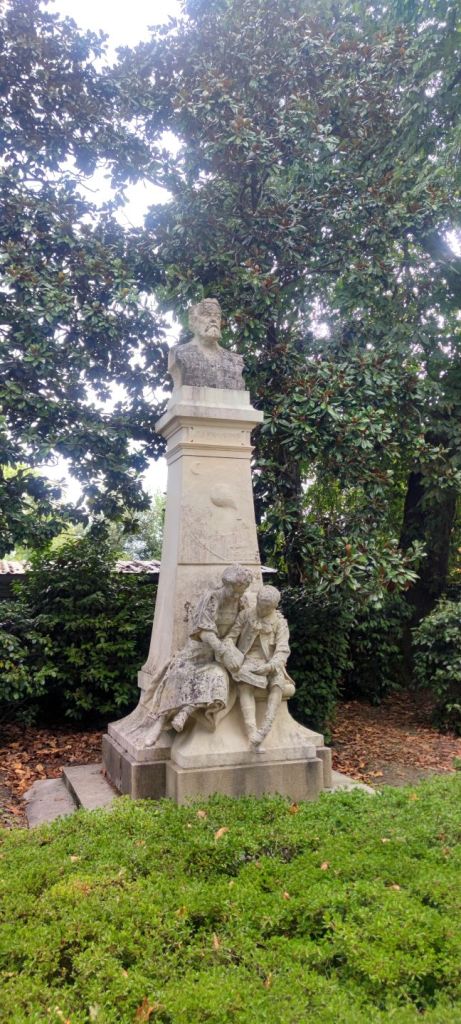
The Jules Verne Museum pays tribute to Nantes’ most famous writer, known for works such as Twenty Thousand Leagues Under the Sea and Around the World in Eighty Days. The museum combines interactive exhibitions with recreations of the imaginary worlds described in his books. Visitors can explore maps, ship models, submarines, and fantastical devices, immersing themselves in Verne’s imagination and visionary vision. This cultural space reinforces Nantes’ connection to literary innovation and scientific fantasy.
TIPS:
To make the most of the city, it is useful to follow some practical recommendations:
- Travel by bicycle: Nantes has an extensive network of bike lanes and a bike rental system, ideal for exploring the city comfortably and sustainably.
- Book tickets in advance: For popular attractions such as the Island of Machines, the Castle of the Dukes of Brittany, or the Jules Verne Museum, it is recommended to purchase tickets online to avoid queues and ensure access.
- Visit in different seasons: Nantes offers different experiences depending on the time of year: blooming gardens in spring, cultural festivals in summer, and Christmas markets in winter.
 all about eve`s journeys
El elefante gritadooor ;D
LikeLike