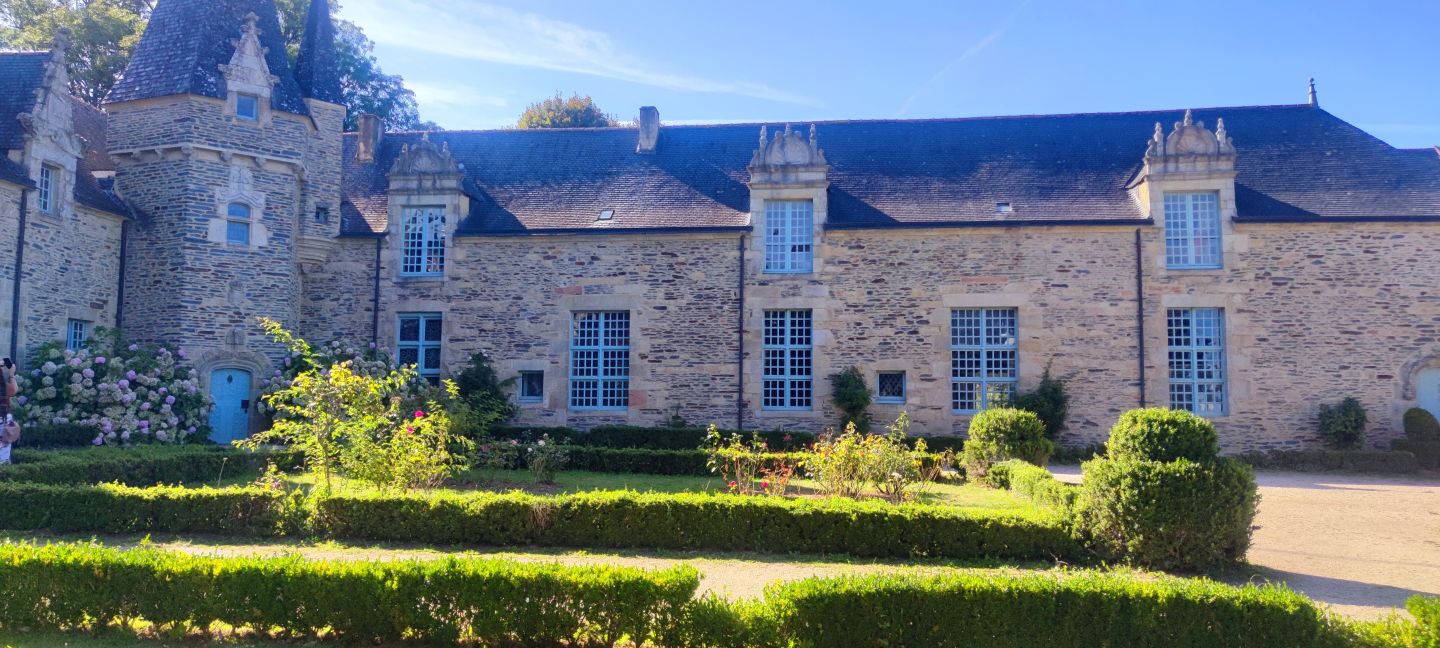
In northwestern France, where Celtic legends blend with misty landscapes and rugged coastlines, lies Brittany (Bretagne)—a region that feels deeply rooted in history and tradition. Beyond its lively cities, Brittany reveals a quieter, more intimate side through its villages, where time seems to slow down and authenticity still reigns. Among these hidden treasures, Bécherel, Combourg, and Rochefort-en-Terre stand out as three destinations that capture the very soul of the region.
Each village offers a different perspective on Brittany: a love of literature, a romantic past, and a beautifully preserved medieval heritage. Together, they form the perfect itinerary for travelers seeking charm, culture, and a slower pace of life.
BÉCHEREL: WHERE BOOKS SHAPE A VILLAGE
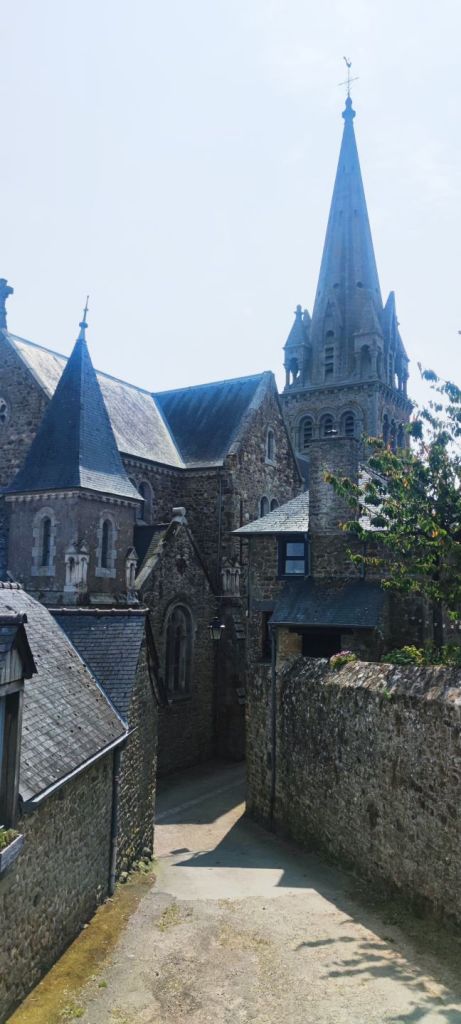
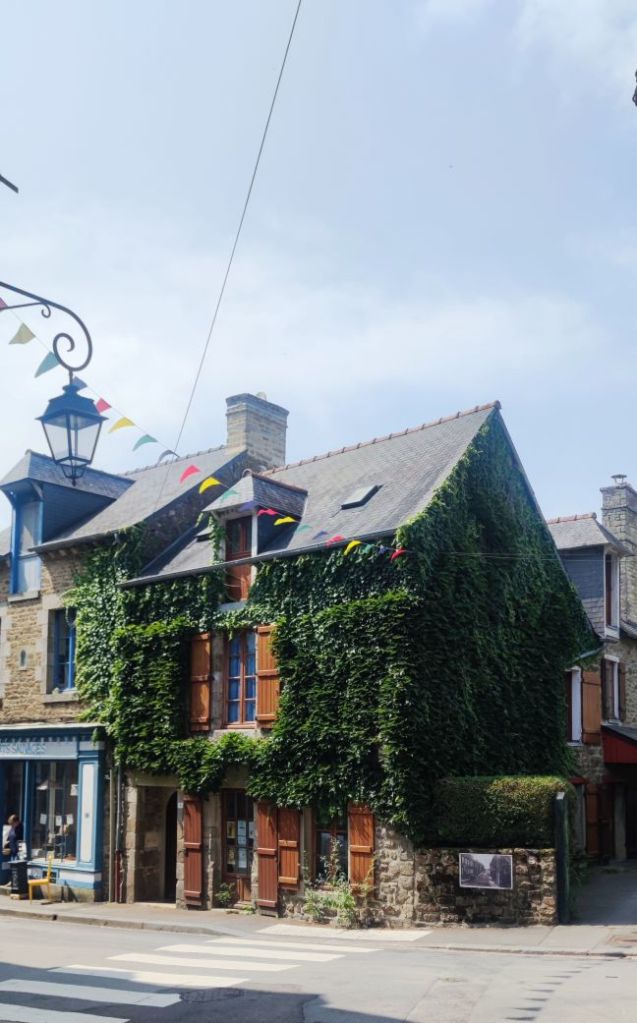
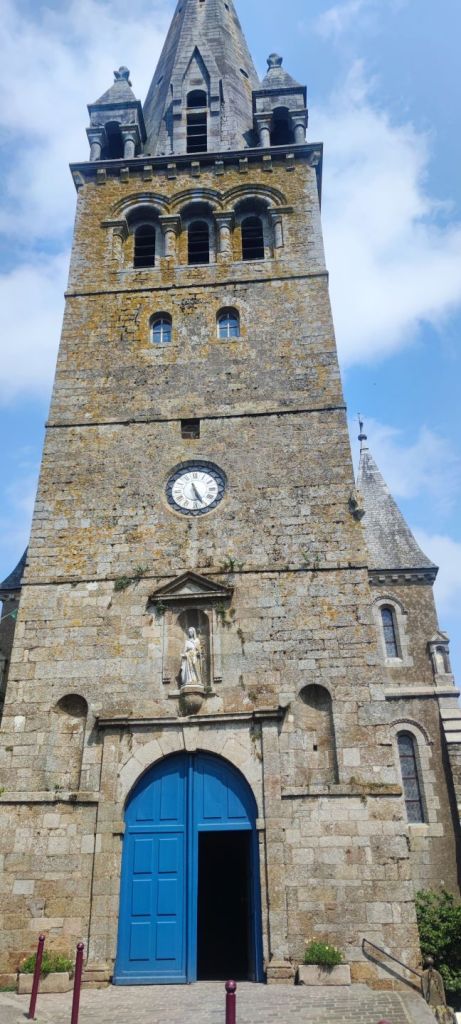
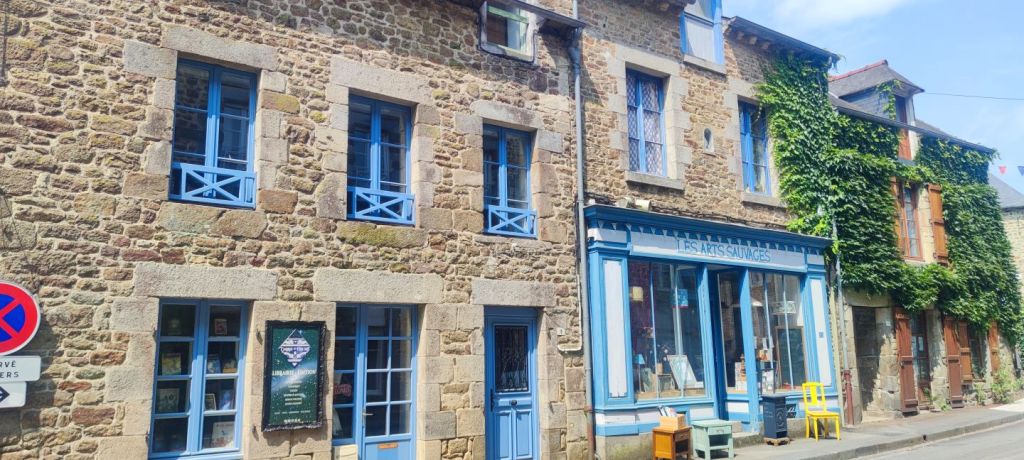
Perched on a hill in the heart of Ille-et-Vilaine, Bécherel is one of France’s rare book towns. With only a few hundred residents, it has transformed literature into its defining identity. Stone houses line cobbled streets, and nearly every corner seems to hide a bookshop, a second-hand bookstore, or a traditional bookbinding workshop.
Strolling through Bécherel feels like stepping into a living library. Visitors can browse specialized bookshops dedicated to history, travel, poetry, and children’s literature, or visit La Maison du Livre, a cultural hub hosting exhibitions and literary events. From the village’s elevated position, panoramic views open onto the rolling Breton countryside.
Bécherel’s reputation grew in the 1980s, when the village reinvented itself to combat depopulation by embracing books and culture. Today, it attracts bibliophiles from across France, particularly during the annual Fête du Livre, when authors, readers, and collectors fill the streets.
No visit is complete without sampling Breton classics: buckwheat galettes, sweet crêpes with salted butter or caramel, and a glass of traditional Breton cider.


COMBOURG: ROMANTICISM BY THE LAKE
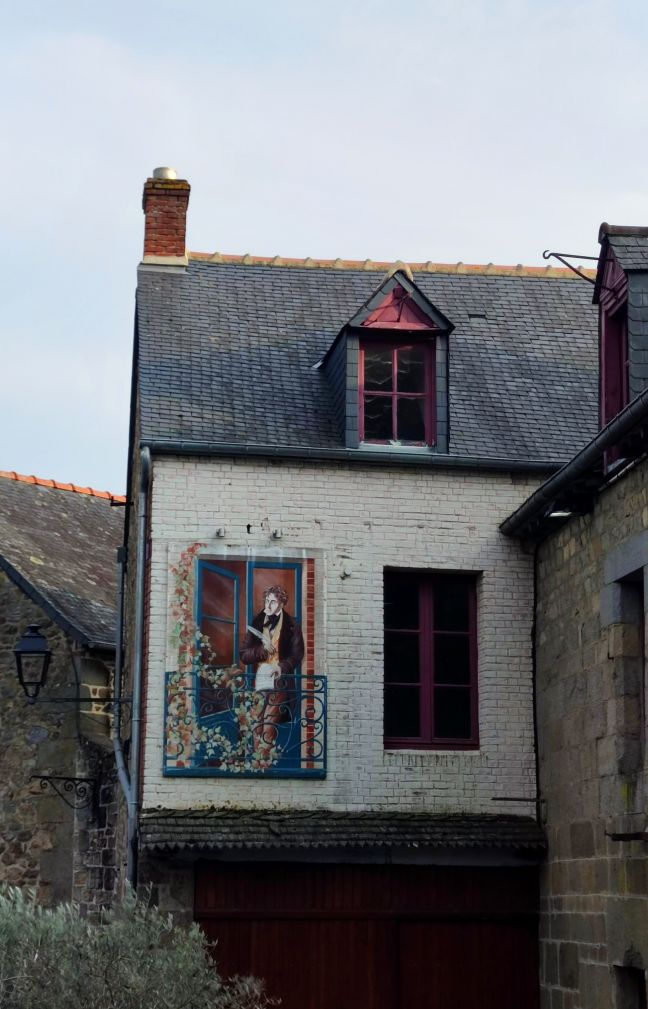
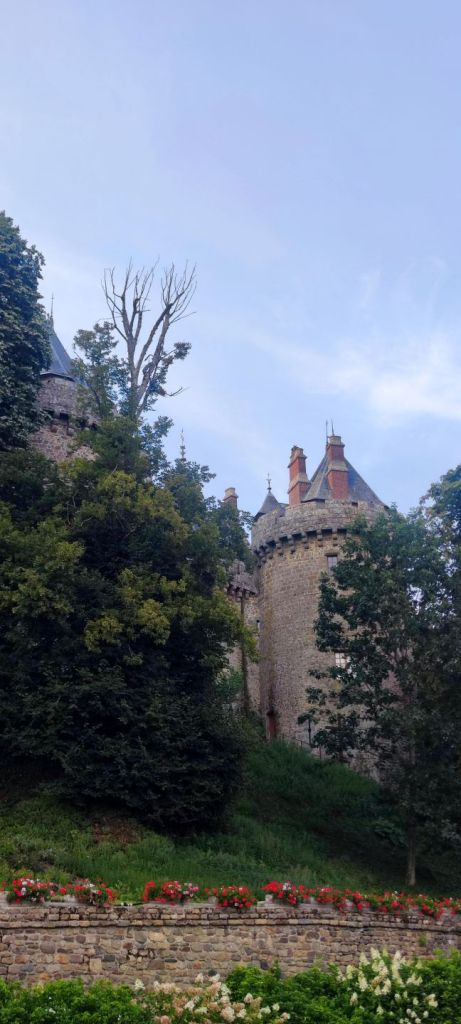

Surrounded by forests and tranquil waters, Combourg is inseparable from the legacy of François-René de Chateaubriand, the father of French Romanticism. The village’s atmosphere is poetic and introspective, shaped by nature and history in equal measure.
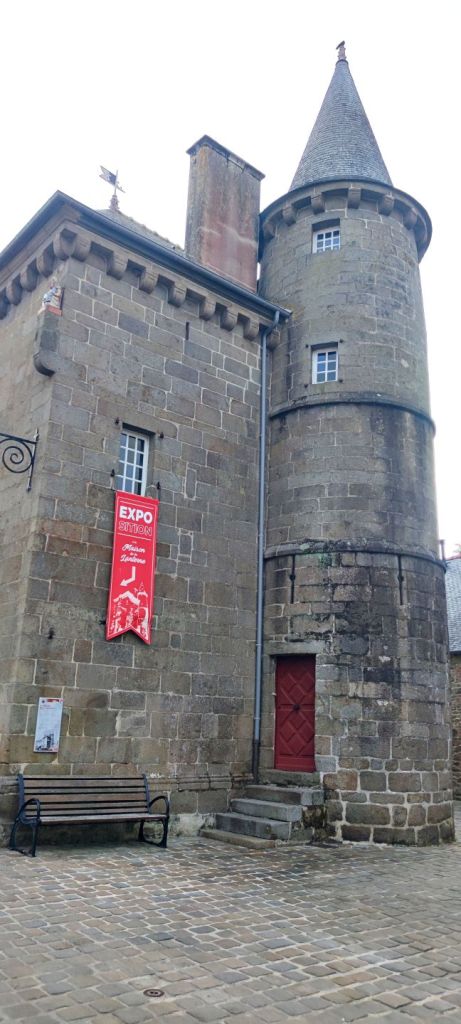
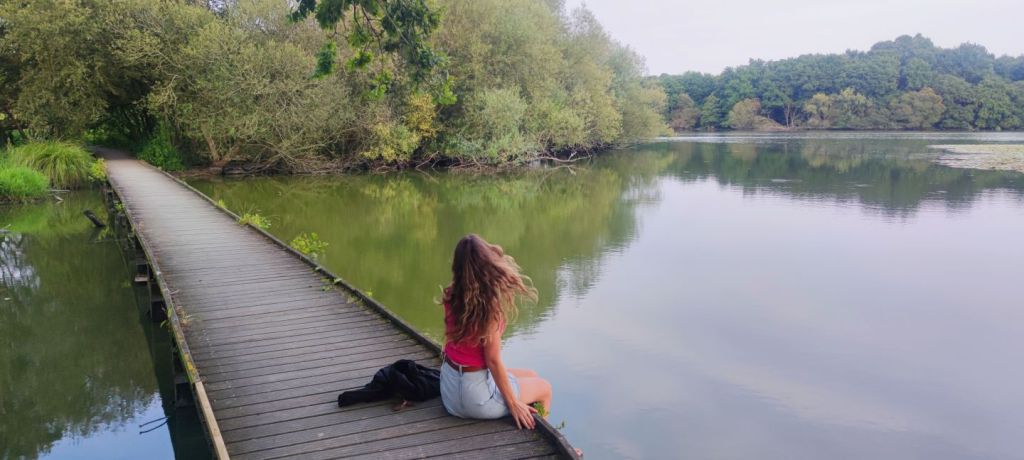
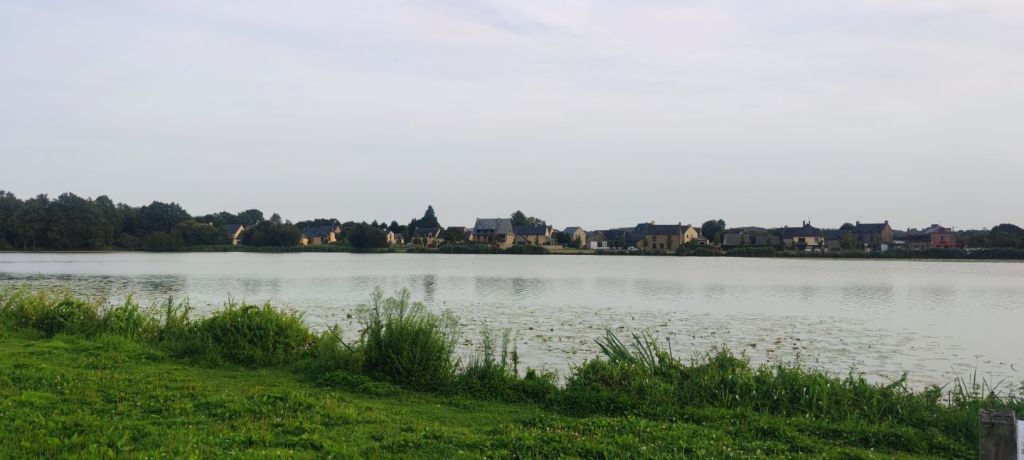
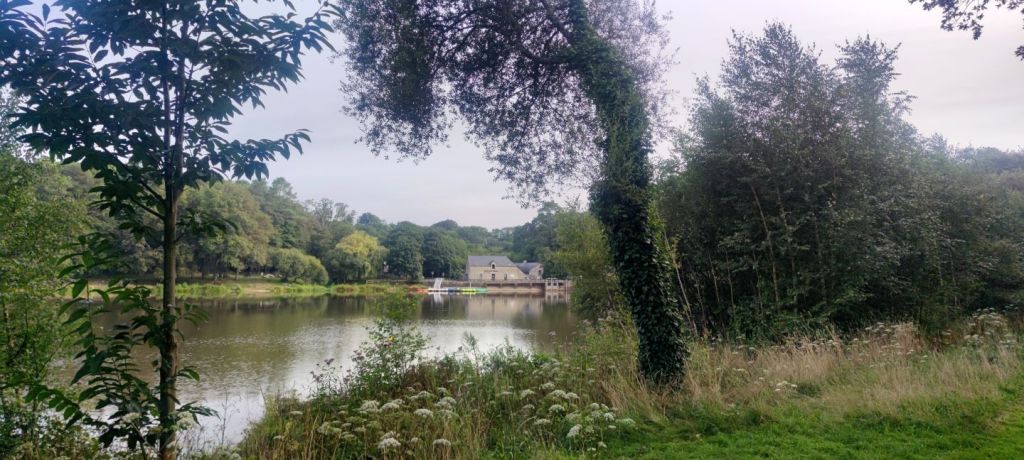
At its heart rises Combourg Castle, a striking medieval fortress where Chateaubriand spent part of his youth. Today, visitors can explore its interior and gardens, gaining insight into both medieval life and literary history. Just below the castle lies Lac Tranquille, a peaceful setting ideal for leisurely walks, especially at sunset when the castle’s reflection shimmers on the water.
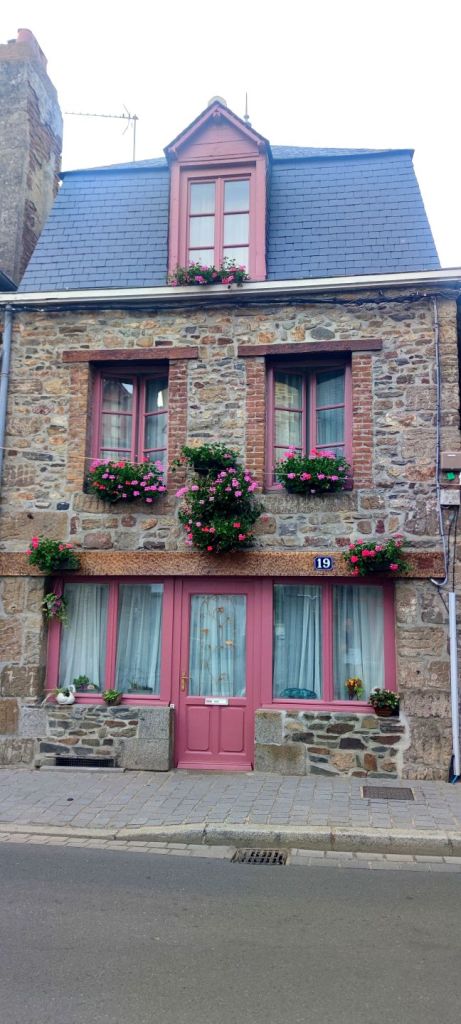
The old town, with its traditional houses and quiet squares, invites unhurried exploration. Combourg’s fame stems not only from its architecture but from the way it inspired Chateaubriand’s writing, immortalizing the village in French literary heritage.
Local cuisine reflects the region’s rural traditions, with hearty dishes such as kig ha farz, a slow-cooked meat and vegetable stew, alongside freshwater fish and apple-based desserts that celebrate Brittany’s love affair with orchards.
ROCHEFORT-EN-TERRE: A MEDIEVAL FAIRYTALE
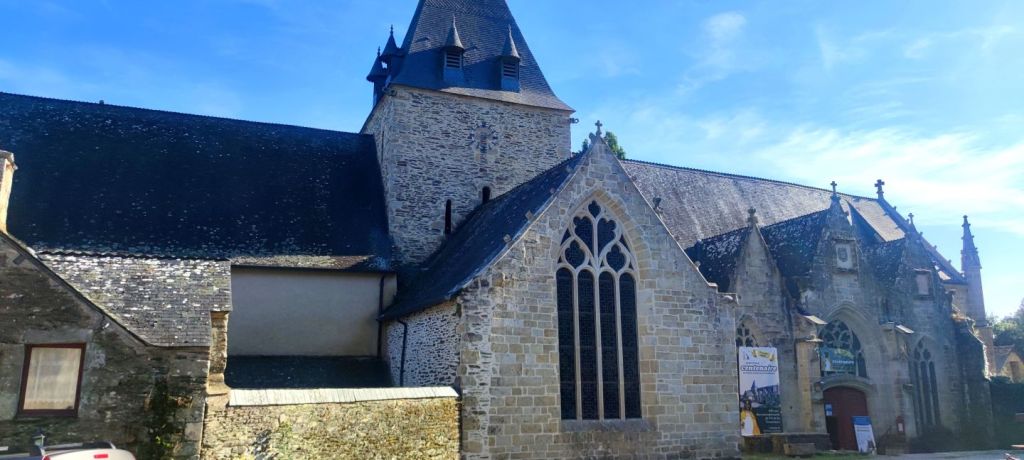

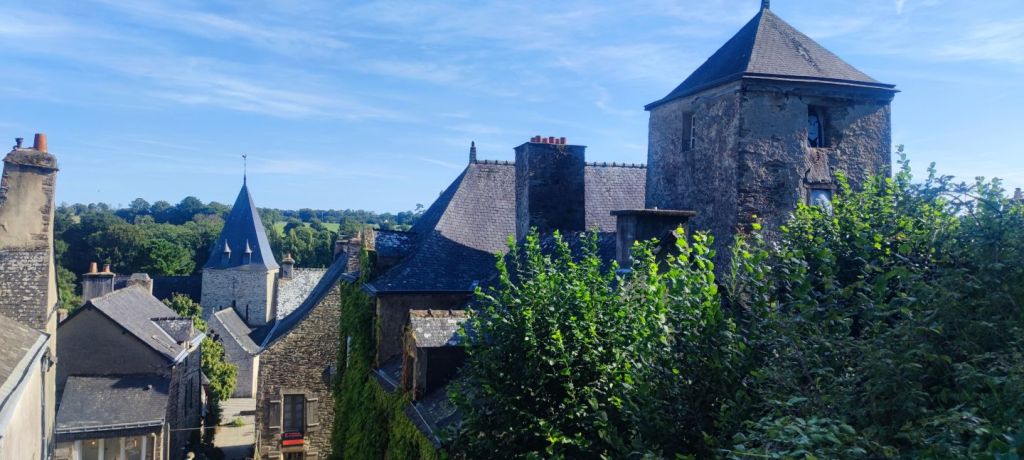
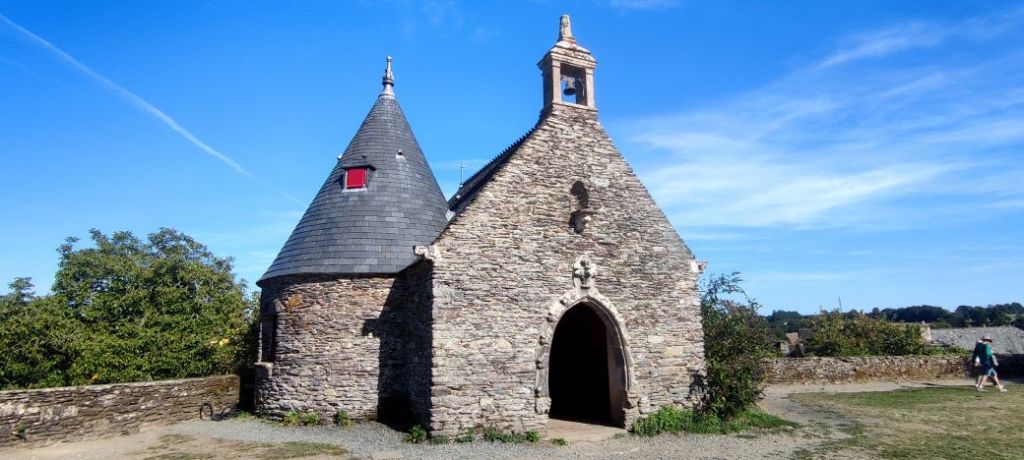

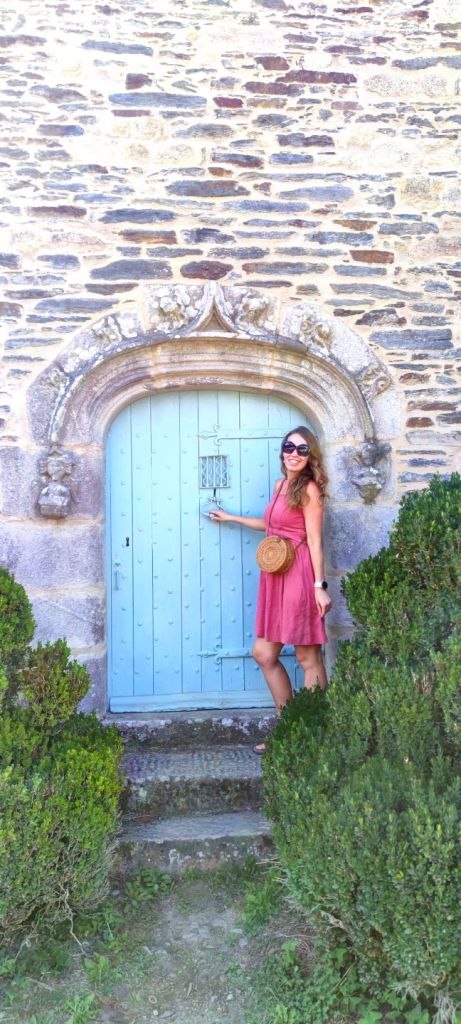
Often ranked among the most beautiful villages in France, Rochefort-en-Terre feels like a perfectly preserved medieval painting. Located in the Morbihan department, its stone façades, flower-filled balconies, and narrow lanes create an atmosphere of timeless elegance.
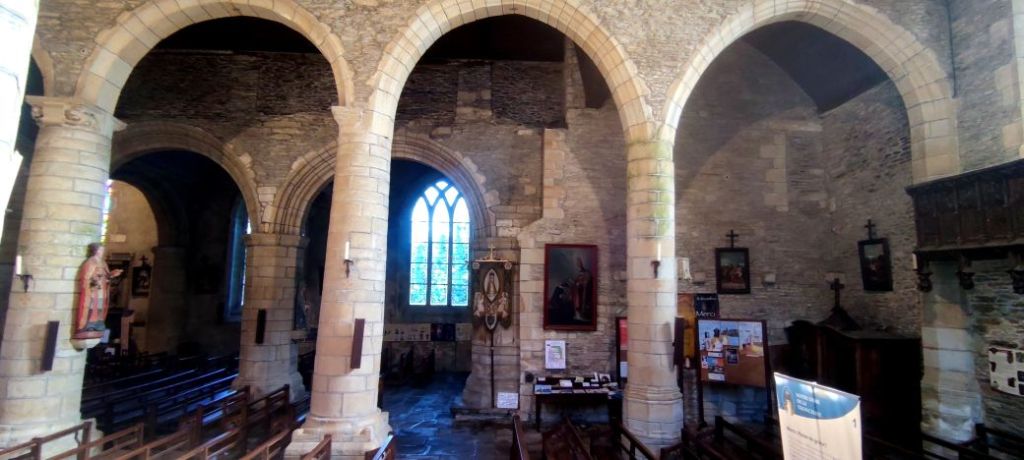
The village’s castle, partially restored and now a cultural venue, overlooks streets lined with artisan workshops, galleries, and boutiques selling local products. The Church of Notre-Dame-de-la-Tronchaye, with its Gothic and Renaissance details, adds to the architectural richness, while the surrounding countryside offers scenic walking paths for nature lovers.

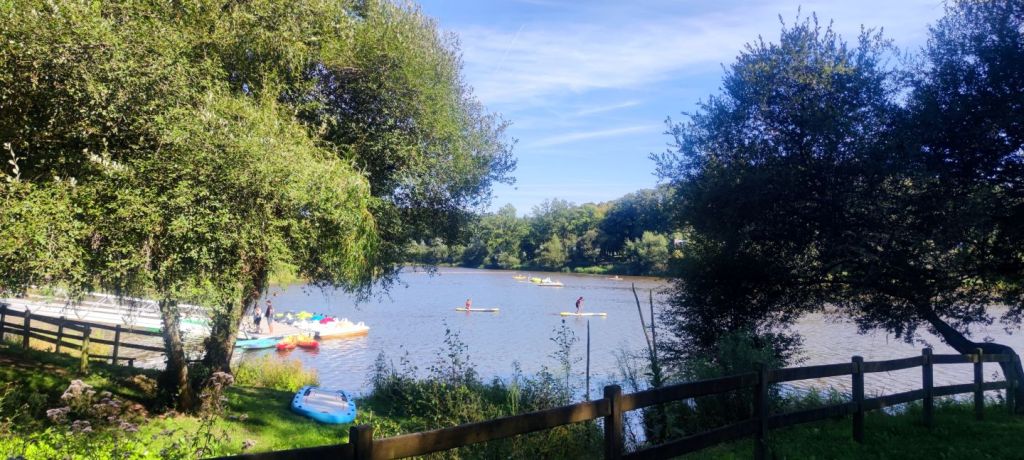
Rochefort-en-Terre’s fame lies in its remarkable preservation and its ability to enchant visitors year-round. During the Christmas season, the village becomes especially magical, illuminated by thousands of lights that draw travelers from all over France.
Seafood takes center stage here, with fresh oysters and mussels, complemented by Breton pâté, rillettes, and the iconic gâteau breton—a dense, buttery cake that perfectly captures the indulgent spirit of Breton cuisine.
TIPS:
- The best time to explore these Breton villages is from May to September, when the weather is mild, gardens are in bloom, and cultural festivals bring the region to life. Spring and early summer offer a quieter experience, while July and August are livelier but more crowded.
- For travelers, renting a car is the most convenient way to explore the region, allowing easy access to all three villages. Rennes serves as the main gateway, with train connections to Combourg and an international airport for arrivals from abroad.
 all about eve`s journeys
Que bien lo pasamos!
LikeLike