There are destinations that are understood at first glance, and others that demand time, attention, and a certain willingness to contemplate. Dinan belongs to the latter. Located in the heart of Brittany, this walled city does not seek to impress with grand gestures; rather, it captivates through the coherence of its architecture, the unhurried beauty of its surroundings, and an identity deeply rooted in history. Visiting Dinan means accepting an invitation to slow down, to wander without a fixed goal, and to allow the city to reveal itself gradually.
OLD TOWN AND ARCHITECTURE: AN INDIVISIBLE HARMONY
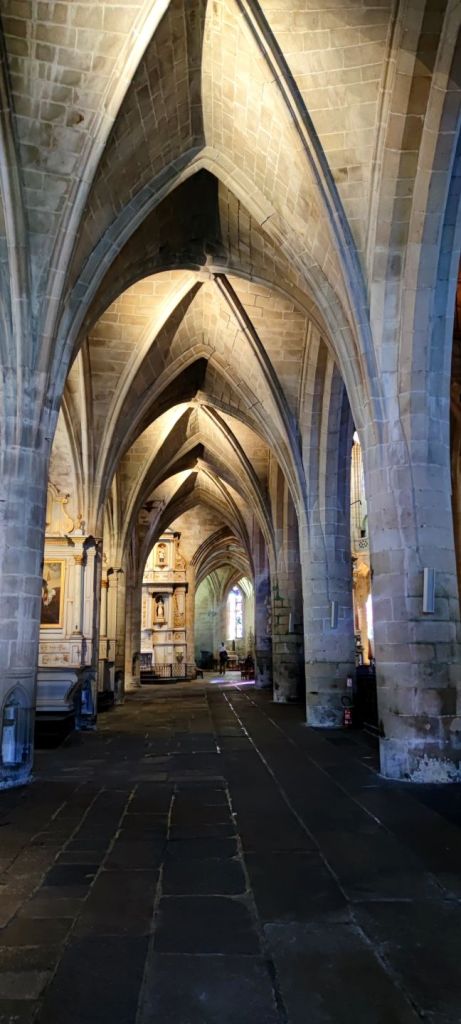
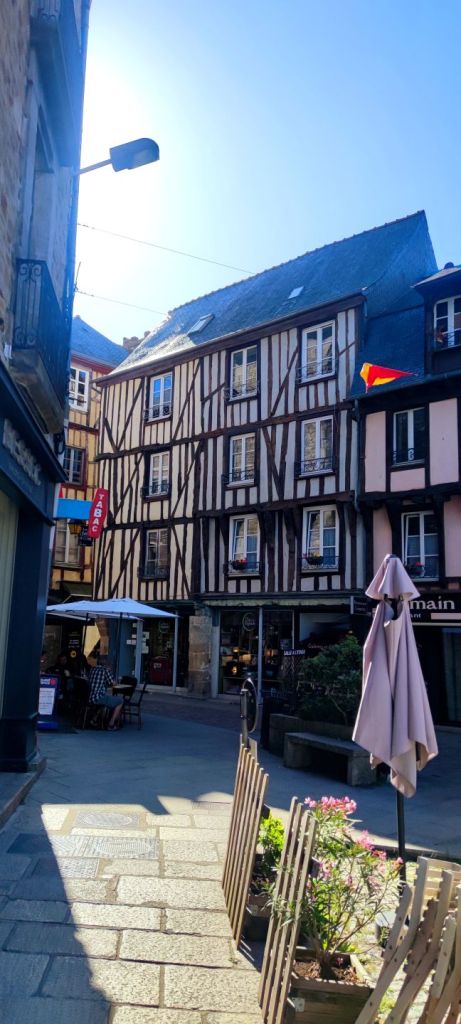
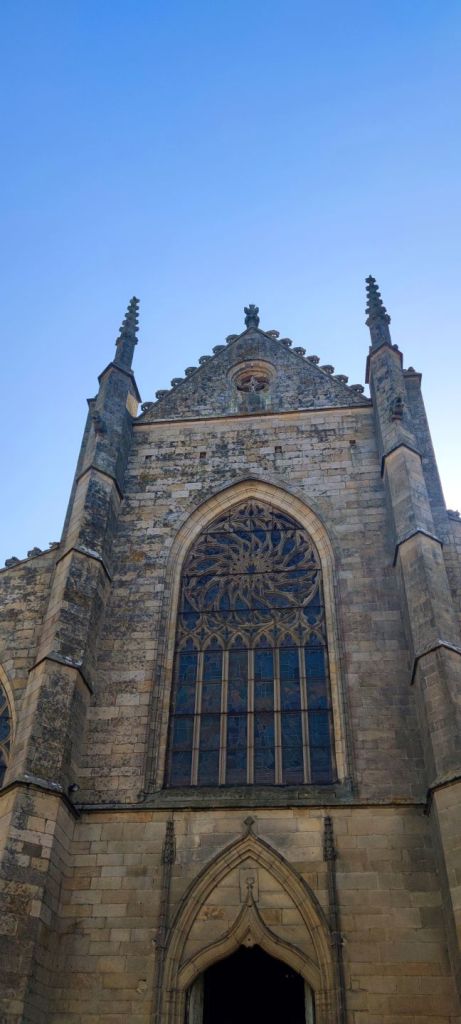
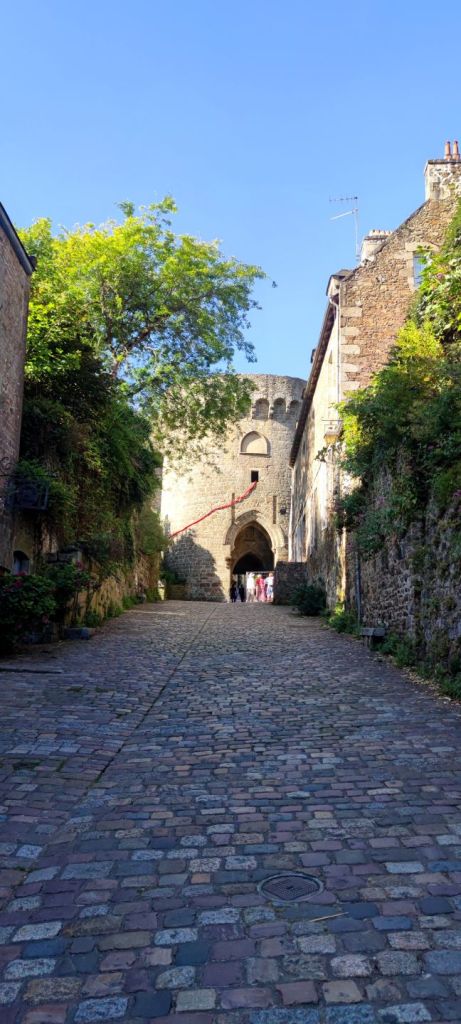
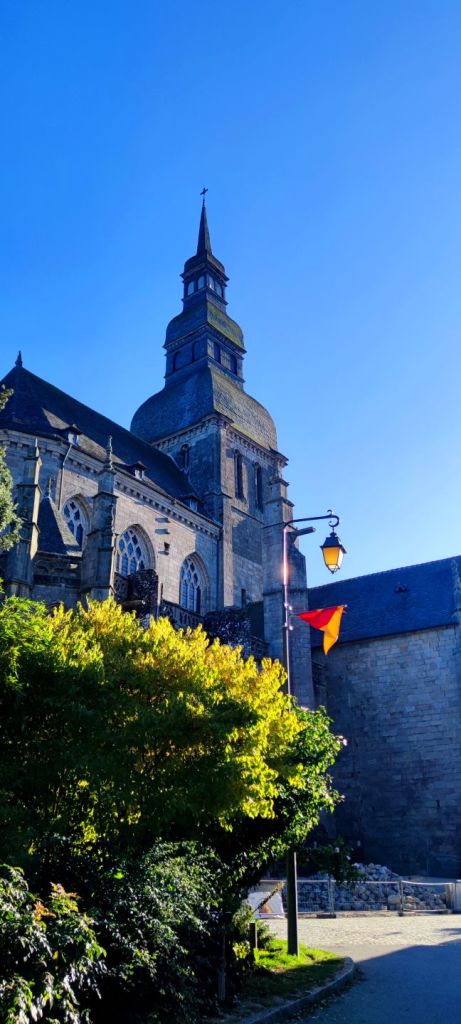
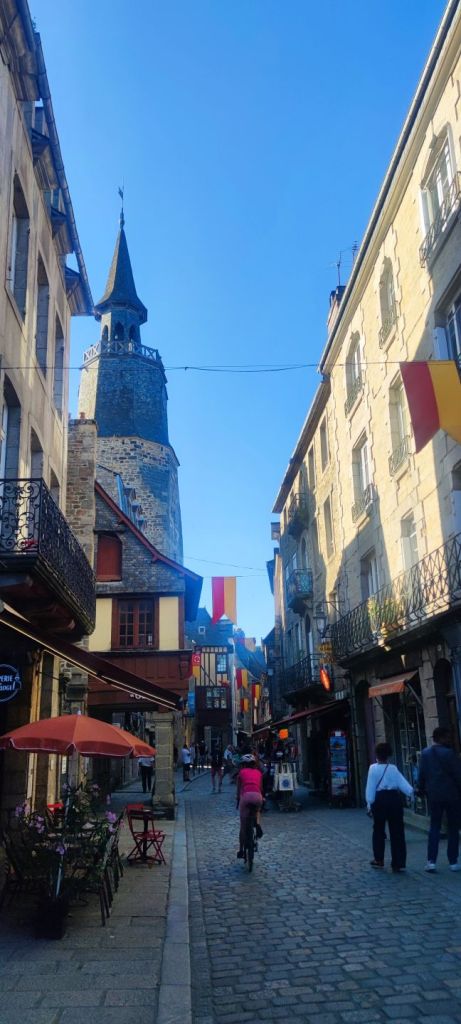
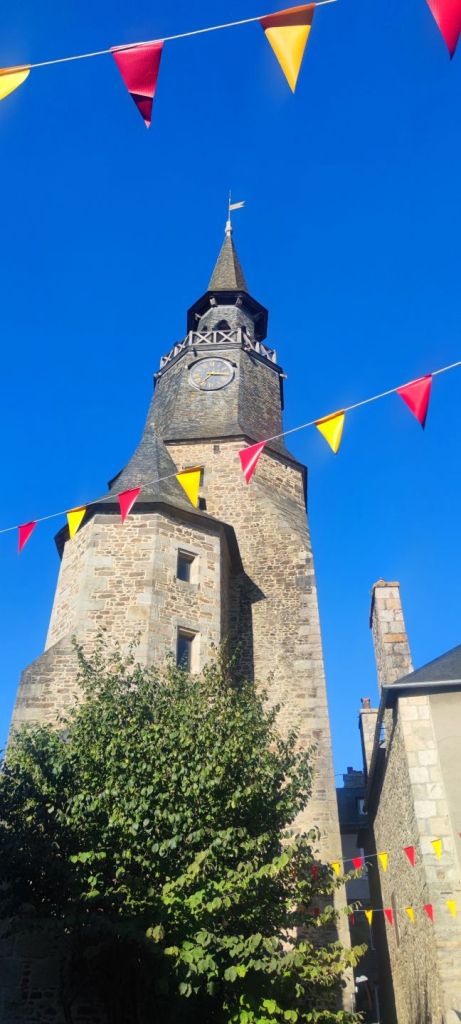
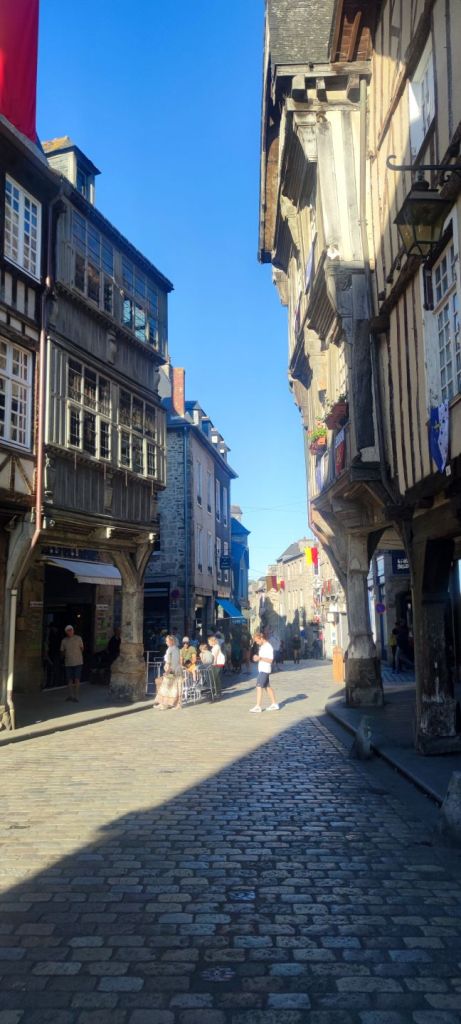
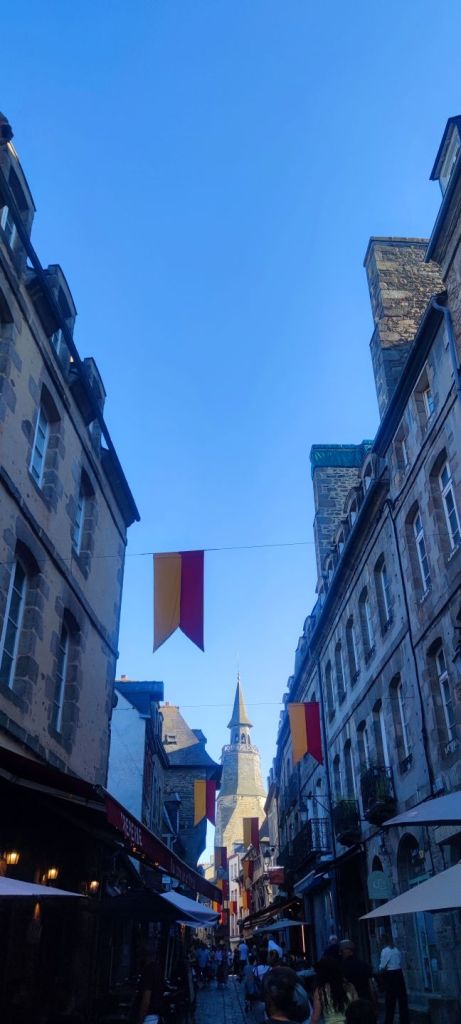
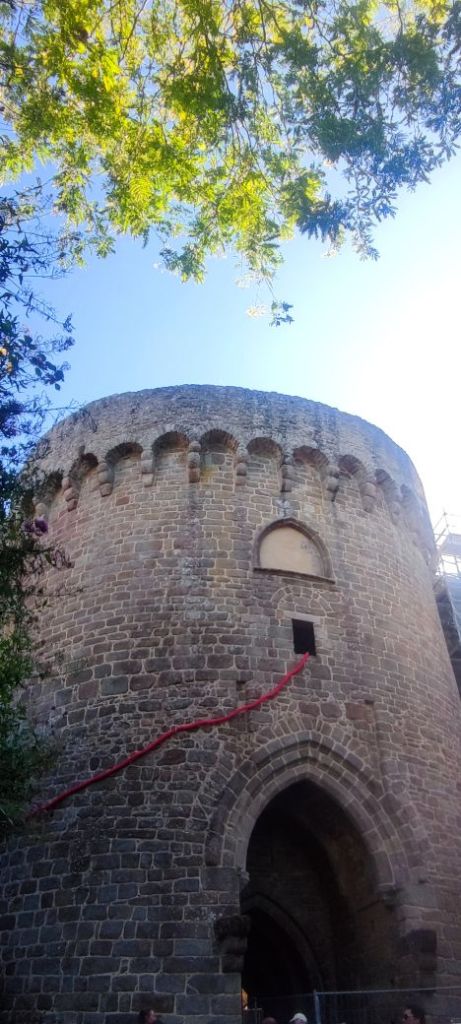
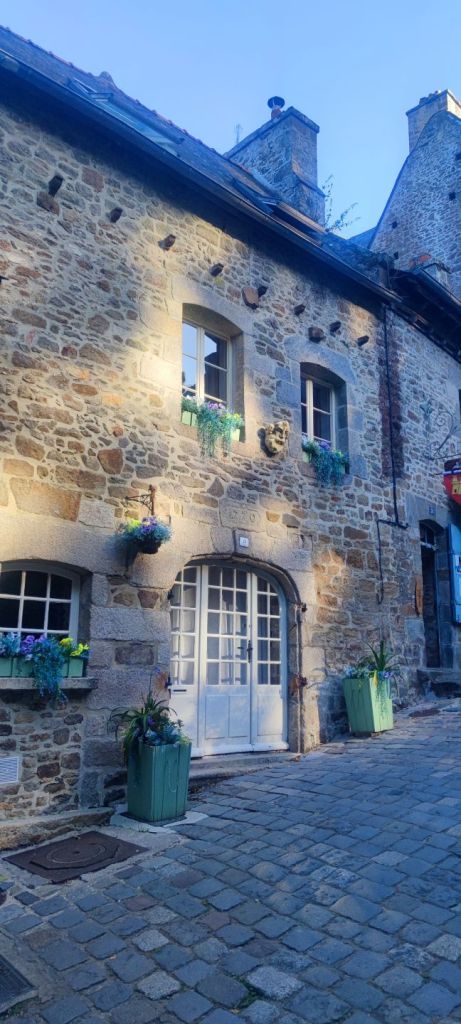
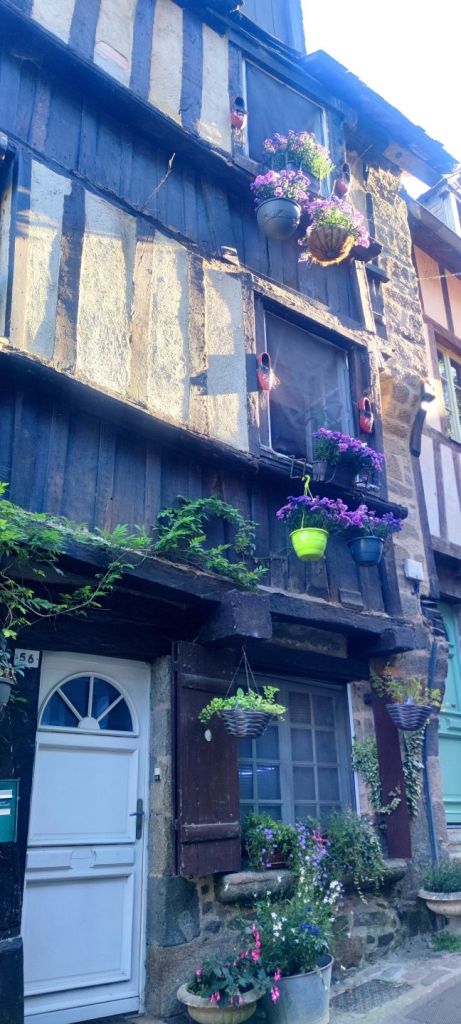
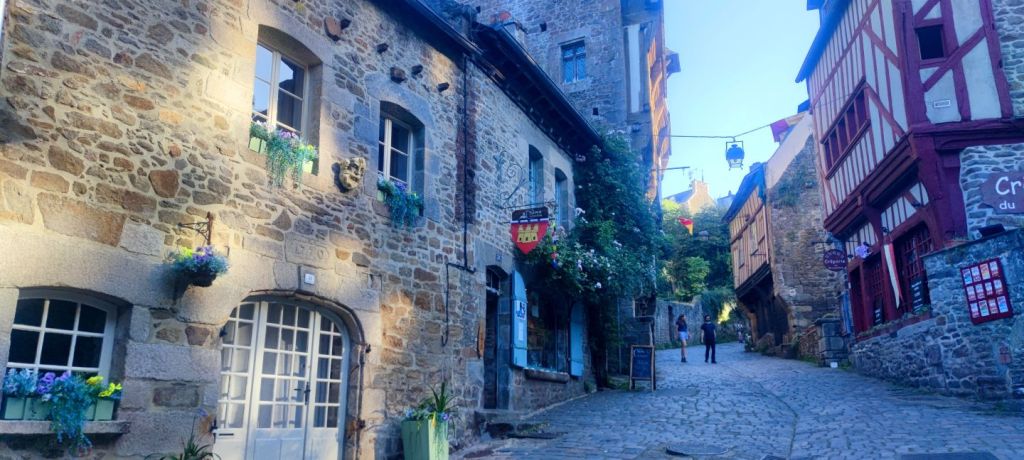
In Dinan, the historic center cannot be separated from its architecture. Together they form an organic whole, the result of centuries of carefully preserved urban evolution. Its cobbled streets follow a medieval layout shaped more by topography and daily life than by rigid planning. Walking through them is to experience a city designed on a human scale.
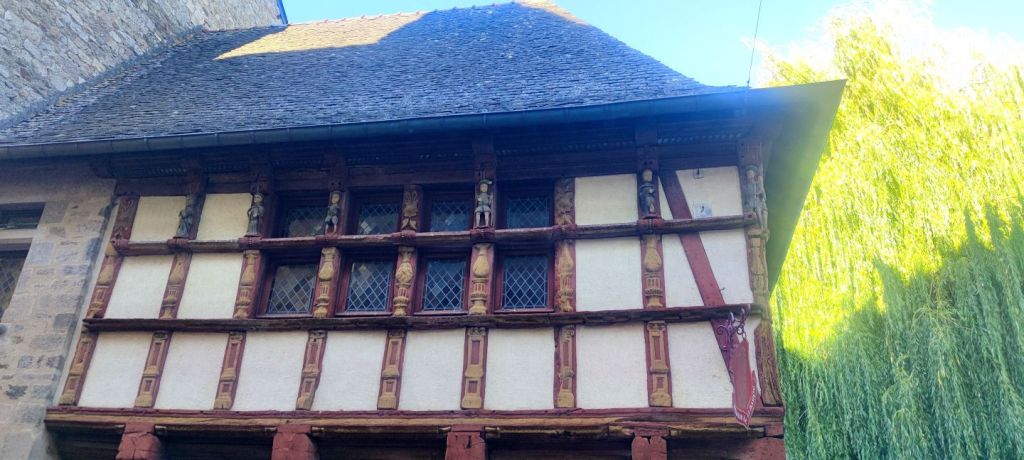
The Rue du Jerzual is the most emblematic axis of this experience. This steep street, connecting the upper town with the port, encapsulates the essence of Dinan: half-timbered houses, some slightly leaning under the weight of time; artisan workshops that keep traditional crafts alive; façades where wood, stone, and slate coexist with remarkable natural harmony. It is not a street to rush through, but one to pause in, observe, and listen.
More than 130 medieval houses, many built between the 15th and 17th centuries, form one of the best-preserved architectural ensembles in France. Each building is unique, yet the whole maintains a striking aesthetic unity. Asymmetrical windows, exposed beams, ancient doorways, and small decorative details reveal a city that has protected its heritage without turning it into a static museum.
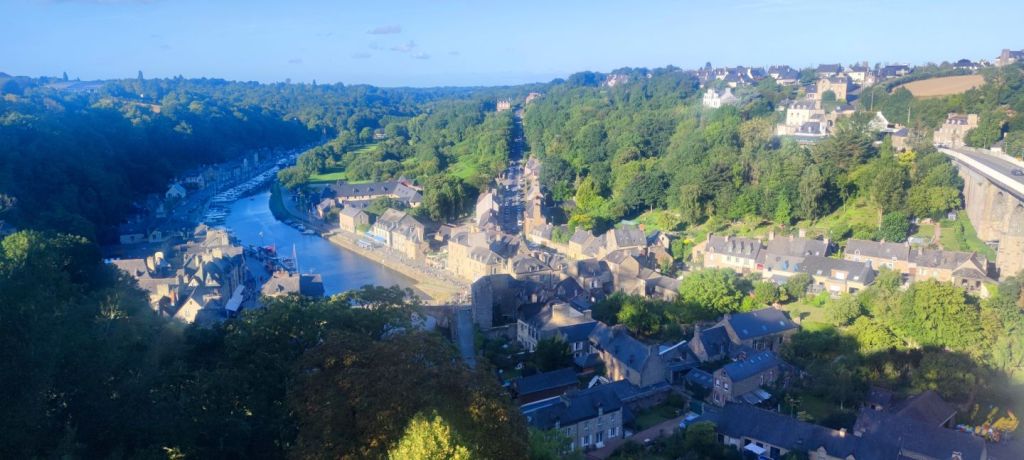
The ramparts of Dinan, stretching nearly three kilometers, allow visitors to grasp the city’s strategic importance during the Middle Ages. Today, walking along them is a privileged visual experience: from above, slate rooftops, hidden gardens, and the green landscape surrounding the city come into view. The walls do not merely define the urban space; they frame it with elegance.
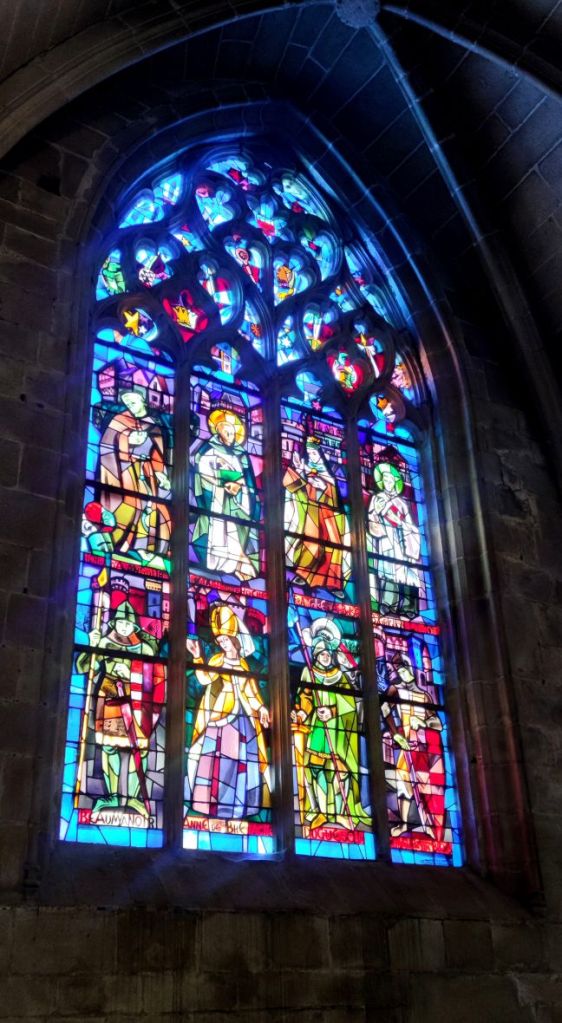
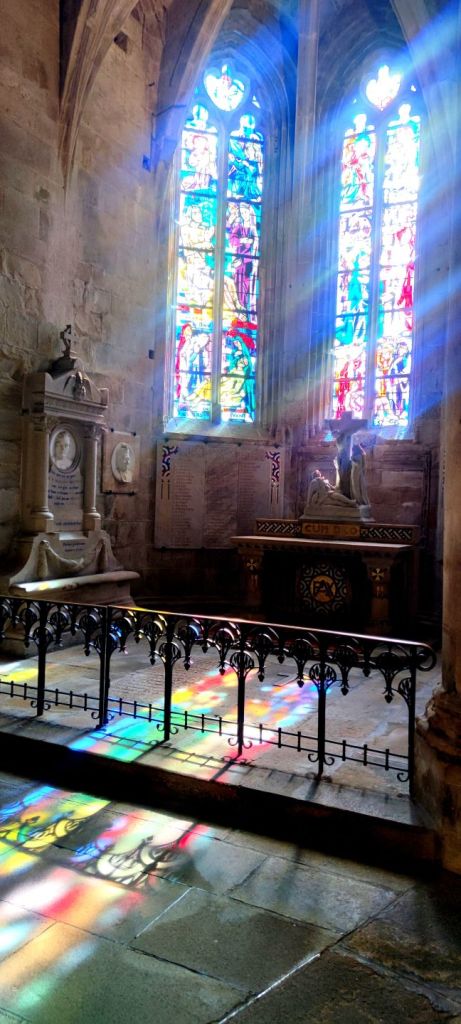
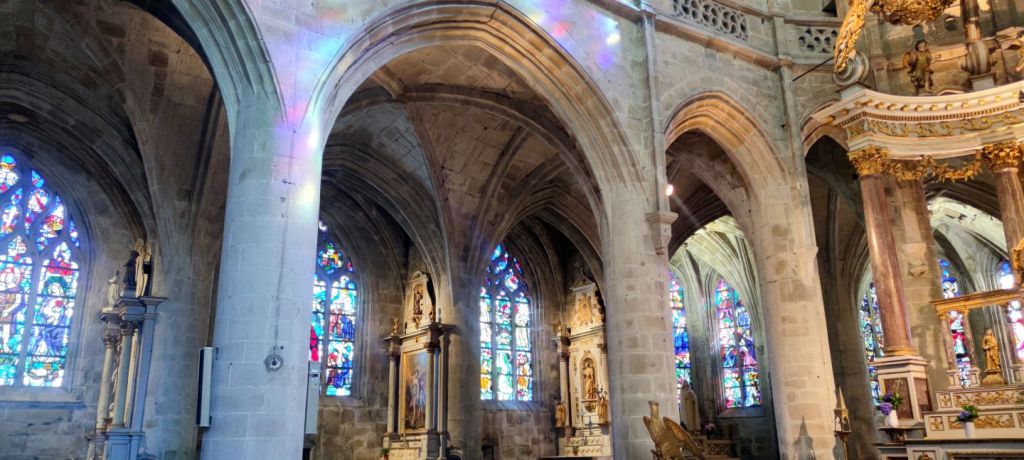
Within this network of streets and buildings rise two important religious structures. The Basilica of Saint-Sauveur, sober and robust, combines Romanesque and Gothic elements and conveys a sense of stability and introspection. The Church of Saint-Malo, visible from various points in the city, adds verticality and balance to the urban skyline. Both serve as spaces of silence that contrast with the vitality of the streets outside.
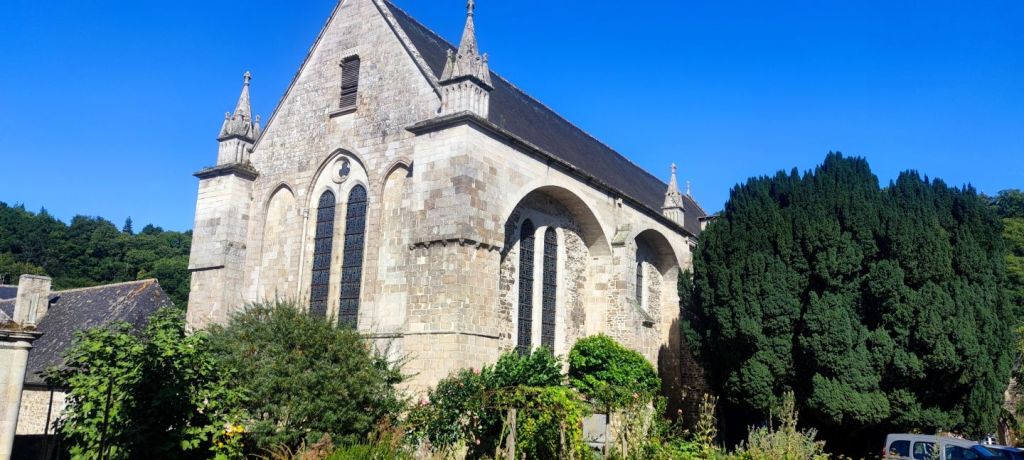
THE PORT OF THE RANCE: WHERE THE CITY BREATHES
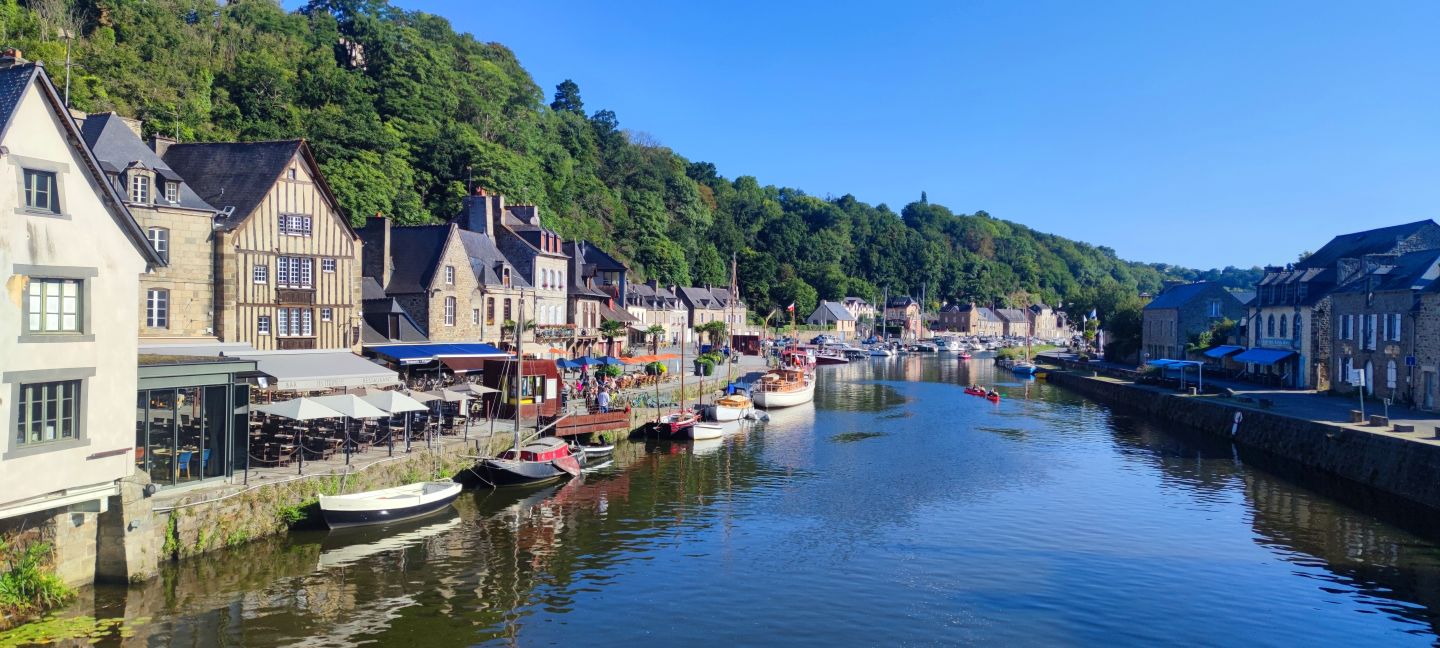
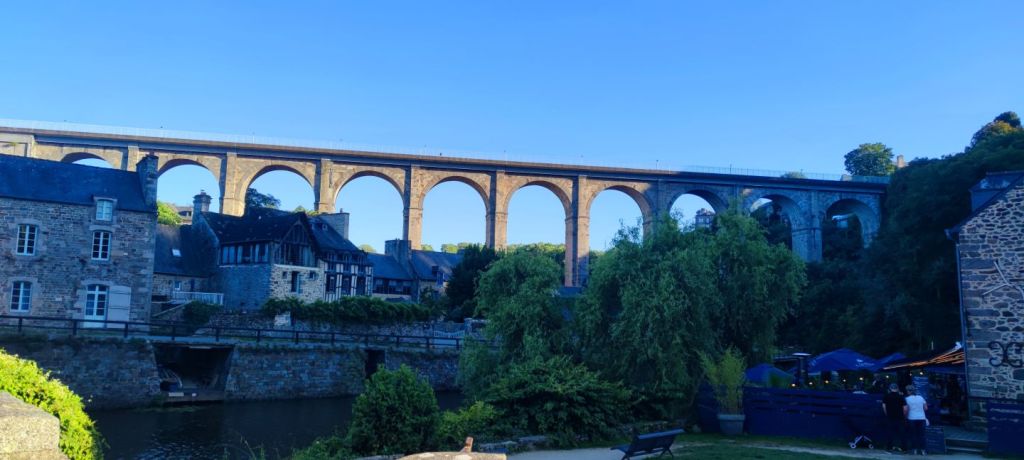
Descending from the old town, the atmosphere changes almost imperceptibly. The Port of the Rance marks a gentle transition between the medieval city and the river landscape. Here, the pace slows even further: the sound of water, moored boats, and discreetly integrated terraces create a serene ambiance.
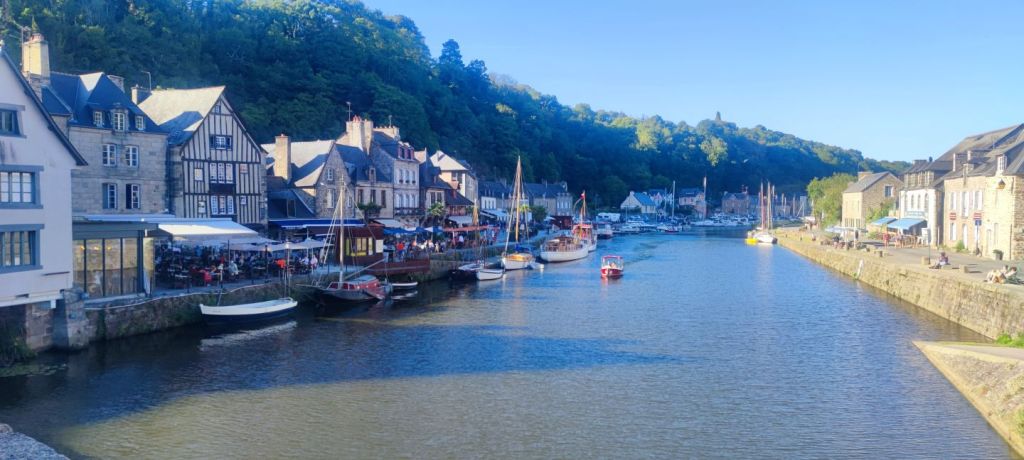
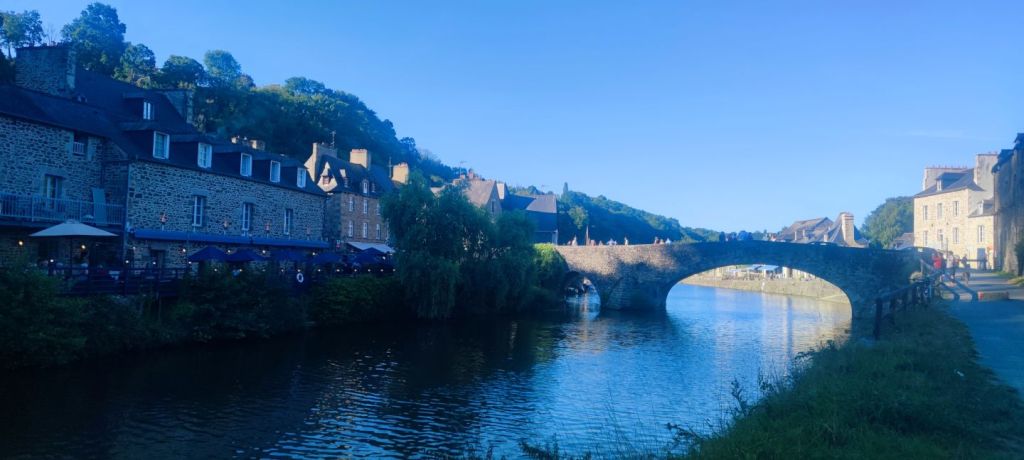
Historically, the port was fundamental to Dinan’s commercial activity. Today, it retains this functional character, reinterpreted as a space for leisure and contemplation. It is an ideal place to sit by the river, enjoy a drink at sunset, or simply watch how the light transforms the landscape throughout the day.
The contrast between the upper town, with its ramparts and rooftops, and the open, luminous port is one of Dinan’s greatest charms. Both spaces complement and enrich each other.
BRETON GASTRONOMY: IDENTITY AND PRODUCT
The experience of Dinan would not be complete without an introduction to its local gastronomy, which faithfully reflects the character of Brittany: straightforward, honest, and deeply connected to the land.
Buckwheat galettes are the most emblematic dish. Unlike sweet crêpes, galettes are savory and filled with simple yet carefully selected ingredients: cheese, egg, ham, mushrooms, or seafood. Their flavor is both rustic and refined.
Sweet crêpes, meanwhile, reach a particularly refined expression here thanks to Breton salted butter, the undisputed star of local pastry-making. Accompanied by caramel, apple, or simply sugar, they represent a simple yet memorable pleasure.
Breton cider, dry and slightly acidic, is traditionally served in ceramic bowls and pairs perfectly with both galettes and fish or seafood. In restaurants near the port, the cuisine takes on a more maritime character, always respectful of the product and free from unnecessary artifice.
THE RANCE GREENWAY: NATURE IN SLOW MOTION
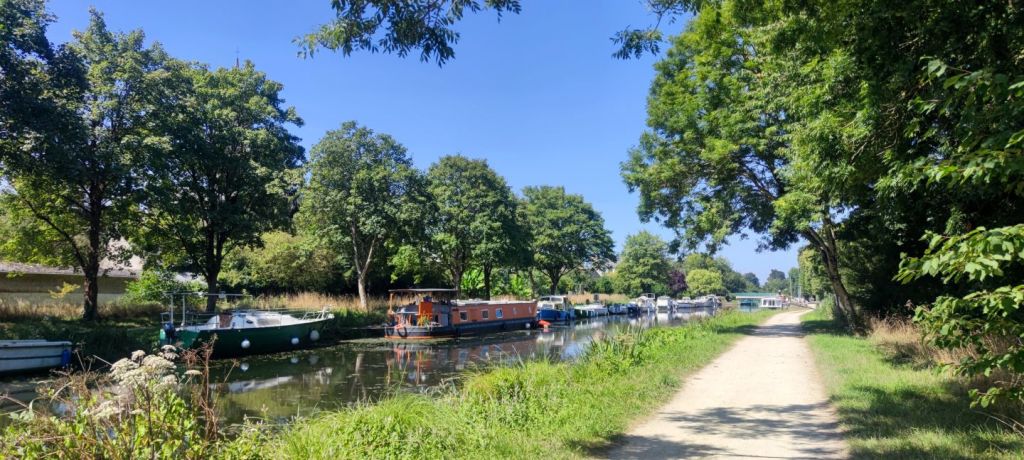
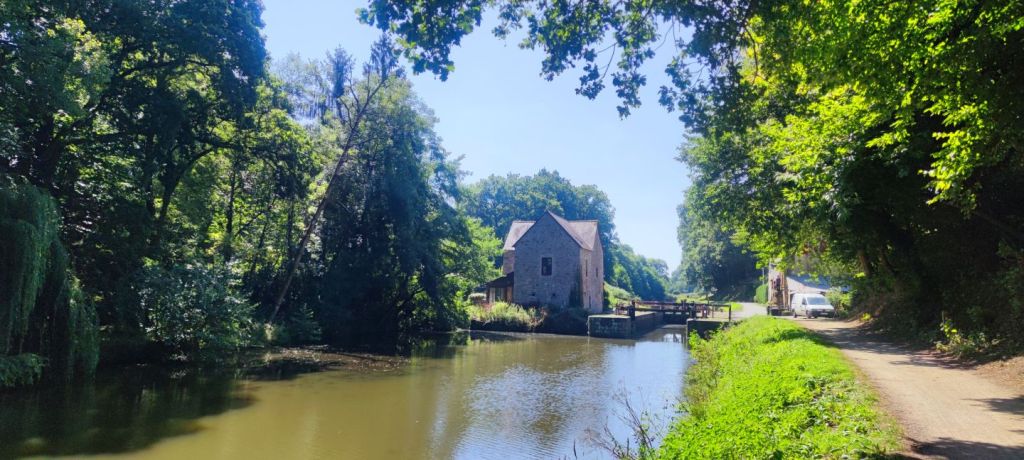
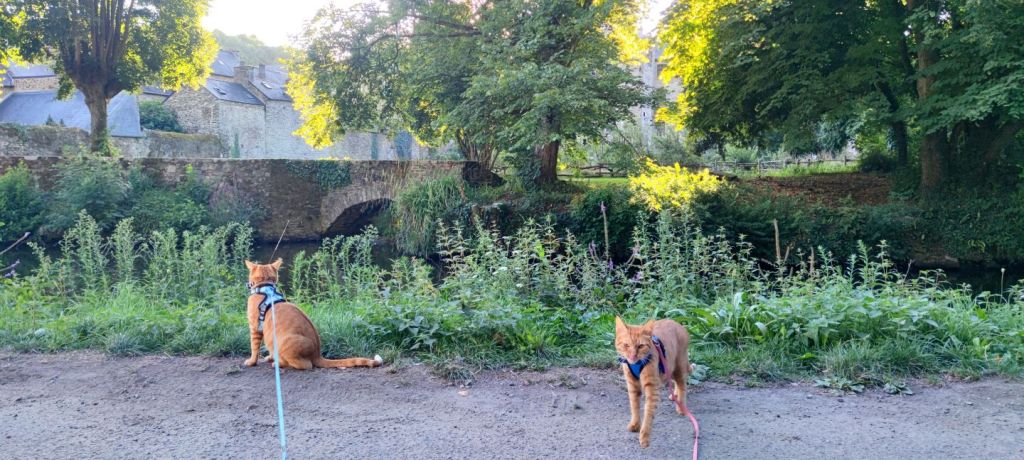
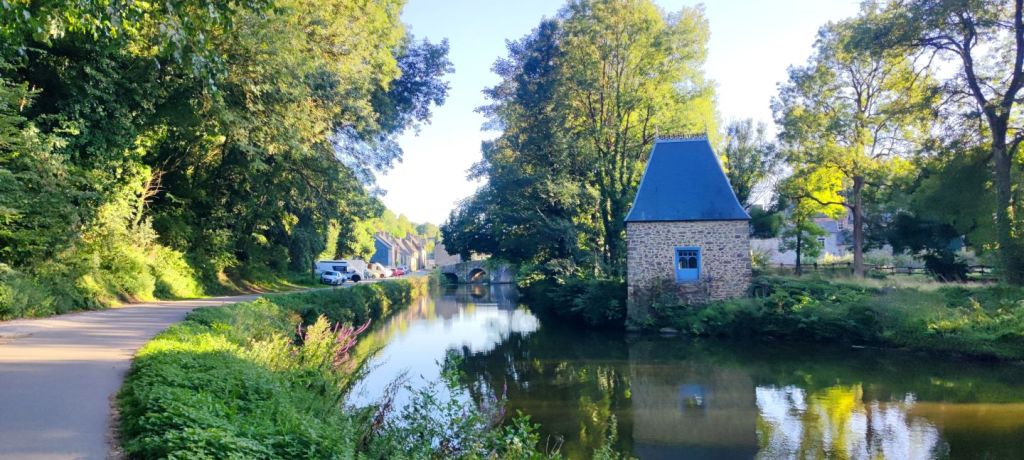
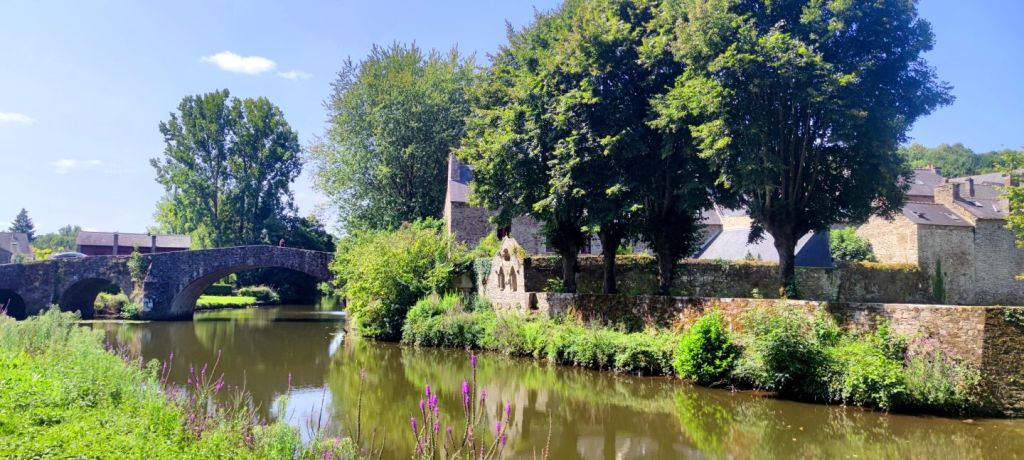
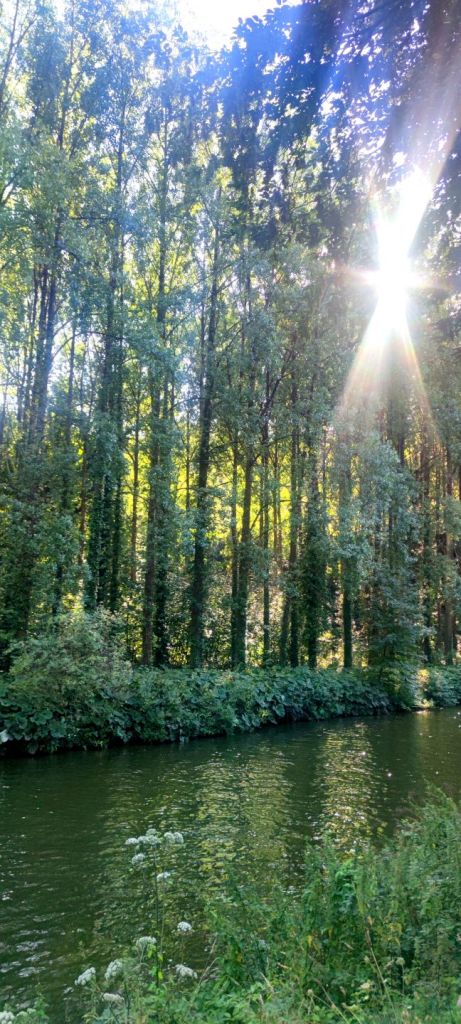
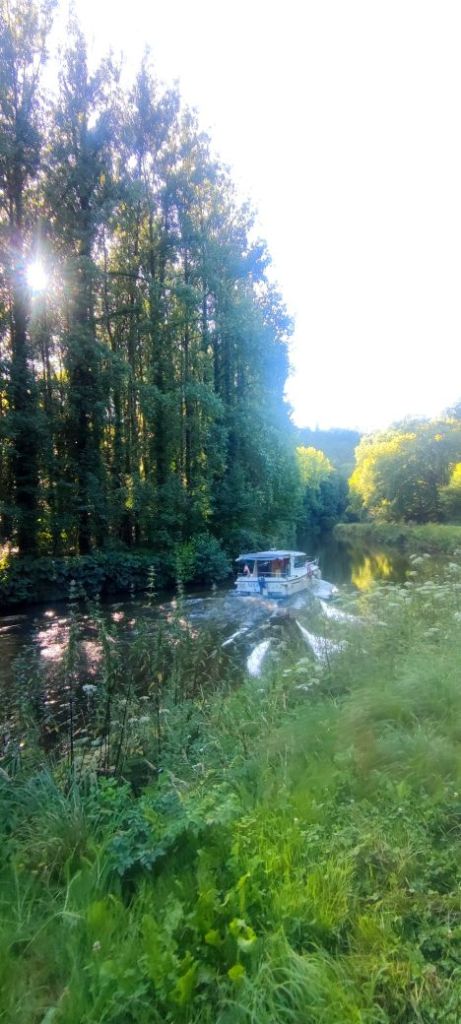
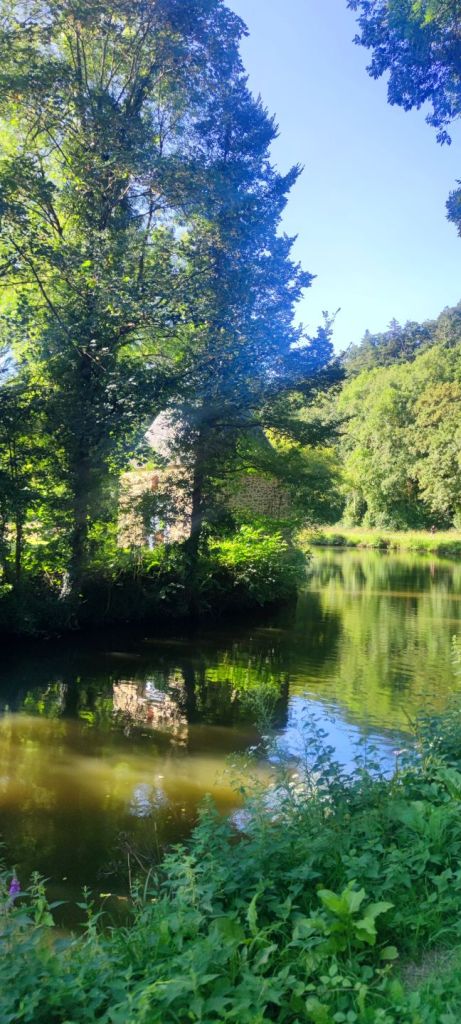
One of Dinan’s greatest privileges is its direct connection to nature through the greenway that follows the River Rance. This former towpath has become an ideal route for walking or cycling, completely flat and away from traffic.
The path winds through lush vegetation, historic locks, and small villages that seem suspended in time. By bicycle, the journey unfolds effortlessly, maintaining an intimate relationship with the landscape. The goal is not to reach a specific destination, but to enjoy the journey itself. This greenway extends Dinan’s urban experience and makes it an ideal starting point for exploring inland Brittany from a calm and sustainable perspective.
TIPS:
- Beyond its monuments and landscapes, Dinan stands out for its atmosphere. It is a city that invites you to sit in a square, observe everyday life, browse small local shops, and engage in unhurried conversation. Even in high season, it retains a discreet elegance that sets it apart from more crowded destinations.
- Best time of year: from May to September, when the climate is milder and the light enhances the stone and surrounding greenery. Autumn offers a more intimate, less touristy experience.
- Bring or rent a bicycle: highly recommended for enjoying the greenway and exploring the river’s surroundings.
 all about eve`s journeys