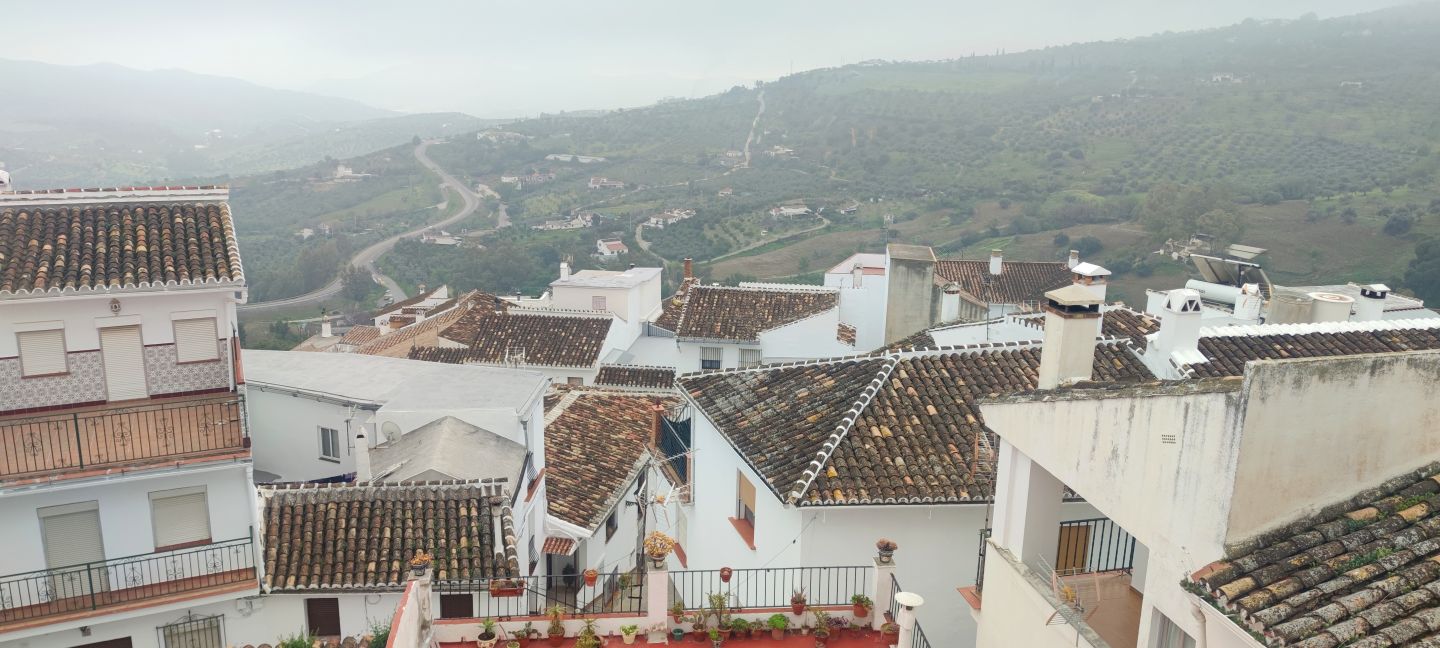
In the heart of the province of Málaga, at the gateway to the Sierra de las Nieves National Park, lies Casarabonela, one of those Andalusian villages that seem frozen in time. Its whitewashed houses, cobbled streets and flower-filled balconies create a typical picture of inland Málaga. But beyond its beauty, Casarabonela is a destination that surprises visitors with its history, monumental heritage, unique traditions and strong agricultural and cultural identity.
A BRIEF HISTORY OF CASARABONELA
The area where Casarabonela stands today has been inhabited since prehistoric times, as demonstrated by various archaeological discoveries of tools and burial sites. During the Roman period, the settlement was known as Castra Vinaria, a strategic enclave connected to agricultural production and trade.
Later, with the arrival of the Muslims, the place became an important defensive fortress called Qasr Bunaira. The settlement formed part of the network of fortresses protecting the territory of Bobastro and was reinforced by the Andalusian rebel Omar ibn Hafsún.
After the Christian conquest in the 15th century, Casarabonela began to transform both urbanistically and culturally. Churches were built over former mosques and the town became a small agricultural center linked to the cultivation of olives, cereals and vegetable gardens. Today, its old town still preserves the structure of the former Islamic medina, with narrow and steep streets that lead up to the remains of the fortress.
MUST-SEE SITES
THE MUDÉJAR CHAPEL OF THE VIRGEN DE LOS RONDELES
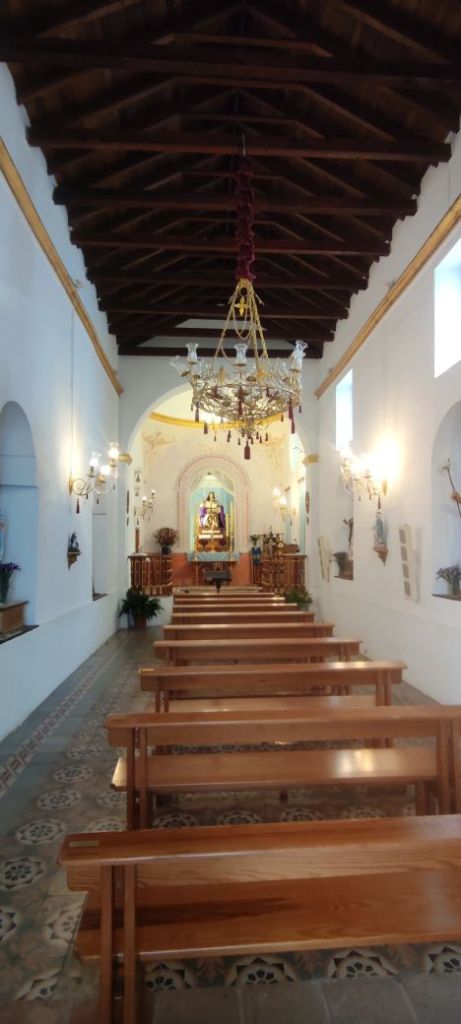
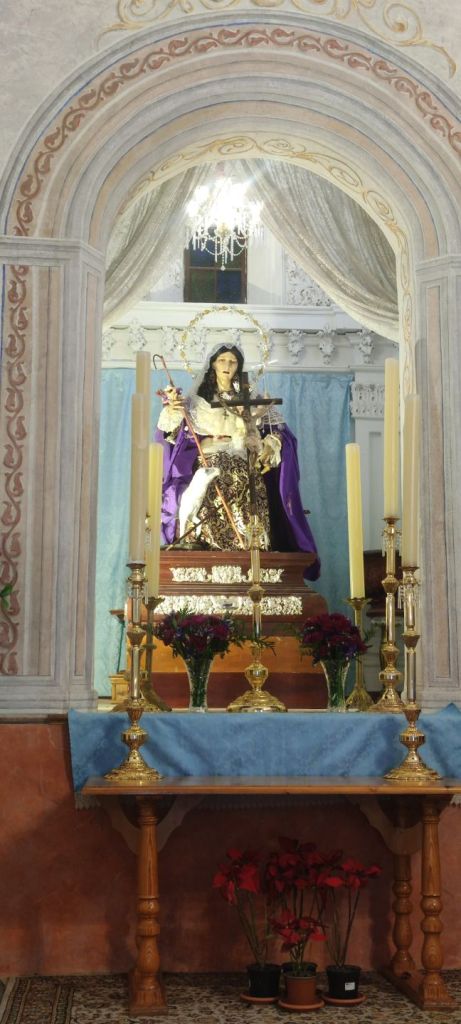
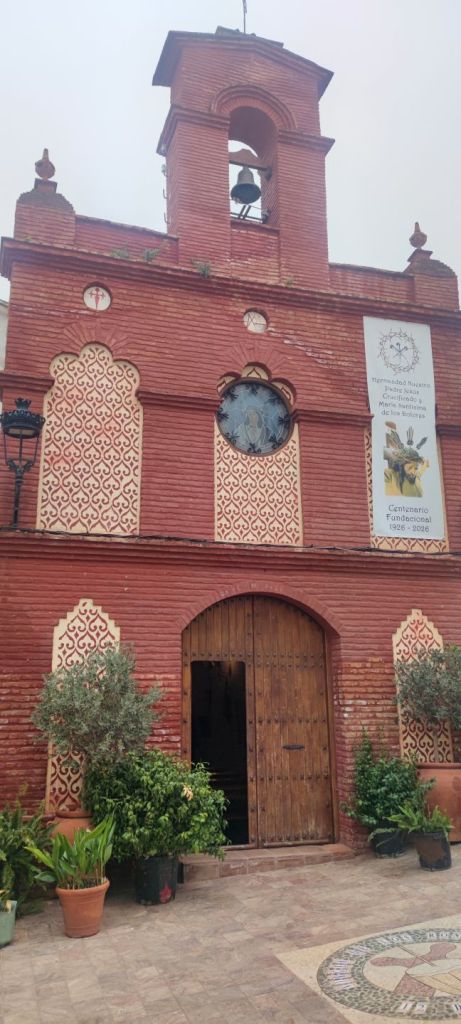
One of the most unique places in the municipality is the Ermita de la Veracruz, built in Mudéjar style and home to the revered image of the Virgen de los Rondeles. This small 18th-century temple stands out for its wooden coffered ceiling and the Baroque decoration in the Virgin’s chamber.
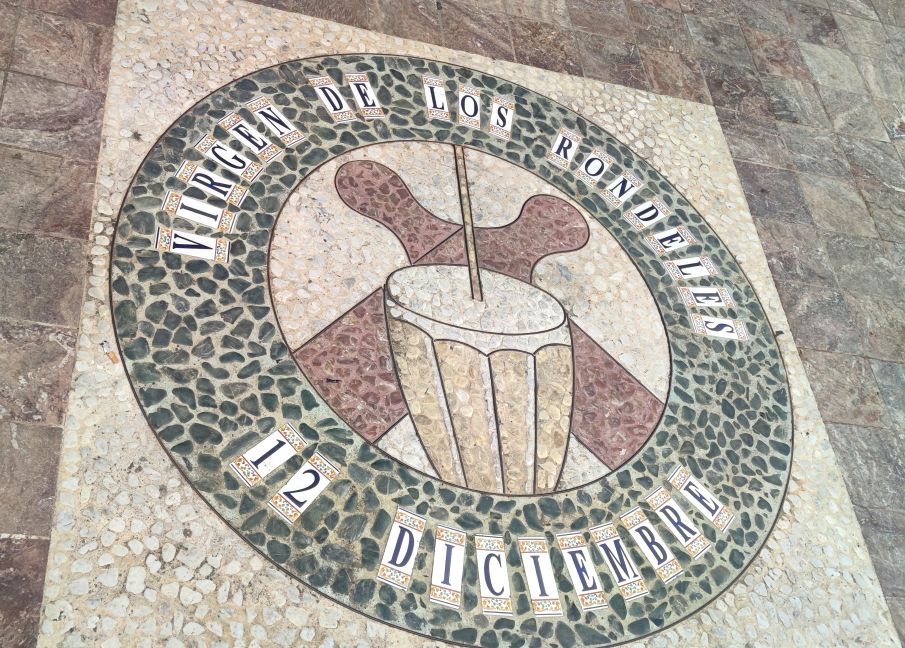
The chapel is closely linked to one of the village’s most spectacular traditions: the Rondeles procession, held every December 12. On this night, residents walk through the streets carrying esparto-grass pads soaked in oil and set alight, creating a fiery parade that illuminates the entire village.
THE CHURCH OF SANTIAGO APÓSTOL AND ITS CRYPT
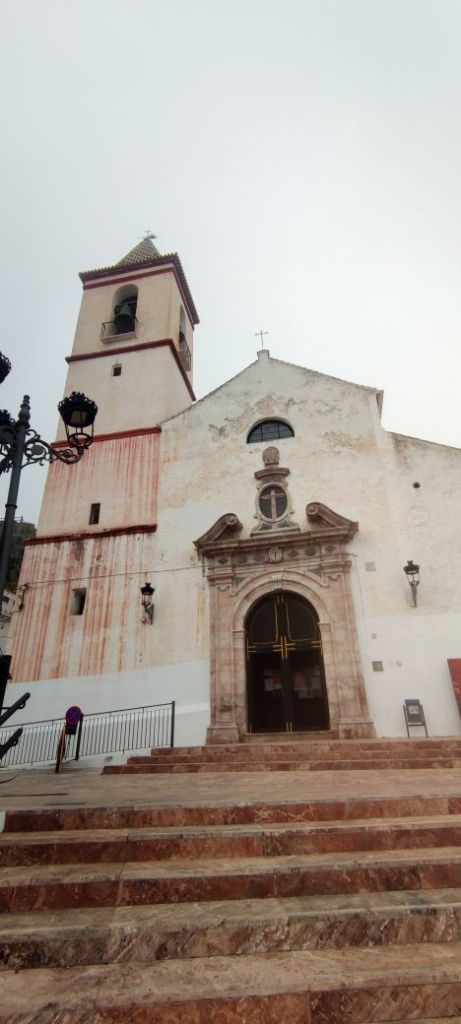
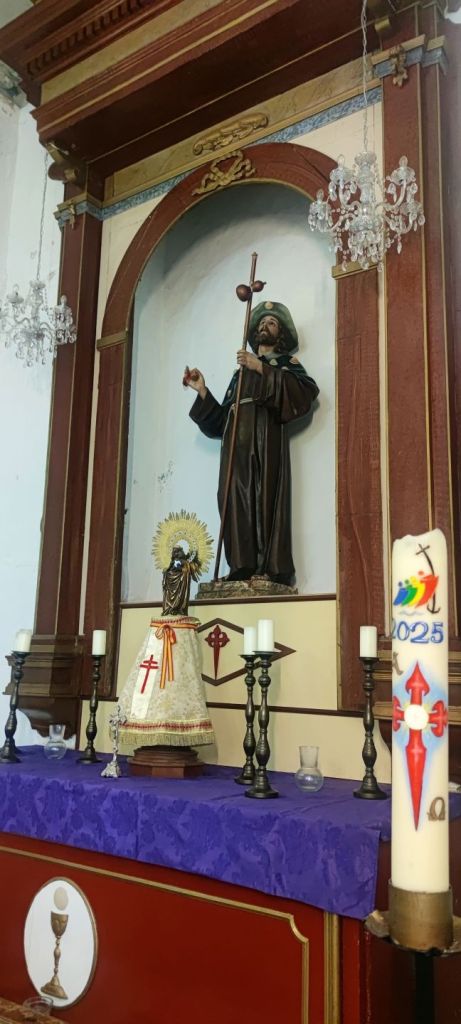
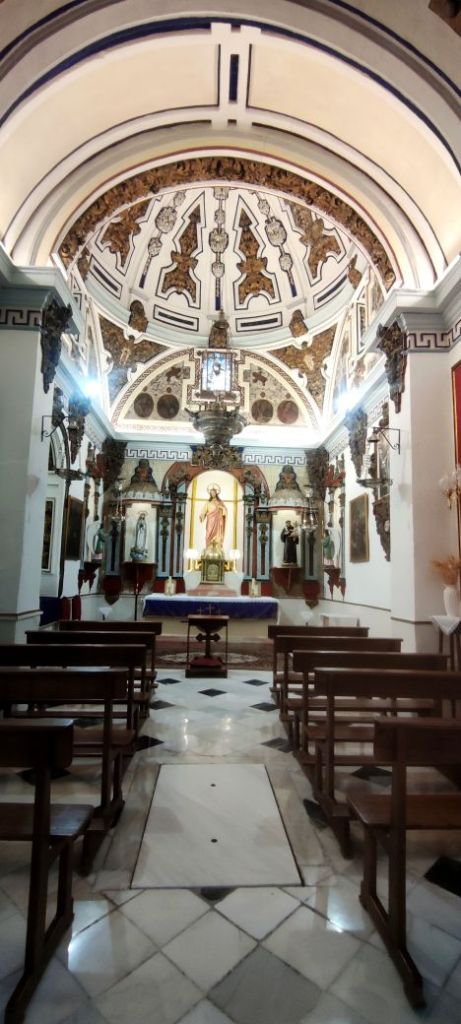
At the highest point of the town stands the Church of Santiago Apóstol, one of the most important monuments in Casarabonela. Built in the 16th century on the site of a former mosque, it combines Gothic, Renaissance and Mudéjar elements. Inside, visitors can admire the Baroque chapel and the museum of sacred art, which houses religious silverware, ancient manuscripts and historic liturgical textiles.
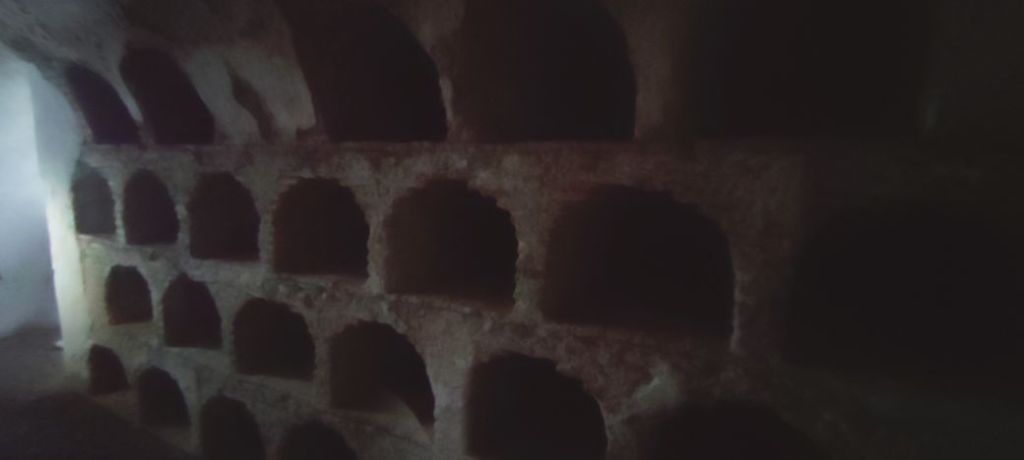
One of its most intriguing features is the underground crypt, which once served as the parish cemetery. This funerary space, dating back to the 15th century, is one of the few well-preserved examples of this type of architecture in the province of Málaga.
THE ARAB CASTLE
At the top of the village lie the remains of the Castle of Casarabonela, also known as the Fortress of Rey Chico. Although only fragments of walls, tower bases and other remains survive today, the site offers magnificent views over the Guadalhorce Valley.
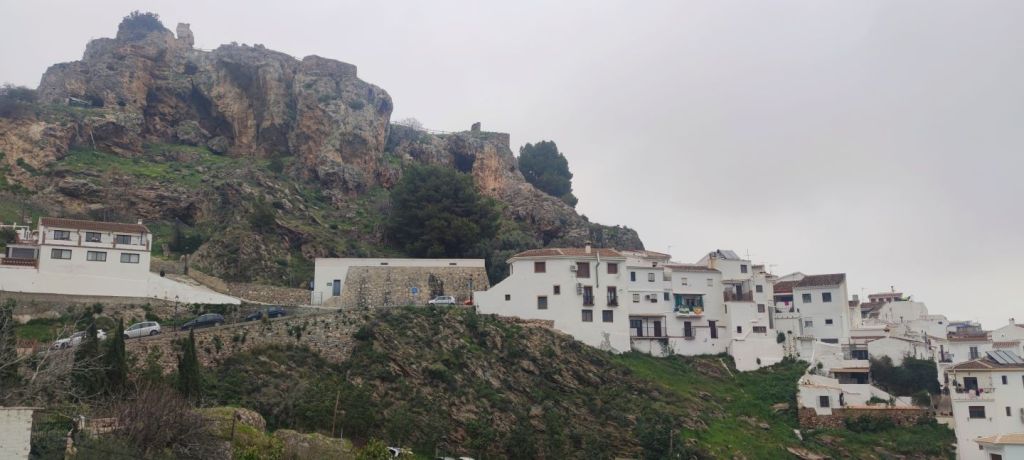
The castle played an important defensive role during the Islamic period and was connected by paths and roads to other fortresses in the region. Among the most curious remains is the Cueva de las Palomas, an underground passage that once served as a secret escape route from the fortress.
THE CACTUS BOTANICAL GARDEN
One of the most surprising places in the municipality is the Mora i Bravard Cactus and Succulent Botanical Garden. This garden hosts more than 2,500 species and around 11,000 specimens of cacti and succulent plants from all over the world, making it one of the most important collections in Europe.
During the visit, it is possible to explore different areas dedicated to species from Africa, America and Asia and learn how these plants have adapted to extremely arid environments.
AGRICULTURAL TRADITION AND THE OLD MILLS
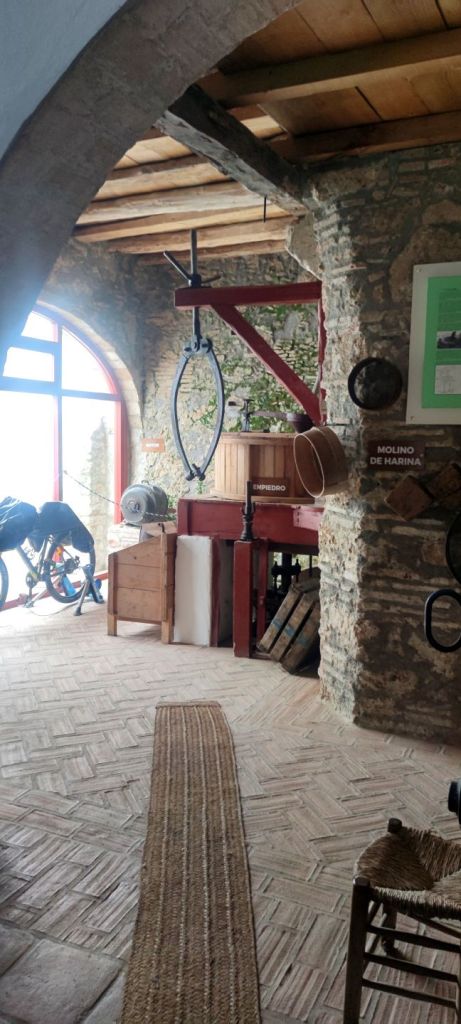
The history of Casarabonela is deeply linked to agriculture. For centuries, the local economy revolved around the cultivation of olives, cereals and the fertile orchards surrounding the village.
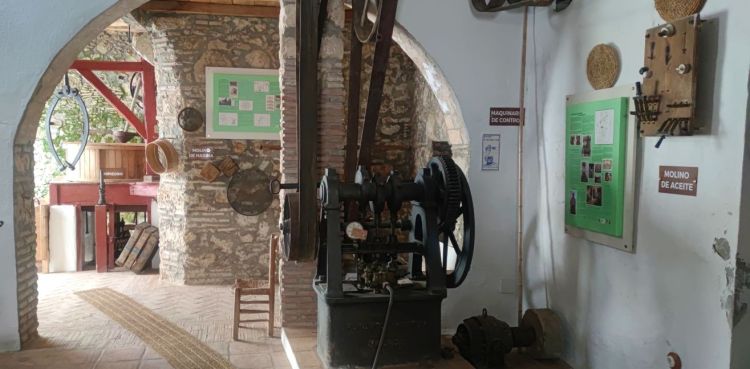
Olive oil and grain mills were an essential part of this activity, and some of them are still preserved today as testimony to the town’s agricultural past. These traditional mills used hydraulic power or mechanical systems to grind grain or press olives.
THE PRESERVATION OF FACADES: IDENTITY AND PRIDE OF THE VILLAGE
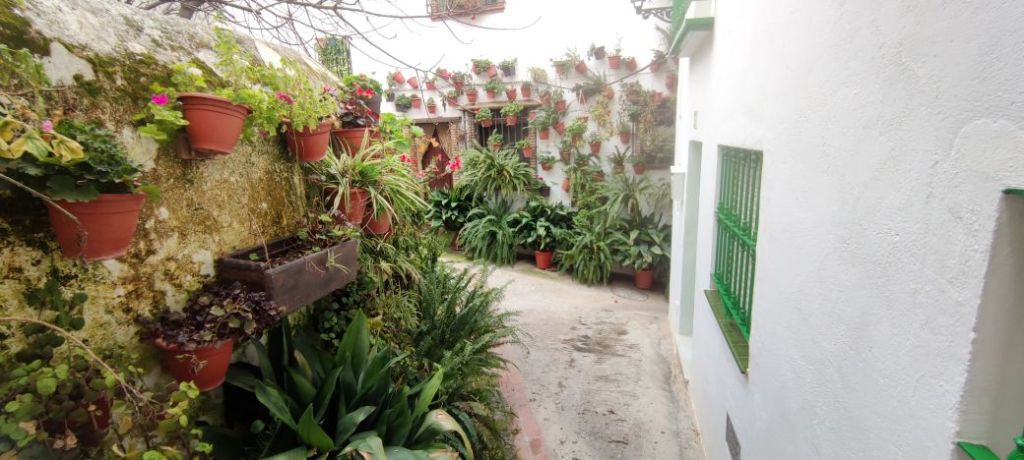
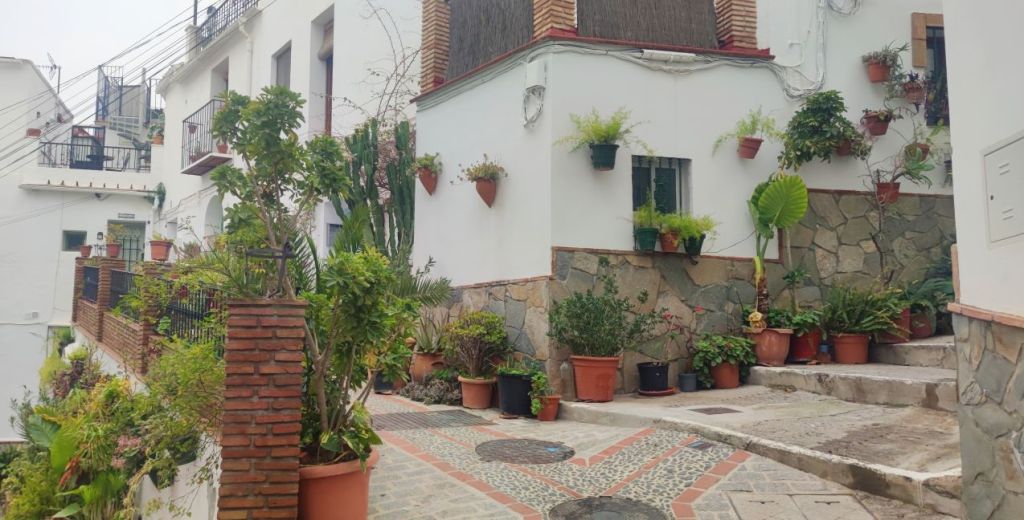
One of the most striking aspects when walking through Casarabonela is the care taken with its building facades. The white houses, decorated with flowerpots, wrought-iron window grilles and colorful floral details, are an essential part of the town’s visual identity.
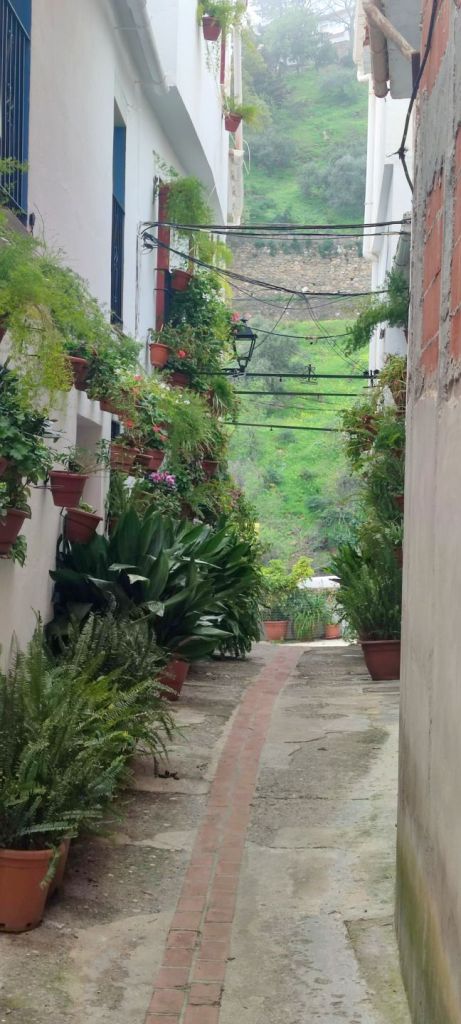
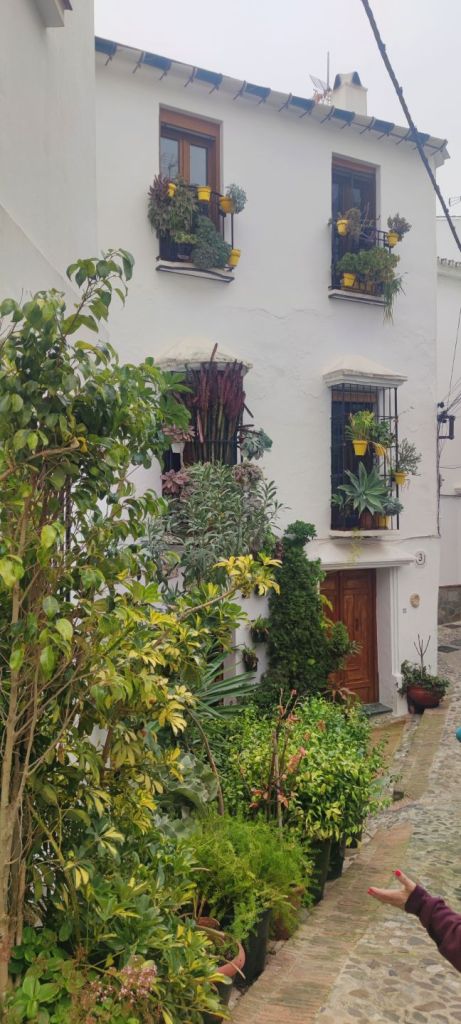
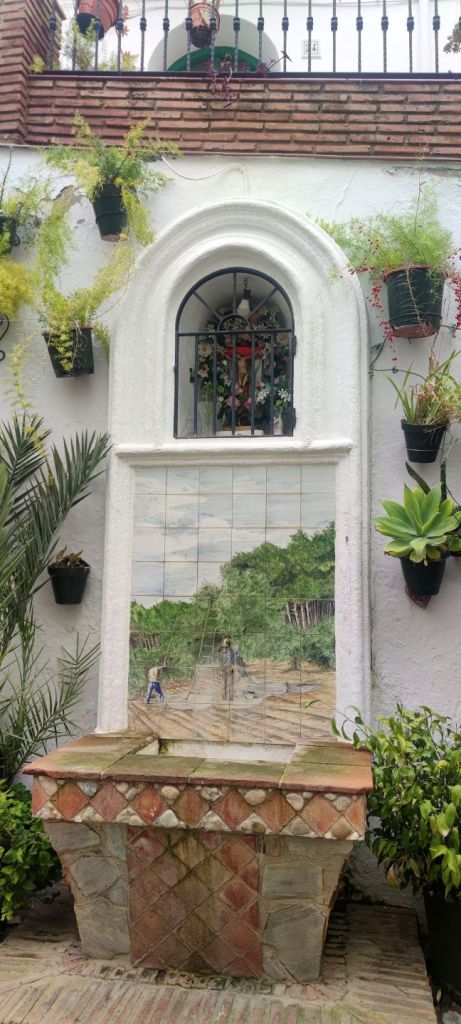
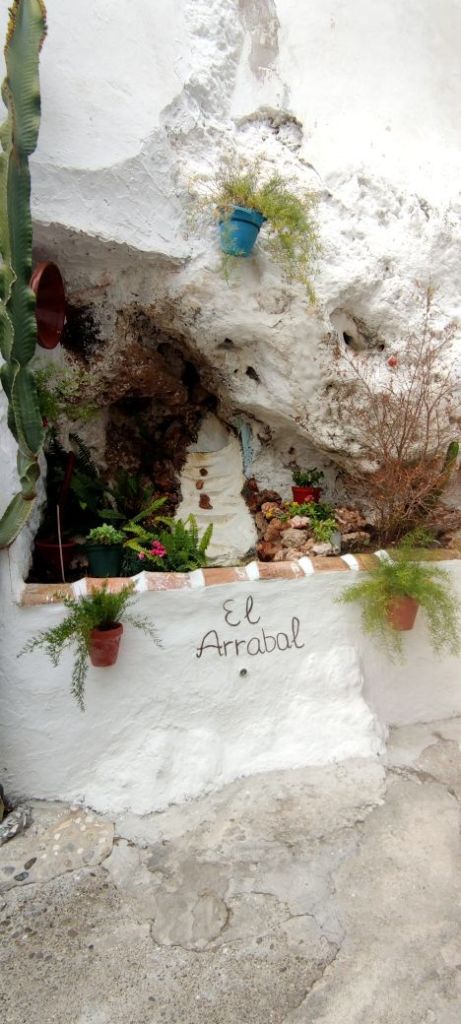
To preserve this traditional image, the village promotes initiatives aimed at maintaining its popular architecture. Among them stands out the facade competition, an initiative that encourages residents to decorate and maintain their homes following the typical Andalusian aesthetic. Thanks to this collective effort, Casarabonela continues to be one of the best-preserved white villages in the province of Málaga.
GASTRONOMY: FLAVORS OF THE SIERRA
The traditional cuisine of Casarabonela reflects Moorish influences and the use of local products from the countryside and vegetable gardens. The most representative dish is pipeo, a vegetable stew made with broad beans, peas, potatoes and other vegetables, accompanied by a distinctive omelette made with breadcrumbs, garlic and parsley.
TIPS:
• From Málaga it is possible to take a day trip to visit the village.
• Every December 12, the famous Rondeles procession takes place, making it a great time to visit and experience one of the town’s most unique celebrations.
 all about eve`s journeys