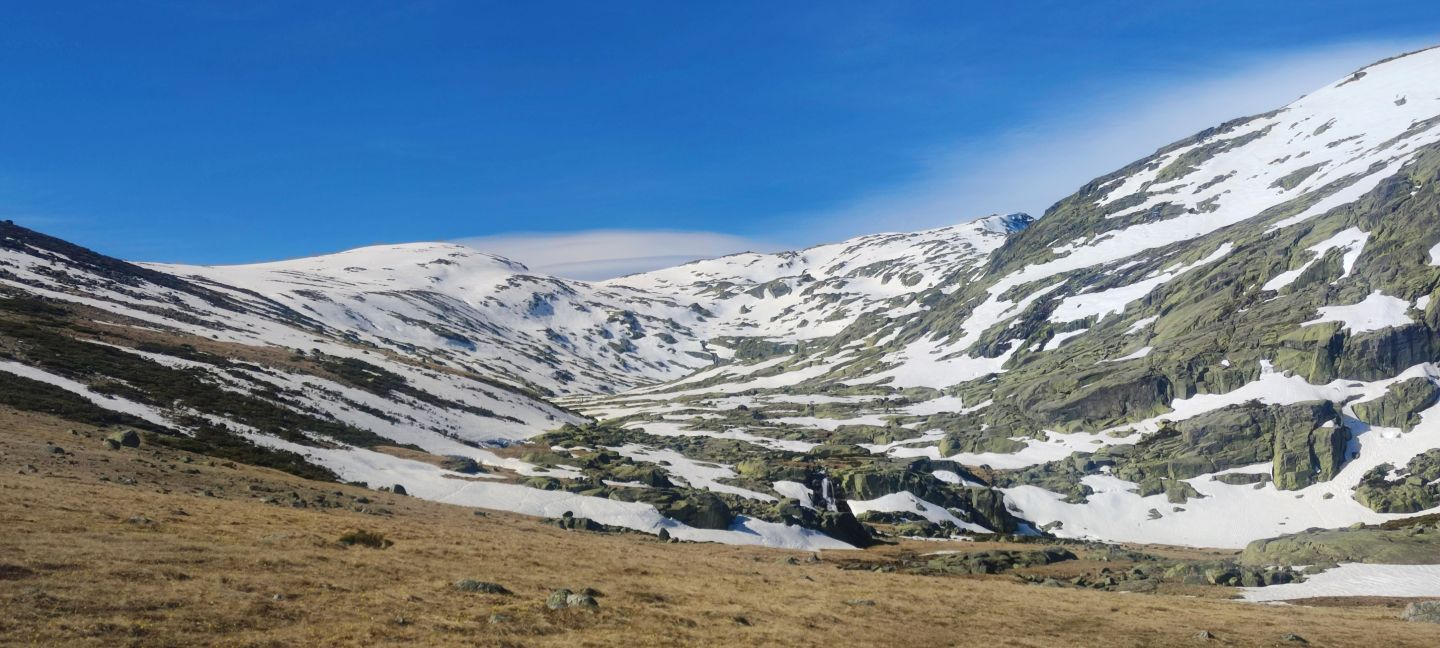
The Sierra de Gredos is one of the most impressive natural areas in central Spain. Located mainly in the provinces of Ávila, Cáceres, Salamanca, and Toledo, it forms part of the Central System and stands out for its high mountain landscapes, biodiversity, and cultural richness. This area combines rugged peaks, glacial valleys, crystal-clear gorges, and charming villages, making Gredos an ideal destination both for hiking enthusiasts and for those looking to disconnect in nature.
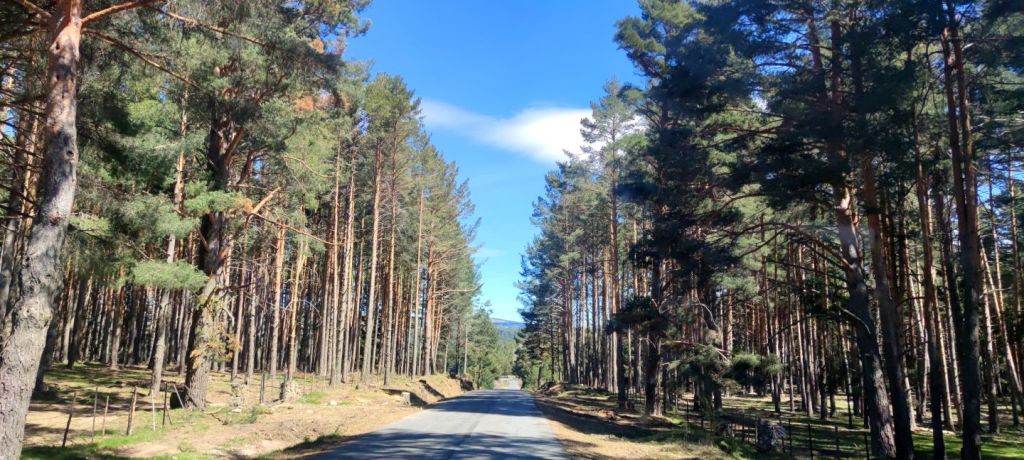
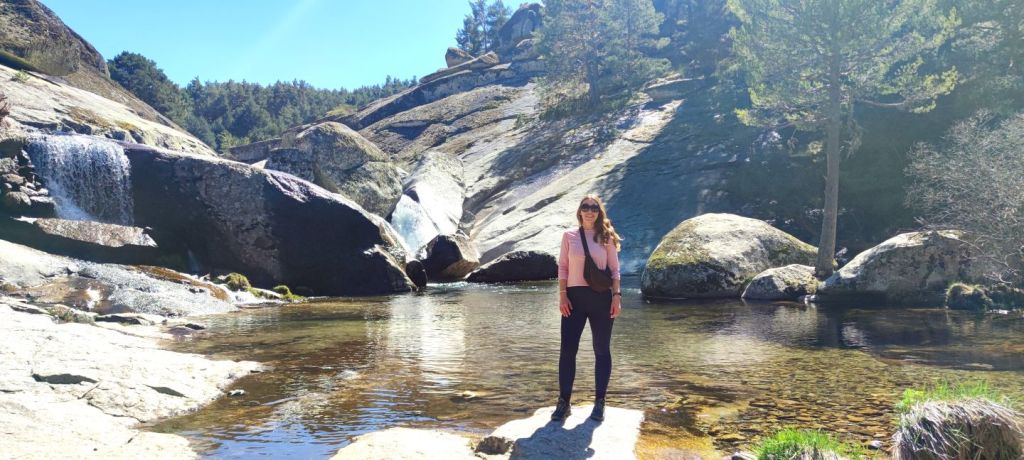
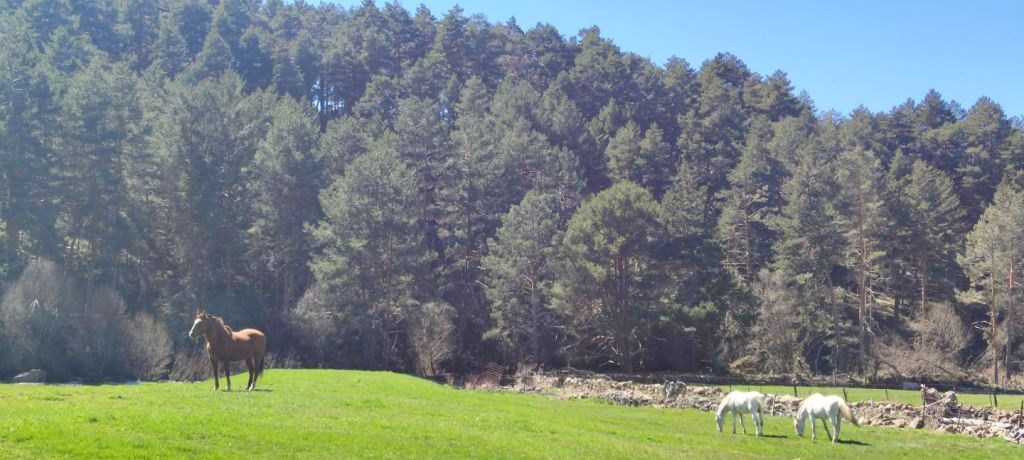
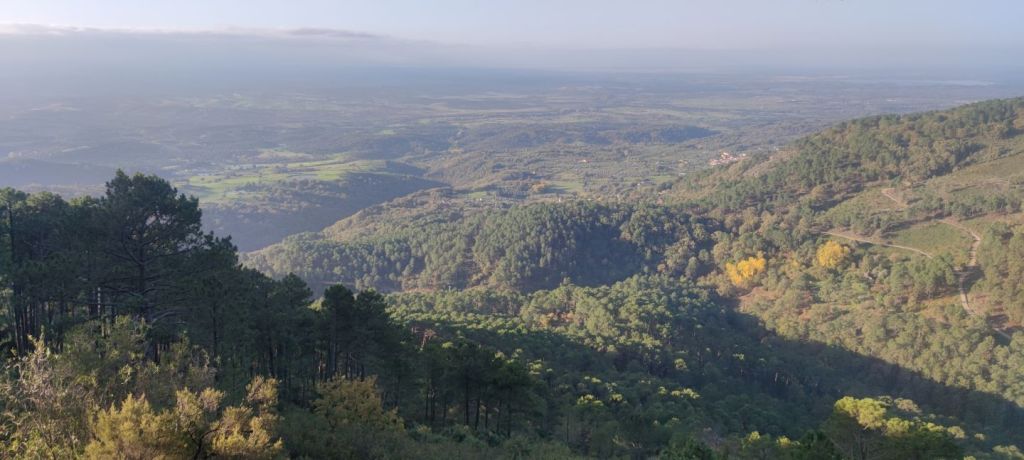
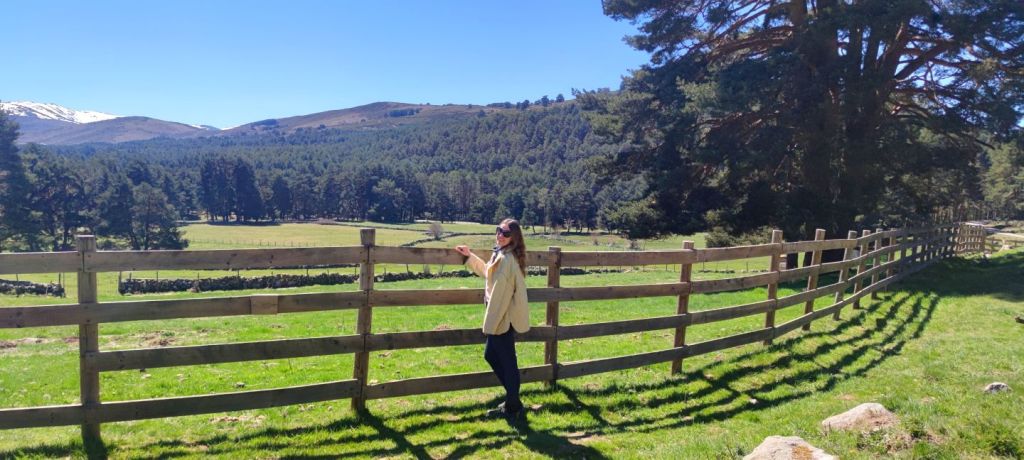
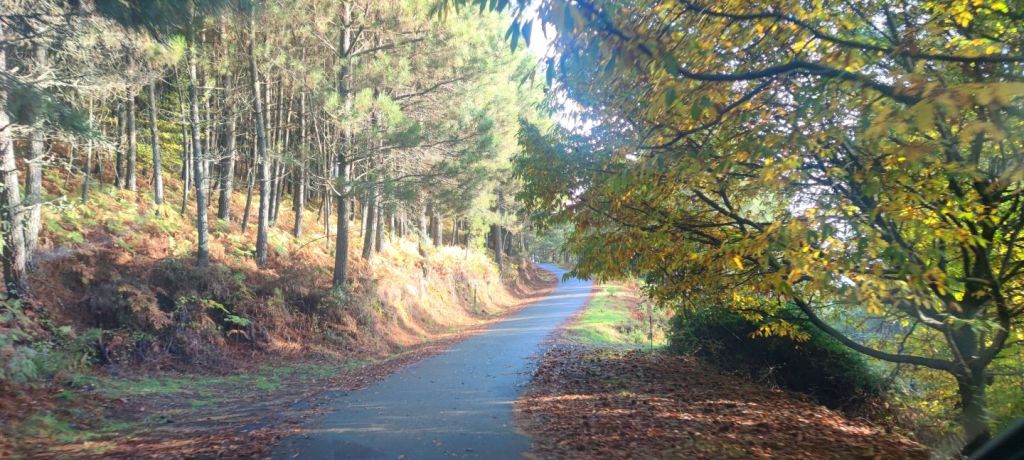
The Sierra de Gredos is of great interest for multiple reasons. Firstly, it is home to the Gredos Regional Park, a protected area that preserves unique ecosystems on the Iberian Peninsula. Iconic species such as the Iberian ibex, the golden eagle, and the black vulture live here. In addition, its scenic value is extraordinary: peaks such as Almanzor —the highest in the Central System—, glacial cirques, lagoons, and gorges create a spectacular environment. It also has significant geological interest, as it helps explain processes of mountain formation and glacial erosion.
Furthermore, Gredos has an important cultural heritage. Its villages preserve traditions, vernacular architecture, and historical monuments that enrich the visitor’s experience.
THE FORMATION OF THE GREDOS MOUNTAINS
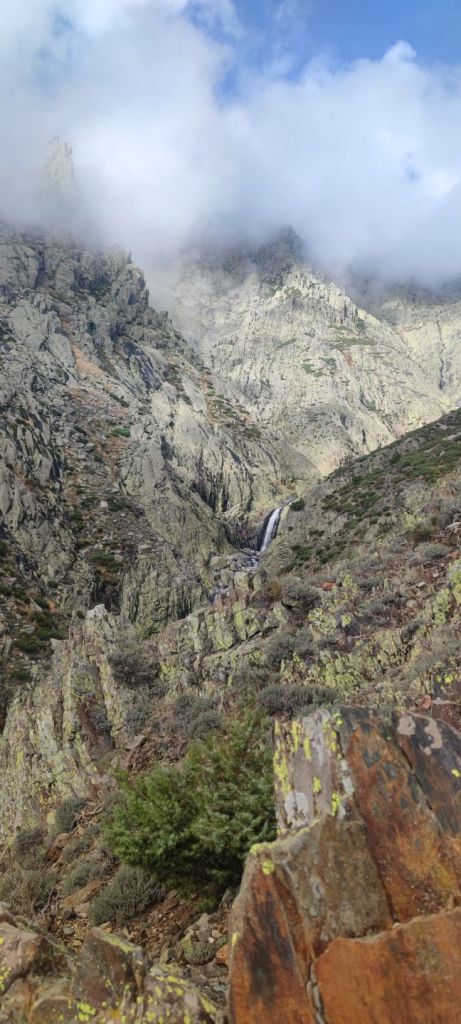
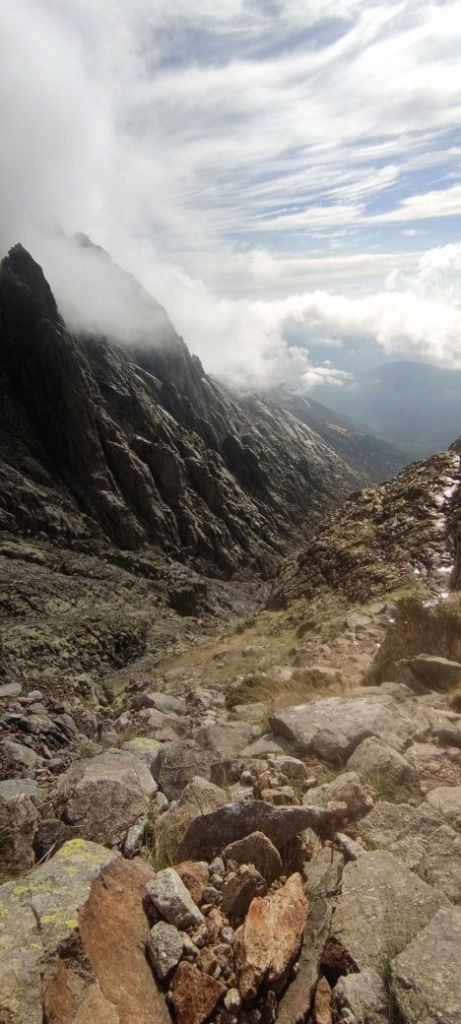
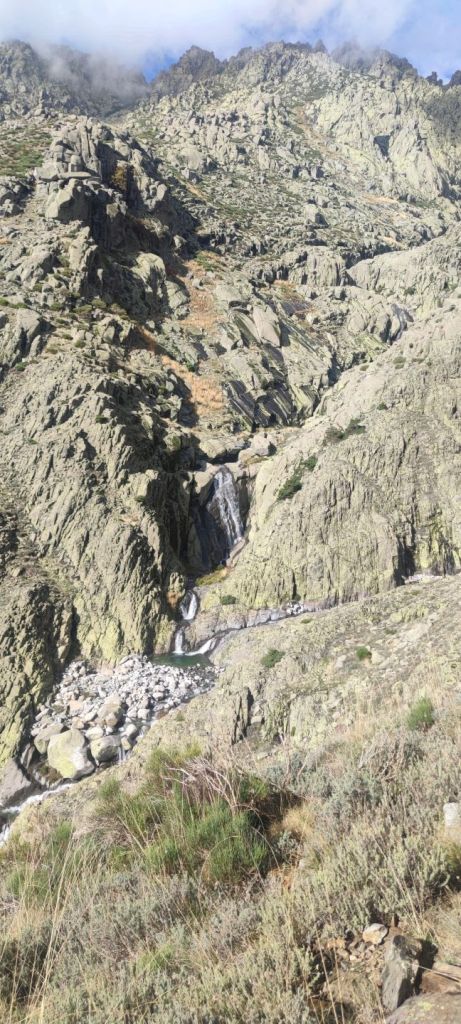
The Sierra de Gredos was formed millions of years ago during the Alpine orogeny, a geological process that gave rise to many of Europe’s major mountain ranges. This phenomenon caused the uplift of granite blocks that now form the peaks of Gredos. Later, during the Quaternary glaciations, ice shaped the landscape, creating glacial cirques, moraines, and lagoons. One of the clearest examples of this process is the famous Gredos cirque, where the action of ice carved out a large natural amphitheater. The combination of these geological processes explains the uniqueness of Gredos’ relief: steep mountains, U-shaped valleys, and glacial lagoons.
WHEN IS THE BEST TIME TO VISIT THE SIERRA DE GREDOS?
The Sierra de Gredos offers beauty all year round, but each season has its own charm:
• Spring: One of the best times. Snow melts, gorges flow strongly, and vegetation blooms.
• Summer: Ideal for escaping the heat, especially in natural bathing areas such as pools and river basins.
• Autumn: Known for its colors, especially in the Tiétar and Jerte valleys.
• Winter: Perfect for snow lovers, although it requires mountain experience.
HIGHLIGHTED ROUTES IN THE SIERRA DE GREDOS
ROUTE OF THE GREDOS CIRQUE AND THE LAGUNA GRANDE
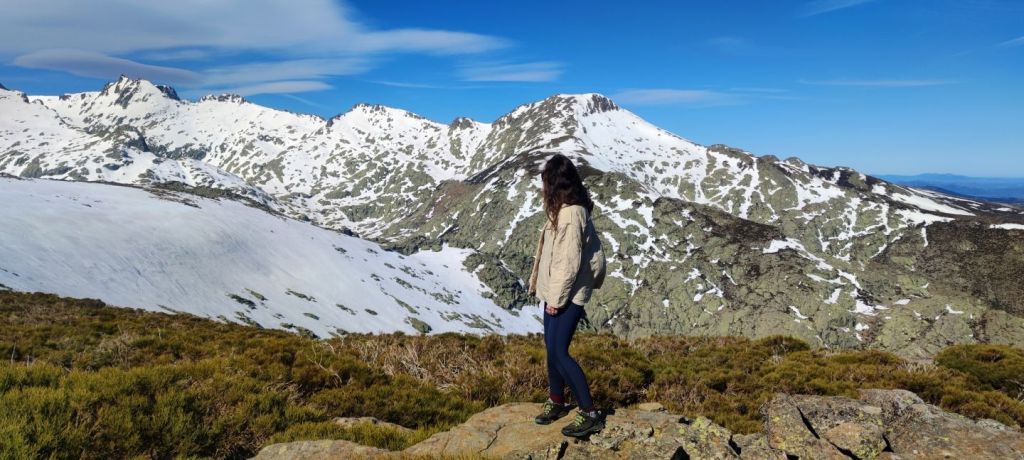
The route to the Laguna Grande de Gredos is the most iconic.
• Start: Plataforma de Gredos
• Distance: Approximately 14 km (round trip)
• Duration: 5–7 hours
• Difficulty: Medium-high
• Elevation gain: about 500 meters
The route crosses high mountain landscapes with large granite blocks and alpine meadows. The final stretch leads to the glacial cirque, a huge natural amphitheater carved by ice. The lagoon, located at over 1,900 meters, offers a spectacular view with Almanzor peak in the background.
ROMAN ROUTE OF CUEVAS DEL VALLE
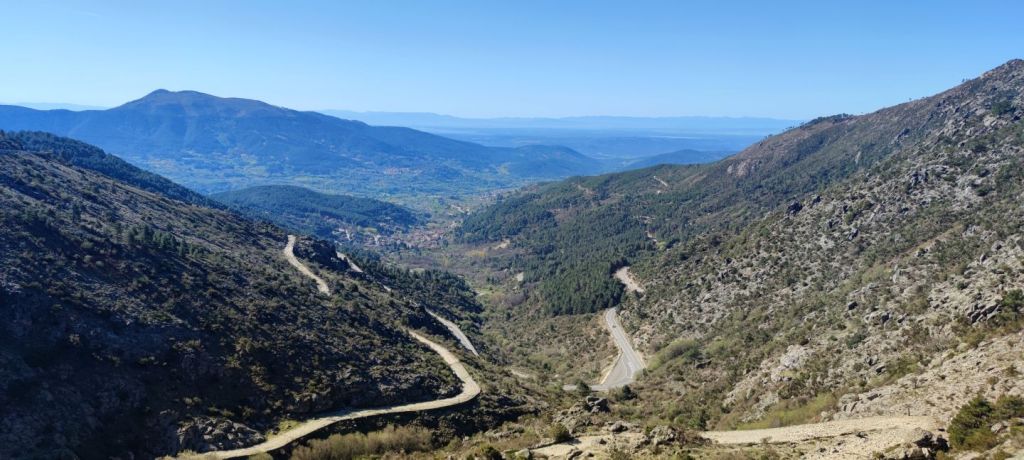
From Cuevas del Valle begins an interesting historical route.
• Distance: 3–5 km (depending on the variant)
• Duration: 1.5–2 hours
• Difficulty: Low
• Elevation gain: Gentle
It is an ancient stone-paved road of Roman origin, with well-preserved sections. It leads to a natural viewpoint from which there is a panoramic view of the Tiétar Valley. It is an ideal route for those seeking an experience combining history and nature.
ROUTE TO CHARCO VERDE
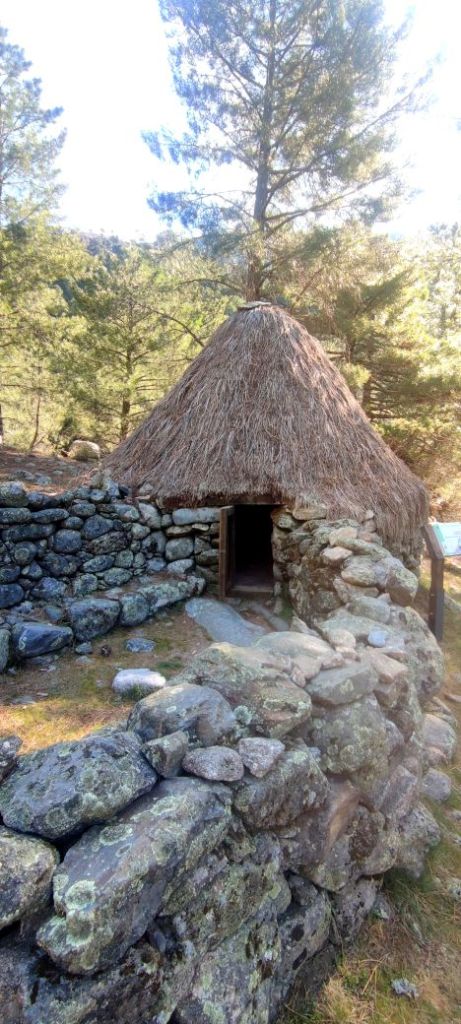
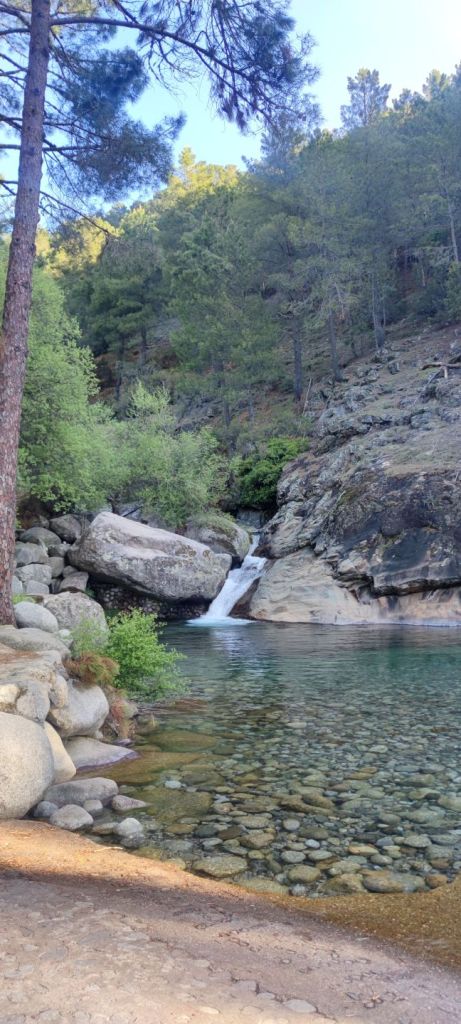
In Guisando we find this refreshing route:
• Distance: 4 km (round trip)
• Duration: 1–1.5 hours
• Difficulty: Low
The trail runs alongside a mountain gorge until reaching Charco Verde, a natural pool with crystal-clear waters surrounded by vegetation. It is very popular in summer.
ROUTE TO PICO DE LAS ARRIBILLAS
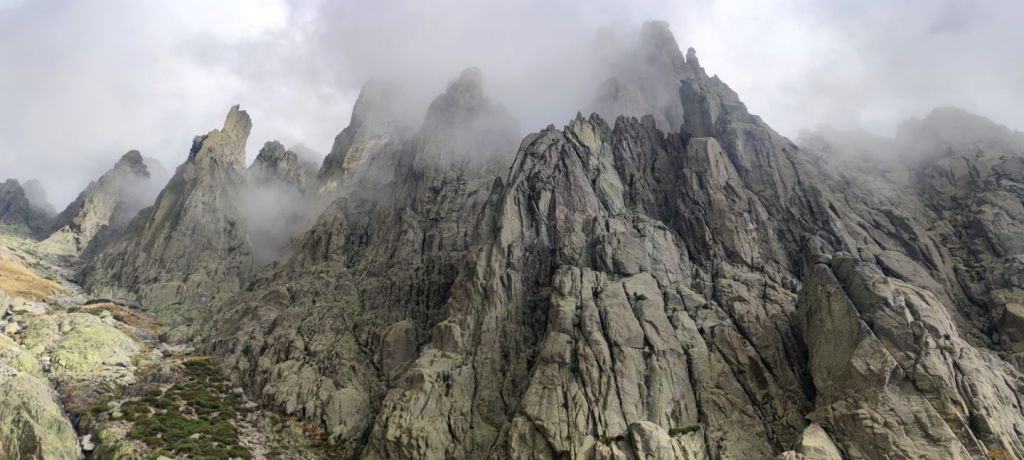
Also from Guisando:
• Distance: 10–12 km (round trip)
• Duration: 5–6 hours
• Difficulty: Medium-high
• Elevation gain: considerable
The ascent to Pico de las Arribillas offers a more demanding experience. The route passes through forests and rocky areas until reaching a summit with spectacular panoramic views.
PICTURESQUE VILLAGES
ARENAS DE SAN PEDRO
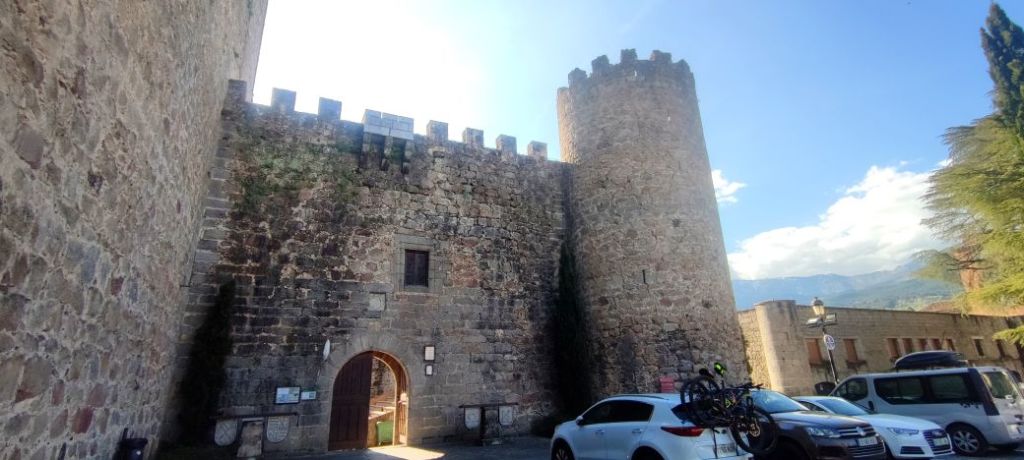
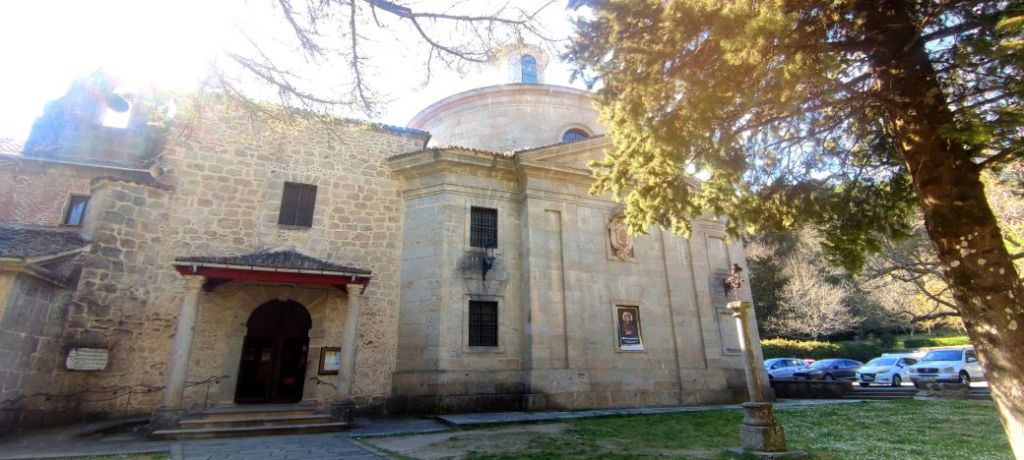
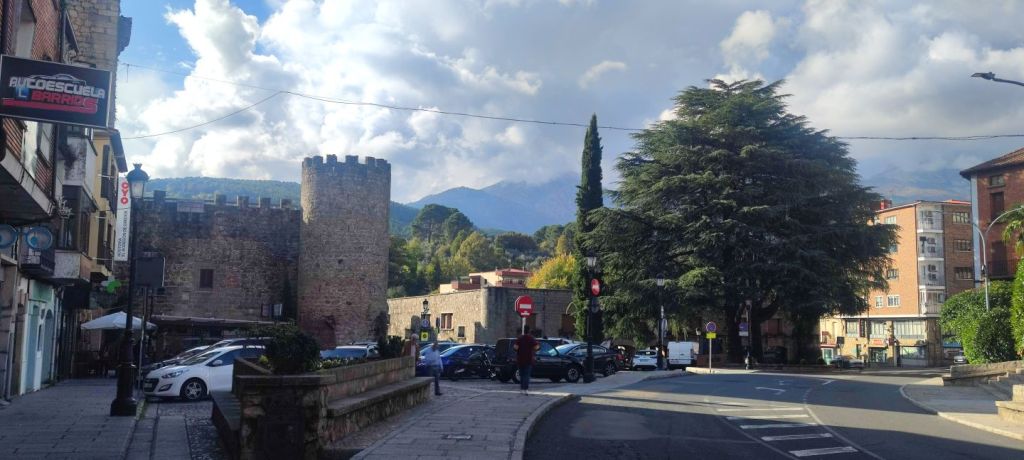
The town of Arenas de San Pedro is one of the most important in southern Gredos. Here we can visit the Castle of Don Álvaro de Luna, a 15th-century fortress in Gothic-military style. Built of granite stone, it features a tall, square keep. Its function was both defensive and residential, reflecting the power of the Castilian nobility in the Late Middle Ages. It preserves walls, battlements, and its original structure in good condition.
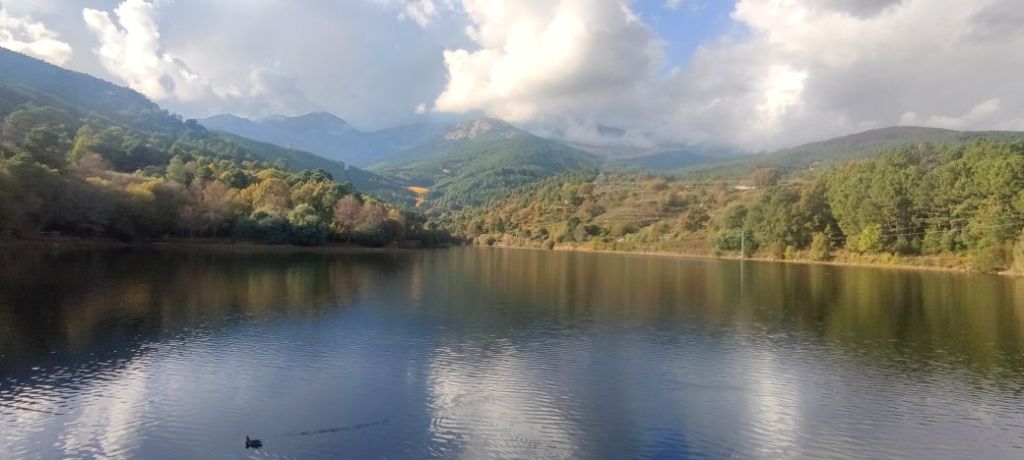
Also noteworthy is the Sanctuary of San Pedro de Alcántara, built in the 18th century and a remarkable example of Spanish Baroque architecture. Designed by Ventura Rodríguez, it has a centralized floor plan, an elegant dome, and a sober yet harmonious decoration. It is an important pilgrimage site. In addition, Arenas has riverside walking areas and a small lake or recreational area, ideal for enjoying a peaceful environment, especially for families.
CUEVAS DEL VALLE
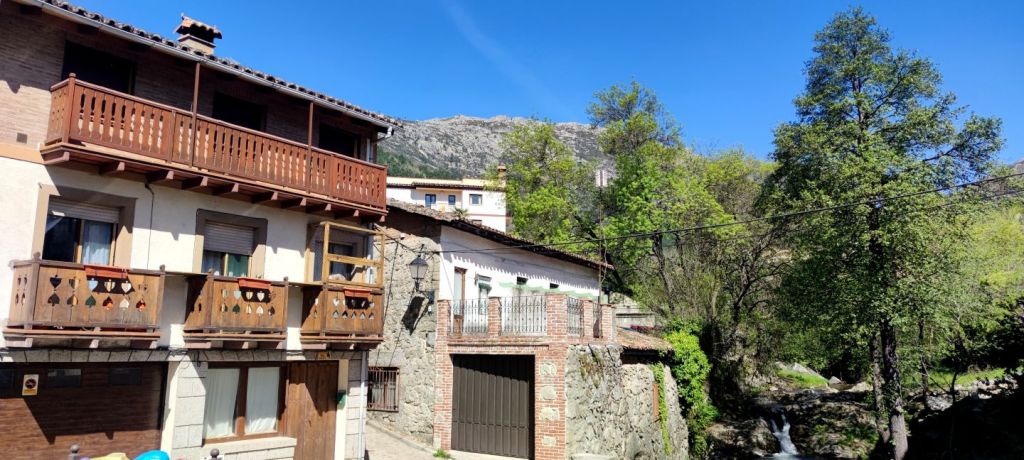
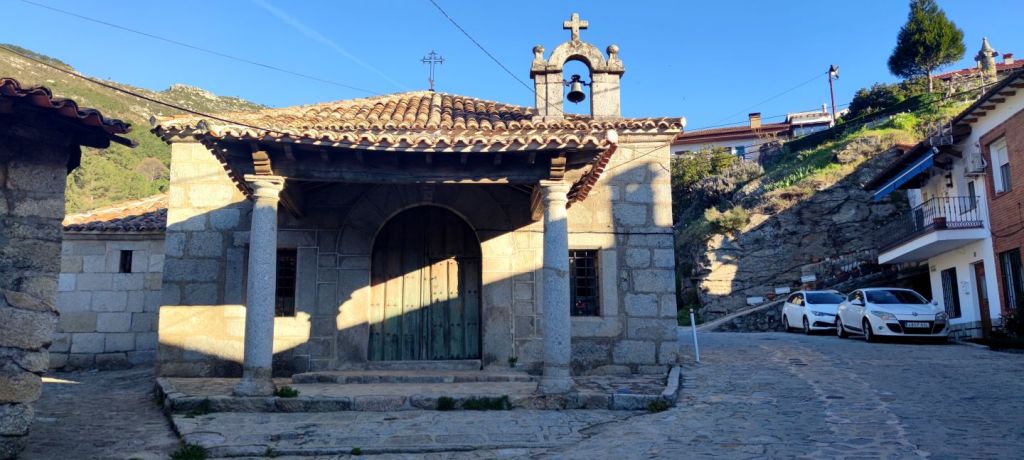
The village stands out for its traditional architecture. Its houses have white façades, wooden balconies, and arcades typical of mountain architecture. This type of construction reflects adaptation to the climate and the use of local materials. The Roman road that crosses the town is one of its main historical attractions. Built with large stones, it demonstrates the importance of these routes for communication during the Roman Empire.
GUISANDO
This is one of the most picturesque villages in the area. Its urban center preserves narrow, cobbled streets and houses of traditional architecture with wooden frameworks. This style has medieval roots and reflects a traditional economy based on livestock and agriculture. In addition, its natural surroundings are among the most privileged in Gredos, with abundant gorges, forests, and mountain routes.
TIPS:
• Preparation and equipment: It is essential to wear appropriate clothing and footwear, especially if you plan to do mountain routes. Even in summer, temperatures can drop at higher altitudes, so bringing warm clothing is advisable. Footwear should be suitable for hiking, with good grip for rocky terrain.
• Route planning: Before setting out, it is advisable to gather information about the route: distance, duration, difficulty, and weather conditions. Routes such as the Laguna Grande de Gredos require good physical condition and planning.
 all about eve`s journeys