The province of Huesca, located in the northeast part of Spain, known for its incredible landscapes and wild nature, stands out above all for its beautiful mountains, the Pyrenees, a fascinating place for lovers of hiking. However, in addition to the incredible mountains, the city of Huesca itself, in which the vestiges of the medieval era still remain, and its surroundings offer numerous leisure opportunities to its visitors. Let’s learn about this city full of magic…
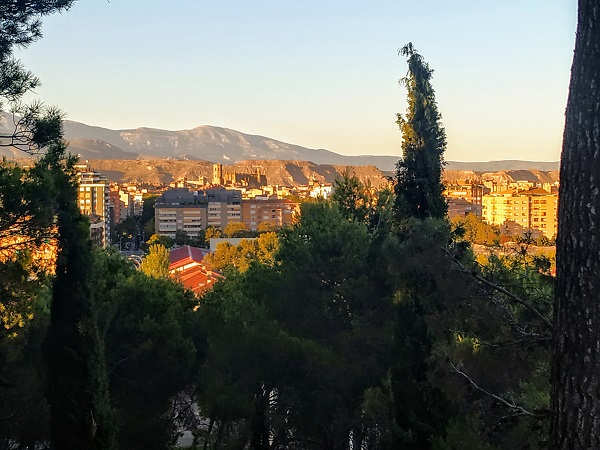
HUESCA CITY
The curiosity about the city of Huesca lies in the fact that its name has changed several times throughout History, as a result of the dominance of the different peoples that settled in the Iberian Peninsula. The original name of the primitive Iberian tribes was Bolksan, after the occupation of the city by the Roman Empire, its name changed to Osca. Also, since 30 BC. the city officially became a Roman municipality and the population, the inhabitants of the Empire. After the fall of the Roman Empire in 476, the date that gives rise to the beginning of the Middle Ages, the city was part of the Visigoth Kingdom, established in the Peninsula since 507. On the other hand, later, from the year 711 the conquest carried out by the Muslims began in the Peninsula, when Commander Tarik arrived with his men from North Africa and defeated the last Visigoth king, Don Rodrigo. The city was conquered by the Muslims in 719 and its name changed back to Wasqa. It was after the Christian conquest of the city in the year 1096, carried out by the monarch Pedro I of Aragon, when the current name of Huesca began to be used.
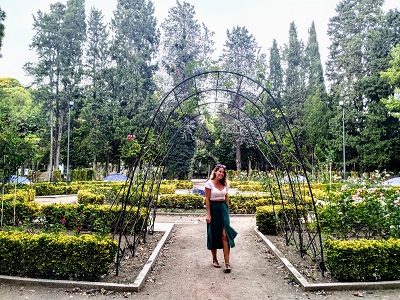
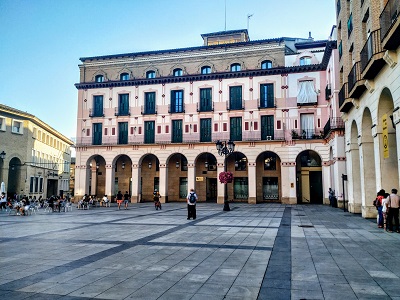
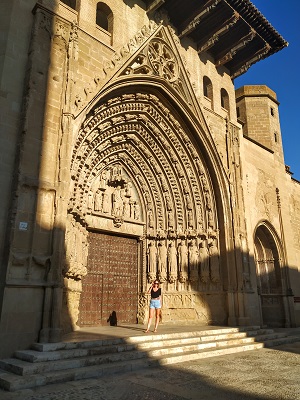
The 9th century wall, of which only one tower of the hundred that existed in the Middle Ages remains, borders the old part of the city that invites us to walk through its picturesque streets and to know the most emblematic monuments of Huesca, such as, for instance, the Cathedral, whose façade is a magnificent reflection of Gothic art. The seven pointed archivolts stand out, decorated with 16 martyrs, 14 virgins, 10 angels and 8 prophets that follow the direction of the arch, unlike Romanesque art, in which the sculptural figures used to be located radially with respect to the line of the arch. While on the side jambs it is possible to appreciate the patrons of the city: San Vicente and San Lorenzo. The Luis López Aullé Square is also striking, very busy and visited by both the inhabitants of Huesca and tourists, as it is a nice and colorful place, where you can enjoy having a cool beer during a hot summer day or a hot drink on winter days. The Square is popularly known by the name of the Market Square, in which the food market was previously located and currently the San Lorenzo festivities are celebrated. And to spend the afternoon surrounded by nature without the need to leave the city, I recommend you visit Miguel Servet Park, which even has a replica of Snow White’s house. Surely you are going to love walking around this beautiful place.
ALQUÉZAR: THE MEDIEVAL VILLAGE
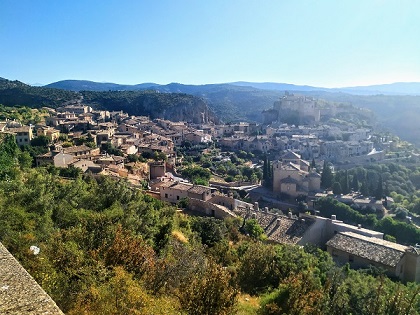
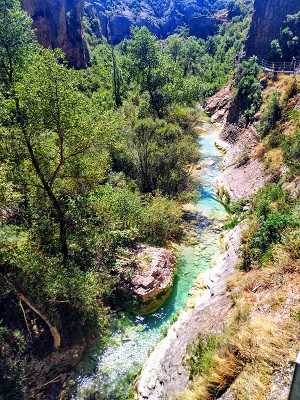
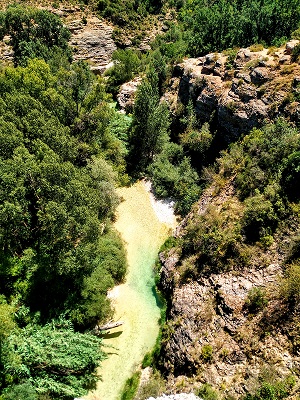
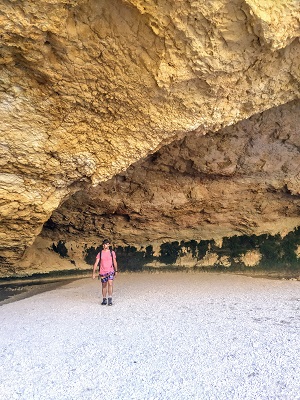
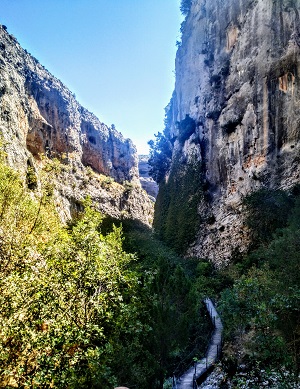
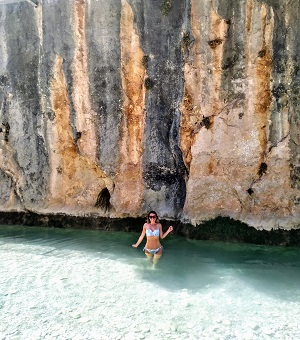
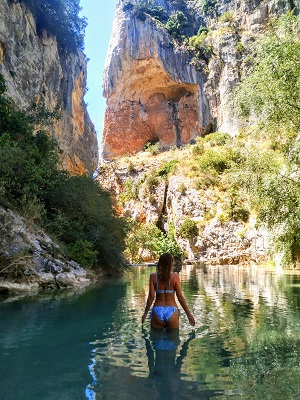
In the surroundings of Huesca there are numerous picturesque places, which you should visit if you come to spend a few days in the Aragonese city. One of my favorite places is the town of Alquézar, located about 50km from Huesca, which dazzles with the beauty of its streets that still evoke bygone times through the traditional architecture of the area. The town’s name comes from the Arabic language and means “fortress” and it was established by Khalaf Ibn Rasid in the 9th century. There are numerous legends related to this majestic town, such as the legend about the Witches of Alquézar who were capable of creating the worst storms that devastated the inhabitants of the town. In fact, today it is still possible to see wild boar feet on the doors of the houses, a magical symbol that served as a measure of protection against witchcraft. Likewise, the town has a natural setting that is wonderful to visit during the summer months, since it gives us the opportunity to refresh ourselves in the crystal clear waters of the Vero River. The river walkways are also a great opportunity to spend a day surrounded by nature and having a family picnic. The place is really beautiful, the crystalline waters of the river flow between the giant limestone canyons, I am sure you will love it. By the way, if you like hiking there are different routes in the Sierra de Guara that end in the caves with the only cave paintings.
CASTLE OF LOARRE
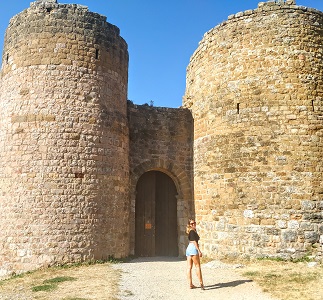
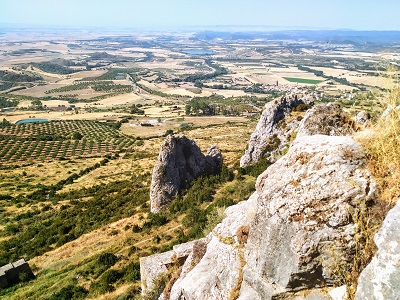
The Loarre Castle, built in the 11th century by the monarch Sancho III in order to defend the Kingdom of Pamplona, is an example of the military architecture of the Romanesque style, very well preserved today. Being settled on a limestone rock, its defensive strategy was increased, since it was impossible for the enemy to mine the castle to carry out the conquest. It was also surrounded by a thick wall with different towers, such as the Queen Tower, which further increased its protection. It was a Spanish prototype of a military fortress, due to the close border between the Christians and the Muslims, which in medieval times maintained a hostile character. However, with the passage of time, the fortress lost its relevance and today it is a touristic place, even some films had been shot there, such as, for example, Kindom of Heaven. Of course it is impressive to contemplate the castle located at the top of the mountain.
TIPS:
- In Huesca city there is a famous establishment of local products, La Confianza. You should not miss the typical delicacies from the area and visit the store.
- To see the walkways of the Vero River, I advise you to go early in the morning so as not to have to make the climb back in the afternoon hours, when it’s really hot. Do not forget to bring water, a hat and sunglasses, the lap is quite hard, especially if it is very hot.
 all about eve`s journeys