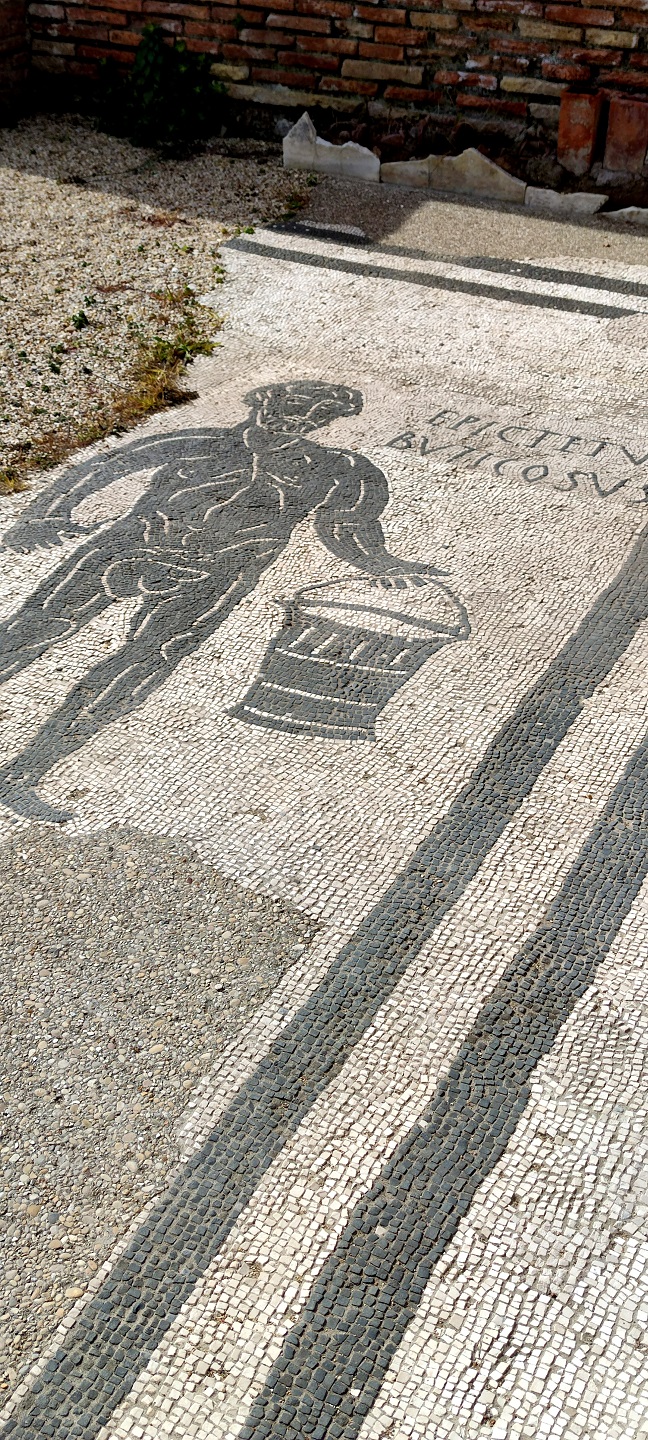
Along the shores of the Tyrrhenian Sea and at the mouth of the Tiber River, a large Roman city was located in ancient times, Ostia Antica, perhaps the first colony of this Empire, which we still have the opportunity to visit today, thanks to archaeological finds. A legend says that the city was founded during the reign of Anco Marcius in the 7th century BC, an important conqueror who expanded the Roman territory and its demography.
THE EXPANSION OF THE PORT
Initially Ostia Antica was created for military purposes, however, it soon became a commercial port that annually received tons of wine, oil and wheat that were later transferred by land to Rome, located just 35km away. However, at the beginning the port was small and with shallow waters, therefore, it was necessary to transfer the merchandise from the large ships to smaller ones, which slowed down and made the transport process difficult, since in this way there was more possibility of shipwreck and loss of property.
As a consequence, first the Emperor Claudius in the year 42 ordered to rise two semicircular docks, in which large ships could anchor, and then the Emperor Trajan in the year 113 built a hexagonal anchorage. Thanks to these engineering works, numerous shipwrecks could be avoided and the city grew economically and in turn expanded its population.
THE ARCHITECTURAL STRUCTURES OF OSTIA ANTICA
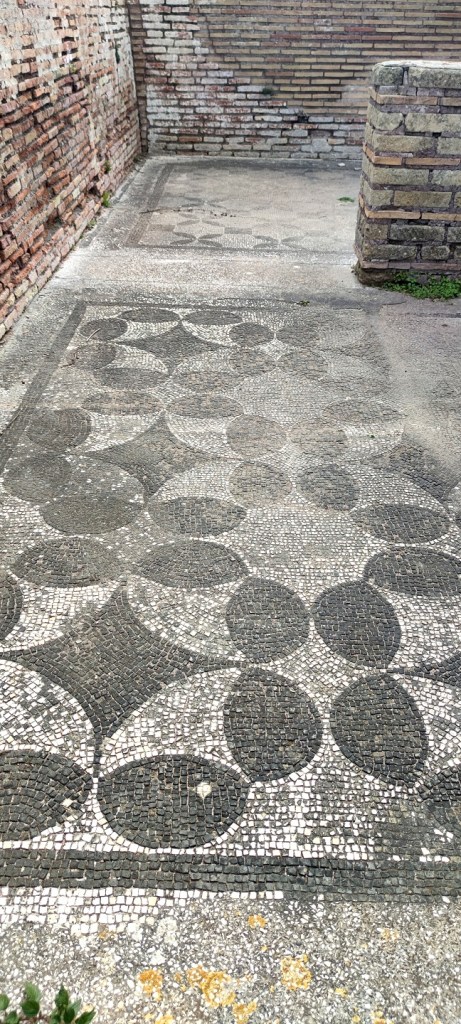
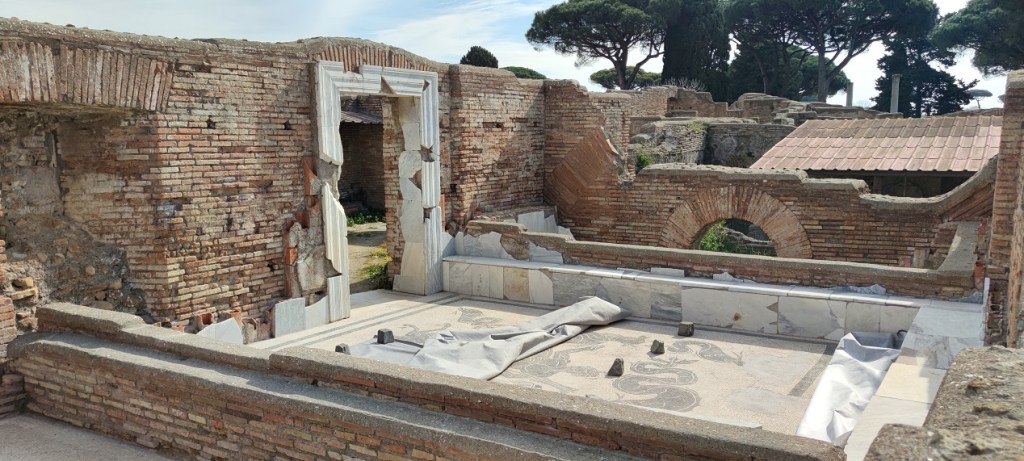
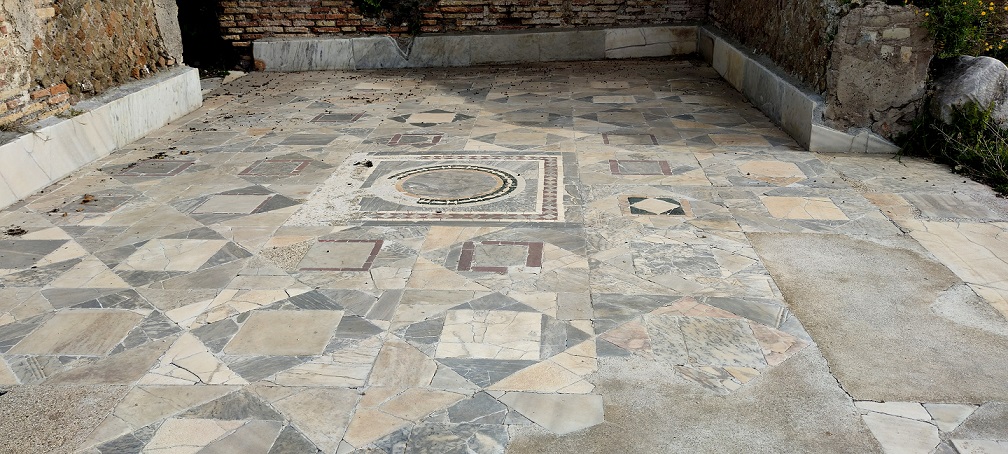
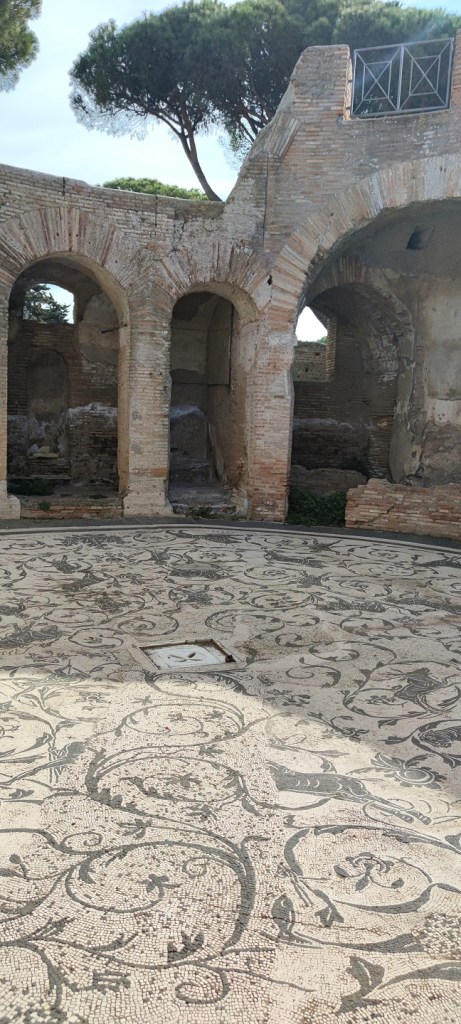
The most impressive thing about this ancient Roman city, more than 2000 years old, is simply to take a walk started on the Decumanus Maximus, the main road that crosses the city, and enjoy the visits in the many architectural structures that are still quite well preserved. For instance:
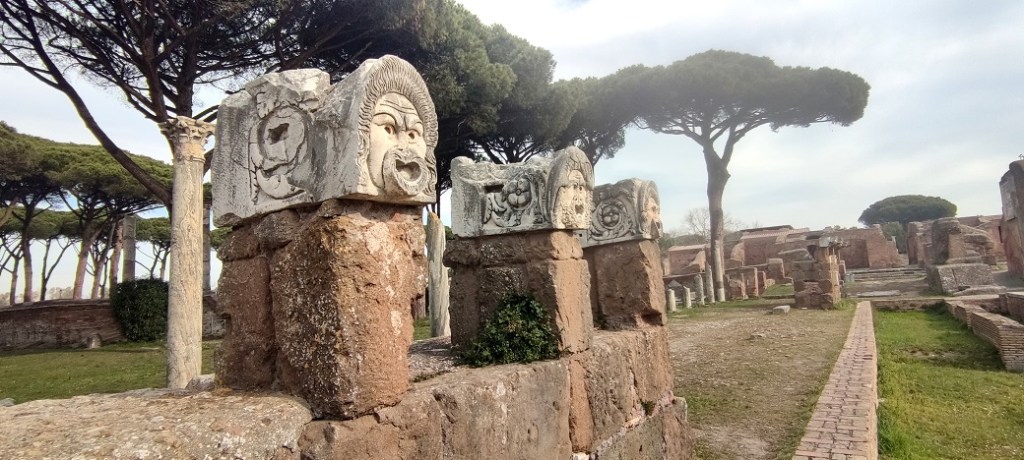
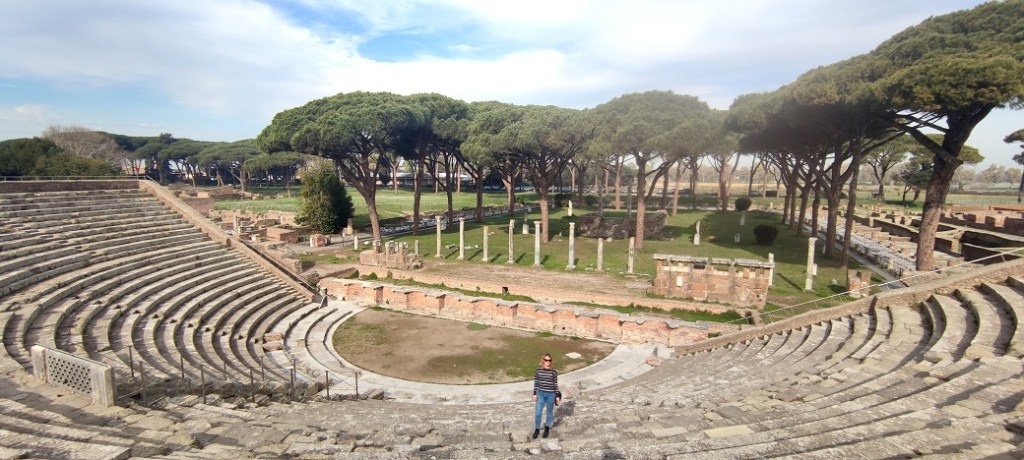
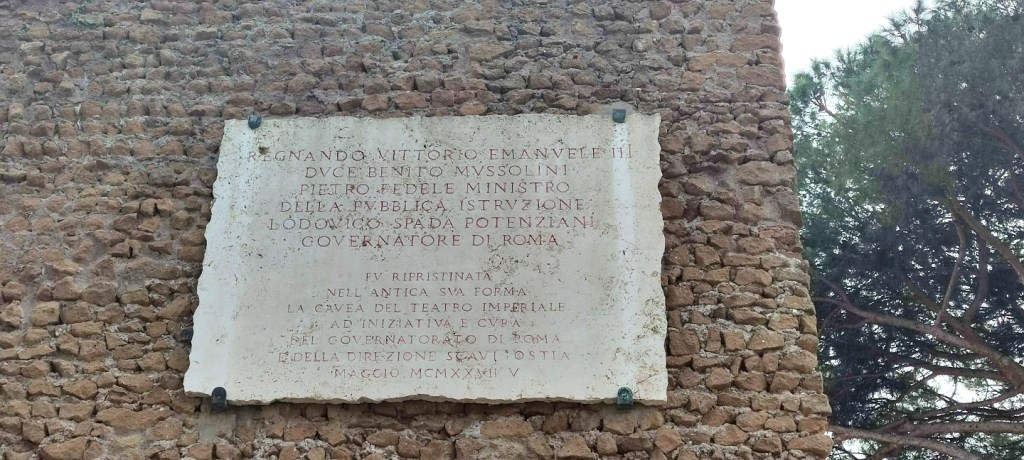
–Roman theater: ordered to be built in the 1st century by Agrippa, son-in-law of the first emperor, Augustus, and rebuilt by the emperor Commodus, it came to accommodate up to 4,000 spectators.
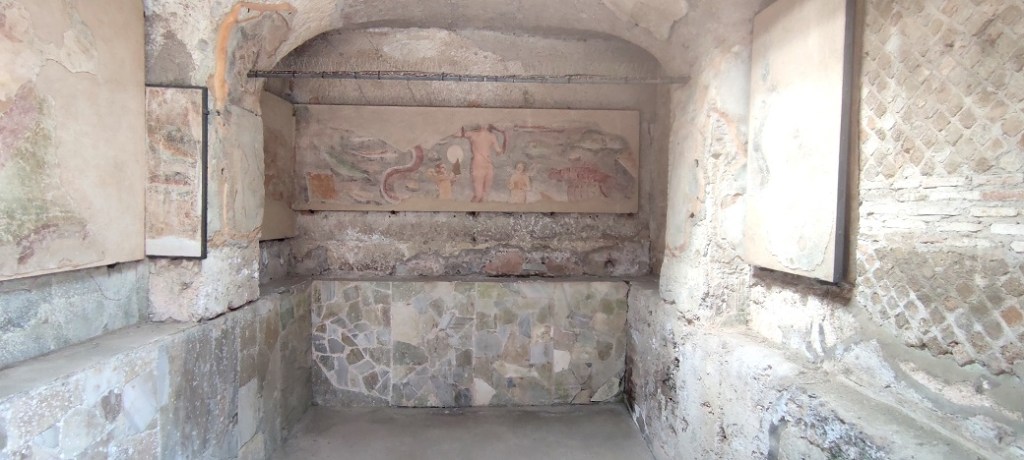
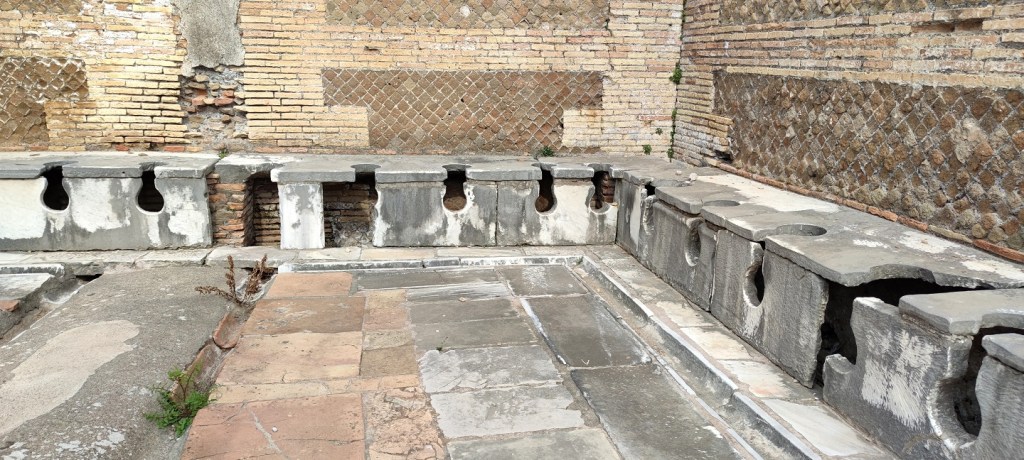
–Roman baths: there were up to three different ones. The construction of the oldest ones next to the Marina Gate was ordered by Emperor Trajan, the Baths of Neptune by Emperor Hadrian and the most modern ones by Antoniono Pío’s praetorium. The baths had the three rooms: frigidarium, templarium and caldarioum, as well as latrines and gyms.
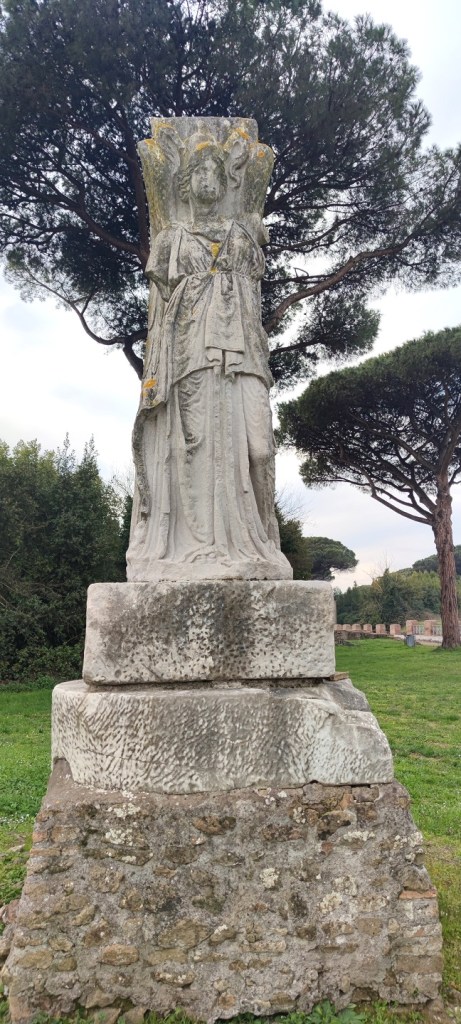
–Temples: highlights the temple of the Capitoline Triad dedicated to the veneration of Jupiter, Juno and Minerva, as well as temples dedicated to Hercules and Mithra. Also with the passage of time a Christian basilica and synagogue were built in Ostia Antica.
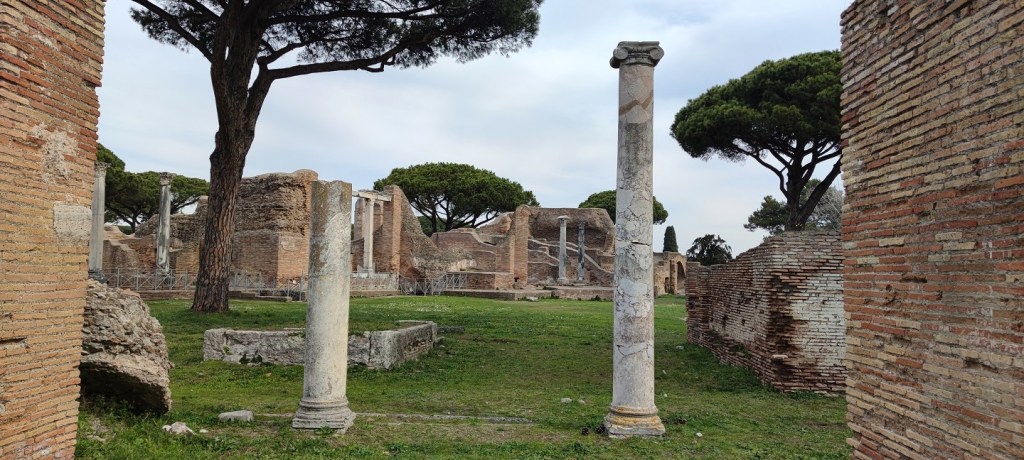
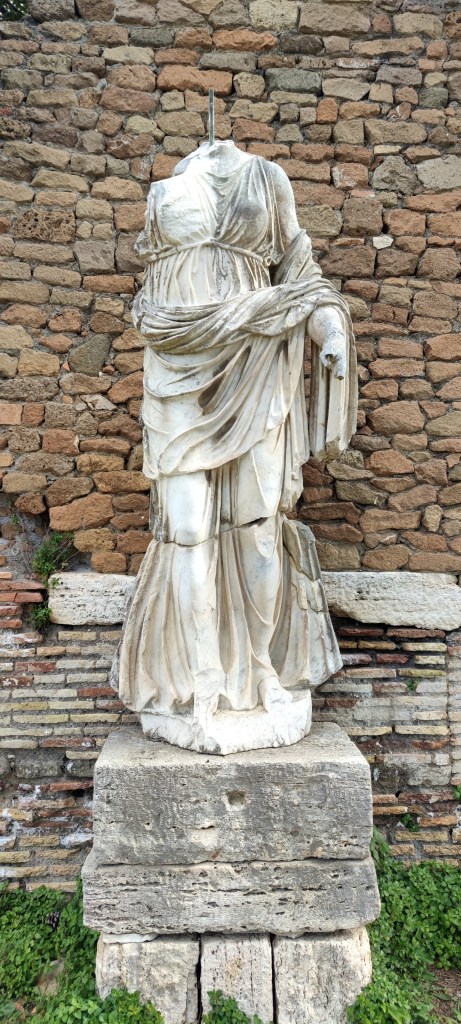
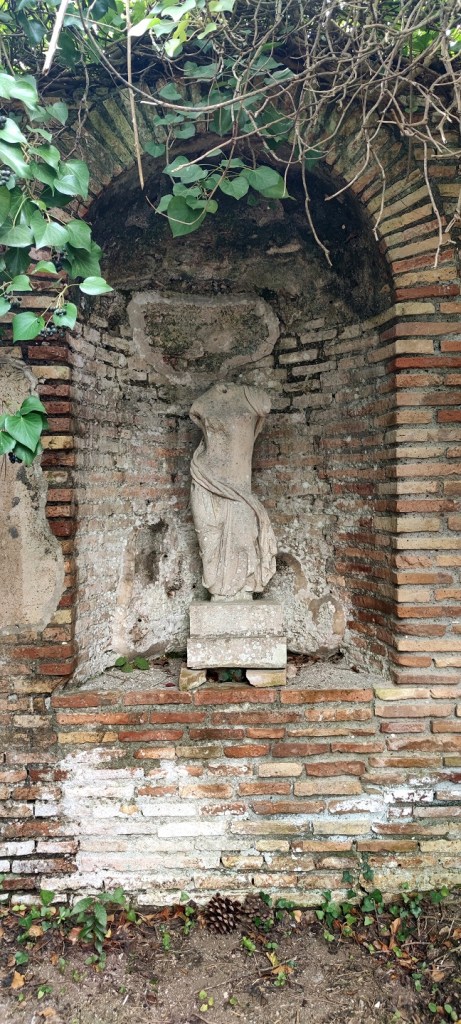
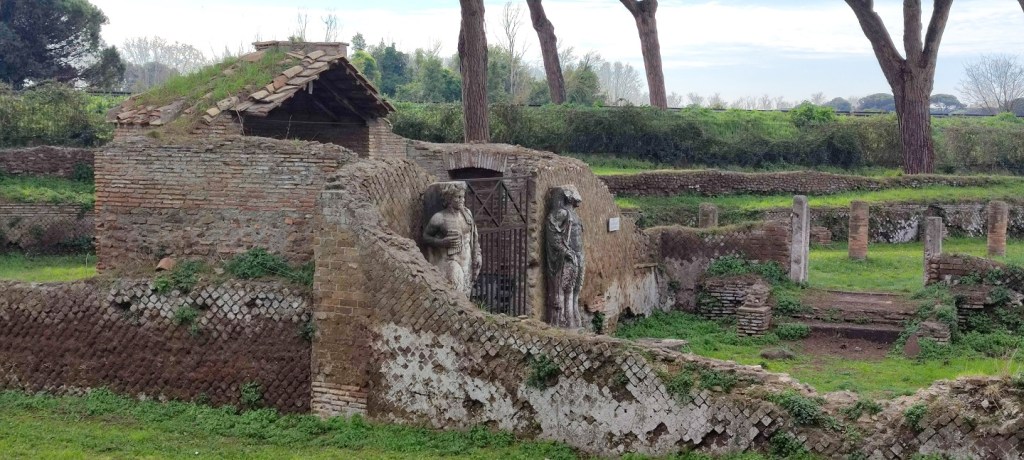
–The Guild Square: where the offices of the most influential men in the city who defended the rights of the Workers’ Cooperation against public officials were located. Likewise, each guild was located in a specific part of the city, where its workshops, warehouses, points of sale…etc., were located.
–Houses: the House of Diana stands out, an insula, that is, a block of flats from the year 150 that represents the typical houses of the time, where the apartments were located in the upper part, accessible through the stairs, and in the lower part there were businesses and shops.
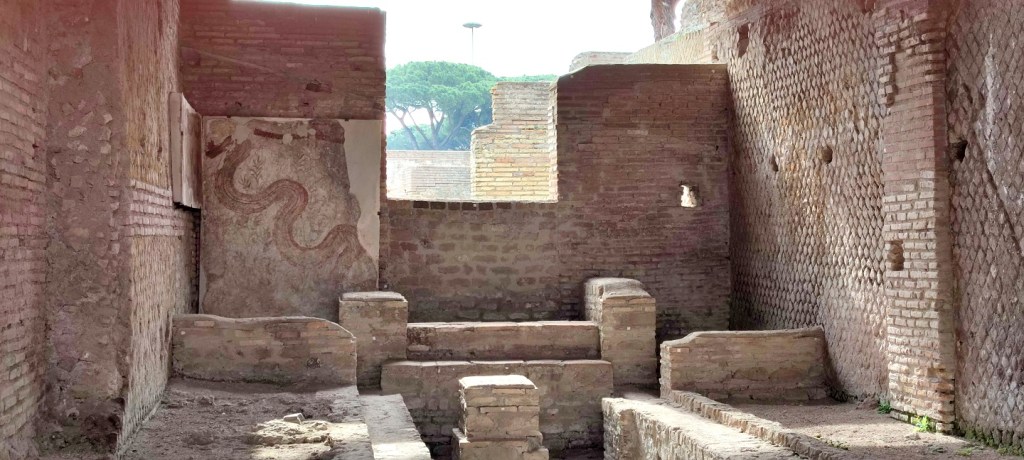
–Taverns: among which you should not miss the visit to Thermopolium from the third century. Food and wine were offered in taverns. It is possible that prostitution services were also offered in these places in the absence of other buildings dedicated to it.
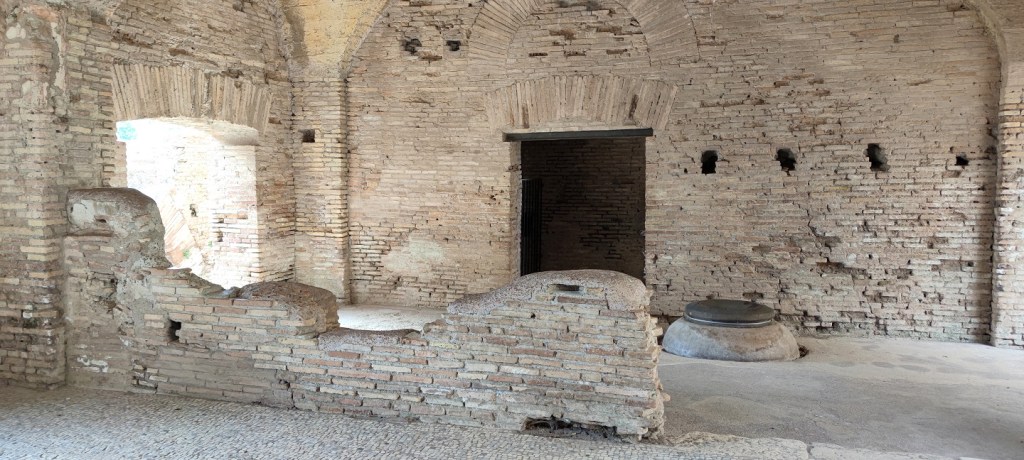
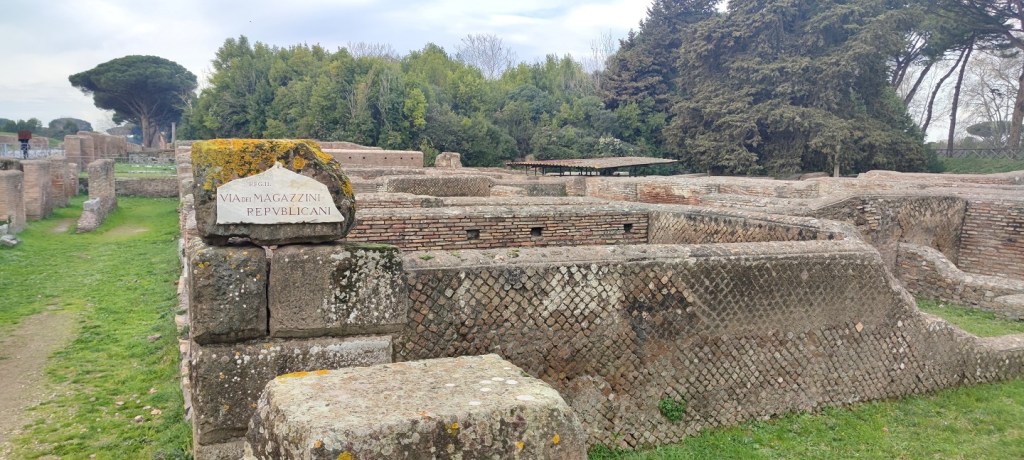
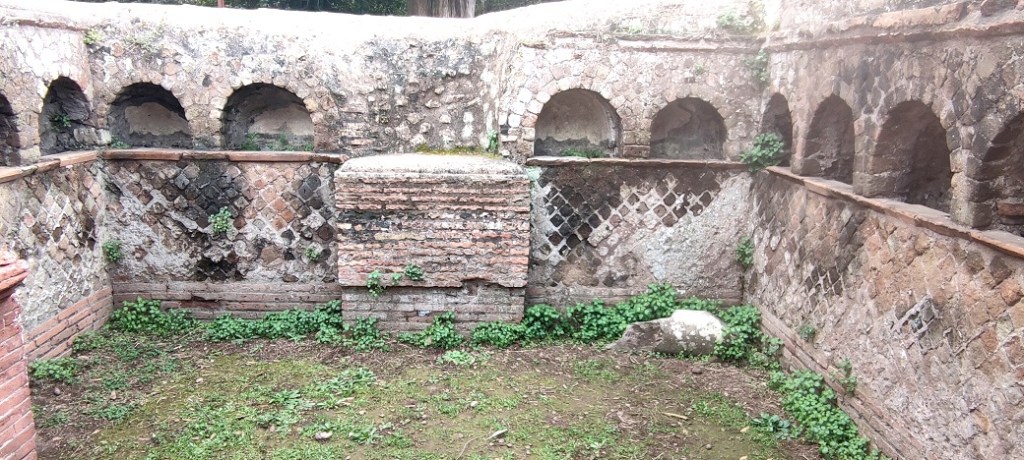
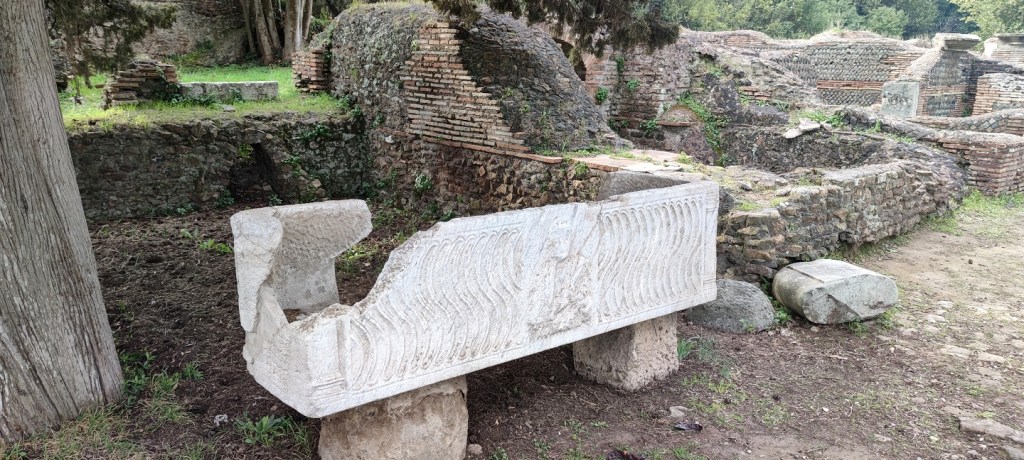
–Necropolis: usually located ouside the walls. It’s a the beginning of the city.
TIPS:
• The easiest way to get there is to take the metro to the San Paolo or EUR Magliana station and from there take the train to Ostia. The same subway ticket serves you. If you have a Roma Pass, the trip will be free and the entrance cheaper (the full ticket is around 12€). Another good option is to go by boat from Ponte Marconi to Ostia Antica.
• The visit lasts between 4-5 hours (wear comfortable shoes) and they open at 8:30. In winter the last visit is at 15:30 and in summer at 18:15.
• Bring wit you some water and food, since you can’t buy anything on the premises. However, in the city there are many restaurants and cafes that serve great food and that you can try after your visit.
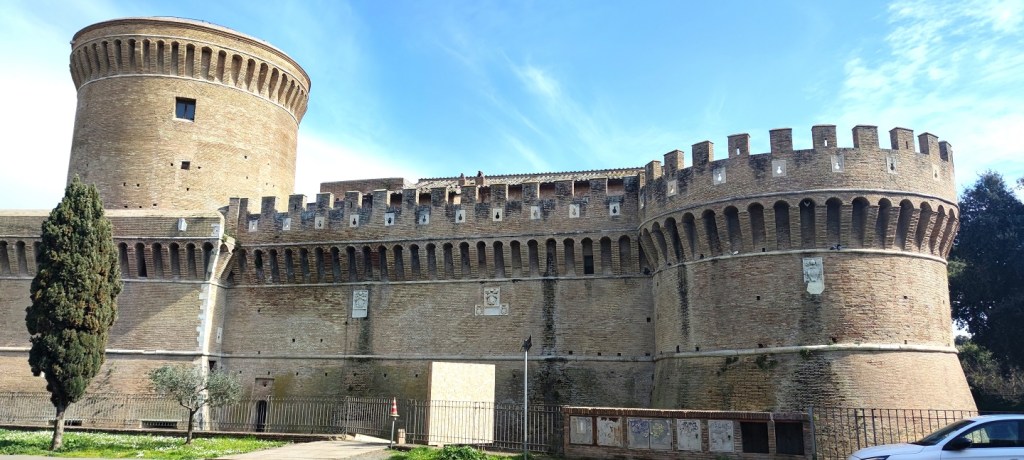
• Also visit the city, which you can easily reach from the archaeological site. It highlights the Castle of Pope Julius II, an example of Renaissance military architecture. It is open on Tuesdays and Fridays (10:00 – 12:00 – 15:00).
 all about eve`s journeys
The site is astonishing and not very crowded in the early hours
LikeLike