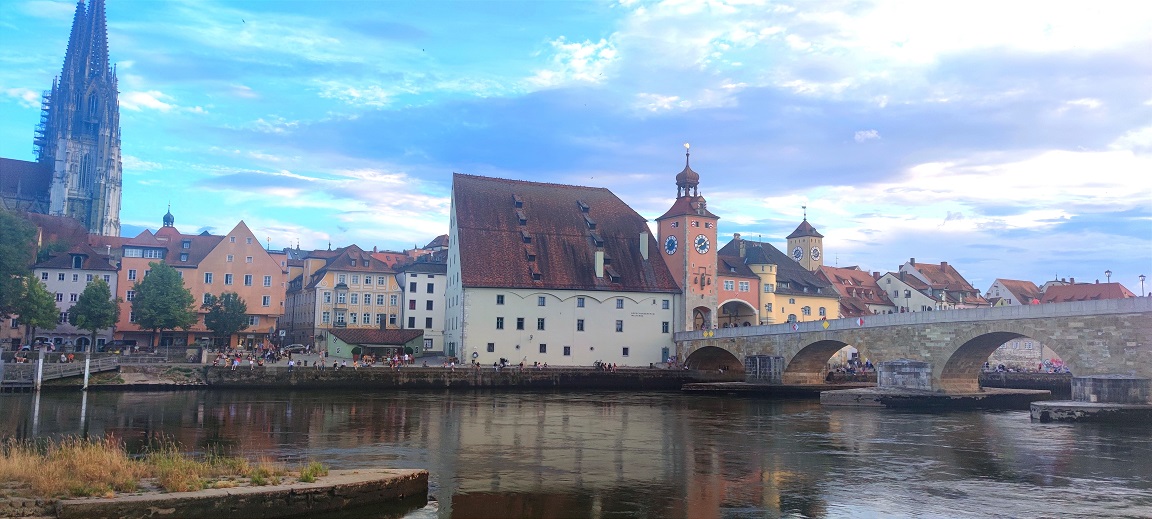
Regensburg, located on the banks of the Danube River, is one of the most beautiful German cities. It was founded already in Roman times in 179, during the empire of Marcus Aurelius, with the name of Castra Regina. But what makes Regensburg a city worth visiting? There are many aspects that make the city unforgettable, I personally have loved its Old Town, well cared for and full of numerous architectural works that evoke past times. Likewise, the numerous green areas, among which the banks of the Danube River stand out, from which it is possible to contemplate wonderful sunsets. Or simply the joy present in its central streets, where there are infinite cafes and restaurants with a wide gastronomic offer, which are a perfect meeting place for both visitors and local people, and which turn the city into a very lively place, that resembles to the cities of southern Europe. Regensburg is simply charming.

¿DID YOU KNOW?
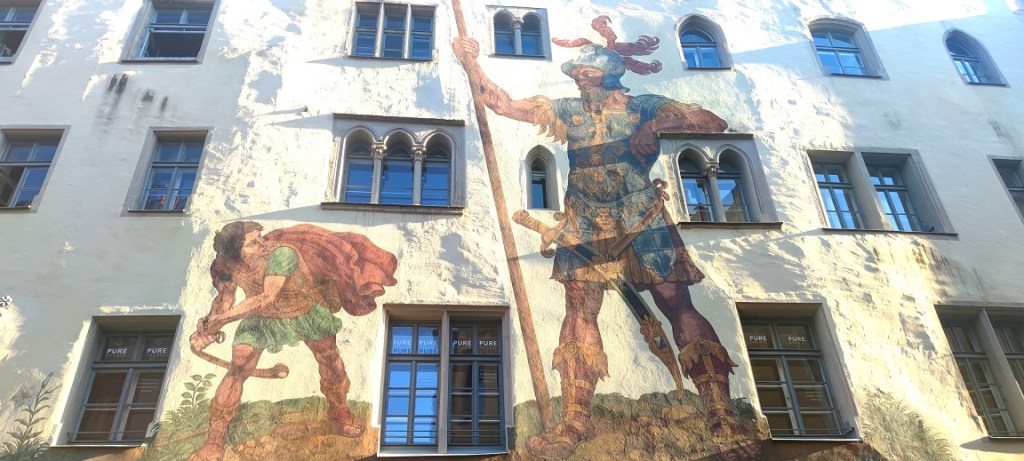
As mentioned above, Regensburg was built along the banks of the Danube River, the natural border of the Roman Empire, during the rule of Emperor Marcus Aurelius in order to accommodate the III Italic Legion. Over time, the city grew and became the seat of the Perpetual Diet of the Holy Roman Empire. During the Diet, the representatives of numerous duchies and cities met in Regensburg in order to make the most important political-economic decisions for the Empire. Likewise, during this medieval stage the Old Town was formed, which still represents the Gothic characteristics in the architectural structures, since these were barely replaced by more modern ones from the later artistic stages. I think that for this reason, one of the best ways to get to know Regensburg is to go into its fantastic alleys and stroll contemplating the Gothic influences that are still very present in the Old Town.
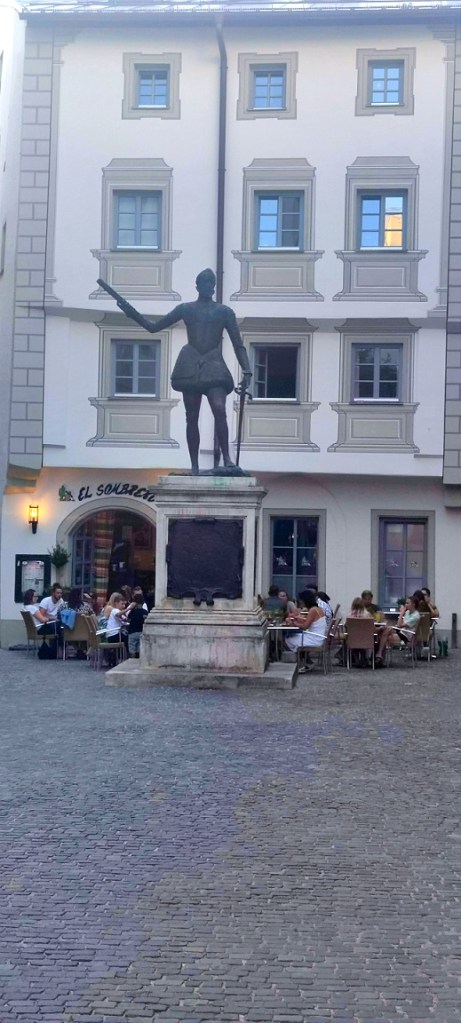
Another historical curiosity is the birth in Regensburg of the bastard son of Emperor Charles V of Spain and Germany, John of Austria, who became a hero after his victory at the Battle of Lepanto in 1571 against the Ottoman Turks who threatened their expansion to the Christian kingdoms. He was the fruit of the love relationship between the emperor and Barbara Blomberg, a beautiful and cheerful German bourgeoisie, which began when the emperor attended the Imperial Diet. Apparently, it was love at first sight, although it didn’t end like a fairy tales.
On the other hand, Regensburg witnessed the famous Diet of Regensburg in 1541, during which was established the prohibition of religious wars started with the Protestant Reformation that was initiated with the publication of the 95 theses by Luther. It was a failure to restore the unity of the Holy Roman Empire, divided at that time into those who supported the new Protestant doctrine and the Catholics who stood by the Pope.
HOW TO GET TO REGENSBURG
To begin with, if you arrive by train, which is a good option, there is no great mystery, since the Main Station is located near the Old Town. On the other hand, if you prefer to get around by car, I recommend parking outside the center. One of the reasons is the fact that it is not very comfortable to drive through the central streets of the city, in addition there is the ecological zone and only the cars that carry the green sticker (I think that you also have to request it in Germany, stickers from other countries may be not valid) can enter the urban center. However, do not despair, near the old town there is an open-air car park, which is also free, called Parkplatz Unterer Wöhrd, where you can leave your car while you discover Regensburg.
WHAT TO VISIT
CIVIL ARCHITECTURE

Not far from the car park you reach the old 12th century Stone Bridge, which I must admit reminds me a lot of the Roman Bridge of Córdoba in Spain (a beautiful city that I also recommend you visit). Crossing it we come to the Stone Bridge Tower, one of the 20 towers that still remain in the city, and the Old Salt Warehouse, which has now been converted into an Information Centre. By the way, next to the warehouse there is a restaurant, a historical place where they serve delicious Wurst with sauerkraut (sausages with sour cabbage), accompanied by sweet mustard, typical of Regensburg. The restaurant is called Historische Wurstküche.

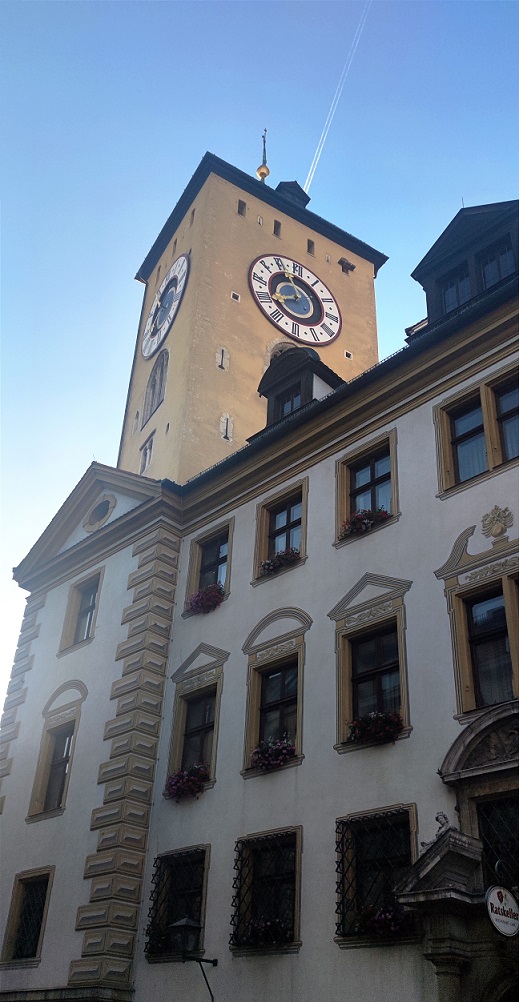
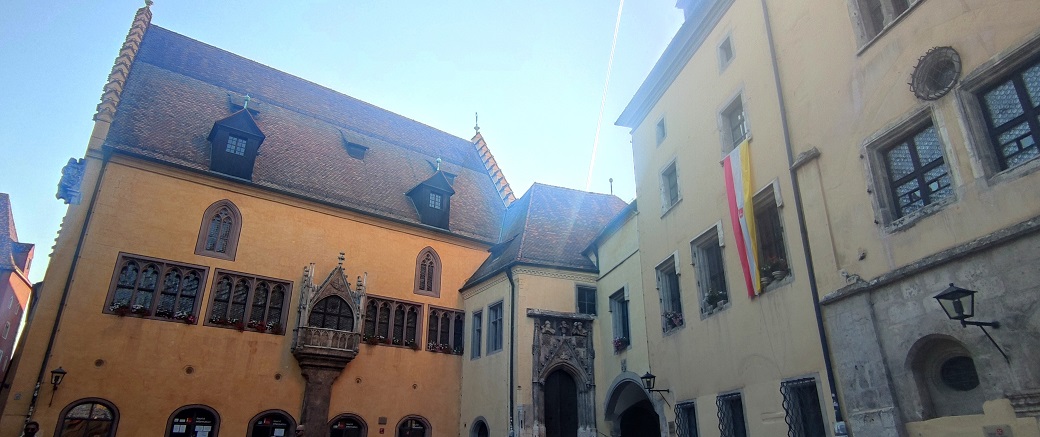
From Roman times it is possible to contemplate the remains of the Pretoria Gate, perfectly integrated into the medieval Gothic buildings, while a beautiful town hall is located on the Rathausplatz, a witness to the Perpetual Diets that took place throughout the history of Regensburg. On the ground floor, the dungeons and torture rooms are still preserved, a truly chilling place.
RELIGIOUS ARCHITECTURE
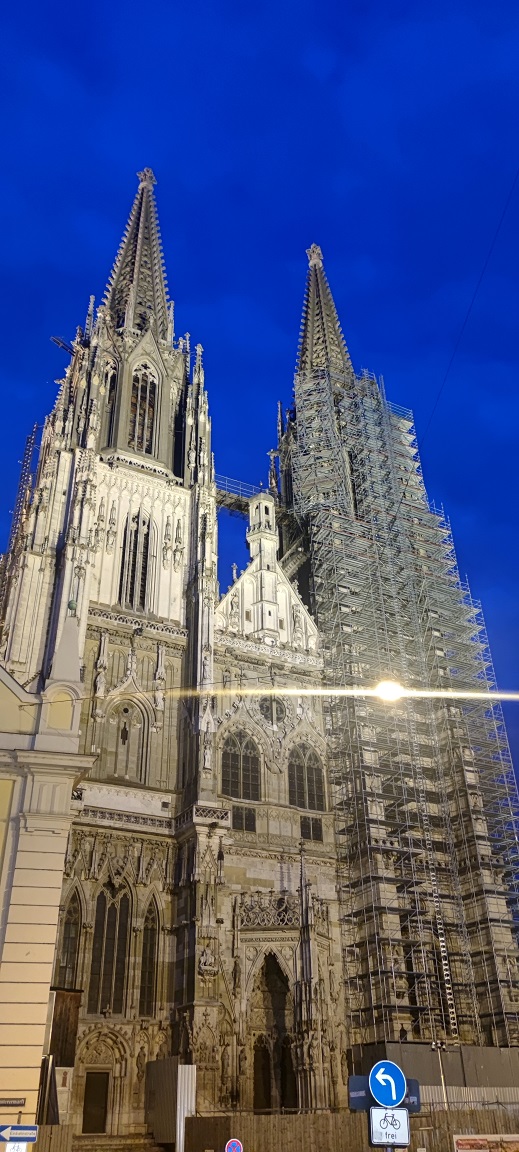
Among the wonderful churches that are located in the city, the Gothic Cathedral stands out, it took about 250 years to build it and it is dedicated to Saint Peter. Already in 739 Saint Boniface ordered the construction of a Christian temple in the city, which was later enlarged during the Carolingian era, however it burned twice, which led to the construction of the current Cathedral in 1273. Later it was reformed in several times, in this way, the transept dome is baroque and there are neo-gothic influences from the time of Ludwig I of Bavaria.
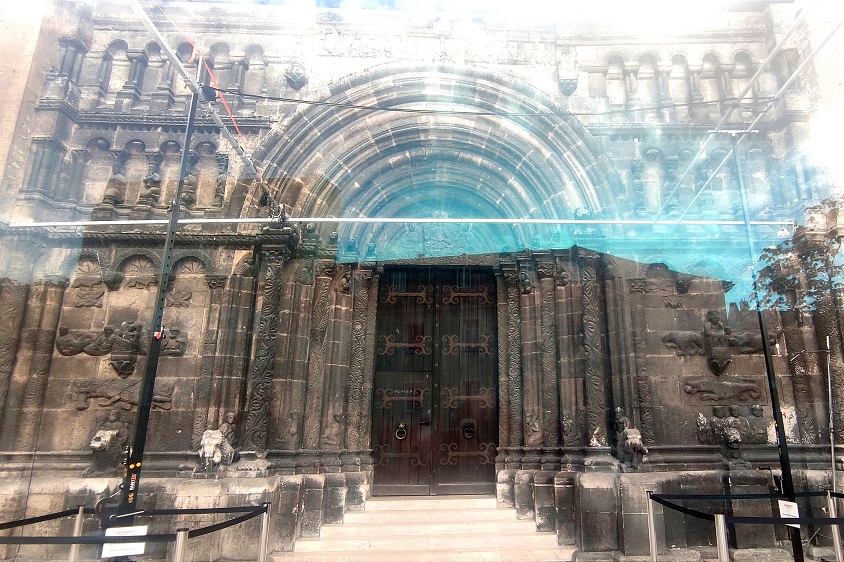

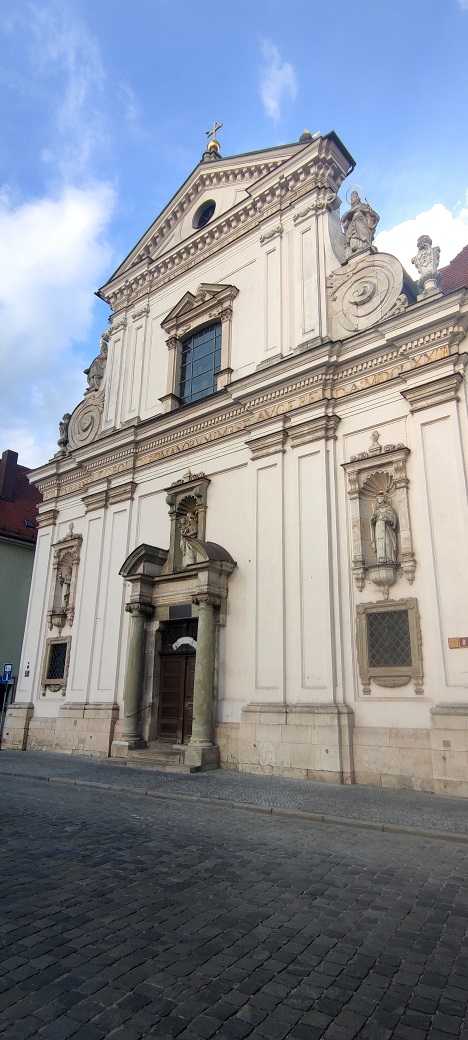
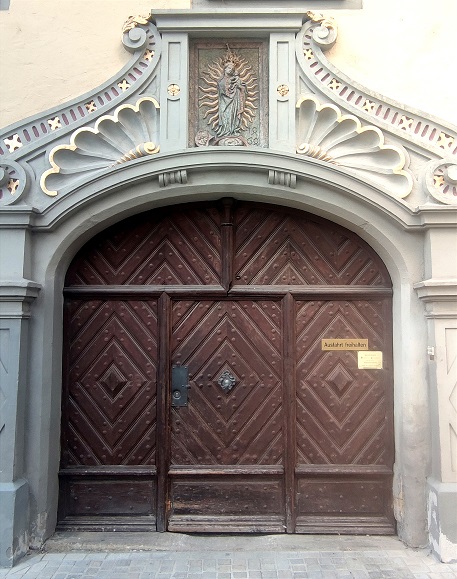

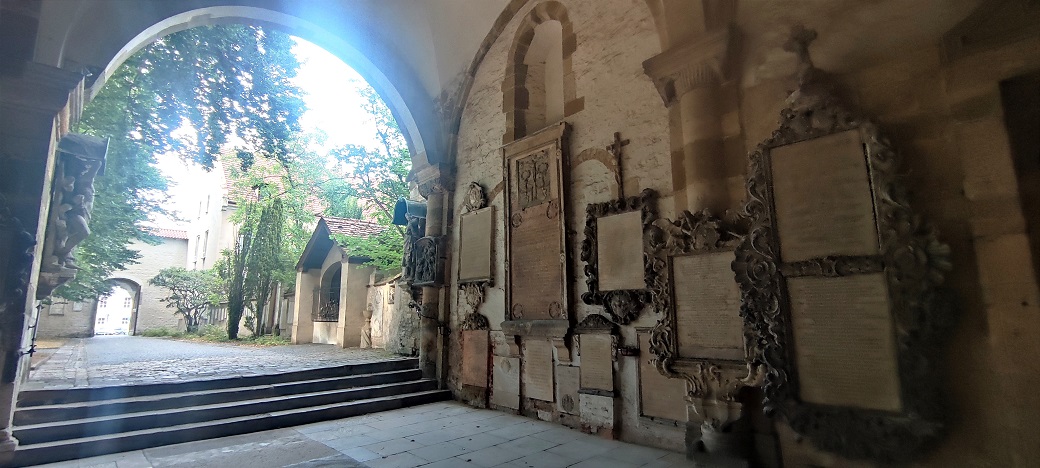
Another church that you should not miss is St. James’s Scottish Church, a Romanesque temple, which has clear Celtic influences, due to the arrival of Irish missionaries in the city. The portal of the church is really magnificent. By the way, this temple is part of the Way of the St. James.
Among other religious architectural gems, the former Benedictine St. Emmeram’s Abbey from the 8th century stands out, which is currently divided between the Basilica and the palace of the House of Thurn and Taxis, an aristocratic family that had great influences on postal mail in Germany and the construction of numerous castles, and Allte Kapelle, a church of Romanesque origin, with a very Baroque interior.
BANKS OF DANUBE

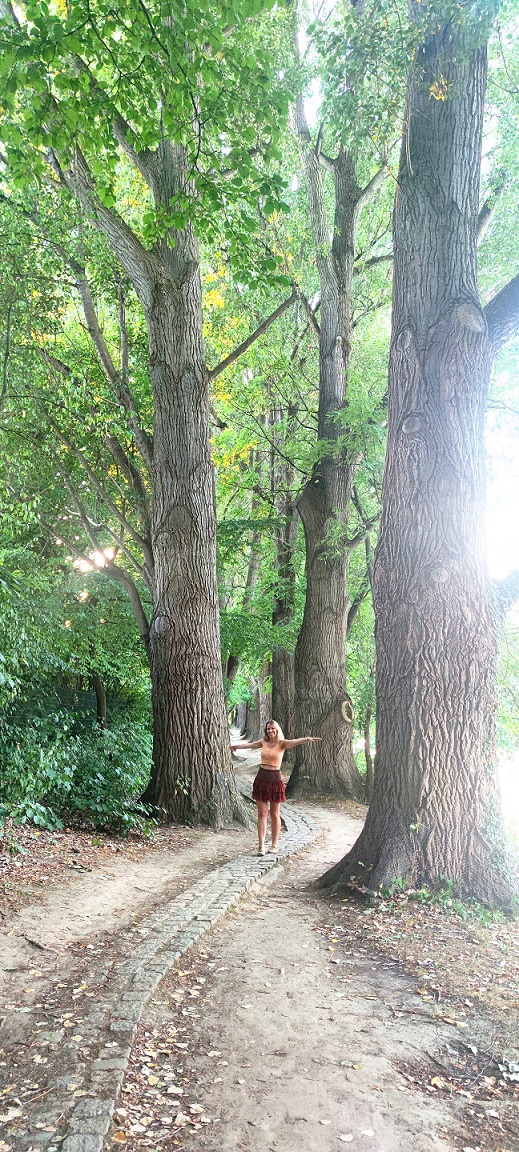
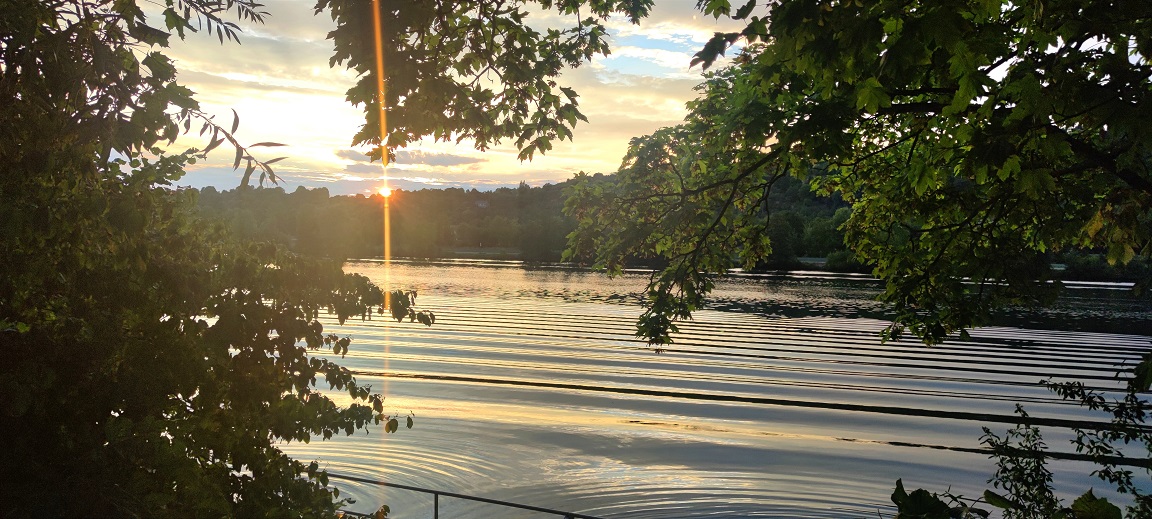
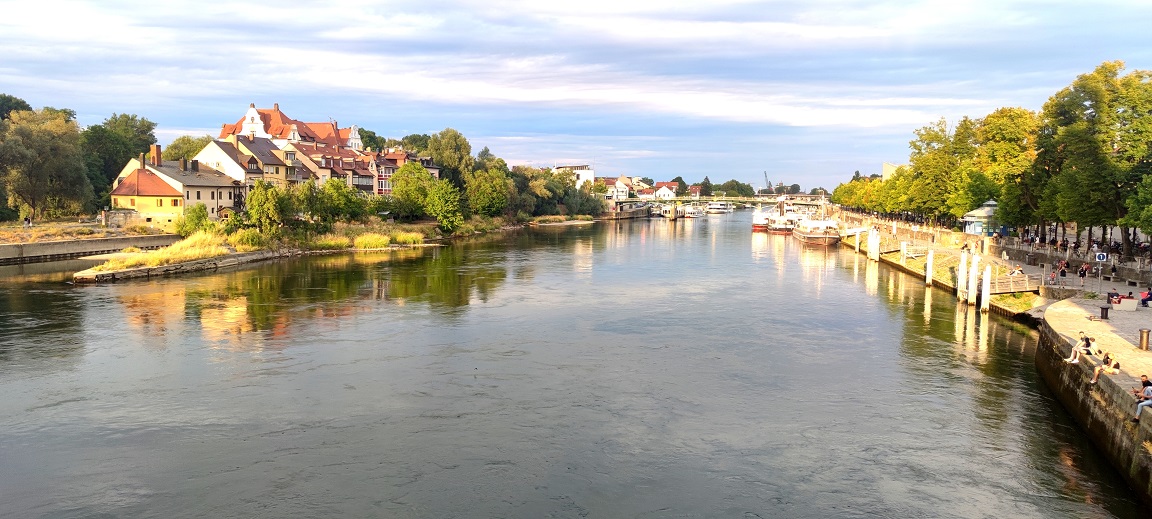
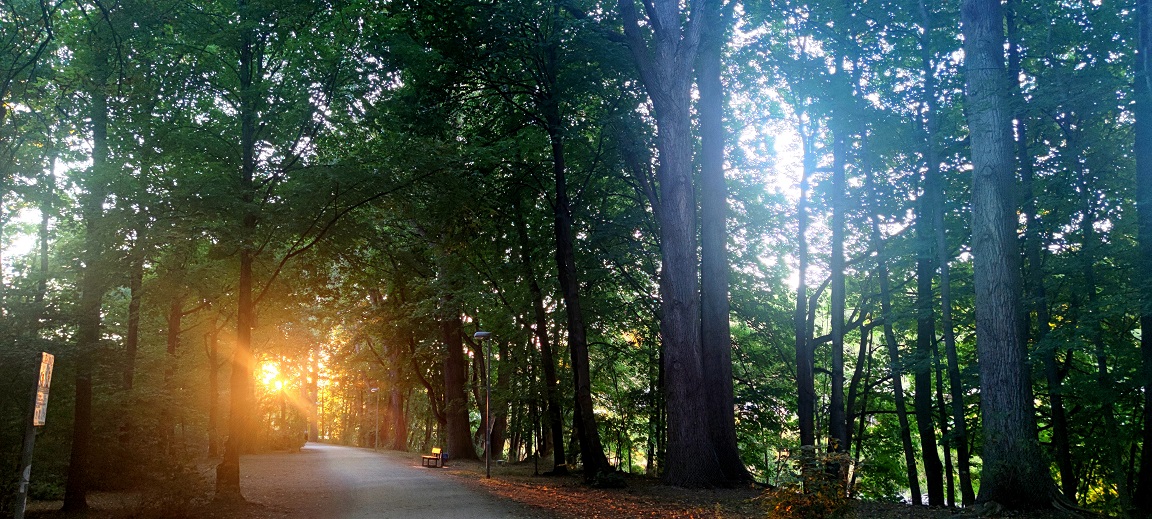
Without a doubt, the walks along the banks of the Danube River have been my favorite place in the city where I spent two weeks studying German. Both in the early hours of the morning and in the afternoon it is possible to appreciate the beautiful sunrises and sunsets. Also, the river invites you to bathe in its waters, during the sunny days of summer.

TIPS:
• In Germany, the best way to travel by car is to leave it in the P+R car parks, without entering urban centers, which also have ecological zones, not suitable for all vehicles. Some are free, for others you need to pay, but they include the ticket for up to 4 people for public transport, which takes you to the center.
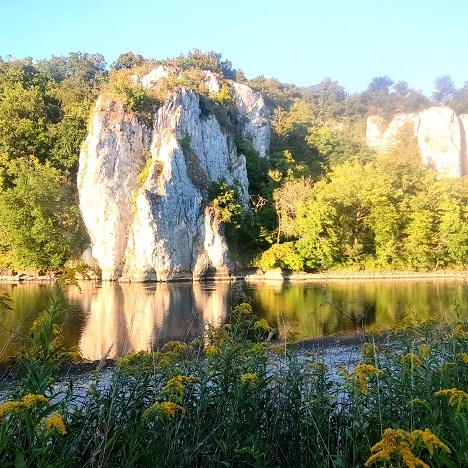
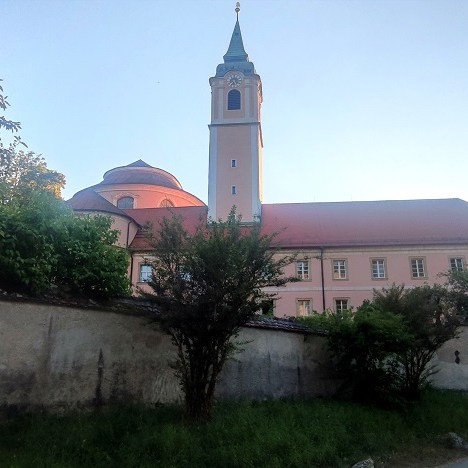
• If you stay for a few days in Regensburg, I recommend you visit the Walhalla Temple and the beautiful town of Kelheim, where the Weltenburg Abbey is located, the oldest brewery in Germany.

• A good option to get to the city is through a Danube cruise, which stops in many European capitals that are located next to the most important river in Europe that crosses up to 10 different countries to flow into the Black Sea. It is the 2nd largest river in Europe after the Volga.
• Use a bike in Germany, there are many paths suitable for cyclists, it is also very safe and comfortable to move by bike both within the city and around it.
 all about eve`s journeys
Really beautiful city
LikeLike