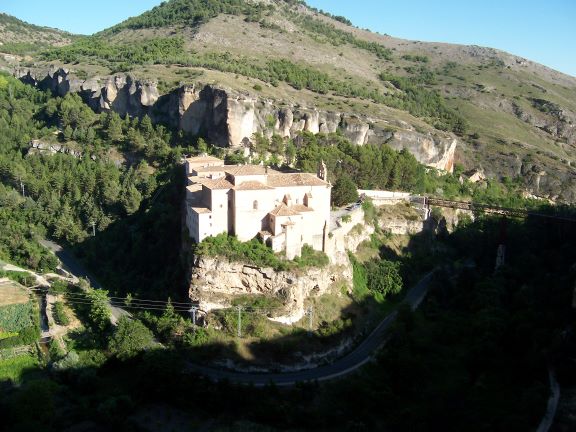
Welcome to a fascinating journey through the charming city of Cuenca, a cultural and natural treasure located in the heart of Spain. With its cobbled streets, medieval architecture, and breathtaking landscapes, Cuenca seamlessly combines historical richness with natural beauty. In this blog, we will delve into the history hidden within its stone walls and discover the monuments that make it unique, as well as the natural parks that extend beyond its limits.
A BIT OF HISTORY
The origins of Cuenca date back to the pre-Roman era when the region was inhabited by Iberian tribes. However, the written history of the city begins with the arrival of the Romans, who established the colony Conca around the 2nd century BC. Cuenca’s strategic location, perched on a plateau and surrounded by rivers, made it a key point for controlling trade and military routes in the region.
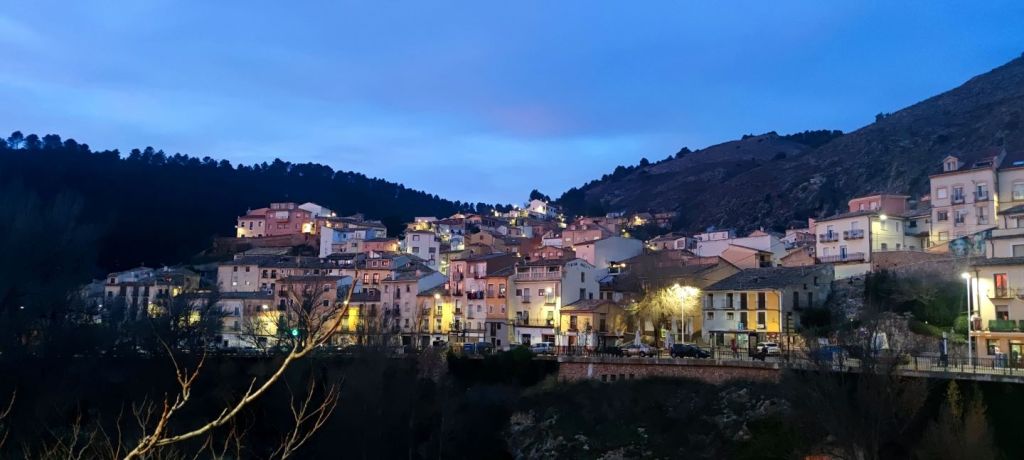
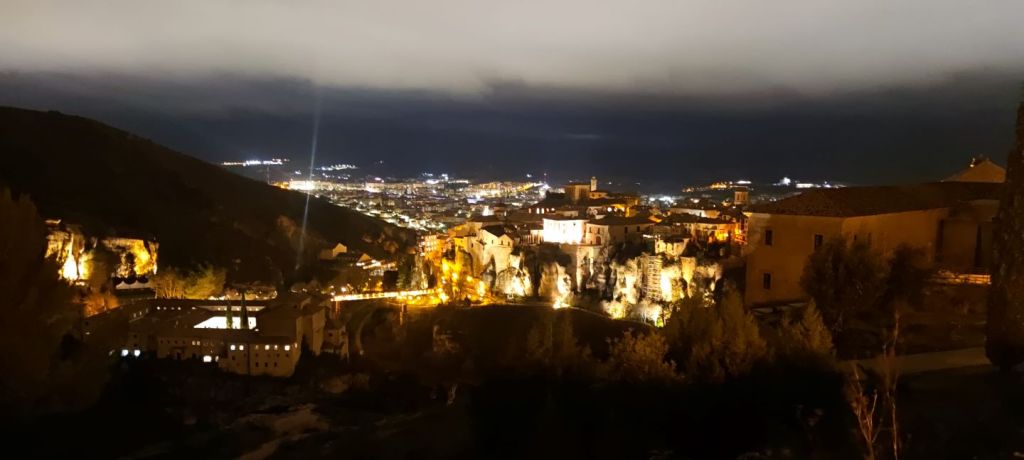
Yet, it was during the Middle Ages that Cuenca gained greater historical and architectural significance. The Old Town of Cuenca, with its labyrinthine alleys and hanging buildings, is a tangible testimony to this medieval past. The Gothic architecture that characterizes the city developed during this period, and the presence of walls and defensive fortifications attests to Cuenca’s strategic importance in the Middle Ages.
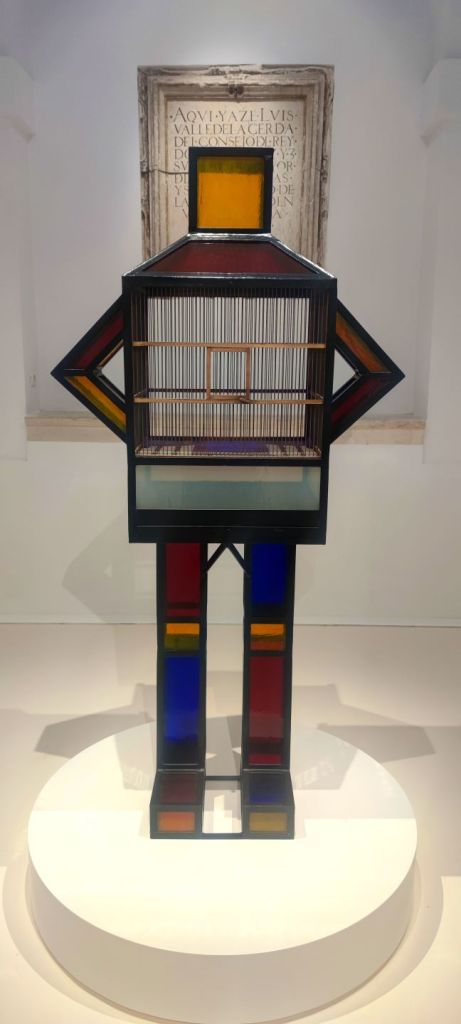
In more recent history, the 20th century brought a cultural renaissance to the city. In the 1960s, Cuenca became a refuge for artists and intellectuals, attracting personalities seeking inspiration in its unique environment. This cultural resurgence was solidified with the establishment of the Museum of Spanish Abstract Art in 1966, housing a valuable collection of works by contemporary artists. Today, Cuenca is a tourist destination that attracts visitors from around the world, not only for its rich history but also for its cultural vitality. The city stands as a fascinating crucible where layers of the past intertwine with vibrant modernity.
MUST-SEE IN CUENCA
CATHEDRAL OF SANTA MARÍA AND SAN JULIÁN
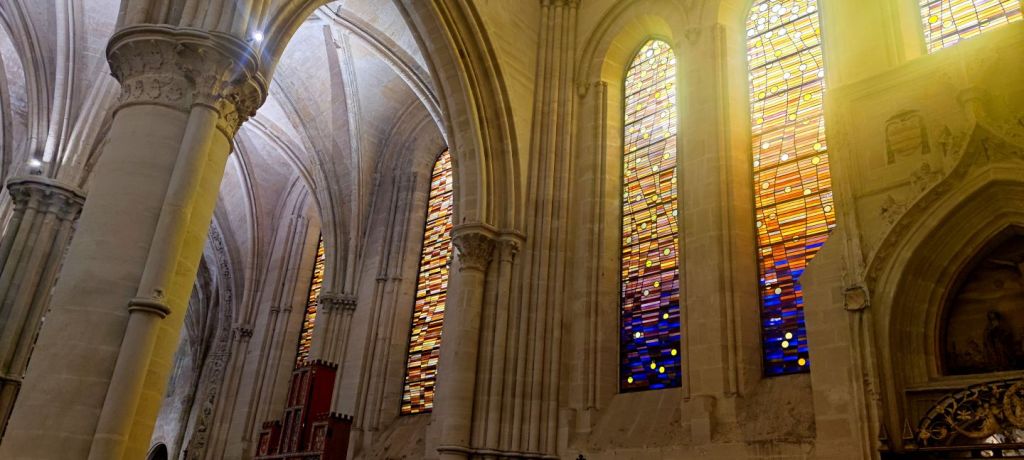
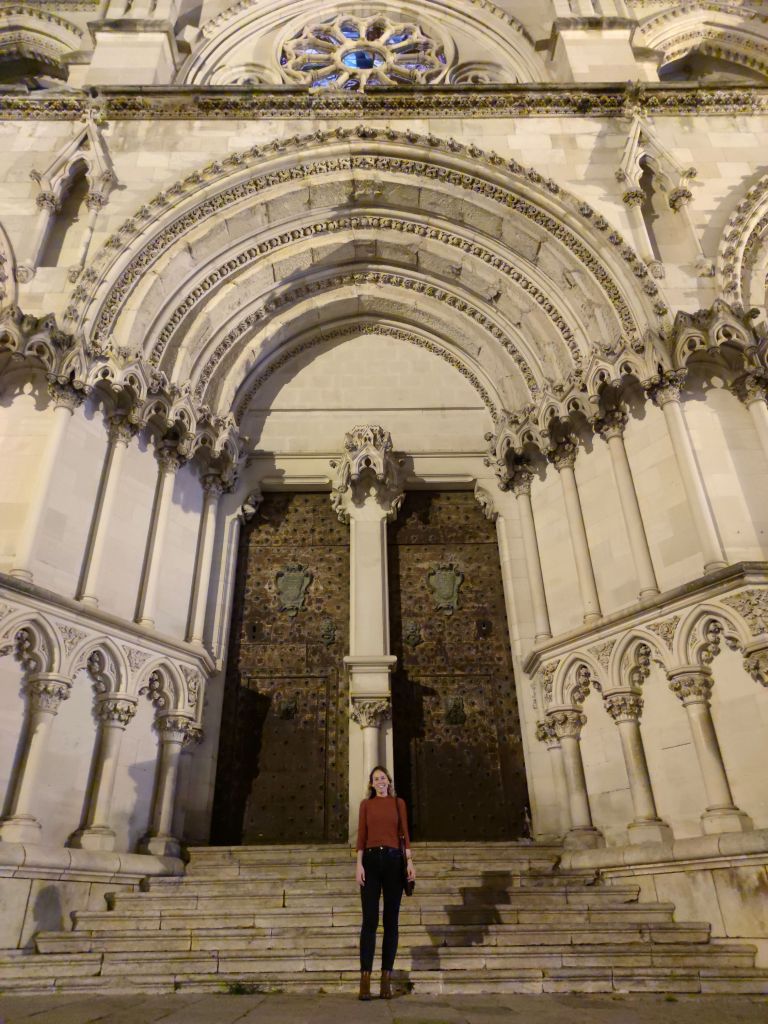
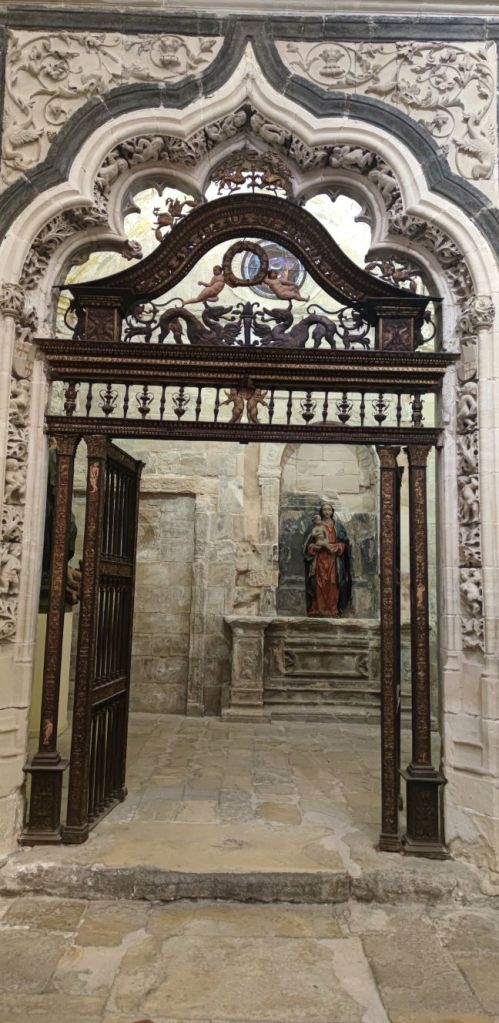
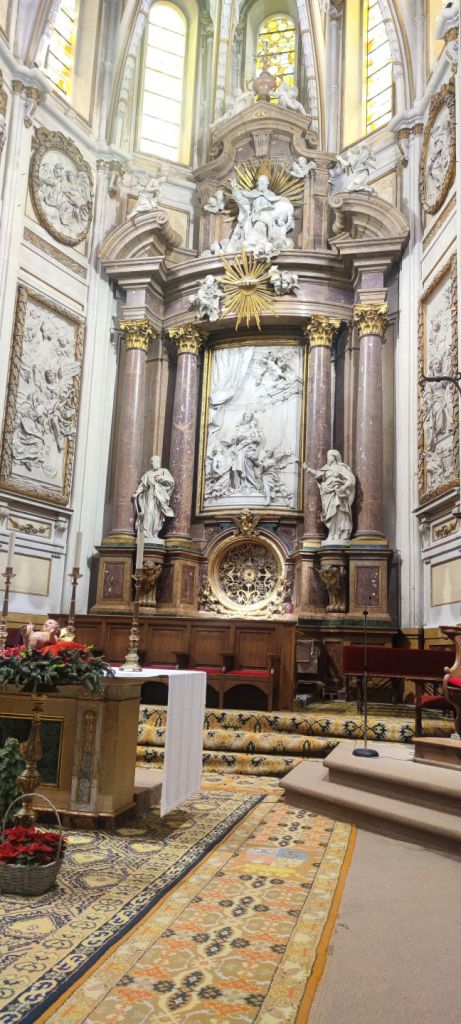
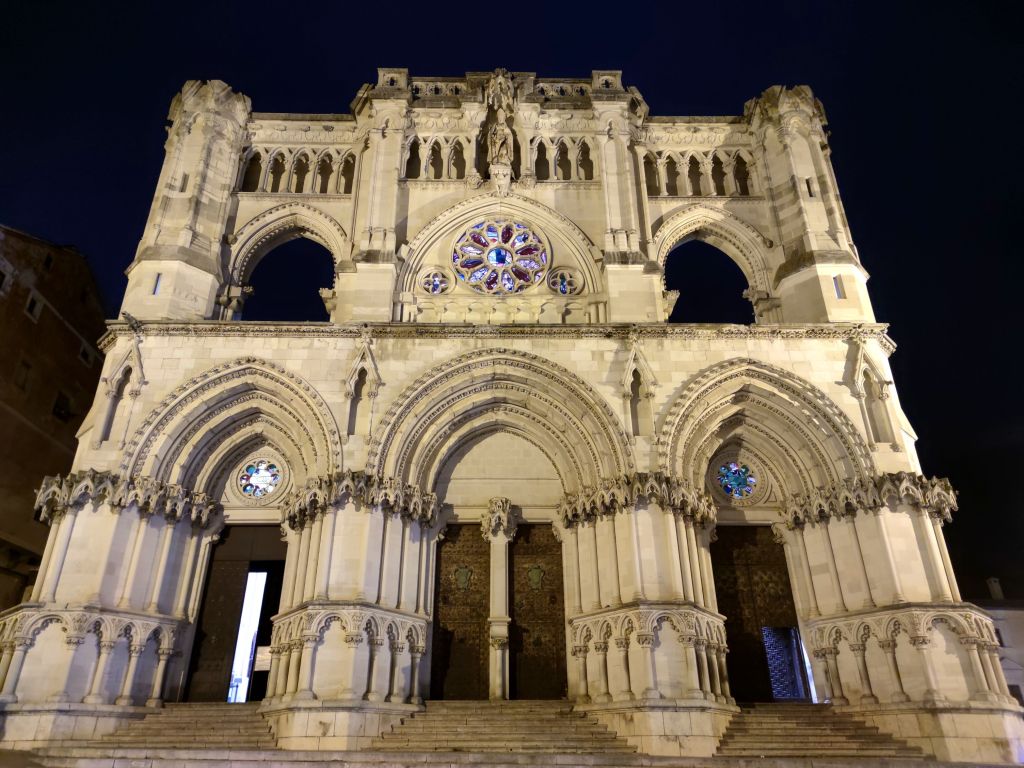
This imposing Gothic gem, built between the 12th and 17th centuries, rises majestically on the horizon of Cuenca. Also known as the Cathedral of Our Lady of Grace, it stands out for its tall towers and richly decorated facade. The interior of the cathedral houses numerous chapels, altars, and artworks, including paintings by notable artists such as El Greco and José de Ribera.
HANGING HOUSES
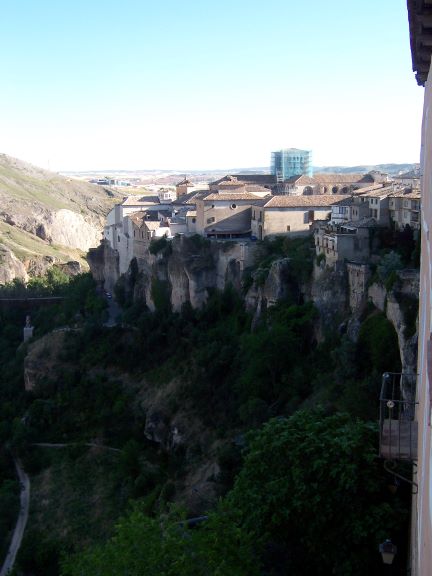
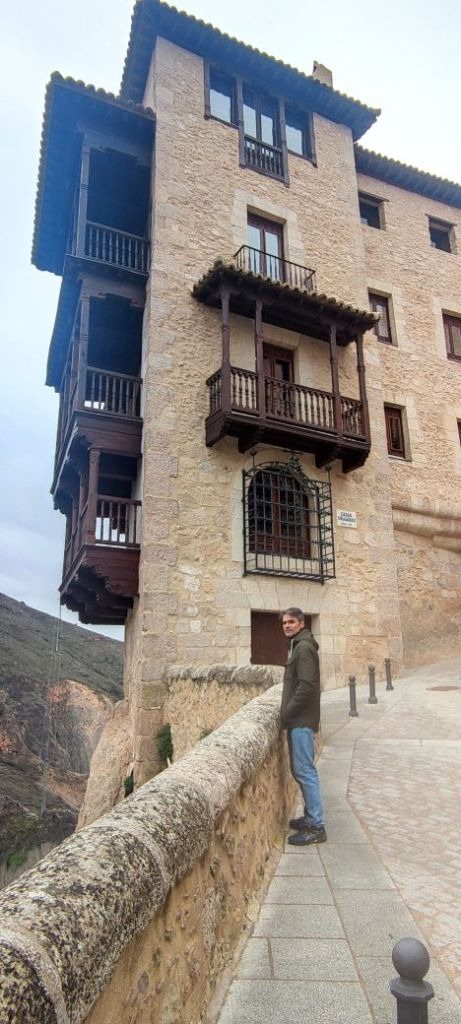
The Hanging Houses are the undisputed symbol of Cuenca, a series of houses defying gravity as they perch on the edge of a steep cliff. These unique structures, built in the 15th century, were once used as noble residences and now house the famous Posada San José restaurant. This extraordinary architectural ensemble is one of the city’s main attractions, offering unparalleled panoramic views of the surrounding landscape.
SAN PABLO BRIDGE
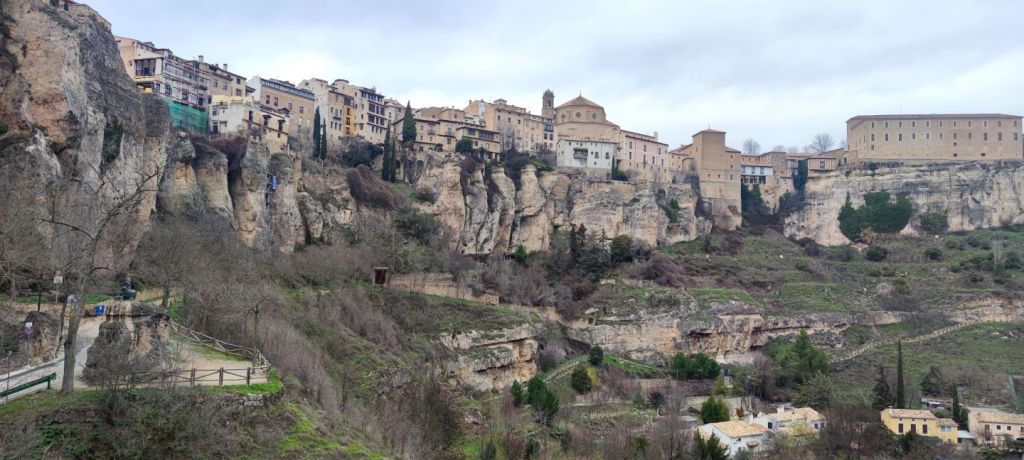
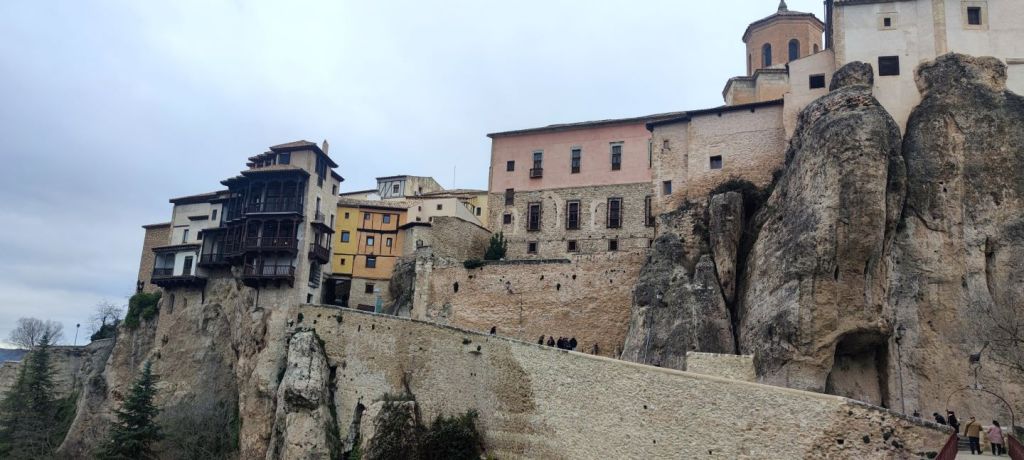
Although built in the 20th century, San Pablo Bridge has become an icon connecting the old city with the modern district. This pedestrian bridge provides stunning views of the Huécar River and the Hanging Houses, creating a unique postcard of Cuenca. Illuminated at night, the bridge adds a magical touch to the city, inviting visitors to stroll and enjoy the nocturnal beauty.
MUSEUM OF SPANISH ABSTRACT ART
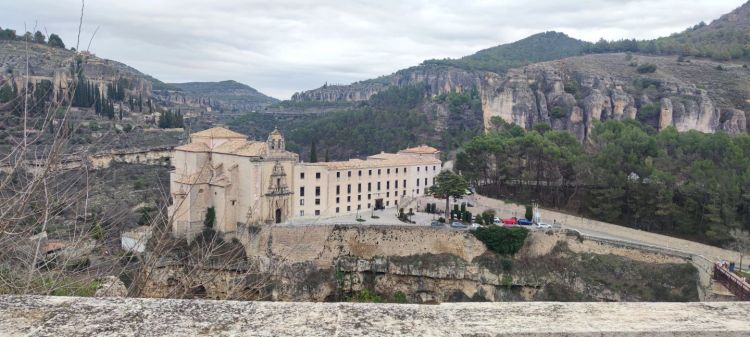
Opened in 1966 in the 16th-century San Pablo Convent, this museum is a window into Spanish abstract art. Founded by the painter Fernando Zóbel, it houses works by artists such as Eduardo Chillida, Antoni Tàpies, and Zóbel himself. In addition to the permanent collection, the space hosts temporary exhibitions exploring the diversity and evolution of abstract art in Spain.
MAIN SQUARE
The social and cultural heart of Cuenca, the Main Square, is a vibrant place surrounded by arches and charming buildings. A meeting point for locals and visitors, the square hosts cafes, restaurants, and cultural events. It’s the perfect setting to immerse yourself in the authenticity of local life and enjoy the surrounding architecture.
CHURCH OF SAN PEDRO
This Gothic church, built in the 15th century, is another architectural treasure of Cuenca. Its impressive facade and intricate details make San Pedro a must-visit for history and medieval architecture enthusiasts.
MANGANA TOWER
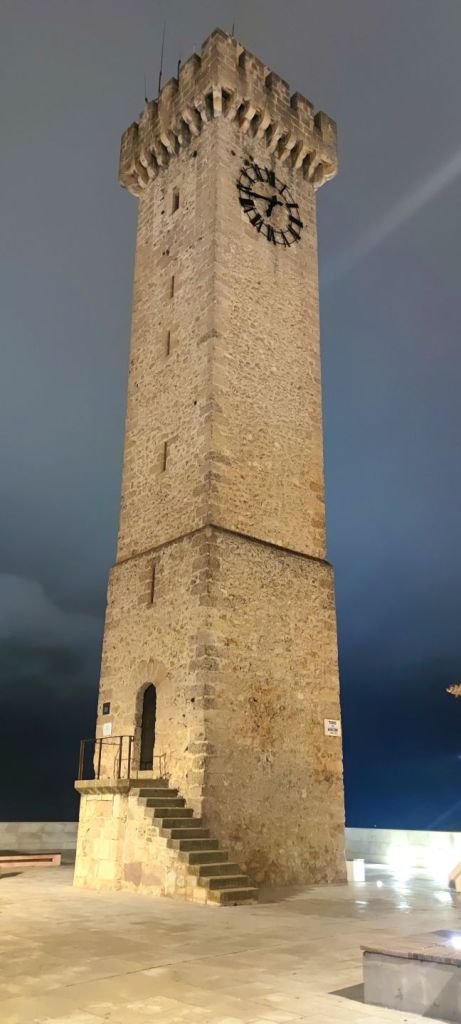
The Mangana Tower, with its roots in the Muslim era, has witnessed Cuenca’s history from its beginnings. This ancient lookout offers panoramic views of the city and its surroundings, providing a unique perspective on its development over time.
MONASTERY OF LA LUZ
This monastery, with a history dating back to the 15th century, is a testimony to Cuenca’s monastic tradition. Its austere architecture and tranquil surroundings offer visitors the opportunity to immerse themselves in spirituality and the religious history of the region.
CUENCA MUSEUM
Guardian of local memory, the Cuenca Museum spans from prehistory to the present day. Its exhibitions provide a comprehensive view of the city’s evolution, showcasing archaeological artifacts, artworks, and items that narrate everyday life throughout the centuries. A journey through this museum is essential to understanding the richness and diversity of Cuenca’s history.
NATURAL SPOTS AROUND CUENCA
NATURAL PARK OF SERRANÍA DE CUENCA
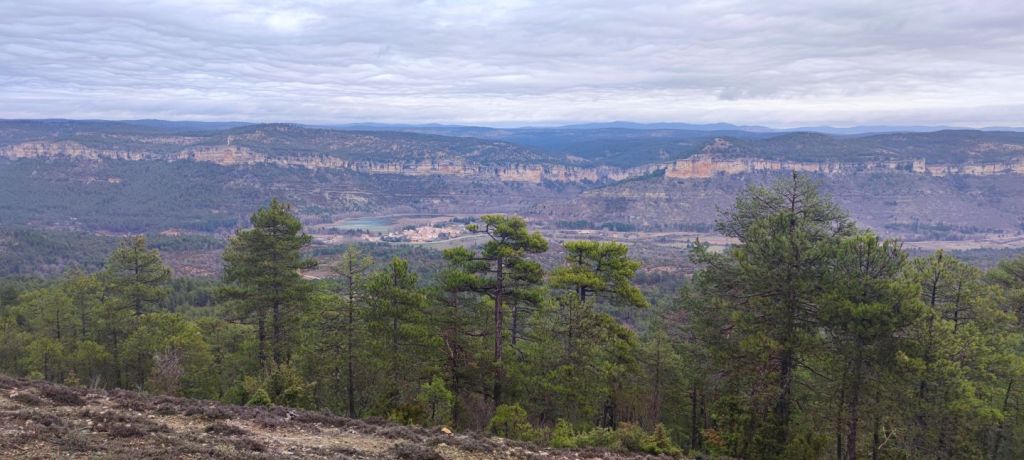
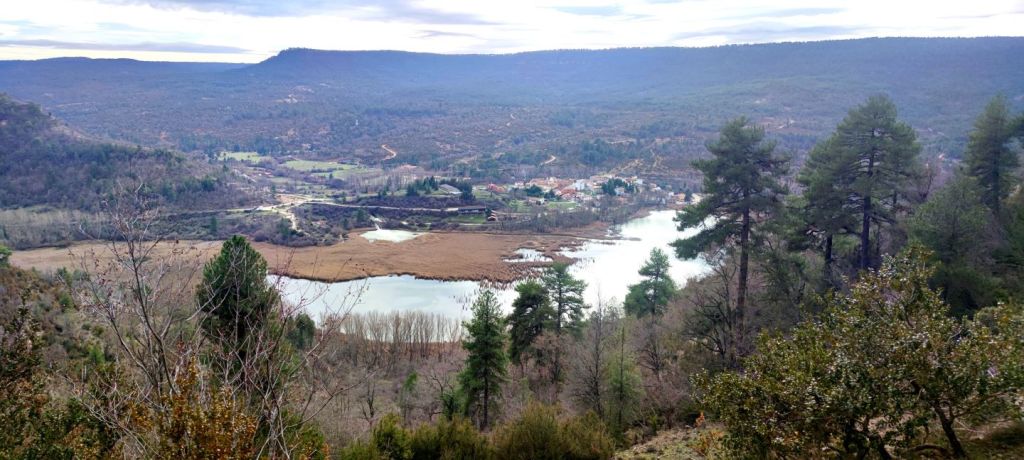
This natural park, extending through the surrounding mountain range, stands as an authentic paradise for nature lovers. Its landscapes are a symphony of rugged rock formations, lush forests, and crystalline rivers meandering through the mountains. The geology of the area is characterized by the presence of limestone, sculpted over millions of years by erosion, creating remarkable karstic reliefs. The forests covering the mountain slopes add a touch of green to this landscape, creating a perfect balance between stone and lush nature. Among the rock formations, notable features include Cueva de la Ramera and Roca de la Caldera, giving the park a unique character. Waterfalls and streams sprinkled throughout the terrain add an extra charm. Additionally, La Uña is a town nestled in the Serranía de Cuenca, close to the Natural Park. This area, surrounded by forests and mountains, is an ideal starting point to explore the natural beauty of the region. In La Uña, visitors can enjoy trails winding through pine trees and the La Toba reservoir, offering a serene environment for bird watching and water activities.
ENCHANTED CITY
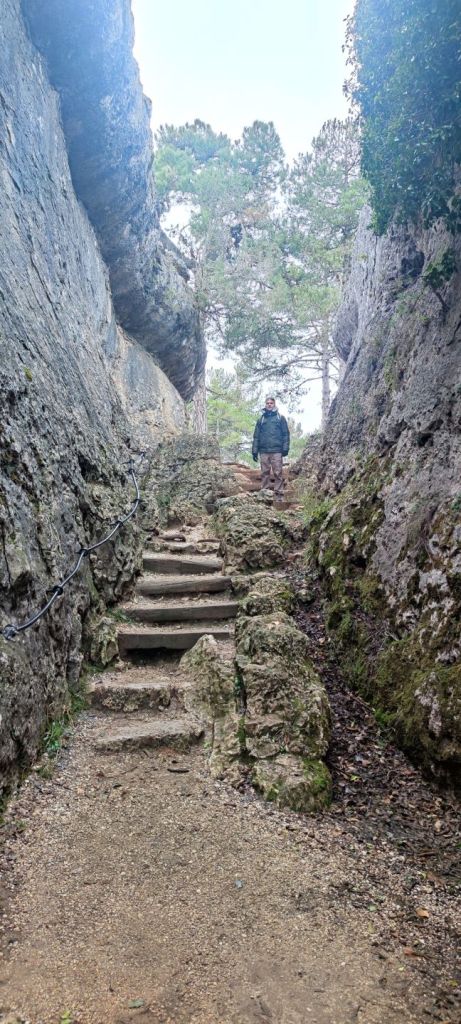
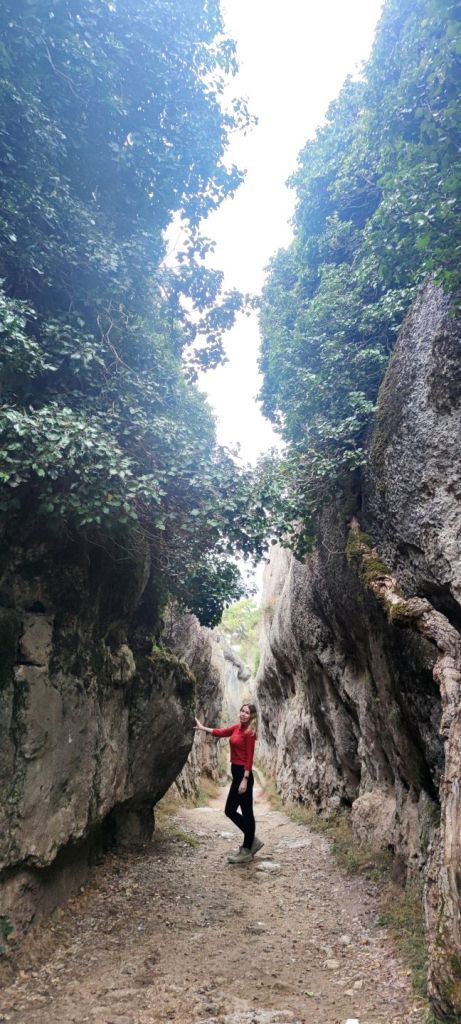
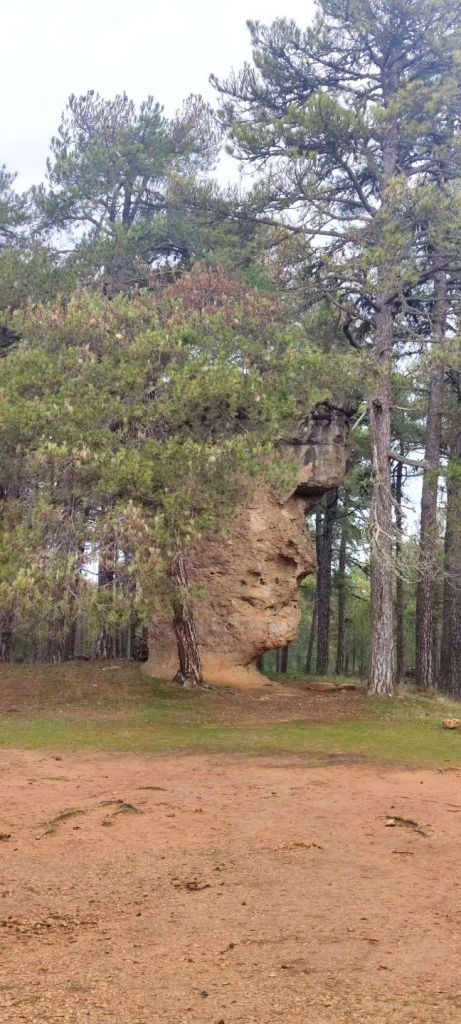
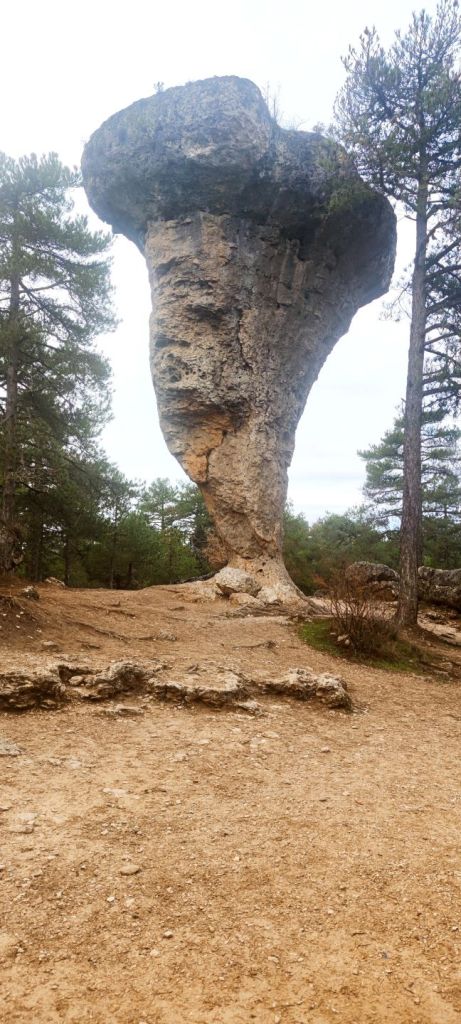
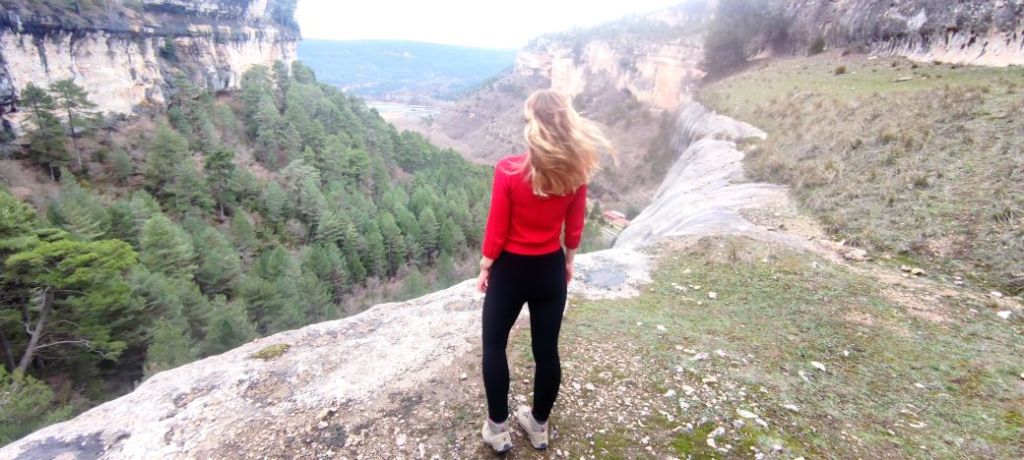
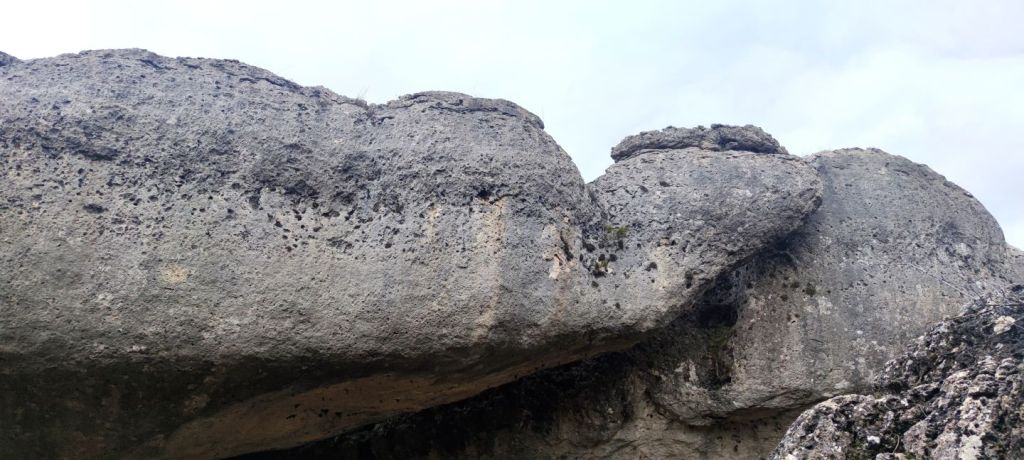
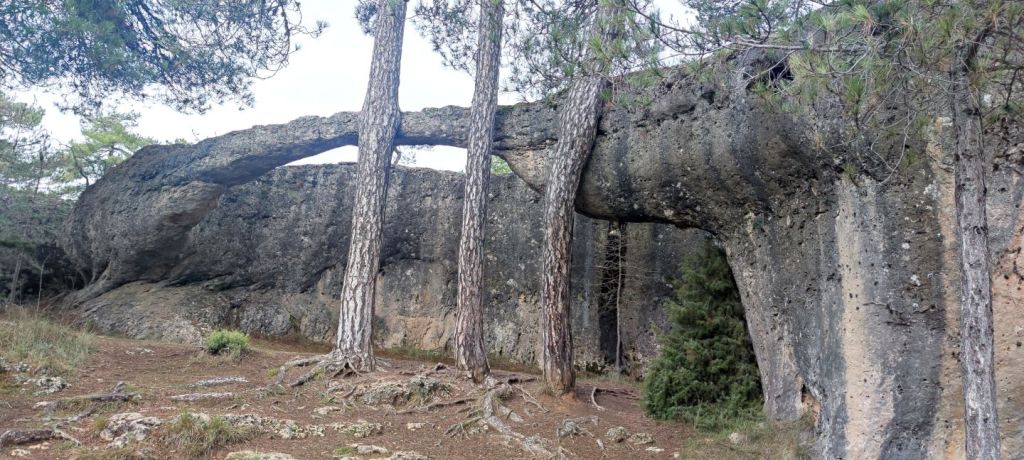
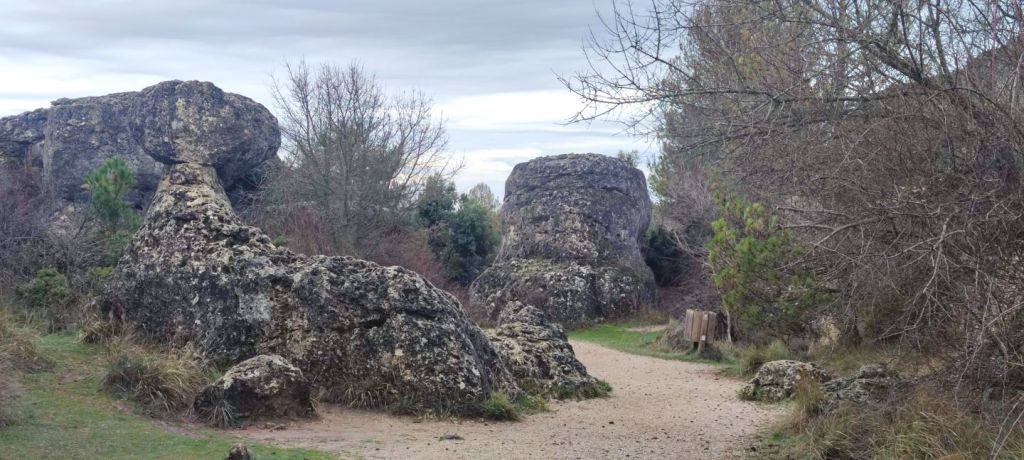
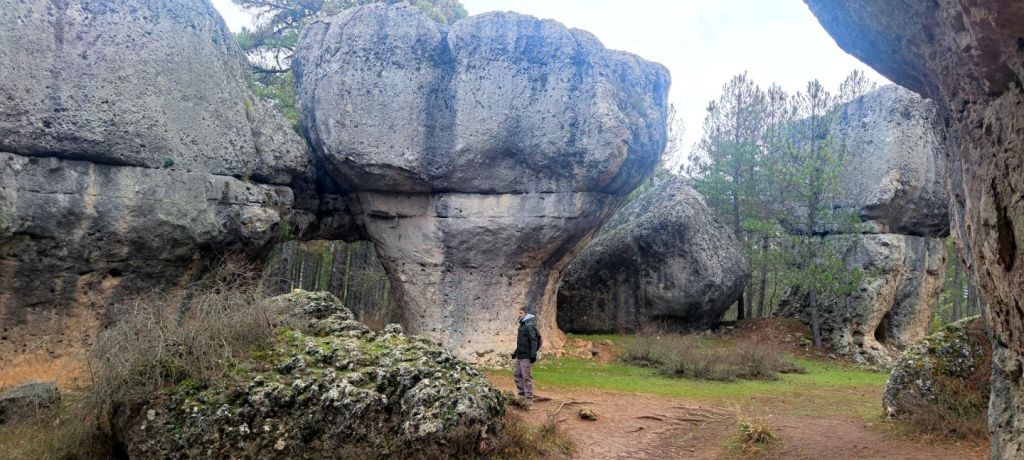
The Enchanted City is a geological phenomenon located in the Cuenca mountain range, near the urban center of Villalba de la Sierra. This unique landscape is primarily composed of limestone rock formations dating back to the Tertiary Era. The combination of limestone and dolomite has resulted in a variety of astonishing rock structures, with whimsical shapes that evoke the imagination. The rocks of the Enchanted City have been sculpted by erosion, creating arches, columns, and figures that seem to be taken from a fantasy tale. Some of the most prominent formations include El Tormo Alto, a vertical column over 20 meters high, and La Cara del Hombre, a rock structure resembling a human face. The location of the Enchanted City, at an altitude of around 1,500 meters above sea level, provides panoramic views of the mountain range and the Júcar River Valley. Well-signposted trails allow visitors to explore this magical enclave, discovering every corner of this landscape sculpted by nature over eons.
TIPS:
- Cuenca is fascinating throughout the year, but spring and autumn are usually the most pleasant seasons to visit. In spring, landscapes bloom with vibrant colors, while autumn showcases golden and reddish tones in the surrounding forests.
- The gastronomy of the Castilla-La Mancha region, to which Cuenca belongs, is rich and varied. Some typical Manchegan dishes to try include morteruelo, ajoarriero, pisto manchego, manchego cheese, and almond sweets.
- Cuenca comes alive during its festivals and fairs. Notable events include Holy Week, San Julián festivities in January, and the Fair and Festivals of San Mateo in mid-September.
 all about eve`s journeys
El parque natural es realmente impresionante!
LikeLike