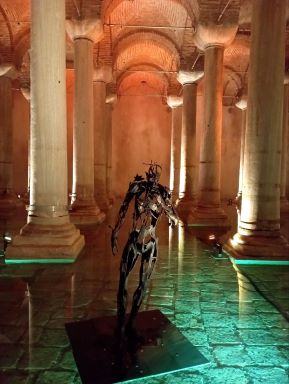
I invite you to an exciting journey through Turkey, a land steeped in the grandeur of Byzantine emperors and Ottoman sultans. In this blog, we will explore its fascinating historical and cultural legacy, from majestic mosques to ancient palaces that narrate the opulence of bygone eras. Follow my journey through Turkey that dazzles the senses with its magic.
FIRST STOP: ISTANBUL
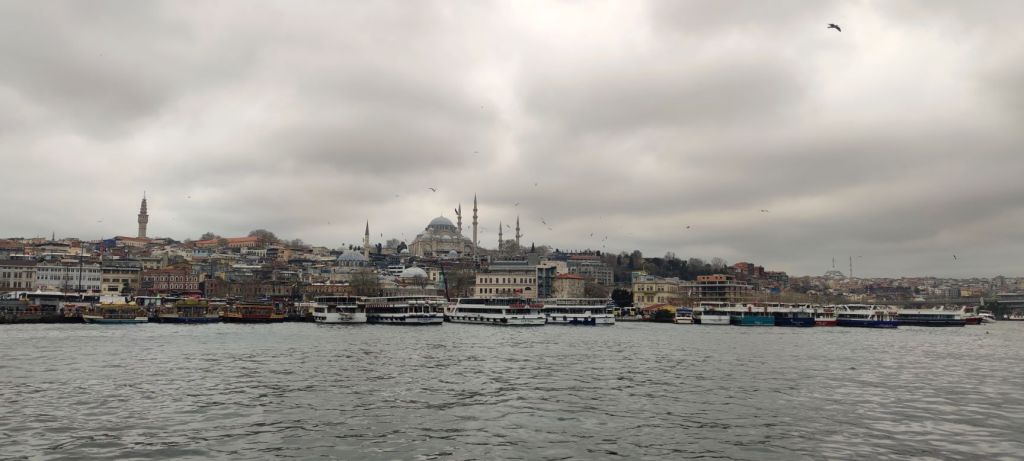
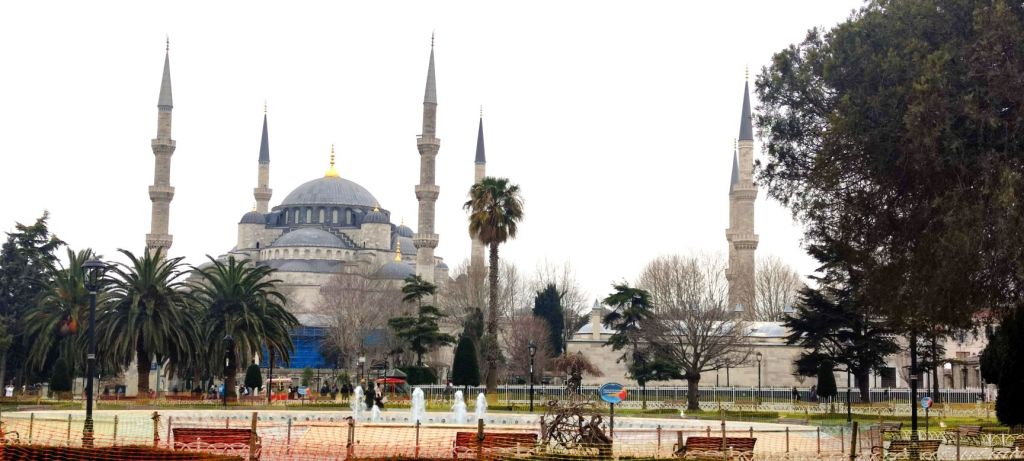
My adventure begins in Istanbul, where I arrive by plane. I suggest dedicating at least two or three days to explore this captivating and colorful city, strategically located between the European and Asian continents. Istanbul offers a unique blend of cultures, history, and traditions, with its magnificent architecture, bustling markets, and the extraordinary feeling of being at the crossroads of two worlds.
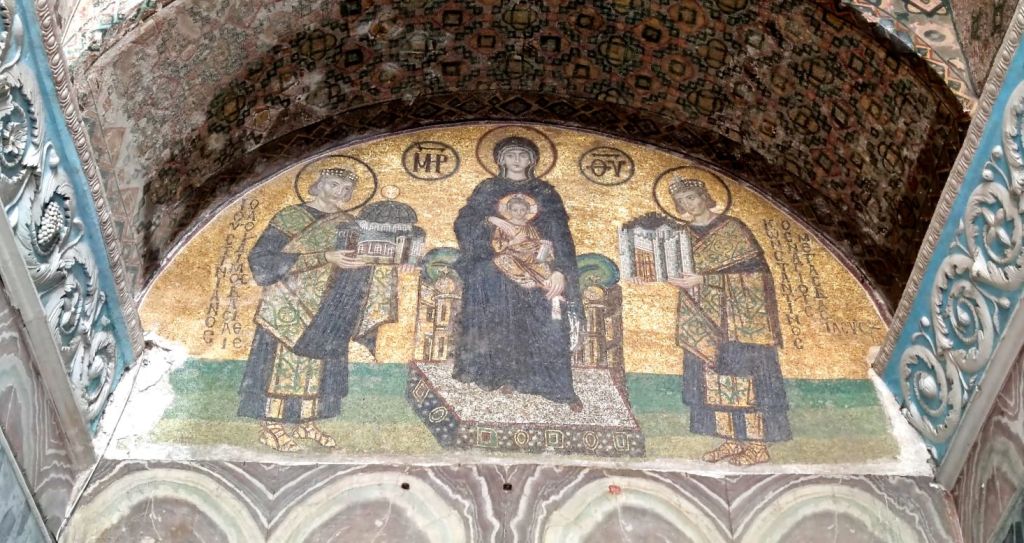
Istanbul, a city with historical connections, unfolds its narrative over millennia, from ancient Byzantium to modern times. Founded in 657 B.C., Byzantium evolved into Constantinople, the capital of the flourishing Byzantine Empire. In 537 A.D., Emperor Justinian, who profoundly influenced the city with his legal code known as the Code of Justinian and left his mark with the construction of the imposing Hagia Sophia, initially a Byzantine church that, after the fall of Constantinople in 1453 to the Ottoman army led by Mehmed II, transformed into a mosque, marking the beginning of the Ottoman era.
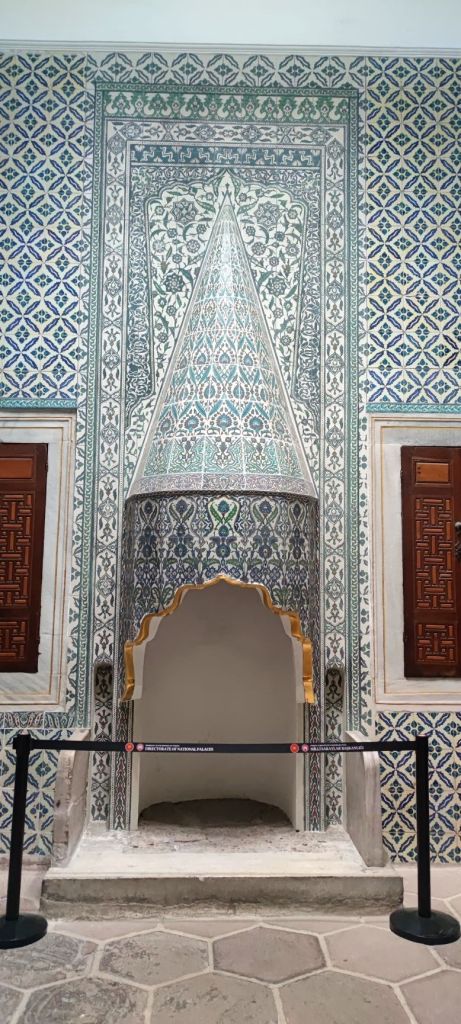
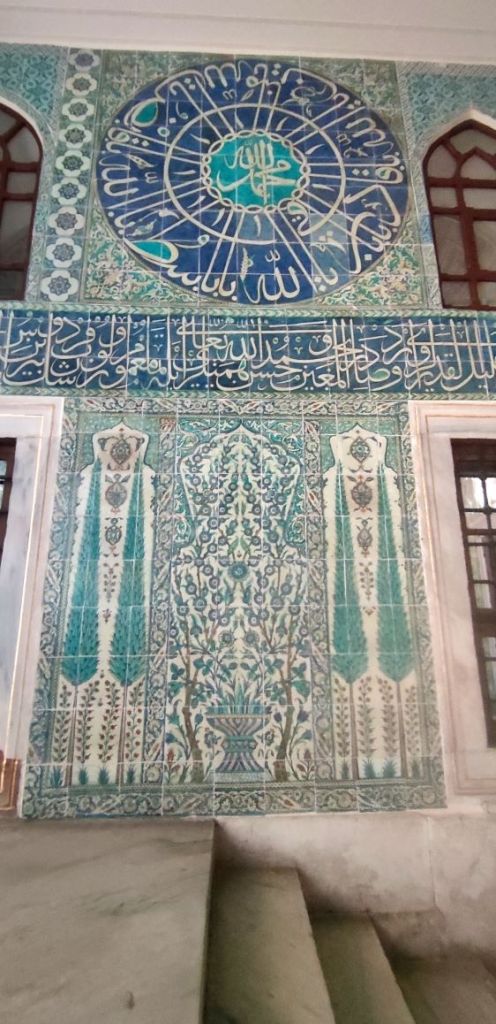
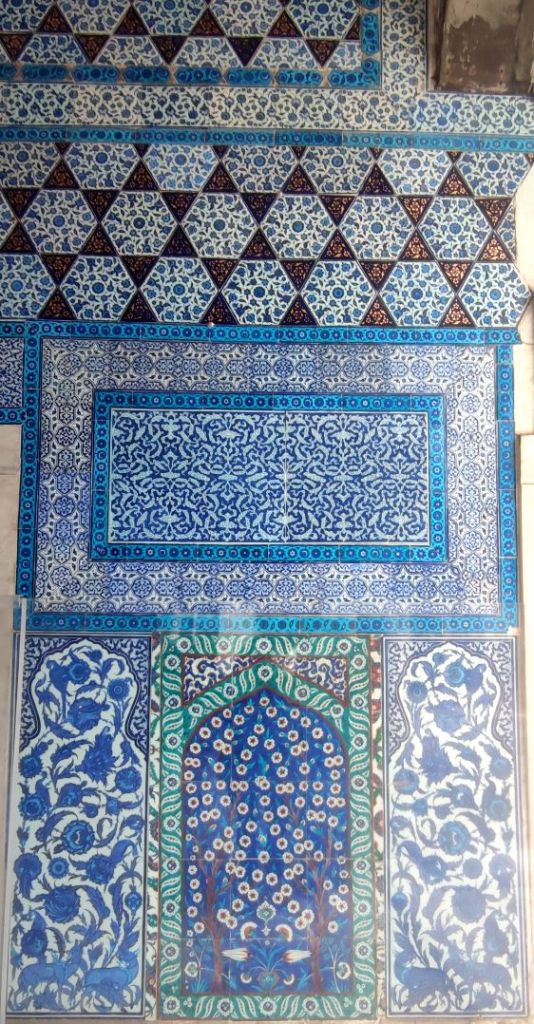
At the height of the Ottoman Empire, the Topkapi Palace was built as the residence of the sultans, offering a sumptuous view of imperial life. We cannot forget the figure of Sultan Suleyman the Magnificent, who ruled during the 16th century and left a lasting impact on the city. His reign was characterized by cultural and architectural flourishing, with the construction of the majestic Suleymaniye Mosque, dominating Istanbul’s skyline.
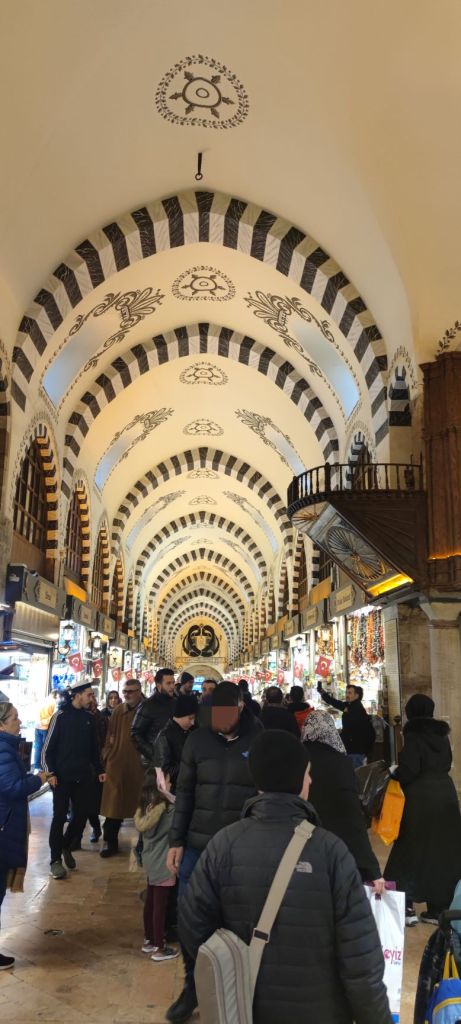
Today, Istanbul remains a vibrant cultural and commercial crossroads. Historical markets like the Grand Bazaar and the Spice Bazaar bear witness to the commercial vitality that has characterized the city throughout the ages.
SECOND STOP: ANKARA
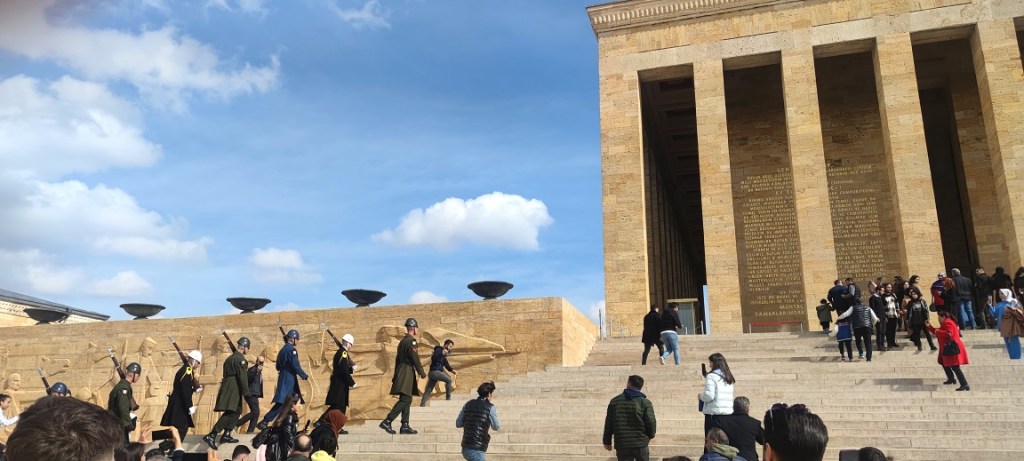
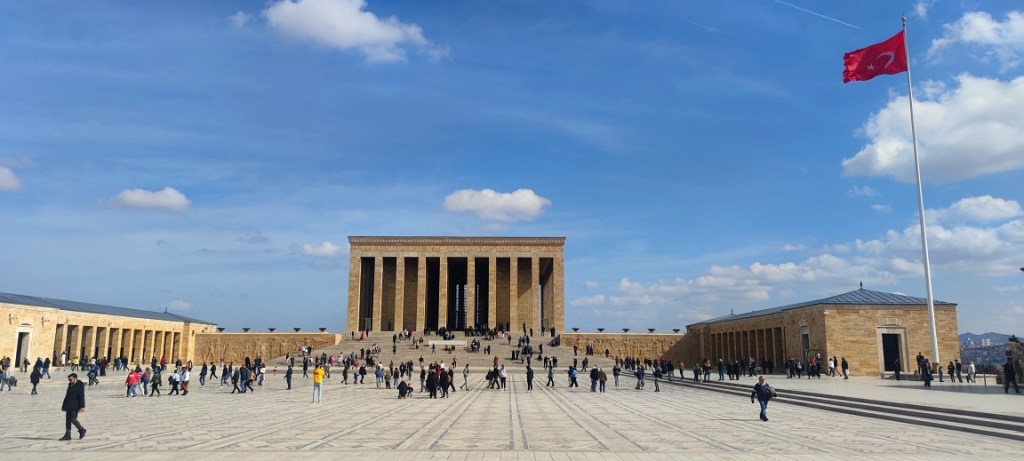
I opt to travel to Ankara by road, a journey that spans several hours, so it is essential to start early in the day. Along the way, there will be various stops available to take a break and enjoy some food, so there is no need to carry excess belongings. A bit of water and some snacks will suffice to stay energized during the journey. The trip from Istanbul to Ankara usually takes approximately four to six hours, depending on traffic conditions and the selected route, so foresight and comfort are key to ensuring a pleasant travel experience.
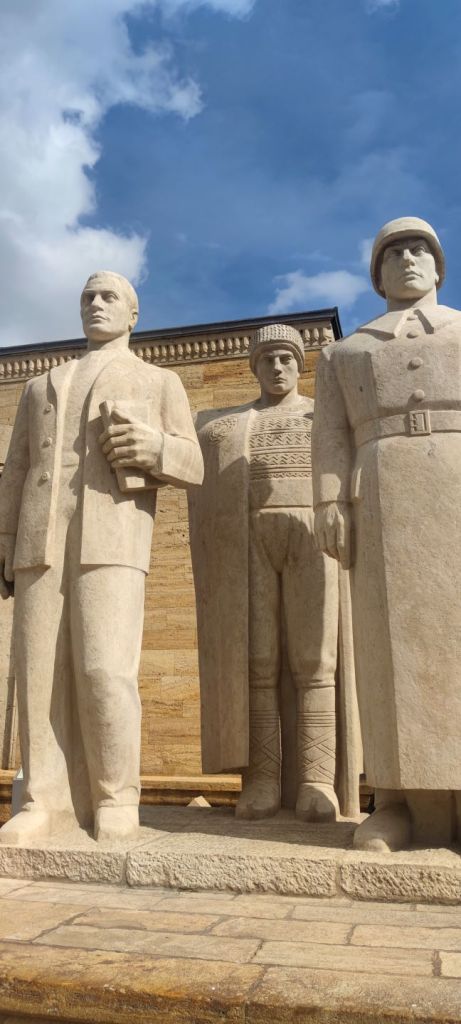
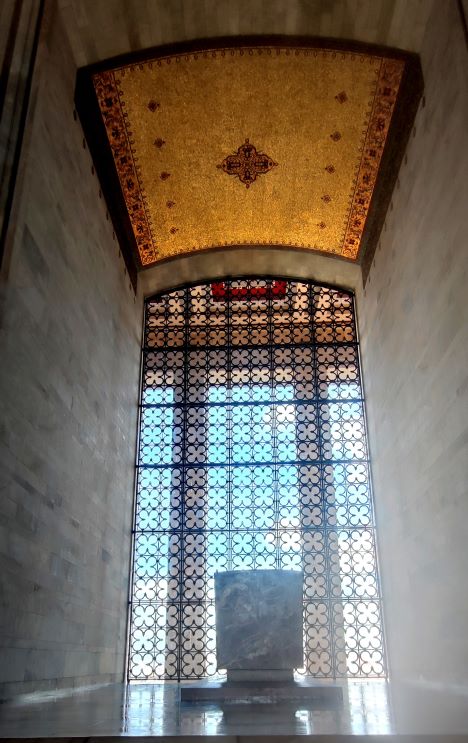
Ankara, named the capital of Turkey after the fall of the Ottoman Empire at the end of World War I, emerged as a crucial hub in Turkey’s transformation, representing a new beginning, moving away from the Ottoman imperial tradition. In this context, Mustafa Kemal Atatürk, a visionary military and political leader, played a fundamental role in the founding of the Republic of Turkey in 1923. At the heart of Ankara is the monumental Mausoleum of Atatürk, an imposing tribute to the founding leader of the republic. This monument, also known as Anıtkabir, stands as a symbol of the independence and modernity that Atatürk sought for Turkey. Its construction marks the starting point of the new republican era, reflecting the determination to leave behind the Ottoman era and embark on a more progressive and secular vision.
THIRD STOP: SALT LAKE
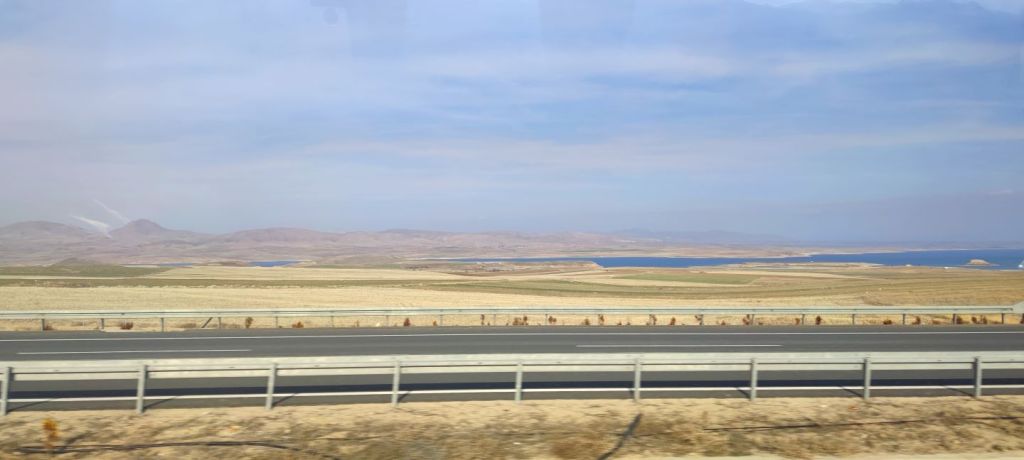
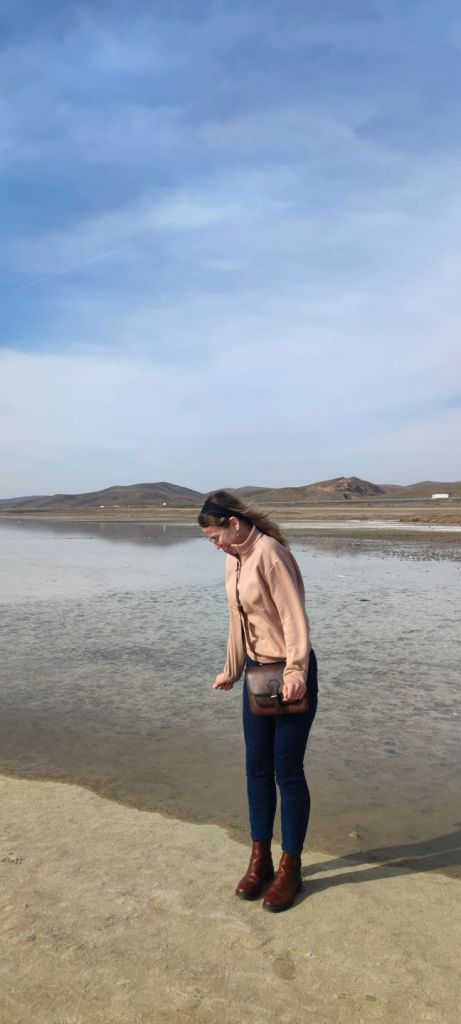
On the journey from Ankara to Cappadocia, which by road takes around 3 to 4 hours, I had the opportunity to marvel at the unique beauty of Salt Lake, known as Tuz Gölü. This vast salt lake, one of Turkey’s largest, stands out for its impressive white expanse and serene surroundings in the heart of Central Anatolia. In addition to being a dazzling visual spectacle, Salt Lake plays a crucial role in salt production for the region. During the drier months, water evaporates, leaving behind a layer of salt that contributes to the local economy.
FOURTH STOP: CAPPADOCIA
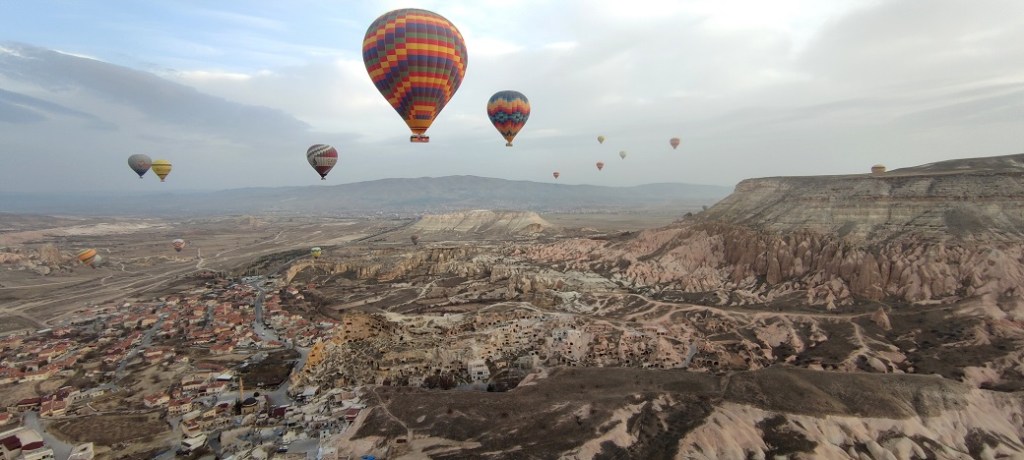
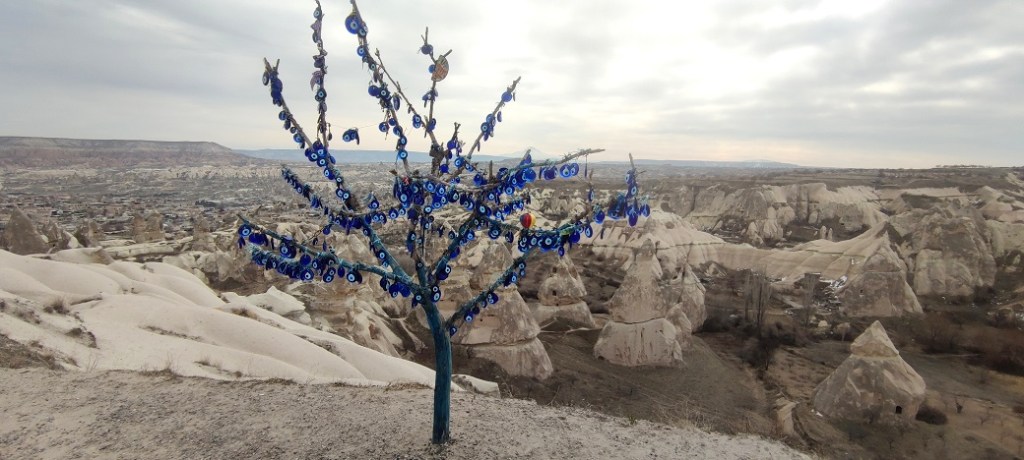
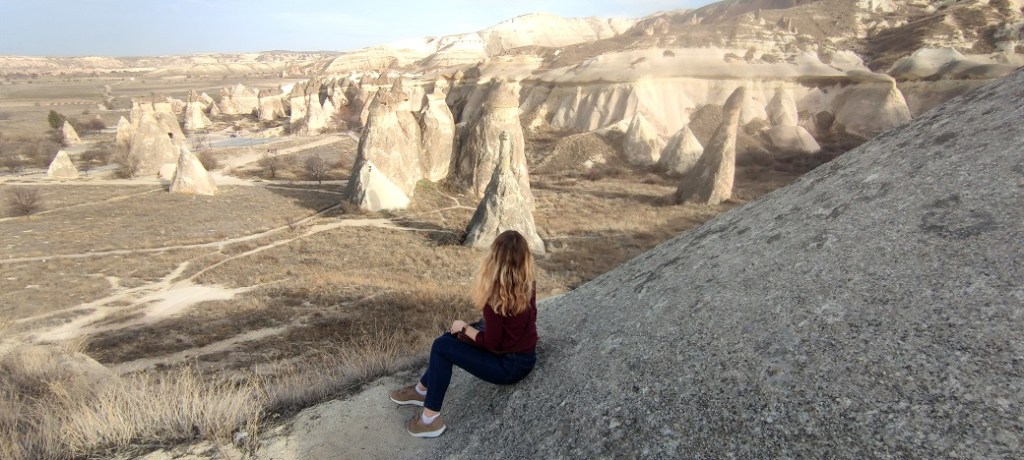
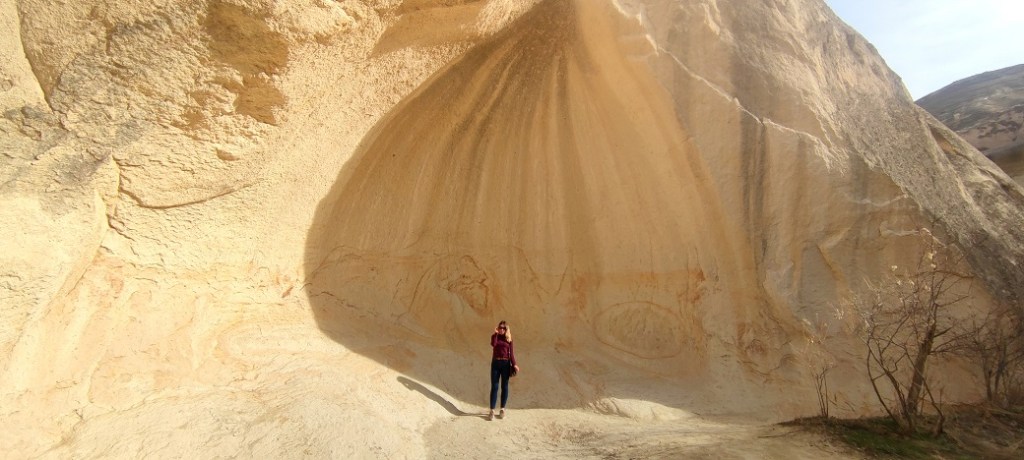
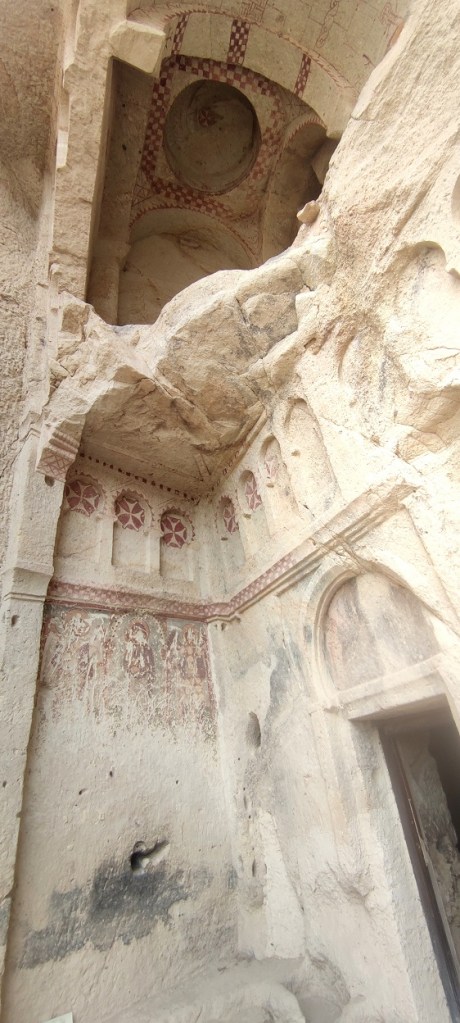
Cappadocia, rooted in the heart of Turkey, not only captivates with its iconic rock formations but also unveils a deeply intriguing historical and spiritual tapestry. Underground cities, such as Kaymaklı and Derinkuyu, bear witness to the ingenious skill of local inhabitants who carved complex rock shelters to protect themselves from invasions and persecutions over the centuries. This historical enigma is complemented by the fascinating rock churches of Göreme, dating from the early centuries of Christianity to the Middle Ages. These churches, adorned with impressive frescoes depicting biblical events, reveal the rich religious tradition of the region, marked by devotion to local saints such as St. Basil, St. George, and St. John the Baptist.
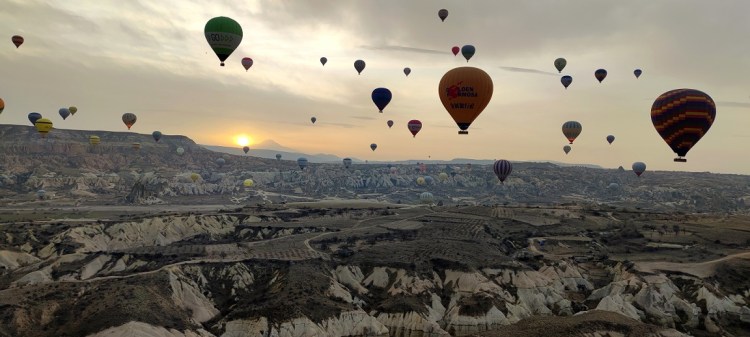
In this historical and spiritual setting, the exceptional experience of hot air balloon rides adds a magical touch to the visit to Cappadocia. Soaring above the majestic rock formations and intricate valleys at dawn, I had the privilege of witnessing the extraordinary natural beauty that defines this unique region. Despite experiencing some fear of heights, I felt completely secure in the balloon, thanks to the high guardrails providing a sense of protection. However, each person is different and must assess their own comfort. In general, safety standards for balloon flights are very rigorous.
FIFTH STOP: KONYA PLAIN
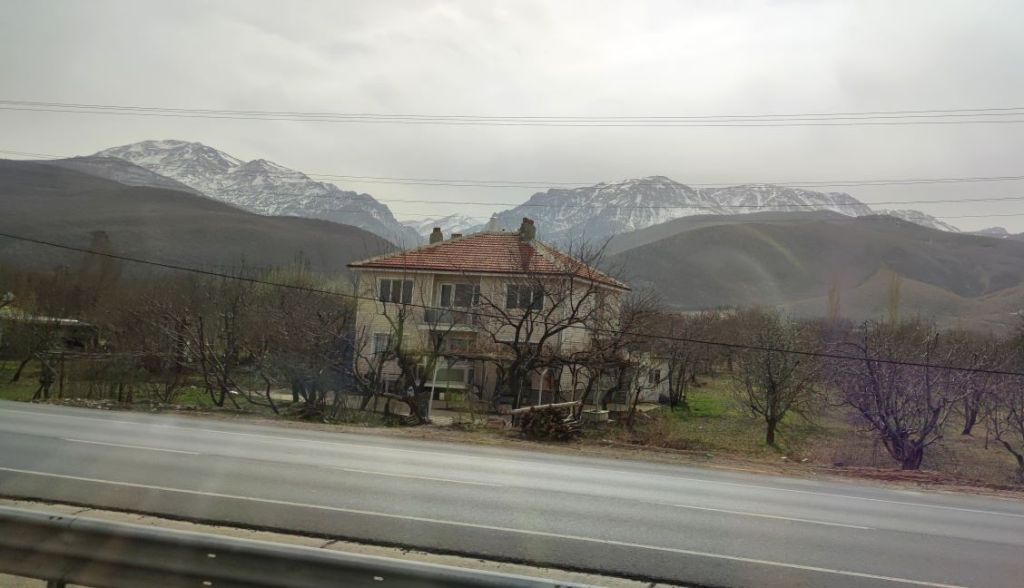
I start my journey early in the morning, aware that to reach Pamukkale, I must cross the extensive Konya Plain, and the journey is considerably lengthy. The Konya Plain, located in the heart of Turkey, stands out not only for its vast landscape but also for its central role in the history of the Silk Road. The Silk Road was a network of ancient trade routes connecting Asia with Europe and Africa, facilitating the exchange of goods, knowledge, and cultures between these distant parts of the world. Developed over several centuries, it reached its peak during the Middle Ages, connecting civilizations and enabling diverse trade.
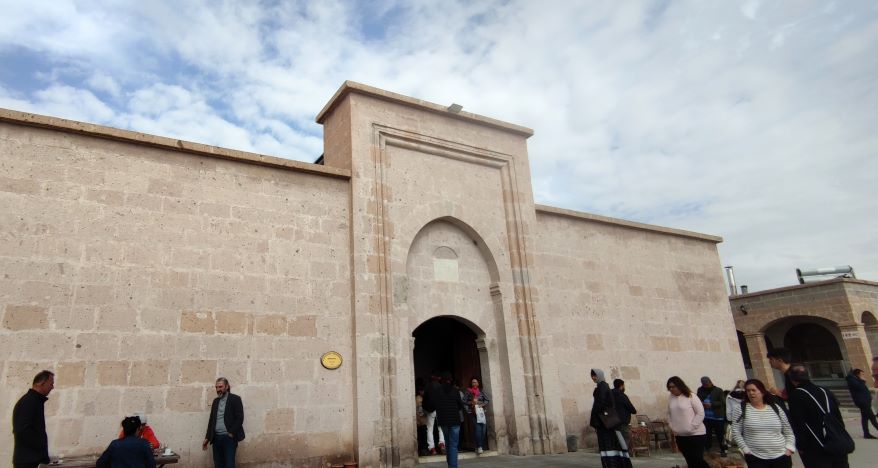
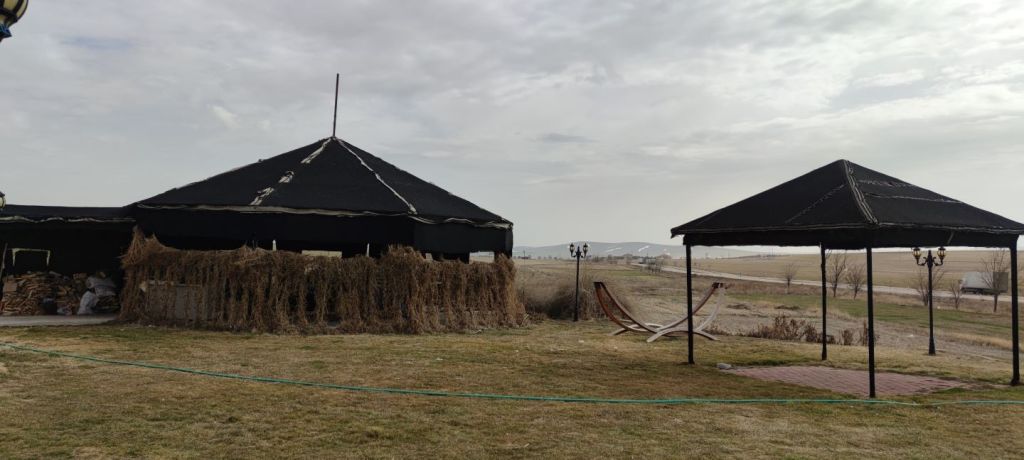
In this region, caravanserais, such as Tepesi Delik Han, built during the 13th century, played a crucial role as rest and supply points for traders and travelers undertaking the challenging journey along the Silk Road. With robust walls and distinctive architecture, these caravanserais offered safety and essential amenities in the midst of a journey spanning vast distances.
SIXTH STOP: PAMUKKALE
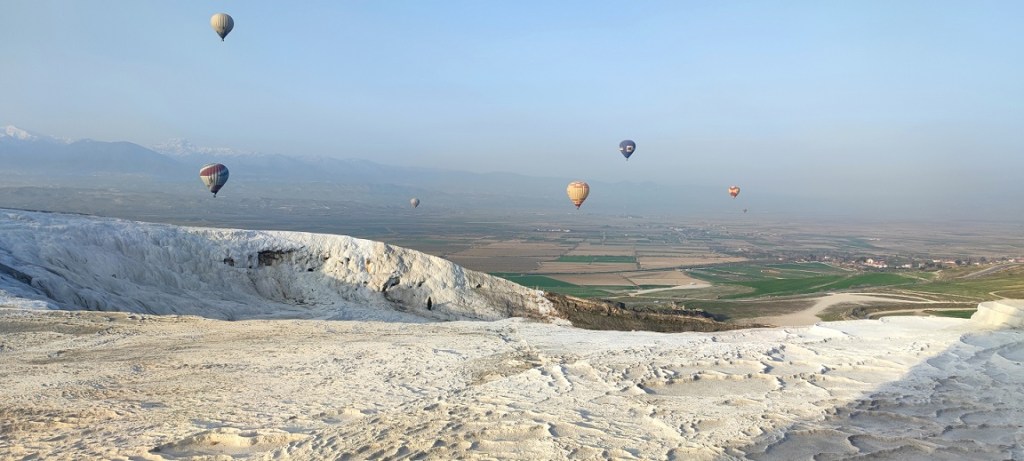
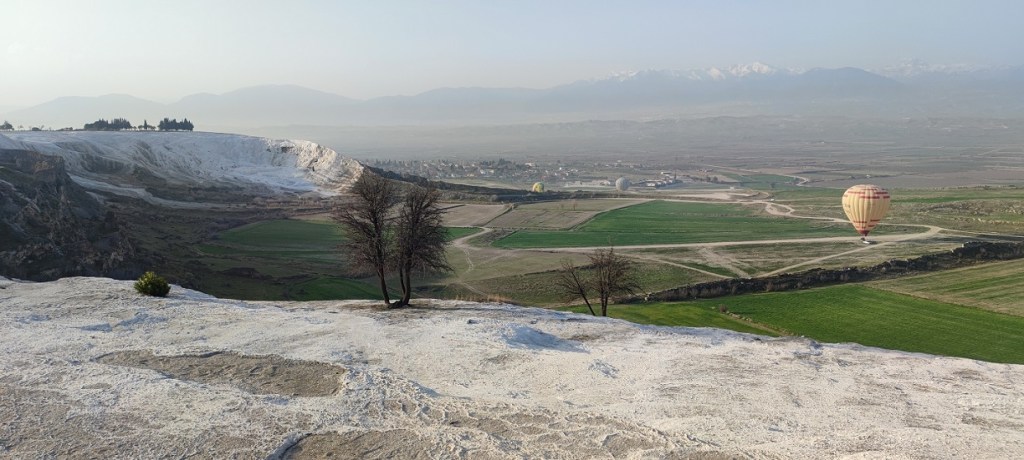
Pamukkale, located in the southwestern region of Turkey, is a dazzling natural spectacle known for its white travertine terraces, rock formations, and thermal waters. This geothermal phenomenon has been created over millennia, where mineral-rich waters emerge from the ground and deposit layers of calcium carbonate, giving rise to ethereal-looking terraces. Known as the Cotton Castle, Pamukkale is a UNESCO World Heritage site, attracting visitors from around the world to immerse themselves in its therapeutic thermal waters and marvel at the uniqueness of its landscape.
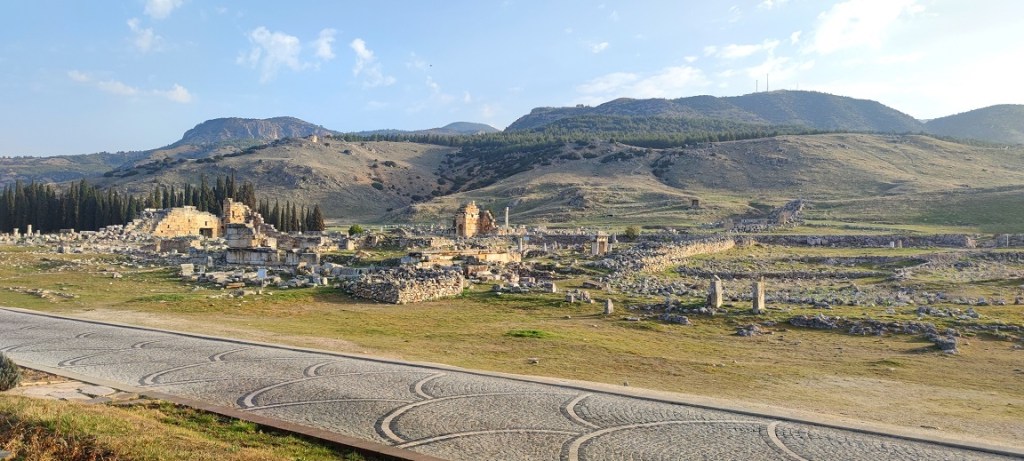
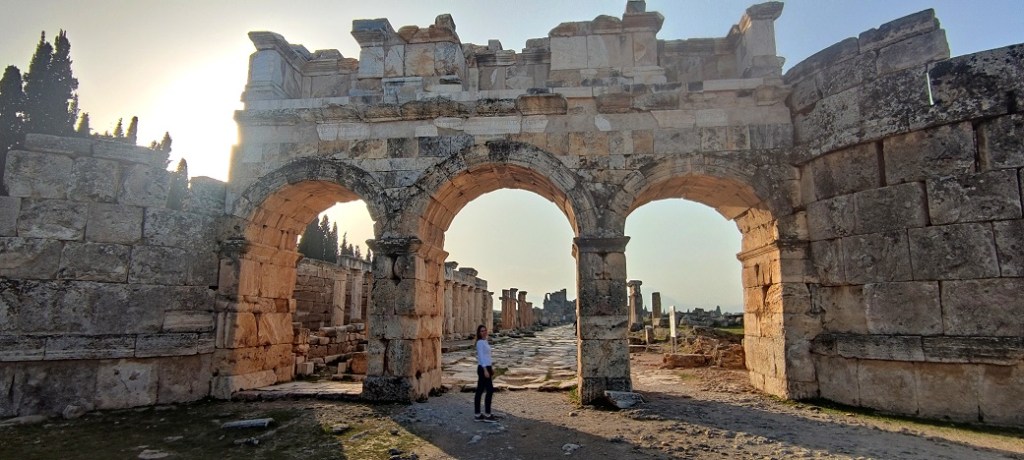
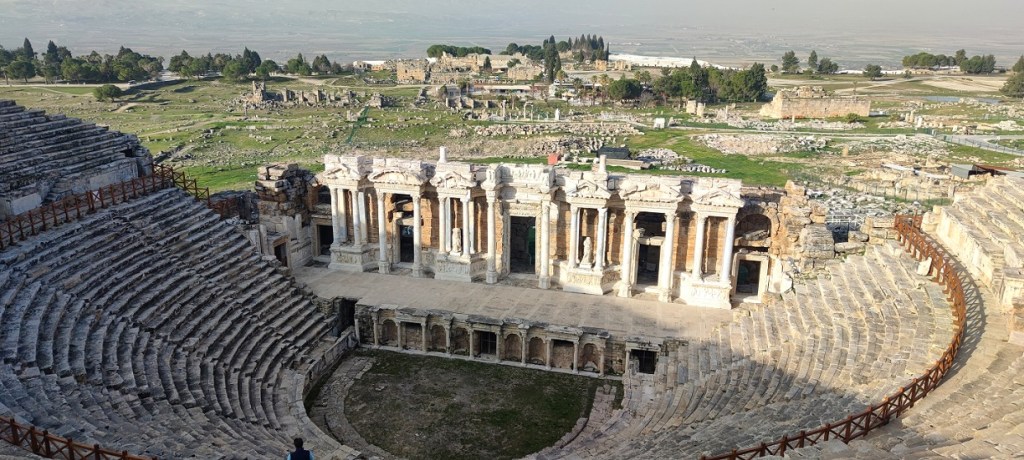
In addition to its natural wonders, Pamukkale houses the ancient ruins of Hierapolis on top of the terraces. Founded in the 2nd century B.C., this city flourished as a thermal center in the Roman and Greco-Roman periods. The ruins include a well-preserved theater, the Gate of Hadrian, and colonnaded streets, offering visitors a fascinating window into the history of this region.
SEVENTH STOP: EPHESUS
The route between Pamukkale and Ephesus heads east, taking you through a diverse landscape of central Turkey. The roads are well-connected, winding between mountains and valleys, providing panoramic views of the Turkish countryside with picturesque villages, agricultural fields, and rugged hills, adding rural authenticity to the journey.
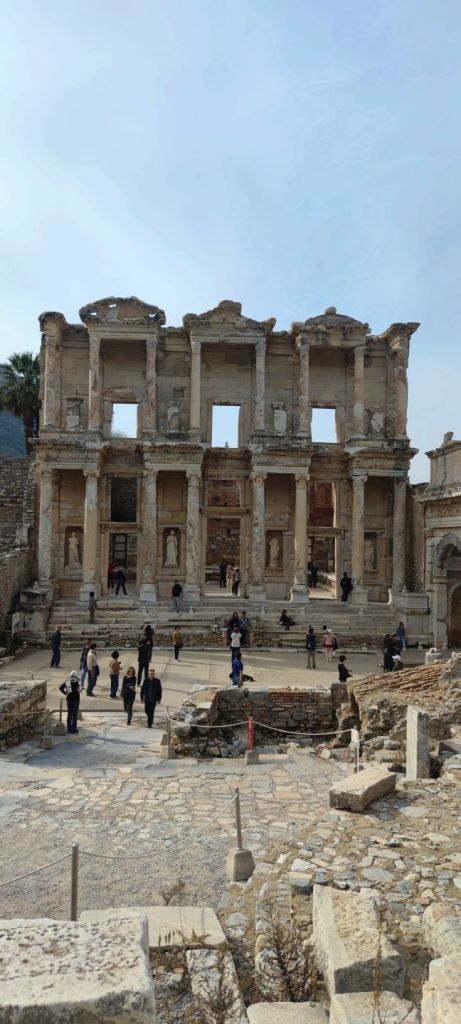
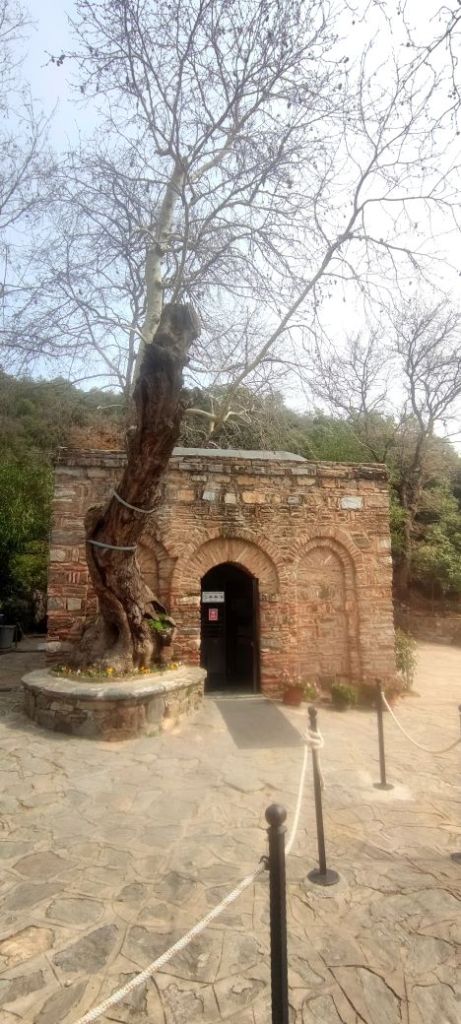
Ephesus, on the other hand, an ancient Greco-Roman city on the western coast of Turkey, is an archaeological treasure that transports visitors through the centuries. Founded in the 10th century B.C., it flourished as a major cultural, commercial, and religious center during the Roman era. Among its highlights are the majestic Library of Celsus, the Great Theater, and the Temple of Artemis, one of the Seven Wonders of the Ancient World. One of Ephesus’s most sacred sites is the House of the Virgin Mary, a place of Christian pilgrimage believed to be the final residence of the Virgin Mary. Located on the slopes of Mount Koressos, this small stone house has been a destination of devotion for Christians and visitors of various beliefs. Tradition holds that the Virgin Mary lived here during the last years of her life.
TIPS:
• Plan your trip: create an itinerary, prepare documentation, and study roads and weather conditions if you’re driving on your own.
• Carry cash: while many establishments accept cards, it’s a good idea to have Turkish liras for small purchases.
• Respect local customs: familiarize yourself with the country’s courtesy and etiquette norms.
 all about eve`s journeys
Que bonito viaje !!
LikeLike