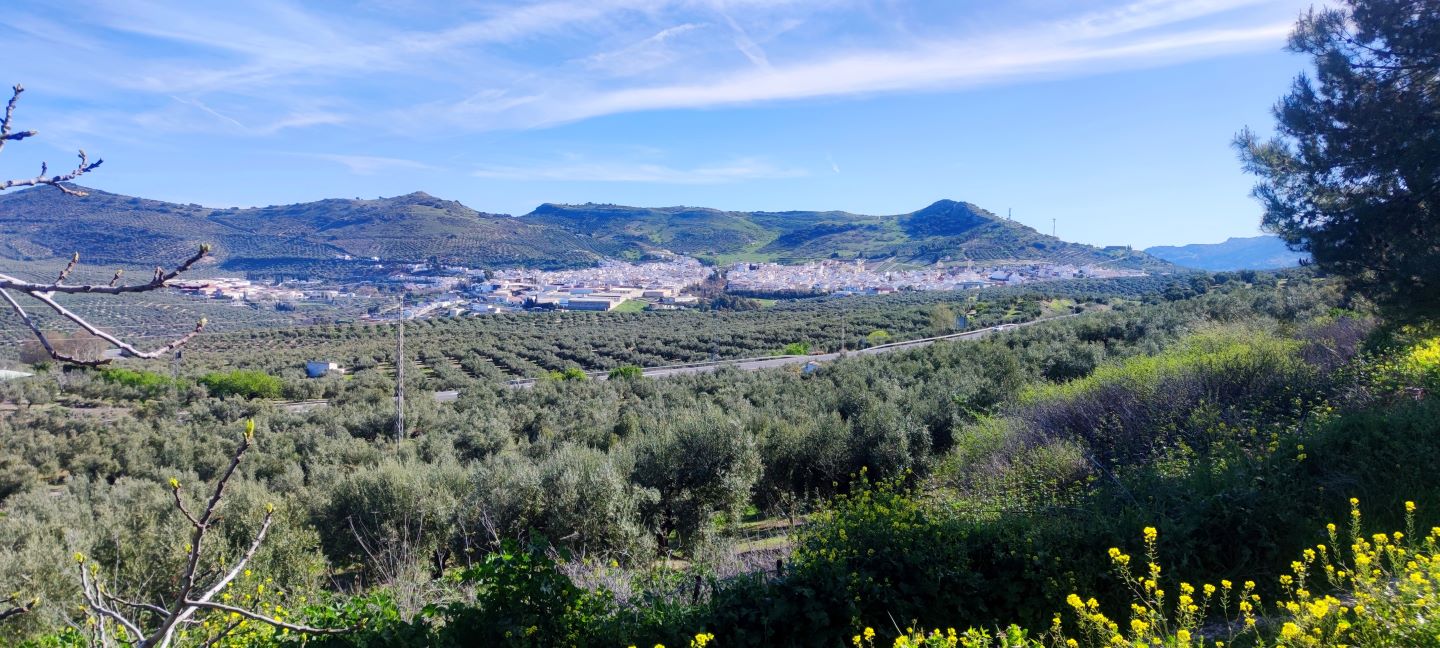
Located in the geographical center of Andalusia, Cabra is a gem in southern Spain that blends an impressive historical heritage with lush natural surroundings. This charming municipality in the province of Córdoba, nestled in the foothills of the Sierras Subbéticas Natural Park, offers visitors a unique experience that combines culture, landscape, and tradition.
MONUMENTS THAT TELL STORIES
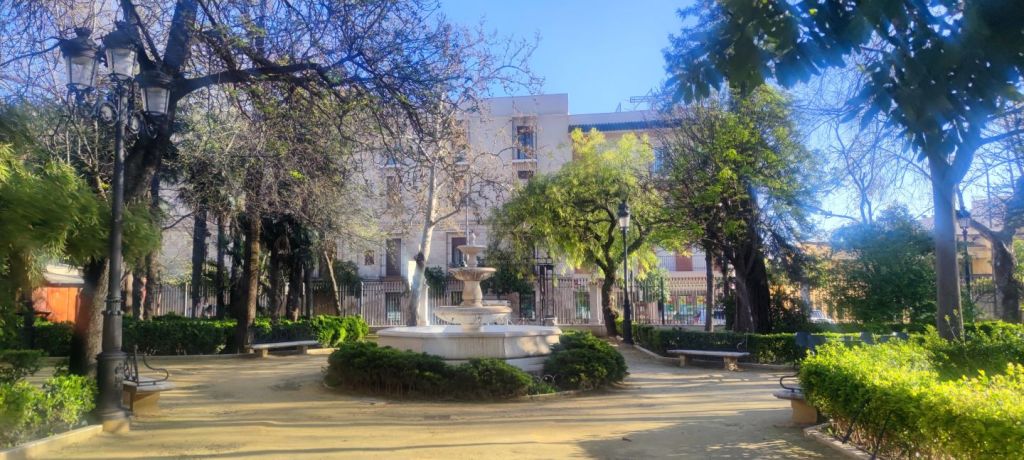
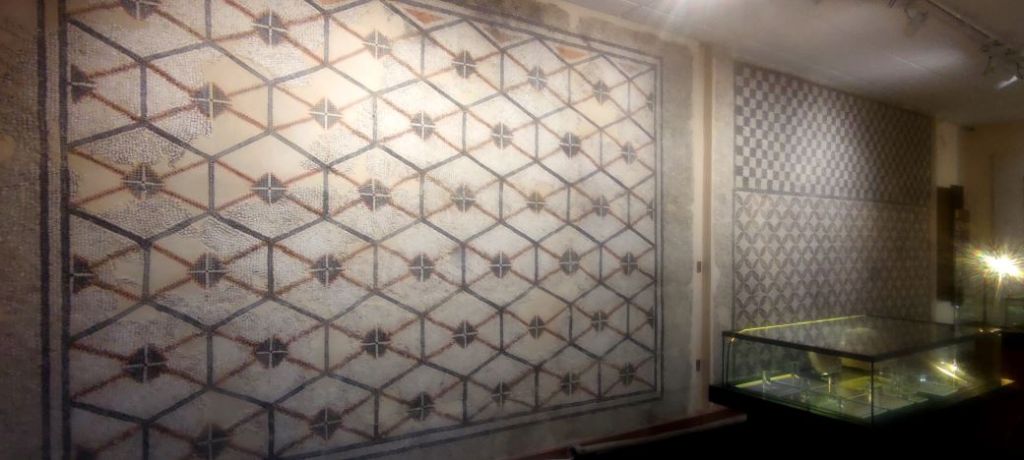
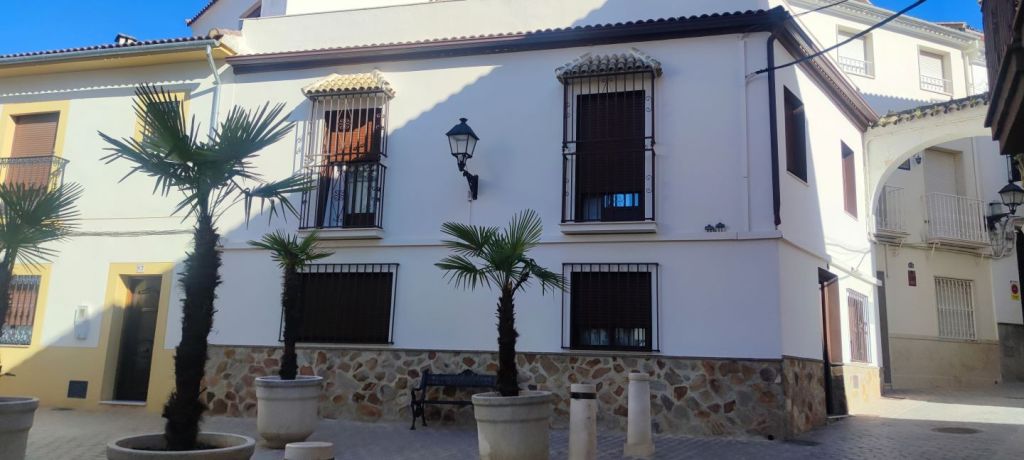
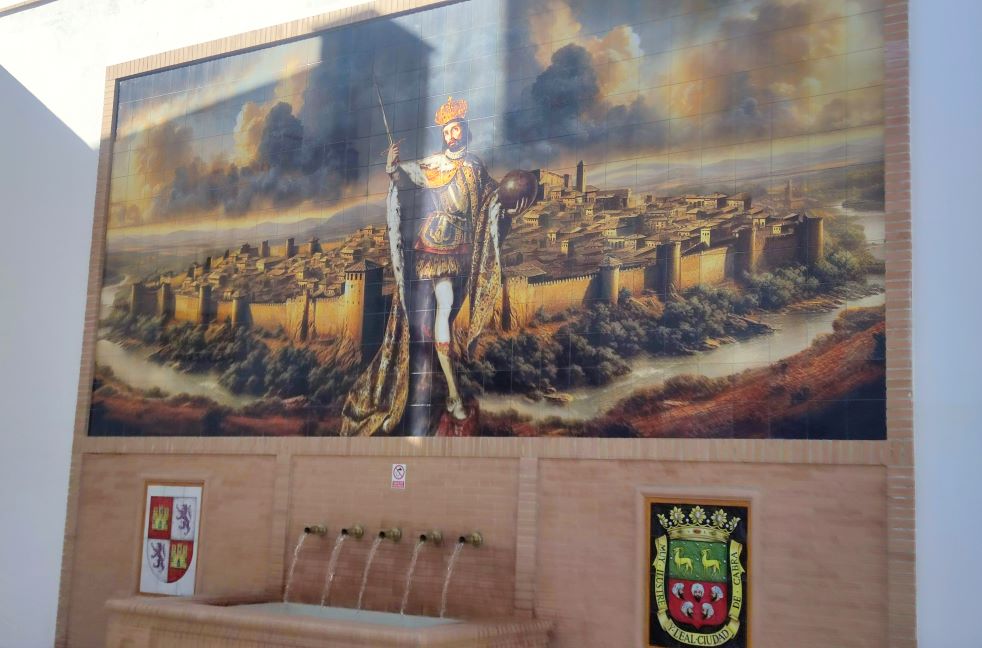
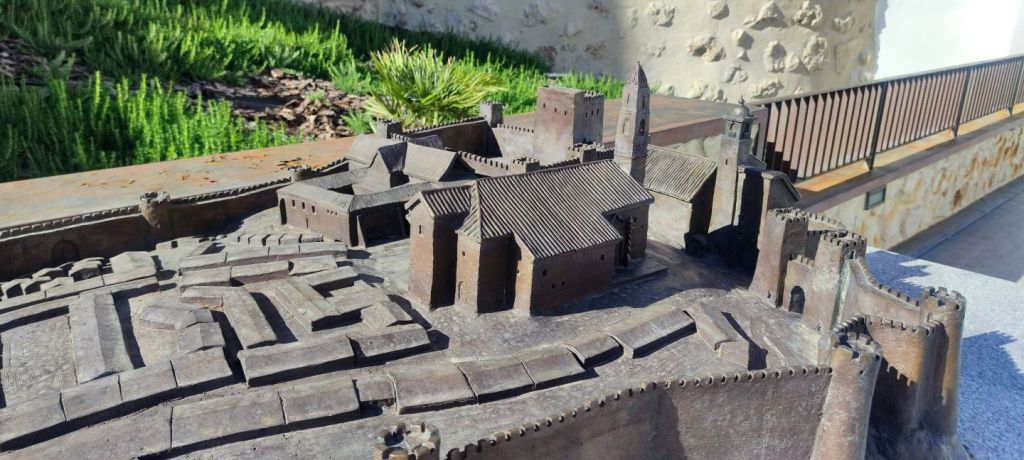
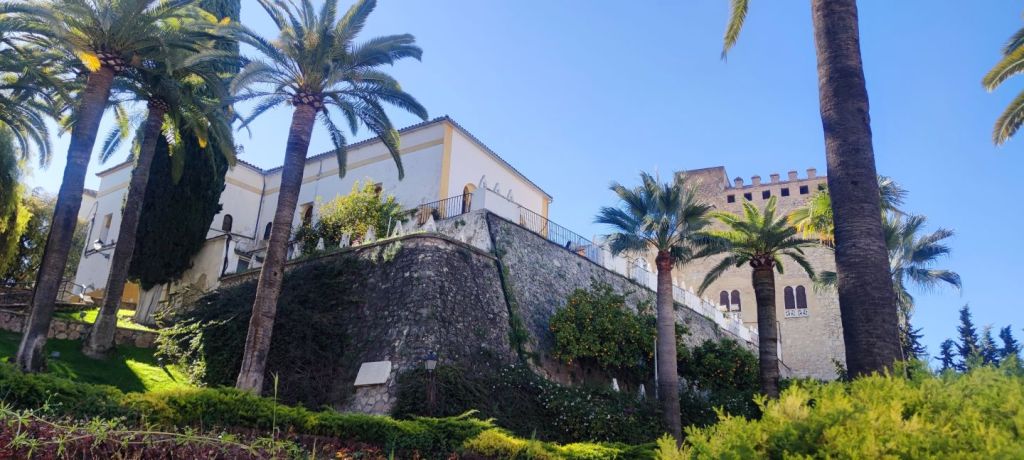
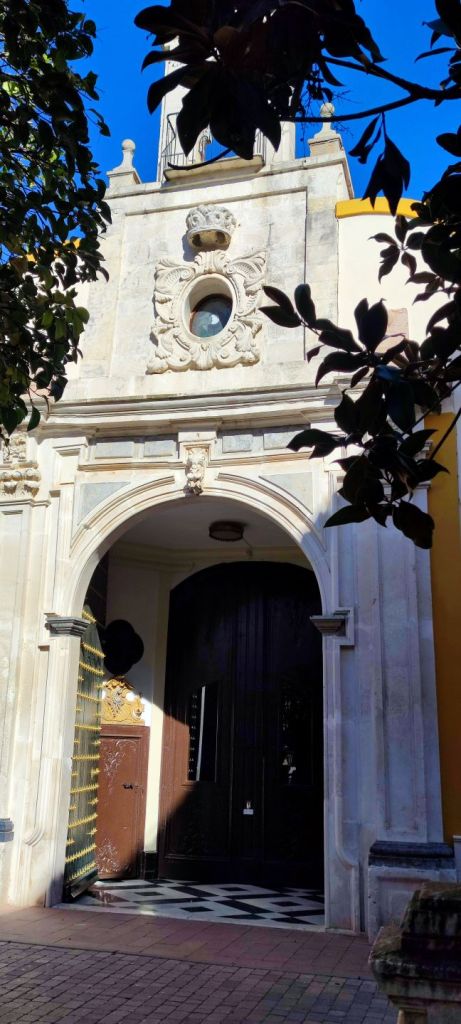
One of Cabra’s greatest attractions is its wealth of monuments, which reveal centuries of history and artistic legacy.
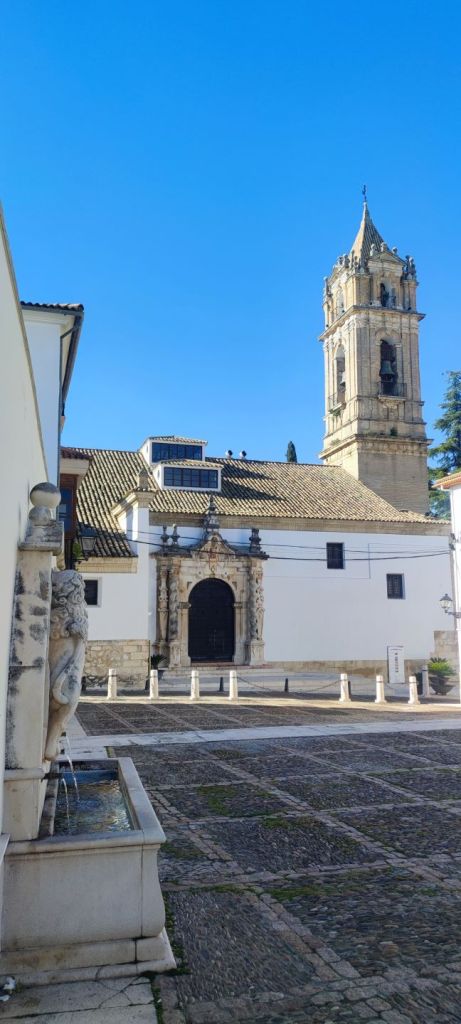
- Church of the Assumption and Angels: Also known as the Parroquia Mayor, this 17th-century Baroque church impresses with its grandeur and the beauty of its main altarpiece. Declared a Site of Cultural Interest, it is one of the most important temples in the city.
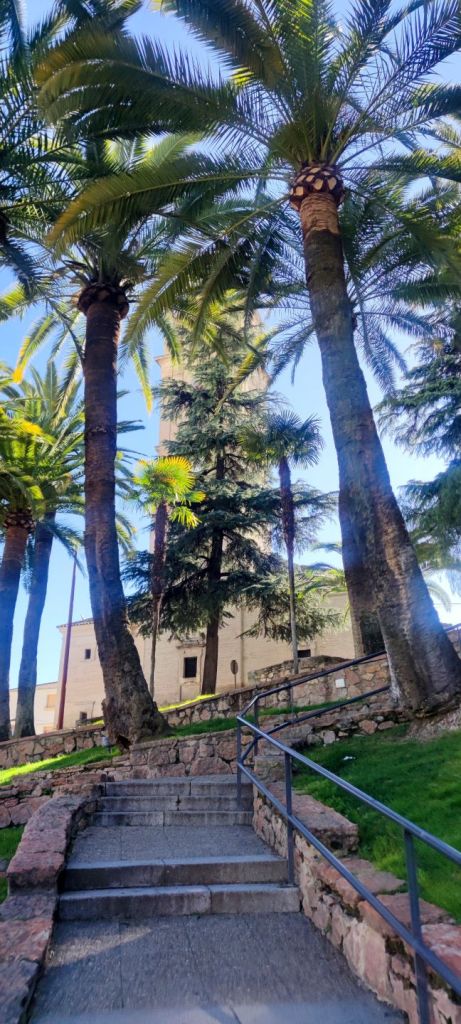
- Church of Saint John the Baptist (El Cerro): Located in one of the oldest neighborhoods of Cabra, El Cerro, this church offers spectacular views over the valley. It stands out for its Mudejar-style tower and deep-rooted popular devotion.
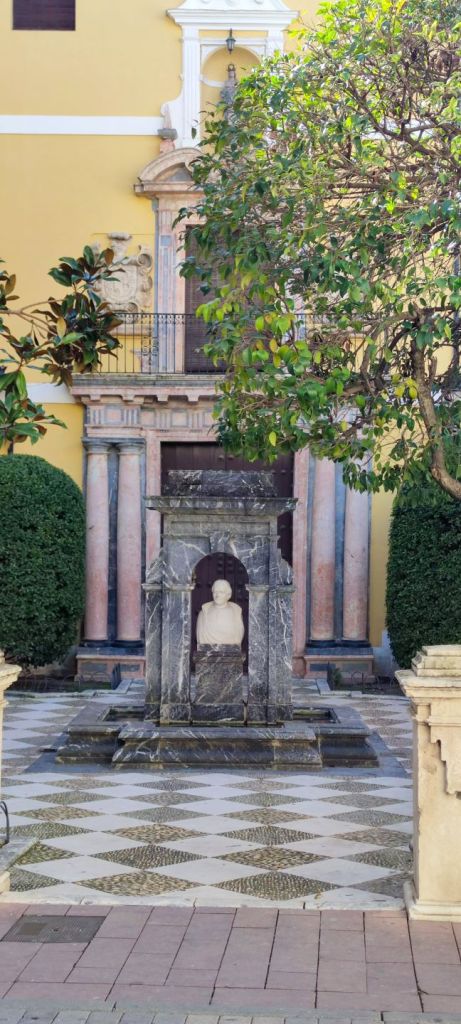
- Municipal Archaeological Museum: Housed in the historic Palace of the Counts of Cabra, this museum offers a fascinating journey through the cultures that have inhabited the region—from prehistory to Roman and Islamic times. Highlights include Iberian and Roman remains found in the area.
- Castle of the Counts of Cabra: Today, only some visible remains are left, but for centuries the castle was a key fortress in the defense of the Kingdom of Castile. Its strategic location atop the city makes it a privileged viewpoint, offering panoramic views over the countryside and nearby mountains.
THE GREENWAY ROUTE: A CYCLING PARADISE
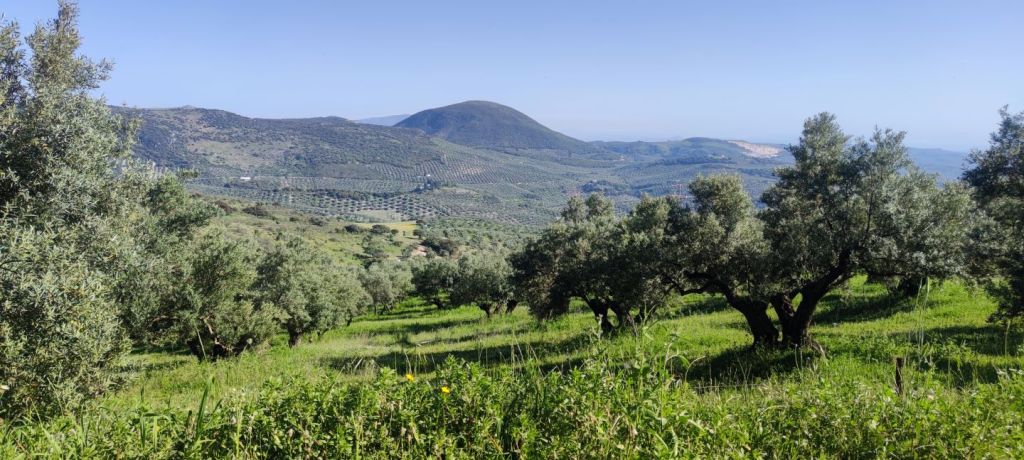
For cycling and hiking lovers, Cabra is a key stop along the Vía Verde de la Subbética, a former railway line converted into a natural route that runs through landscapes of olive groves, holm oaks, and mountains.
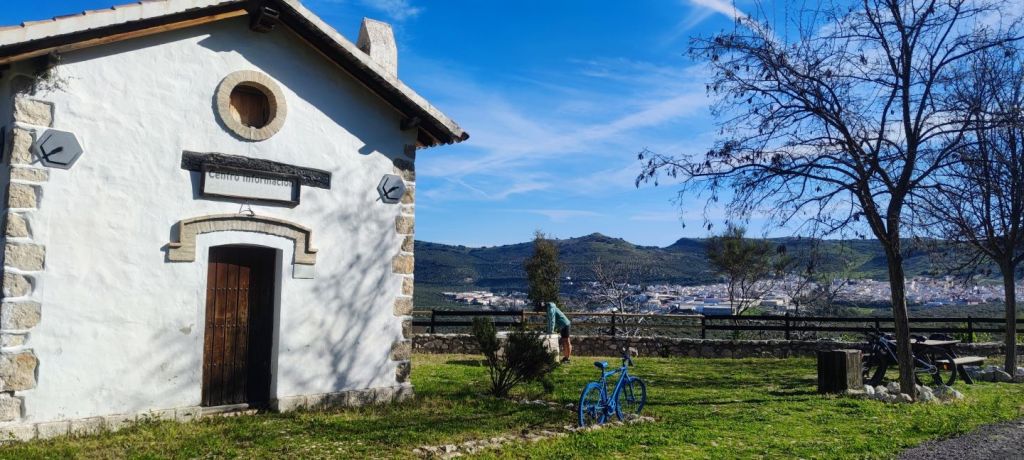
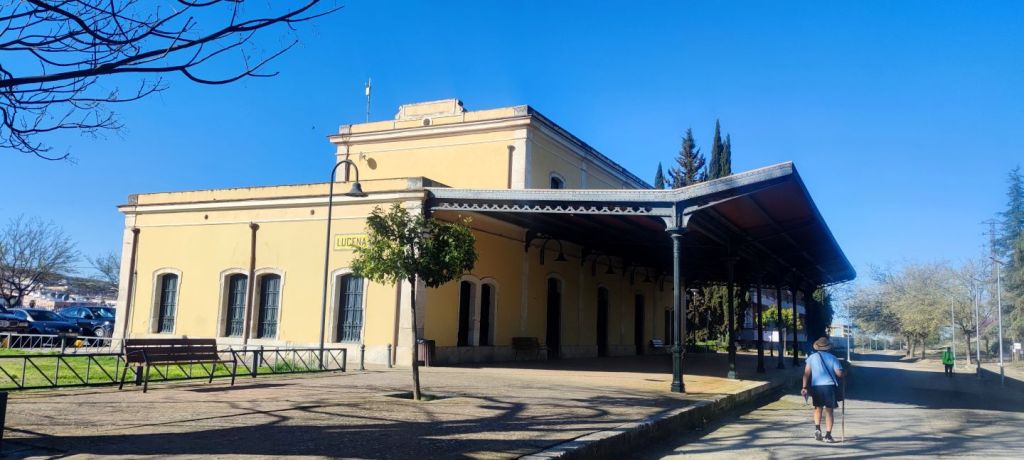
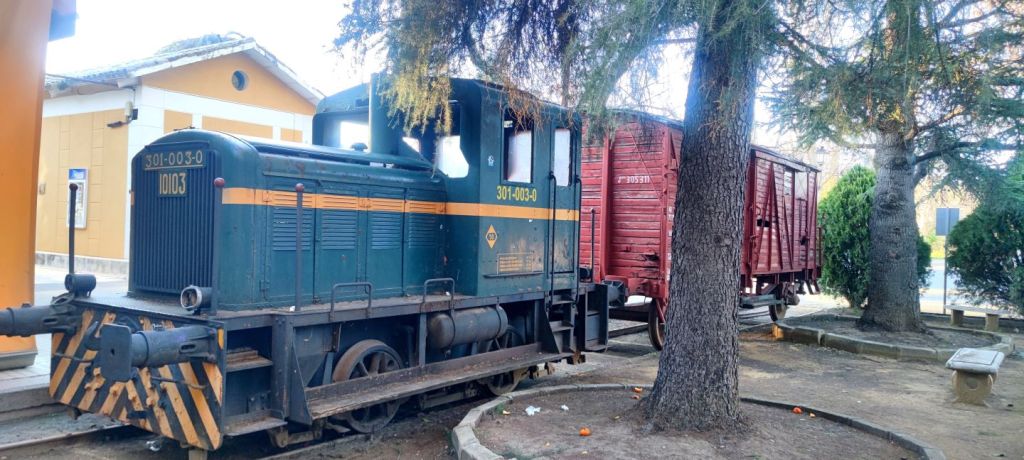
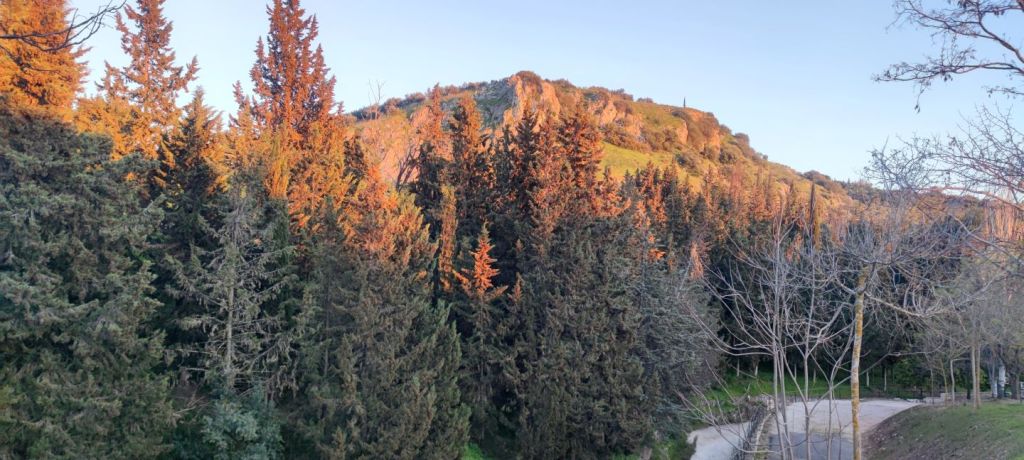
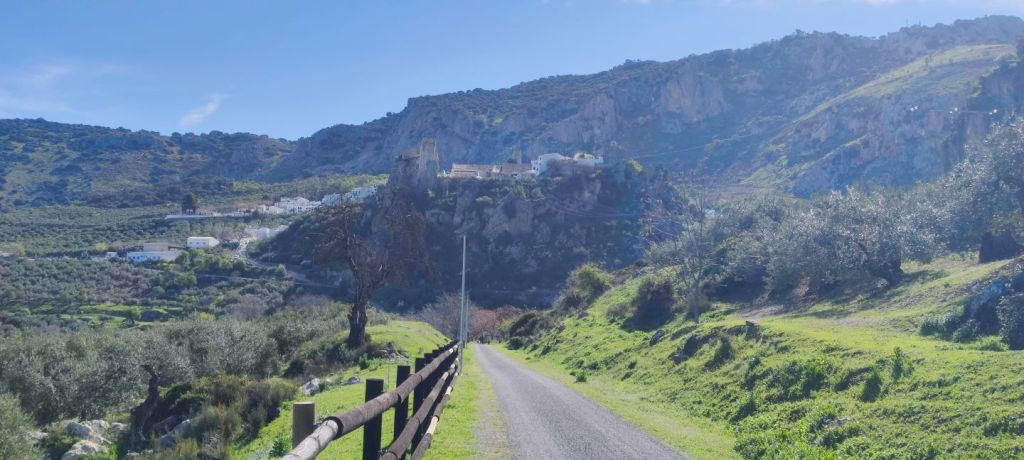
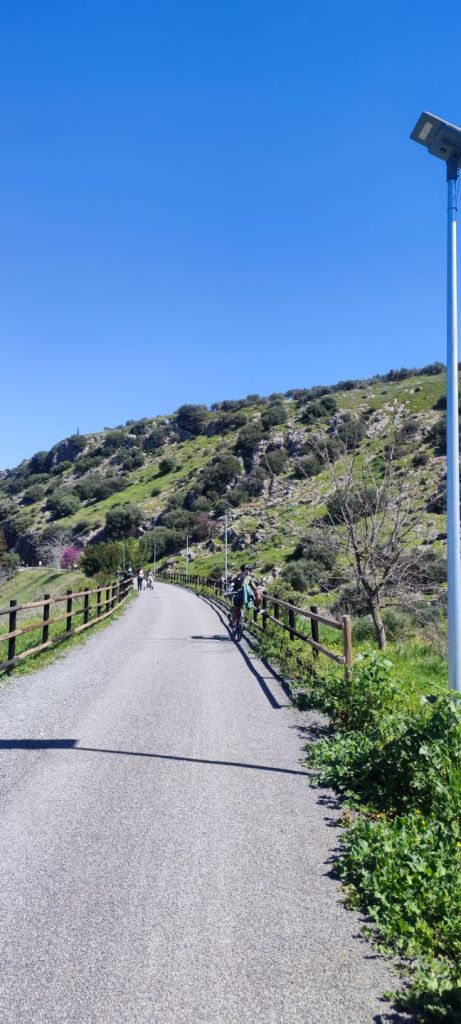
Starting from the old Cabra Station—beautifully preserved and now home to a visitor center and restaurant—you can enjoy several kilometers of route toward nearby towns such as Doña Mencía and Zuheros, or Lucena in the opposite direction. The route is easily accessible, ideal for families, and well-marked, with tunnels, viaducts, and stunning views of the Natural Park.
FUENTE DEL RÍO: LIVING NATURE
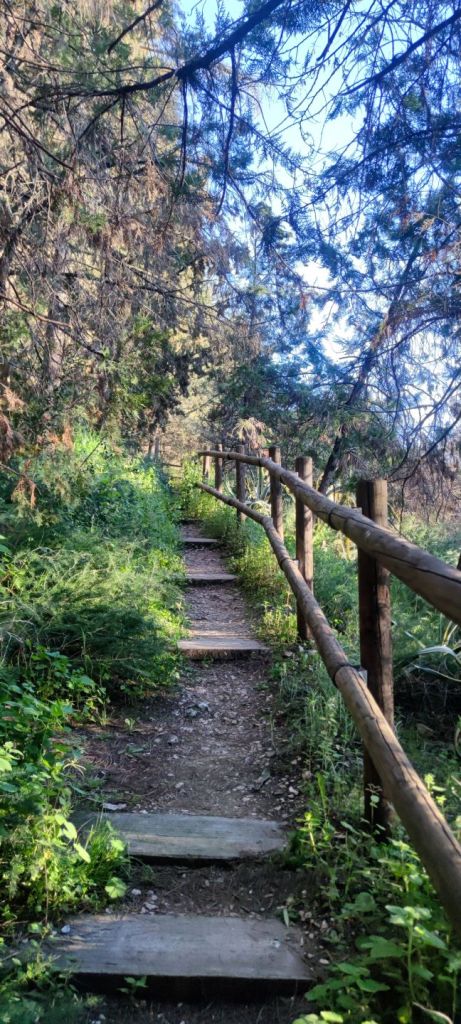
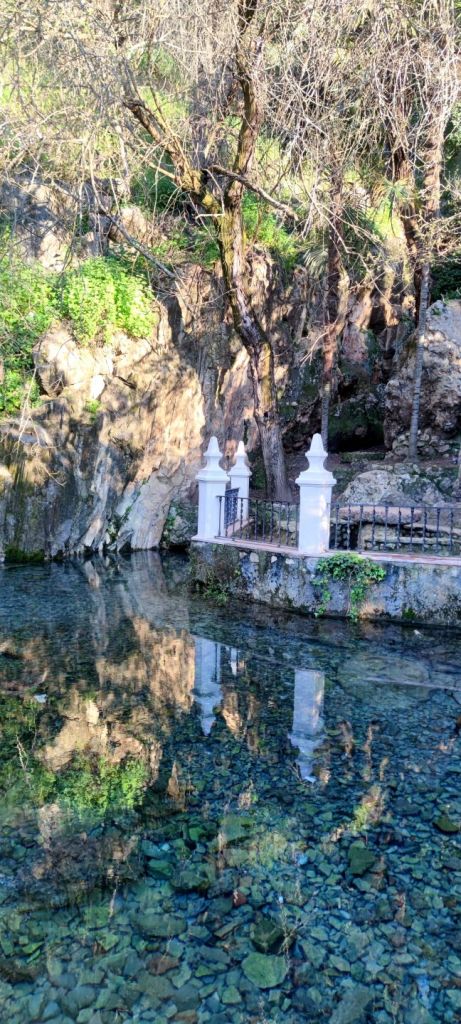
Just a kilometer from the town center lies the Fuente del Río, a magical spot where the Cabra River is born. This natural spring, surrounded by lush vegetation, is one of the most visited places by both locals and tourists.
The area offers rest zones, walking trails, picnic areas, and a cool, serene atmosphere—perfect for escaping the summer heat or simply enjoying a peaceful stroll in contact with nature. In spring, the surroundings come alive with flowers, birds, and the constant murmur of crystal-clear water flowing through the rocks.
HERMITAGE OF THE VIRGEN DE LA SIERRA
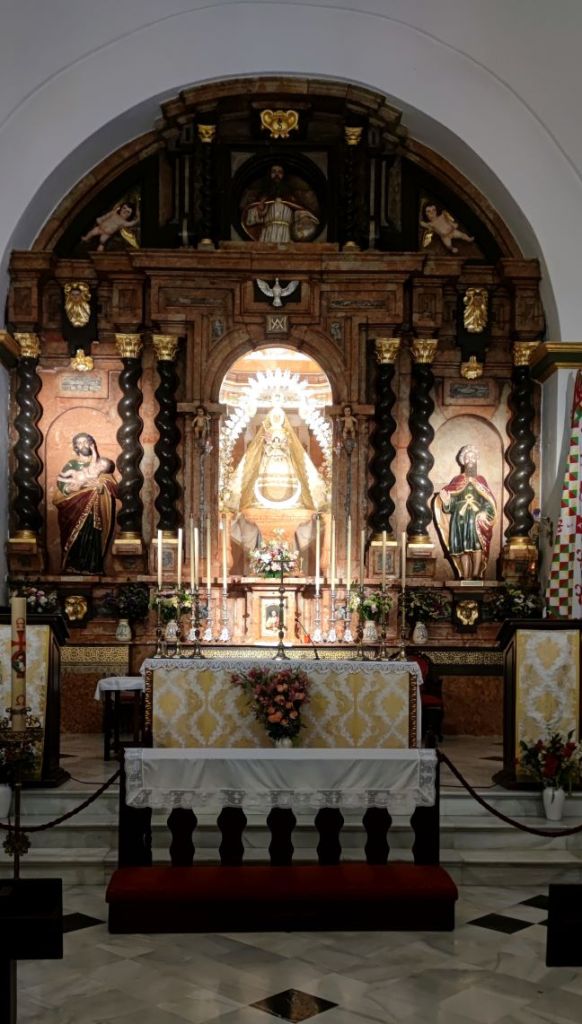
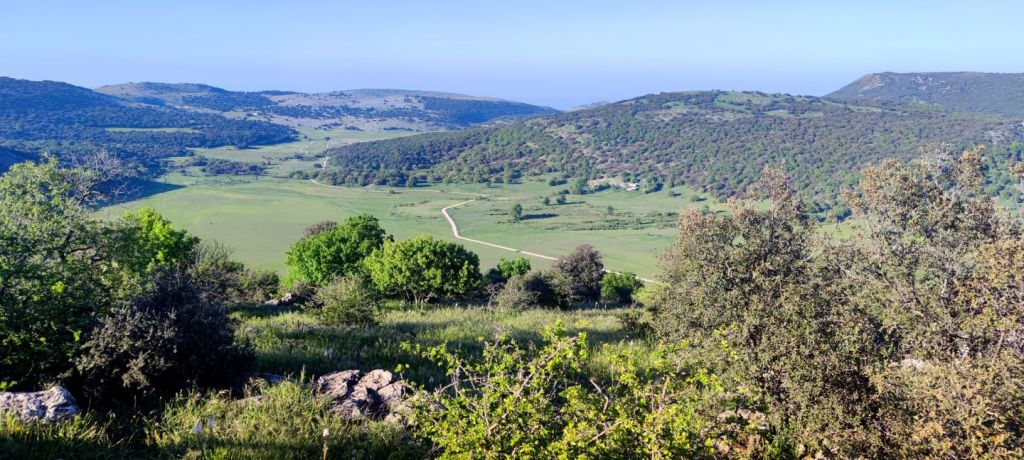
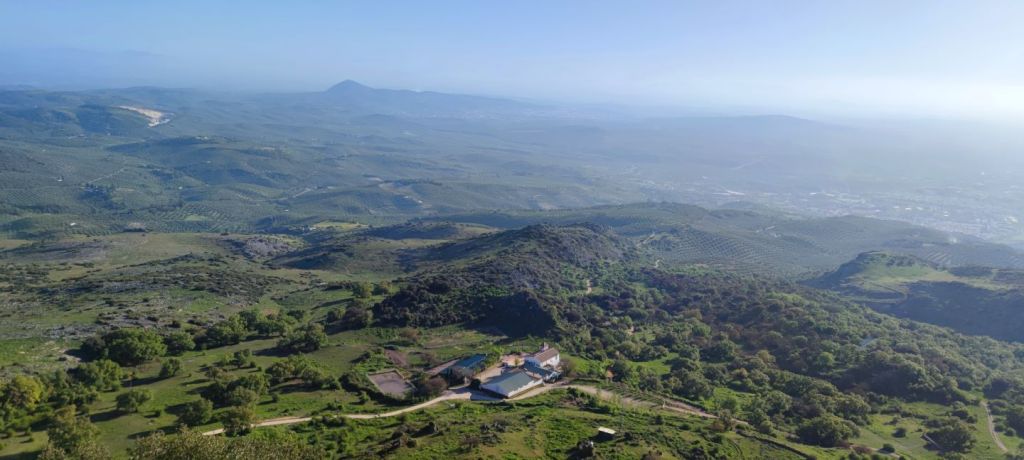
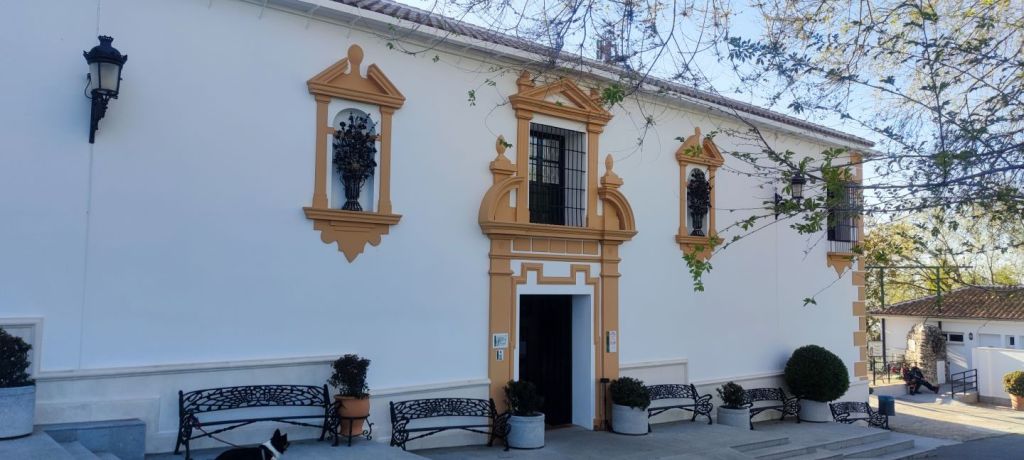
Another emblematic site that can be visited by hiking from the town is the Hermitage of the Virgen de la Sierra. It is one of the most significant Marian sanctuaries in the region. Located at the top of the Sierra de Cabra, at over 1,200 meters above sea level, it offers spectacular views of the Sierras Subbéticas Natural Park. Its origins date back to the 13th century, although it has been renovated several times over the centuries. Devotion to the Virgen de la Sierra, the patron saint of Cabra, has been a central element in the town’s religious and cultural identity. Each year, thousands of devotees make a pilgrimage to the hermitage, especially in September, when the traditional descent of the Virgin to the town is celebrated. Moreover, the hermitage is not only a place of worship but also a symbol of the connection between nature and spirituality, attracting both pilgrims and visitors in search of peace and beauty in a privileged natural setting.
HOLY WEEK: PASSION AND TRADITION IN THE STREETS
Cabra’s Holy Week (Semana Santa) is one of the most iconic in the province of Córdoba and has been declared a Festival of National Tourist Interest in Andalusia. During this week, the city becomes a stage of devotion, art, and emotion.
From Palm Sunday to Easter Sunday, the historic center’s streets are filled with brotherhoods, penitents, drums, and traditional songs (saetas), immersing visitors in a unique atmosphere. The processions feature richly adorned religious floats, many crafted by the renowned Granada school, and a level of community participation that highlights the deep cultural roots of this tradition in Cabra. Experiencing Holy Week here is to witness a powerful cultural expression where faith and artistry go hand in hand.
FLAVORS THAT LEAVE A MARK
Cabra’s cuisine is a reflection of its fertile land and agricultural tradition. The star ingredient is extra virgin olive oil, especially that of the Baena Protected Designation of Origin, produced in the olive groves surrounding the city.
This “liquid gold” enhances traditional dishes like salmorejo, meatballs in almond sauce, flamenquines, or the classic Lent pot stew (potaje de vigilia). You’ll also find local products like artisanal cheeses, Iberian cold cuts, and homemade sweets—roscos de vino and borrachuelos being local favorites. Eating in Cabra is a sensory journey that unites flavor, quality, and tradition in every bite.
TIPS:
- Try the traditional dishes—they’re delicious.
- Bring your bike to enjoy the Greenway.
- Spring is the ideal time to visit Cabra.


One thought on “DISCOVERING CABRA: HISTORY, NATURE, AND CULTURE IN THE HEART OF ANDALUSIA”