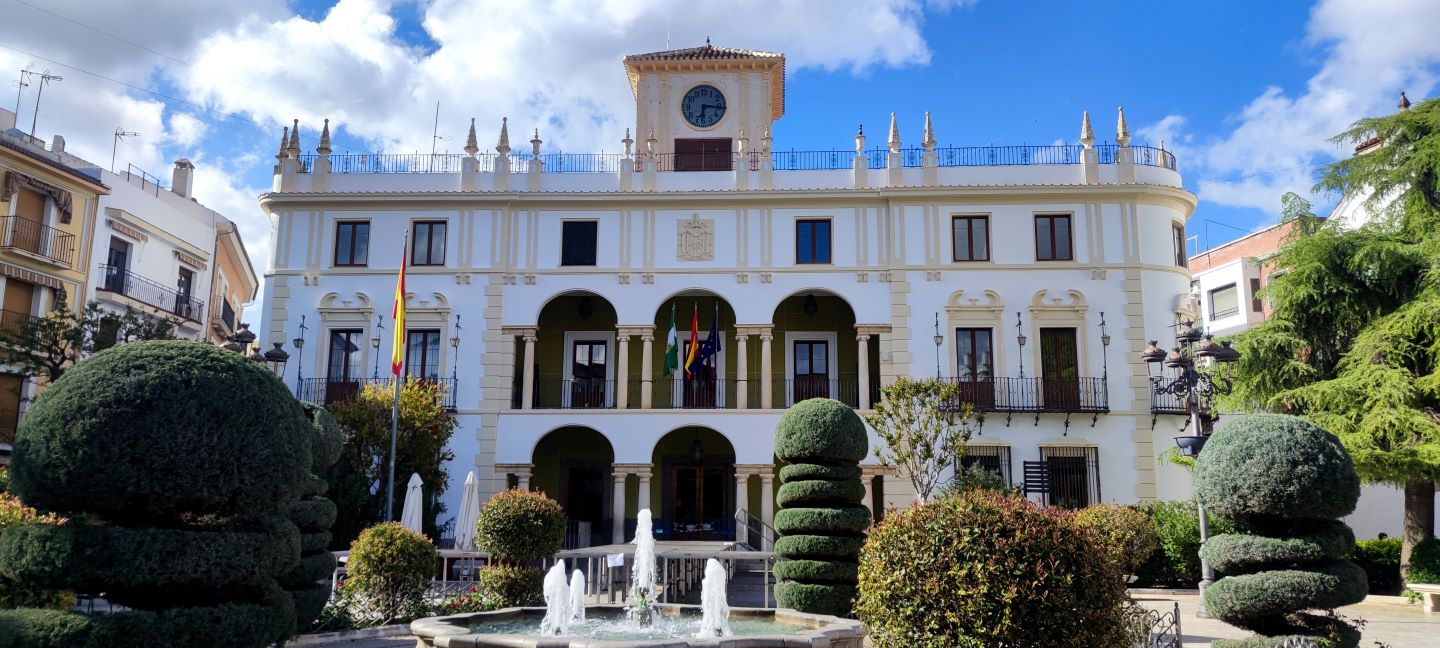
Priego de Córdoba, located in the southern part of the province of Córdoba, in the heart of the Subbética region, is one of the most beautiful and culturally rich towns in Andalusia. Its privileged setting among mountains, its impressive architectural heritage, its springs and gardens, and its proximity to the Sierras Subbéticas Natural Park make it a perfect destination for those seeking a blend of culture, nature, and tradition.
HISTORY OF PRIEGO DE CÓRDOBA
The origins of Priego date back to Roman times, when it was known as Bágina. However, it was during the Andalusian period that it gained prominence as a strategic stronghold. After the Christian conquest in the 13th century, the town went through various stages of splendor, particularly in the 17th and 18th centuries, when it experienced an artistic and economic boom. This golden age left behind a valuable Baroque heritage, visible in many of its churches, façades, and urban spaces. Priego was also an important silk production center, and later became renowned for its olive oil, a tradition that continues today with some of the most prestigious oil mills in Andalusia.
MUST-SEE MONUMENTS
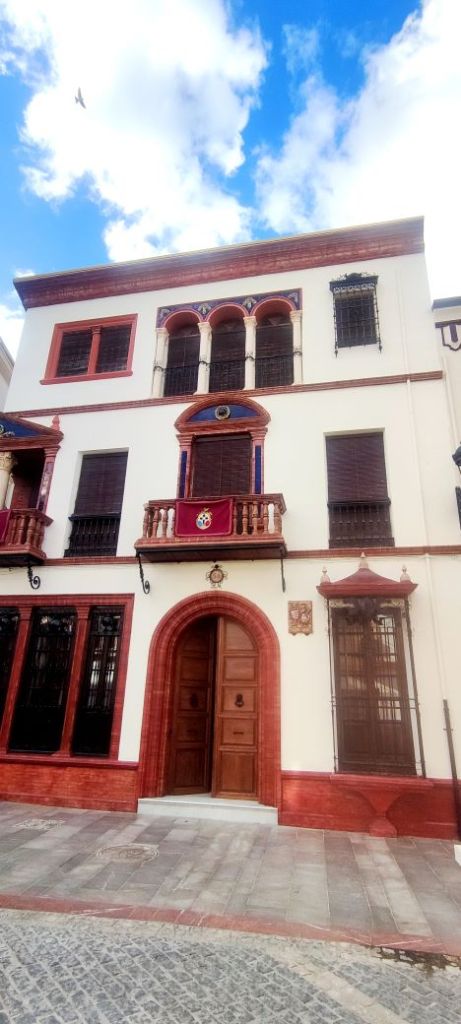
Priego de Córdoba’s monumental heritage is among the most outstanding in the province. Its historic center, declared a Historic-Artistic Site, is a living display of its artistic wealth. Among its most representative landmarks is the Church of La Asunción, considered one of the finest examples of Andalusian Baroque. Its Sagrario chapel, profusely decorated with stucco and gold leaf, is a true masterpiece.
Another key site is the Castle of Priego, a fortress of Muslim origin rebuilt during the Christian era, standing on the highest point of the old town. From its walls, visitors can enjoy a beautiful view of La Villa, the oldest neighborhood in the town, with its narrow streets, whitewashed houses, and flower-filled balconies — a true reflection of Andalusian charm.
Also noteworthy is the Fuente del Rey (King’s Fountain), a magnificent 19th-century monumental fountain combining neoclassical and baroque styles, featuring over a hundred spouts and numerous mythological figures. Right next to it is the Fuente de la Salud (Fountain of Health), older and of great historical value, as it is linked to local legends about the healing properties of its waters.
Other important landmarks include the Church of San Francisco, the Church of La Aurora, the Carnicerías Reales (a former slaughterhouse and food market with a beautiful Renaissance courtyard), and the Municipal Historical Museum, which houses archaeological remains from the town’s different historical periods.
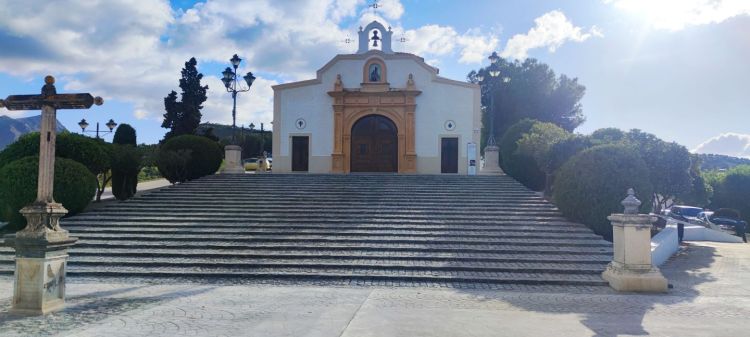
VIEWPOINTS AND PARKS
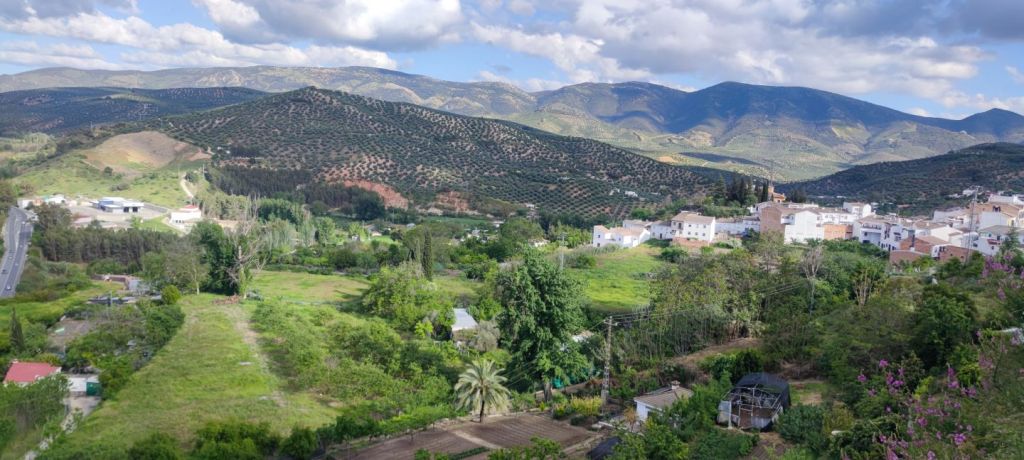
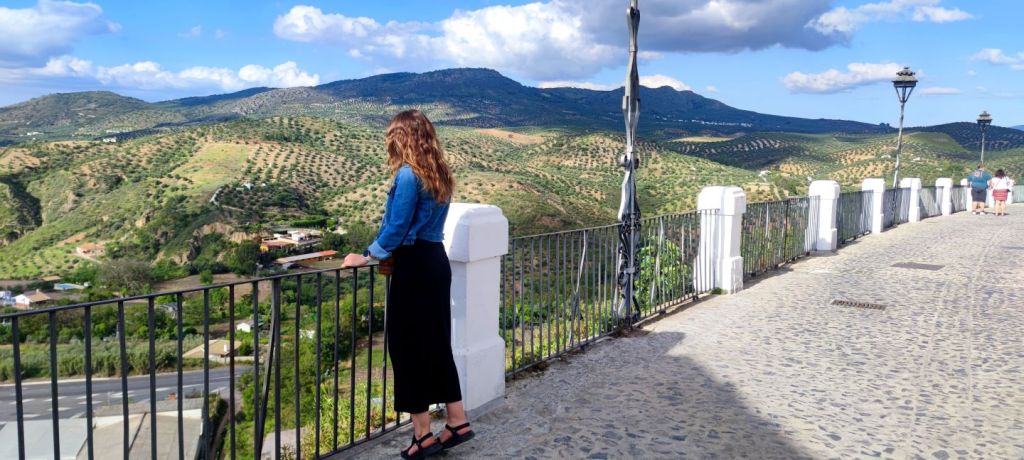
Priego de Córdoba is also known as the “City of Water and Baroque”, but it could well be called the “City of Natural Balconies.” One of the most spectacular spots is the Balcón del Adarve, a cliffside walkway bordering the southern edge of the historic quarter. From this viewpoint, you can see the entire Salado River valley and the foothills of the Subbética, with olive groves stretching as far as the eye can see.
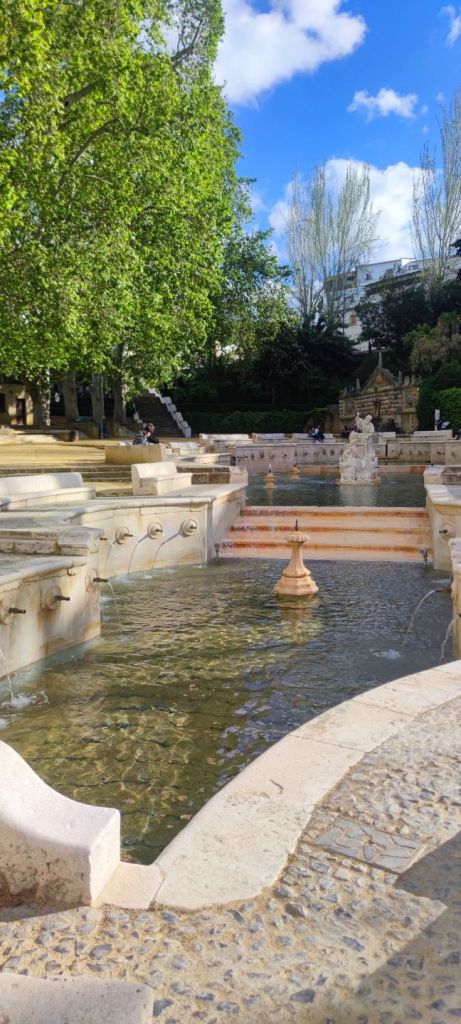
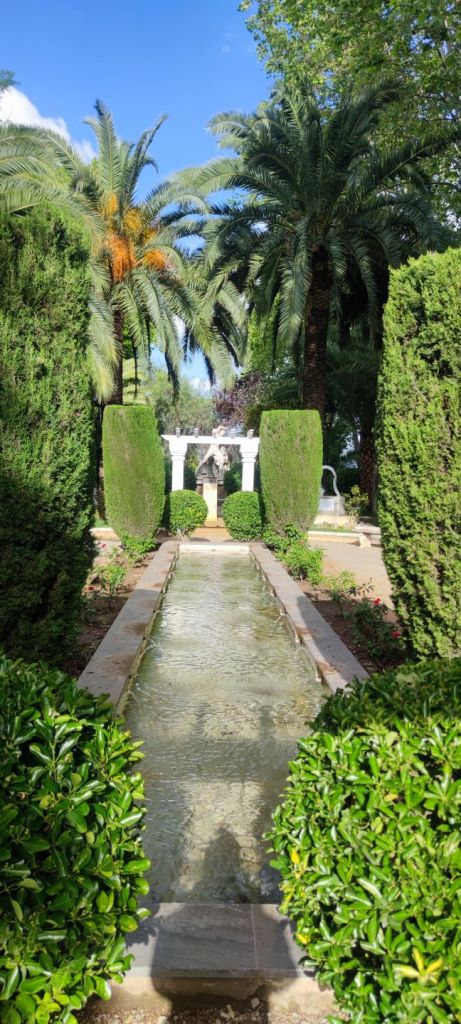
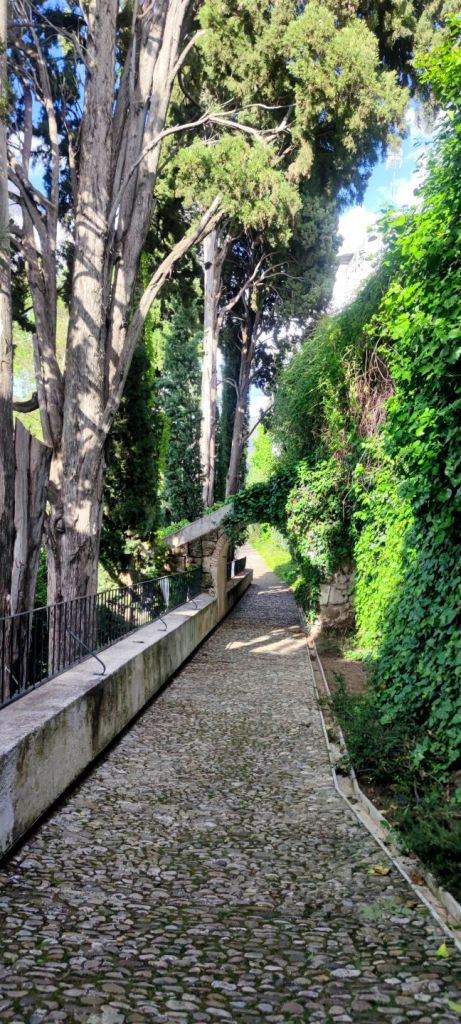
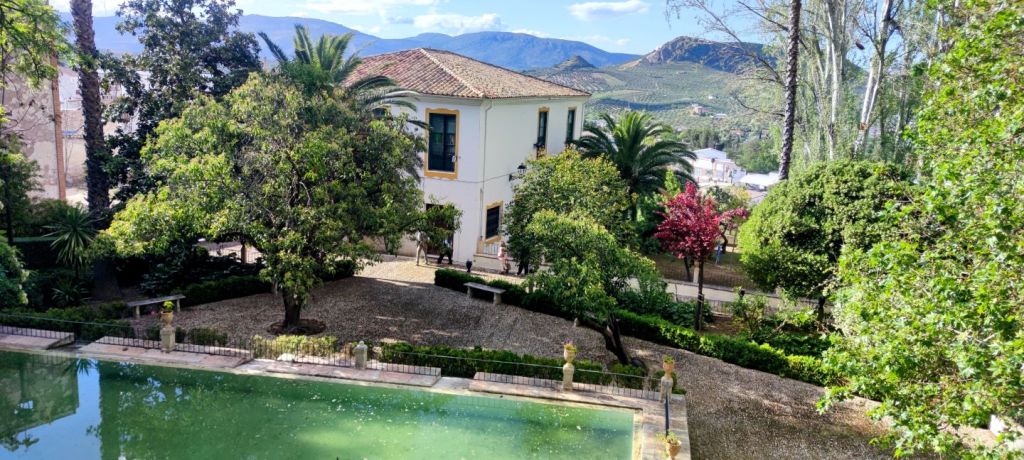
In addition to the Adarve, there are other scenic viewpoints such as the Mirador de la Aurora, the Mirador on Calle Sol, and the Mirador del Calvario, all offering unforgettable views of sunrises and sunsets. Priego also features pleasant green areas like Niceto Alcalá-Zamora Park, perfect for strolling and relaxing by fountains and benches under the shade of century-old trees.
NATURE AND HIKING IN THE SUBBÉTICA
Just beyond the town limits lies the Sierras Subbéticas Natural Park, a true paradise for hiking, cycling, and nature lovers. This mountainous area is characterized by its karst landscapes, caves, sinkholes, and rich biodiversity. One of the most iconic spots is La Tiñosa, standing at 1,570 meters, the highest peak in the province of Córdoba. Climbing it offers a demanding yet rewarding route, with stunning views from the summit.
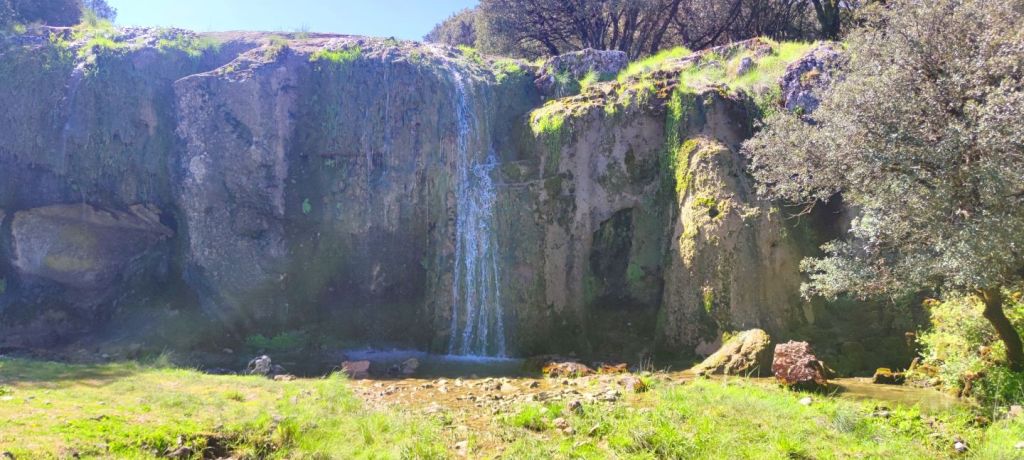
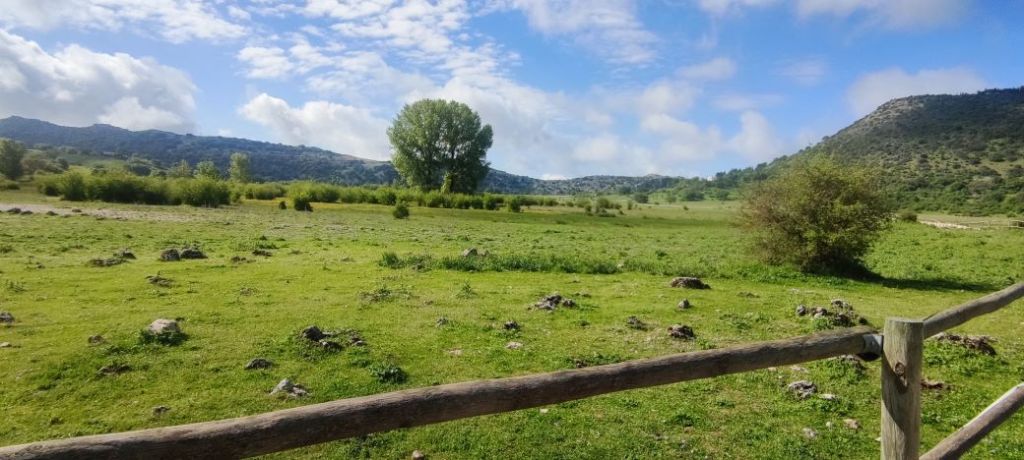
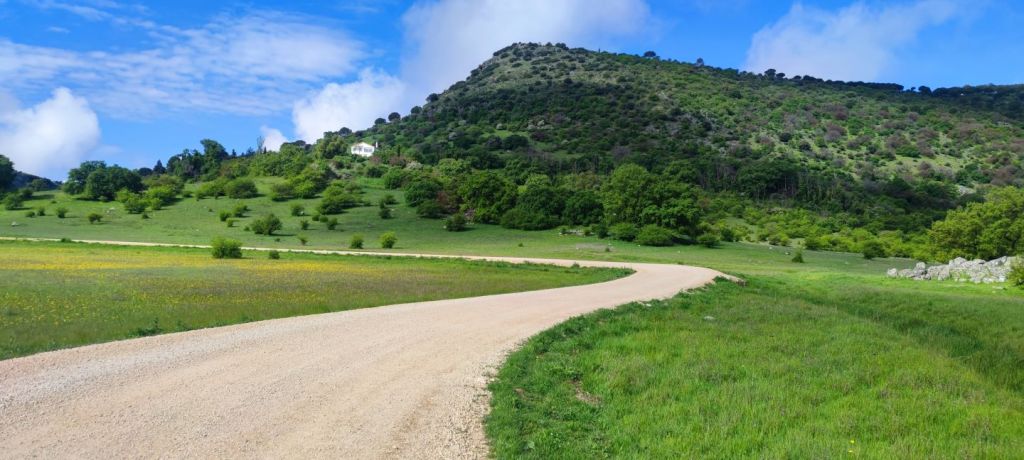
Recommended trails include the Río Bailón Path, which runs between the nearby town of Zuheros and the Nava polje, passing through landscapes of great ecological and scenic value. Other notable routes are the Tiñosa Trail, the Adarve Trail, and the Cerro de la Cruz Trail, all well-marked and varying in difficulty.
Caving enthusiasts can explore the nearby Cueva de los Murciélagos (Bat Cave) in Zuheros, featuring prehistoric cave paintings and archaeological remains. For those seeking a more relaxed experience, there are also easier circular routes that allow visitors to enjoy the natural surroundings without too much physical exertion.
CULTURE AND TRADITIONS
In addition to its natural and architectural beauty, Priego de Córdoba boasts a vibrant cultural life. Throughout the year, numerous festivals and events take place, with Holy Week being one of the most significant. Declared of National Tourist Interest, it is renowned for its solemnity, music, and impressive processional floats.
Another key event is the Royal Fair in September, honoring the Virgin of Las Mercedes, blending religious devotion with a festive atmosphere. Summer also brings concerts, festivals, and exhibitions held across various parts of the town.
Local craftsmanship, especially in ceramics and wrought iron, along with its exceptional cuisine based on extra virgin olive oil with the “Priego de Córdoba” Denomination of Origin, round out a rich cultural and sensory experience that is hard to match.
TIPS:
- Spring and autumn are the best seasons to visit, due to the mild climate and natural beauty.
- There are numerous hiking routes around Priego, as well as beautiful nearby towns such as Cabra, Lucena, and Zuheros.
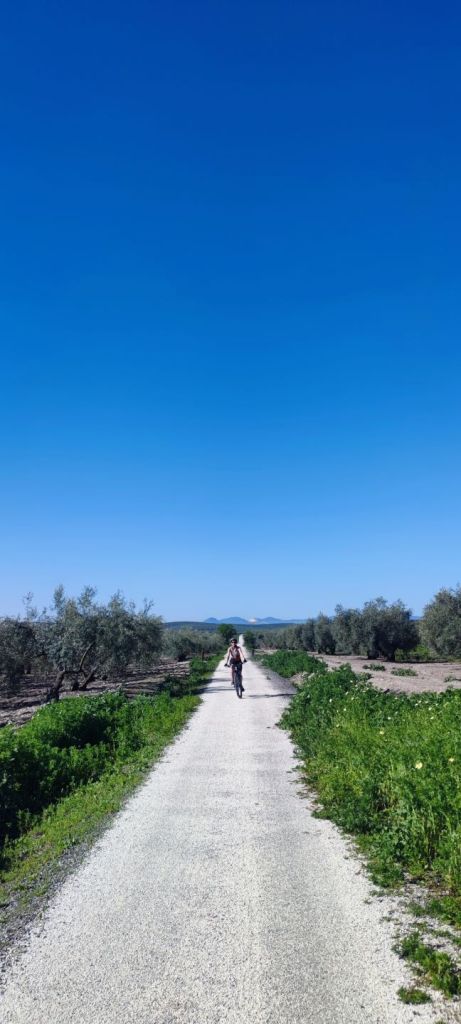
- The Olive Oil Greenway (Vía Verde del Aceite) passes near Priego, offering a scenic cycling route through the countryside.
 all about eve`s journeys