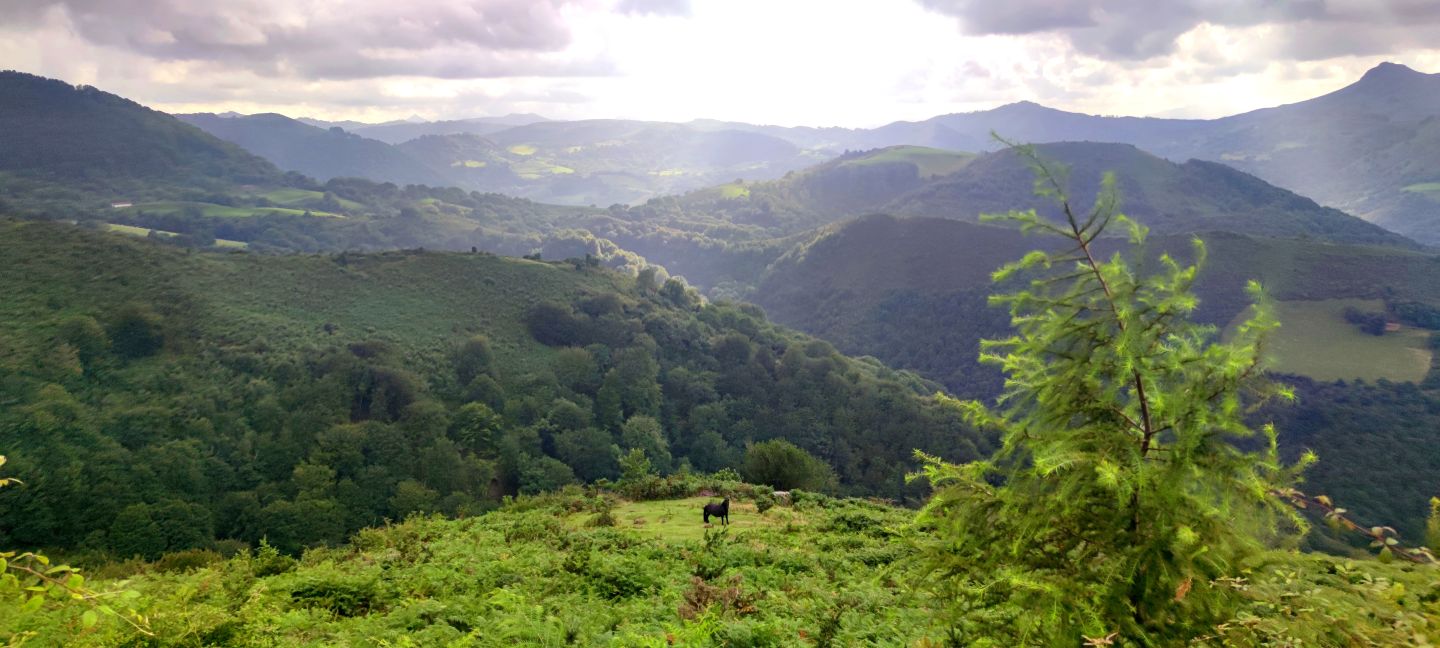
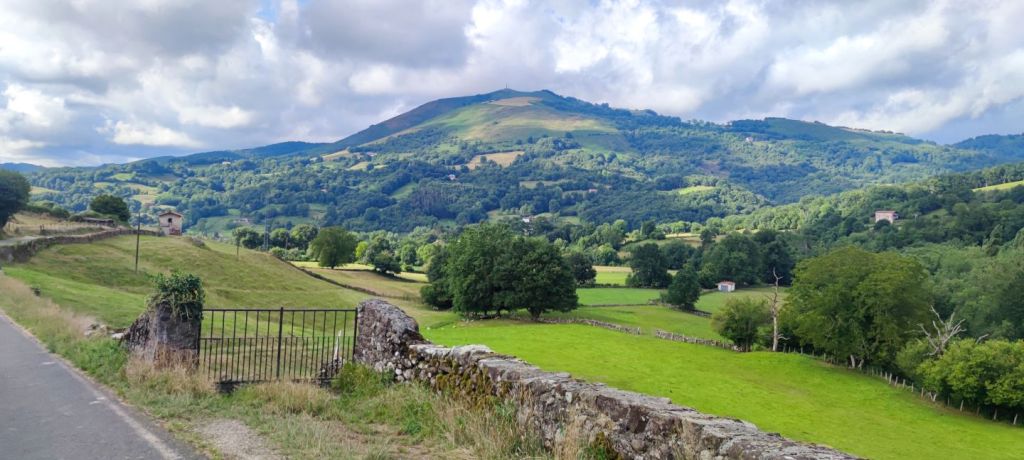
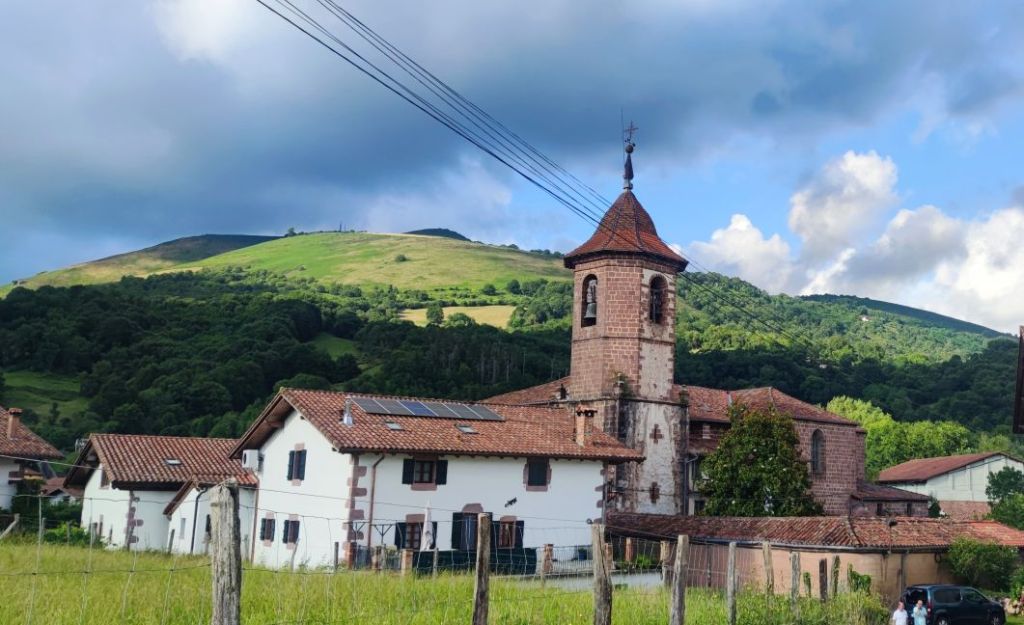
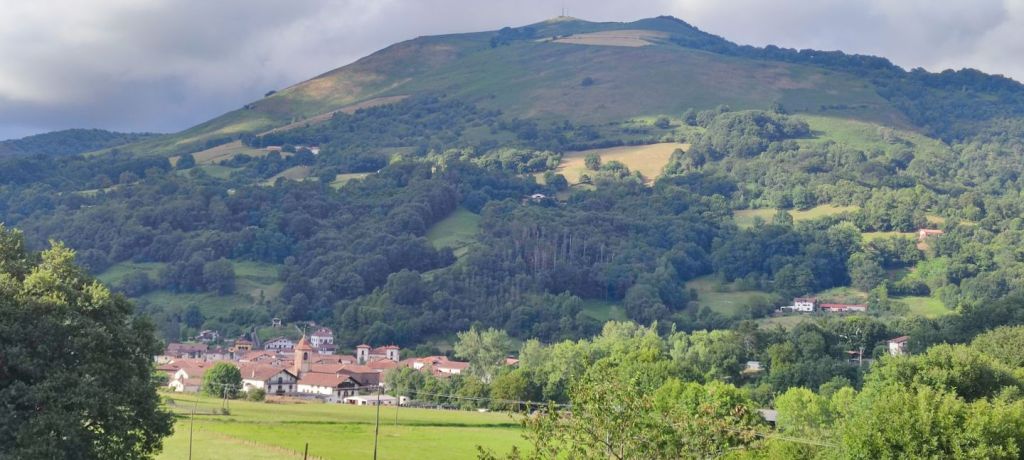
Located in northern Navarre, near the French border, the Baztan Valley is one of the most authentic and verdant corners of the western Pyrenees. This expansive valley, made up of fourteen picturesque villages, is an ideal destination for those seeking tranquility, nature, history, traditions, and a rich local cuisine. Among its mountainous landscapes, lush forests, and crystal-clear rivers lies a world full of legends, noble lineages, and natural beauty.
A VALLEY WITH A HISTORICAL SOUL
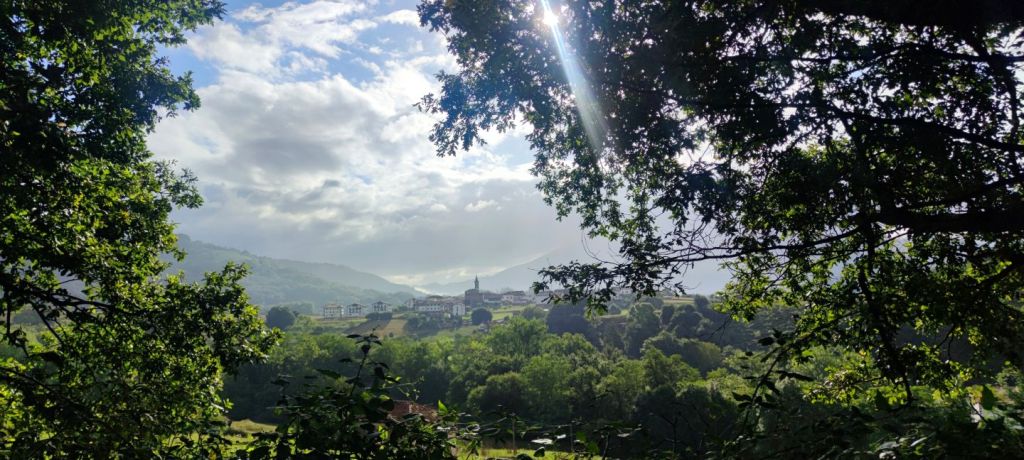
Since medieval times, the Baztan Valley has been a strategic land due to its position between the Kingdom of Navarre and Lower Navarre (now part of the French Basque Country). As early as the 15th century, it was established as a single municipality with its own governance structure, something unusual in Navarre. This form of self-government, known as the Baztango Biltzarra, still exists today and symbolizes the valley’s strong local and communal identity.
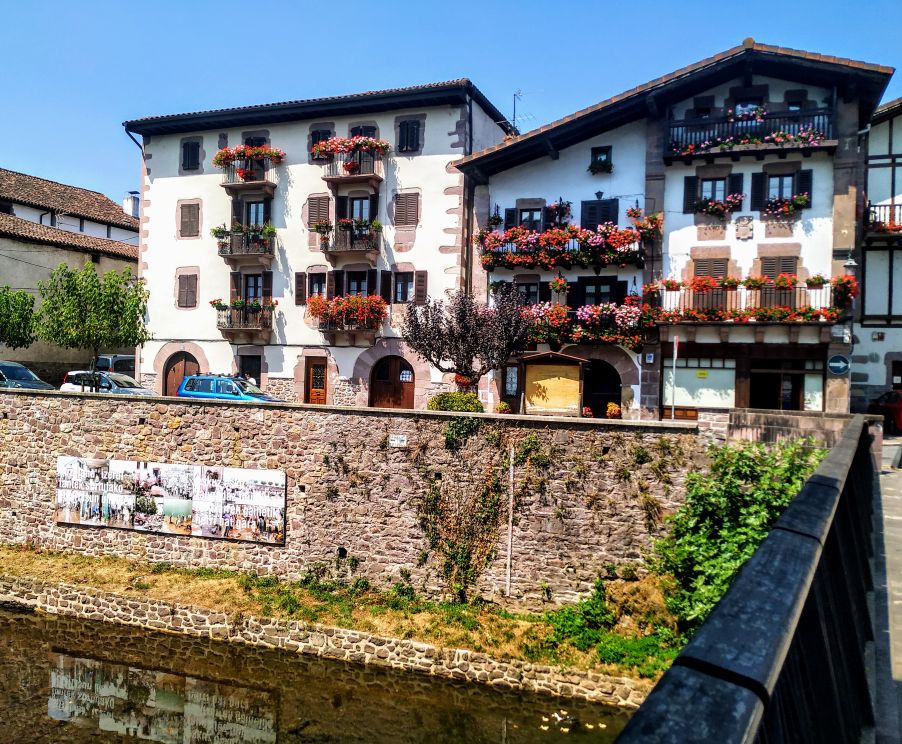
Throughout the 17th and 18th centuries, many locals emigrated to the Americas, especially to Mexico and Peru. Some amassed significant fortunes and, upon returning, built Baroque-style palatial houses in their hometowns. These “Indianos” left a lasting mark on the region’s architecture and economy.
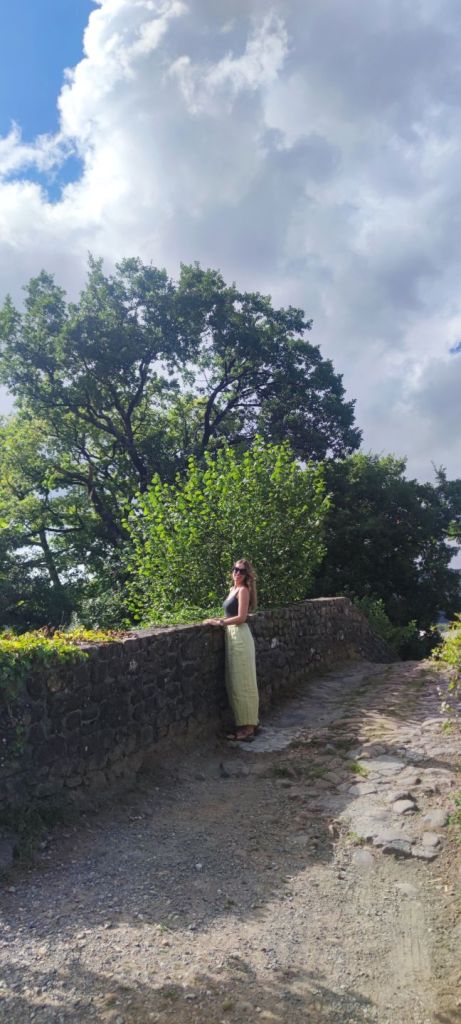
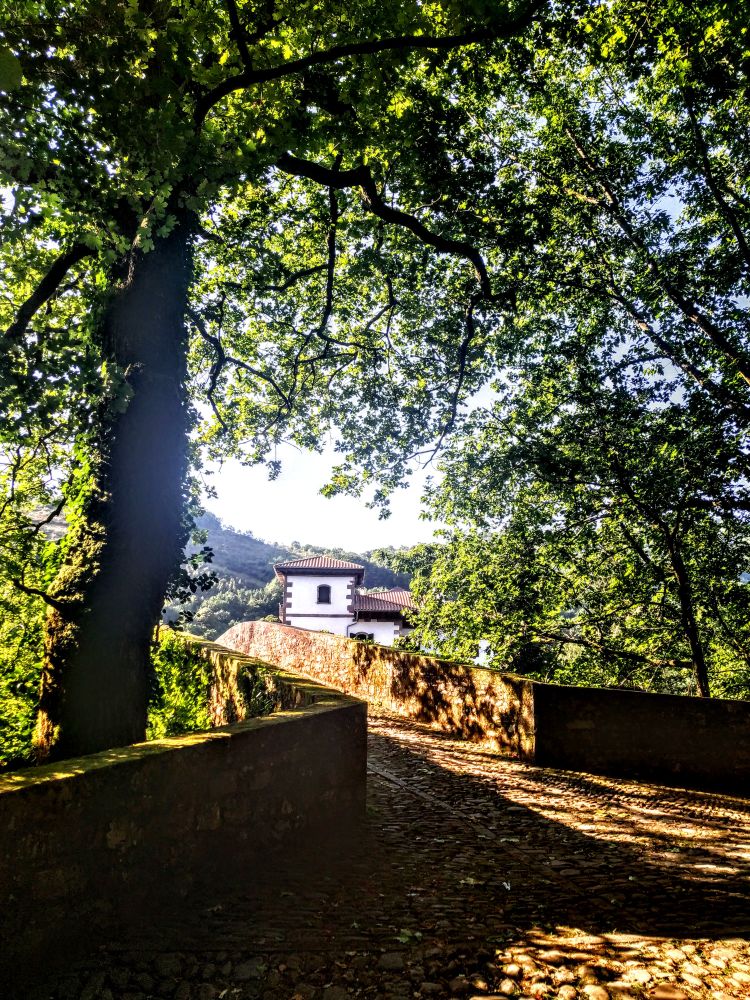
During the Carlist Wars and the Spanish Civil War, the valley was also a setting for troop movements, smuggling, and exile. Moreover, the region preserves megalithic remains, ancient roads, and medieval bridges that testify to its long and storied past.
MUST-SEE PLACES OF INTEREST
ELIZONDO
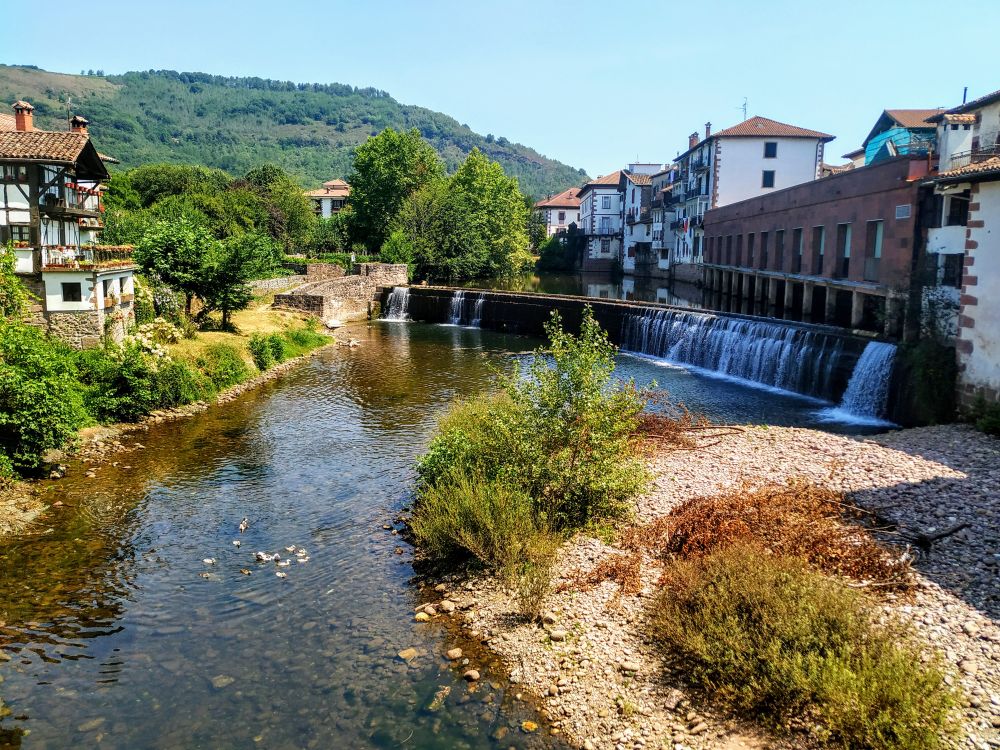
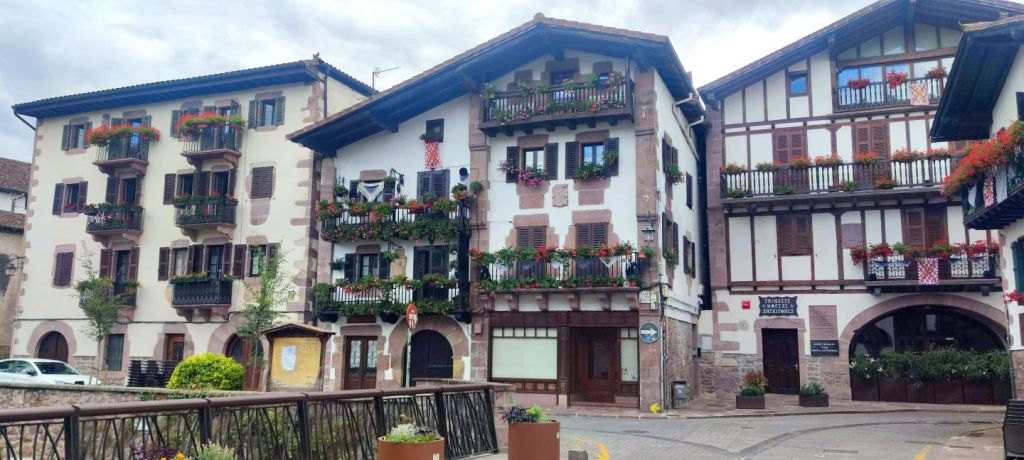
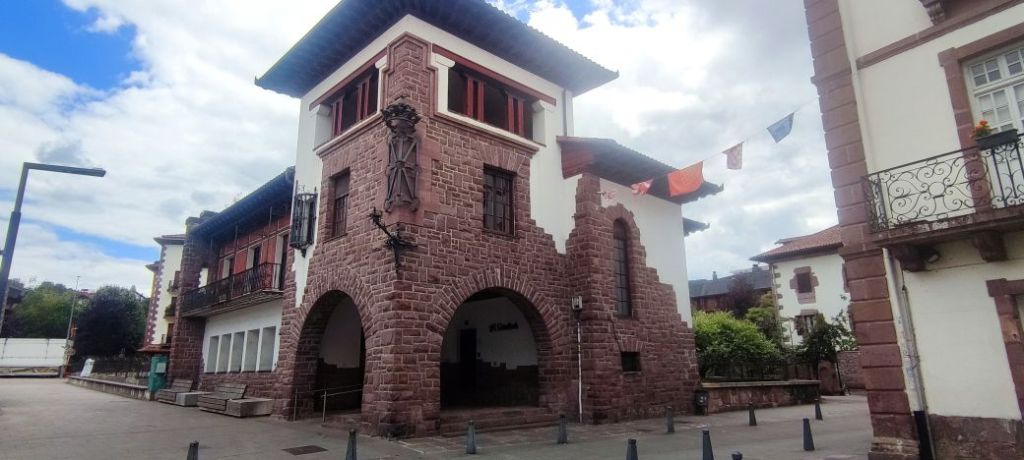
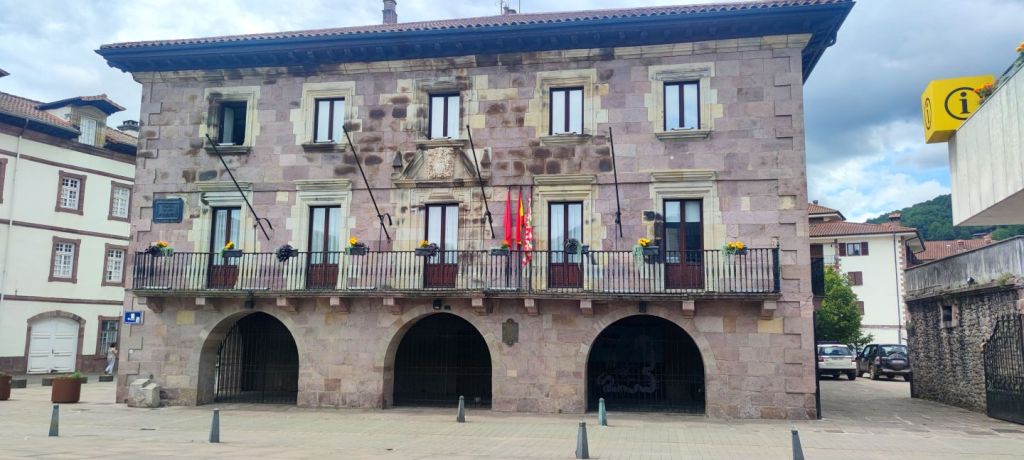
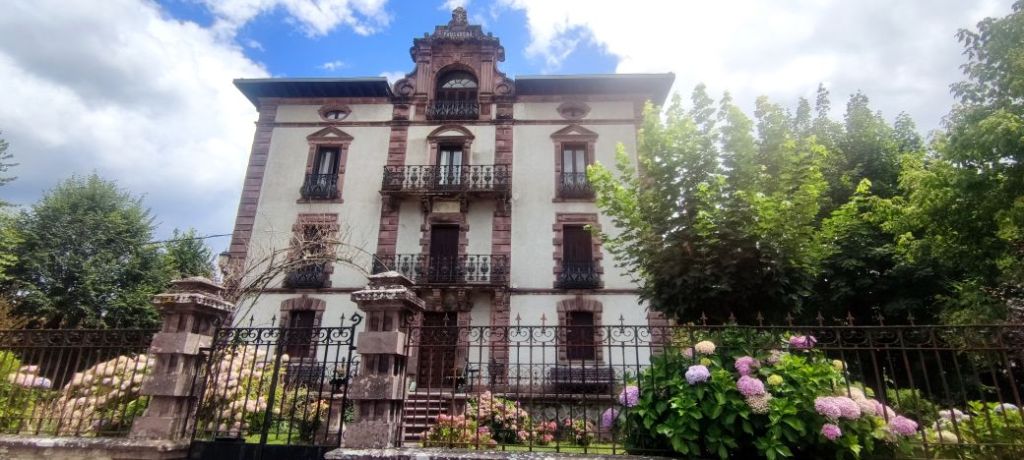
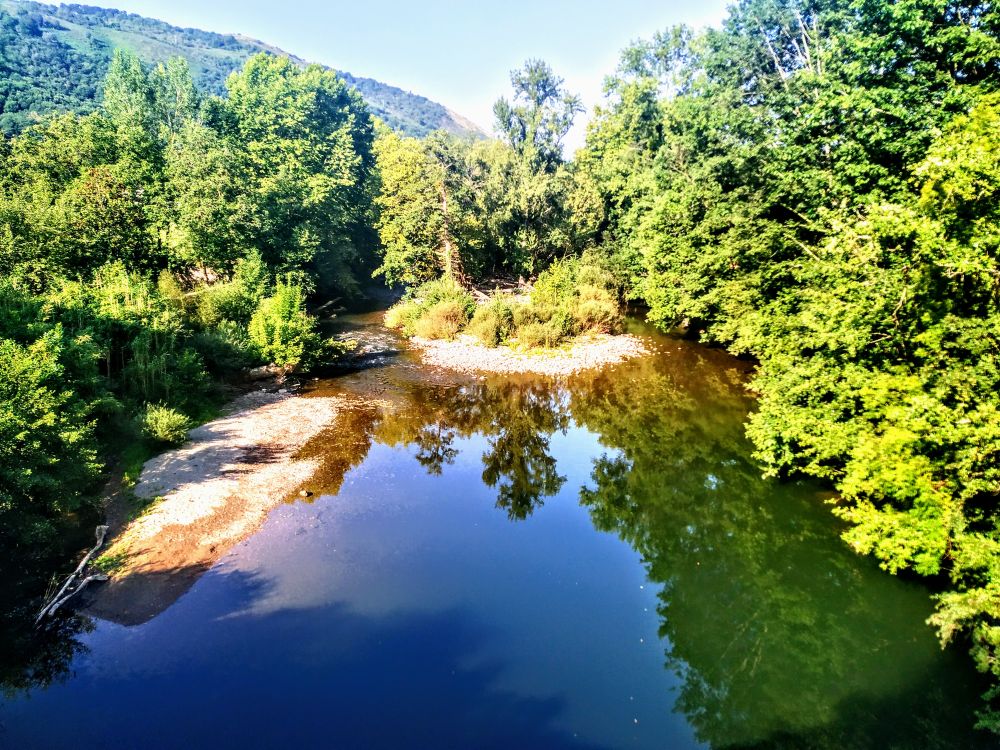
The heart of the valley and its administrative capital since the 17th century. Elizondo is a charming town crossed by the Bidasoa River. Its grand manor houses, such as the Arizkunenea Palace, were built by Indianos enriched in the Americas. Highlights also include the Church of Santiago, several ancient bridges, and houses with noble coats of arms.
The town suffered severe floods, such as the one in 1913, which led to a renovation of its center. Today, it’s a vibrant and literary place.
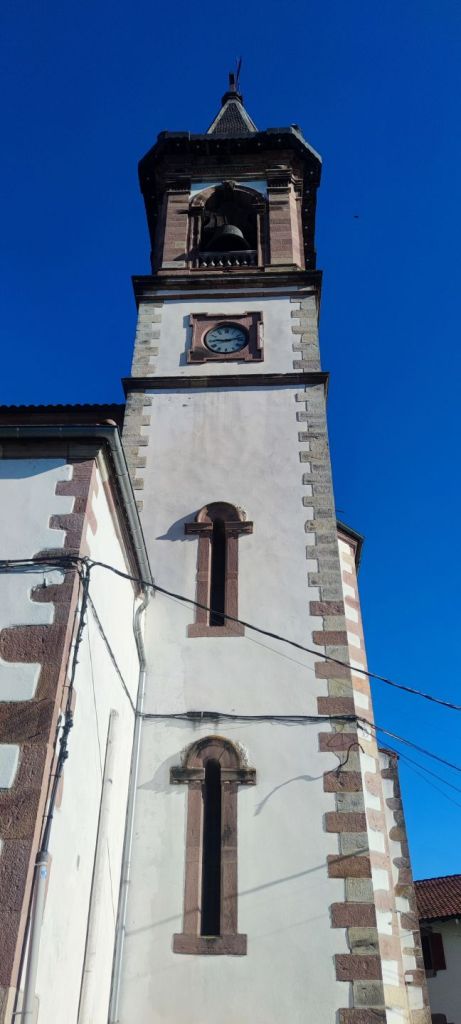
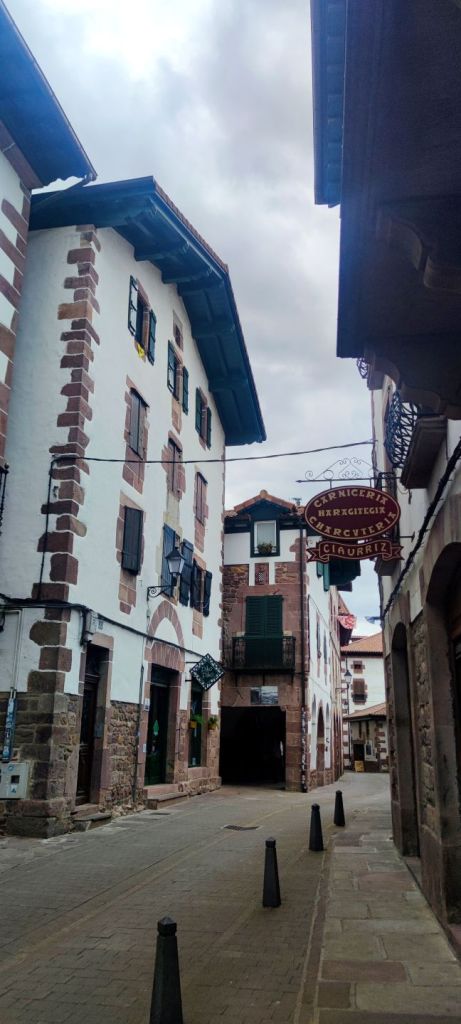
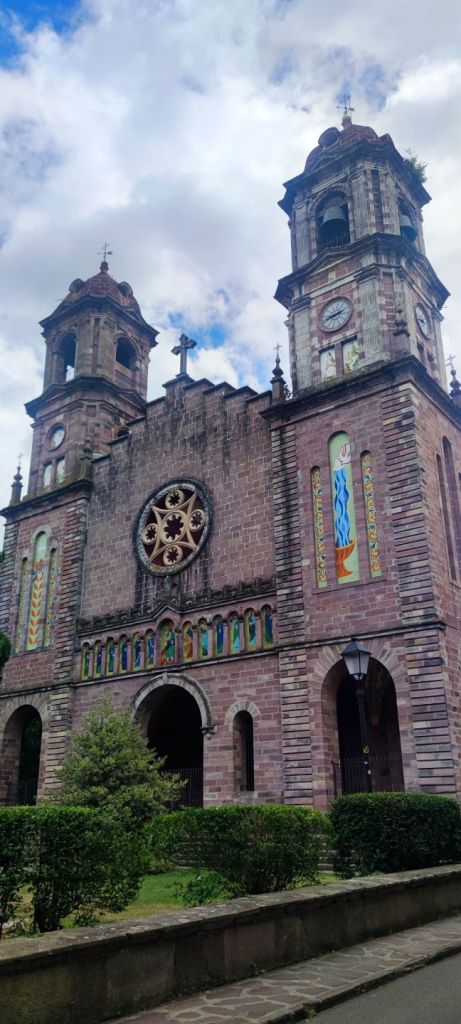
Elizondo became world-famous thanks to the Baztán Trilogy by Dolores Redondo: The Invisible Guardian, The Legacy of the Bones, and Offering to the Storm. These thrillers blend crime fiction with elements of Basque mythology and set the valley and Elizondo as their main backdrops. The protagonist, Amaia Salazar, is a police inspector originally from the valley who investigates a series of crimes linked to ancient beliefs.
Thanks to these novels and their film adaptations, the valley has become a pilgrimage site for readers, and literary guided tours are available to visit real-life locations from the books: the Muniartea bridge, Santiago Church, the cemetery, Amaia’s family home…
SEÑORÍO DE BERTIZ
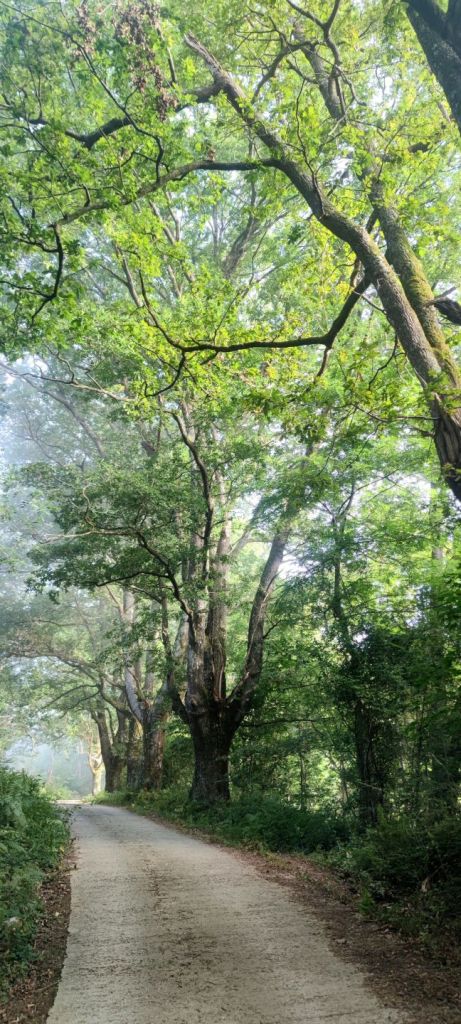
This 2,000-hectare nature park originated in the 14th century as a noble estate. It passed through several owners until 1949, when Pedro Ciga donated it to Navarre. Its romantic gardens and hiking trails lead to the Aizkolegi viewpoint palace, now in ruins but offering breathtaking views. A paradise for nature and botany lovers.
IRURITA
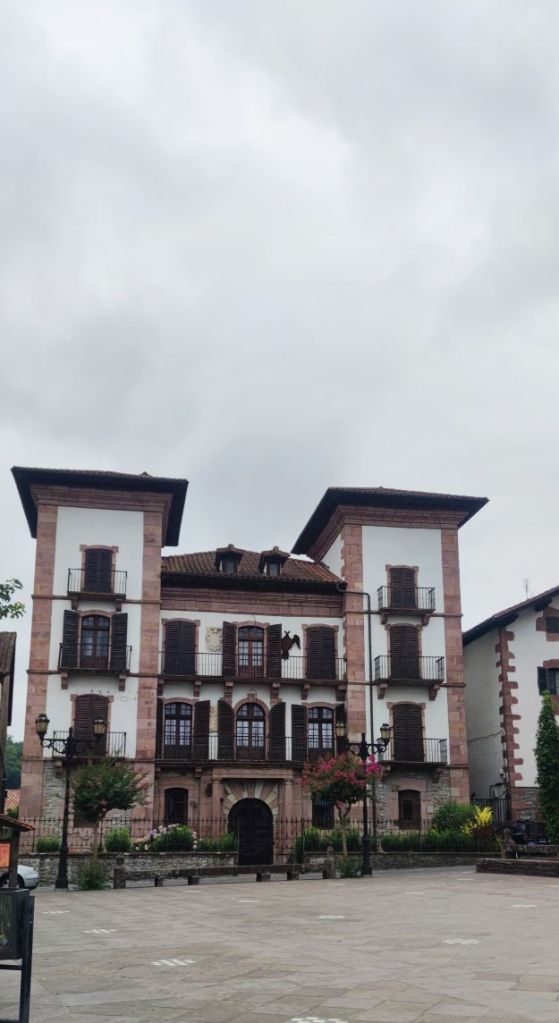
Home to a spectacular collection of palatial houses and coat-of-arms-adorned homes. Among them, the Jauregizar Palace, built in the 17th century, belonged to powerful families with American ties. Irurita was strategically important for centuries and still preserves the charm of rural nobility.
ERRATZU AND THE XORROXIN WATERFALL
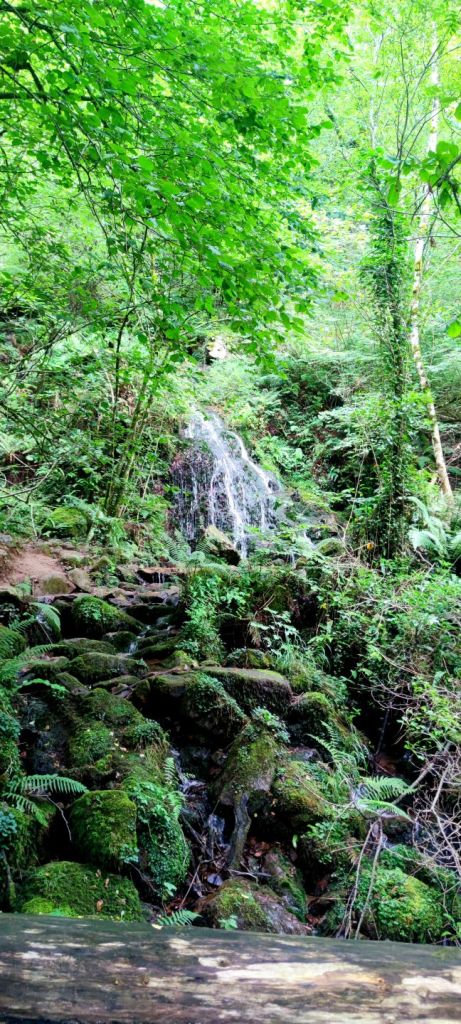
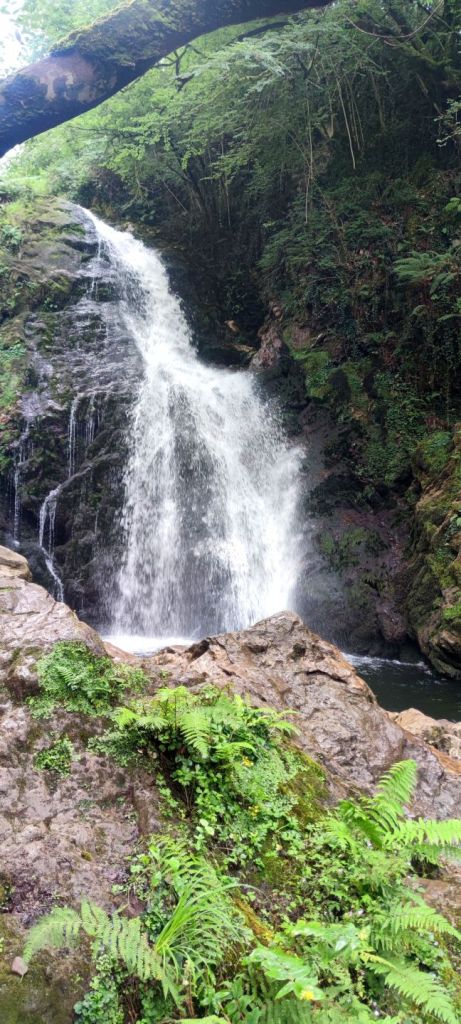
This remote village near the French border maintains the rural essence of Baztan. From Erratzu begins the trail to the magical Xorroxin Waterfall, believed in Basque mythology to be inhabited by lamias (legendary river creatures). The walk passes through forests, farmhouses, and meadows. It was also used as an escape route during 20th-century conflicts.
IZPEGI PASS
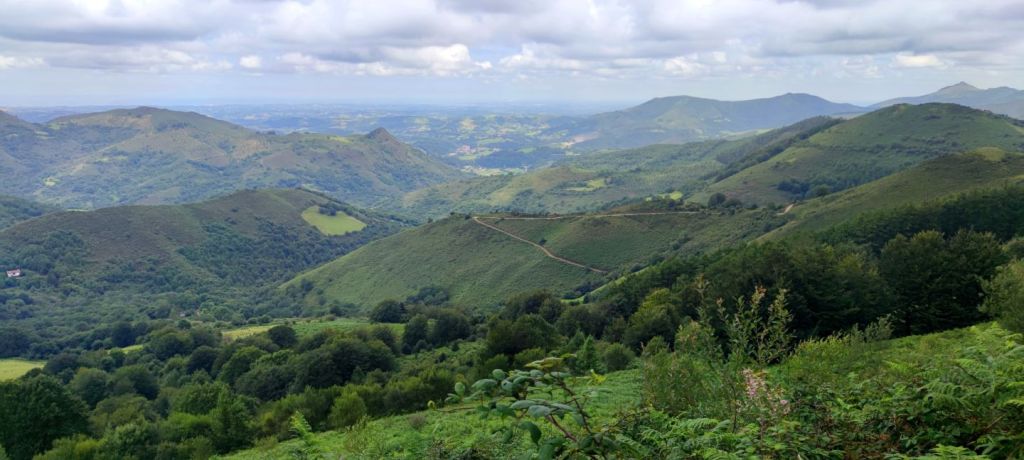
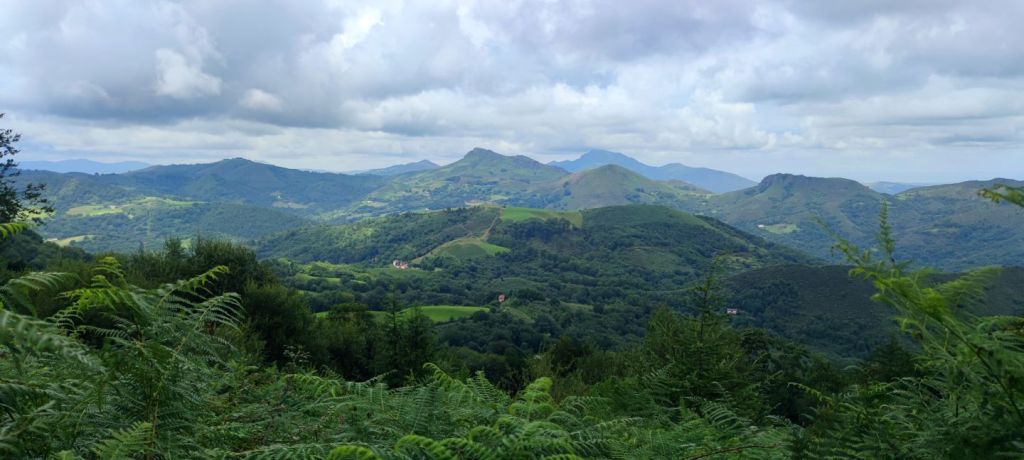
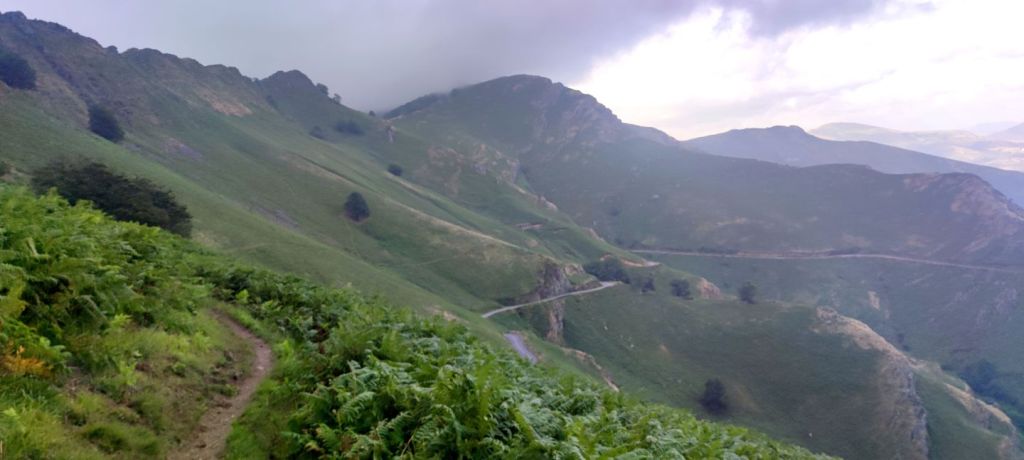
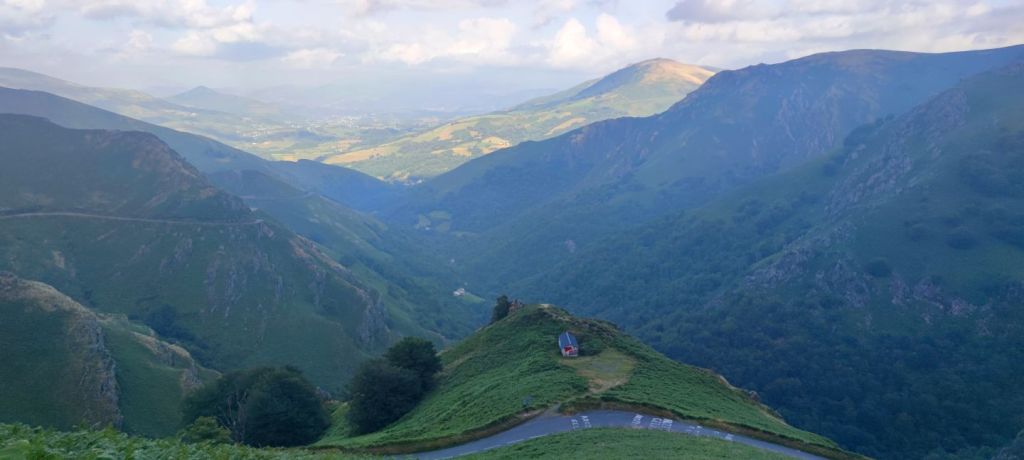
Located at 672 meters above sea level, this border crossing was used for smuggling and trade with Lower Navarre for centuries. During the Civil War and World War II, it served as an escape and resistance route. Today, it’s perfect for hiking and enjoying panoramic views.
OTSONDO PASS
At 574 meters, this historic pass provides access to Mount Autza. Dolmens and prehistoric mounds have been found in the area. In autumn, the surrounding beech forests offer a natural spectacle. It was also used for herding and commerce since medieval times.
SANTESTEBAN (DONEZTEBE)
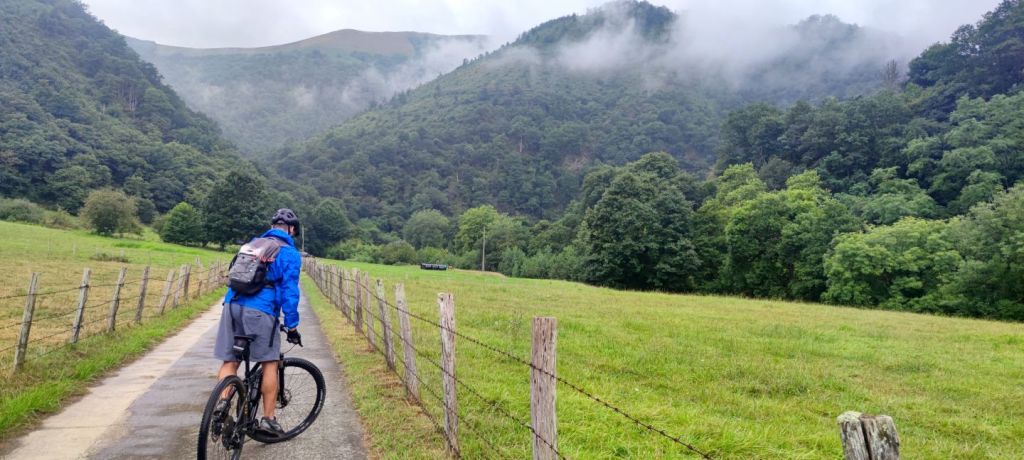
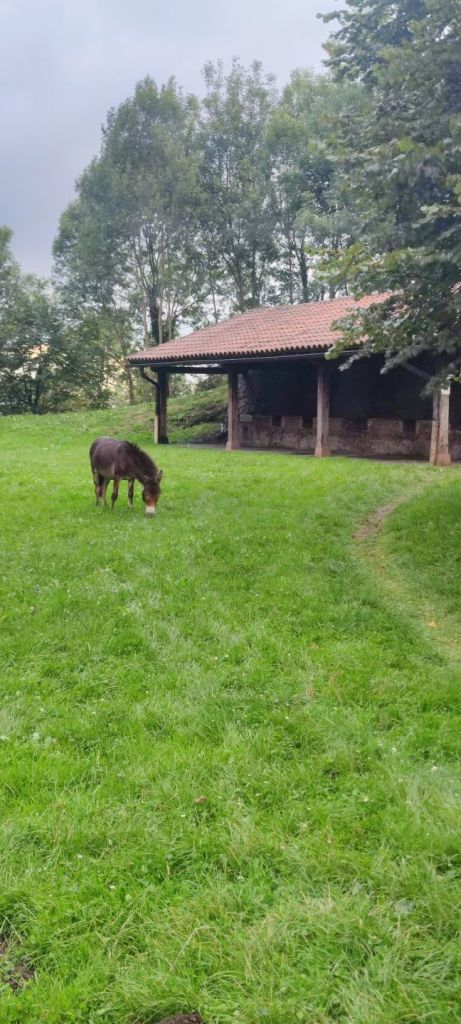
Though technically outside the Baztan Valley, Santesteban is one of the closest and most important towns in the Upper Bidasoa, serving as a southern gateway to the valley. Its history is tied to trade, craftsmanship, and the Camino de Santiago. The old town, medieval bridge, and lively weekly market make it a worthwhile stop for travelers entering or leaving Baztan. Moreover, Santesteban is the starting (or ending) point of the Bidasoa Greenway.
RECOMMENDED HIKING ROUTES
- Xorroxin Waterfall (from Erratzu)
- Difficulty: EasyDuration: 1h 30m (round trip)
- Highlights: Nature, mythology, and oral tradition.
- Route to Aizkolegi Palace (from Señorío de Bertiz)
- Difficulty: MediumDuration: 3–4 hours
- Historical value: The scenic palace was built in the early 20th century, and the trail crosses ancient forests.
- Climb to Mount Autza (from Otsondo)
- Difficulty: Medium–highDuration: 4–5 hours
- Interest: Panoramic views and prehistoric sites.
- Path from Elizondo to Irurita via rural trails
- Difficulty: EasyDuration: 1 hour
- Interest: Historic paths between two noble villages.
- Bidasoa Greenway (Vía Verde del Bidasoa)
A cycling and walking route that follows the former Elgorriaga-Irún mining railway line, active from 1898 to 1956. Now transformed into a scenic 42 km route, it connects Doneztebe (Santesteban) with Behobia, passing through forests, tunnels, rivers, and charming towns. It’s a perfect way to explore the lower Bidasoa valley—car-free and surrounded by nature.- Ideal for: Families, hikers, cyclistsTerrain: Easy, well-maintained pathHighlights: Iron bridges, old stations, riverside scenery, and stunning Bidasoa views
- Access from Baztan: Elizondo to Santesteban is just 15 km by road, making it easy to combine a visit to the valley with this gentler route.
GASTRONOMY AND TYPICAL SWEETS
The cuisine of Baztan reflects its environment: lush, fertile, simple, and flavorful. Notable local products include:
- Almond chocolate from Elizondo: Introduced by Indianos in the 18th century, now handcrafted in bakeries such as Malkorra or Lekunberri. It’s a product with regional tradition and fame.
- Basque cake (Navarre cake): Of French origin, this sweet became popular in Baztan in the 19th century. It is filled with pastry cream or black cherry jam.
- Sheep’s cheese, cuajada (curdled milk), artisan honey, along with cured meats, natural cider, and roasted suckling lamb, complete a rural-based cuisine rooted in tradition and terroir.
TIPS:
- Be ready for changing weather: the valley has an Atlantic climate: humid, with frequent rain and fog. Wear waterproof shoes, a jacket, and warm clothing—even in summer.
- Eat local: mountain inns (ventas) offer excellent homemade food and incredible views. Try local sweets and products directly from producers.
- Take your time and use your own car: distances are short, but roads are narrow and winding. Drive slowly, stop in the villages, and let time flow like the Bidasoa River.
 all about eve`s journeys